
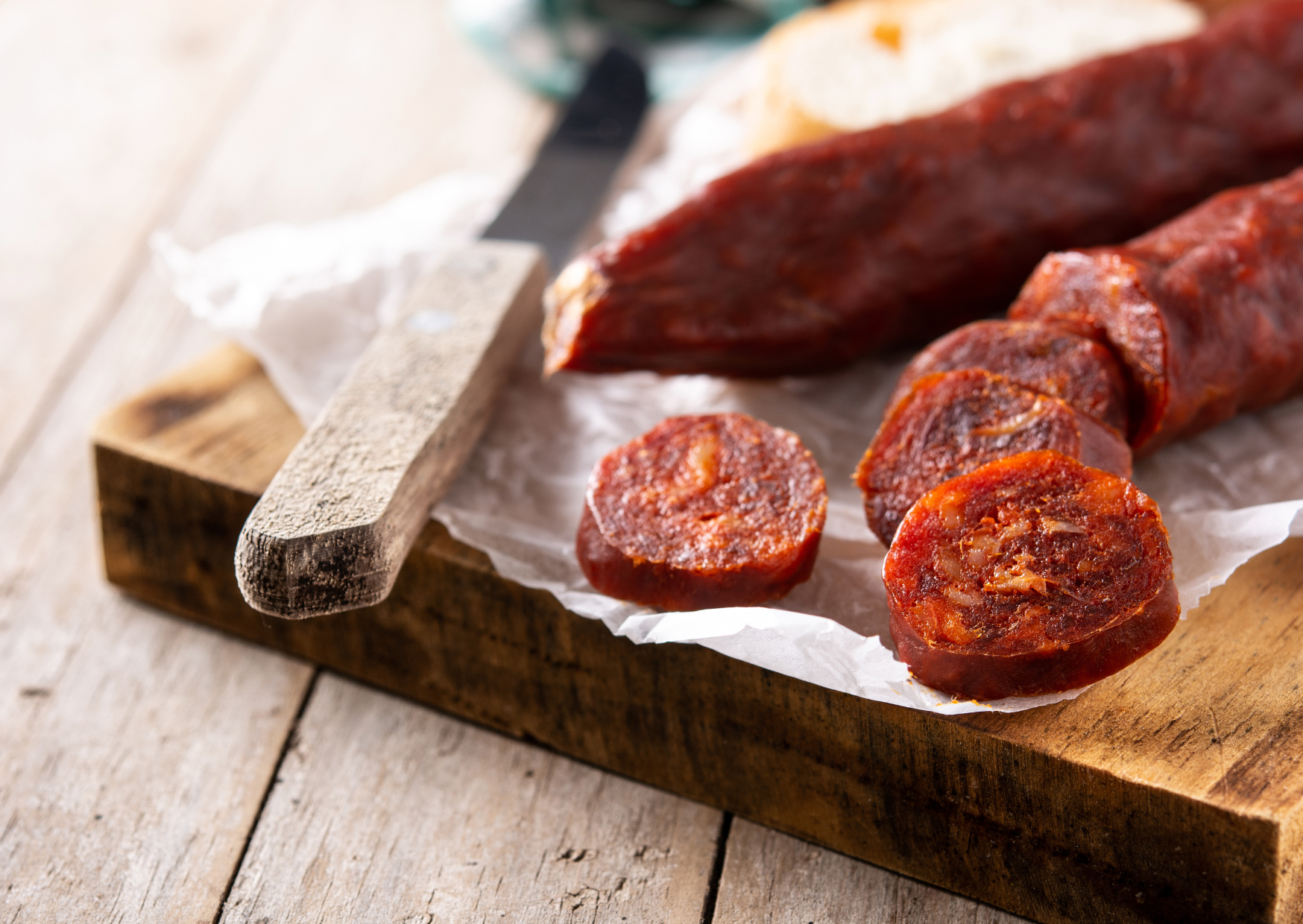
The confusion starts with the word. Americans see “chorizo” and expect one thing with regional tweaks. Spain and the U.S. are usually not selling the same food at all. One is commonly cured, smoky, and sliceable. The other is often fresh, soft, and meant to be crumbled into a pan.
A lot of Americans think Spanish chorizo is just fancier chorizo.
Same basic sausage. Different branding. Maybe a better label, maybe a harder texture, maybe a little smoked paprika and a nicer photo on the package.
That is not really what is going on.
What most Americans meet in a U.S. supermarket as “chorizo” is usually Mexican-style fresh chorizo: raw, soft, highly seasoned, often vinegary, often chili-driven, and built to be cooked loose like ground meat. Cacique’s current pork chorizo at Walmart is a refrigerated product with pork, water, vinegar, spices, and curing agents, and one mainstream example is enough to show the category Americans usually mean.
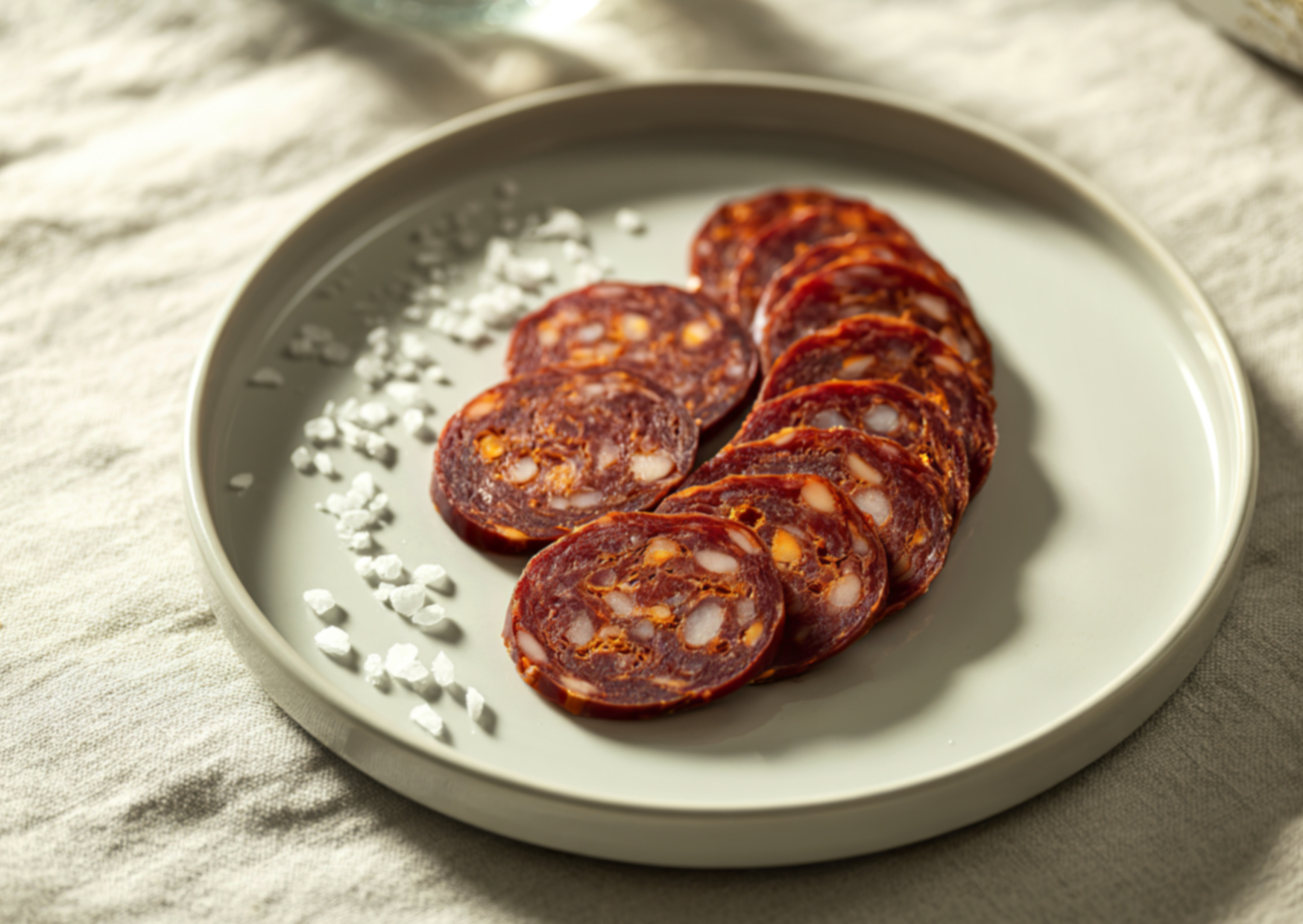
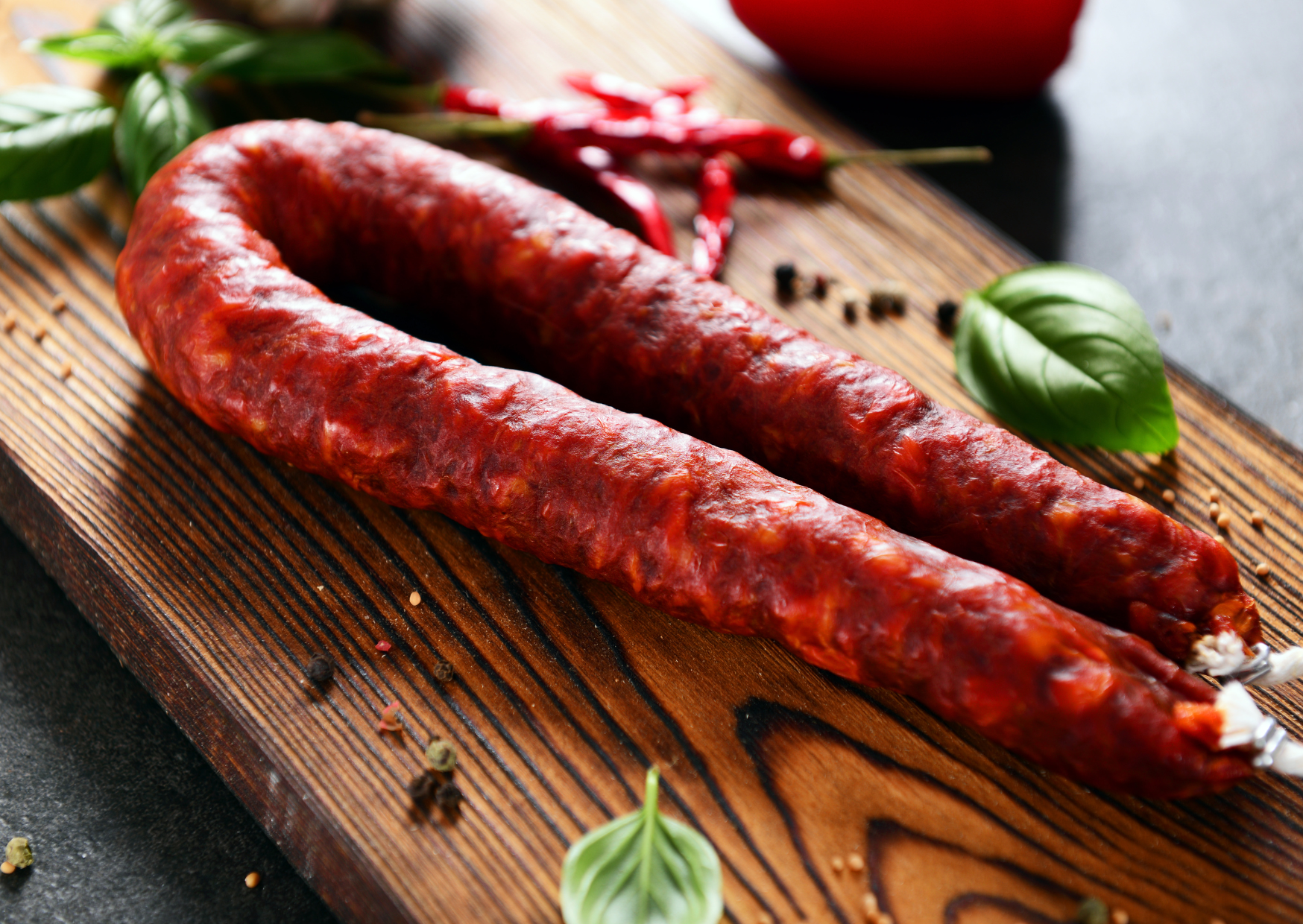
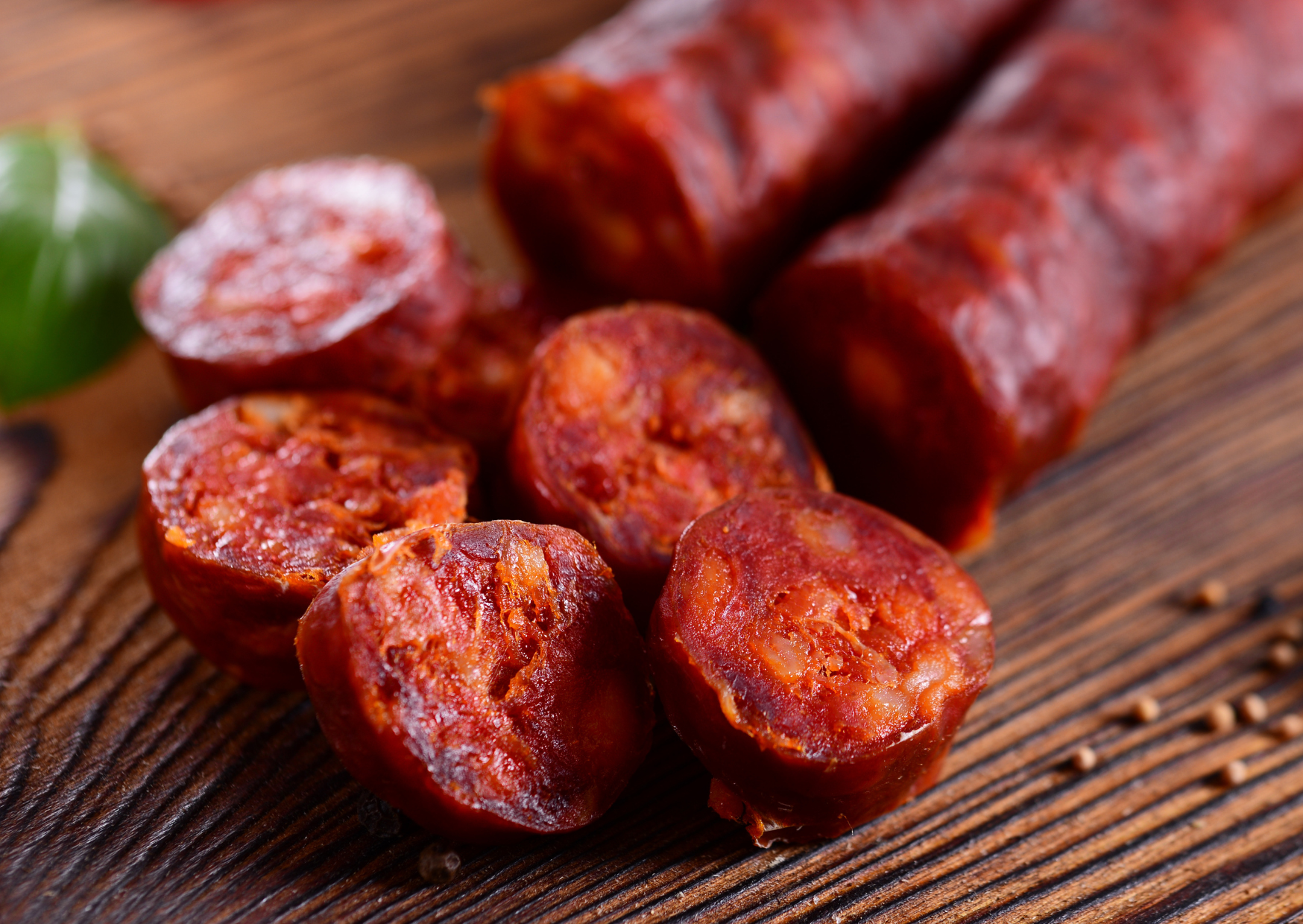
Spanish chorizo, by contrast, is built around pork, garlic, and paprika, then cured or smoked into something firmer, redder, and much more sliceable. The Spanish Chorizo Consortium says authentic Spanish chorizo must be made with garlic and paprika, use minced pork as the base, and be cured in the open air or smoked.
Both are valid.
They just are not interchangeable.
That is why so many American recipes with “chorizo” taste nothing like what people ate in Spain.
The Spanish One Is Usually A Cured Sausage, Not A Pan Of Crumbles
The easiest way to fix the confusion is to start with texture.
Spanish chorizo is usually firm enough to slice. It can be cured, semi-cured, or fresh depending on the region and use, but the Spanish idea of chorizo still centers pork seasoned with paprika and garlic, then preserved through curing or smoking. Even official Spanish promotional material keeps repeating that formula because it is the core identity of the product.
That is also why Spanish chorizo often lands on a board, in a stew, in a lentil pot, in cider, or sliced into a pan where it renders some fat but still keeps its shape. Washington Post’s 2024 comparison described Spanish chorizo as chopped rather than ground pork, heavily marked by pimentón, then dry-cured. Food & Wine described the same split, noting that Spanish chorizo is dried and smoked while Mexican chorizo is fresh and crumbly.
The word pimentón matters here.
That is the flavor line Americans usually miss. Spanish chorizo’s red color and smoky depth come from paprika, especially smoked paprika, not from the sharper chile-and-vinegar profile many U.S. shoppers associate with supermarket chorizo. ICEX’s 2025 export profile on Spanish chorizo described premium examples as built around pimentón, garlic, and salt, sometimes with no additives or preservatives at all.
Even when Spanish chorizo is sold as a cooking sausage rather than a ready-to-slice cured one, it still tends to be paprika-first instead of vinegar-first. That is why the aroma leans smoky and warm rather than sharp and aggressively tangy.
The American Version Most People Buy Is Usually Mexican-Style Chorizo
This is the correction that keeps the article honest.
“American chorizo” is not some official national sausage. The U.S. just happens to sell a lot of Mexican-style chorizo, and that is what most Americans mean when they say chorizo unless they are shopping in a Spanish specialty store.
That supermarket version behaves like seasoned raw meat.
It gets squeezed from a tube or casing, broken up in a skillet, cooked through, then folded into eggs, tacos, beans, potatoes, or queso. A current 2026 cooking explainer describes Mexican chorizo as a fresh raw pork sausage seasoned with ancho and guajillo chile, garlic, cumin, cloves, oregano, and vinegar, usually cooked out of its casing until crumbly.
That is why recipe substitution goes so badly.
Someone buys Mexican-style chorizo and expects it to work like a Spanish sausage in lentils, cider, or on a tapas plate. The pan fills with loose reddish fat, the meat loses its shape, and the dish starts moving in a completely different direction. The product did not fail. The expectation failed.
One current mass-market U.S. label makes the category split painfully visible. Cacique Pork Chorizo lists pork salivary glands, lymph nodes and fat, seasoning, pork, water, vinegar, soy grits, and sodium nitrite. That is not remotely the same thing as a cured Spanish chorizo based around pork, paprika, garlic, and drying time. It may still cook into tasty tacos. It is just a different food.
The Dish Spaniards Actually Recognize
The cleanest way to understand the real product is to cook one of the dishes Spain still treats as normal.
Not a fusion pasta.
Not a loaded taco bowl.
Not “Spanish-style crumbles.”
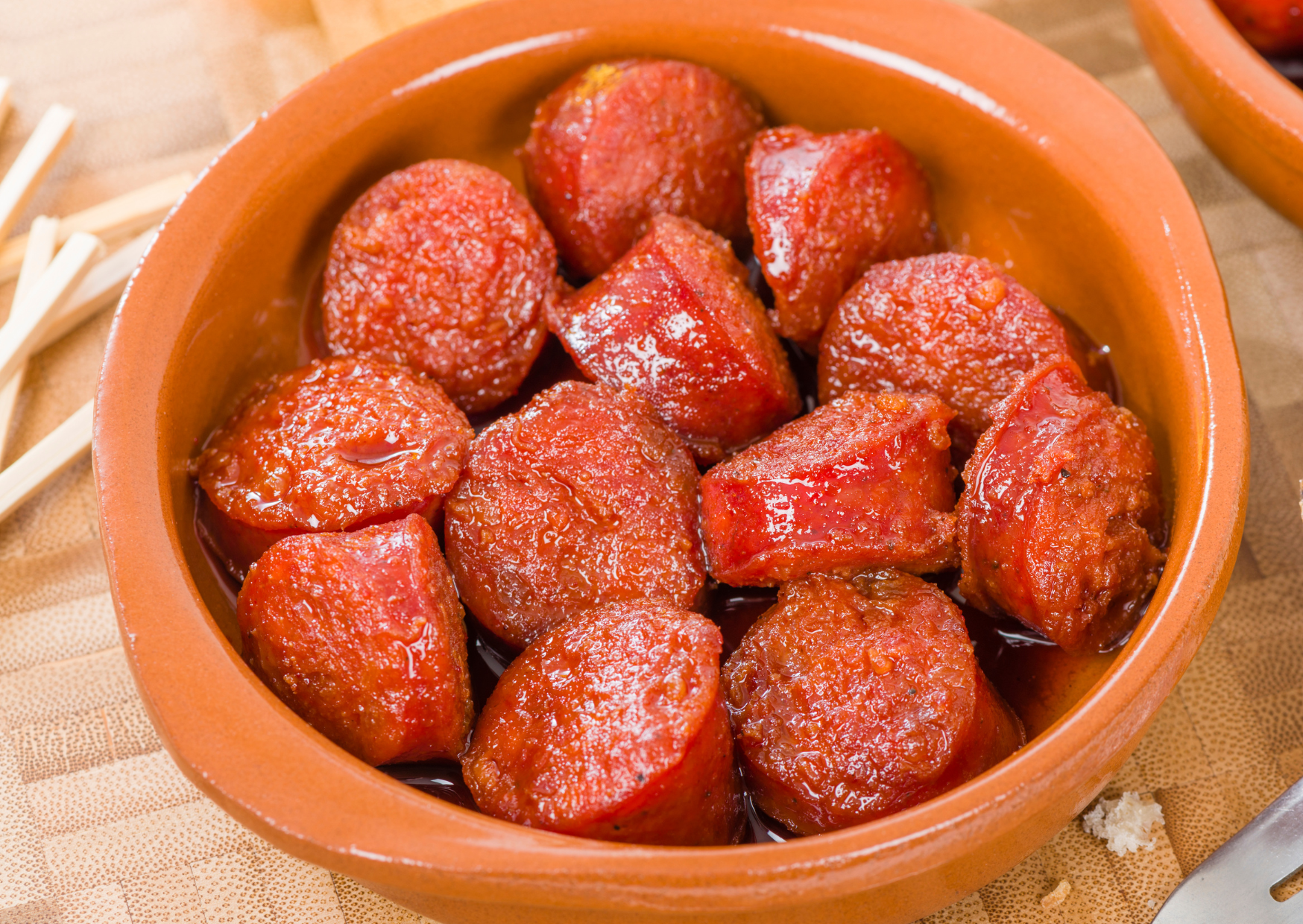
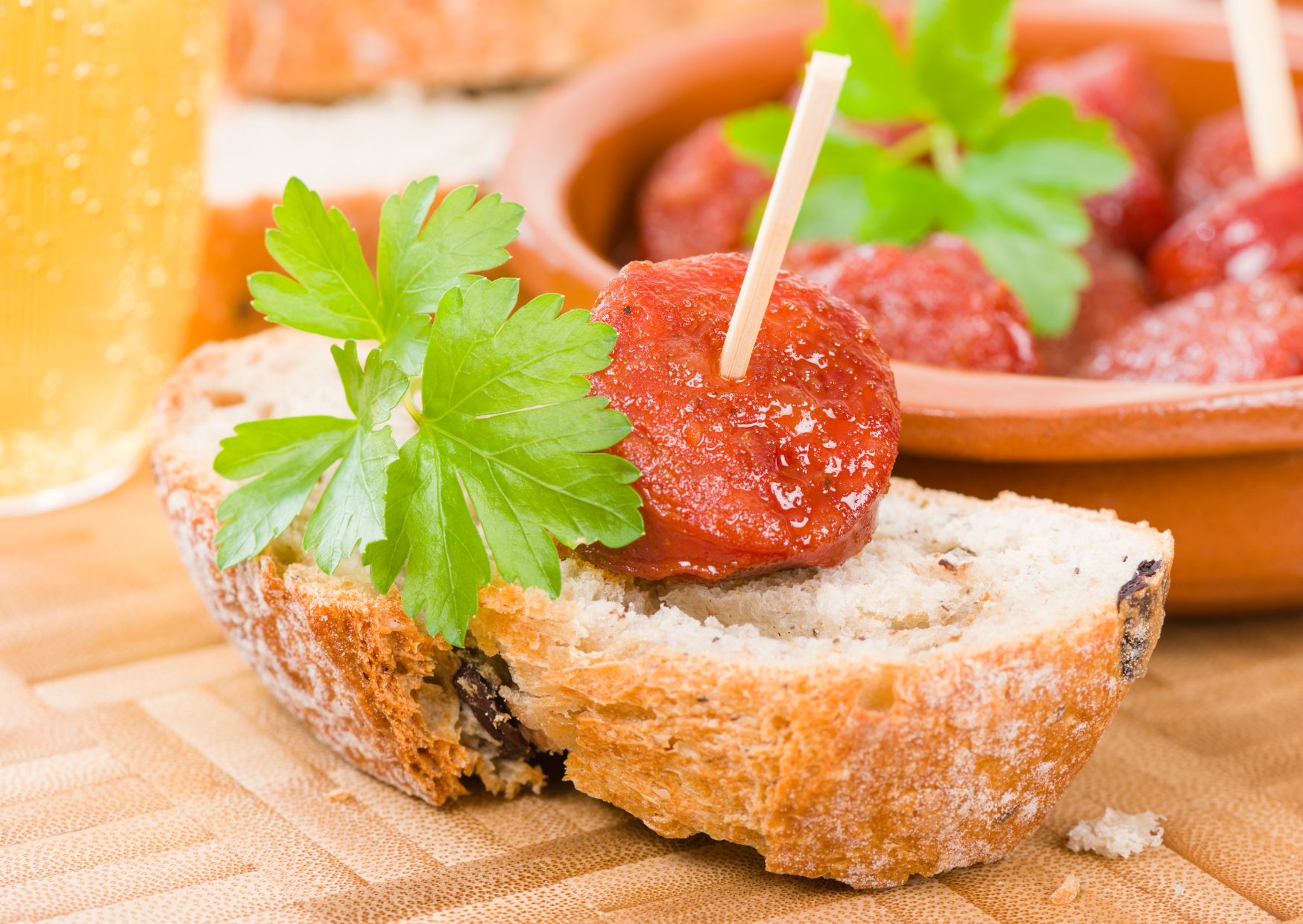
Just chorizo a la sidra, the Asturian classic where the sausage is cooked in cider with almost nothing to hide behind. Spain’s official tourism site describes it very plainly: chorizos cooked in cider with a few bay leaves, served as a starter or tapa.
That simplicity is useful because it forces the sausage to do the work.
If the chorizo is good, the dish works.
If the chorizo is wrong, the dish collapses almost immediately.
Chorizo A La Sidra
Ingredients for 4 as a tapa
- 500g Spanish cooking chorizo or Asturian-style chorizo
- 750ml dry natural cider
- 1 or 2 bay leaves
That is the traditional backbone. Some versions add a little olive oil or parsley, but the classic formula is basically chorizo, cider, and bay. Spain.info describes the dish that way, and several Spanish recipe sources still use the same minimal structure.
Method
Separate the sausages if they are linked. Prick them lightly a few times so they release fat without bursting.
Put them in a shallow pot or pan with the bay leaves and pour in the cider until the sausages are mostly covered.
Bring to a lively simmer, then cook 20 to 25 minutes, turning once or twice, until the cider has reduced and the chorizo is glossy, firm, and cooked through.
Slice into thick rounds and serve hot with the reduced cider juices and good bread.
That is the whole recipe.
No cumin.
No taco seasoning logic.
No crumble.
No acid blast to fake complexity.
Just pork, paprika, garlic, smoke, cider, and heat.
What It Costs In Spain
Using current Carrefour pricing, the math is refreshingly ordinary. Chorizo Asturiano El Chico 250g is €2.80, so 500g costs €5.60. A 75cl bottle of Sidra La Asturiana is €1.92. Bay leaves add only a few cents from a pantry jar. The full pan lands around €7.60 to €7.80 total, or just under €2 per person as a tapa for four.
That price matters because it explains why Spanish chorizo still behaves like a normal household ingredient rather than a luxury meat board trophy. In Spain, the real thing is not only cultural. It is practical.
Europe And U.S. Substitutions
In Spain, use fresh cooking chorizo, Asturian-style if possible, or a semi-cured sausage meant for hot dishes.
In the U.S., look for Spanish-style chorizo at a specialty grocer, a Spanish deli, or a good international market. If the package describes the sausage as cured, smoky, or paprika-based and it keeps its shape when sliced, you are much closer. If it looks like a soft tube of seasoned ground pork, that is the wrong product for this dish.
For cider, dry hard cider is the closest American supermarket substitute if Asturian cider is not available. Avoid very sweet cider unless you actively want a sweeter sauce, because the whole point of the dish is dry apple acidity cutting through pork fat.
Why The Spanish Version Tastes Deeper With Fewer Spices
This is the part a lot of Americans miss because the ingredient list can look almost too short.
Spanish chorizo tastes deeper not because it throws more spices at the problem, but because it uses paprika, garlic, salt, smoke, and curing to build depth slowly. A review of chorizo varieties and composition notes the characteristic non-meat ingredients in Spanish chorizo as salt, paprika, garlic, and oregano. That is a much tighter structure than the broader chile, vinegar, cumin, clove, and oregano profile typical of Mexican-style chorizo.
Curing changes the eating experience too.
When water leaves the sausage and fermentation or drying develops flavor, the pork tastes denser and the spice feels integrated instead of just mixed in. That is why Spanish chorizo can be sliced and eaten with bread or cheese and still feel complete. Mexican-style chorizo usually needs the pan first because its role is different.
The pimentón also does different work from chile powder.
It gives Spanish chorizo smoke, sweetness, and red color in one move, while vinegar and dried chiles in Mexican-style chorizo push the flavor toward tang, heat, and crumble-friendly intensity. Neither is superior in every dish. They simply solve different culinary problems.
That is why Spanish chorizo works so well in lentils, beans, potato stews, cider sauces, rice dishes, and tapas. It seasons the whole pot while still remaining itself. Mexican-style chorizo tends to dissolve into the dish much more completely.
What Americans Usually Buy Wrong
The biggest mistake is buying by the word alone.
If the package says “chorizo,” many Americans assume the country of origin is a style note rather than the entire point. That is how people bring home a soft raw Mexican-style sausage when they needed a firm Spanish one, or buy a cured Spanish link and then wonder why it does not crumble properly into breakfast tacos.
The second mistake is buying by color.
A deep red sausage is not enough information. Both Spanish and Mexican-style products can look red. The useful clues are firm versus soft, sliceable versus squeezable, paprika-and-garlic versus chile-and-vinegar, and ready-to-eat cured versus raw refrigerated meat.
The third mistake is treating the U.S. supermarket version as neutral.
It is not neutral.
It is a specific Mexican-style product with its own culinary logic, and some current labels are rougher than shoppers realize. Cacique’s common Walmart product is cheap at $1.50 for 9 ounces, but the ingredient profile makes it clear that it is a very different purchase from a Spanish cured sausage.
The fourth mistake is assuming the “real one” means the only legitimate one.
That is not the useful lesson either. Mexican chorizo is real. It is just not Spanish chorizo. The article works only if that distinction stays honest.
A Better Week With Chorizo Is Smaller Than Americans Think
Spanish chorizo is powerful enough that it usually works best in small amounts.
That is another behavioral difference. Americans often use chorizo like a main protein wall. In Spain, it is often a flavoring meat, a tapa, a stew component, a few slices with bread, or a supporting player in lentils, fabada, or cider.
A practical week with Spanish chorizo can look like this:
One night as chorizo a la sidra with bread.
One lunch folded into lentils or white beans.
A few slices with tortilla, cheese, or a small plate of olives.
That is enough.
The sausage carries a lot of flavor, fat, and salt. It does not need to be used like bland ground meat.
That smaller-use pattern also explains why Spanish households can buy a proper chorizo and keep using it intelligently instead of treating it as a single giant meat event. The product is concentrated. The cuisine respects that.
Storage is straightforward. Cured Spanish chorizo keeps better than fresh Mexican-style chorizo, while cooked chorizo a la sidra holds for a couple of days in the fridge and reheats well over low heat. The sauce usually tastes better on day two because the cider and paprika settle into each other.
The Word Stayed The Same, The Food Did Not
That is where the confusion really lands.
The label survived the Atlantic crossing.
The product did not.
Spanish chorizo is still built around pork, paprika, garlic, and curing. The American supermarket version most people know is usually a Mexican-style fresh sausage built for the skillet, with a very different texture, spice profile, and use case. Both belong in a serious kitchen. They just belong in different drawers of the brain.
If the goal is the real Spanish one, the answer is not more cumin, more chili, or more marketing words.
It is simpler than that.
Buy the sausage that slices.
Look for paprika and garlic.
Cook it in cider once.
Then the whole category stops being theoretical immediately.

About the Author: Ruben, co-founder of Gamintraveler.com since 2014, is a seasoned traveler from Spain who has explored over 100 countries since 2009. Known for his extensive travel adventures across South America, Europe, the US, Australia, New Zealand, Asia, and Africa, Ruben combines his passion for adventurous yet sustainable living with his love for cycling, highlighted by his remarkable 5-month bicycle journey from Spain to Norway. He currently resides in Spain, where he continues sharing his travel experiences with his partner, Rachel, and their son, Han.