
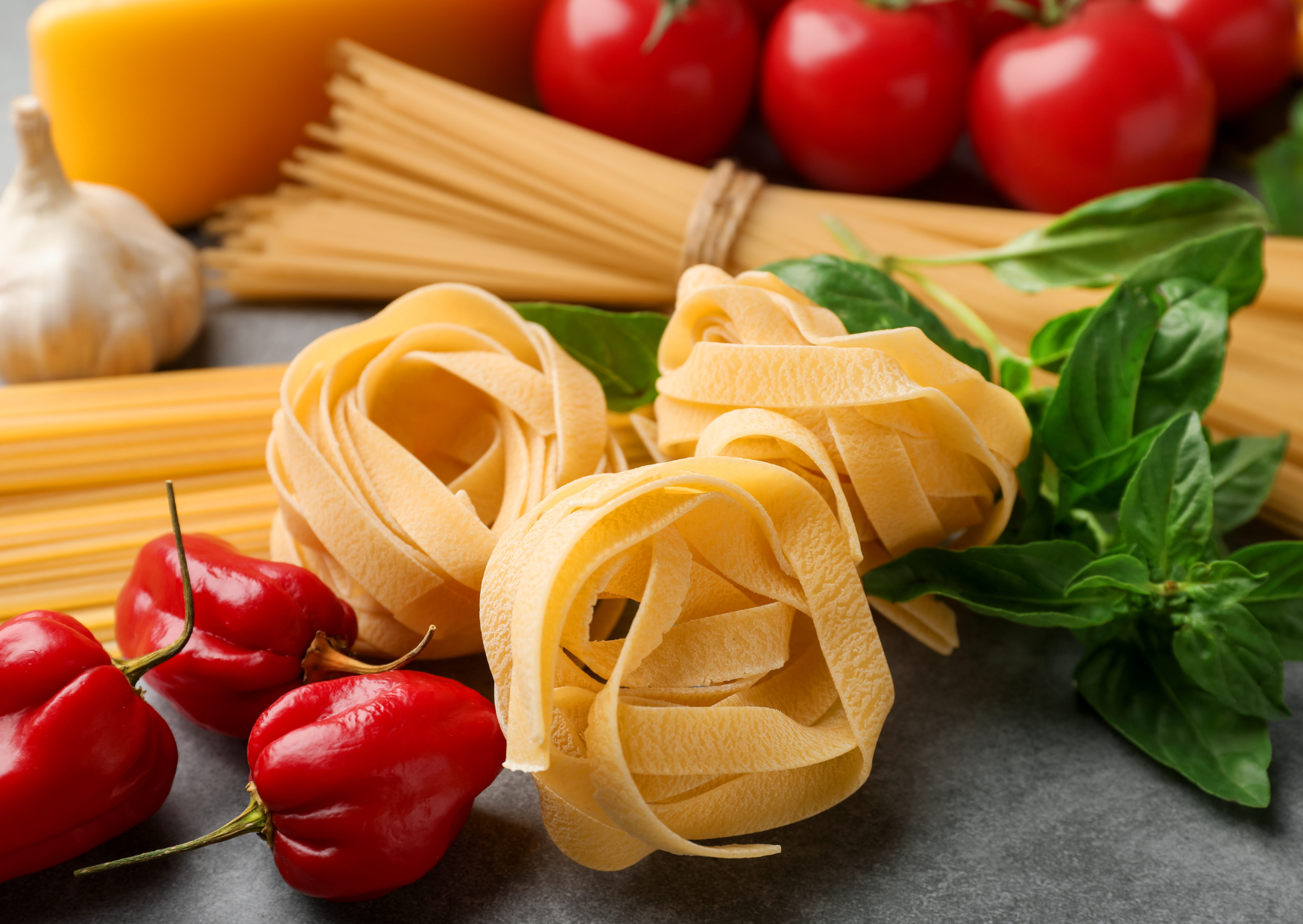
The real difference is not that Italy discovered magical wheat and America forgot how to boil water. It is usually a stack of smaller differences: what goes into the box, how the pasta is made, how hard it is cooked, how much lands on the plate, and what gets dumped on top of it afterward.
A lot of Americans say some version of the same thing after a trip to Italy.
“I ate pasta constantly there and felt fine.”
Then they come home, make a huge bowl of spaghetti with a thick red sauce or cream sauce, and feel heavy, swollen, and vaguely betrayed.
That experience is real.
The explanation people reach for is usually sloppy.
They say European wheat is better. Or American pasta is fake. Or gluten somehow behaves politely only under Italian citizenship rules.
The truth is less mystical and much more useful.
A lot of boxed pasta in the U.S. is still sold as an enriched macaroni product, with added niacin, iron, thiamin, riboflavin, and folic acid, and U.S. standards allow a broader set of base flours and optional ingredients than the stripped-down ideal people associate with Italian dry pasta. Great Value Thin Spaghetti, for example, is an enriched spaghetti product with semolina plus added enrichment nutrients, while Ronzoni Spaghetti lists durum wheat semolina, durum wheat flour, and the same enrichment stack. By contrast, current Barilla spaghetti sold in Europe lists durum wheat semolina and water, and protected or premium Italian dried pasta is still marketed around that same minimal formula.
That does not mean every American box is bad and every Italian box is holy.
It means the version many Americans buy, cook, and drown in sauce is often a different food experience from the simpler Italian plate they remember.
And the body notices the difference.
The Box Tells The Story Before The Pot Does
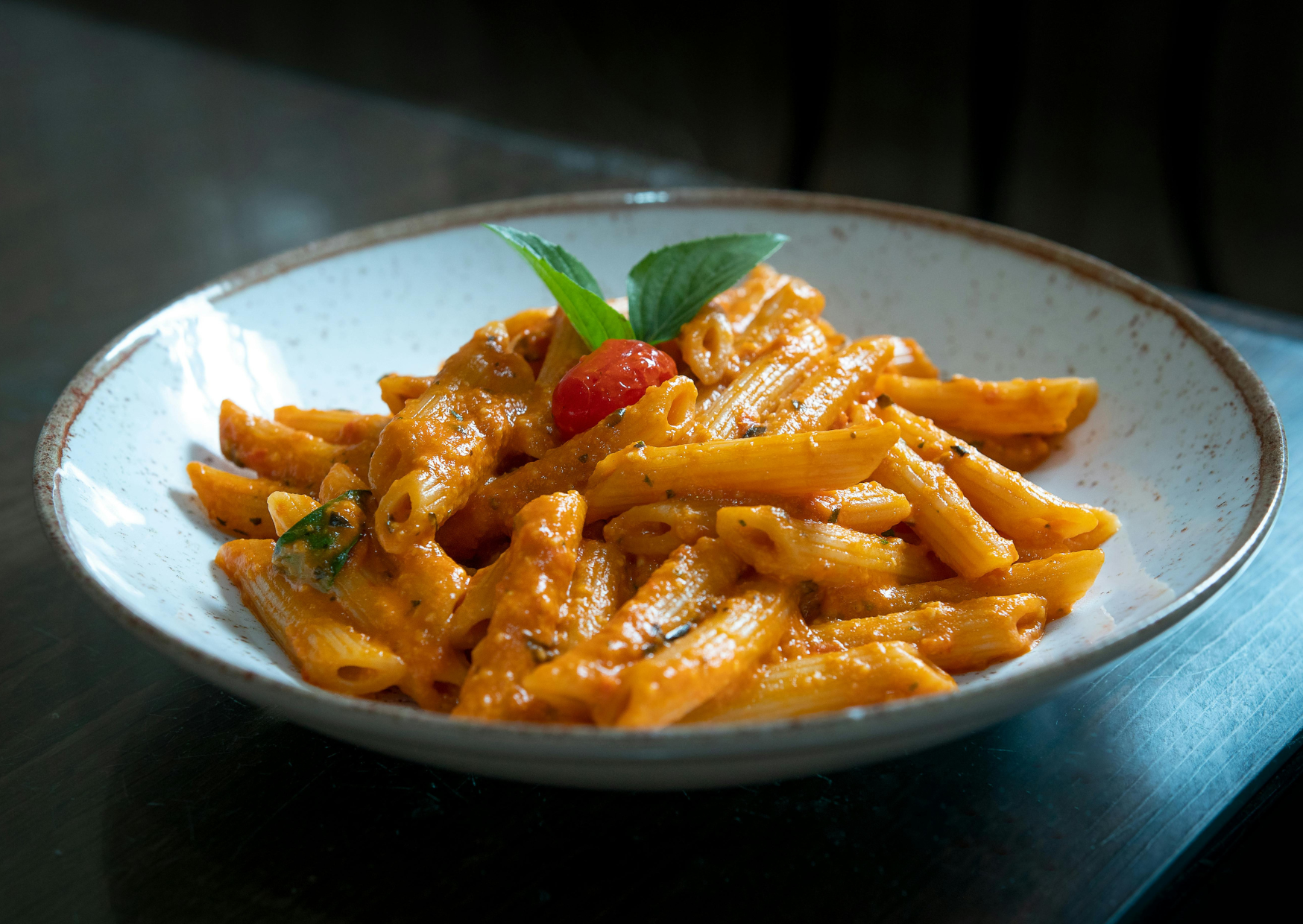
The cleanest comparison starts with the label.
A lot of standard Italian dried pasta is still just durum wheat semolina and water. Carrefour’s current Barilla spaghetti in Spain lists exactly that, with a may-contain note for soy. De Cecco’s production method still emphasizes cold water dough, rough drawing, and slow low-temperature drying, and Pasta di Gragnano IGP is defined around durum wheat semolina and water. That is the classic Italian backbone.
A lot of American supermarket pasta is simpler than people think, but it is still often more processed on paper. Great Value Thin Spaghetti is sold as an enriched spaghetti product and lists semolina plus niacin, iron, thiamine mononitrate, riboflavin, and folic acid. Ronzoni’s spaghetti adds durum wheat flour alongside semolina and the same enrichment stack. U.S. regulations also allow macaroni products to be made from semolina, durum flour, farina, flour, or combinations of those, with several optional ingredients allowed in the standard.
That ingredient difference is not dramatic in the way sourdough was dramatic.
It is still meaningful.
A pasta made from durum semolina and water behaves differently from an enriched supermarket spaghetti cooked until soft and buried under a heavy sauce. The Italian version tends to be firmer, rougher, and more comfortable with a shorter ingredient list. The American version tends to be cheaper, smoother, and more often built for a broad supermarket brief rather than a narrow culinary one.
And yes, there are good U.S. boxes that look Italian on the label.
Barilla sold in the U.S. is often still simple. Better bronze-cut American brands exist too. The useful distinction is not passport alone. It is semolina-first pasta, firm cooking, and lighter saucing versus the softer, bigger, more overloaded pasta habit many Americans grew up with.
The Italian Plate That Usually Feels Better
The version worth stealing is not complicated.
It is usually smaller, firmer, and less crowded.
A very normal Italian plate of pasta still looks almost suspiciously modest to an American eye. One good pasta. One restrained sauce. Enough oil to carry flavor. Enough starch water to bind it. Enough cheese or basil to finish it. Not a quart of sauce. Not a mountain of meat. Not a dairy event.
Here is the cleanest version to make at home.
Spaghetti Al Pomodoro The Way It Usually Works Best
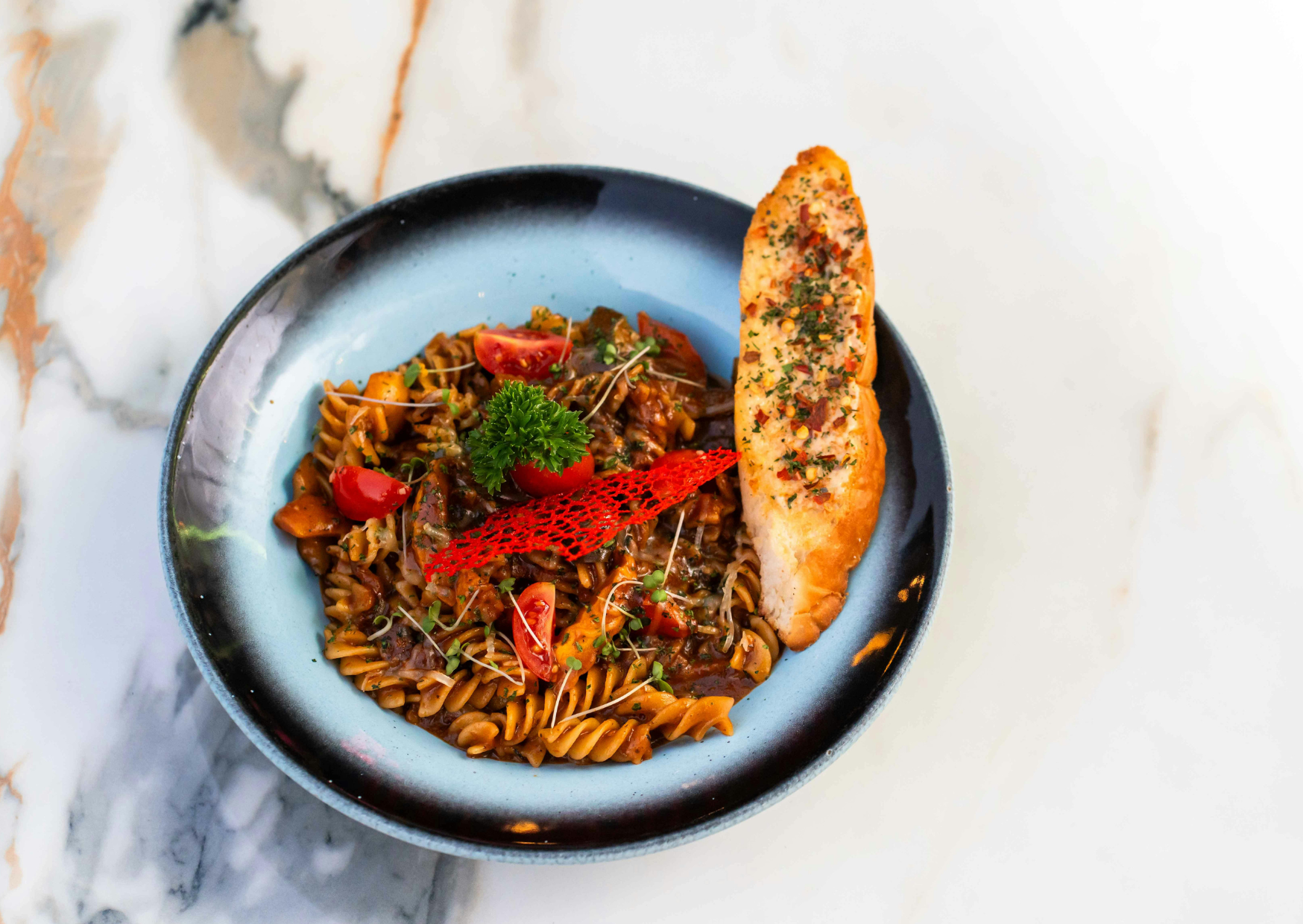
Ingredients for 2
- 200g dried spaghetti made from durum wheat semolina and water
- 400 to 480g peeled tomatoes
- 2 tablespoons extra virgin olive oil
- 1 garlic clove
- salt
- a few basil leaves, optional
De Cecco’s current spaghetti al pomodoro recipe uses the same core structure: spaghetti, peeled tomatoes, garlic, olive oil, salt, and basil. That is the plate many Americans are actually responding to when they say pasta felt lighter in Italy.
Method
Warm the olive oil in a pan and soften the garlic gently for a minute or two.
Add the peeled tomatoes and a little salt. Break the tomatoes up with a spoon and let them cook slowly for about 25 to 40 minutes, depending on how thick you want the sauce.
Boil the pasta in well-salted water and stop at al dente, not “a little past that because soft feels safer.” Barilla’s own Spanish instructions call for 1 liter of water and 7g of salt per 100g of pasta, and Italian pasta makers keep repeating the same point for a reason: pasta should finish with some bite.
Reserve a little pasta water.
Drain the pasta while it is still firm and finish it in the sauce with a splash of that water until the sauce clings instead of sitting underneath like soup.
Add basil at the end.
Serve immediately.
That is the recipe.
It looks too simple until you taste how little else it needed.
Why This Plate Usually Feels Lighter
The first reason is portion control. Two hundred grams of dry pasta for two people is a normal Italian home ratio. A lot of Americans quietly treat 150g to 200g each as a starting point, then wonder why the meal lands like wet cement.
The second reason is al dente cooking. Stanford notes that overcooked pasta has a greater impact on blood sugar than al dente pasta. That lines up with broader culinary-medicine and glycemic-index guidance: firmer pasta digests more slowly than overcooked pasta.
The third reason is sauce load. This plate uses tomatoes, oil, garlic, and starch water. That is a very different digestive experience from a huge bowl of soft pasta carrying creamy sauce, lots of cheese, and a serving size built for emotional relief rather than dinner.
The fourth reason is texture. Bronze-drawn and slower-dried pasta tends to hold sauce on the outside rather than collapsing into softness. De Cecco still markets rough drawing and slow drying as core to texture and sauce grip, and that is not only a luxury talking point. It changes how the plate eats.
What It Costs In Spain
Using current Carrefour Spain prices, the math is refreshingly normal.
Two hundred grams of Barilla spaghetti from a 500g pack at €1.74 costs about €0.70. A 480g can of peeled tomatoes at €1.19 covers the sauce. Two tablespoons of Carrefour extra virgin olive oil from a €4.94 per liter bottle cost about €0.15. One garlic clove from a 250g pack at €1.83 costs only a few cents. The full two-person pan lands around €2.10 to €2.20, depending on how generous you are with oil and basil. That is roughly €1.05 per person for a plate that usually tastes much more expensive than it is.
Europe And U.S. Substitutions
In Spain or Italy, a normal supermarket semolina-and-water spaghetti works fine.
In the U.S., the easiest move is to stop buying the cheapest soft box by habit and start reading labels. A simple imported spaghetti, a bronze-cut domestic one, or anything with durum semolina and water on the front half of the label gets you closer.
For tomatoes, canned whole peeled tomatoes work better than most jarred sugary sauces.
For olive oil, use a decent extra virgin you would actually dip bread into, not bland “olive oil” blends.
For cheese, add a little at the table if you want it. Do not build the whole dish around covering the pasta in dairy.
That is the Italian trick in plain sight.
The pasta is the center.
The sauce is support.
The Bloating Story Is Usually About The Meal, Not The Passport
This is the part people usually get wrong.
If someone has celiac disease, wheat allergy, or genuine non-celiac wheat sensitivity, Italian pasta is not a magical loophole. Wheat is still wheat. Recent reviews still describe non-celiac gluten or wheat sensitivity as a real symptom pattern for some people, and a 2025 meta-analysis in Gut estimated that roughly one in ten people report symptoms they attribute to gluten or wheat without having celiac disease or wheat allergy.
So no, the article is not claiming that Italian pasta becomes medically different once the box crosses the Atlantic.
What it is claiming is more ordinary and more believable.
A lot of people feel less bloated in Italy because they are eating:
better-textured pasta,
smaller portions,
simpler sauces,
and firmer cooking.
That is enough to change the entire after-meal experience.
There is some science behind the texture piece. Pasta generally sits on the lower end of the glycemic spectrum compared with many other refined starches, and cooking it al dente keeps its glycemic impact lower than overcooking does. Research also shows that processing variables and protein structure affect starch digestion in spaghetti, which is one reason pasta does not behave like bread made from the same wheat.
There is also a culture piece people refuse to admit.
A lot of Americans do not eat pasta in the same context they eat it in Italy.
They eat too much of it.
They use more sauce.
They use heavier sauce.
They combine it with garlic bread, alcohol, dessert, or a giant second course.
Then they blame the wheat as if the meal did not arrive with its own accomplices.
That is not a very serious diagnosis.
The Cooking Method Changes The Whole Meal
How the pasta is cooked matters more than people want it to matter.
Americans often boil pasta until all resistance disappears because softness feels safe, familiar, and generous. Italy keeps insisting on al dente because it tastes better and holds structure better. Stanford’s culinary medicine guidance is blunt that overcooked pasta has a greater blood-sugar impact than al dente pasta, and broader low-GI guidance still places pasta among the lower-GI carbohydrate foods, with al dente cooking improving that advantage.
That is not the only mechanical difference.
Bronze-die pasta holds sauce differently because the surface is rougher. Both De Cecco and Barilla’s Al Bronzo line still market that roughness as a practical advantage, not a poetic one. Rough pasta catches the sauce outside the noodle instead of demanding a thick blanket of sauce to make the plate feel complete.
Slow drying matters too, at least for texture and firmness. Italian makers keep repeating the point because it shows up on the plate. Slower drying and stronger structure usually give pasta more chew and better sauce grip. That tends to produce a meal that feels cleaner and less swollen than soft supermarket spaghetti cooked past its best minute.
Then there is the American family-size effect.
Look at the package instructions on cheap U.S. boxes and the recipes they push nearby. Meatballs. Alfredo. big casseroles. family gatherings. heavy “comfort.” Even Walmart’s product language around Great Value spaghetti centers marinara, meatballs, and hearty family use. None of that is morally wrong. It just nudges the plate toward more. More starch. More sauce. More meal. More aftershock.
Italian pasta culture, especially at home, is usually more disciplined than that.
Not joyless.
Disciplined.
How To Shop For Better Pasta In The U.S.
The good news is that this is not a Europe-only privilege.
An American shopper can fix most of it in one grocery trip.
Start with the label.
Look for durum wheat semolina and water or something very close to that. If the box says enriched spaghetti product and then lists the enrichment stack, that is not an automatic rejection. It is just not the cleanest version. If the label looks short, the odds improve immediately. Great Value Thin Spaghetti is a cheap enriched product at $0.98 for 1 pound, which is fine for budget dinners. Barilla in Spain is €1.74 for 500g and keeps the ingredient list to semolina and water. The difference in price is real, but so is the difference in experience.
Then look at the surface.
A good pasta usually looks paler, rougher, and less slick than the glossy bright-yellow stuff people often mistake for quality. Roughness is useful. It means the noodle is better at grabbing sauce without drowning in it.
Then respect the cook time.
If the box says 9 minutes for al dente, stop turning that into 12 because you got distracted by the sauce. The firmer bite is not a performance detail. It is part of why the meal lands better later.
Then shrink the sauce.
Not all the way down to sadness.
Just enough that the pasta still matters.
A simple tomato sauce, aglio e olio, cacio e pepe, or a restrained butter-and-cheese finish is much closer to the way many Italians actually eat pasta at home than the overloaded American bowl people keep calling “Italian.”
And finally, cut the portion before you start telling yourself the wheat changed.
A lot of people do not need imported magic.
They need 90 to 100 grams of dry pasta per person instead of 150 or 200.
The Pasta That Feels Better Usually Isn’t Doing Magic
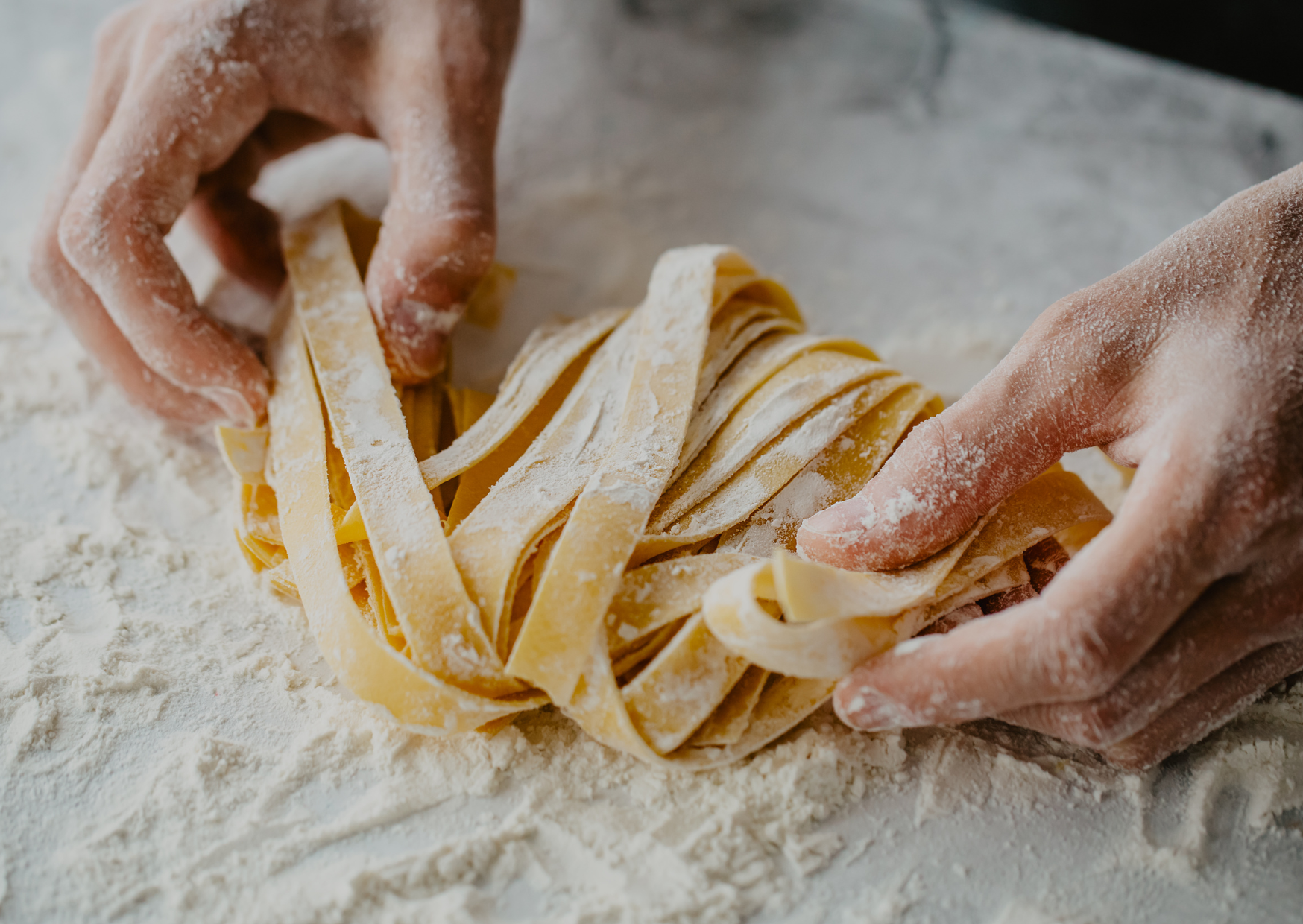
The title works because the experience is real.
People often do feel better after pasta in Italy.
The mistake is assuming the reason must be mystical.
Most of the time the explanation is sitting right there in the meal:
better ingredient discipline,
firmer cooking,
less sauce,
smaller portions,
and a clearer plate.
American pasta is not automatically bad.
Italian pasta is not automatically saintly.
But the Italian version many people remember is usually closer to the old dry-pasta ideal: durum semolina, water, rough texture, al dente, and a sauce that knows when to stop. That is a very different experience from a cheap enriched box cooked soft and covered like the noodles need rescuing.
If wheat itself truly causes your symptoms, Italy will not save you.
If the problem is the way the meal is built, Italy actually does have something useful to teach.
Not a miracle.
A method.
And that method is a lot cheaper than a week in Rome.

About the Author: Ruben, co-founder of Gamintraveler.com since 2014, is a seasoned traveler from Spain who has explored over 100 countries since 2009. Known for his extensive travel adventures across South America, Europe, the US, Australia, New Zealand, Asia, and Africa, Ruben combines his passion for adventurous yet sustainable living with his love for cycling, highlighted by his remarkable 5-month bicycle journey from Spain to Norway. He currently resides in Spain, where he continues sharing his travel experiences with his partner, Rachel, and their son, Han.