
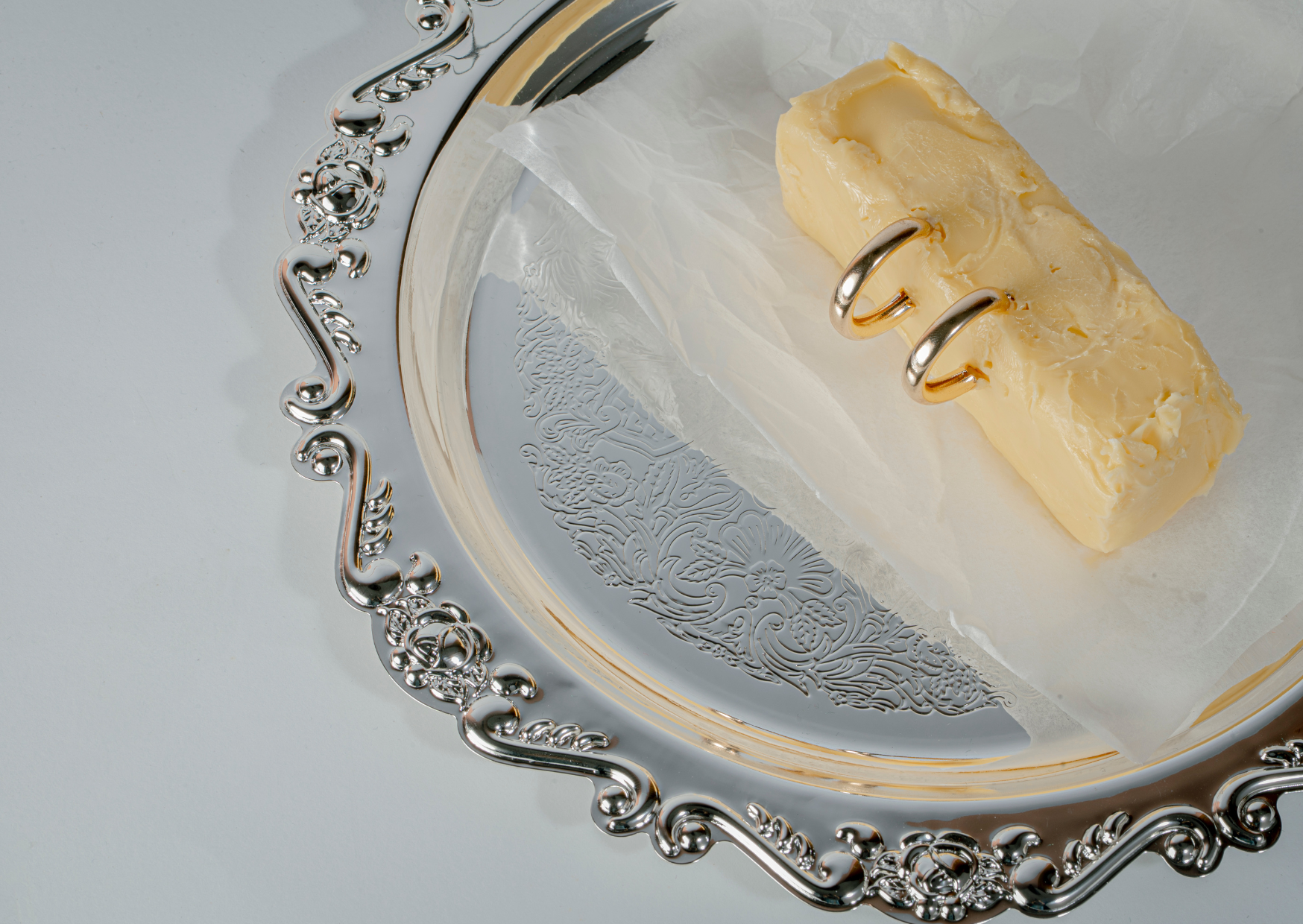
This one is less scandal than mismatch. A lot of Americans assume butter is butter, and that Europe is merely selling a more romantic wrapper. The real difference is usually more mechanical: fat percentage, water content, culturing, salt style, and the fact that French cooks often buy butter with a specific job in mind instead of treating every stick like the same yellow utility block.
A lot of Americans think European butter tastes better because the cows are happier, the fields are prettier, and the packaging has fewer crimes on it.
That is not the useful answer.
The useful answer is that standard American butter is built around an 80% milkfat floor, while a lot of French butter still lives at 82% milkfat for unsalted butter, with salted versions often sitting around 80%. French supermarket shelves still label that difference very openly. Elle & Vire’s current French range, for example, separates beurre doux 82% M.G. from beurre demi-sel 80% M.G., and Président’s current French retail products do the same.
That sounds tiny.
It is not tiny in a kitchen.
Two percentage points means less water, more butterfat, and a richer, more stable result in pastry and sauces. Even butter brands explain it bluntly: more fat means less water and a stronger butter taste. That is why French butter often feels denser, creamier, and less watery when it melts.
This is also why the article should not turn into fake outrage.
American butter is not fake.
It is just often standardized differently, and American shoppers also live in a market full of whipped butter, buttery spreads, olive-oil butter blends, and lower-fat “butter-like” products that make the category blurrier than it needs to be. French retail shelves blur less. The percentage is usually right there.
The Difference Starts At 80 Vs 82
Under current U.S. federal rules, butter is the product made from milk or cream and must contain not less than 80 percent by weight of milkfat. That is the legal baseline. It does not mean every American butter is exactly 80%, but it does mean the market is allowed to treat 80% as normal.
French butter culture still treats 82% unsalted butter as the ordinary serious standard in a way the U.S. mass market usually does not. Carrefour’s French listings currently show Président Beurre Gastronomique Doux 82% MG, Elle & Vire Beurre de Normandie Doux 82%, and multiple other 82% butters sitting right alongside the lighter or more spreadable formats. Even the AOP butter spec for Beurre d’Isigny states more than 82% fat for unsalted butter and more than 80% for salted butter.
That is why French butter often behaves differently in the pan and in dough. The extra fat is not there for prestige. It changes texture. Less water means less steam chaos in a sauce and less sogginess in laminated doughs or pastry. The difference is modest on toast and much more obvious in pâte feuilletée, shortcrust, brown butter, and sauces where butter is the structure rather than a background flavor.
Americans can absolutely buy 82% butter too.
Land O Lakes now sells Extra Creamy Unsalted Butter specifically labeled as 82% milkfat, and Kerrygold’s U.S. products are also sold as premium higher-fat butter alternatives. That is the correction worth making early. The real split is not America incapable, Europe enlightened. The split is that the French standard retail shelf treats higher-fat butter as normal, while the U.S. shelf still treats it more like a premium upgrade.
French Butter Often Tastes More Lactic Because It Is Cultured
The second difference is not always fat.
It is fermentation.
A lot of French butter includes ferments lactiques, which create a lightly tangy, nutty, more developed flavor. Carrefour’s current French listings for several Président and Elle & Vire butters include cream plus milk fat and lactic ferments, and the same pattern appears across a lot of Normandy-style retail butter.
American supermarket butter can be very short on ingredients too. Great Value’s unsalted butter currently lists cream, natural flavorings, and Land O Lakes explains that its “natural flavoring” in unsalted butter is lactic acid produced by fermentation of sugar to create a more cultured flavor. So again, this is not a purity fairy tale. It is a matter of how directly the butter market presents those flavors and structures to the shopper.
French butter culture also keeps the vocabulary cleaner.
Beurre doux means unsalted butter. Beurre demi-sel means lightly salted butter. Beurre de baratte signals traditional churn-style butter. AOP butters like Isigny point to place and rules, not only flavor. A French shopper can move through those categories without feeling like they need an artisanal dairy dissertation. The shelf teaches the distinctions.
That is why “what French cooks actually use” is usually not one sacred butter.
It is a small system.
Beurre doux 82% for pastry, sauces, and controlled seasoning. Demi-sel for bread, radishes, vegetables, omelets, and certain savory uses. A more distinctive butter, maybe AOP or de baratte, when the butter itself is supposed to be tasted rather than simply melted into a recipe. French butter brands and chef-facing butter lines still market exactly those use differences.
The Sauce That Proves The Point
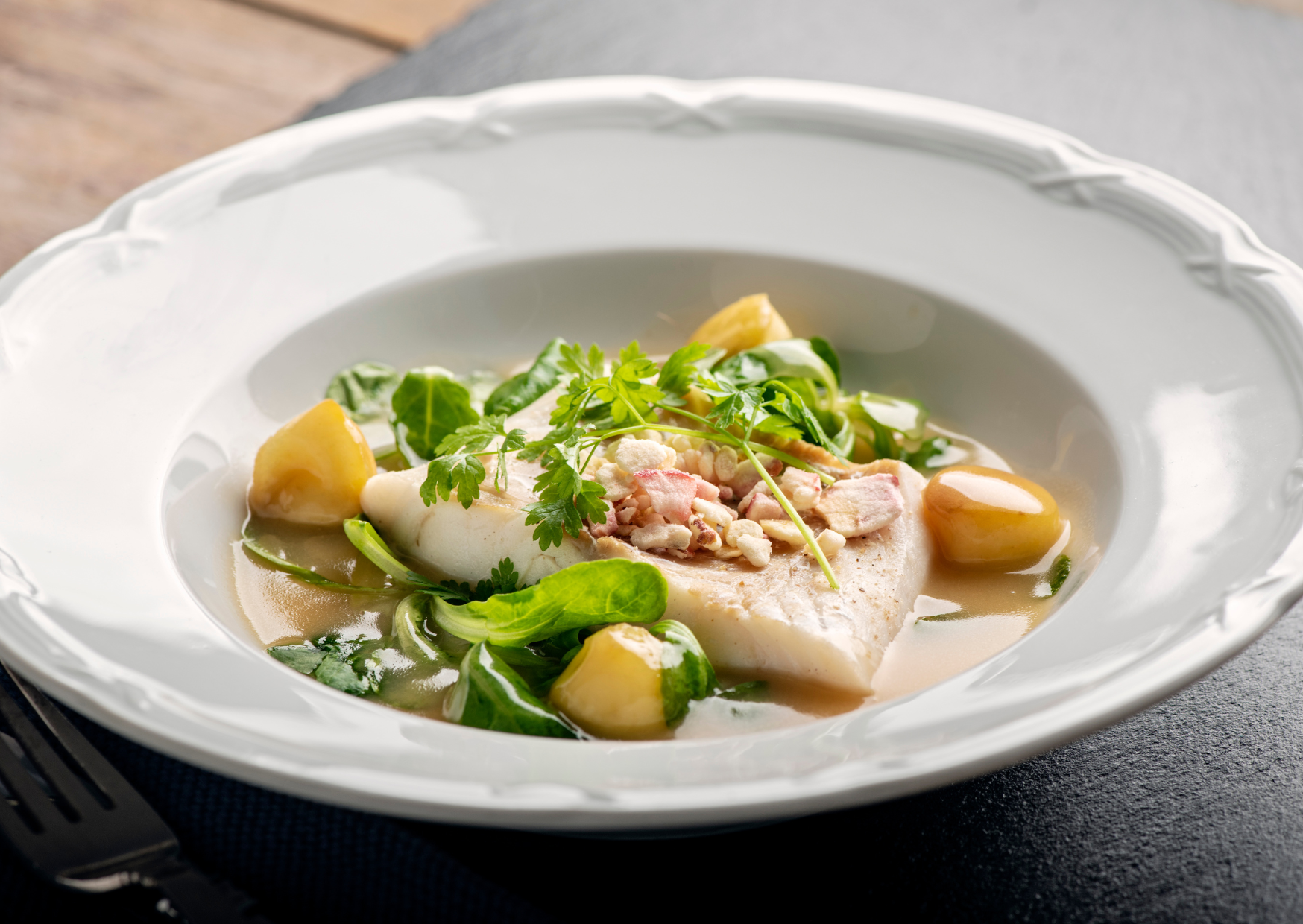
The easiest recipe for understanding the difference is beurre blanc.
Not croissants.
Not laminated pastry.
Not a grand baking project that asks for three days and emotional stability.
Beurre blanc is a blunt test because the sauce is basically an emulsion built from reduction plus a lot of cold butter. If the butter is thin, flat, or watery, the sauce tells on it immediately. If the butter is rich and stable, the sauce feels silkier and more complete.
French-Style Beurre Blanc
Ingredients for 4
- 200g unsalted 82% butter, cold and cubed
- 2 shallots, finely minced
- 60ml dry white wine
- 30ml white wine vinegar
- salt
- white pepper or black pepper
That is the whole backbone.
No cream.
No flour.
No cornstarch rescue.
No garlic drama.
Just shallot, acid, and butter.
Method
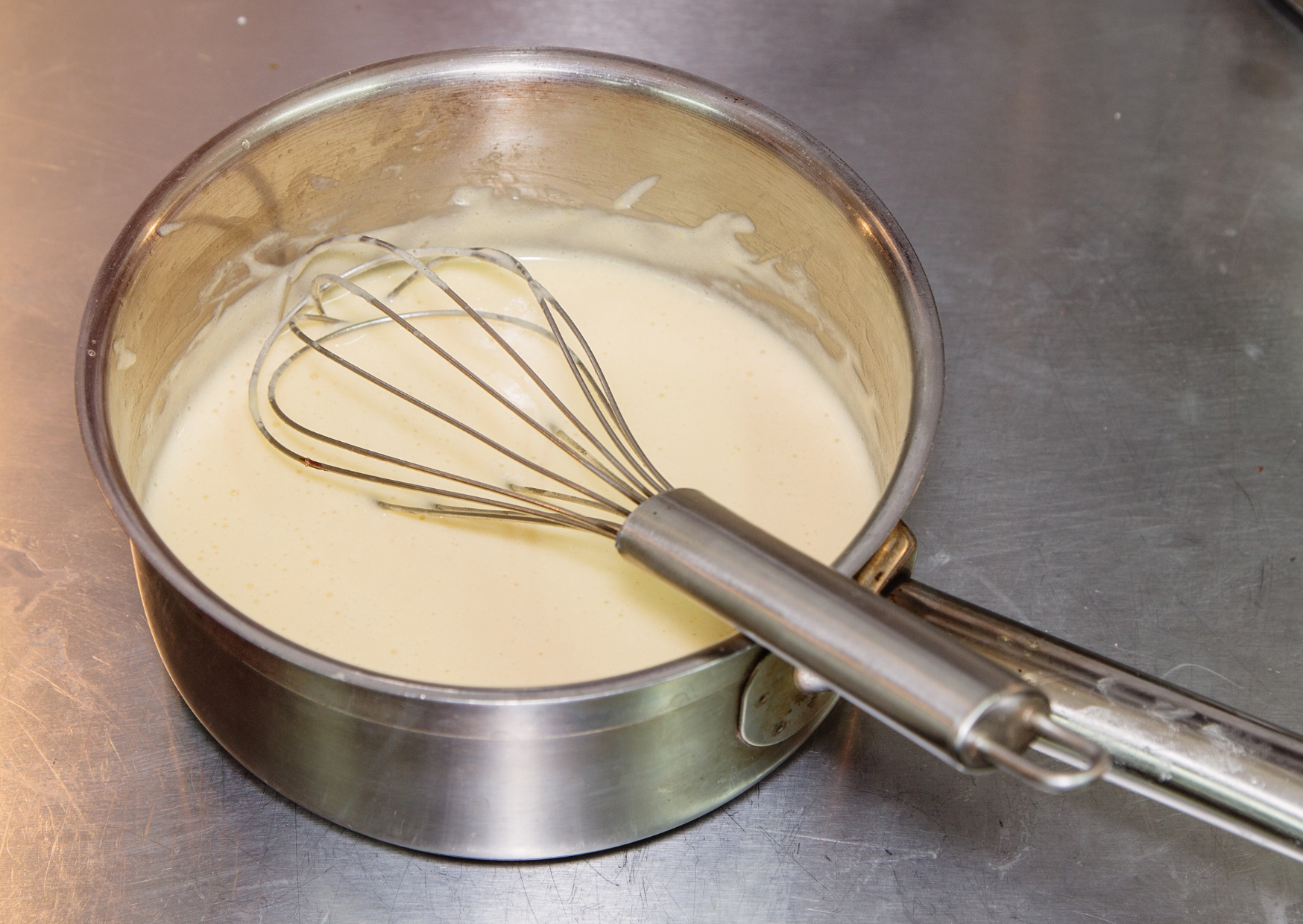
Put the shallots, wine, and vinegar in a small saucepan and reduce over medium heat until you have only a few spoonfuls of liquid left.
Lower the heat.
Whisk in the cold butter a few cubes at a time, never letting the sauce boil. Keep adding butter until it turns pale, glossy, and lightly thickened.
Season at the end.
Serve immediately over fish, asparagus, green beans, poached potatoes, or a very simple piece of chicken.
That is beurre blanc.
It looks almost too plain to matter.
It matters.
Why Better Butter Helps
The butter is doing almost everything here.
A higher-fat butter with less water gives the sauce a better chance of staying emulsified and tasting full instead of slightly thin. More importantly, a cultured or more flavorful butter gives the sauce a better center of gravity. Since there are so few ingredients, weak butter has nowhere to hide. Brands themselves keep making this point in softer language: more fat means less water and more butter flavor, and 82% butter is specifically pushed toward pastry and chef work for consistency and richness.
What It Costs In France
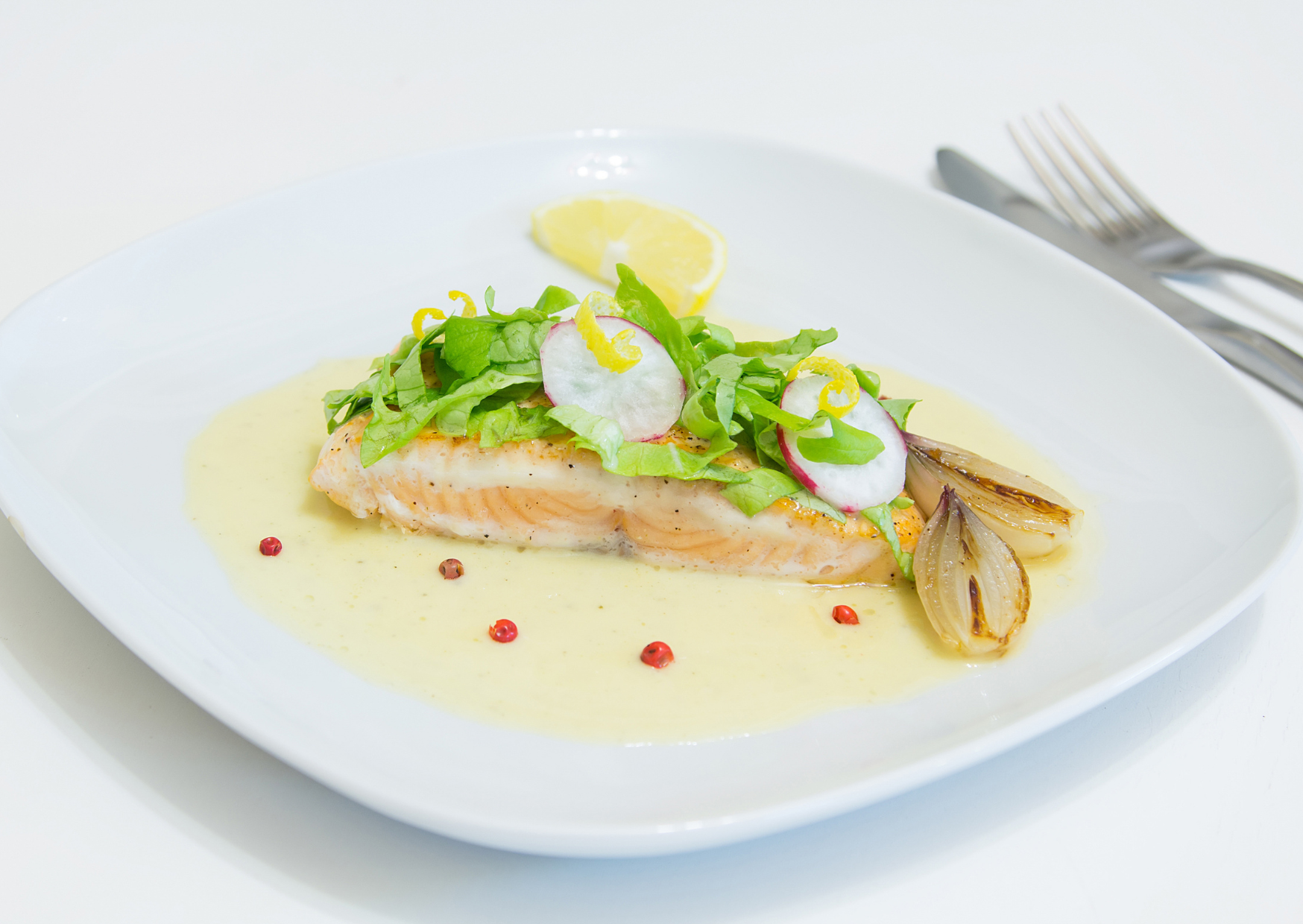
Using current Carrefour France pricing, the butter-heavy French version is still not absurd.
A 250g pack of Président 82% unsalted butter is currently €3.29, so the 200g used in the sauce costs about €2.63. Shallots are around €1.29 for 500g, which puts two shallots at roughly €0.10. A bottle of white wine vinegar is around €1.95 for 500ml, so 30ml costs about €0.12. A very basic white wine option can be found around €2.99 for 75cl, making 60ml about €0.24. Total sauce cost: roughly €3.10, or around €0.78 per person for a classic French sauce built almost entirely on butter.
That is the hidden joke in the whole butter debate.
The French version is not always expensive in the way Americans imagine.
It is often just more specific.
What French Cooks Usually Keep In The Fridge
The French kitchen cliché is not wrong so much as blurry.
Yes, butter matters.
No, French cooks are not all buying tiny gold-foil AOP blocks from a monk in Normandy.
A lot of ordinary French shopping still happens at Carrefour, Leclerc, Monoprix, Intermarché, or neighborhood stores where the butter choice is practical: one doux, one demi-sel, maybe one nicer one if the household cares. Carrefour’s current butter shelf shows exactly that spread, from standard Carrefour butter to 82% Président and Elle & Vire to AOP Isigny options.
For pastry and most sauces, unsalted butter is still the sane default. French butter makers and butter guides keep repeating that unsalted butter is best for cooking and baking because it lets the cook control seasoning. Salted butter, especially demi-sel, is more often pushed as a condiment butter, a breakfast butter, or a finishing butter, even if plenty of people still cook with it.
That division is visible on the shelf too. Elle & Vire’s French range clearly separates beurre de Normandie doux 82% from beurre de Normandie demi-sel 80%, and its gastronomic demi-sel line describes itself as ideal à cru en tartine as well as in cooking. That is the French habit in one sentence. Unsalted for control, salted when you want the butter itself to announce its presence.
French pastry professionals are even less ambiguous. Chef interviews and professional-butter pages still explicitly reference Beurre Doux 82% MG as the butter used daily in pastry work. That is not the whole nation speaking with one voice, but it is a very clear clue about where serious French baking still lands.
Why It Matters More In Pastry Than On Toast
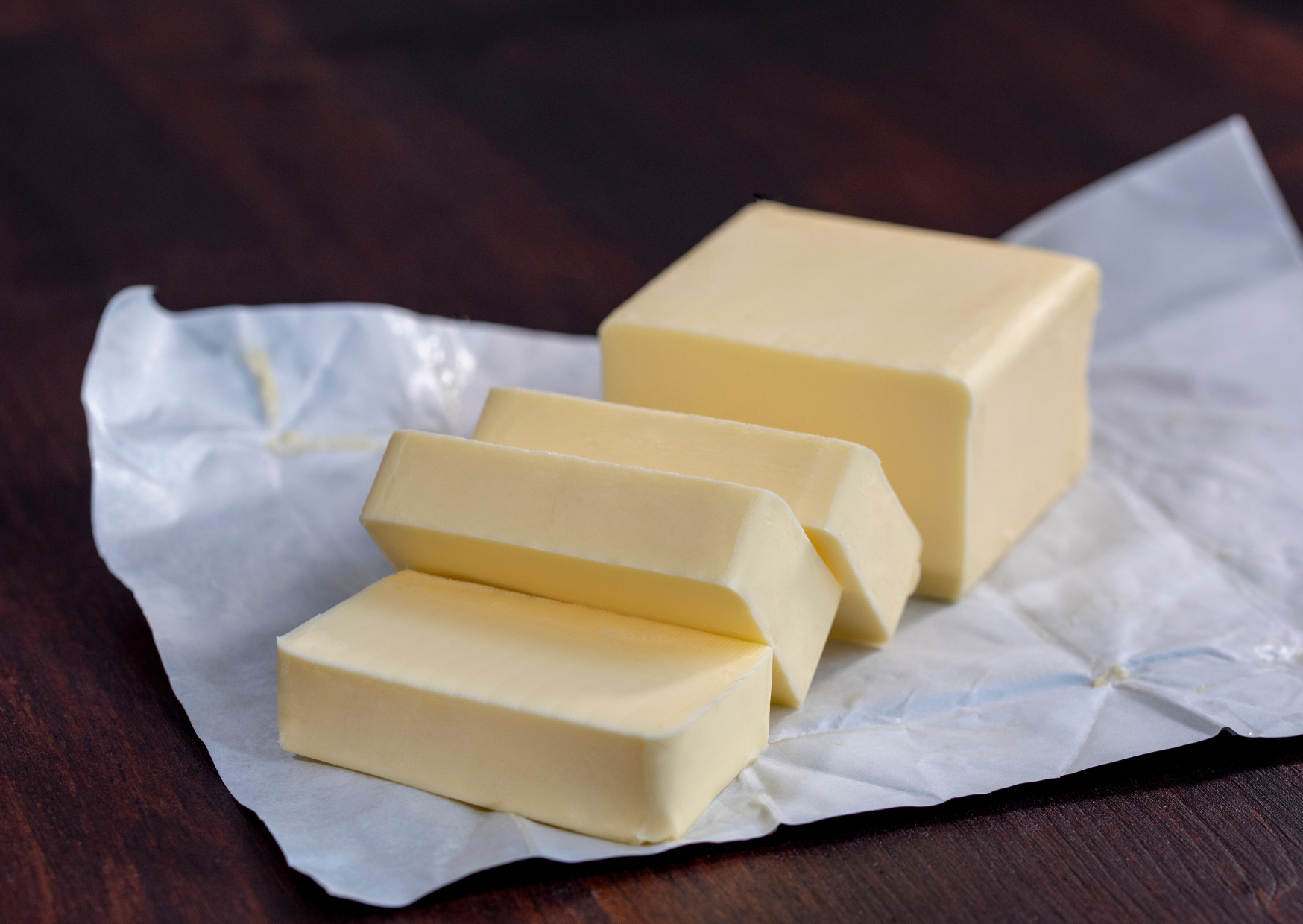
If a person only butters bread, the difference is nice.
If a person bakes, the difference is structural.
High-fat butter gives better lamination, cleaner dough behavior, and a stronger butter note with less water interference. Butter guides aimed at cooks and bakers keep pointing to the same mechanism: more fat means less water and more flavor, and cold butter versus softened butter versus melted butter changes baking results dramatically.
That is why American bakers who get obsessed with croissants, puff pastry, sable cookies, pie crust, or laminated dough eventually drift toward European-style butter or U.S. 82% lines. The butter is more cooperative. It leaks less water. It tastes more serious. It helps the dough feel like pastry instead of just flour held together by a dairy product.
For pan work, the difference is smaller but still real.
A better butter browns more convincingly and tastes fuller. A cultured butter gives eggs, fish, mushrooms, or green beans a more developed lactic edge. A good demi-sel butter on radishes or bread does not feel like a condiment accident. It feels like the whole point of the bite. French butter brands market these uses constantly because the distinction still matters in daily cooking.
The mistake Americans often make is expecting the butter itself to rescue lazy cooking.
It will not.
Good butter cannot fix overcooked fish, a broken dough, or a bad sauce reduction.
What it can do is make simple cooking taste more complete.
That is a very French kind of advantage.
The American Confusion Is Usually About Category
A lot of Americans are not comparing standard U.S. butter with standard French butter.
They are comparing a cheap U.S. butter with a premium imported European butter, then acting shocked that the imported one tastes better.
Of course it often does.
That is not a fair test.
The fairer comparison is between everyday American butter at the 80% standard and everyday French 82% butter, or between American premium 82% butter and French premium 82% butter. Once you do that, the difference gets clearer and less theatrical. It is about fat, culturing, and use, not mystical Frenchness.
The U.S. shelf also contains products that complicate the conversation. Butter with olive oil. Whipped butter. Spreadable butter. Lower-fat “buttery” spreads. Natural-flavor-added butter. These are not frauds. They are just solving different consumer problems, usually spreadability, lower saturated fat, or convenience. France sells lighter and softer butter products too, but the shelf still keeps the traditional butter categories more visible. Elle & Vire’s French site, for example, openly separates full-fat butter, spreadable lighter formats, and demi-sel lines instead of pretending they are one thing.
That matters because shoppers eventually buy the category language the shelf teaches them.
The American shelf teaches people to ask what spreads easiest.
The French shelf more often teaches people to ask what the butter is for.
Buy Butter More Like A Cook And Less Like A Habit
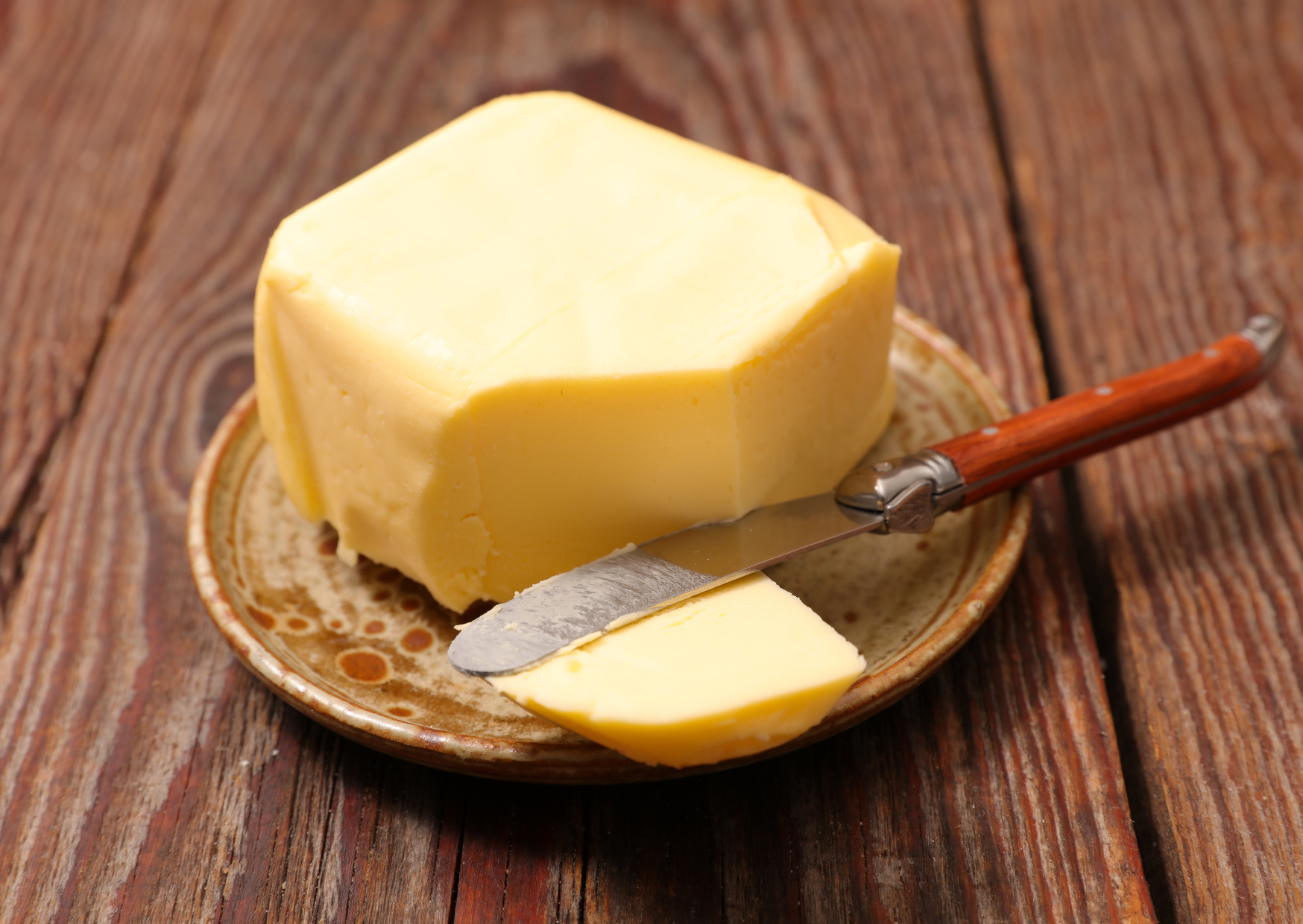
The easiest fix is not to become insufferable about Normandy.
It is to stop buying butter as one generic product.
Keep one plain everyday unsalted butter for normal cooking if budget matters.
Buy one better 82% unsalted butter for pastry and sauces if you bake even a little.
Buy one demi-sel or good salted butter if you actually enjoy butter on bread, radishes, steamed potatoes, or vegetables.
That is enough to change the kitchen.
In the U.S., that may mean a standard supermarket butter plus a premium 82% option like Land O Lakes Extra Creamy or Kerrygold. In France, the equivalent habit is already built into the shelf, where 82% doux, 80% demi-sel, de baratte, and AOP options sit side by side without much fuss.
Storage matters too.
Better butter should not sit absorbing onion fumes in a badly wrapped half-open dish. Keep it cold, wrapped, and separate enough that it still tastes like butter when you actually need it. This sounds insulting to say out loud, but a surprising amount of “French butter tastes better” is really “this butter was treated like an ingredient instead of a yellow brick with a loose paper jacket.”
The version French cooks actually use is not a mythic product.
It is usually beurre doux 82% when precision matters, demi-sel when the butter itself is supposed to show up, and a willingness to admit that not every butter job is the same job.
That is the whole lesson.
And it is much more useful than buying one expensive imported block and hoping Europe happens automatically.

About the Author: Ruben, co-founder of Gamintraveler.com since 2014, is a seasoned traveler from Spain who has explored over 100 countries since 2009. Known for his extensive travel adventures across South America, Europe, the US, Australia, New Zealand, Asia, and Africa, Ruben combines his passion for adventurous yet sustainable living with his love for cycling, highlighted by his remarkable 5-month bicycle journey from Spain to Norway. He currently resides in Spain, where he continues sharing his travel experiences with his partner, Rachel, and their son, Han.