
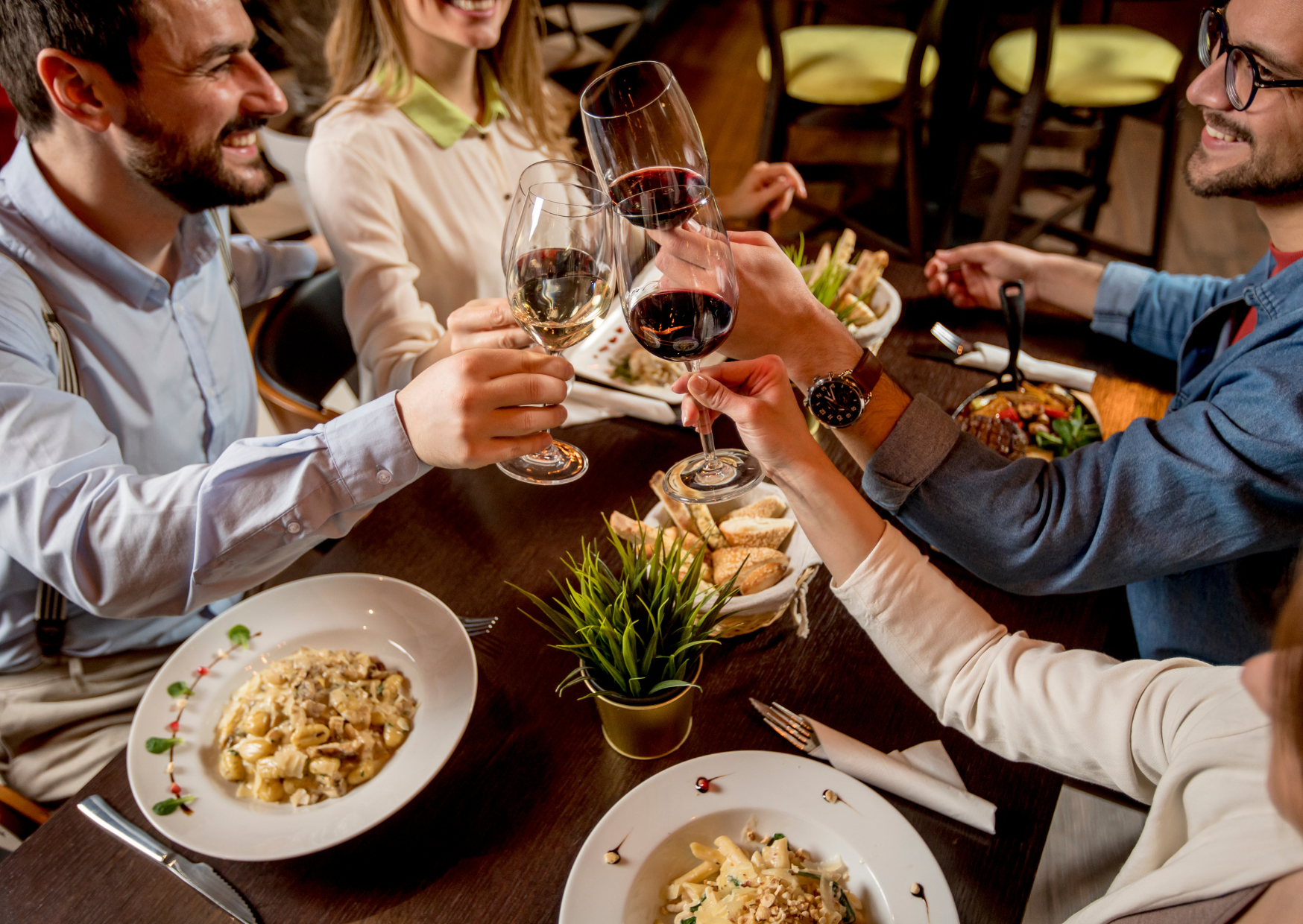
It is not the red wine.
It is not the olive oil by itself either, tempting as that story is.
And it is definitely not some mystical southern-European male calm that appears at age 58 along with a navy sweater and an opinion about anchovies.
The habit is much simpler than that.
In a lot of Mediterranean towns and neighborhoods, men still do something after dinner that much of modern life has trained other people out of doing. They go back outside. They walk. Not as fitness theater. Not as a punishing power session. Not to hit a watch target before midnight. They just drift into a slow evening stroll, often with another man, a wife, a brother, a neighbor, a dog, or nobody in particular.
In Spain it can look like a paseo.
In Italy it can look like a passeggiata.
In Greece, coastal towns have their own version of the same rhythm.
The point is not the name. The point is the slot in the day.
It happens after the meal, when a lot of Americans are already horizontal.
That tiny difference matters more than it looks.
Because the evening walk is doing several jobs at once. It breaks up sitting. It gets the legs working after food. It takes the edge off a blood sugar surge. It creates a little daily cardio without feeling like a workout. And, in the Mediterranean version, it often folds in conversation, routine, and daylight fading into night, which makes the whole thing easier to repeat for 20 years.
That last part is the real secret.
The best heart habit is often not the most intense one.
It is the one that people still do at 67.
It Is A Walk, Not A Wellness Performance
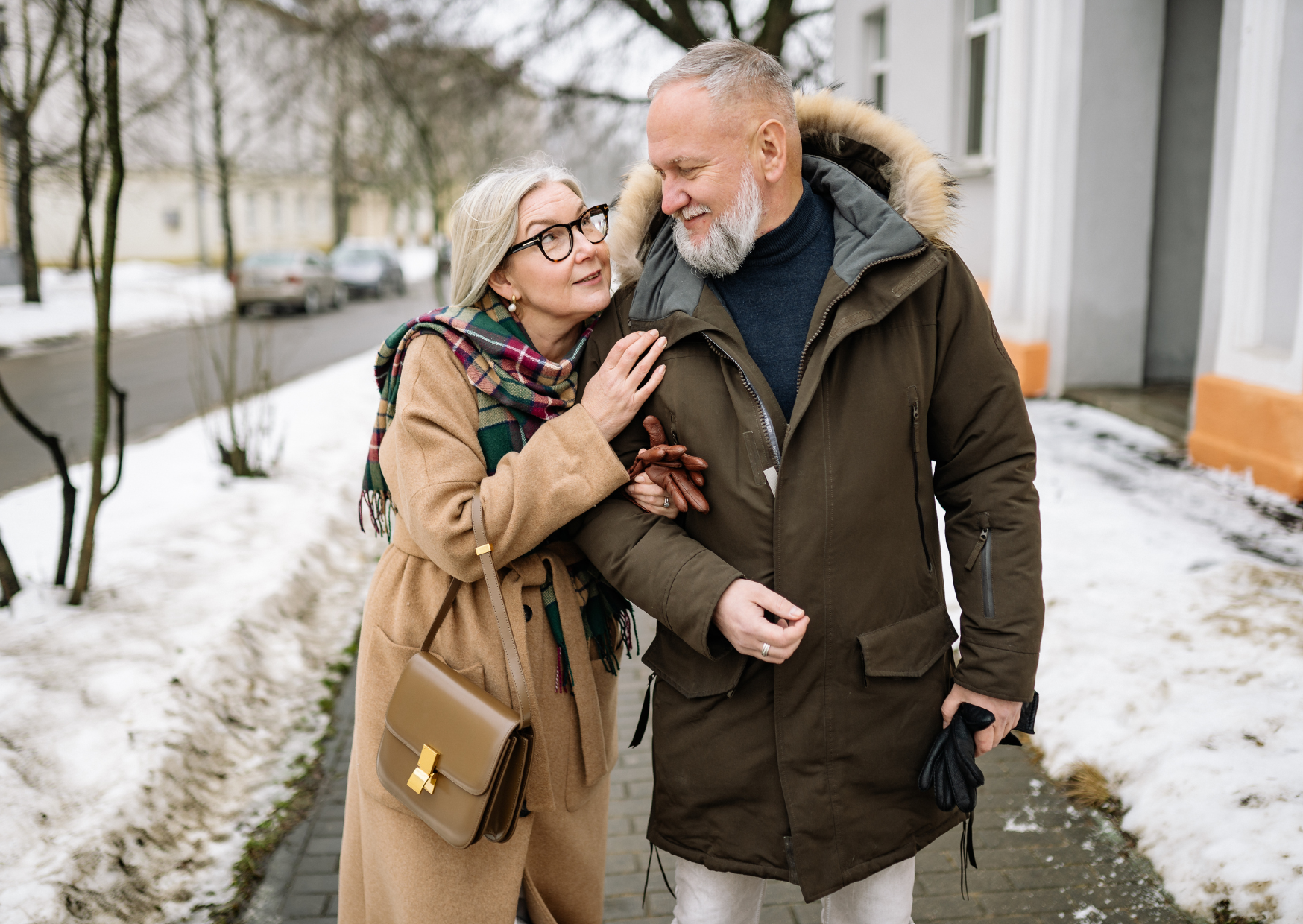
The reason this habit survives is that it does not ask for a personality transplant.
Nobody needs special shoes.
Nobody needs a Peloton identity.
Nobody needs to decide whether tonight is leg day, cardio day, or the day they finally become the kind of man who enjoys burpees.
The Mediterranean evening walk stays alive because it is socially normal and physically modest. That combination is stronger than most health advice.
A lot of American exercise culture is built around effort you can admire. Sweat, soreness, visible strain, measurable grind. That can work, obviously. But it also fails a lot of people the minute work gets ugly, weather turns bad, or knees start making opinions known.
The evening stroll asks for much less.
Ten minutes. Fifteen. Twenty. Maybe longer on weekends. Maybe just a loop around the block, the seafront, the plaza, the church square, the waterfront promenade, or the old commercial street that still has people out after dinner.
It looks unimpressive.
That is part of why it works.
The body still gets the signal that it has moved. The heart still gets asked to do a little more. The muscles still help clear some of the incoming glucose from the meal. And the evening stops being one long corridor from chair to sofa to bed.
For middle-aged and older men especially, that matters. Not because men have some exclusive biological privilege here, but because many men are very good at drifting toward sedentary evening habits that feel harmless because they are familiar. A drink. A chair. A screen. Another drink. A heavy meal. A chair again.
The stroll breaks that script without making a big speech about it.
That is rare.
And useful.
Why After Dinner Matters More Than A Random Walk Earlier In The Day
Any walking is better than none.
That part is straightforward.
But the timing here is doing something specific.
After a meal, especially a larger dinner, blood sugar rises. That is normal. The issue is what happens next. If the body goes straight from eating to sitting still for hours, that post-meal rise tends to be higher and last longer than it needs to. Short walking sessions after meals have been shown to improve post-meal glucose control, and recent research suggests that even 10 minutes immediately after eating can be more useful for peak glucose than waiting longer for a bigger walk. For adults in general, regular moderate activity is still the bigger weekly picture, but the post-dinner timing has a practical advantage many people can actually use.
That does not mean dinner walking is magic.
It means it is well placed.
You are using the legs when the body is actively dealing with food. Muscles act like a sink for some of that glucose. You also avoid the very common pattern of eating the largest meal of the day and then becoming furniture.
That is where the evening walk quietly pulls ahead of good intentions.
Lots of people say they will move tomorrow morning.
Fewer actually do.
But if the walk is attached to dinner, it becomes part of the meal rhythm itself. Eat, clear a little, step outside, move, come back. That sequence is psychologically easier than relying on a future self with better discipline.
There is another point here that matters for heart health, even if it is less glamorous than blood sugar talk.
Long stretches of sitting are not neutral. Recent cardiovascular research keeps pointing in the same direction: more daily movement matters, and replacing sedentary time with even light activity helps. The effect is not as dramatic as turning into a cyclist in the Alps, but this is exactly why the evening walk is so good. It steals time back from the most sedentary part of the day.
That is not a tiny thing.
A lot of American evenings are built to eliminate movement so thoroughly that even standing up starts to feel optional.
The Heart Benefit Is Boring In The Best Way
People want heart protection to sound cinematic.
They want one habit that feels ancient, elegant, and vaguely unavailable to the people they dislike.
Usually the real answer is much duller.
The evening walk helps because it piles up small cardiovascular advantages in a repeatable way.
It can help smooth out post-meal glucose.
It chips away at sedentary time.
It adds to weekly moderate activity without requiring a formal workout block.
It may support blood pressure and weight control over time simply because walking is still walking, especially when it happens almost every day and not just when someone feels unusually virtuous. Walking more, and walking consistently, remains one of the safest and most sustainable forms of cardiovascular activity for most adults.
That last sentence matters more than the sexy part.
A habit does not protect the heart because it sounds Mediterranean.
It protects the heart because it is easy to survive real life with.
This is where the Mediterranean male version often gets something right. The walk is not packaged as self-improvement. It is not announced. It is not logged with a motivational caption. It is simply what happens after dinner when the weather is decent and the body still belongs to the world for another half hour.
That attitude reduces friction.
And friction is what kills a lot of health plans.
A man who would never “train” after work may still stroll.
A man who hates gyms may still walk to the square and back.
A man who would laugh at the phrase “low-intensity postprandial movement” may still put on a light jacket and go outside because that is what the evening is for.
Sometimes health survives because nobody called it health.
The Part Men Get By Accident Is The Social Layer
This is where the habit gets more Mediterranean and less generic.
A lot of these evening walks are not solo optimization sessions. They are half-conversations in motion. Two men talking football badly. Three older men making the same complaint about politics for the fifteenth year in a row. A husband and wife doing the same route they have done for decades. Someone stopping twice because they saw people they know. Nobody calling it “social connection,” which is fortunate because that phrase can ruin almost anything.
Still, the social layer matters.
Loneliness and social isolation are increasingly being treated as real health risks, not soft emotional side notes. Recent global health messaging has been blunt that stronger social connection is linked to better health and lower risk of early death, while loneliness and isolation raise the risk of heart disease and stroke. That does not mean one chat on the promenade turns into an arterial cleanse. It means social routine is part of the protective pattern, not a decorative extra.
This is where a lot of health advice misses the human mechanism.
A solo treadmill session may be physiologically excellent and behaviorally fragile.
An evening walk that doubles as neighborhood contact may be physiologically smaller and behaviorally stronger.
That trade matters.
Mediterranean male culture is not perfect. It has its own nonsense, ego, habits, and blind spots. But in many places it still leaves room for men to be out in public without a task, without a shopping mission, without a sports broadcast, without a formal workout, and without pretending they are above companionship.
That is healthier than it sounds.
A lot of men, especially as they age, quietly lose casual friendship structures. Work thins. Kids leave. Weekends change shape. Social life narrows unless something ordinary keeps renewing it. The evening walk can do that renewal almost invisibly.
No deep emotional summit required.
Just repeated low-stakes contact.
The heart seems to like that more than macho culture admits.
Why Americans Often Miss The Habit Completely
Because the American evening is designed differently.
Dinner is often earlier, larger, faster, and more final. People drive home. They eat. Screens come on. The house seals shut. Outside becomes something you might deal with tomorrow if you are feeling responsible or guilty or newly committed to being “better.”
That makes movement feel like a separate project.
A Mediterranean evening, especially in walkable places, often leaves more room for a soft landing. Streets still have people on them. There is a bakery closing, a café still humming, a plaza with benches occupied, a seafront that does not look insane after dark, a neighborhood route that belongs to bodies and not just cars.
This is not only about romance or architecture. It is about behavioral ease.
If the environment makes a 15-minute stroll feel normal, people stroll.
If the environment makes going outside after dinner feel like planning a minor expedition around roads, parking lots, reflective gear, and hostile intersections, people sit down instead.
That is not a character flaw. It is design.
There is also a meal issue here. Many Americans treat dinner as the end of the operating day. Once the meal is done, the body is emotionally clocked out. The Mediterranean pattern leaves more room for dinner to be the start of the evening rather than the lock on it.
That tiny shift changes the body more than lifestyle articles usually admit.
Because once dinner is not the last thing, the legs get another chance.
And the heart keeps collecting those tiny chances.
It Is Not A Cure For Smoking, Stress, Or A Bad Diet
This part needs saying clearly.
The evening walk is excellent.
It is not a pardon.
A short stroll does not neutralize smoking, uncontrolled blood pressure, heavy drinking, chronic sleep deprivation, untreated diabetes, or a diet built around salt, processed meat, and denial. The protective effect here is real, but it is incremental, not magical. Mediterranean men historically have not all had perfect cardiovascular profiles. Some smoke too much. Some drink more than their cardiologist would enjoy hearing about. Some eat very well at lunch and then treat the rest of the day like a loophole.
The walk still helps.
It just helps in the way useful health habits usually help: by improving the overall direction of risk, not by erasing every other bad input.
This is why the best way to think about it is not “the one habit that protects the heart.”
It is the evening habit that makes the whole system less stupid.
Less sitting after dinner.
Less glucose lingering high.
More movement.
More social contact.
Often a little less stress.
Sometimes a little better sleep because the evening has a shape and the body has actually done something with itself.
That is a serious cluster of benefits for something so modest.
But modest is the key word.
Nobody should read this and think, great, I can keep every other habit exactly as it is as long as I do 18 minutes around the block after pasta.
That is not how bodies negotiate.
What The Walk Actually Looks Like In Real Life

Not heroic.
That is the whole charm.
It is often 10 to 25 minutes, easy to moderate pace, sometimes with a slight hill, often with interruptions, often with talking, often with absolutely no concern for fitness aesthetics. Some nights it is one loop. Some nights it stretches because the air is good and nobody wants to go home yet. Some nights it barely happens and still counts.
That flexibility is one reason it survives.
The evidence base for physical activity still points to the same broad target for adults: build toward at least 150 minutes a week of moderate activity, more if you can, and spend less time sitting. An evening stroll can fit inside that target very neatly. Done most nights, it stops being symbolic and starts becoming a real chunk of weekly movement.
And for older adults or men coming back to movement after years of neglect, this matters even more. Brisk walking is generally safe for most people, though anyone with significant heart disease, diabetes complications, mobility limits, or long inactivity should use common sense and check with a clinician before ramping up.
The right version for most people is pleasantly underwhelming.
Not right after a huge dessert if that makes you miserable.
Not in hard heat.
Not with a macho pace that turns a digestif stroll into an ankle argument.
Just enough movement to tell the body the day is not over at the plate.
The First 7 Evenings Matter More Than The Perfect Plan
This is one of those habits that should start slightly below ambition.
Not with a smartwatch vow. Not with a new wardrobe. Not with some violent declaration that from now on you walk 45 minutes every night because Southern Europe has awakened you.
Do seven evenings first.
On the first two, walk 10 minutes after dinner, even if the pace feels almost silly.
On nights three and four, make it 15 minutes and keep dinner normal, not diet-food noble.
On night five, walk with someone if possible. The social part is not mandatory, but it makes repetition easier.
On night six, notice what usually blocks the walk. Television. Dishes. Weather. Phone calls. Mood. Fix the block, not the mood.
On night seven, repeat the easiest version, not the most impressive one.
That is how the habit survives.
A few practical rules help:
- keep the pace comfortable enough that conversation is easy
- go soon after dinner instead of waiting until the sofa captures you
- do not turn it into a calorie-burn contest
- on heavy-rain nights, walk a hallway, apartment corridor, indoor mall, or even march around the house for 10 minutes instead of declaring defeat
- if you use glucose-lowering medication or insulin, use the walk sensibly and in line with your care plan
The point is not to become Mediterranean by Thursday.
The point is to make the evening less static.
If that works, the heart gets the message.
The Men Who Keep Doing This Into Old Age Are Usually Doing One Thing Right
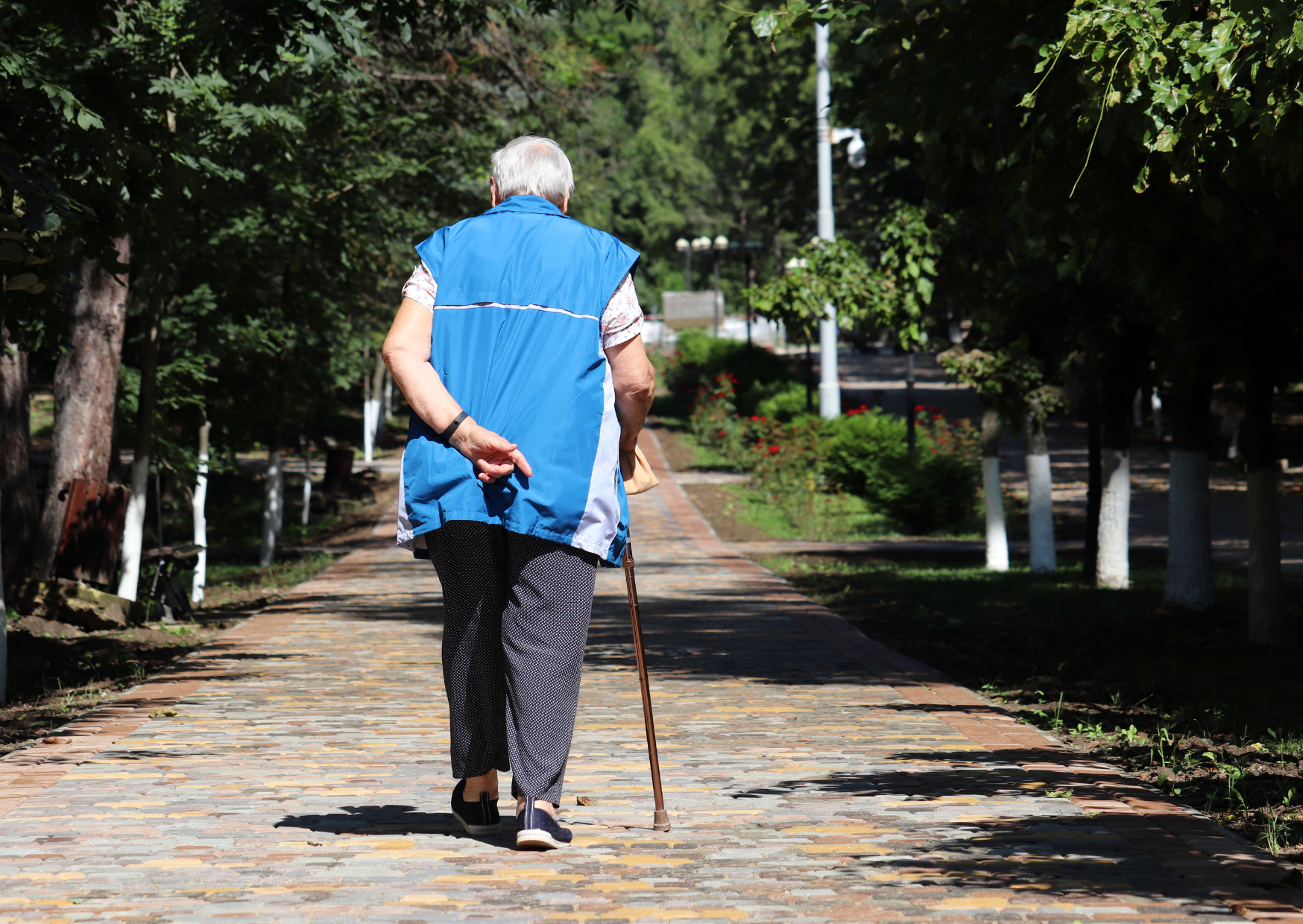
They are not treating health as an event.
That may be the whole lesson.
The most protective evening habit Mediterranean men have is not “walking” in the abstract. It is the refusal to end the day by shrinking into a chair the second dinner is over. They keep a little movement in the evening. They keep a little air in the lungs. They keep a little conversation in circulation. They keep the body participating in the day for another stretch instead of shutting the system down at the plate.
That protects the heart in exactly the way good habits usually do.
Quietly.
Repeatedly.
Without demanding a new identity.
A lot of American health culture is built around dramatic interventions and miserable consistency plans. The Mediterranean evening walk works because it asks for neither. It slips into ordinary life. It survives aging knees, changing schedules, bad moods, and imperfect motivation.
That is not glamorous.
It is better than glamorous.
It is repeatable enough to matter.
And for the heart, that is usually the habit worth stealing.

About the Author: Ruben, co-founder of Gamintraveler.com since 2014, is a seasoned traveler from Spain who has explored over 100 countries since 2009. Known for his extensive travel adventures across South America, Europe, the US, Australia, New Zealand, Asia, and Africa, Ruben combines his passion for adventurous yet sustainable living with his love for cycling, highlighted by his remarkable 5-month bicycle journey from Spain to Norway. He currently resides in Spain, where he continues sharing his travel experiences with his partner, Rachel, and their son, Han.