
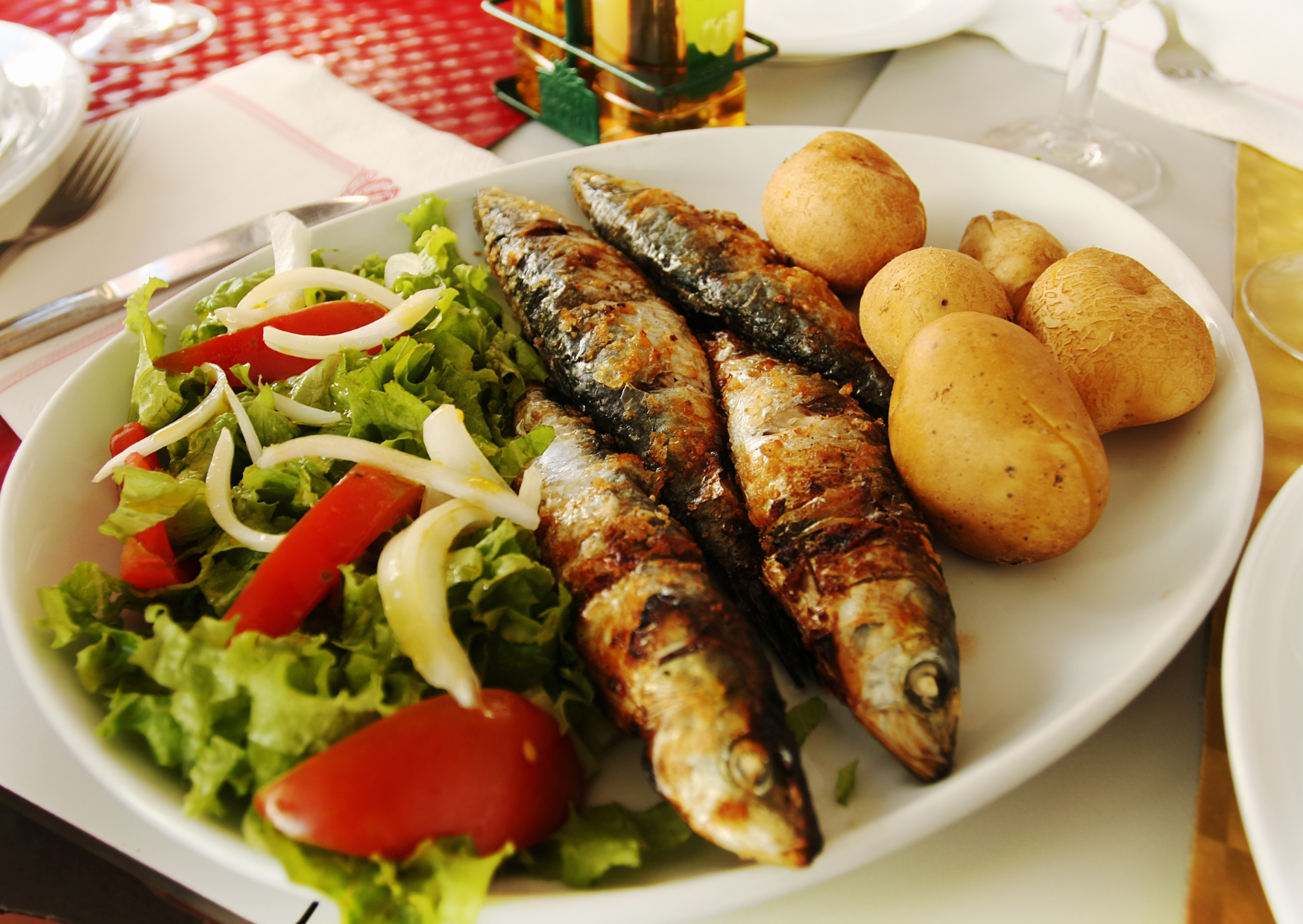
Most Americans don’t ruin fish because they can’t cook.
They ruin fish because they don’t trust fish.
They treat a fillet like chicken. They cook it until it can survive a disaster movie. They wait for “no translucent bits” like translucence is a moral failure. They keep it on heat long after it’s done because they’re scared of undercooking, and because fish has a short window where it’s perfect and a long window where it’s dry.
Portuguese home cooking doesn’t fix fish with fancy tricks. It fixes it with one calm assumption: fish is supposed to be juicy, and you don’t need to punish it to make it safe.
The Portuguese method is simple:
- salt early
- high heat
- short cook
- finish with olive oil, lemon, and herbs
Eight minutes is not a gimmick. It’s the time most fish needs when the pan is hot and you stop chasing certainty through overcooking.
This is a recipe you can repeat on a weeknight, even if you’re tired, even if you’re nervous about fish, even if you grew up thinking seafood is risky.
The American Habit That Destroys Fish Is “Just One More Minute”
Overcooking fish rarely happens in one dramatic choice. It happens in tiny, anxious extensions.
The fish looks almost done. You add one more minute.
Then another. Then you flip it again “just to be sure.”
Then you cut into it, release all the juices, and put it back because the center looks slightly glossy.
Then it’s dry, and you blame the fish.
That habit is especially common because Americans are trained to believe seafood is fragile and dangerous. So the instinct is to cook longer for safety. The problem is that fish dries fast. The muscle fibers are delicate. Once the proteins tighten, they squeeze out moisture. You can’t reverse it.
Portuguese cooks don’t obsess over perfect white opacity. They watch for:
- the edges turning opaque
- the fillet starting to flake
- the center still looking slightly glossy, not raw
That “slightly glossy” part is where Americans panic. Portuguese people treat it as the good part.
Confidence beats fear here. If you can’t do confidence yet, do technique: hot pan, timed cook, and stop touching it.
The Portuguese Method Is Heat, Salt, And A Finish
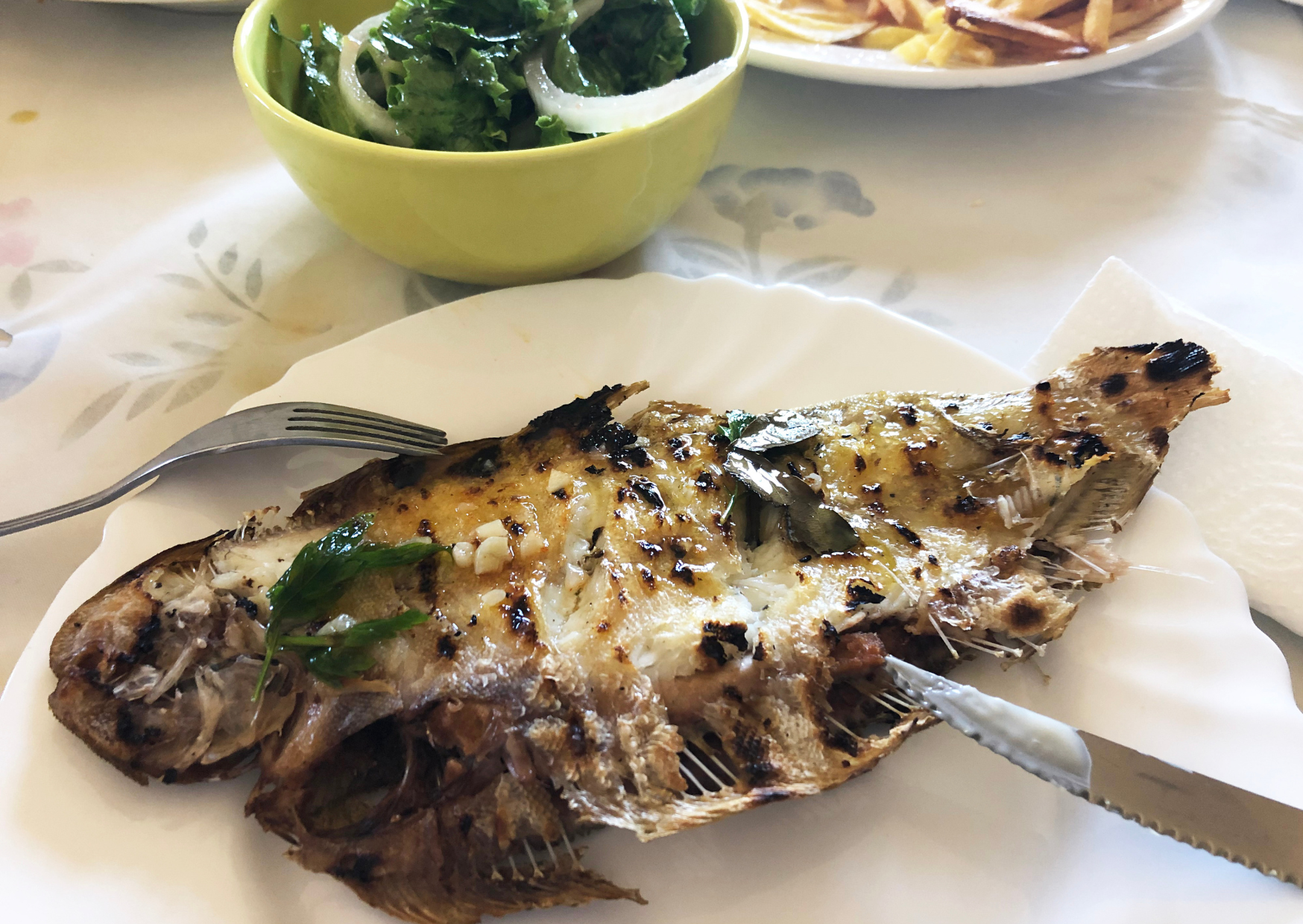
Portuguese fish culture is built around grilling and quick cooking. The flavor structure is often minimal: salt, olive oil, sometimes lemon, sometimes a simple herb sauce. The method is designed to highlight freshness, not cover it.
A very common Portuguese idea is that grilled fish does not need much seasoning beyond salt, sometimes olive oil, then lemon and fresh herbs.
The second part is the finish. Portugal loves simple green herb sauces and dressings that wake up fish without turning it into a heavy project. A common Portuguese salsa verde style sauce uses parsley, onion, garlic, olive oil, vinegar, and salt.
So the “Portuguese method” you can copy at home is:
- cook fish fast at high heat
- finish with a bright herb and olive oil sauce
- serve with simple sides
That’s it. No hour-long simmer. No marinade ceremony. No spice cabinet performance.
High heat plus short time plus bright finish is the whole pattern.
The 8-Minute Fish Recipe You Can Repeat Forever
This is Portuguese-inspired pan-seared fish with a quick salsa verde finish. It’s the easiest way to stop overcooking fish because the timing is built in.
What Fish Works Best
Use fillets about 2 to 3 cm thick. These are forgiving:
- sea bass
- sea bream
- cod
- hake
- haddock
- salmon also works, but it’s richer
If your fillets are very thin, reduce cooking time. If they’re thick, add 1 to 2 minutes.
Ingredients For 2 Portions
Fish
- 2 fish fillets, 160 to 200 g each
- salt: 1 teaspoon total
- black pepper: optional
- olive oil: 1 tablespoon
Portuguese-style salsa verde
- parsley, finely chopped: 1 large handful (about 20 g)
- garlic: 1 small clove, grated or finely minced
- olive oil: 4 tablespoons
- red wine vinegar or white wine vinegar: 1.5 tablespoons
- salt: 1/4 teaspoon
- optional: pinch of chili flakes
- optional: lemon zest or a squeeze of lemon
The 8-Minute Method
- Salt the fish.
Pat the fish dry. Salt both sides. Let it sit while you make the salsa verde, 5 to 10 minutes. This helps seasoning penetrate and improves texture. - Make salsa verde.
Mix parsley, garlic, olive oil, vinegar, and salt. Taste. It should be bright and a little sharp. If it feels too sharp, add more olive oil. If it feels flat, add a little more vinegar or a squeeze of lemon. - Heat the pan properly.
Use a heavy pan. Heat it over medium-high for 2 minutes. Add 1 tablespoon olive oil. The oil should shimmer. - Cook, don’t fuss.
Put the fish in the pan and leave it alone. Don’t poke it. Don’t slide it. Don’t flip early.
Timing:
- 4 minutes on the first side
- flip once
- 3 to 4 minutes on the second side
That’s it. Total cooking time is 7 to 8 minutes.
- Know when it’s done.
The fish should flake with gentle pressure. The center should look slightly glossy but not raw. If you have a thermometer, aim for about 52°C to 57°C in the thickest part, depending on how juicy you like it. - Finish like Portugal.
Take fish off heat. Spoon salsa verde over immediately. Serve with lemon wedges if you want extra brightness.
This is how you get fish that tastes alive, not punished.
One flip only is a big part of the success. Fish falls apart when you treat it like a piece of steak that can handle repeated flipping.
Why This Works When Americans Usually Fail
A few mechanics make this method reliable.
Dry fish browns. Wet fish steams. Patting it dry and using a hot pan gives you quick sear and quick cook, which keeps the interior tender.
Salt early helps the texture. A short rest after salting seasons the fish more evenly and reduces the urge to keep cooking for “flavor.”
The salsa verde finish is not decoration. It solves the most common overcooked fish complaint: dryness. Olive oil plus herbs plus acid makes each bite feel juicy even when the fish is lean. It also gives you flavor intensity without needing long cooking.
And the timing removes anxiety. Americans overcook because they keep “checking.” The timer replaces the checking.
Portugal’s grilling culture often emphasizes high heat and quick cooking. In one Portuguese grilling guide, seafood is cooked approximately 4 to 8 minutes depending on what you’re grilling, which matches the 8-minute mindset.
Timer beats fear. That’s the real upgrade.
Euro Cost Breakdown For A Weeknight Fish Dinner
Prices vary by city and fish type, but a realistic range for two portions in Europe:
- fish fillets 350 to 400 g total: €7 to €16 depending on species and freshness
- parsley and garlic: €0.40 to €1.20
- olive oil and vinegar portion: €0.60 to €1.50
- lemon: €0.30 to €0.80
Total: roughly €8.30 to €19.50 for two portions.
Per portion: €4.15 to €9.75.
The way to keep this affordable is to use Portuguese-style pragmatism:
- buy what’s fresh and local that day
- use cheaper white fish like hake or mackerel when available
- save pricier fish for weekends
Portugal’s fish culture includes plenty of “not fancy” fish cooked simply with salt and olive oil. That’s part of why this method is so repeatable.
U.S. Substitutions That Still Taste Right
If you’re in the U.S., the biggest challenge is not ingredients. It’s fillet thickness and heat control.
Fish choices that work well:
- cod, haddock, halibut, striped bass, salmon
- if you can find hake, great
If you can’t find wine vinegar:
- use lemon juice plus a tiny pinch of salt in the salsa verde
- or use apple cider vinegar, but use slightly less
If parsley tastes boring:
- add cilantro, which Portuguese cooks often use as coentros in seafood contexts
- add lemon zest for brightness
If you want a more Portuguese coastal feel, make the sauce slightly sharper and serve with boiled potatoes and greens.
Portuguese seafood sauces often lean on garlic, wine, lemon, and herbs.
What To Serve With It So It Feels Like Portugal
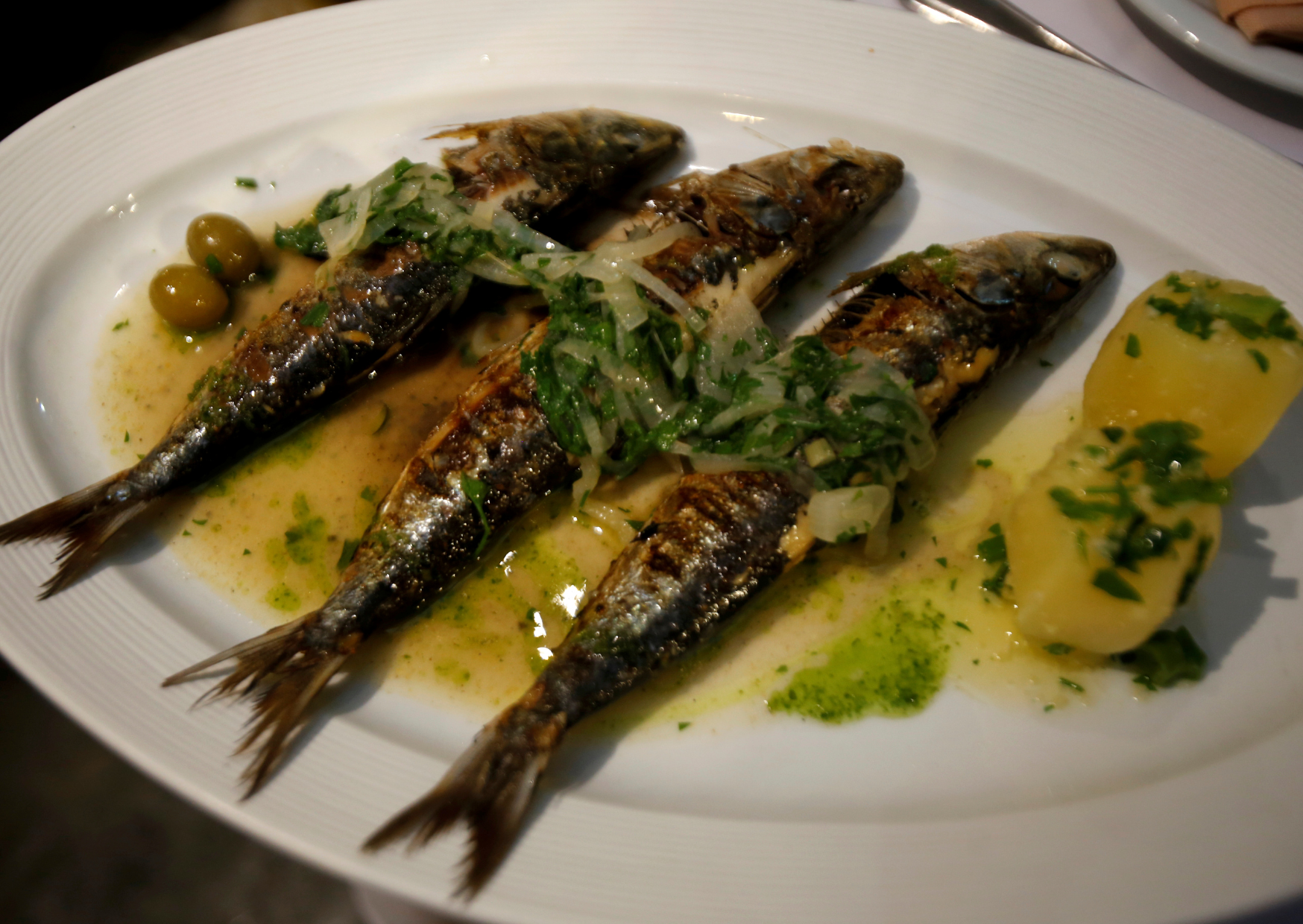
Portuguese fish meals aren’t usually served with heavy sides. They’re served with practical sides that let the fish stay the main event.
Easy pairings:
- boiled potatoes with olive oil and salt
- sautéed greens with garlic
- a simple tomato salad with vinegar
- rice with a squeeze of lemon
- bread to mop up the salsa verde
If you want a full Portuguese plate without effort:
- fish
- potatoes
- salad
- lemon on the table
That’s a complete dinner and it doesn’t feel like a project.
Simple sides keep fish night easy, which is how you do it more than once a month.
Pitfalls Most People Miss
If you’ve “tried fish” and it keeps coming out wrong, it’s usually one of these:
You cook it straight from the fridge.
Cold fish cooks unevenly and encourages overcooking. Let it sit 10 minutes after salting.
Your pan isn’t hot enough.
If the pan is lukewarm, the fish steams and sticks. Then you fight it and break it.
You move it too early.
Let it sear. When it’s ready to flip, it releases easier.
You flip too many times.
Fish isn’t built for constant flipping. One flip.
You chase fully opaque center.
If you wait for bone-dry opacity, you’ll get bone-dry fish.
You serve it naked.
Lean fish needs a finish. Olive oil and herbs fix dryness and make it taste intentional.
One flip and a bright finish solve most of these in one go.
Storage And Leftovers Without Turning It Into Sad Fish
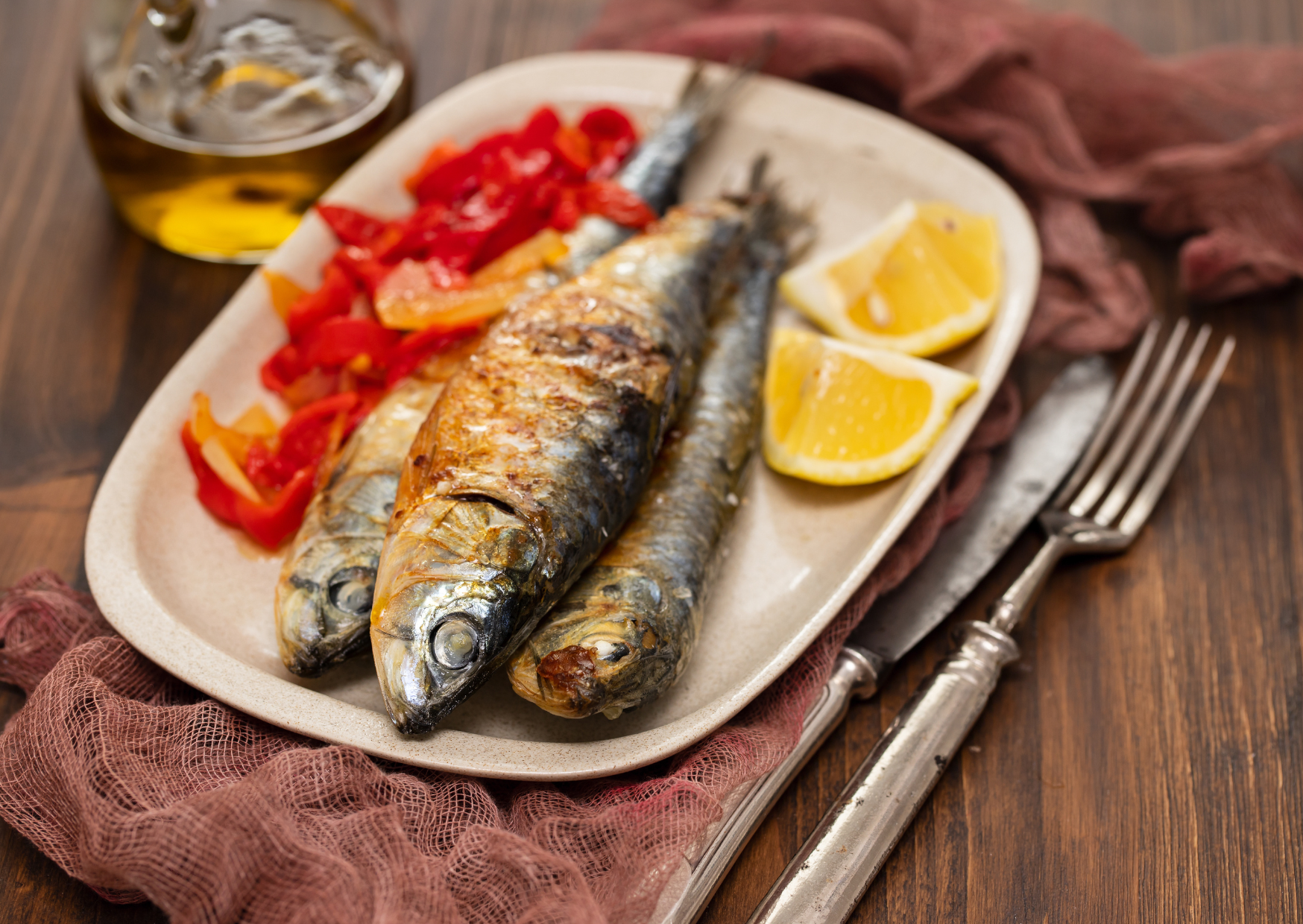
Fish is best fresh. But leftovers can still be good if you treat them correctly.
Storage:
- fridge: up to 2 days, tightly covered
Reheat rule:
- don’t microwave it to death
- reheat gently in a pan on low heat with a small splash of water, then finish with more salsa verde
- or eat it cold, flaked into a salad with olive oil and vinegar
Best leftover use:
- flake into a chickpea salad with tomatoes and parsley
- make a fish sandwich with salsa verde and greens
- add to rice with lemon and herbs
If you reheat hard, you’ll dry it out and then think you “don’t like fish.” You like fish. You don’t like overcooked fish twice.
A Repeatable 7-Day Plan To Stop Overcooking Fish
If you want this to become normal, not a special event, repetition matters.
Day 1: Cook the recipe exactly as written with a thick white fish. Learn the timing.
Day 2: Make salsa verde again and put it on chicken or vegetables. Get used to the flavor so fish night feels easy.
Day 3: Cook a thinner fillet and reduce timing by 1 to 2 minutes. Learn thickness control.
Day 4: Try salmon with the same sauce. Notice how timing changes.
Day 5: Do the method on a grill if you have one. Portuguese grilling is built around simplicity and quick cooking.
Day 6: Do a pantry fish meal with canned sardines or tuna plus salsa verde and bread. Train the habit of fish as normal food.
Day 7: Repeat your favorite version. The goal is not variety. It’s confidence.
Once you trust your timing, you stop overcooking. And once you stop overcooking, fish becomes a weeknight staple instead of a once-a-month gamble.

About the Author: Ruben, co-founder of Gamintraveler.com since 2014, is a seasoned traveler from Spain who has explored over 100 countries since 2009. Known for his extensive travel adventures across South America, Europe, the US, Australia, New Zealand, Asia, and Africa, Ruben combines his passion for adventurous yet sustainable living with his love for cycling, highlighted by his remarkable 5-month bicycle journey from Spain to Norway. He currently resides in Spain, where he continues sharing his travel experiences with his partner, Rachel, and their son, Han.