Skip to Content

I Stopped American Pain Relievers: The Italian Morning Habit That Worked

A morning habit does not replace proper medical care for serious, severe, sudden, or recurring headaches, joint pain, nerve pain, or anything that may signal an underlying condition. And stopping pain relievers abruptly can be the wrong move in some situations, especially if someone is dealing with chronic pain, migraine treatment, or medication overuse patterns …


Read More about I Stopped American Pain Relievers: The Italian Morning Habit That Worked

The Dinner Party Behavior That Gets Americans Quietly Dropped

Nobody tells Americans they have been socially downgraded. That is the first thing to understand. In a lot of Europe, especially once you move past surface politeness and into people’s homes, the social penalty for annoying behavior is rarely dramatic. There is usually no confrontation, no “you were rude,” no grand etiquette lecture over dessert. …

Read More about The Dinner Party Behavior That Gets Americans Quietly Dropped

The Money Habits Europeans Learn Early That Americans Don’t

Why a modest European paycheck often buys a calmer, richer life than a six-figure American income once the real bills land Walk the streets of a mid-sized European city on a weekday evening and you see something that looks almost unreal to a lot of Americans. Cafés are busy. Parks are full. People head home …

Read More about The Money Habits Europeans Learn Early That Americans Don’t

Why Americans Die 5 Years Younger Than Spanish People

The brutal version is simple. As of 2024, life expectancy in Spain was 84.01 years. In the United States, it was 79.0 years. That is a gap of about 5 years. That gap is not because Spaniards discovered one miracle food, one superior gene, or one magical health trick. It is because Spain does a …

Read More about Why Americans Die 5 Years Younger Than Spanish People

Why Europeans Stop Returning American Calls After Month 6

The first few months go well. The American is warm, available, enthusiastic, fast to invite, fast to text, fast to call, fast to interpret any shared coffee, dinner, or weekend plan as the beginning of an actual friendship. Then somewhere around month six, things change. The replies slow down.The calls stop getting returned.Plans become vague.Nothing …

Read More about Why Europeans Stop Returning American Calls After Month 6

5 American “Health” Foods that Are Illegal In EU Schools

American food companies are brilliant at making junk sound responsible. Add “protein,” “vitamin,” “electrolyte,” “whole grain,” or “made with real fruit,” and suddenly a sugary drink or candy-shaped snack starts passing as something a parent should feel good about. That trick works much better in the U.S. than it does in European school settings. Across …

Read More about 5 American “Health” Foods that Are Illegal In EU Schools

The Eye Contact Rule Americans Violate Constantly

Americans think eye contact is a universal virtue. Look people in the eye. Show confidence. Show honesty. Show interest. Show you’re paying attention. In the U.S., that lesson gets drilled in so early it starts to feel like morality. Then Americans go to Europe and accidentally weaponize their face. Not because Europeans do not use …

Read More about The Eye Contact Rule Americans Violate Constantly

Why Smiling At Strangers Marks You As American Immediately

There are faster ways to spot an American in Europe than a baseball cap. But not many. A full, reflexive smile at a stranger, on a sidewalk, in a shop doorway, in an elevator, while making eye contact for half a second too long, is one of the cleanest tells you can broadcast without speaking. …

Read More about Why Smiling At Strangers Marks You As American Immediately

Why Asking “What do you do” Is Rude in Most of Europe

Americans ask “What do you do?” the way they ask for salt. It feels normal. Efficient. Socially useful. It is one of the fastest ways Americans sort a room, find overlap, place a person, and decide which conversational track to take next. In the U.S., it barely registers as a loaded question. In a lot …

Read More about Why Asking “What do you do” Is Rude in Most of Europe

The Yellow Dye in American Mac and Cheese Europe Replaced Decades Ago

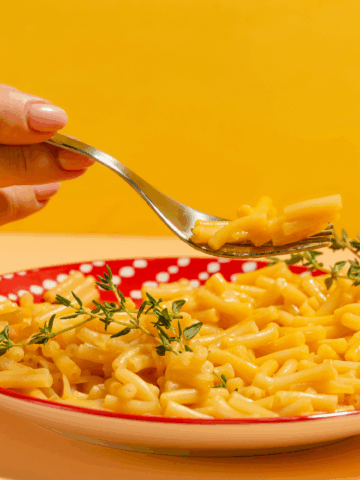
Americans love a clean villain. One yellow dye. One obvious bad guy. One neat explanation for why the U.S. box looks brighter, louder, and somehow less like food than the European version. Real life is slightly messier, which is exactly why it matters. The iconic American mac and cheese dye story was never just one …

Read More about The Yellow Dye in American Mac and Cheese Europe Replaced Decades Ago

The Small Talk Americans Make that Europeans Find Exhausting

Americans do a very specific kind of conversational cardio. It sounds friendly. It feels harmless. It is usually meant as warmth, politeness, or social lubrication. In the U.S., it can make you seem open, upbeat, and easy to be around. In a lot of Europe, the exact same behavior can feel draining, intrusive, fake, or …

Read More about The Small Talk Americans Make that Europeans Find Exhausting

7 American Pantry Staples That Don’t Exist in Europe: There’s A Reason

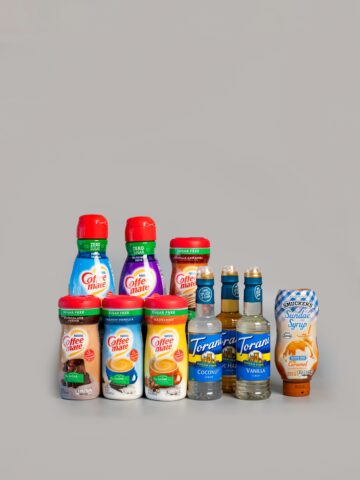
Americans move to Europe and expect a simple grocery adjustment. Different cheese. Better bread. Yogurt that tastes more serious. Maybe a few favorite snacks disappear, but surely the basic pantry logic is still the same. Then they hit the supermarket and realize something more interesting is going on. A lot of the “normal” American pantry …

Read More about 7 American Pantry Staples That Don’t Exist in Europe: There’s A Reason