

A morning habit does not replace proper medical care for serious, severe, sudden, or recurring headaches, joint pain, nerve pain, or anything that may signal an underlying condition. And stopping pain relievers abruptly can be the wrong move in some situations, especially if someone is dealing with chronic pain, migraine treatment, or medication overuse patterns that need to be handled carefully. NHS headache guidance and current neurology pathways still make that very clear.
So no, this is not a “throw away the pills and become Italian” article.
But there is one very Italian habit that can genuinely help a certain kind of daily pain pattern, especially the low-grade, recurring, tension-heavy kind that a lot of Americans treat with automatic tablets:
A short morning walk, ideally after a simple breakfast or coffee, before the day fully hardens into sitting, screens, stress, and muscle tension.
That is the habit.
Not because Italians discovered a magical anti-inflammatory stroll.
Because a gentle morning walk can interrupt several common pain triggers at once:
- stiffness
- poor circulation
- stress buildup
- neck and shoulder tension
- low movement
- delayed wake-up
- screen-heavy mornings
- and, in some people, the habit of taking pain relief before the body has even had a chance to unclench
That is a lot more realistic than pretending one herb or one foreign breakfast cured everything.
The American Pain Reliever Problem Is Often About Reflex, Not Necessity
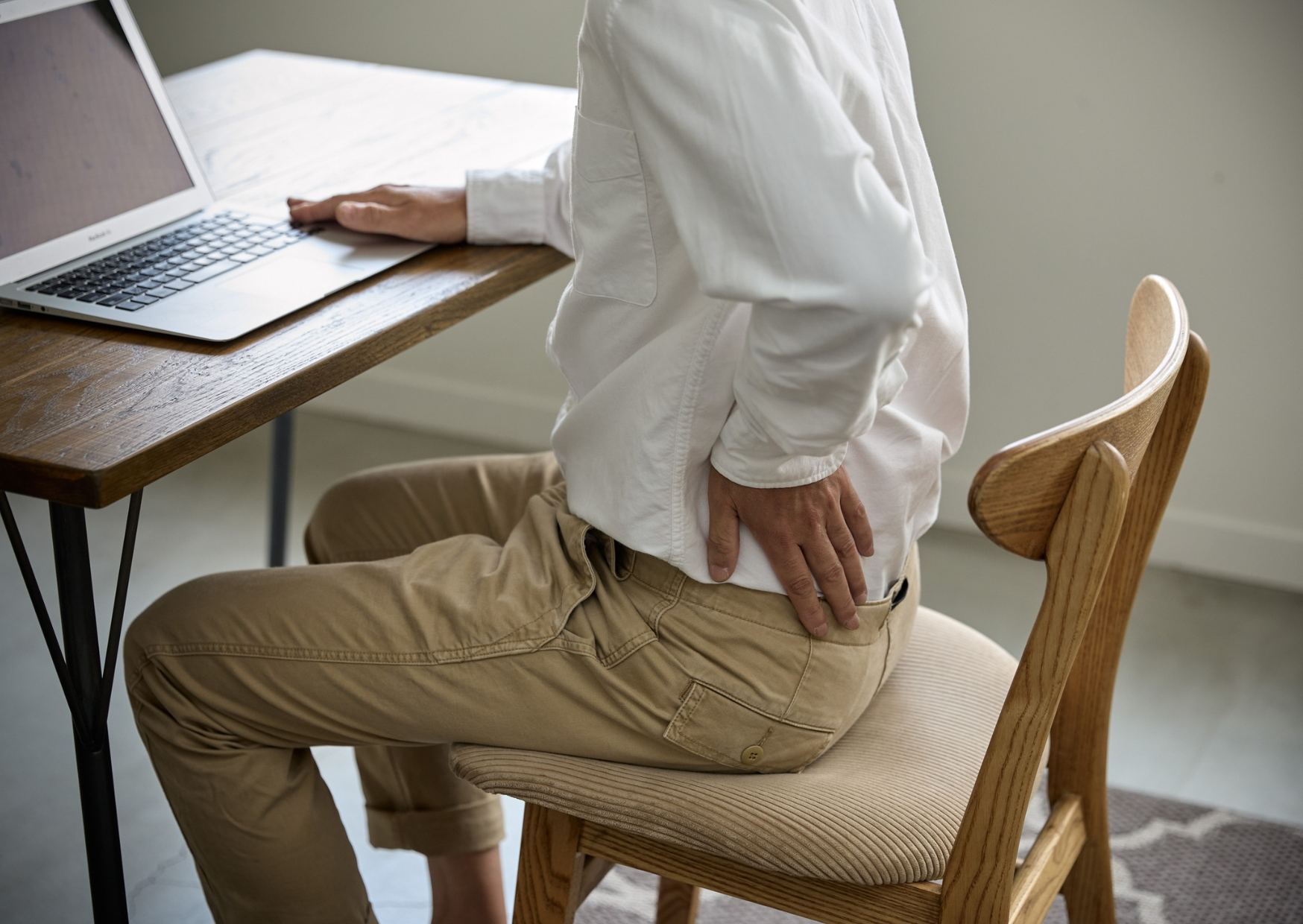
A lot of Americans use pain relief the way they use caffeine.
Not always because the pain is severe.
Often because the discomfort is expected.
Head tight in the morning, take something.
Back stiff, take something.
Jaw tense, shoulders high, temples buzzing, take something.
The body barely gets a vote before the medicine cabinet gets a turn.
That habit is understandable.
It is also where a lot of people get trapped.
Because the body often produces the same low-level pain for the same low-level reasons:
- bad sleep
- waking up dehydrated
- poor posture
- stress carryover
- too much sitting
- tension headaches
- not enough movement before screens begin
- painkiller rebound in some people
And if you keep treating those patterns with immediate rescue every time, you can wind up solving the sensation without touching the machine producing it.
This is especially true with headaches. NHS and patient guidance keep warning that regular use of painkillers for headaches can itself contribute to medication-overuse headache.
That does not mean pain relief is bad.
It means reflexive use can become part of the loop.
The Italian Habit Is Not “More Coffee.” It Is Movement Before The Day Shrinks Your Body
This is where people imagine the wrong thing.
When Americans romanticize Italian mornings, they usually picture:
- an espresso at the bar
- perfect light
- no emails
- elegant shoes
- a life free from lower-back pain because everyone is emotionally hydrated
That is not the useful part.
The useful part is the ordinary movement built into the morning.
In many parts of Italy, even when life is modern and rushed, mornings still often involve some version of:
- walking to coffee
- walking to buy bread
- walking to the bar
- walking to work or transport
- being out in the street before the body locks into a chair
It does not have to be a fitness walk.
It is usually just a small piece of movement before the day becomes static.
And that matters.
Because a short morning walk can do several useful things at once:
- loosen stiff muscles
- reduce the overnight “rust” in the back, hips, and neck
- expose you to daylight earlier
- lower stress intensity before it ramps
- shift the nervous system away from immediate desk posture
- delay the urge to medicate before the body has warmed up
That is where the benefit lives.
Not in some fantasy of Mediterranean elegance.
In the deeply unglamorous fact that moving early often reduces the kind of pain caused by not moving enough.
Why This Works Especially Well For Tension-Type Pain
This is where the habit makes the most sense.
If the pain pattern is:
- tension headache
- stress headache
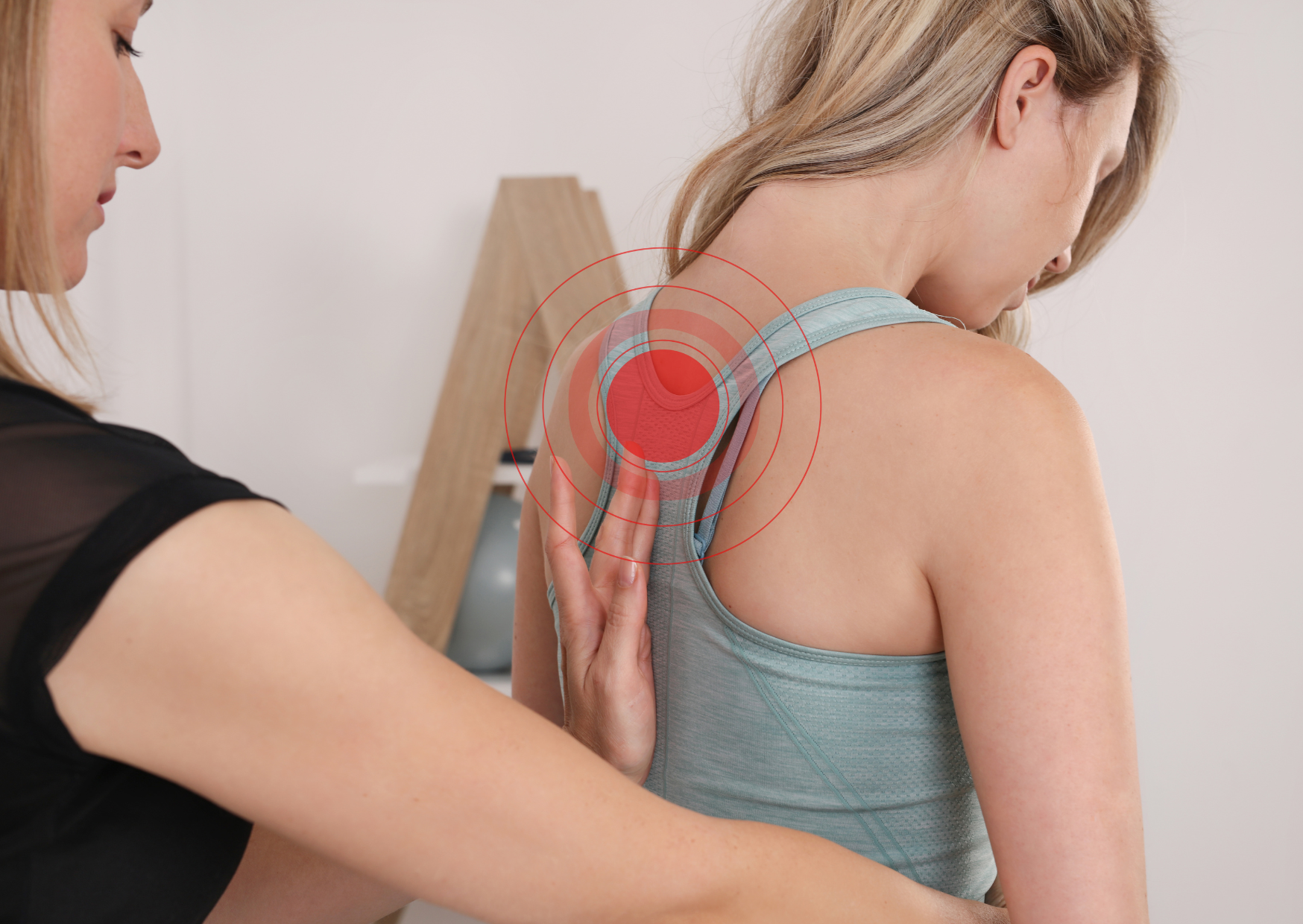
- neck-and-shoulder tightness
- mild jaw tension
- desk-body stiffness
- generalized “I wake up already clenched” pain
then a short morning walk can be disproportionately useful.
Because those pains are often heavily influenced by:
- muscle tension
- posture
- stress chemistry
- shallow breathing
- poor sleep carryover
- and the fact that many people go from bed to screen with almost no physical reset in between
NHS guidance for tension headaches still lists stress and sleep problems among common causes, and self-help measures remain the first-line advice for many cases.
That makes the “Italian habit” much less mysterious.
A morning walk helps because it is:
- low-intensity
- repeatable
- stress-lowering
- body-waking
- and likely to reduce the physical setup for tension pain before the full workday begins
It is not a cure.
It is often a very effective interruption.
The Morning Walk Helps Because It Fixes More Than One Variable At Once
This is the part people miss.
The habit looks simple:
walk in the morning.
But what often makes it effective is that it quietly improves several headache and pain variables at the same time.
It Increases Light Exposure Early
Early daylight helps anchor circadian rhythm, and more stable sleep-wake timing can indirectly reduce headache frequency in people whose pain is tied to poor sleep, inconsistent wake-up patterns, or stress fatigue.
That matters because a lot of low-grade daily pain is made worse by bad sleep architecture, even when people blame only work or age.
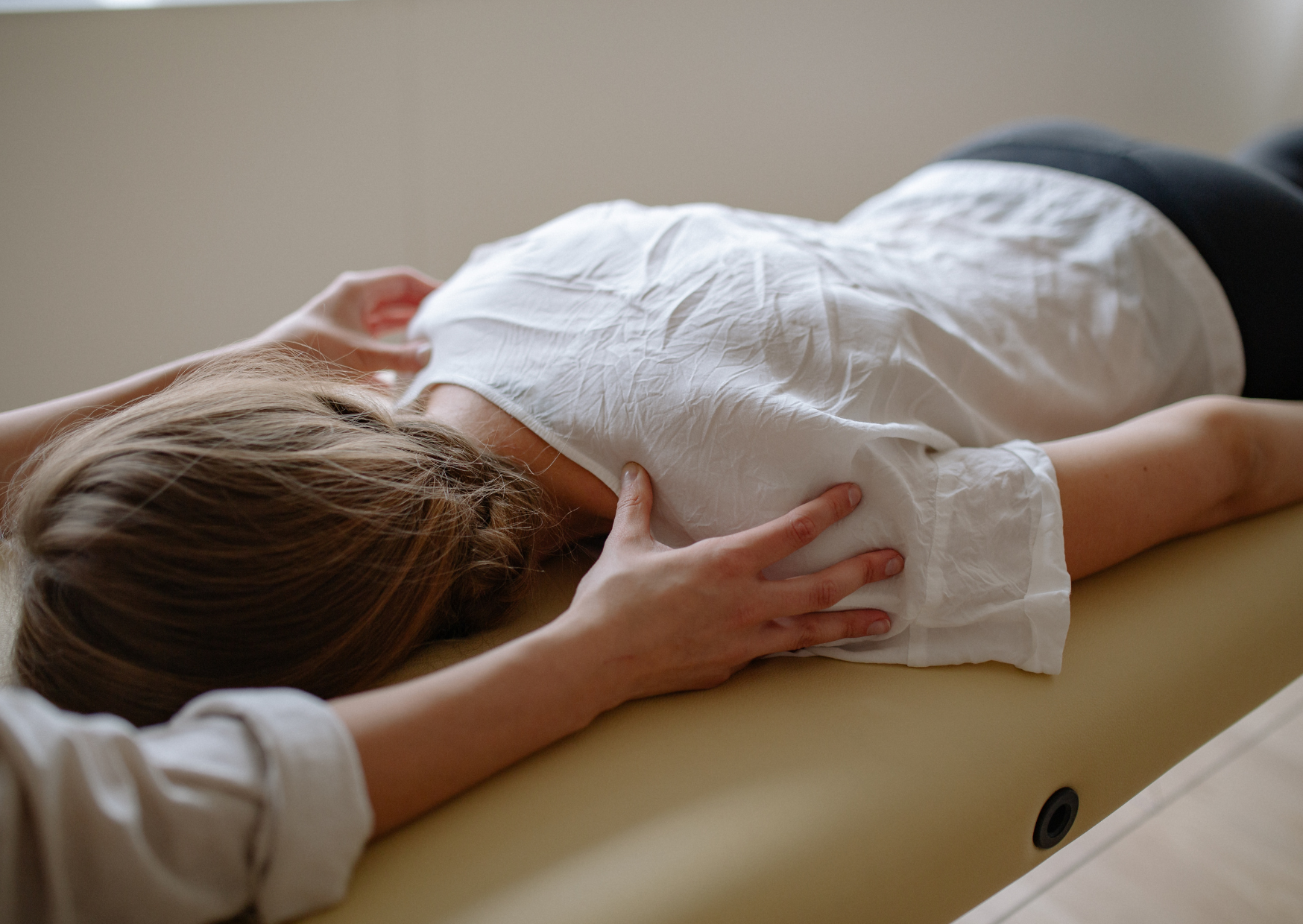
It Gets The Neck And Shoulders Out Of “Defensive” Mode
Many people wake up already tight:
- jaw locked
- shoulders lifted
- chest shallow
- neck stiff
A gentle walk, especially without screens, can start reversing that before the body spends another eight hours reinforcing it.
It Reduces Stress Escalation Early
Walking is not just movement.
It changes state.
And a lot of recurring low-grade pain is stress-amplified pain. If you reduce the baseline tension earlier, the whole day often gets less inflammatory and less clenched.
It Delays The Automatic Pill
This may be the most underrated benefit.
A lot of people take pain relief in the first ten minutes of discomfort because they expect the pain to worsen. A morning walk inserts a pause between sensation and medication.
Sometimes the pain still needs treatment.
Sometimes it drops enough that the tablet is no longer the first move.
That distinction is huge.
There Is Also A Strong “After Food” Version Of This Habit
This is where the Italian pattern becomes even more practical.
Italy is famous for the passeggiata, the habitual walk woven around daily life and meals. Most people associate it with the evening, and that is fair. But the useful logic applies in the morning too: a short walk after coffee or breakfast can make the body feel less stagnant, and post-meal walking also has broader benefits for digestion and metabolic steadiness. Recent reporting and clinical-facing summaries continue to point to gentle walking after meals as beneficial for blood sugar handling, circulation, and digestive comfort.
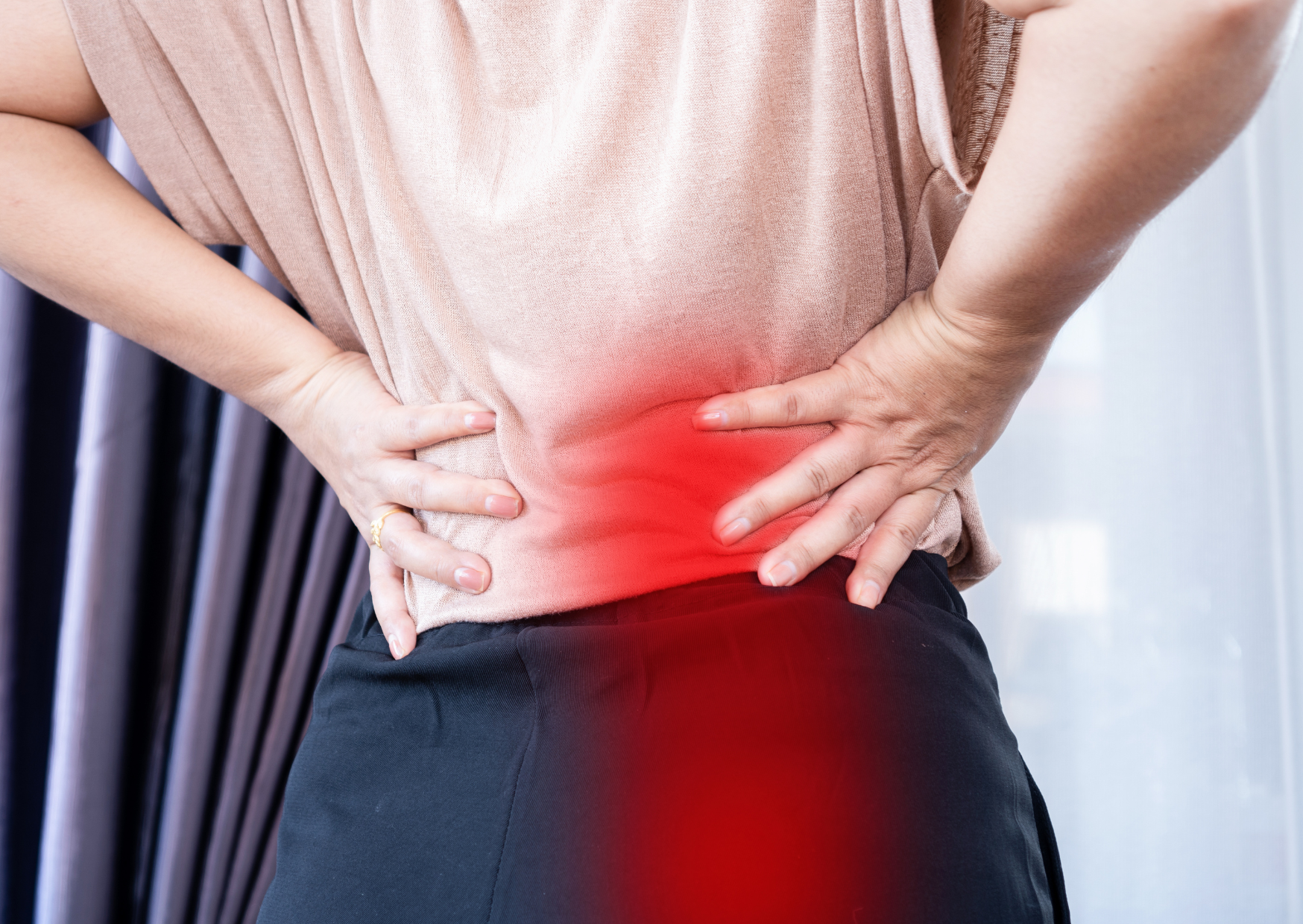
That matters because for some people, “morning pain” is not just muscular.
It is tied to:
- poor digestion
- too much caffeine on an empty stomach
- blood sugar instability
- waking up underfueled and stressed
A coffee-plus-walk or light-breakfast-plus-walk rhythm often improves the whole first two hours of the day.
And if the first two hours improve, the need for automatic pain relief often falls with them.
What This Habit Is Really Replacing
This is the part that makes the article useful.
The Italian morning habit is not replacing medicine.
It is replacing a very American sequence:
- wake up tired
- check phone immediately
- drink coffee too fast
- sit down too soon
- start clenching
- ignore food or eat badly
- let stiffness become headache or body pain
- take pain reliever because now the day has already started wrong
The walk interrupts that sequence.
Instead, the morning starts with:
- wake up
- hydrate
- maybe coffee or a simple breakfast
- walk a little
- let the body become a body before it becomes a workstation
That is the entire shift.
And for a lot of low-grade pain patterns, that shift is big enough to matter.
What It Does Not Do
This is important, because this topic is where wellness nonsense multiplies.
A morning walk does not reliably solve:
- severe migraine
- inflammatory arthritis
- nerve pain
- major injury
- significant chronic pain conditions
- sudden new headaches
- neurological red flags
- pain requiring urgent evaluation
It also does not mean nobody should use pain relievers.
Pain medication still has a real role.
NICE, NHS, and neurology guidance still include appropriate acute treatment while also warning against overuse and overreliance.
So the smart reading is:
for the right kind of recurring low-grade pain, a morning walk can reduce how often you need the pill.
That is a very different claim from “the walk cured pain.”
And it is a much more believable one.
What Americans Usually Notice In The First Two Weeks
If this habit works, it usually works in a very specific order.
Week One
The first change is often not “less pain.”
It is:
- less stiffness
- fewer stress spikes in the first half of the day
- slightly better digestion
- feeling less compressed by 10 a.m.
That can already reduce the urge to reach for a tablet.
Week Two
This is where some people notice:
- fewer low-grade tension headaches
- less neck-and-shoulder pressure
- a lower need for “just in case” pain relief
- a more stable morning mood
Again, not magic.
Just less accumulated friction.
And that is the key. Many people are not dealing with one huge pain problem.
They are dealing with a hundred tiny frictions that keep becoming pain.
The walk lowers several of those frictions at once.
The Mistakes People Make When They Try This

This is where they ruin the experiment.
They treat it like cardio.
A gentle walk is the point. If you turn it into punishment, you change the whole effect.
They still skip food and overdo caffeine.
If the morning is still a stress chemistry disaster, the walk has less to work with.
They expect severe pain to vanish.
That is not what this habit is for.
They keep terrible posture all day.
A good start helps, but eight hours of bad mechanics can erase a lot.
They use the habit as an excuse to ignore worsening symptoms.
That is the opposite of smart.
The morning walk is best understood as a first-line body reset, not a replacement for judgment.
The First 7 Days If You Want To Try It Properly
Day 1: Stop Taking The Pill Automatically
Not “never take it.”
Just do not make it the first move unless the pain clearly warrants it.
Day 2: Hydrate Before Coffee
A lot of morning headache and body tightness starts with waking up dry and then stimulating the system harder.
Day 3: Eat Something Simple
Even something small if mornings are hard:
- yogurt
- toast
- fruit
- eggs
- a simple breakfast you can repeat
The point is to stop making the first half of the day a stress test.
Day 4: Walk For 10 To 20 Minutes
Not for steps, not for virtue, not for social media.
Just enough to warm up your body and nervous system.
Day 5: Keep The Phone Out Of It
This matters more than people think.
A phone walk is often just stress with scenery.
Day 6: Notice The Pain Pattern Before And After
Head, neck, shoulders, back, jaw.
You are looking for:
- less pressure
- less tightness
- less urgency
- less need for rescue
Day 7: Count The Painkiller Difference Honestly
Did you actually need fewer?
Did you delay use?
Did the pain soften enough that the first move changed?
That is the only result that matters.
The Honest Takeaway
The Italian morning habit that “worked” is not some mystical village secret.
It is a short, ordinary morning walk, often after coffee or a simple breakfast, before the day turns into sitting, stress, and muscle tension.
For the right kind of recurring low-grade pain, especially tension-heavy headaches and desk-body stiffness, that can be enough to reduce how often someone reaches for American-style automatic pain relief.
Not because walking is magic.
Because a lot of modern pain is built from:
- stillness
- stress
- clenching
- bad timing
- and routines that treat the body like an inconvenience
A short morning walk is one of the simplest ways to interrupt that.
That is not romantic.
It is just useful.

About the Author: Ruben, co-founder of Gamintraveler.com since 2014, is a seasoned traveler from Spain who has explored over 100 countries since 2009. Known for his extensive travel adventures across South America, Europe, the US, Australia, New Zealand, Asia, and Africa, Ruben combines his passion for adventurous yet sustainable living with his love for cycling, highlighted by his remarkable 5-month bicycle journey from Spain to Norway. He currently resides in Spain, where he continues sharing his travel experiences with his partner, Rachel, and their son, Han.