

American food companies are brilliant at making junk sound responsible.
Add “protein,” “vitamin,” “electrolyte,” “whole grain,” or “made with real fruit,” and suddenly a sugary drink or candy-shaped snack starts passing as something a parent should feel good about.
That trick works much better in the U.S. than it does in European school settings.
Across much of Europe, the standard for what counts as acceptable school food is narrower, blunter, and a lot less impressed by health-halo marketing. Products that are sweetened, highly processed, or built to behave like treats often get filtered out fast, even when the packaging is screaming wellness.
That is why some of the most normal American “health” foods look ridiculous through a European school-food lens.
They are not really health foods. They are snack products wearing nutritional makeup.
Below are five of the clearest examples, and why they struggle so badly in EU school environments.
The bigger reason this happens: Europe treats “school food” like a public health setting, not a retail free-for-all
This is the core divide.
In the U.S., a lot of products get sold with health-coded language:
- protein
- energy
- electrolyte
- fruit-based
- fortified
- whole grain
- low fat
- vitamin-enhanced
That branding works because it lets food behave like candy while sounding medically adjacent.
In the EU school context, the rules are more interested in what the product is than how the label talks about it.
And that matters because a lot of American “health” foods are built around:
- added sugars
- flavor systems
- sweeteners
- processed convenience formats
- snack-style marketing
Those are exactly the features that run into school-food restrictions.
The Commission’s own knowledge gateway notes that many EU countries have school food policies with mandatory or voluntary standards that limit or forbid foods and drinks high in sugars in school restaurants and canteens. The JRC’s mapping of school food policies also reflects the broader preference for foods low in sugar and more limited access to sugary drinks and sweets in school contexts.
So let’s talk about the five products that Americans often still call “healthy” even when the school rules say otherwise.
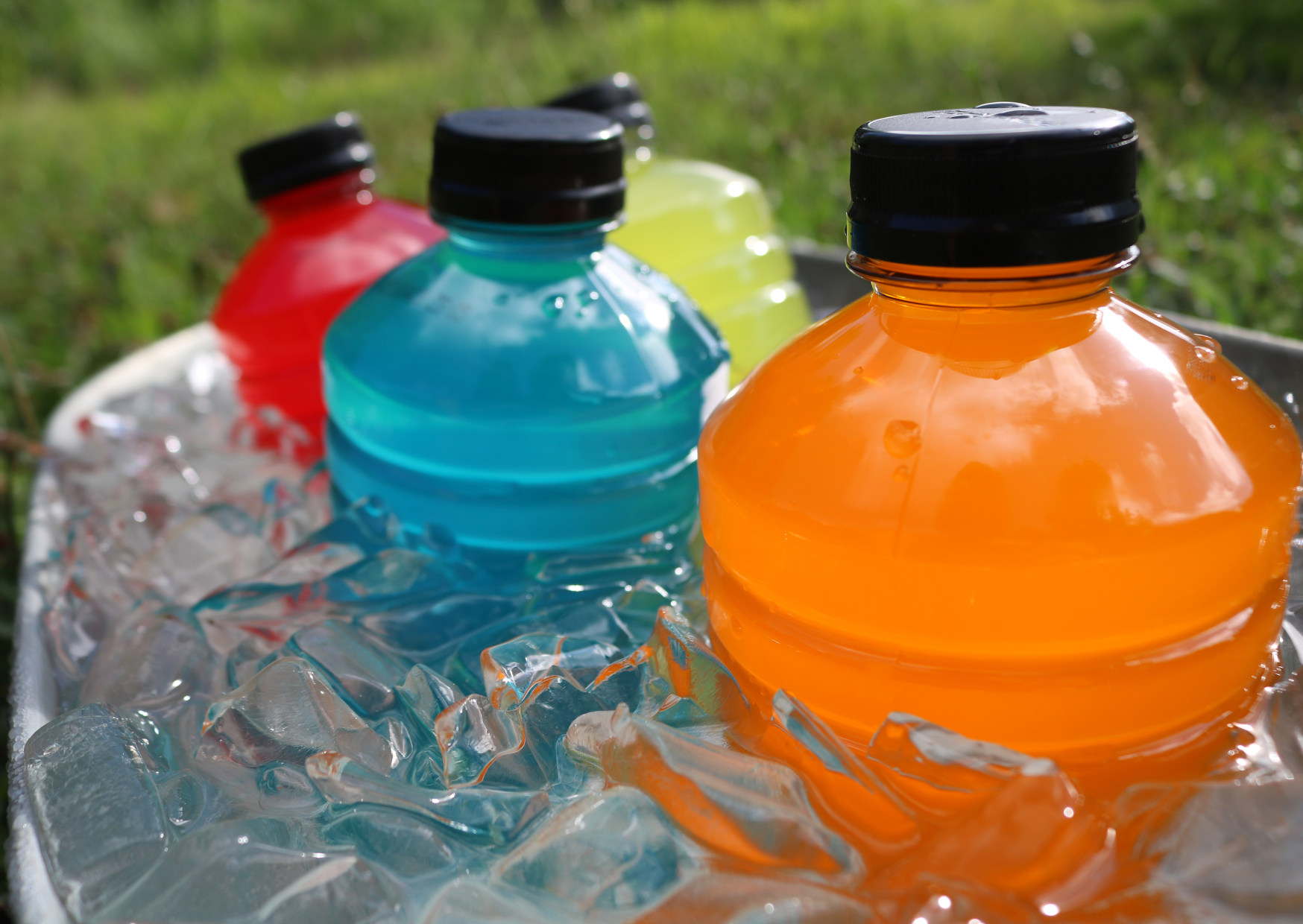
1) Sports drinks and “electrolyte” drinks
This is the cleanest example.
In the U.S., sports drinks get treated like practical wellness fuel. Parents throw them in lunch bags. Teens drink them like casual hydration. Adults buy them because the label says “electrolytes,” which makes colored sugar water sound like sports medicine.
In many EU school settings, that logic does not survive contact with actual food policy.
Why? Because these drinks are usually:
- high in sugars
- low in nutritional value relative to plain water
- clearly part of the sugary-drinks category
And school food standards across EU countries often limit or forbid sugary beverages in school environments. The Commission’s knowledge gateway explicitly notes that many member-state school food policies restrict or forbid foods and beverages high in sugars in school canteens and restaurants.
The EU School Scheme is even more obvious: it is not there to distribute sports drinks. It is there to distribute fruit, vegetables, milk, and some tightly controlled processed variants, not “performance hydration” products.
So yes, the classic American sports drink is exactly the kind of product that gets filtered out in school settings, no matter how “athletic” the branding looks.
2) “Vitamin water” and other fortified sugary drinks
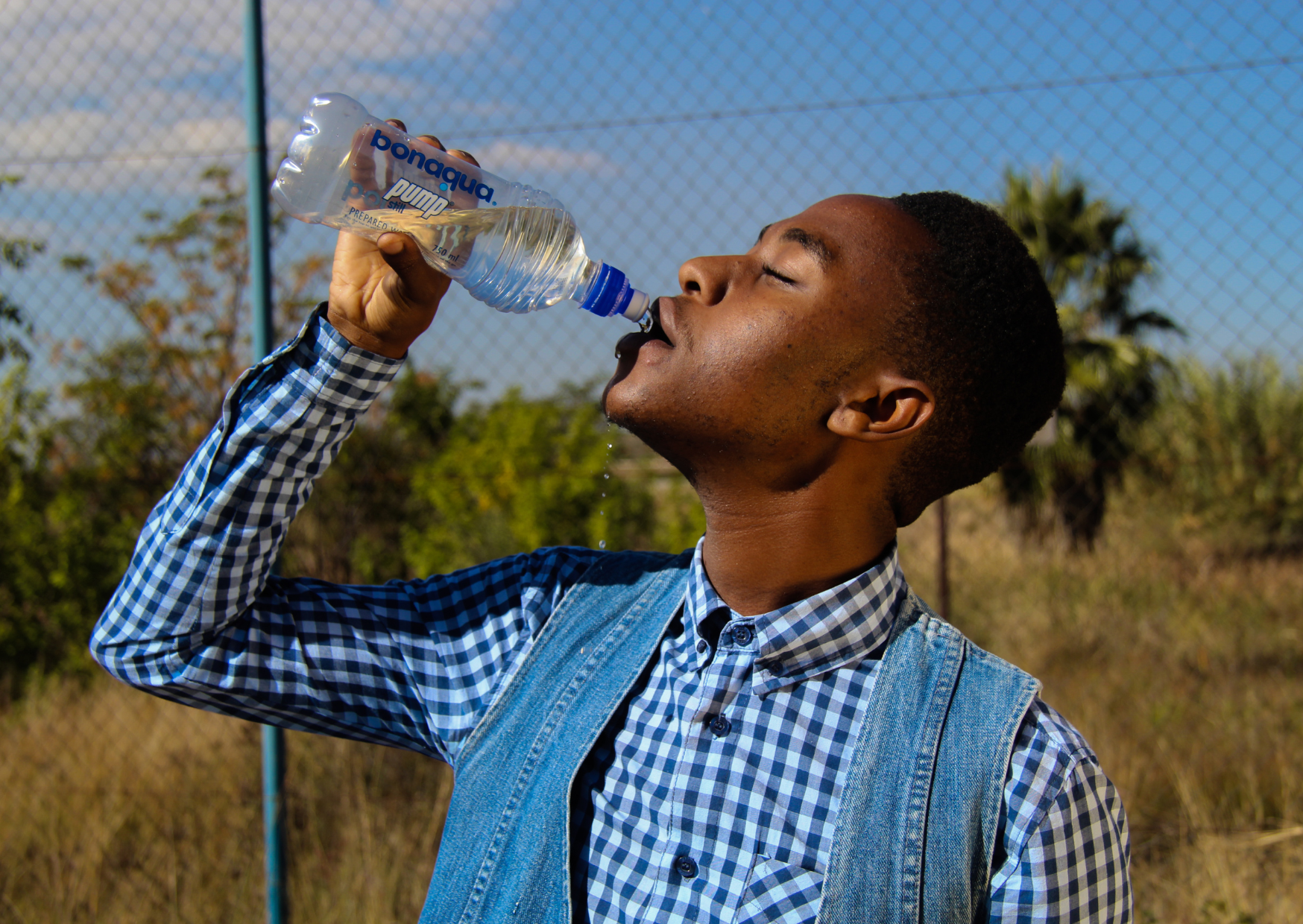
This is sports drink logic wearing a nicer outfit.
In the U.S., if you add:
- vitamins
- minerals
- botanical words
- hydration language
- a lighter label color
a sweet drink starts sounding responsible.
In EU school logic, this usually still lands in the same broad problem category: a sugary or sweetened drink with low justification for school provision.
That is the key mismatch Americans miss. The fortification does not magically erase the sugar logic.
And even when a product is technically not a sports drink, school food rules often treat sweetened beverages as something to restrict because the public-health goal is not “make sugar sound useful.” The goal is to reduce routine access to sugary drinks.
So the typical American “vitamin water” style product is exactly the kind of thing that may sound healthy on a U.S. shelf and still be treated as inappropriate in a school setting across much of Europe.
3) Granola bars and breakfast bars that are basically dessert with oats
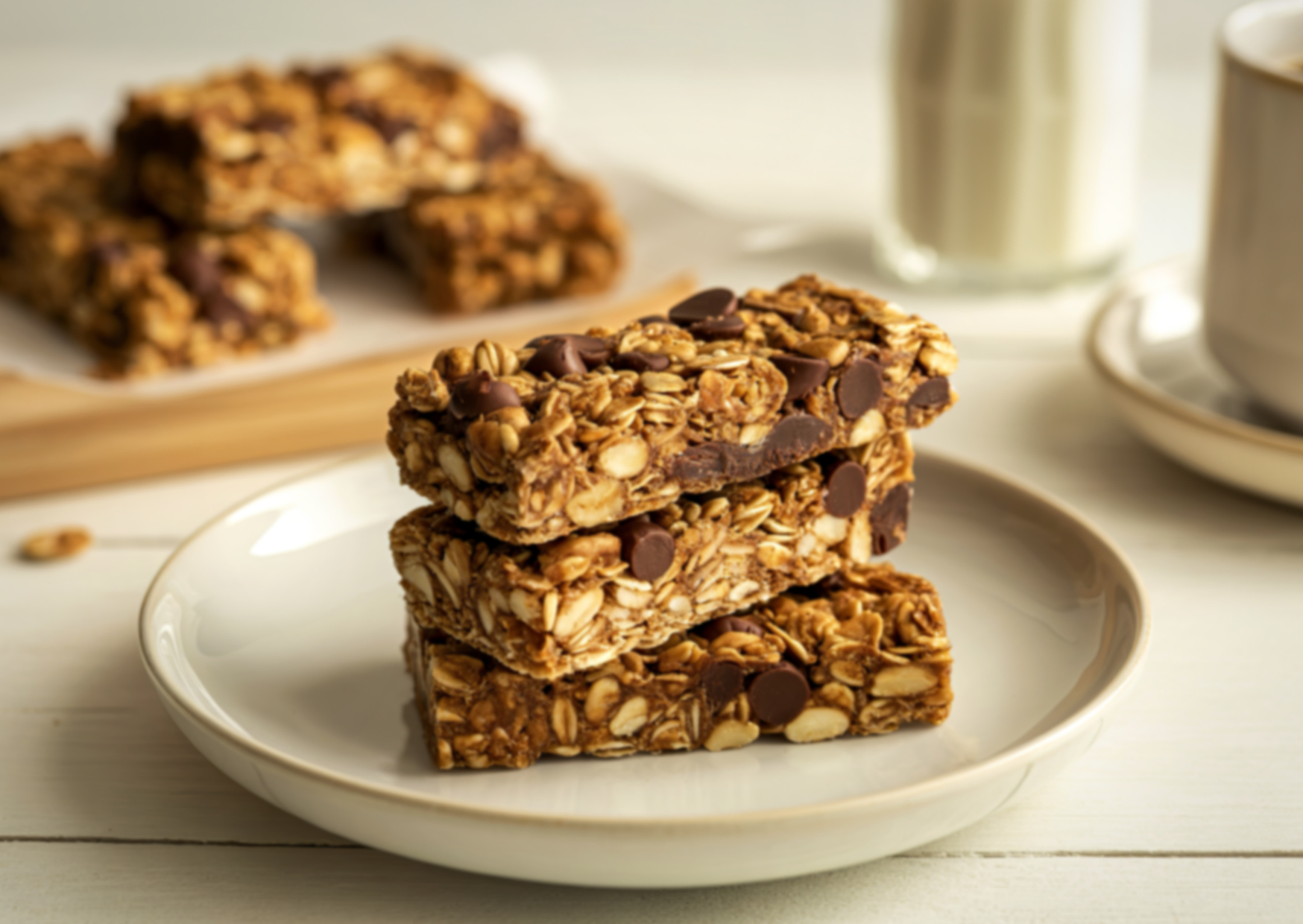
Americans love a bar that lets them pretend they ate breakfast.
Wrap it in words like:
- whole grain
- energy
- fiber
- protein
- natural
- fruit and nut
and it becomes a “better choice” even when it is still fundamentally a sweet snack.
This is one of the most important categories in EU school food because bars are where health marketing and confectionery logic overlap.
A lot of breakfast bars and granola bars run into the same issues:
- added sugars
- syrups
- chocolate coatings
- sweeteners
- candy-style texture and portioning
That makes them exactly the kind of product that can be excluded from school distribution frameworks and restricted under national standards for sugary snacks.
The EU School Scheme’s product rules matter here because they explicitly push away from foods with added sugars, sweeteners, and artificial flavourings as a normal school-distribution model.
So when an American says, “But it’s a breakfast bar,” an EU school-food planner often hears, “You wrapped a candy-adjacent product in oats.”
That is a very different mindset.
4) Drinkable yogurt and yogurt tubes loaded with added sugar
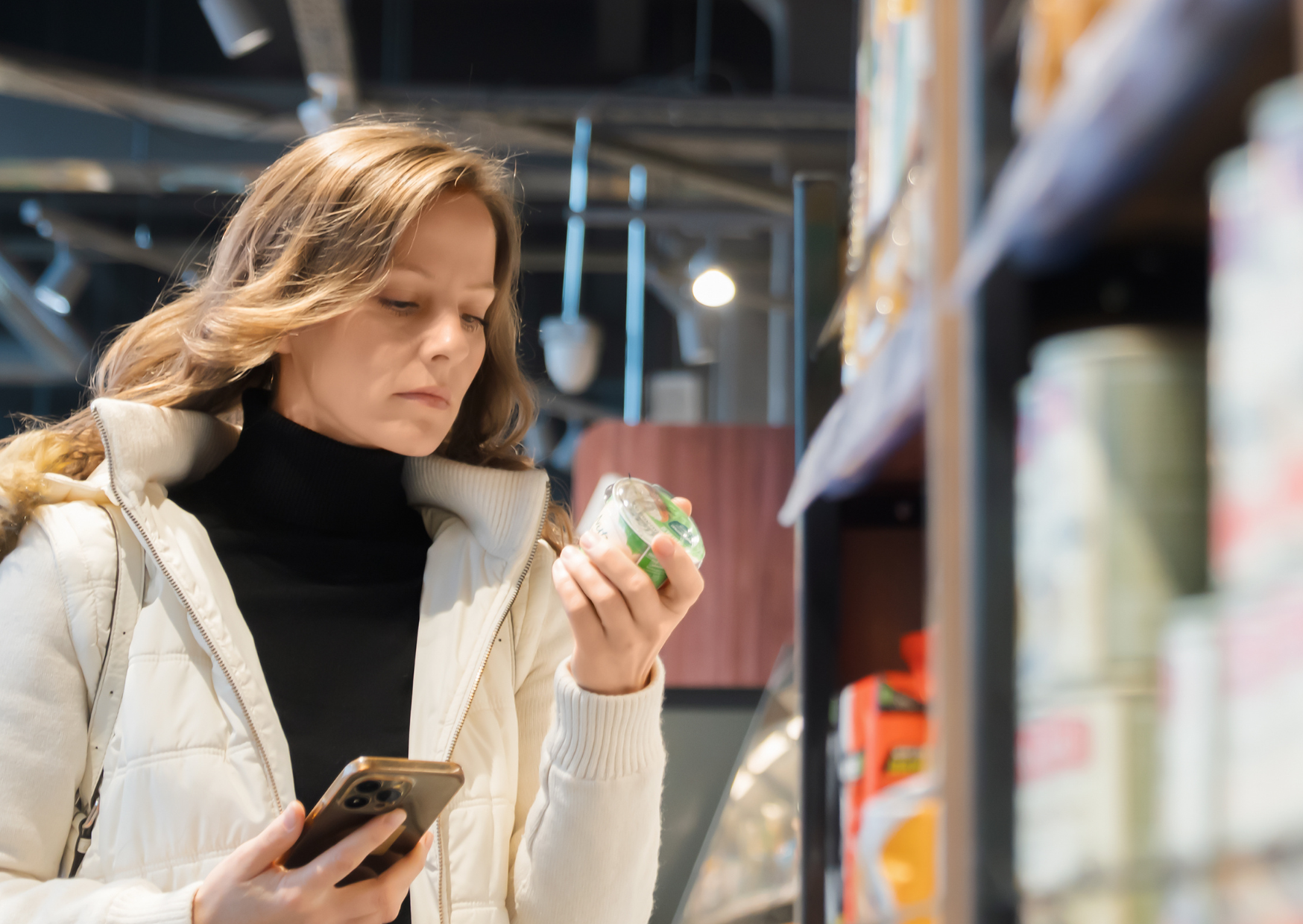
This one confuses Americans because yogurt has health halo power.
If the label says yogurt, people mentally file it under:
- calcium
- probiotics
- protein
- dairy
- kids’ nutrition
And yes, yogurt can absolutely be part of a healthy school diet.
But the version many American supermarkets normalize for children:
- heavily sweetened
- brightly flavored
- tube-packaged or drinkable
- positioned like a snack dessert
is exactly where the halo breaks.
The EU School Scheme does allow certain milk products and yogurts under strict conditions, but the Commission page is explicit: generally, no added sugar is allowed, except that national authorities may allow limited quantities of sugar in milk products as an exception.
That means the standard U.S. sweetened yogurt tube model is precisely the kind of product that gets pushed out unless it is substantially reformulated or approved within very narrow parameters.
The difference is not that Europe hates yogurt. It is that Europe is much less willing to pretend dessert yogurt is school nutrition just because it started as dairy.
5) Fruit snacks and gummy “fruit” products
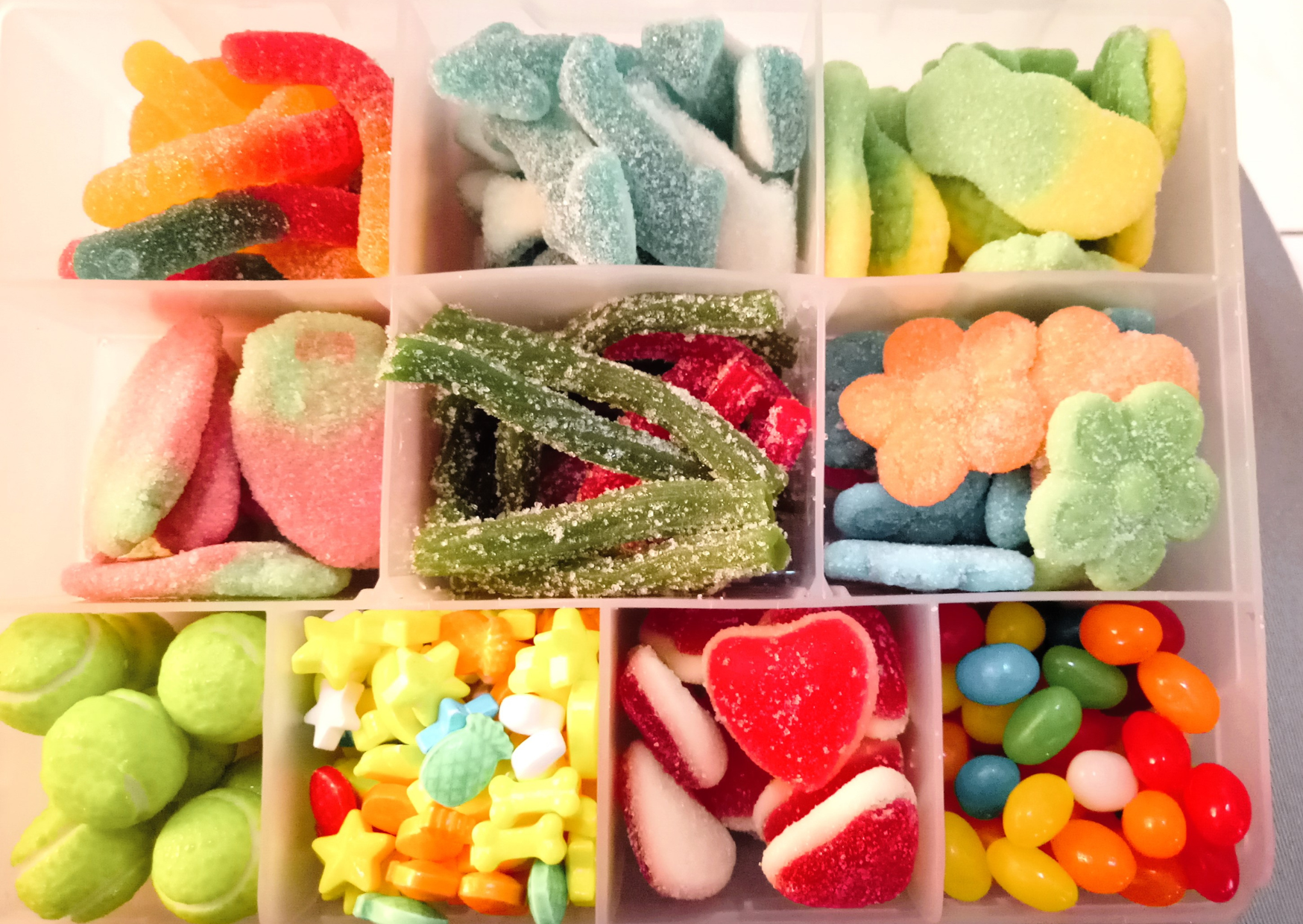
This one is almost too obvious, but Americans still fall for it constantly.
Fruit snacks are one of the most successful branding scams in modern grocery retail.
They use:
- fruit imagery
- juice references
- vitamin claims
- lunchbox positioning
- “made with real fruit” language
to sell what is usually a confectionery-format product.
That matters because school food rules in Europe often deal much more harshly with sweets and sugary snack formats than the U.S. marketing language does.
Even older EU school-food standard materials tied to European policy debates were blunt about this: “no confectionery should be sold in schools” appeared as a model mandatory standard in school-food guidance submitted into the EU policy process.
So a fruit snack may be sold in the U.S. as “fruit support with vitamins.”
In a more restrictive school-food setting, it is likely to be treated much closer to what it really is:
a sweet, candy-format processed snack.
That is a huge philosophical difference.
The real pattern: Europe is less willing to let marketing language override the food category
That is what connects all five items.
In the U.S., these products survive by creating a health halo:
- sports drinks become “hydration”
- vitamin waters become “wellness”
- bars become “breakfast”
- sugary yogurt becomes “dairy”
- fruit snacks become “fruit”
In EU school settings, the rules are more likely to ask:
- Is it sugary?
- Is it sweetened?
- Is it a confectionery-like product?
- Does it belong in a school nutrition environment?
And if the answer is “yes, mostly sugar in a nicer costume,” the product loses.
That is why these foods often feel more “illegal” in Europe, even when the precise legal mechanism is:
- exclusion from the EU School Scheme
- national school standards restricting sugary foods or drinks
- local school procurement rules that do not let these products in
It is less dramatic than a continent-wide ban. It is also more real, because it affects what children are actually offered.
Pitfalls most Americans miss when they talk about this

This is where the conversation gets sloppy fast.
Pitfall 1: “The EU banned these foods everywhere.”
No. The issue is school settings, not every grocery shelf in Europe.
Pitfall 2: “If it’s sold in Europe, it must be allowed in schools.”
Also false. School-food rules are often stricter than general retail rules.
Pitfall 3: “Healthy branding means healthy enough for schools.”
That is exactly the American assumption these policies reject.
Pitfall 4: “The EU School Scheme is the same thing as all school food law.”
It is not. The Scheme is one piece. National and local standards add another layer.
Pitfall 5: “This is about hating processed food.”
Not really. It is about rejecting sugary, sweetened, heavily marketed products in spaces treated as child-health environments.
The first 7 days you stop confusing marketing with school nutrition
If you want the practical version of this article, use this as a shopping reset.
Day 1: Stop letting the words “protein,” “electrolyte,” or “vitamin” end the conversation
Those are marketing tools, not proof that the product belongs in a child’s daily routine.
Day 2: Reclassify drinks honestly
Ask:
Is this hydration, or is this a sweet drink wearing gym language?
That one question fixes a lot.
Day 3: Reclassify bars honestly
Ask:
Is this breakfast, or is this a dessert-format snack with some oats added?
Again, clarity.
Day 4: Reclassify yogurt honestly
If it is bright, heavily flavored, and sweet enough to function as dessert, stop pretending the dairy base makes it school food by default.
Day 5: Reclassify “fruit snacks” honestly
If it comes in gummy form, it is usually in the candy neighborhood, no matter what fruit picture is on the box.
Day 6: Build a real school-food test
Would this product still make sense if you removed the packaging claims?
If the answer is no, the health halo is doing the work.
Day 7: Use the boring rule
For school-style daily food, choose foods that do not need a branding argument to sound appropriate.
That is the logic Europe uses more often, and it is a good filter.
Where this lands in real life
The five American “health” foods that are effectively on the wrong side of many EU school rules are not magical villains.
They are just classic examples of how U.S. food marketing turns sugary or heavily processed products into “wellness-adjacent” products:
- sports drinks
- vitamin waters
- sugary breakfast bars
- sweetened yogurt tubes or drinkable yogurts
- fruit snacks
Under the EU School Scheme, products distributed to schools are generally not supposed to contain added sugars, salt, fat, sweeteners, or artificial flavourings, except for limited, tightly managed exceptions in some cases. And many EU countries’ school food policies separately limit or forbid sugary foods and drinks in school settings.
So the headline is a little dramatic.
The underlying reality is not.
The honest takeaway
The reason these foods struggle in EU school settings is simple:
Europe is often less willing to let a health claim erase the basic nature of the product.
A sugary drink is still a sugary drink.
A candy-format “fruit” chew is still a sweet snack.
A bar with oats is not automatically breakfast.
A sugary yogurt tube is not automatically school nutrition.
That is the real divide.
Not that Europe has no processed food.
That in school environments, it is more likely to call processed sugar by its real name.

About the Author: Ruben, co-founder of Gamintraveler.com since 2014, is a seasoned traveler from Spain who has explored over 100 countries since 2009. Known for his extensive travel adventures across South America, Europe, the US, Australia, New Zealand, Asia, and Africa, Ruben combines his passion for adventurous yet sustainable living with his love for cycling, highlighted by his remarkable 5-month bicycle journey from Spain to Norway. He currently resides in Spain, where he continues sharing his travel experiences with his partner, Rachel, and their son, Han.