

The people who struggle most are often not the loud tourists or the obvious chaos addicts. It’s the practical, organized, polite Americans from places that run on space, schedules, parking, climate control, and clear expectations. Southern Europe doesn’t break them because it’s hostile. It breaks them because it feels livable in all the wrong ways at first.
People from the Midwest often think they’ll do well in Southern Europe.
They picture friendliness, family life, walkable streets, better food, slower days, lower stress, and a less insane relationship to money and work.
That part is not completely wrong.
It is also not the part that knocks them sideways.
The problem usually starts with rhythm, space, and friction. A lot of Midwestern life is built around large private interiors, predictable service culture, early meals, easy parking, strong climate control, and social warmth that arrives in a soft, verbal way. Southern Europe often offers the opposite package: smaller homes, louder streets, later dinners, more public life, less hand-holding, more ambiguous systems, and a level of heat that feels much worse indoors than people expect.
That is why the culture shock often feels insulting.
It is not one big dramatic problem.
It is ten small daily annoyances landing on the same nervous system.
A person from suburban Indianapolis, Des Moines, Omaha, Grand Rapids, Cincinnati, suburban Chicago, or the Twin Cities often arrives thinking the adjustment will be about language, paperwork, or homesickness.
It usually isn’t.
It is about losing the invisible Midwestern infrastructure that made ordinary life feel smooth.
Midwestern Nice Does Not Translate Cleanly

A lot of Midwesterners expect Southern Europe to feel warm in the same way the Midwest feels warm.
That is the first bad assumption.
Midwestern friendliness is often softened, verbal, and lightly reassuring. There is a lot of “you’re good,” “no problem,” “take your time,” “sorry,” and “have a good one,” even when nobody means anything especially deep by it. That style is not fake. It is a social lubricant.
Southern Europe often uses different lubricant.
The cashier may not smile much.
The waiter may not hover.
The baker may sound abrupt.
The pharmacist may give useful help with almost no padding.
The neighbor may look cold for two months and then suddenly invite you to something real.
That is the trap.
A lot of Midwesterners read less verbal niceness as social frost, when what they are really seeing is a different threshold for performative warmth. Spain, Portugal, and Italy often feel more direct in public and more genuinely social in private, but there is less of the Midwestern “let me make this interaction feel gentle for both of us” layer on top.
That lands hard on people raised to interpret tone through politeness rituals.
They start saying things like “people here are rude.”
Usually what they mean is “people here are not cushioning every interaction the way I’m used to.”
That is a different complaint.
It also matters in customer service. Midwesterners often expect clear explanations, proactive help, and a tone that says the employee is partnering with them through the problem. Southern Europe is more likely to give you the answer and stop there. Sometimes the answer is useful. Sometimes it is incomplete. Either way, the employee is not always emotionally managing your reaction for you.
That can feel harsher than it is.
It can also be exhausting for people who came expecting emotional softness because the weather is good and the bread is better.
The House Shrinks And The Street Gets Louder

This is where the dream usually starts cracking in private.
A lot of Midwestern life happens indoors, with a lot of square footage acting as emotional shock absorber. Larger kitchens. Mudrooms. Basements. Garages. Separate bedrooms. Bigger fridges. Bigger freezers. Closets that hide your bad habits. A national median new single-family home sold in the U.S. in 2024 was 2,210 square feet. That is a lot of room to disappear inside.
Southern Europe often gives you less interior forgiveness.
Smaller kitchens.
Smaller fridges.
Less storage.
Shared walls.
More balconies, fewer giant private yards.
More apartment life.
More sound leaking into ordinary existence.
This hits Midwesterners harder than they expect because they are used to solving inconvenience with space. Too much food. Bigger fridge. Too much stuff. Basement shelf. Too much noise. Shut the windows and move deeper into the house. Too much emotional friction. Drive somewhere quieter.
A lot of Southern European city life removes those escape valves.
Then there is the street itself.
Midwestern neighborhoods often prize low noise, parking ease, private calm, and social distance unless there is a specific event happening. Southern Europe makes much more of life public. People talk outside. Chairs scrape. Children stay up later. Scooters exist. Café noise exists. Street-level life exists. Dinner exists when a lot of Midwesterners already want the day to be winding down.
This is not a moral difference.
It is a spatial one.
And it is why people who love the street life on vacation often resent it when they actually live above it.
They expected charm.
What they got was reduced control over silence.
That is a serious adjustment for anyone coming from a detached-house culture with thick routine and deep indoor retreat.
The Clock Feels Wrong For Weeks

This is the part people laugh about before moving, then quietly hate once they arrive.
Midwesterners often live on an earlier, tighter clock. Earlier breakfast. Earlier lunch. Earlier dinner. Earlier errands. Earlier bed. The day is arranged to fit work, commuting, and family logistics inside a fairly disciplined structure.
Southern Europe can feel like it starts too late and finishes too late.
In Spain, official tourism guidance still says lunch commonly runs from 13:00 to 16:00 and dinner from 20:00 to 23:30. In Portugal, official tourism guidance places dinner between 19:30 and 22:30. In Italy, official tourism guidance still points to lunch around 12:30 to 14:30, with the broader southern pattern still much later and longer around food than many Americans expect.
That does not only affect restaurants.
It affects mood.
The Midwestern brain reads the day differently. By 6:30 p.m., it often wants closure. Southern Europe may still feel like it is warming up. A Midwesterner who likes a 5:30 or 6:00 dinner, tidy bedtime, and errands completed before dark can feel permanently off-cycle.
Then the wrong interpretation starts.
“Nothing works here.”
Things do work.
They just work on a clock that was not built around suburban American convenience.
This matters more than outsiders realize because time is identity for a lot of Midwesterners. Being on time, eating on time, planning on time, and ending the day on time are not tiny habits. They are how order is maintained.
Southern Europe often asks for a looser relationship with sequence.
Snack now.
Eat later.
Wait longer.
Call back tomorrow.
Come by after lunch.
The office closes at one and reopens at four.
The restaurant is empty at seven because nobody local wants dinner yet.
None of this is catastrophic.
All of it is tiring if your whole life has taught you that good systems should bend toward your need for earlier closure.
They often do not here.
The Car Stops Being Your Daily Safety Net
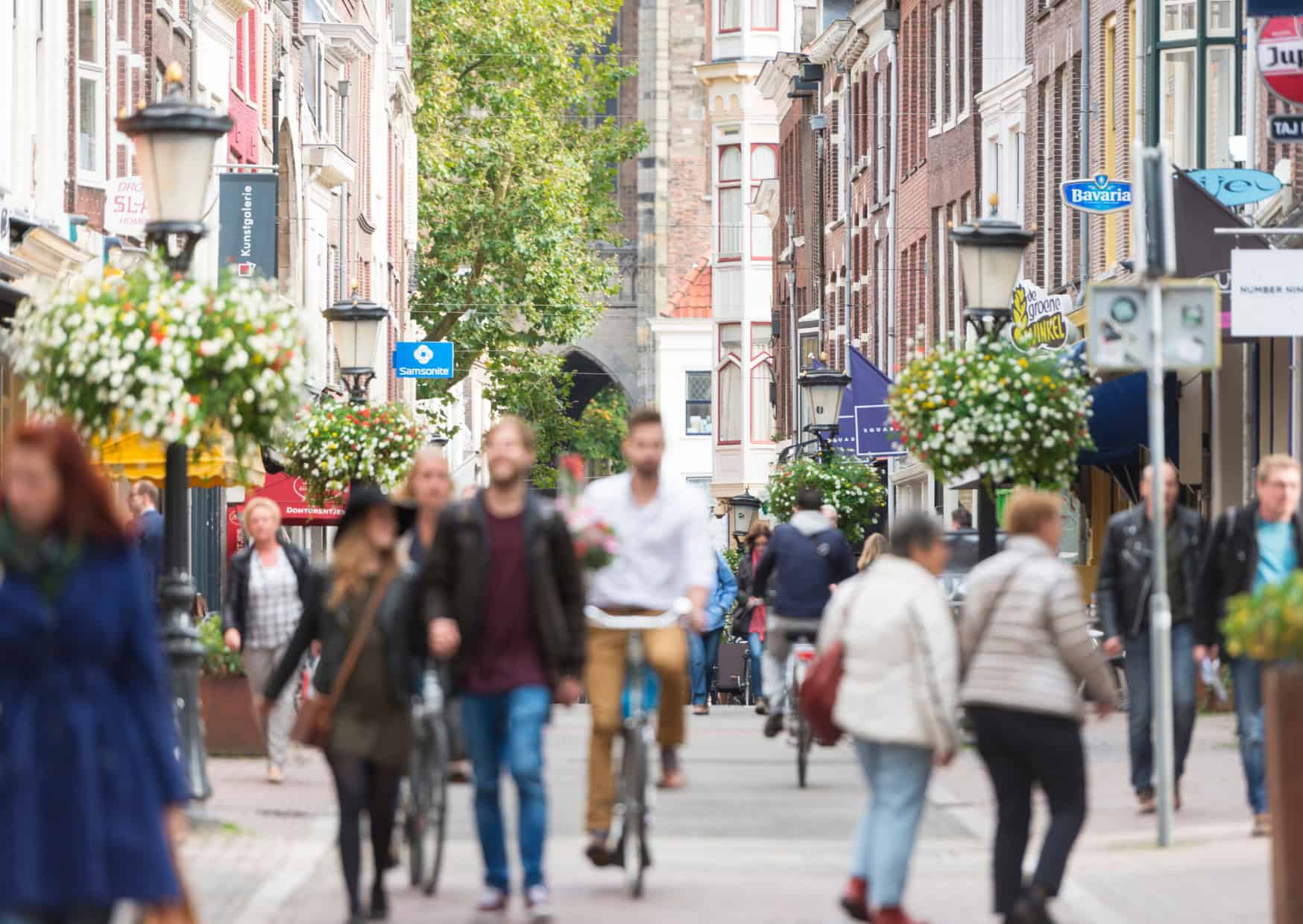
A lot of Midwesterners do not fully realize how much of their emotional stability sits inside a car.
Not the road trip fantasy.
The everyday rescue function.
Need groceries.
Need privacy.
Need to escape noise.
Need to carry bulk items.
Need to get somewhere without weather, other people, or timetables interfering.
Need a little emotional decompression.
The car handles all of it.
In the United States, 69.2% of workers drove alone to work in 2024. The mean one-way commute was 27.2 minutes. Midwestern life is often even more car-structured than the national average feels on paper. Driving is not just transport. It is how daily life gets stitched together.
Southern Europe removes some of that stitching.
That sounds lovely until it becomes practical.
Now you are carrying groceries.
Now you are planning around a bus, metro, train, or steep walk.
Now parking is annoying enough that even using the car feels stupid.
Now your weekly Costco-style stock-up fantasy does not fit the kitchen or the walk home.
Now the beautiful old center you admired on vacation is punishing to navigate with bulk purchases, wheeled luggage, or a bad back.
A lot of Midwesterners feel uncannily fragile during the first months because the car used to absorb inconvenience for them.
Without it, every little thing becomes felt.
Heat is felt.
Weight is felt.
Distance is felt.
Timing is felt.
The good version of this is that many people eventually walk more, buy less nonsense, and stop organizing life around two vehicles and endless parking.
The bad version is that the first months can feel like all the padding was stripped off daily life.
That is usually the real struggle, not some abstract anti-car ideology.
Southern Europe Feels Hotter Indoors Than Midwesterners Expect

This one catches people hard.
Midwesterners are used to weather extremes.
They know winter. They know storms. They know humid summers. They know what bad weather feels like outside.
What they are often not used to is heat inside ordinary homes that are not cooled the way American homes are cooled.
That is a separate problem.
Southern Europe is dealing with worsening summer cooling stress in very concrete ways. A recent Joint Research Centre report found that in 2023, 26% of households in the EU lived in homes that were not comfortably cool in summer, with Southern Europe particularly affected. In Spain, apartments were significantly more affected than detached homes. That is not a niche discomfort issue. It is a major daily-life issue.
Midwesterners often come in overconfident here because they have lived through hot summers before.
Yes, but often with central air, bigger rooms, bigger fridges, more insulation in the American sense, easier shade management, and more robust assumptions about indoor cooling as a default right.
Southern Europe can feel more improvised.
Shutters.
Fans.
Cross-ventilation.
Stone.
Timing.
Darkened rooms.
Late-night airing out.
A slower physical rhythm during bad heat.
That sounds poetic in an article and much less poetic at 1:15 a.m. when the bedroom still feels warm and the building has stored the day.
This is one reason Midwesterners struggle more than they expected. They are often good at handling weather outdoors. They are less used to reorganizing domestic life around heat indoors.
And because they usually came imagining a softer, sunnier life, the shock feels almost personal.
The climate they thought would heal them starts making them irritable in their own kitchen.
Rules Exist, But They Do Not Always Arrive In The Midwestern Way

This is another specific Midwestern pain point.
A lot of Midwesterners are extremely good at functioning inside systems as long as the system shows its shape clearly. Fill the form. Bring the documents. Arrive early. Stand in line. Be pleasant. Get result.
That is a very American competence.
Southern Europe can absolutely reward preparation, but it often does so less cleanly. The rule may exist. The office may still tell you to come back. The website may be half-useful. The clerk may not narrate the process kindly. Hours may be limited in ways that feel unserious if you come from a world where office availability is supposed to signal institutional respect.
That mismatch causes more emotional damage than people expect.
Midwesterners often do not melt down because systems are hard.
They melt down because systems are inconsistently legible.
The person who expected Southern Europe to feel relaxed and humane can end up blindsided by narrow office hours, conflicting instructions, the need to ask twice, and the discovery that rule-following does not always buy clarity on the first attempt.
This also connects back to public tone.
If you are used to American clerks saying “Here’s what we’re going to do,” Southern European bureaucracy can feel emotionally under-explained. The answer may be correct. It may still feel abrupt, partial, or delivered with no interest in helping you feel settled.
Midwesterners often take that harder than East Coast Americans do.
Not because they are weaker.
Because they were trained to expect polite procedural cooperation as a sign that the system is functioning.
When that layer disappears, they do not only feel inconvenienced.
They feel disoriented.
The Grocery Store Breaks More Dreams Than The Language Barrier

This is a smaller point on paper and a huge one in real life.
Midwesterners often manage life through volume.
Bigger weekly grocery run.
Bigger fridge.
Bigger pantry.
Case of this.
Two-pack of that.
More backups.
More room to absorb the week.
Southern Europe often rewards the opposite.
Smaller shops.
More frequent top-ups.
Less storage.
Fewer backups.
More walking.
Less bulk.
That sounds quaint until you are the person who now has to figure out where the paper towels go, why the freezer is this small, why the yogurt options look different, why the kitchen counter barely exists, and why dinner ingredients have to be bought with some realism instead of one huge defensive shop.
This hits Midwesterners especially hard because grocery scale is often part of how household competence gets expressed back home. A full fridge, stocked pantry, and bulk-buy efficiency feel responsible.
In Southern Europe, the responsible move is often different.
Buy less.
Buy fresher.
Carry what fits.
Stop trying to build a suburban food bunker in a second-floor apartment with a small fridge and one good market street.
People who adapt to this usually end up liking it.
People who resist it feel cramped, mildly hungry at the wrong time, and weirdly incompetent in a kitchen that seemed charming online.
It is not the language barrier doing that.
It is the loss of Midwestern abundance habits.
The First Seven Days That Stop The Spiral
A lot of people make the first month harder than it needs to be because they keep trying to preserve their old operating system.
That fails.
A better first week looks like this.
On day one, shift dinner later by at least 60 to 90 minutes, even if you hate the idea. If you keep trying to eat Southern Europe on a 5:30 p.m. Midwestern schedule, the whole day feels hostile.
On day two, walk the 15-minute zone around the home and map four things: groceries, pharmacy, café, and backup food. Do not do this by Google Maps only. Do it on foot, because the foot version is the life you are actually buying.
On day three, buy for heat and noise, not aesthetics. Fan, blackout help, earplugs, better bedding, maybe a second laundry rack if the place needs it. The prettier apartment loses its romance quickly if sleep goes bad.
On day four, stop trying to recreate the weekly American grocery haul. Do one base shop and one fresh top-up. Learn the kitchen you have.
On day five, learn one polite local script for short public interactions. Not perfect language. Just enough to stop reading every neutral interaction as rejection.
On day six, do one admin task in the morning and assume it may need a second pass. That mindset alone prevents a lot of unnecessary rage.
On day seven, plan one social habit in public space. Same café. Same bakery. Same market stop. Southern Europe often opens socially through repetition, not through the American-style instant friendliness Midwesterners are scanning for.
This first-week reset sounds small.
It is not.
It stops the most common mistake, which is trying to force Southern Europe to behave like Indianapolis with better tomatoes.
The People Who Struggle Most Are Usually The Ones Who Thought It Would Feel Familiar
That is the part nobody tells Midwesterners clearly enough.
Southern Europe can look emotionally compatible from a distance.
Family-oriented.
Human-scale.
Food-centered.
Less obsessed with work.
More public life.
More warmth.
All of that can be true.
It can still feel deeply uncomfortable at first to someone raised on space, softness, punctuality, climate-controlled interiors, quiet neighborhoods, and a customer-service style that constantly reassures you everything is under control.
The struggle is not usually about danger or unhappiness.
It is about daily friction arriving in forms the person did not expect.
The street is louder.
The apartment is smaller.
Dinner is later.
The service tone is sharper.
The offices are narrower.
The heat sits in the rooms.
The grocery routine changes.
The car no longer rescues the day automatically.
That is why Midwesterners specifically struggle.
Not because they are too rigid for Europe.
Because the things they are best at back home are often the exact things Southern Europe quietly asks them to loosen first.
The ones who adapt fastest do not become different people.
They simply stop treating every mismatch like evidence that something is broken.
A lot of the time, nothing is broken.
The old operating system just does not run here as cleanly.

About the Author: Ruben, co-founder of Gamintraveler.com since 2014, is a seasoned traveler from Spain who has explored over 100 countries since 2009. Known for his extensive travel adventures across South America, Europe, the US, Australia, New Zealand, Asia, and Africa, Ruben combines his passion for adventurous yet sustainable living with his love for cycling, highlighted by his remarkable 5-month bicycle journey from Spain to Norway. He currently resides in Spain, where he continues sharing his travel experiences with his partner, Rachel, and their son, Han.