

The first thing people assume is that I must be eating like a monk.
Lentils. toast. one tragic tomato. maybe a heroic onion if the month went well.
No.
The second thing they assume is that I am cheating somehow. Maybe I live in a village with one magical market. Maybe I do not count coffee. Maybe I forgot olive oil exists. Maybe I am quoting a budget from three years ago when everybody still thought southern Europe was permanently cheap.
Also no.
The truth is less dramatic and more annoying. A €200-a-month food budget in Spain is still possible for one adult if you cook simply, buy ordinary food, and stop shopping with the American “big haul, big variety, big waste” instinct. It is not a glamorous budget. It is not the version of Spain built for imported snacks, constant beef, expensive convenience foods, or emotionally supportive supermarket wandering.
It is a very normal kitchen budget.
And that is exactly why Americans distrust it.
Because in the U.S., grocery pain has become so normal that a plain, stable monthly food bill now sounds suspiciously edited. USDA’s March food-price outlook says overall U.S. food prices are expected to rise 3.6% this year, with food-at-home prices expected to rise 3.1%. That is not a disaster number in isolation. It becomes a disaster when it lands on top of years of already elevated costs and a food culture that keeps rewarding overbuying, convenience, and waste.
That is where Spain feels different.
Not because the country is magically cheap.
Because a simpler, more repeatable basket still works here.
The €200 Number Only Works If You Stop Shopping Like An American Weekend Panic Buyer
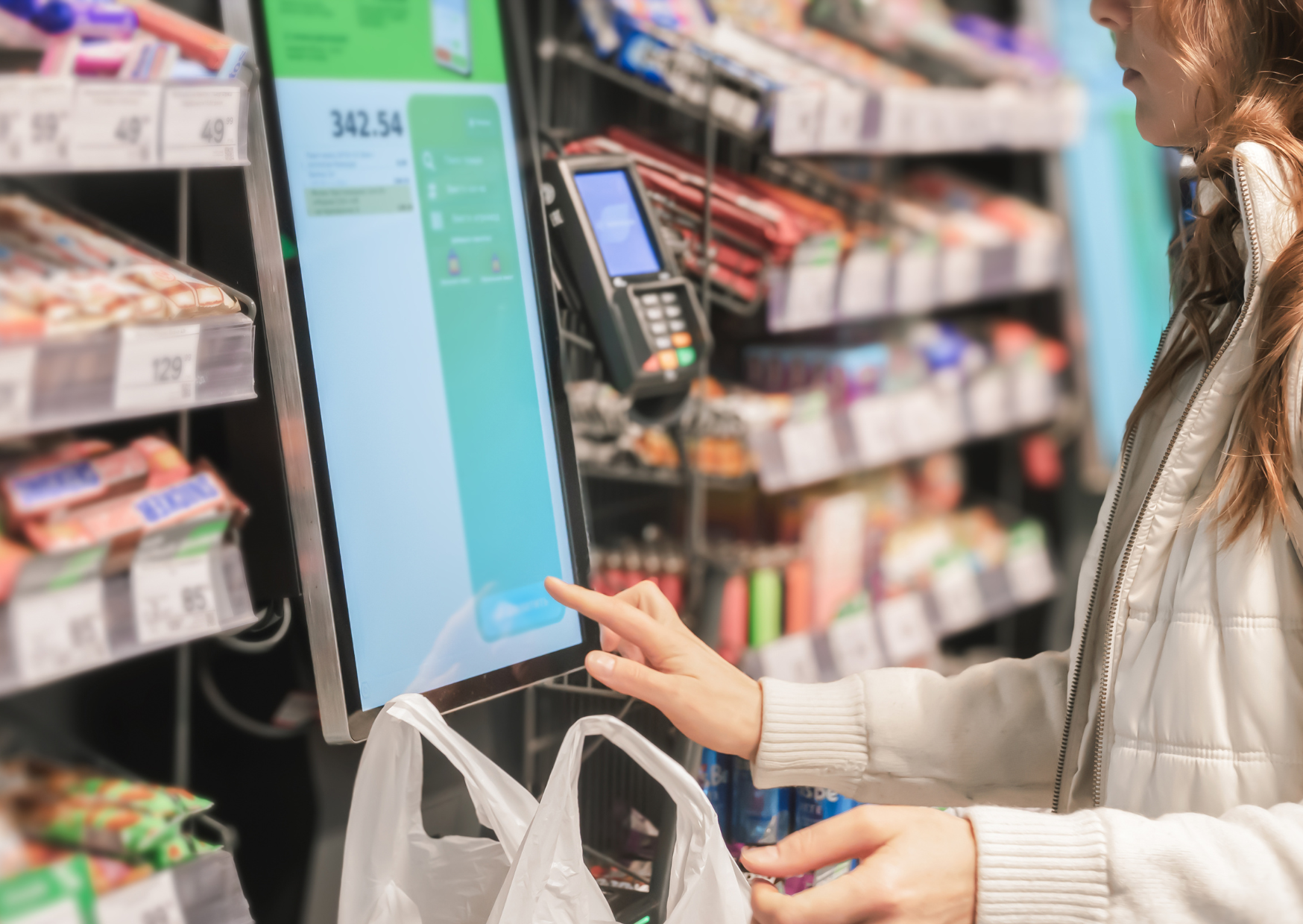
The budget does not work if you do one giant weekly cart full of multiple proteins, snack identity crises, three sauces you will use once, “healthy” optimism produce, and a heroic amount of variety that ends up liquefying in the fridge by Thursday.
That is the American trap.
The money does not disappear because each item is outrageously priced. It disappears because the cart keeps buying for fantasy instead of appetite.
A workable Spanish grocery budget depends on smaller repetition.
Eggs reappear.
Rice reappears.
Yogurt reappears.
Chicken reappears.
Tomatoes reappear.
Bread reappears.
Legumes reappear.
You buy things with second and third uses instead of shopping for seven different meal identities in one trip.
That sounds less exciting.
It is also why the budget survives the month.
Spain still helps with this because ordinary supermarkets and neighborhood life make top-up shopping easier than the American giant-haul habit does. A person can buy bread again. They can buy tomatoes again. They can stop pretending every grocery trip must provision the emotional weather of a full week.
That alone changes the bill more than people think.
And yes, I know, not every American shops like that.
Enough do.
Enough that the comparison matters.
The Core Basket Is Boring In The Best Way
The €200 month starts with a basket that does not try to impress anybody.
Using current Carrefour Spain pricing from late March and early April, the base foods still look like this:
- chicken breast fillets, 500 g: €4.72
- eggs, 12: €3.19
- whole milk, 1 litre: €0.94
- long rice, 1 kg: €1.12
- Greek yogurt, 1 kg: €2.29
- extra virgin olive oil, 500 ml: €4.25
- tomatoes on the vine, 1 kg: €2.59
- rustic bread: €0.69
- chickpeas, 400 g: €0.85
- classic pasta, 1 kg: €1.20
Those are not peasant-fantasy numbers. They are ordinary current supermarket numbers. The whole point is that ordinary ingredients still allow an ordinary person to build an ordinary month without the whole act turning into self-denial theater.
This is the part Americans often miss.
The basket is not designed for culinary novelty.
It is designed for daily survival with dignity.
That means enough protein, enough starch, enough dairy, enough vegetables, enough fruit, and enough flexibility that leftovers stop being an indictment of your character and start being tomorrow’s lunch.
Actually, that is one of the biggest differences.
The budget works because the kitchen is allowed to repeat itself.
Here Is The Full Monthly Breakdown
This is the version that gets me to roughly €200 a month.
Not exactly every single month. Some months are lower, some drift higher. But this is the realistic working structure for one person who cooks at home, eats plainly, and does not use the supermarket as emotional entertainment.
Protein and dairy
- chicken breast, 5 packs: €23.60
- eggs, 4 dozen: €12.76
- Greek yogurt, 4 tubs: €9.16
- milk, 8 litres: €7.52
Subtotal: €53.04
Starches and basics
- rice, 2 kg: €2.24
- pasta, 3 kg: €3.60
- bread, about 20 loaves or bars through the month: €13.80
- chickpeas and beans, 8 jars or cans: €6.80
Subtotal: €26.44
Vegetables and fruit
- tomatoes, 4 kg: €10.36
- onions, potatoes, carrots, lettuce, seasonal greens, peppers, bananas, apples, oranges, and whatever is sensibly priced that week: about €55
Subtotal: about €65.36
Fats, pantry, and flavor
- olive oil, 1 bottle: €4.25
- coffee, garlic, paprika, vinegar, salt, lemon, broth basics, canned tuna, occasional cheese, and the little things that stop the kitchen from feeling punitive: about €28
Subtotal: about €32.25
Buffer for drift
- an extra rotisserie chicken, bakery run, frozen vegetables, an impulse pastry, or the week tomatoes suddenly decide they are a luxury item: about €23
Total: roughly €200
That is the full story.
It is not glamorous.
It is also not fake.
What I Actually Eat On This Budget

This is where people imagine punishment.
They imagine the €200 month means one endless loop of eggs and sadness.
Not really.
It means a lot of simple meals that reuse the same ingredients well.
Breakfast is usually yogurt, bread, eggs, fruit, or coffee with something small.
Lunch might be rice with chicken and tomatoes, chickpeas with olive oil and onions, pasta with tomato and tuna, or eggs on bread with a side salad.
Dinner is often soup, tortilla, chicken again, lentils, pasta, a plate of vegetables with eggs, or leftovers that stop pretending they are beneath me.
That is a normal food life in Spain.
Actually, that is a more normal food life in a lot of Europe than Americans sometimes realize. A lot of households are not eating seven wildly different dinners a week. They are repeating, overlapping, and stretching ingredients without turning the whole thing into deprivation discourse.
That is why the money works.
The budget is not trying to fund a personality.
It is trying to fund a kitchen.
And kitchens are cheaper when they stop needing to prove anything.
Why This Feels So Different From The U.S.
The American grocery bill is not only about higher prices.
It is about structure.
A lot of Americans shop less often, drive farther, buy more at once, waste more, and build larger baskets around longer weeks and fewer top-up opportunities. That is not a moral failing. It is what the environment often asks them to do. But it creates a different kind of bill. More dead produce. More backup food. More snack insurance. More “just in case” buying. More purchases for the imagined person who cooks beautifully on Thursday after a long workday.
That person rarely materializes.
Spain makes a smaller basket easier because the shopping rhythm can be tighter. Bread can be bought again. Produce can be bought again. You do not need to turn every trip into a suburban military supply run. That saves money even before the shelf prices enter the conversation.
Then the shelf prices do enter the conversation, and the contrast gets sharper.
U.S. food-at-home prices rose 2.4% over the 12 months ending in February, and some categories look worse than that. Nonalcoholic beverages were up 5.6%, fresh vegetables 2.7%, and “other food at home” 3.3%. Those are not catastrophic one by one. Combined with everything else in American life, they still produce that familiar sense that the checkout total is slightly mocking you.
Spain does not eliminate inflation.
It just still allows a simpler basket to stay inside the range of normal.
That is a bigger advantage than it sounds.
The Budget Breaks Very Fast If You Shop For Comfort Instead Of Food
This needs saying because people will read a number like €200 and immediately decide to test it against the most expensive version of themselves.
Of course the budget breaks if you buy imported products, expensive cuts of meat, snack food, branded drinks, lots of beef, convenience meals, and a supermarket trolley full of emotional support items.
Good.
That is not a flaw in the number.
That is the number doing exactly what it was supposed to do: describe a plain, workable, ordinary grocery month.
The budget also breaks if you dine out too much and then pretend restaurant spending is still “grocery-adjacent.” It breaks if you live in one of the more expensive urban zones and only shop in high-end chains or the wrong neighborhood stores. It breaks if you insist on eating like a prosperous American suburban household while trying to tell yourself you are running a Mediterranean budget.
None of that is surprising.
The people who get closest to the €200 figure are usually doing three things right:
They cook.
They repeat ingredients.
They do not waste much.
Everything else is a footnote.
The Week That Makes This Work

This budget is easiest to understand as a weekly rhythm.
One top-up of produce.
One protein buy.
Bread as needed.
Eggs always in the house.
Rice, pasta, legumes, and yogurt doing a ridiculous amount of the work.
A week might look like this:
Monday: chicken, rice, tomatoes
Tuesday: chickpeas, onions, bread, fruit
Wednesday: pasta with tomato and tuna
Thursday: tortilla, salad, yogurt
Friday: soup, bread, eggs
Saturday: roast or pan-fried chicken with potatoes
Sunday: leftovers, fruit, coffee, something bakery-based if the mood deserves it
That is not a meal plan.
It is more like proof that normal food is still enough.
And once a kitchen accepts that, the monthly total changes fast.
Americans often think the difference must be some magical market culture.
It is not magic.
It is sequence.
€200 Is Not A Miracle. It Is A Different Food Culture.
That is the part worth stealing.
Not the exact number.
The structure behind it.
A food culture where a person can eat mostly at home, repeat ingredients without shame, buy smaller amounts more often, and treat bread, eggs, yogurt, rice, tomatoes, and seasonal produce as ordinary anchors rather than fallback foods for when life went wrong.
That is why the budget works in Spain.
Not because I discovered a secret.
Because the system around food still supports plain eating without financial melodrama.
Americans hear that and think the number must be fake.
I understand why.
Their food culture has trained them to expect bigger baskets, longer gaps between shops, more waste, more convenience, more emotional spending, and checkout totals that feel slightly punitive even before inflation headlines get involved.
So yes, €200 a month can still be real in Spain for one person.
Not everywhere.
Not for everyone.
Not with imported habits.
But as a normal, current, no-nonsense grocery month?
Absolutely.
And the fact that this still sounds unbelievable to Americans says more about American grocery culture than it does about Spain.

About the Author: Ruben, co-founder of Gamintraveler.com since 2014, is a seasoned traveler from Spain who has explored over 100 countries since 2009. Known for his extensive travel adventures across South America, Europe, the US, Australia, New Zealand, Asia, and Africa, Ruben combines his passion for adventurous yet sustainable living with his love for cycling, highlighted by his remarkable 5-month bicycle journey from Spain to Norway. He currently resides in Spain, where he continues sharing his travel experiences with his partner, Rachel, and their son, Han.