
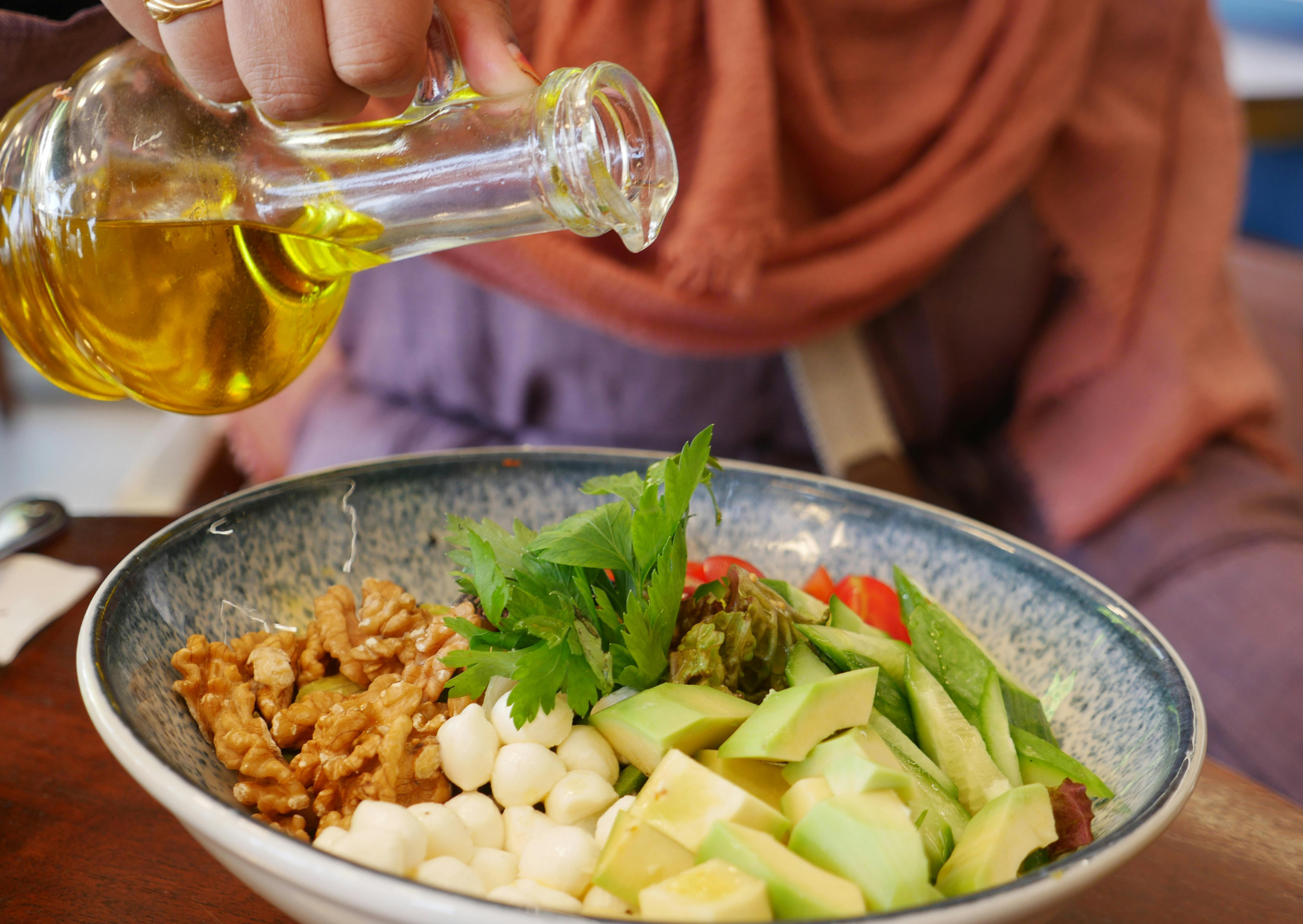
The problem is not that the Costco bottle is fake. The problem is that Americans often treat olive oil like one generic pantry fat with a Mediterranean accent. In much of Europe, especially Spain and Italy, people are more likely to treat it like a real ingredient with style, purpose, freshness, and a proper place on the plate.
A lot of Americans buy olive oil the way they buy printer paper.
Big bottle. Good deal. Trusted store. Done.
That is how the Costco habit happens.
A giant bottle of Kirkland extra virgin olive oil goes into the cart, the label says Italy or Spain, the bottle looks respectable, and the household feels like it has solved olive oil for the foreseeable future.
That is not a stupid purchase.
It is often a perfectly decent one.
Costco’s current U.S. Kirkland Italian bottle is sold as cold extracted, with a traceable chain of Italian origin, and says the oil is grown, pressed and bottled in Italy. Costco also sells a 100% Spanish extra virgin olive oil in a 3-liter format, also cold extracted. That means this is not a story about counterfeit sludge pretending to be extra virgin. The warehouse bottle can absolutely be legitimate extra virgin olive oil.
The difference is subtler than that.
A lot of Europeans do not approach olive oil as one flat category.
They ask what kind of extra virgin it is. What harvest. What variety. What region. How bitter. How peppery. Whether it is for frying, dressing, bread, fish, tomatoes, beans, or finishing a plate after it is cooked.
That is the real thing Americans usually miss.
Not some mythical secret bottle.
A way of choosing.
The Costco Bottle Is Usually Fine. It Is Just Too Generic To Be The Whole Story.
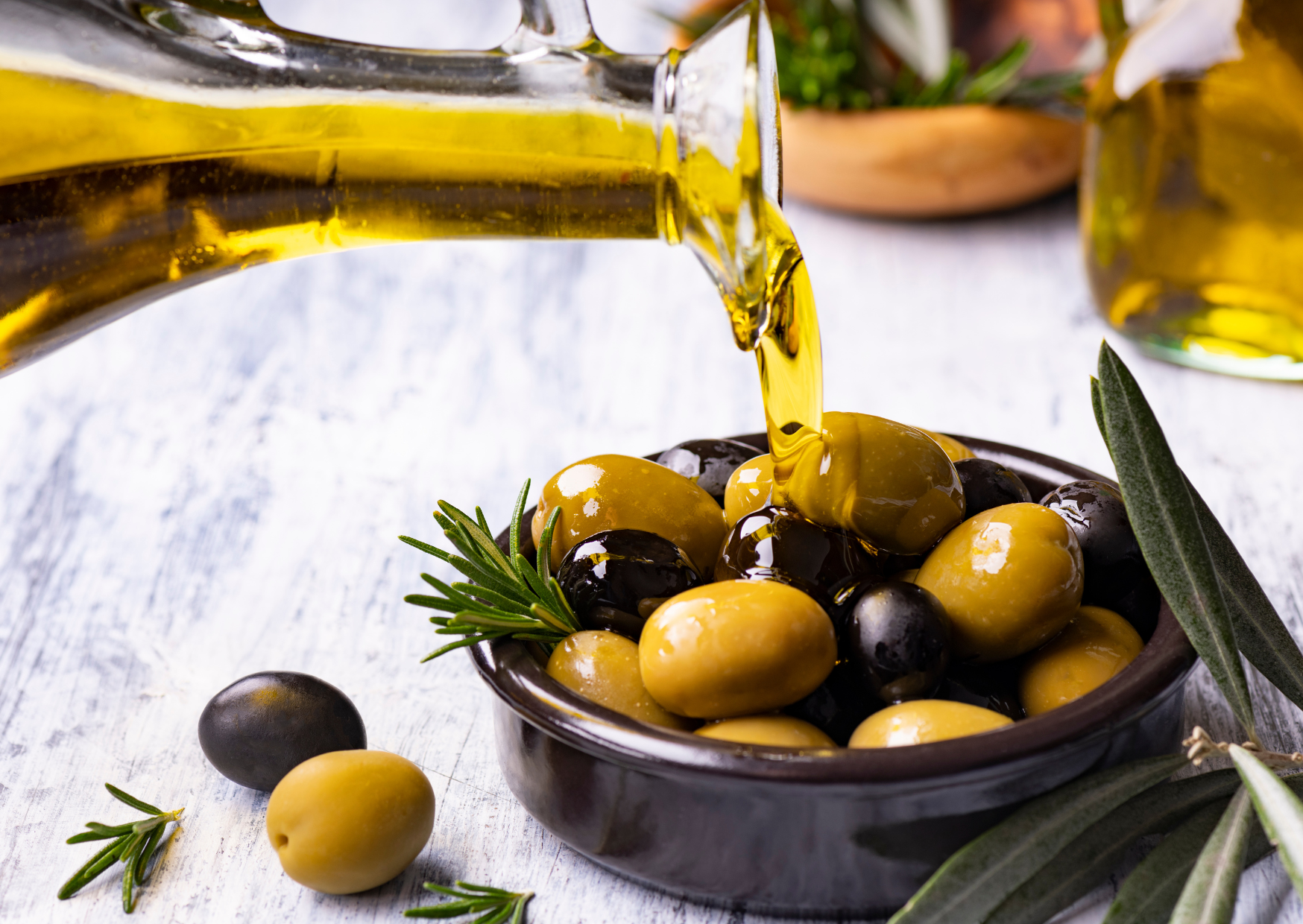
This is the correction that keeps the article honest.
The warehouse bottle is not automatically bad.
In fact, current Costco listings show something better than a lot of people assume. The Italian Kirkland bottle is presented as Italian-grown, pressed, and bottled in Italy, and the Spanish Kirkland bottle is listed as 100% Spanish extra virgin olive oil. That already puts it ahead of the old lazy stereotype that all big-box olive oil must be a vague blend with a romantic flag on the front.
So no, this is not an exposé claiming Costco is secretly selling lamp oil.
The actual issue is that Americans often buy one large-format extra virgin and expect it to perform every olive-oil job in the house equally well.
That is where the European difference starts.
A broad, safe, warehouse-style EVOO is usually built to be versatile, stable, and inoffensive. Costco Spain’s own brand language basically says that out loud. It describes its olive oil as fresh, delicate, fruity, and well balanced, good both for cold uses like toast and salads and for frying or plancha cooking. That is everyday oil language. Not cult-bottle language.
And everyday oil is not a bad thing.
A lot of European households use everyday oil all the time.
What they usually do not do is confuse everyday olive oil with the most characterful olive oil.
That is the part Americans flatten.
They buy one bottle and expect it to taste equally good on grilled fish, tomatoes, beans, toast, soup, mayonnaise, and frying.
A lot of European cooks are more comfortable with the idea that olive oil has levels, styles, and jobs.
That is the actual gap.
Extra Virgin Is The Baseline, Not The Finish Line
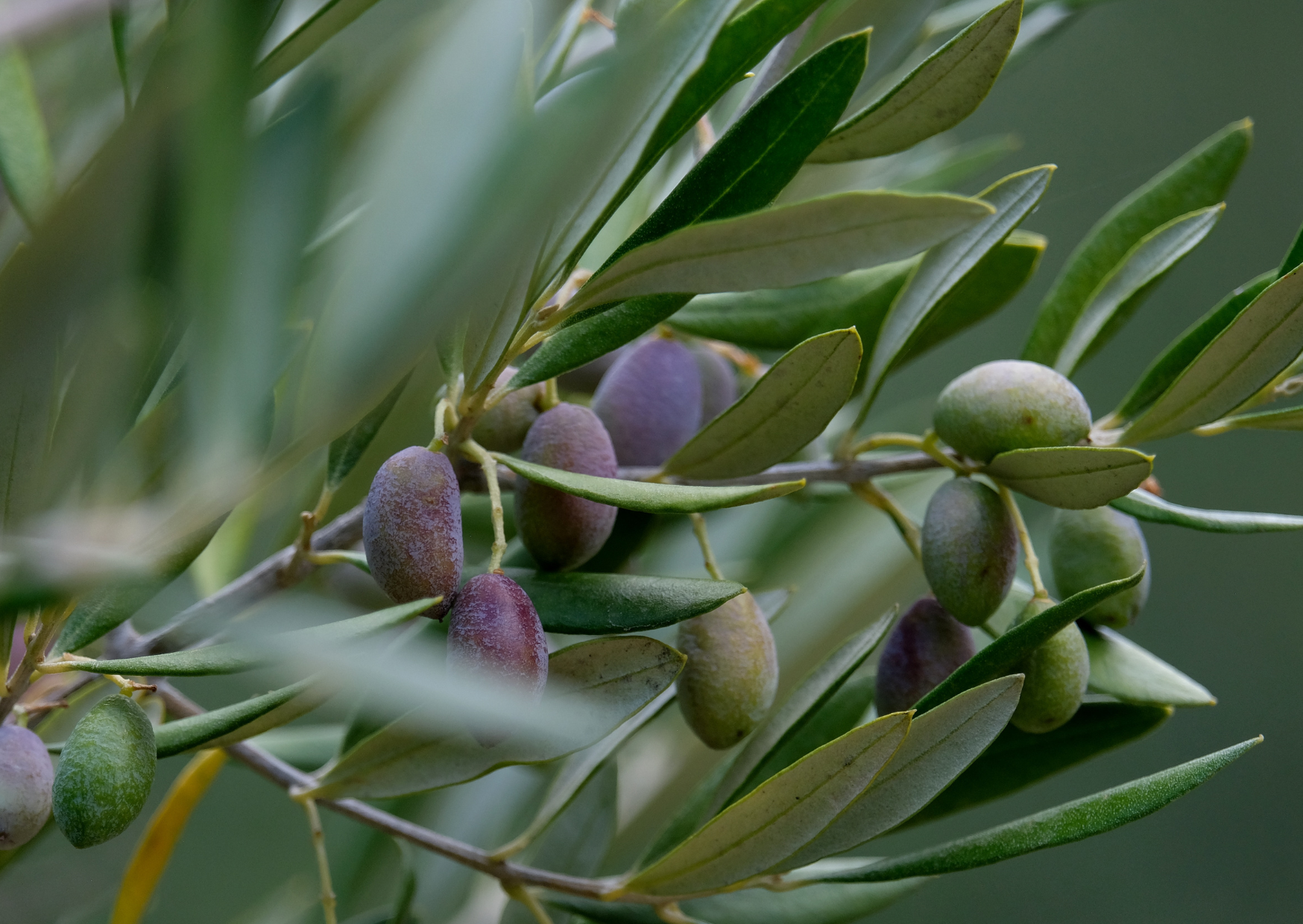
This is the most important sentence in the article.
Extra virgin is a category floor, not a flavor guarantee.
The International Olive Council defines virgin olive oils as oils obtained from the olive fruit solely by mechanical or other physical means, without treatments beyond things like washing, decantation, centrifugation, and filtration. Extra virgin olive oil must fit that production method and stay at no more than 0.8 grams of free acidity per 100 grams, along with meeting the other sensory and chemical standards for the category.
That sounds impressive because it is.
It also does not tell you everything you actually need to know as a cook.
Two bottles can both be valid EVOO and still taste radically different. One can feel flat, mild, and mainly useful as an all-purpose kitchen oil. Another can be grassy, bitter, peppery, and alive enough that a spoonful over white beans changes the entire plate. Olive Oils from Spain puts it plainly: not all extra virgin olive oils are the same, and flavor depends on variety, ripeness, region, and harvest conditions.
That is where Americans often stop too early.
They see extra virgin and think the choice is finished.
A lot of Europeans see extra virgin and think the interesting part is just beginning.
What country.
What region.
What cultivar.
What harvest timing.
What dish.
Whether the bottle is meant for bulk everyday cooking or for raw finishing where the oil’s character actually matters.
The bottle at Costco gives you the first answer.
It usually does not solve the rest.
That is not a flaw.
It just means the warehouse bottle is often entry-level competence, not the whole European olive-oil habit.
What Europeans Actually Look For On The Label
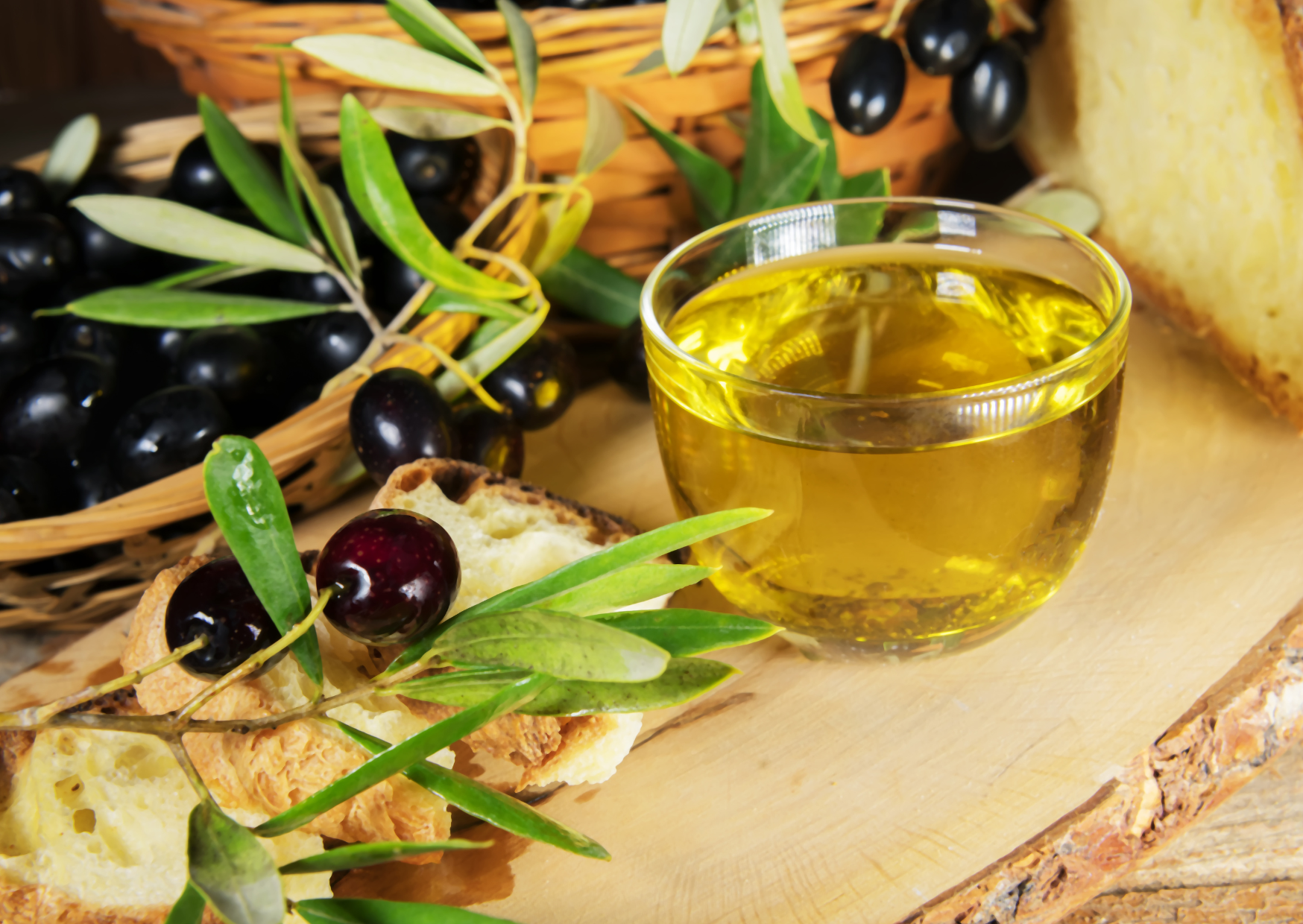
This is where the shelf-reading behavior changes.
In a lot of Europe, the label gets read for more than the words “extra virgin.”
People notice origin, and EU rules help make that meaningful. The European Commission’s geographical indication system protects PDO and PGI foods tied to specific regions and production rules. For PDO products, the raw ingredients and all production steps must come from the region. PGI is a little broader, but still ties the food to place and process.
Not every European shopper buys PDO oil.
Plenty do not.
But the category exists in a live way that shapes how people think. Region matters. Specificity matters. Traceability matters.
Harvest matters too.
Early harvest oils in Spain, usually from late October into early November, tend to be greener, more intense, more bitter, and more peppery because the olives are picked earlier and the yields are lower. Mid-season oils become more balanced and versatile. Late-harvest oils get milder and softer. That is not foodie fantasy. It is straight production logic, and Spanish olive-oil guidance presents it that way.
Variety matters too.
Arbequina tends to be softer and fruitier, often with almond and banana notes. Picual is bolder, greener, pepperier, and relatively bitter. Hojiblanca tends to sit in the middle with medium intensity, green almond notes, and a peppery lift. Those are not academic details. They help explain why one oil feels right for bread and tomatoes while another is better for robust cooking.
This is the real European habit Americans usually miss.
They buy by style, not only by certification.
The Shelf In Spain Makes The Difference Obvious
You do not need a Tuscan villa or a tiny family estate to see this.
You just need a normal supermarket shelf.
Right now in Spain, Carrefour’s own private-label extra virgin olive oil sits at €4.94 per liter. Mercadona’s private-label EVOO is essentially in the same range, around €4.95 per liter, and the 3-liter format is around €14.55. That tells you something very useful: everyday extra virgin olive oil in Spain is not always sold as rare luxury. It is often a practical household staple.
Now look a little further down the shelf.
Carrefour is also selling a Coosur Hojiblanca extra virgin olive oil at €8.59 per liter. Same category. Same supermarket. Very different positioning. One bottle is there to be a reliable daily oil. The other is there because a specific olive variety and flavor profile matter enough to command more money.
That is the part Americans do not usually see when they buy a big Costco bottle and stop.
Europeans are not only buying “better” oil.
They are buying different olive oils for different expectations.
One for everyday frying, sautéing, and normal cooking.
One for flavor.
One because they like Picual’s aggression.
One because Arbequina feels gentler.
One because a PDO or estate label means something to them.
The market itself teaches that behavior.
The shelf tells the shopper the category is not flat.
That is why the warehouse bottle is not “wrong.”
It is just one lane in a category that Europeans often treat with more nuance than Americans do.
Bitterness And Pepper Are Good Signs, Not Product Defects
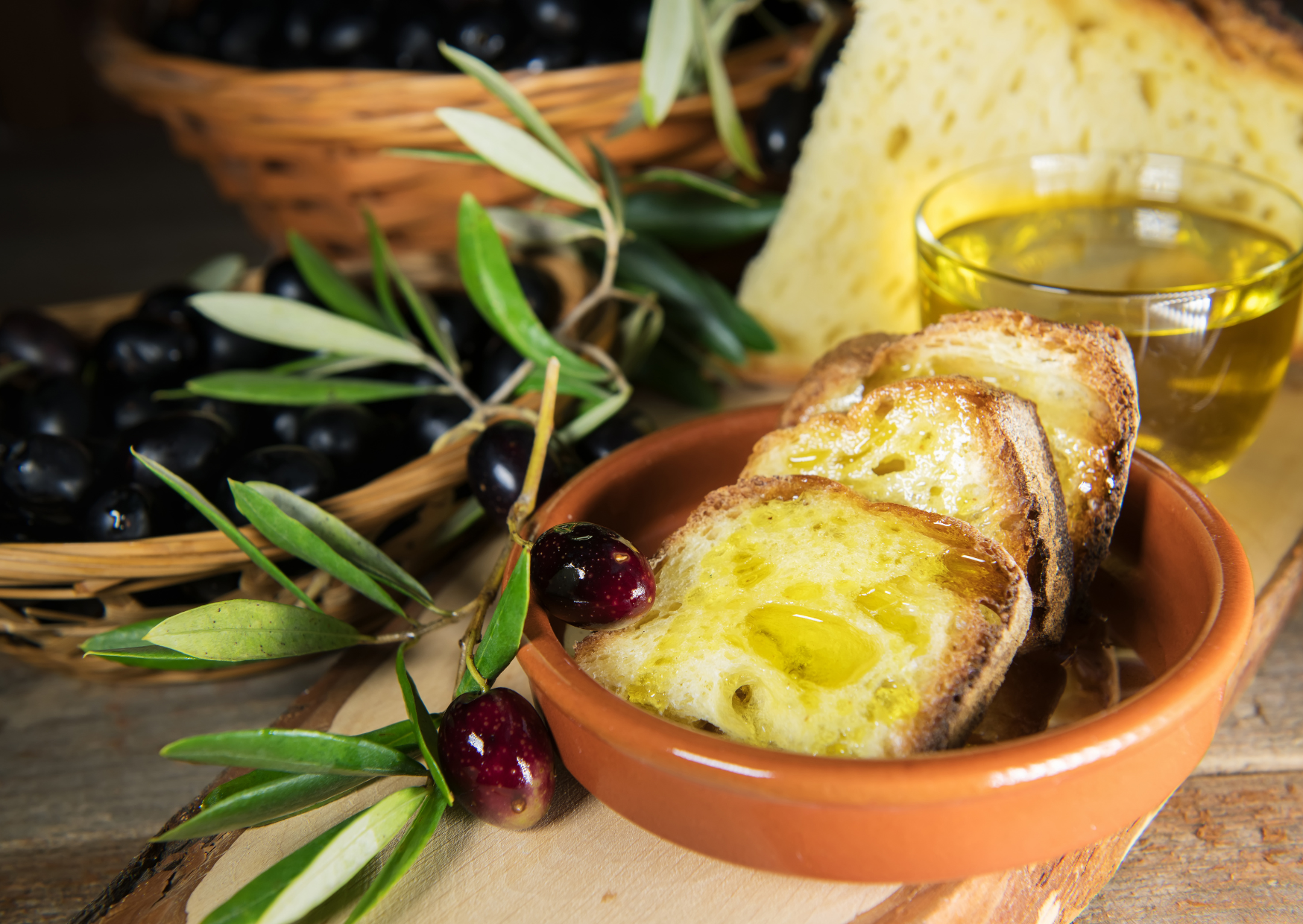
This is one of the biggest American misunderstandings.
A lot of Americans think smooth means premium.
They pour an oil, taste some bitterness or a peppery throat catch, and assume something went wrong.
In much of Europe, especially in Spain and Italy, those reactions are often read in the opposite direction.
Olive Oils from Spain says it directly: bitterness is a positive attribute in the best virgin oils, and the same is true of pepperiness. Those notes often show up more strongly in earlier-harvest or more robust oils.
That matters because it changes what the shopper is trying to buy.
If the goal is an oil that disappears politely into everything, the large Costco bottle may be exactly what the household wants.
If the goal is the oil Europeans get excited about on toast, tomatoes, beans, grilled fish, chickpeas, lentils, or soup, then mild and anonymous is usually not the target.
The target is character.
A little bitterness.
A little pepper.
A grassy edge.
Maybe green tomato leaf, almond, herbs, or fresh-cut plant notes depending on variety and harvest.
That is why the “real thing” often surprises Americans the first time they taste it properly. They were expecting a smooth fat. They got a flavor ingredient.
The same logic applies to color.
A lot of Americans still assume greener means better.
Olive Oils from Spain explicitly pushes back on that. Color varies from straw yellow to intense green, but color itself is not an indicator of quality or flavor. It is more about variety, climate, and harvest timing. Early-harvest oils tend to be greener because of chlorophyll. Later oils often look more golden.
So the real thing is not the darkest green bottle with the most dramatic label.
It is the bottle whose taste profile actually matches what you want to cook.
Europeans Use Olive Oil More Precisely Than Americans Usually Do
This is where the article becomes practical.
A lot of Americans use olive oil in one vague way.
Pour it in the pan.
Maybe drizzle it on salad.
Maybe dip bread in it if company is over.
Then put the bottle back near the stove.
That is olive oil as a utility.
A lot of Europeans use it more like a tool with personalities.
Olive Oils from Spain groups uses in a much more granular way: dressing, emulsifying sauces, frying, roasting, marinating, stews, sautéing, confit, and more. It also points out that different varieties suit different foods. Lighter fruity oils like Arbequina tend to work better with white fish, mayonnaise, chicken, vegetables, or desserts. More intense oils like Picual or Hojiblanca fit oily fish, broccoli, salads, and meats better.
That is the habit worth stealing.
Not blind olive-oil snobbery.
Matching the oil to the job.
A mild, balanced everyday EVOO is perfectly fine for cooking, frying, and normal kitchen use. The IOC is also very clear that olive oil is highly suitable for frying, with stability and a smoke point comfortably above typical frying temperatures.
But that is not the same as using your most characterful oil.
If you have a greener early-harvest Picual with real bitterness and pepper, a lot of Europeans would rather drizzle it raw over tomatoes, beans, grilled vegetables, fish, or bread than waste its personality in a hard sauté.
That is the real thing explained.
Not one sacred bottle.
A more intelligent relationship with the bottle.
The U.S. Shopper Can Get Much Closer To The Real Thing Than They Think
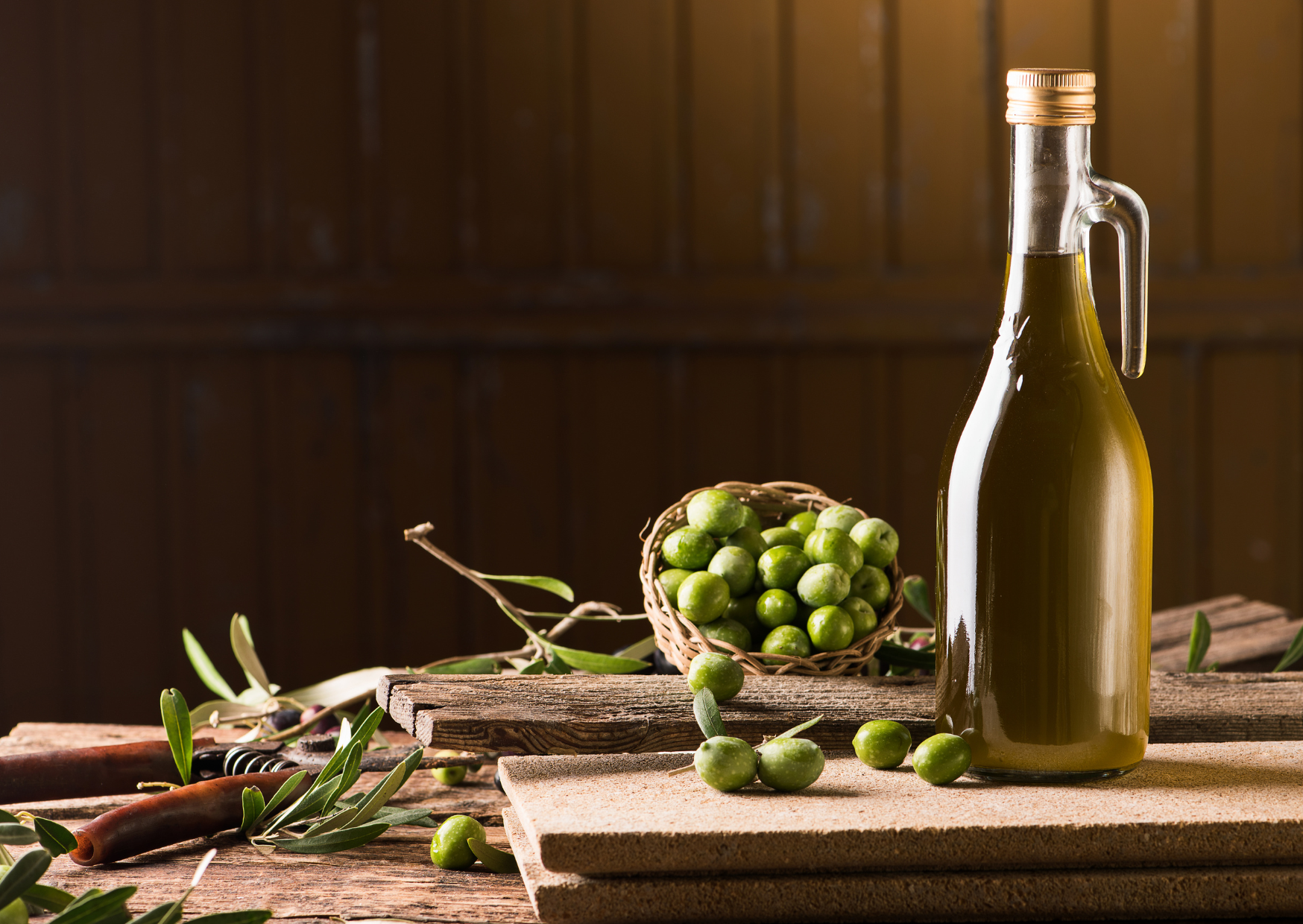
This is not a Europe-only privilege.
An American shopper can fix most of this in one grocery trip.
Start by keeping the Costco bottle in perspective.
If it is a legitimate extra virgin from a specific origin, it can stay. It is often a perfectly solid everyday bottle. The mistake is letting it become the only bottle and the only taste benchmark.
Then buy one smaller bottle with more personality.
Look for a dark bottle or tin. Olive Oils from Spain says direct light damages olive oil and helps drive oxidation, which is why so many serious bottles use dark glass or opaque material. The same source also says olive oil does not improve with age and should generally be used within around 18 months from bottling, following the producer’s guidance.
Look for more specific information on the label:
country,
region,
variety,
harvest timing,
or PDO/PGI if that matters to you.
Then choose by style.
If you want softer and friendlier, start with Arbequina.
If you want greener, pepperier, more bitter, and more unmistakably olive, start with Picual.
If you want something versatile in the middle, Hojiblanca is a good lane.
Then use that smaller bottle where taste actually matters.
Bread.
Tomatoes.
Beans.
Soup finish.
Fish.
Steamed vegetables.
Toast.
White cheese.
Cook the onions in the Costco bottle if you like.
Finish the plate with the better one.
That is a much more European approach than trying to solve the whole category with one giant warehouse purchase.
The Bottle Should Not Live By The Stove
This is the part Americans are weirdly careless about.
They spend more on olive oil than they used to, then store it like a bottle of industrial canola.
Near heat.
Near light.
Half open.
Clear dispenser on the counter for six weeks.
That is not how a good oil survives.
Olive Oils from Spain is very blunt about storage: keep it away from light, air, heat, and strong odors. Keep it sealed. Room temperature around 20°C is ideal. Dark or opaque packaging helps protect the oil from oxidation.
That matters even more if you are finally buying a bottle with real flavor.
A peppery early-harvest oil that spends weeks beside a hot stove under direct kitchen light is not going to keep tasting like the bottle you thought you bought.
This is one reason the Costco format can work against Americans even when the oil itself is fine.
A 2-liter or 3-liter bottle takes longer to finish.
If the household uses it slowly and stores it badly, the later part of the bottle is not the same product experience as the early part.
That is another quiet European advantage.
Smaller bottles for stronger oils make practical sense.
They let the oil taste like itself for longer.
A big everyday bottle can still make sense.
It just belongs in a cool, dark cabinet, not next to the stove like a decorative gesture.
The Real Thing Is Not More Expensive. It Is More Specific.
That is where this lands.
The olive oil Americans buy at Costco is not necessarily fake, bad, or embarrassing. Sometimes it is a very respectable bottle for the money. Current Costco olive-oil listings actually show a much cleaner product story than many people assume.
But the real thing Europeans mean when they talk about olive oil is usually not “any extra virgin in a large bottle.”
It is something more specific.
A category with standards, yes.
But also harvest timing, variety, origin, bitterness, pepper, storage, and use.
That is why the European shelf looks the way it does.
A plain private-label EVOO at around €4.94 per liter for ordinary life. A more specific varietal bottle at €8.59 when flavor matters. A culture that understands bitterness and pepper as positive. A habit of using one oil for broad cooking and another for raw finishing.
That is the real thing explained.
Not one mythical bottle hidden in a Tuscan cupboard.
A better question at the shelf.
Not “Is this olive oil?”
“What kind of olive oil is this, and what do I want it to do?”
Once Americans start shopping that way, the whole category gets much clearer very quickly.

About the Author: Ruben, co-founder of Gamintraveler.com since 2014, is a seasoned traveler from Spain who has explored over 100 countries since 2009. Known for his extensive travel adventures across South America, Europe, the US, Australia, New Zealand, Asia, and Africa, Ruben combines his passion for adventurous yet sustainable living with his love for cycling, highlighted by his remarkable 5-month bicycle journey from Spain to Norway. He currently resides in Spain, where he continues sharing his travel experiences with his partner, Rachel, and their son, Han.