
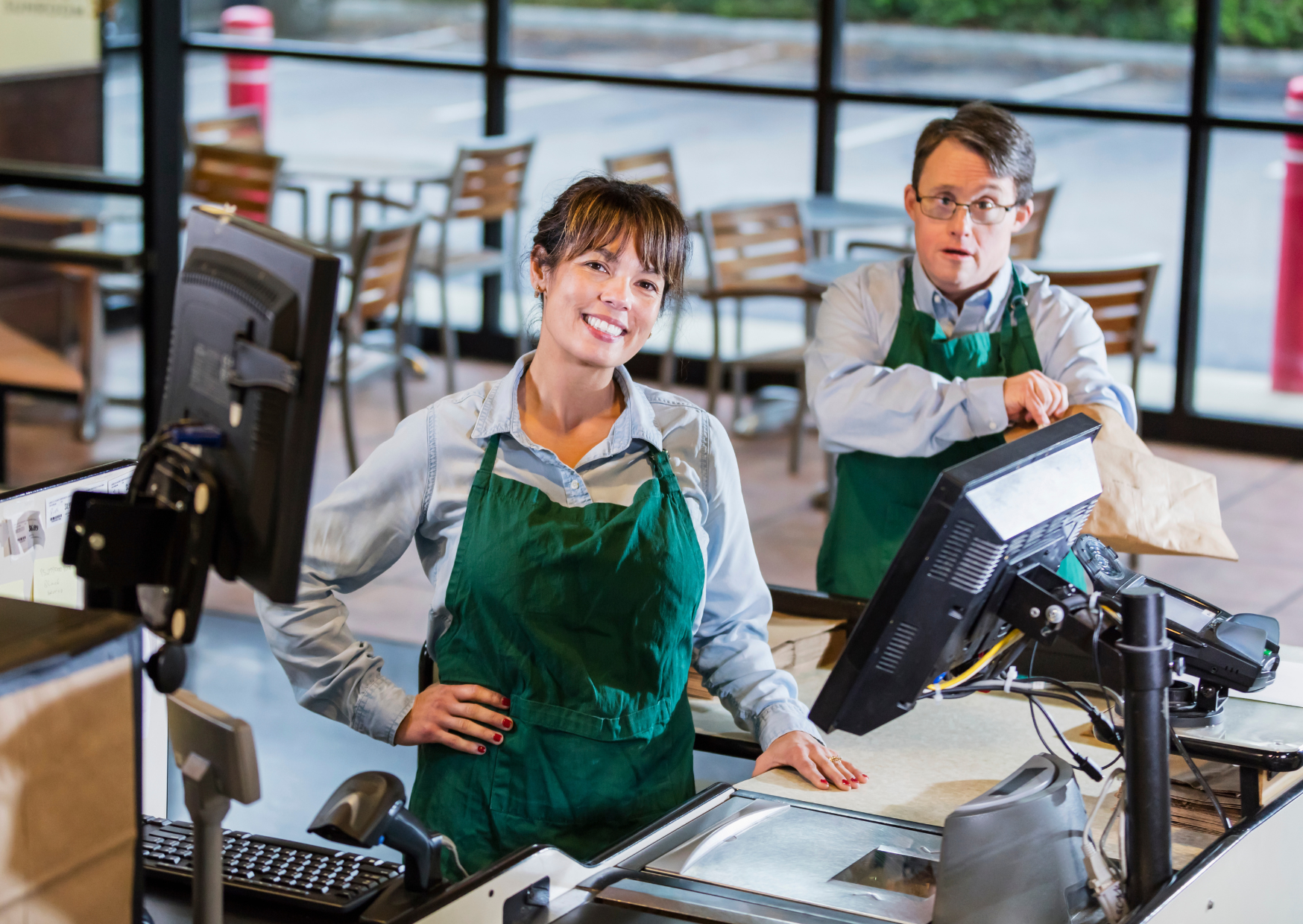
The rude move is not smiling too little or failing some secret phrase test. It is much simpler than that. In much of Europe, the checkout is treated as a fast shared zone, and a lot of Americans still treat it like a private packing station.
A lot of Americans do this without even noticing.
The cashier scans. The customer bags slowly. Then comes the wallet search, the phone unlock, the loyalty-app confusion, the receipt inspection, the reorganizing of grapes and yogurt like the line behind them is an abstract concept.
In the United States, that behavior often barely registers. The checkout is wider, slower, softer, and more forgiving. Sometimes a cashier bags. Sometimes another employee bags. Sometimes the customer bags, but the culture still grants them a little stage time to finish the performance.
In much of Europe, especially in Spain, Germany, and discount-heavy supermarket culture, that same behavior lands differently.
It reads as holding up the line.
It reads as using shared space selfishly.
And yes, people notice.
That does not mean every European cashier is angry or every store runs like a military drill. Hypermarkets, neighborhood grocers, and self-checkouts vary. France is not Germany. Spain is not the Netherlands. Italy is not Lidl. But the broad norm is much clearer than many Americans expect: the till is for scanning and paying. The rest of your life happens one step to the side.
That is why the move Europeans often find rude is not some exotic etiquette error.
It is lingering.
The Till Is Not Your Packing Bench
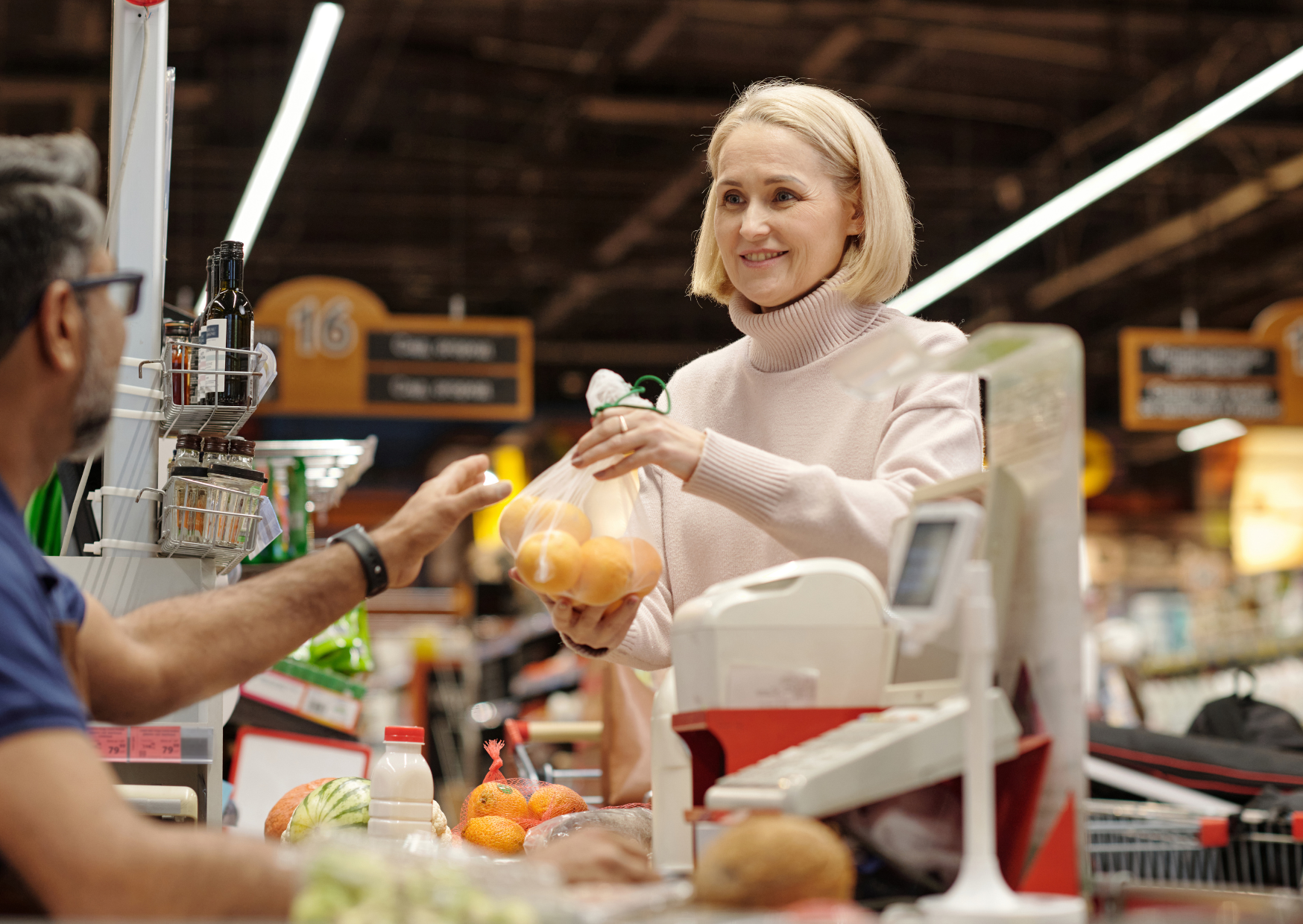
The cleanest way to understand this is to stop thinking of the checkout as service and start thinking of it as throughput.
In a lot of European supermarkets, the till is designed for flow, not comfort. The belt moves. The cashier scans quickly. The bagging area is small. The next customer is already loading behind you. The physical setup is basically telling you the rule before anyone speaks.
Pay.
Move.
Sort it out elsewhere.
That is why the rude behavior is not “bagging your own groceries.” Europeans do that constantly. The rude behavior is occupying the register too long while you bag, repack, search for your card, chat, and re-stage the contents of your tote as if nobody else exists.
The distinction matters.
Nobody expects robotic speed from a person with two kids, a full cart, and a melon threatening structural collapse. What people do expect is visible cooperation with the rhythm of the line. Open the bag before the scanning starts. Put heavy items through first if you can. Have the card ready. If the bagging gets messy, get everything back into the trolley or basket and move to the side counter.
That is normal.
Standing there and completing a slow domestic ritual while the cashier has already mentally moved on to the next customer is what creates the social friction.
Discount chains make this especially obvious. Aldi’s own customer guidance in the U.S. still explains that cashiers do not bag groceries and place items directly into a cart for quick, efficient service. That system is not some strange American side quest. It comes straight out of the same European efficiency logic that shaped the chain in the first place. And the more current Aldi etiquette coverage says the same thing even more bluntly: bagging at the register slows the whole flow and the packing counter exists for a reason.
So the rude part is not the bag.
It is pretending the checkout belongs to one person at a time longer than necessary.
Americans Learned A Different Checkout Script
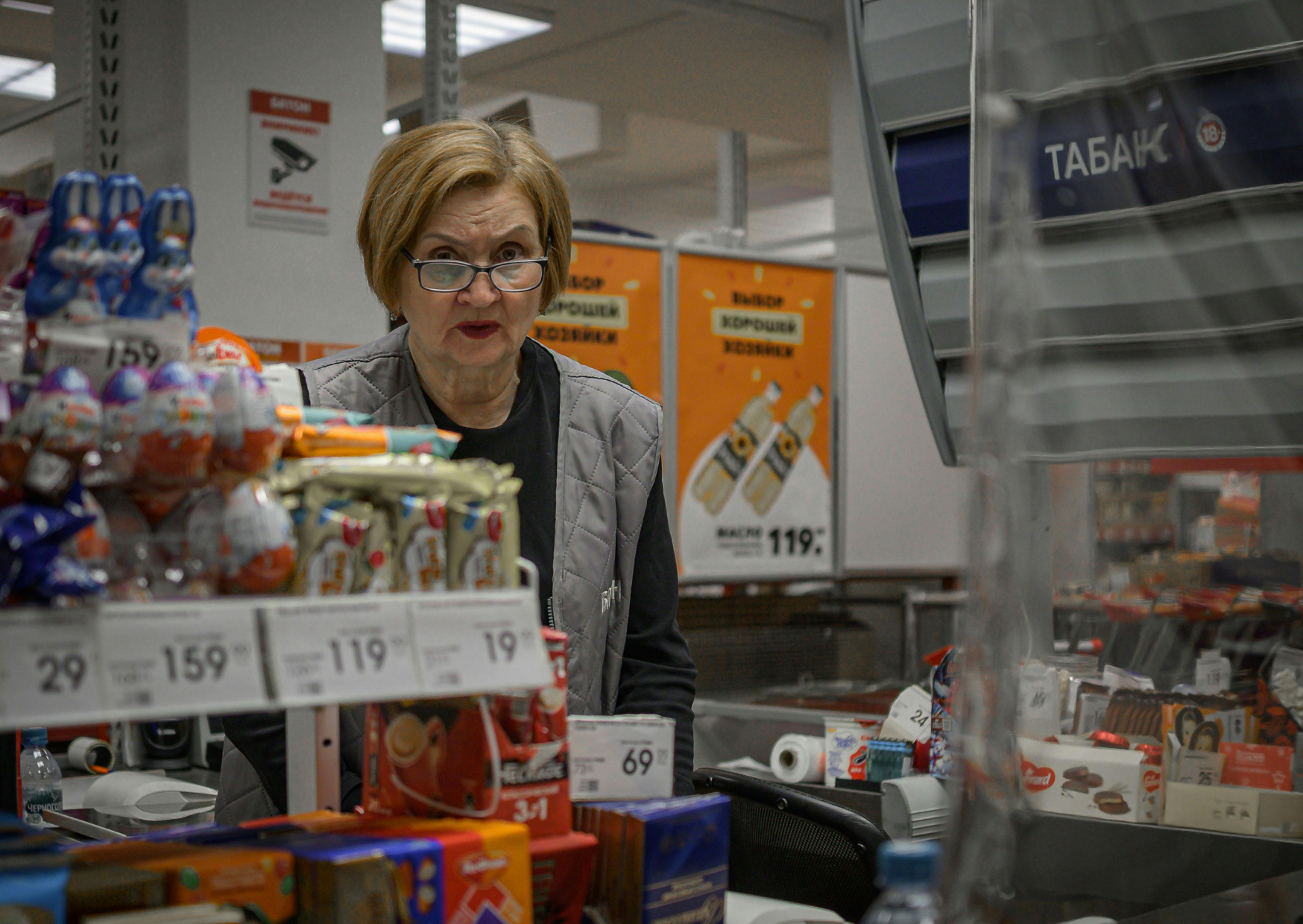
This habit makes sense once you see where it comes from.
American checkout culture taught people that the register is a place where the customer gets processed slowly enough to feel individually attended to. The cashier may chat. The bagger may help. The counter space is often bigger. The customer is allowed to be a little disorganized because the system has historically been built to absorb disorganization.
That script travels badly.
An American shopper arrives in Madrid, Berlin, Lisbon, Brussels, or Barcelona and unconsciously runs the old program. Let the items pile. Start bagging when it feels convenient. Reach for payment when the total appears. Rearrange the eggs. Decide whether the cold things need their own bag. Maybe even read the receipt before moving off.
None of that feels rude in their head.
It feels normal.
That is why this is such a persistent travel and expat mistake. Nobody thinks they are “being rude.” They think they are simply completing checkout. But the local reading is different because the local system distributes responsibility differently. In much of Europe, you bag, you stay ready, and you keep the line moving.
The bag issue is part of that. In Spain, current expat and relocation guides still warn new arrivals to bring their own reusable bags and note that grocery bags commonly cost around €0.10 to €0.20 apiece. Germany works similarly. Reusable bags are standard. Paper or durable paid bags are there if needed, but the assumption is that regular shoppers turn up prepared.
That preparation changes behavior.
A shopper with a canvas tote already open, a trolley positioned well, and payment in hand behaves differently from a shopper who arrives empty-handed and begins improvising after the first tomato has crossed the scanner.
Americans also tend to underestimate how much the lack of baggers changes the emotional tone. The second there is no employee buffering the process, every extra second the customer takes becomes visible to everyone. The line is no longer waiting on “the store.” It is waiting on one person’s lack of readiness.
That is where annoyance enters.
Not because Europeans are cruel.
Because the system makes delay public.
Spain And Germany Make The Rule Impossible To Miss
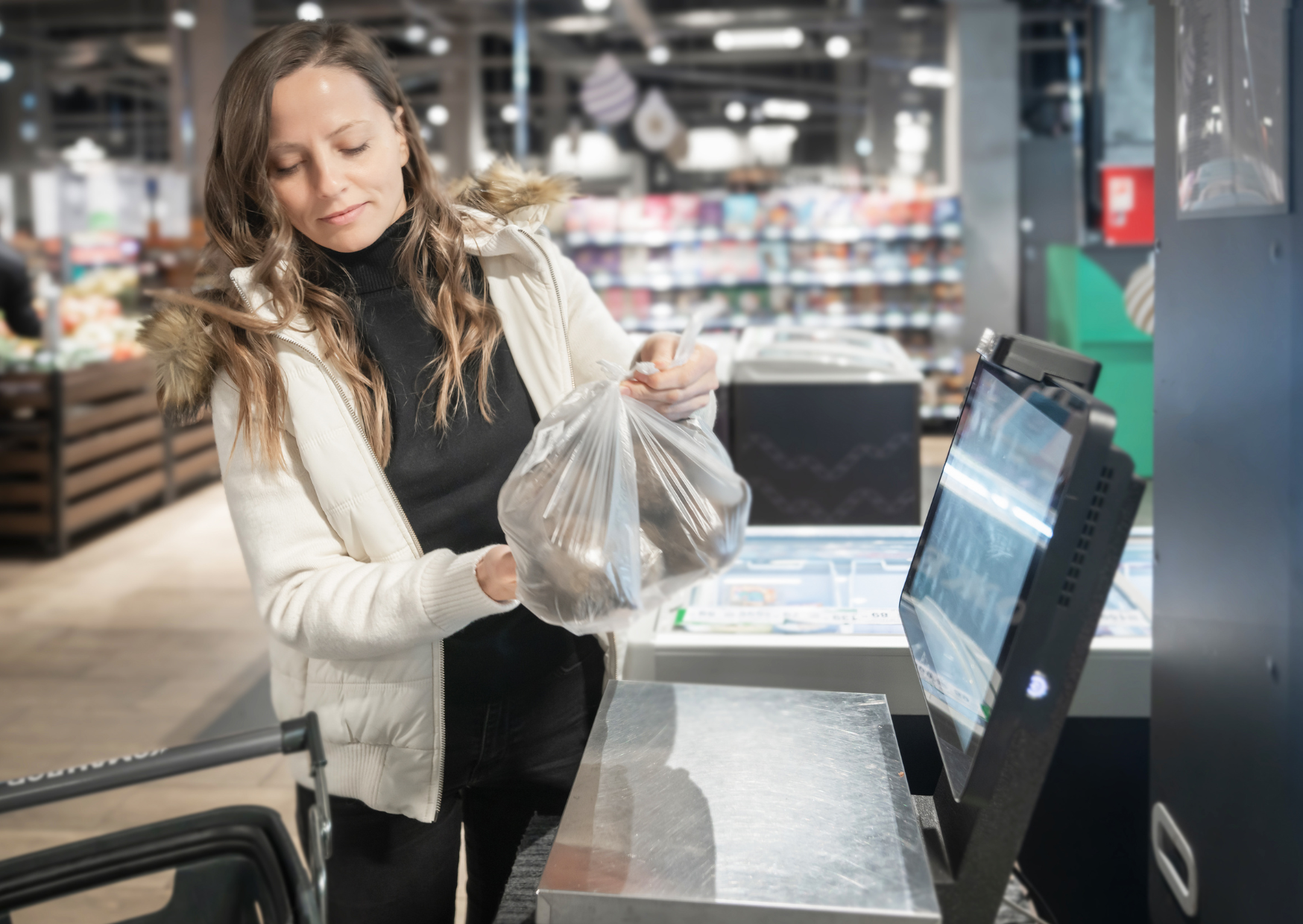
Spain tends to feel friendlier than the stereotype.
Germany tends to feel stricter than the stereotype.
At the supermarket checkout, they often arrive at the same practical place.
Spanish grocery guides for newcomers still stress the basics: bring your own heavy-duty bags, expect discount chains and neighborhood supermarkets to run on a no-frills rhythm, and know that stores are not built around long leisurely register moments. In Spain, especially in chains like Mercadona, Dia, Lidl, Aldi, or Carrefour Market, the energy is often less theatrical than many Americans expect. The cashier is not there to co-manage your bag architecture.
They are there to ring up the food.
Germany just states the same truth with less camouflage. Current Germany shopping guides still describe the checkout as fast, bag-your-own, and mildly overwhelming for newcomers. German supermarket culture is practically famous for turning slow baggers into cautionary tales. Some newer etiquette write-ups say the quiet part out loud: cashiers scan fast on purpose, customers are expected to keep the checkout area clear, and the packing shelf after the register exists so the line does not die behind one person’s tote bag strategy.
That sounds severe.
In practice, it is mostly efficient.
And once people adapt, many of them prefer it.
The reason is simple. A checkout that refuses to become a private unpacking lounge usually moves faster for everyone. The line is shorter. The interaction is cleaner. The customer gets out sooner. The store can run with fewer staff because each register behaves like a throughput machine instead of a part-time packing service.
Discount chains sharpen the rule because they were built around speed, labor savings, and low-friction scanning. That is why even Americans who shop Aldi at home often recognize the feeling instantly in Europe. The discomfort is not foreign so much as less padded.
One useful corrective belongs here.
Not every European store expects panic-level speed. A quieter neighborhood grocer in Valencia is not the same as a packed Lidl in Berlin on Saturday afternoon. A self-checkout in Amsterdam is not the same as a full-cart line in Málaga. But the baseline still holds. The register is shared territory, and the person who acts like they have all the time in the world is the person making everyone else’s day worse.
That is what reads as rude.
Bags, Wallets, Phones, And Receipts Are Where The Delay Happens
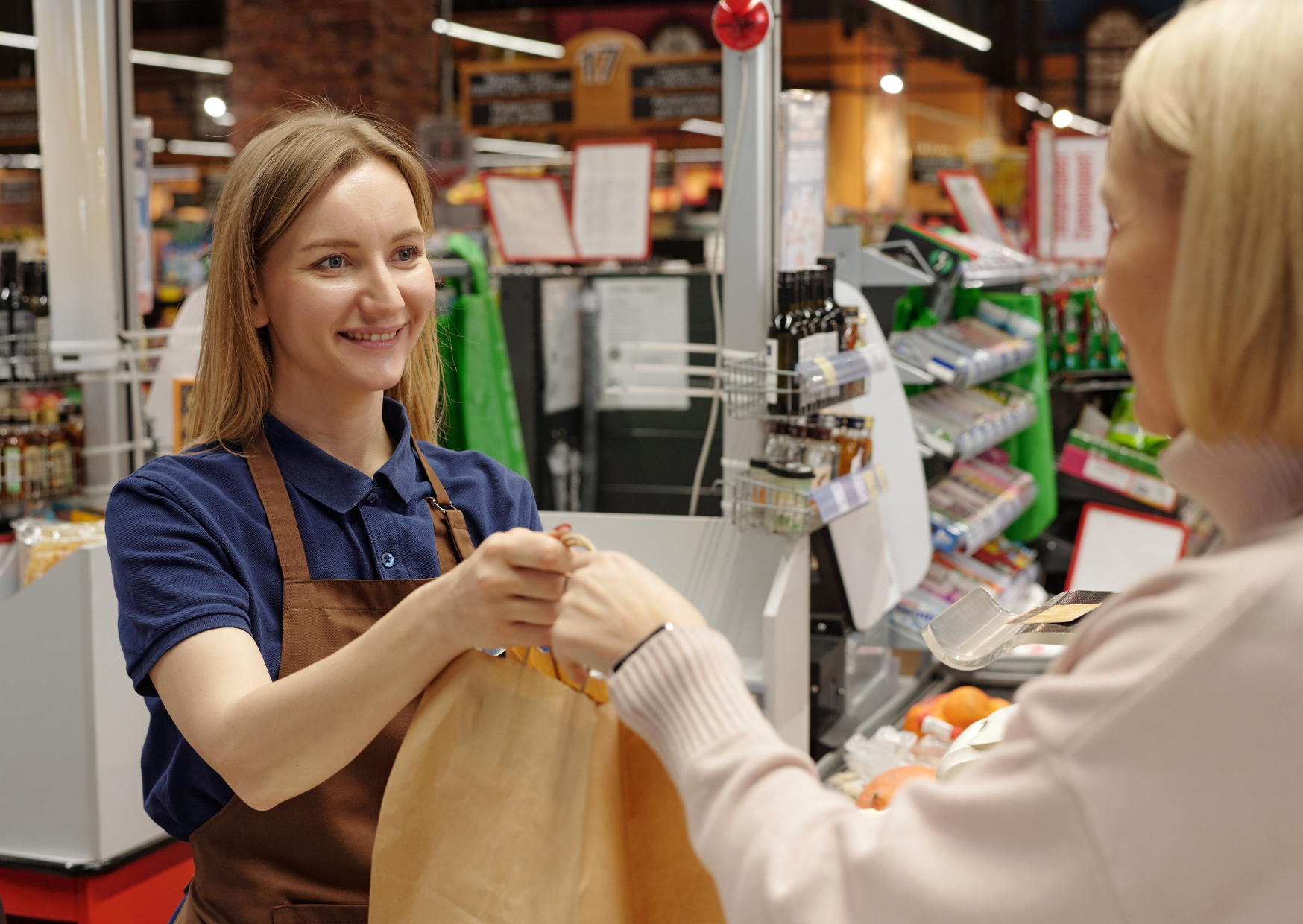
The rude behavior is often described as “bagging too slowly,” but the real problem is wider.
It is late preparation.
The bag is still folded when scanning starts.
The card is still in the handbag when the total appears.
The loyalty app gets remembered only after the apples, wine, and detergent have already been rung through.
The phone is on 4% and wants a face scan.
The receipt becomes a surprise literature review at the end of the register.
That cluster of tiny delays is what irritates people, because each one announces the same thing: this shopper did not prepare before entering a shared bottleneck.
European checkout culture quietly assumes a few things instead.
The bag should already be out.
The trolley or basket should already be positioned.
The payment method should already be decided.
The customer should not be using the exact point of maximum shared friction to begin making decisions.
This is also why divider-bar etiquette matters more than outsiders expect. Putting the separator down on the belt is not some cute supermarket ritual. It helps define where one person’s transaction ends and the next one begins. It is a small act, but it fits the larger rule. Checkout works better when each customer reduces ambiguity instead of adding to it.
Small talk sits in the same category.
A polite hello, gracias, or guten Tag is normal.
A long personal conversation while your groceries pile up and the next customer is already loaded behind you lands differently. Some cultures tolerate more register chatter than others, but the common European supermarket logic still leans toward brief, efficient, and ready.
Even the bag itself tells the story. European rules and national measures pushed stores away from handing out lightweight plastic bags for free. Spain’s own guidance introduced minimum plastic-bag charges years ago, and current relocation guides still tell newcomers to assume paid bags and bring reusable ones. That changes the whole tempo of checkout. A shopper who forgot their bag is already creating a pause. A shopper who then starts debating how many bags they need is creating a second one.
Again, none of this sounds huge.
In a full queue, it becomes huge very quickly.
What Locals Read In That Behavior
The reason this feels rude is not that Europeans are obsessed with speed for moral reasons.
It is that the behavior signals I value my convenience over everyone else’s time.
That is the actual message the line receives.
Not intentionally, usually.
But clearly.
A shopper who camps at the register to bag carefully is forcing the cashier to wait, the next customer to wait, and the whole checkout rhythm to bend around one person’s private preference. In many European settings, that is the opposite of good public behavior. Good public behavior means taking up the space you need, but no more than that. Trains, sidewalks, bakery queues, market counters, and supermarket tills all run on some version of the same compact social rule.
Do not sprawl.
Do not drift.
Do not create unnecessary friction in a shared system.
That is why Americans sometimes feel a coldness at the checkout that is not really coldness at all. It is feedback. The raised eyebrow. The faster scanning. The next customer already loading while you are still arranging peaches by emotional category. The cashier saying the total with a tone that suggests the scene should now conclude.
Locals are not thinking, “Ah, an American.”
They are thinking, “Why is this person still here?”
There is another layer to this. In a lot of Europe, shopping is less wrapped in fake friendliness. The interaction can be perfectly civil without being padded by extra cheer or service theater. Americans sometimes misread that as hostility, when what they are actually seeing is a lower tolerance for unnecessary delay masquerading as customer comfort.
That is useful to understand because it removes the melodrama.
Nobody is asking for submission.
They are asking for tempo.
And tempo is easy once you stop expecting the till to function like a personal workstation with witnesses.
The Local Move Is Faster And Less Stressful Than It Looks
The funny part is that the European way becomes easier once people stop fighting it.
The smooth checkout move is brutally simple.
Unload the basket or trolley with some basic logic. Heavy items first if possible. Fragile items later. Put the bag where you can reach it. Keep your wallet or phone ready before the final item is scanned. If the cashier is moving faster than your bagging can keep up, do not heroically insist on perfect packing at the till. Get the items back into the trolley or basket, pay, and finish at the side counter or just beyond the register.
That is what experienced shoppers do.
It looks almost casual because they are not treating the moment like a performance test. They are cooperating with the design. In Spain, that might mean a reusable tote, a small carrito de compra, and a card ready before the last item lands. In Germany, it often means the bag is open before the conveyor starts, the cart catches the items, and the real packing happens one step away from the till.
This is also why the “European checkout is stressful” line is only half true.
It is stressful if a shopper insists on doing everything in the wrong order.
It is much less stressful if they adopt the local sequence.
Ready bag first.
Payment second.
Perfect arrangement later.
That order matters.
A lot of Americans reverse it. They start by trying to create the perfect bag, then search for payment, then clear the area. European checkout culture tends to reverse the priorities. Clear the transaction first. Beautify the groceries later.
Nobody cares if the yogurt and onions are in the same bag for thirty seconds.
They care whether the register is blocked.
Once that clicks, the whole thing feels less hostile and more practical. The pace is not there to embarrass customers. It is there to prevent one cart from becoming everybody’s problem.
The Better Rule Is Leave The Till Empty Behind You
The easiest way to blend in is to stop asking, “Am I done?” and start asking, “Can the next person begin?”
That question fixes almost everything.
If the next person cannot start because your bags are still open across the counter, you are too slow.
If the cashier has stopped scanning because you are still sorting your payment, you were not ready.
If the line is visibly compressed because you decided to repack wine, tomatoes, and washing powder with museum-level care under the till light, you stayed too long.
The local rule is not elegance.
It is leave the till empty behind you.
That one sentence captures the whole thing.
It also explains why this behavior feels so much more noticeable in Europe than in the U.S. The checkout is physically smaller, the bagging is self-service, the social padding is thinner, and the assumption of readiness is stronger. The person who lingers is not merely “taking their time.” They are interrupting a shared machine.
Once Americans see it that way, the embarrassment usually disappears and the system gets easier. Bring the bag. Open it early. Have the card ready. Push the groceries through the bottleneck. Finish the nice neat packing after you are no longer standing in everybody’s way.
That is the checkout behavior Europeans often find rude.
Not smiling too much.
Not talking too loudly.
Not being American.
Just acting like the register is your personal kitchen counter when it is actually a public lane with ten people behind you.
Fix that, and the whole interaction gets quieter immediately.

About the Author: Ruben, co-founder of Gamintraveler.com since 2014, is a seasoned traveler from Spain who has explored over 100 countries since 2009. Known for his extensive travel adventures across South America, Europe, the US, Australia, New Zealand, Asia, and Africa, Ruben combines his passion for adventurous yet sustainable living with his love for cycling, highlighted by his remarkable 5-month bicycle journey from Spain to Norway. He currently resides in Spain, where he continues sharing his travel experiences with his partner, Rachel, and their son, Han.
Anon
Friday 10th of April 2026
Good reason to stay home. If they can't tolerate a bit of delay from someone who has chosen to spend their hard earned money in their country, they can push off.