

The savings did not come from some saintly Mediterranean instinct or a prettier tomato. They came from buying less dead inventory, wasting less fresh food, and stopping the weekly supermarket haul from turning into a private inflation event.
A lot of Americans treat grocery shopping like bunker management.
One big weekly trip. Giant cart. Big protein pack. Two bags of salad with good intentions. A heroic amount of fruit. Yogurt for the week. Snacks for safety. Something frozen for the night nobody cooks. Then the backup snacks because the first snacks are apparently too vulnerable.
By Wednesday, the fridge is crowded.
By Friday, the produce drawer is starting to confess.
By Sunday, someone is buying takeout because the house is “out of food” while standing three feet from a refrigerator full of ingredients nobody feels like assembling.
That is not a grocery problem.
It is an inventory problem.
The more useful European method is much less dramatic. Buy a small base layer once. Then do fresh top-ups two or three times a week. Keep less in the house. Buy for the next few meals, not for the fantasy version of the next seven days. Let the kitchen behave like a working kitchen, not a suburban warehouse with mustard.
That shift can save real money fast.
New U.S. estimates now put food waste at $728 per person per year, or $2,913 for a household of four, roughly $56 a week. That is already about $224 a month disappearing into the trash, compost, sink, or back of the fridge before even counting the extra convenience purchases people make because they overbought the wrong things. In Spain, the latest national food-waste report says the food-waste rate fell to 3.7% of food and drinks purchased, with improved shopping planning and portion control named as part of the reason. Europe is not magically disciplined. It just tends to reward a different shopping rhythm.
The Weekly Haul Looks Efficient Right Up Until It Starts Rotting
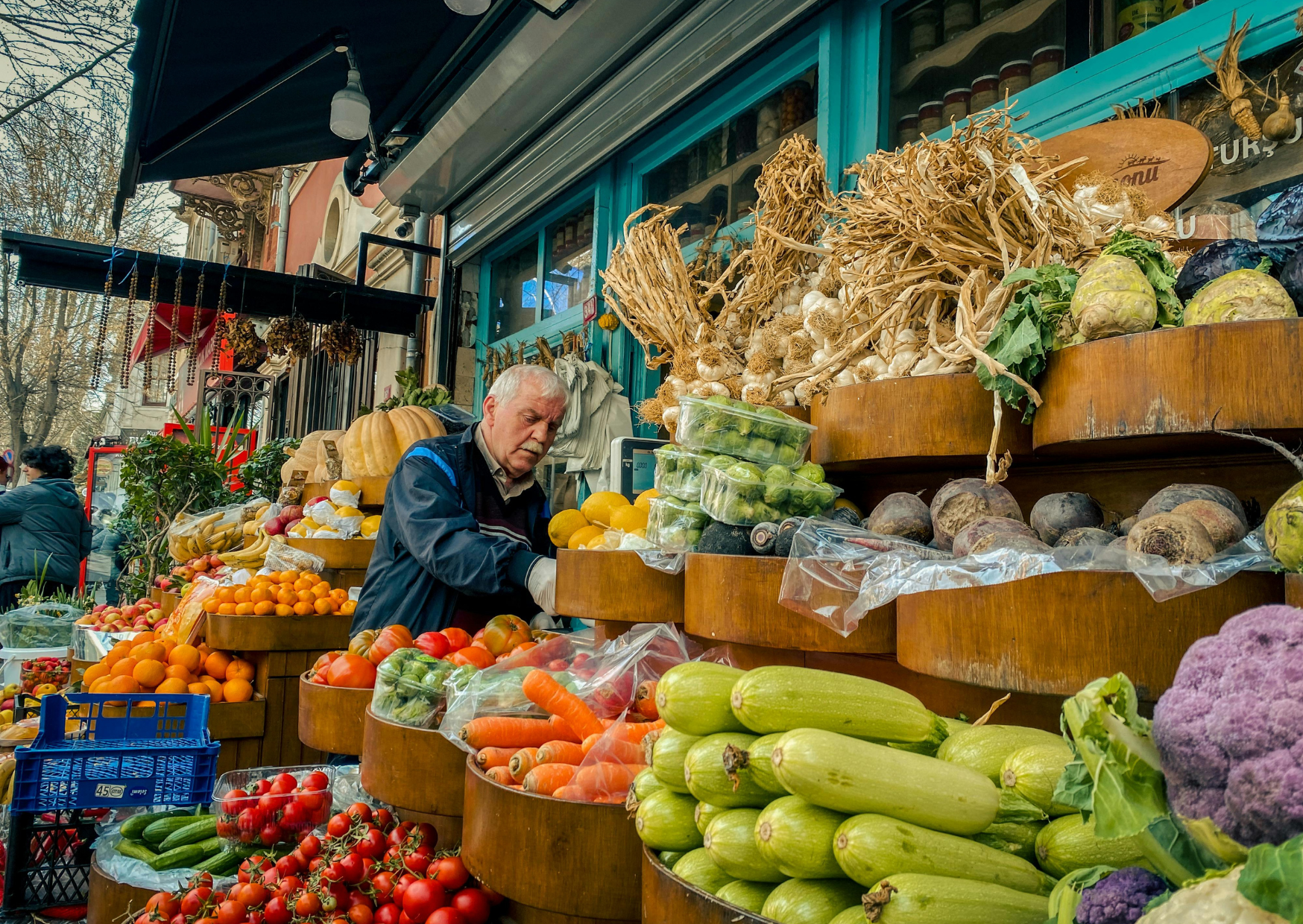
The American weekly shop feels efficient because it compresses effort.
One drive. One parking lot. One receipt. Done.
The problem is that it also compresses bad forecasting.
A seven-day grocery haul assumes the household can predict appetite, schedule, weather, dinner energy, leftovers, social plans, and produce lifespan all at once. That is a ridiculous amount of confidence for people who cannot predict Tuesday.
So the cart fills with insurance.
Extra lettuce because maybe salads.
Extra bread because maybe sandwiches.
Extra chicken because maybe meal prep.
Extra avocados because optimism remains undefeated.
That is how people end up paying for food twice. First at checkout, then again when they replace what spoiled or grab prepared food because the original groceries no longer fit the actual week.
The weekly haul also encourages basket creep. Once the cart is already large, another sauce, another cereal, another “good deal” protein pack, another multipack snack box barely registers. The receipt does register. So does the pantry six days later when the household forgets what is already in there and buys duplicates again.
This is why the big weekly shop can look thrifty while behaving expensively.
It optimizes driving.
It does not optimize waste.
That distinction matters more now because U.S. food-at-home prices are still forecast to rise in 2026, and food-away-from-home prices are expected to rise even faster. A house that overbuys groceries and then orders dinner because the groceries no longer make sense is getting hit from both sides. That is a brutal little loop.
The European Method Is Not Daily Shopping. It Is Two Different Kinds Of Shopping.

A lot of Americans hear “European grocery method” and picture retirees buying one tomato at a time.
That is not the useful version.
The practical version is split shopping.
One shop handles the base: eggs, yogurt, milk, pasta, rice, tinned fish, beans, lentils, onions, potatoes, olive oil, frozen basics, bread for the next day or two, maybe chicken or mince if it will be used quickly.
Then come the fresh top-ups. Fruit. Salad greens. Tomatoes. Fish. A bakery stop. Another loaf. A piece of cheese. Something for tonight. Something for tomorrow lunch. A quick replacement for what actually got used instead of what seemed likely to get used three or four days earlier.
That is why the system works.
It accepts that fresh food and human plans are both unstable.
In Spain and Portugal, this method is easier because stores sit inside ordinary life. Mercadona, Carrefour, Dia, Lidl, Aldi, neighborhood fruit shops, bakeries, and municipal markets are often part of the walking route home. That lowers the psychological price of a smaller shop. A ten-minute top-up is normal. It does not feel like a full suburban expedition with a trunk and a freezer strategy.
The result is less dead stock at home.
A kitchen with fewer overbought perishables behaves better. It is clearer. Leftovers get seen. Tomatoes get eaten while they still taste like tomatoes. Yogurt does not become archaeology. Bread gets bought in realistic quantities instead of as a 10-day project.
This is not anti-planning.
It is better planning.
Plan the base.
Stay flexible on the fresh stuff.
The Money Savings Come From Four Unsexy Places
The first saving is waste.
That is the most obvious one and still the one most people underestimate. U.S. estimates now peg wasted food at $14 per person per week. For a household of four, that is $56 a week, about $224 a month. A household does not need to become a zero-waste monastery to recover meaningful money. Cutting even half of that is already around $110 a month back.
The second saving is fewer duplicate purchases.
Big weekly shops create amnesia. People forget there are already two yogurts left, half a jar of pasta sauce, one open pack of wraps, and enough rice for another week. Smaller, more frequent shopping keeps the home inventory visible. That sounds boring. Boring saves money.
The third saving is fewer emergency meal purchases.
When the fridge is full of mismatched ambition, people still buy takeout, supermarket sushi, rotisserie chicken, or “easy” ready meals because the groceries at home do not line up into dinner without effort. The tighter European rhythm reduces this because the fresh top-up usually includes what is for tonight, not just ingredients that theoretically belong to a future self.
The fourth saving is less promotional stupidity.
The giant weekly cart is a promotion magnet. Buy two, save here. Family pack there. Bigger tub, better value, except nobody wants that much cottage cheese. European grocery habits are often stricter about refusing the fake savings that come from buying volume with no clear use.
That is where the title number starts to make sense.
For a household of four, the food-waste figure alone is already about $224 a month. Recovering the full amount is unrealistic for many families, but recovering $120 to $180 is not crazy at all. Add one avoided convenience-food spiral per week and the monthly savings can move past $200 without anybody eating beans in moral silence.
This is also why the method works even when Europe is not “cheap.”
Spain is often cheaper than many U.S. metros for basic groceries, yes, but that is not the whole story. Some items are genuinely cheaper. Some are not. The bigger win is that the shopping structure itself reduces household stupidity.
That is a useful sentence in 2026.
Spain Makes The Math Easier, But Not In The Way Americans Think
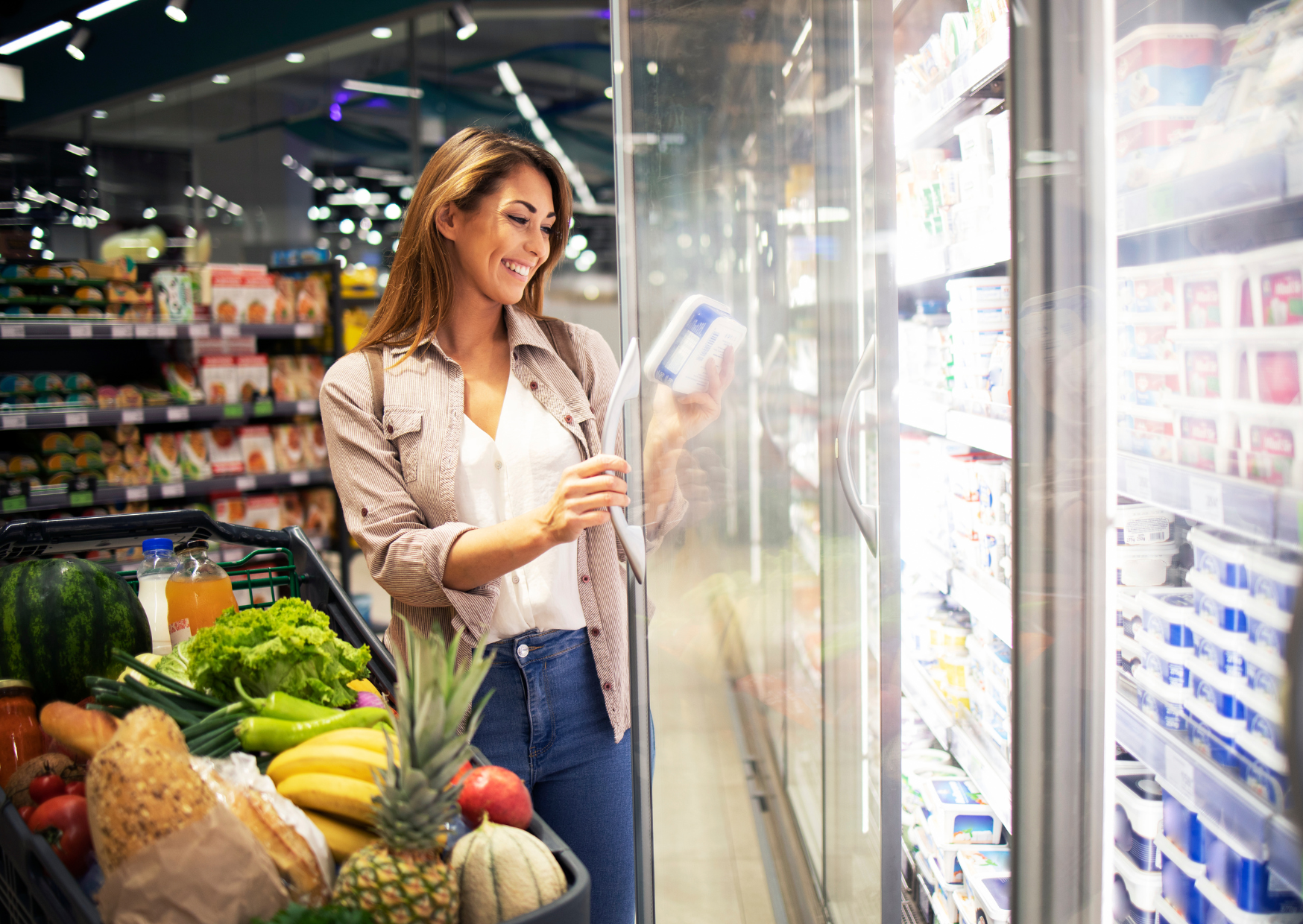
The lazy version of this story is that Europe is just cheaper.
That is only partly true.
Some staples in Spain really are easier on the wallet. At Carrefour right now, extra-virgin olive oil is €4.94 per liter, fresh chicken breast is about €6.15 per kilo, tomatoes are €2.59 per kilo, carrots are €1.21 per kilo, 12 eggs are €3.19, and cooked lentils are €0.90 for 400 grams. In the latest U.S. city-average data, boneless chicken breast is $4.14 per pound, which is roughly $9.13 per kilo, and field-grown tomatoes are about $1.90 per pound, roughly $4.19 per kilo. Eggs in the U.S., after the recent price swings, are actually cheaper on the current national average at about $2.50 per dozen.
That is the nuance people miss.
Not everything in Europe is cheaper.
Enough things are cheaper or sold in more realistic pack sizes that the household gets more control. That control matters almost as much as the sticker price.
Spain also helps because the kitchen setup tends to punish hoarding a little. Fridges are often smaller. Freezers are often smaller. Many apartments are not built around bulk storage fantasies. The physical space quietly pushes people toward turnover instead of accumulation.
Then there is proximity.
If a Carrefour Express, Dia, Mercadona, or local fruit shop is a short walk away, buying three days of fresh food stops feeling irresponsible. In a lot of American suburban patterns, shopping more than once a week feels like a failure because every trip is a commute. In Spain, a top-up shop can happen on the way home from work or after coffee. Different geography produces different grocery behavior.
Markets matter too.
Mercado de Maravillas in Madrid, Mercado de la Paz, Mercado de Nossa Senhora de Fátima in Lisbon, countless neighborhood produce shops and fish counters, these places reward buying for the next meal or two instead of for a speculative future. That changes quality, but it also changes quantity. People buy what looks good now. Less sits around waiting to become a science experiment.
So yes, the prices help.
The bigger advantage is that daily life makes smaller decisions easier.
What Americans Usually Get Wrong When They Try This
The first mistake is thinking this means shopping every day.
That burns out fast.
The useful rhythm is not daily shopping. It is one main stock-up plus two or three short fresh runs. That is manageable. It also leaves enough structure for families, work schedules, and actual life.
Another mistake is trying to keep the old American pantry while adding the new European top-up method on top of it. That is how a house ends up with all the old bulk behavior plus extra trips. The point is to reduce standing inventory, not layer new shopping on top of old hoarding.
Then there is the unit-price trap.
Yes, the larger tub, family pack, warehouse chicken tray, and massive clamshell of berries may look cheaper per unit. That only matters if the food gets eaten. A discounted kilo of something that dies in the fridge is not a bargain. It is a receipt with mold attached.
People also overestimate the inconvenience of smaller shops and underestimate the inconvenience of waste. They act as if another ten-minute store stop is the great assault on modern freedom, while throwing out spinach, herbs, berries, and half a rotisserie chicken somehow counts as normal. That is backwards.
There is another American habit that quietly raises the bill: buying groceries for mood repair.
A rough workday produces snacks, drinks, “easy” dessert, and a backup dinner inside the weekly cart. Then the same week produces more spending because the household feels depleted and grabs takeout anyway. Smaller fresh shops can interrupt that pattern because the shopping trip is less emotional and less theatrical. A basket behaves better than a giant cart. It leaves less room for a personality episode near aisle seven.
The better question is not whether a larger haul looks cheaper.
The better question is whether the house can actually absorb what was bought.
The Fridge Should Hold A Week’s Rhythm, Not A Week’s Fantasy

A good kitchen has enough food.
It does not need all possible food.
That mental shift is where the real European lesson sits.
The fridge should carry the next few meals and a small buffer, not every possible branch of the week. It should be easy to see what is there, easy to spot what needs using, and easy to build dinner without excavating six abandoned plans.
This is why fewer ingredients can produce more dinners.
A small basket of tomatoes, eggs, yogurt, chicken, lentils, greens, carrots, onions, bread, fruit, and one decent fat like olive oil can turn into a lot of normal meals if it is bought in the right rhythm. In Spain, that basket is also helped by pricing that still lets staples behave like staples. A liter of Carrefour extra-virgin olive oil at €4.94 and a kilo of tomatoes at €2.59 still support ordinary cooking. A tray of chicken at roughly €6.15 a kilo does too. The house can run on basics instead of on panic solutions.
That is the opposite of the American overfilled-fridge problem.
An overfilled fridge looks abundant.
It often behaves like clutter.
Clutter does not cook.
Clutter does not get eaten in the right order.
Clutter is just expensive camouflage for bad planning.
There is also a dignity issue here. People eat better when the kitchen is legible. When ingredients are visible and fresh, cooking feels possible. When the fridge is a crowded museum of old intentions, the easiest answer becomes takeaway, freezer food, or another run for “just a few things” that somehow costs $38.
That is how grocery budgets get weird.
Not from one dramatic purchase.
From a hundred tiny losses of control.
Reset This In Seven Days And The Kitchen Will Start Behaving Better
Day one, throw out the dead food without pretending it was almost going to get used.
That part is painful.
It is also clarifying.
Day two, do a hard pantry and fridge count. Pasta, rice, beans, tins, oils, condiments, frozen basics, eggs, dairy, bread, onions, potatoes. Write down what already exists. Most households are less understocked than they feel.
Day three, plan one base shop only. Buy the core items for four or five dinners and normal breakfasts, not for every emotional possibility the week might contain. Keep perishables restrained.
Day four, schedule the first fresh top-up. Not a giant second shop. Ten to fifteen minutes. Fruit, salad, bread, fish, more yogurt, or whatever got used faster than expected.
Day five, cook one use-it-up dinner on purpose. Omelet and salad. Lentils and vegetables. Pasta with what is left. Soup. Rice bowl. This resets the idea that every meal must come from a fresh shopping fantasy.
Day six, stop buying backup snacks and backup dinners on the same trip. Pick one lane. Households waste a shocking amount of money buying ingredients for cooking and ready-made substitutes for the same meal window.
Day seven, review the bin before the next main shop. If herbs died again, buy fewer herbs. If berries died again, buy fewer berries. If bread disappeared fast, buy bread more often and less at once. Let the trash tell the truth about the system.
A decent first-week structure looks like this:
- one main shop
- two short top-ups
- one leftovers or use-it-up meal
- one frozen backup, not four
- one visible list of what is already in the house
That is enough to change the budget trajectory.
The point is not to cosplay a European grandmother.
The point is to stop paying for food that never becomes dinner.
The Cheaper Kitchen Is Usually The One With Less In It
The smartest grocery system is not the one that looks most prepared.
It is the one that wastes the least.
That is why the European method works so well in practice. It accepts perishability. It accepts human inconsistency. It accepts that appetite, plans, and energy all move around during the week. So instead of shopping for control, it shops for turnover.
That looks smaller.
It behaves richer.
Less trash. Less duplicate buying. Less takeout because the fridge became incoherent. Less money tied up in ingredients sitting around waiting for a version of the week that never arrived.
A lot of Americans do not need a better grocery list.
They need a lower household inventory.
That is the part that saves the money.
Not romance. Not olive groves. Not a market tote and a beautiful loaf. Just fewer bad bets sitting in the refrigerator at the same time.
The kitchen bill gets lighter when the kitchen stops trying to predict the future seven full days in advance.

About the Author: Ruben, co-founder of Gamintraveler.com since 2014, is a seasoned traveler from Spain who has explored over 100 countries since 2009. Known for his extensive travel adventures across South America, Europe, the US, Australia, New Zealand, Asia, and Africa, Ruben combines his passion for adventurous yet sustainable living with his love for cycling, highlighted by his remarkable 5-month bicycle journey from Spain to Norway. He currently resides in Spain, where he continues sharing his travel experiences with his partner, Rachel, and their son, Han.