
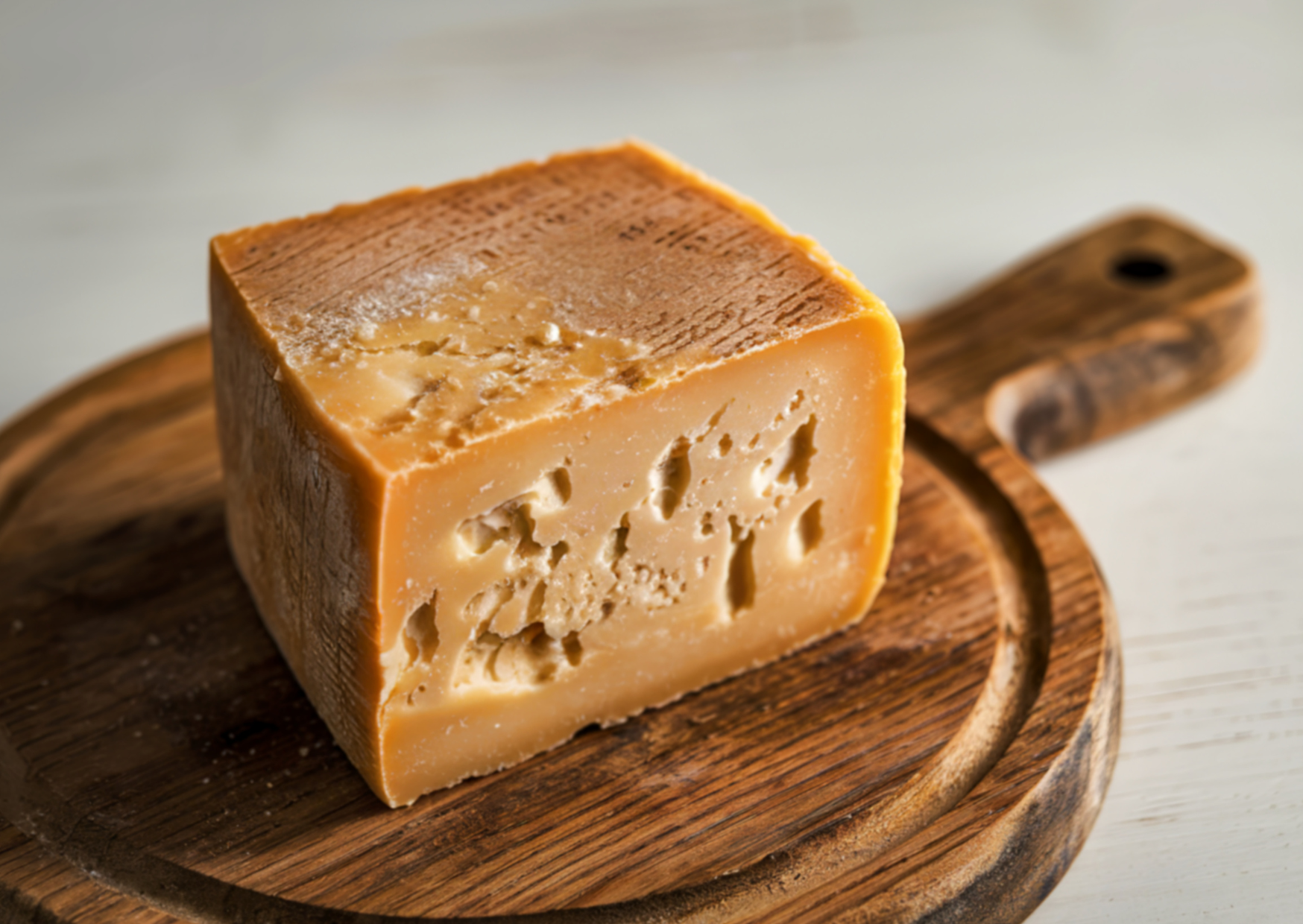
The first mistake is thinking these are just two names for the same cheese. They are not. In the U.S., “parmesan” is a generic category. In Italy and the EU, Parmigiano-Reggiano is a tightly controlled protected cheese with a specific place, process, and ingredient logic.
A lot of Americans think the difference is branding.
Fancy Italian label versus normal supermarket label. Wedge versus shaker. One for food people, one for weeknights.
That is too soft.
The real difference is that Parmesan in the U.S. is usually a style, while Parmigiano-Reggiano is a protected product with rules that reach all the way back to the milk, the feed, the aging, the area of origin, and even where grating and packaging can happen. The Parmigiano Reggiano Consortium says the cheese is made only in Parma, Reggio Emilia, Modena, Bologna on the left bank of the Reno, and Mantua on the right bank of the Po, with production, minimum aging, and packaging all tied to that territory.
That is why the name matters more than Americans expect.
A lot of U.S. shoppers are buying “parmesan” as a shelf-stable topping, a pasta shortcut, or a generic hard grating cheese. Real Parmigiano-Reggiano is closer to a legally defined agricultural product with a long rulebook behind it. The EU protects it under PDO rules, and the Consortium’s current specification still requires raw, partially skimmed cow’s milk, local forage-based feeding, no additives, and at least 12 months of maturation.
That does not mean every American parmesan is bad.
It does mean they are not the same thing.
The Real Version Starts With A Shorter Ingredient Story
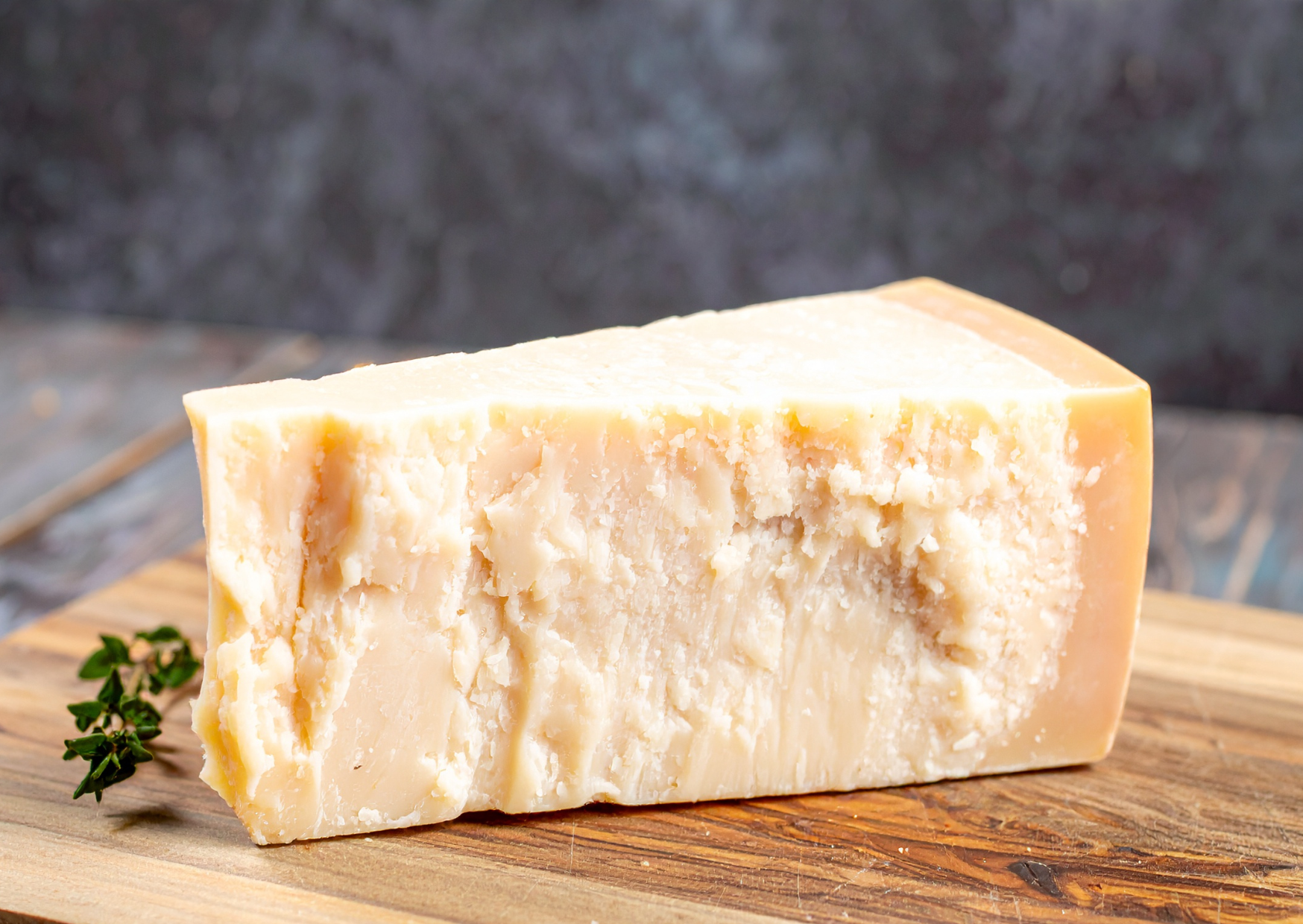
The answer to “what actually goes in the real version” is very short.
Milk, salt, and rennet.
The Consortium’s current U.S. FAQ says exactly that: Parmigiano-Reggiano is made of milk, salt, and rennet only, with no additives and no preservatives. Its glossary repeats the same point. The production specification is stricter still, describing a cheese made from raw, partially skimmed milk from cows whose feed consists mainly of forage from the area of origin, with no additives allowed.
Depending on the page, you may also see cheese cultures or natural whey starter mentioned. That does not really complicate the ingredient story. It explains the fermentation process, not a modern supermarket ingredient parade. The Consortium’s nutrition page lists part-skimmed cow’s milk, cheese cultures, salt, and rennet, which is still a remarkably short ingredient profile for a cheese with this much flavor.
That short list matters because Parmigiano-Reggiano is supposed to get its personality from milk quality, slow aging, and time, not from flavor supports or anti-caking systems.
It is also why the texture is what it is.
The cheese is granular, brittle, and naturally good at breaking into shards rather than behaving like a fluffy topping. The U.S. standard for parmesan even acknowledges that the cheese is characterized by a granular texture and a hard, brittle rind. That tells you something useful: even the American legal definition is trying to imitate a product whose real identity comes from age and dryness, not softness or convenience.
The U.S. Version Is Allowed To Be Much Broader
This is where the category split becomes obvious.
Under current U.S. rules, parmesan or reggiano cheese may be made from milk that may be pasteurized or clarified or both, may use milk-clotting enzymes and even calcium chloride within limits, and only has to be cured for not less than 10 months. That is already a looser framework than Parmigiano-Reggiano PDO, which requires raw partially skimmed milk, no additives, and at least 12 months of aging before selection.
That is why a decent domestic American parmesan wedge can still be a perfectly serious cheese while not being Parmigiano-Reggiano.
BelGioioso’s current Parmesan, for example, lists cultured milk, enzymes, salt and says it is aged over 10 months. That is a respectable ingredient list. It is not a shaker bottle joke. But it is still not the protected Italian cheese, because the origin, process, and legal framework are different.
The U.S. system also gets much looser once the cheese is grated.
Federal rules for grated cheeses allow anticaking agents and antimycotics, among other optional ingredients. That is why the American parmesan most people grew up with often includes more than cheese. The legal category itself makes room for that.
So the useful distinction is not between “real Italians” and “fake Americans.”
It is between a protected cheese with a narrow specification and a broader American category that can include very good wedges, ordinary supermarket blocks, and powdery shaker bottles all under the same general parmesan umbrella.
The Shaker Bottle Is A Different Food
This is the part Americans usually know in their bones but do not say clearly enough.
The green can or plastic shaker is not really competing with a proper Parmigiano-Reggiano wedge.
It is competing with convenience.
Current Walmart listings show Kraft Natural Grated Parmesan Cheese with ingredients of Parmesan Cheese (pasteurized part-skim milk, cheese culture, salt, enzymes), cellulose powder, potassium sorbate to protect flavor. That is not absurd or unsafe. It is just a different product, one built to pour, stay loose, resist caking, and survive storage more like a pantry staple than a fresh-cut cheese counter purchase.
And once Americans buy parmesan in that form, they start expecting the cheese itself to behave that way.
Dry.
Dusty.
Convenient.
Uniform.
Ready to shake over pizza or spaghetti without needing a knife or a grater.
That expectation is a big part of the cultural gap.
Real Parmigiano-Reggiano is supposed to be cut, broken, grated fresh, or shaved. The Consortium’s marks and labeling rules even distinguish carefully between whole wheels, pieces, and grated product, with strict control over how authentic Parmigiano-Reggiano can be grated and packaged. Since 2012, packaging of grated and cut Parmigiano-Reggiano has to be carried out within the area of origin by authorized and certified entities, and grated PDO product must be packaged immediately after grating without treatment or added substances.
That is a very different food philosophy from the shaker bottle.
The shaker bottle says shelf life first.
Parmigiano-Reggiano says traceability and integrity first.
Neither product is trying to do the same job.
The Rind And The Label Tell The Truth Fast
If a shopper wants the real version, the fastest move is not reading the front of the package like a poem.
It is looking for physical proof.
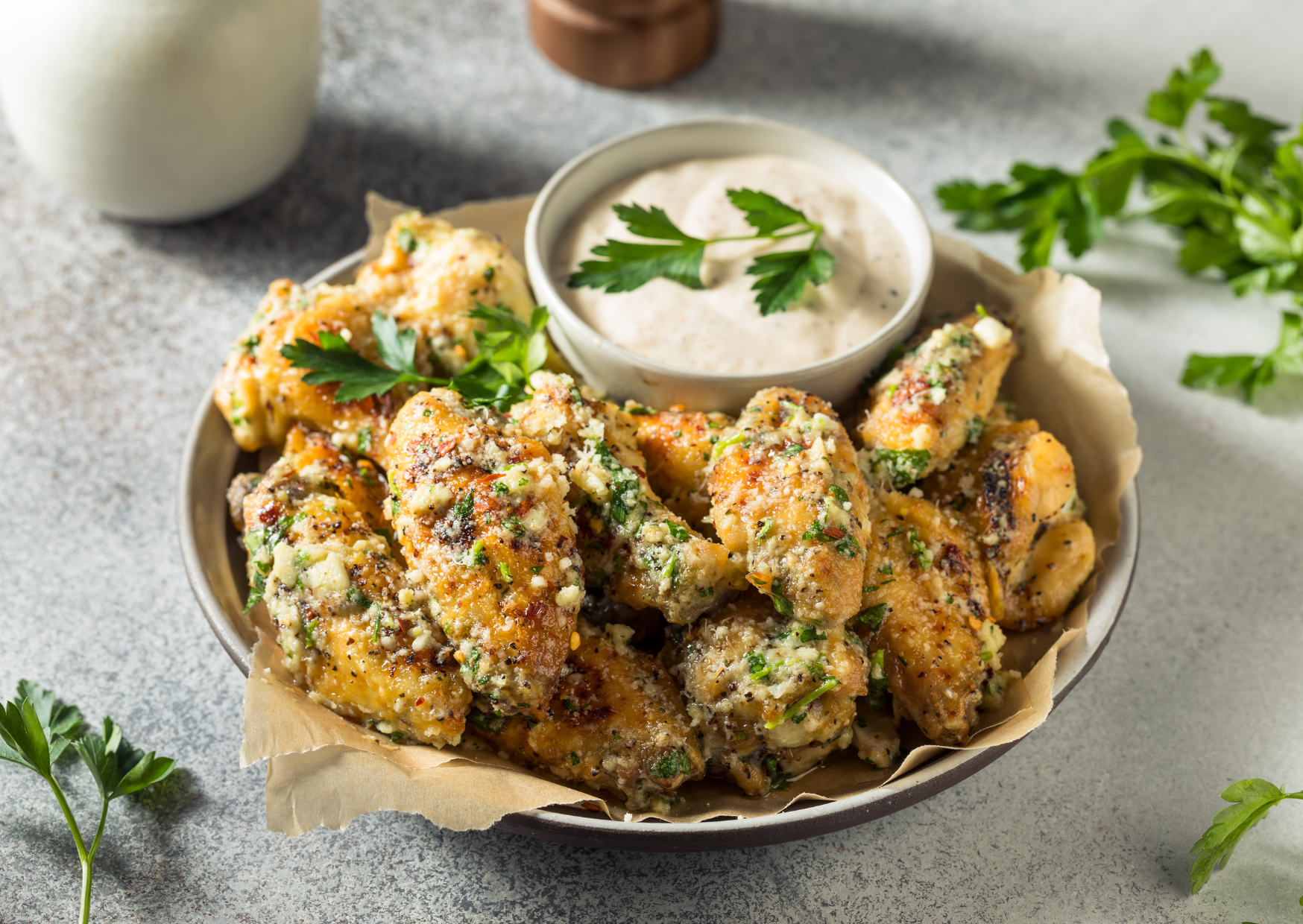
Real Parmigiano-Reggiano wheels carry dotted rind markings spelling PARMIGIANO REGGIANO, along with the dairy number, production month and year, PDO markings, and a casein plate or equivalent traceability system. At 12 months, wheels that pass inspection receive the oval grade selection mark. The Consortium’s official “seals and marks” guide lays this out very clearly.
That means a real wedge often gives itself away at the rind.
You can literally see the dotted lettering on the side.
That dotted rind matters more than a romantic front label with an Italian flag.
If the cheese is pre-packed and grated or portioned, the rules stay strict. The official specification says packs must carry the proper Parmigiano-Reggiano logo, and pieces over 15 grams must state the minimum maturation. The Consortium also notes that packaged grated and cut cheese has to be packed within the area of origin by authorized entities.
That is the buying habit Europeans often take for granted.
They do not only look for the name.
They look for the proof that the name is being used correctly.
American shoppers often do the opposite. They see “parmesan” and assume the important decision is over. With Parmigiano-Reggiano, the important decision starts after the name.
Price Explains A Lot Of The Confusion
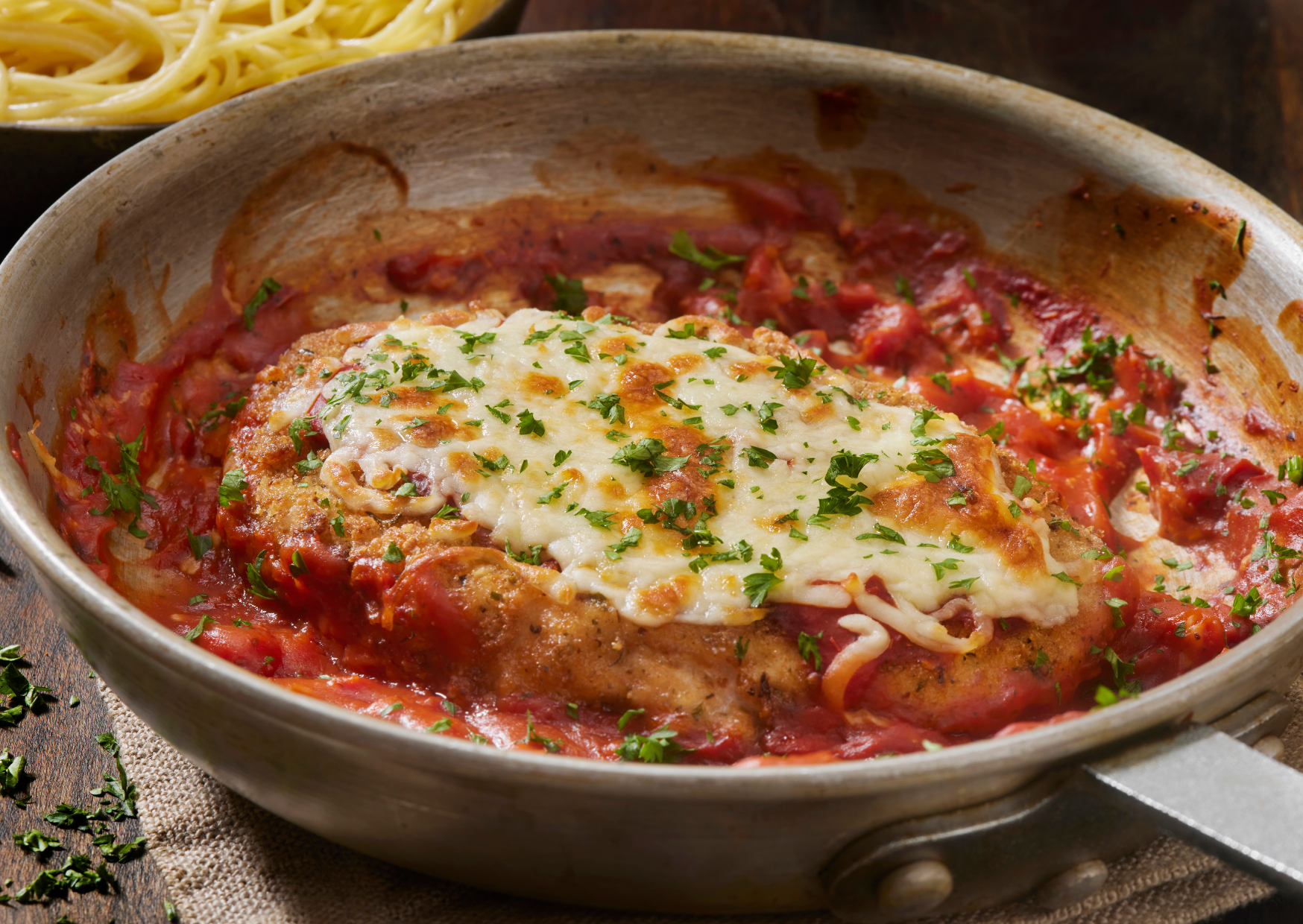
Americans do not always buy the shaker because they love powdered cheese.
They buy it because it seems cheap, easy, and normal.
And the market reinforces that.
Walmart is currently showing Great Value grated parmesan around $2.98 to $3.18 for 8 ounces, and Kraft grated parmesan around $4.44 for an 8-ounce shaker. BelGioioso’s 8-ounce Parmesan wedge is listed at $5.72. In Spain, Carrefour is listing Parmigiano-Reggiano DOP wedges around €5.89 to €6.35 for 150 grams, depending on the brand.
That reveals two useful things.
First, the cheap shaker is genuinely a different value proposition. It is there to be cheap, dry, and easy.
Second, real cheese is not always wildly more expensive than people think, especially once they stop comparing a protected DOP wedge to a dusting bottle and start comparing it to a decent domestic wedge.
The more important question is not price alone.
It is whether the household is buying a cheese to finish a plate properly or buying a salty topping to perform a parmesan-like function at low effort.
Those are different transactions.
A lot of Americans keep comparing them as if they are the same one.
Italians Usually Do Not Use It The Way Americans Do
This is where behavior matters as much as law.
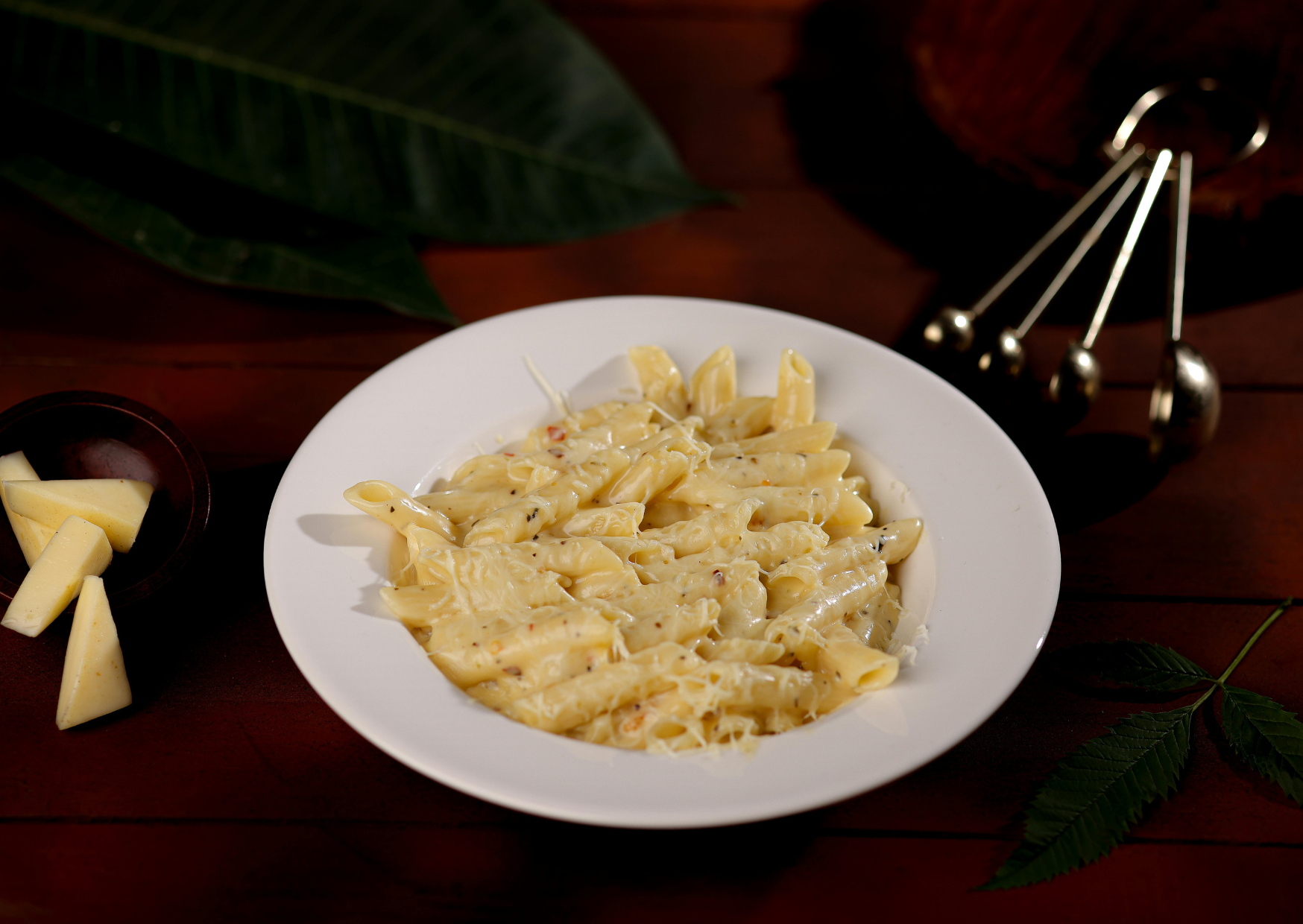
A lot of Americans use parmesan like a final salty snowstorm. Shake it over pasta. Shake it over pizza. Shake it over soup. Shake it over salad. The cheese is treated like a shelf-stable seasoning.
Parmigiano-Reggiano is more often treated like a cheese first.
It gets grated, yes.
But it also gets shaved into ribbons, broken into chunks, eaten with pears, dropped into broth, grated fresh into risotto, folded into fillings, or served in visible pieces where texture matters. The Consortium’s own material leans into this versatility, grouping the cheese by age and pairing style rather than treating it as one generic topping. Younger wheels are more delicate. Older ones get more aromatic and intense.
That matters because a real Parmigiano-Reggiano wedge is not only for powdering.
And this changes what people are willing to pay for.
If the plan is to shovel it onto weeknight spaghetti until the noodles disappear, the shaker wins on convenience. If the plan is to taste the cheese itself, the shaker is a terrible substitute. It has already given away the texture that makes the real product interesting.
This is also why the rind matters.
People who buy Parmigiano-Reggiano often save the rind for broth, beans, minestrone, or tomato sauce. That is a very different kitchen relationship from a plastic bottle that ends its life in the recycling bin after months of table duty.
The real version behaves like an ingredient with stages and uses.
The generic version behaves like a topping.
That distinction explains a lot of the disappointment Americans feel when they finally taste a proper wedge and realize the supermarket shorthand was never really teaching them the cheese.
What To Buy In America If You Want The Real Version
The easiest answer is simple.
Buy Parmigiano-Reggiano, not just parmesan, when that is what you actually want.
Look for the dotted rind. Look for the PDO language. Look for the official marks on the package if it is pre-cut or grated. Look for a stated aging period. Those are much better clues than a front label trying to sound “Italian style.”
If the budget does not stretch to real Parmigiano-Reggiano every time, the next-best move is still better than the shaker in a lot of kitchens.
A decent domestic wedge with a short label, like BelGioioso Parmesan with cultured milk, enzymes, salt, is a more serious cheese purchase than a powder bottle with cellulose and sorbate. It still will not be Parmigiano-Reggiano. It just gets you closer to cheese behavior and farther from topping behavior.
Then use it differently.
Grate it fresh.
Shave it.
Break it into irregular little chunks.
Use less of it, but let it matter more.
That is much closer to the European habit than buying the biggest shaker and pretending the category has been solved.
A lot of American supermarket parmesan is not fraudulent.
It is simply a different idea of what the cheese is for.
And once you see that, the whole aisle starts making more sense.
The Name On The Package Is Not The Whole Purchase
That is where this really lands.
Parmesan in the U.S. is not automatically inferior.
Parmigiano-Reggiano is not automatically a luxury flex.
The useful difference is more mechanical than that.
Parmigiano-Reggiano is a protected cheese made in a fixed territory, from raw partially skimmed cow’s milk, with no additives, at least 12 months of maturation, official wheel markings, and strict control over how authentic grated and portioned product reaches the market. U.S. parmesan is a broader legal and commercial category that can include good domestic wedges, pasteurized versions, shorter-aged cheeses, and grated products with anticaking agents and preservatives.
That is why the phrase “it’s all basically the same” falls apart so quickly.
It is not all the same.
Not in the milk.
Not in the aging.
Not in the label rules.
Not in the texture.
Not in the way it is meant to be used.
The real version is not mysterious.
It is just narrower, stricter, and much less willing to become dust in a bottle.

About the Author: Ruben, co-founder of Gamintraveler.com since 2014, is a seasoned traveler from Spain who has explored over 100 countries since 2009. Known for his extensive travel adventures across South America, Europe, the US, Australia, New Zealand, Asia, and Africa, Ruben combines his passion for adventurous yet sustainable living with his love for cycling, highlighted by his remarkable 5-month bicycle journey from Spain to Norway. He currently resides in Spain, where he continues sharing his travel experiences with his partner, Rachel, and their son, Han.