
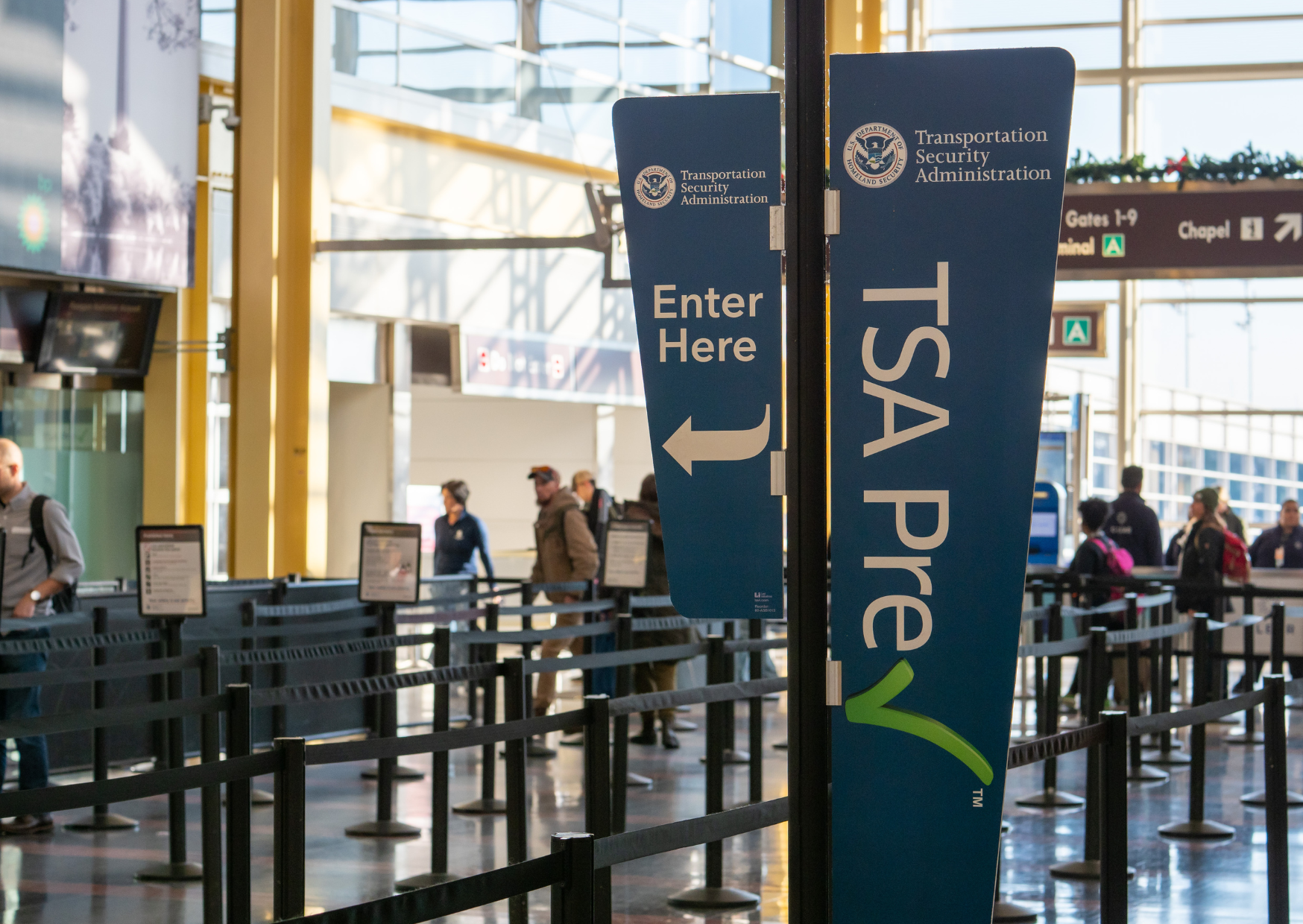
Most travelers still think the security choice is simple: regular line or TSA PreCheck. There is now a third option at many airports, and a lot of people walk right past it because the setup happened on their phone weeks ago, or could have.
A lot of Americans still approach airport security like it is 2018.
Shoes ready. ID in hand. Boarding pass out. Pick the shortest-looking line and hope the human river moves.
That is not the whole map anymore.
At a growing number of U.S. airports, there is now a Digital ID or Touchless ID path sitting beside the old system. Sometimes it is a clearly marked dedicated lane. Sometimes it is a checkpoint flow inside TSA PreCheck. Either way, it removes the slowest part of the front end: the wallet dig, the plastic handoff, the boarding-pass shuffle, the pause while an officer checks and rechecks the face against the document.
That does not mean the airport becomes magical.
It does mean the identity check can happen in seconds instead of turning into the usual little bottleneck that multiplies across hundreds of people.
That is why this line feels absurdly fast when the main queue is backed up. The slow lane still has travelers unpacking documents, waking up phones, apologizing for the wrong screen, and trying to look like their license photo from nine years ago. The newer lane is built to strip that friction out.
The result is not always five minutes.
But it is often the closest thing to a cheat code most ordinary travelers will ever get without buying a concierge service.
The Line Is Real. The Name Changes By Airport.
The confusing part is that this line does not always present itself the same way.
At one airport the sign may say Digital ID.
At another it may say TSA PreCheck Touchless ID.
At another it may simply appear as a dedicated lane feeding into a biometric camera instead of the usual officer-with-ID routine.
That inconsistency is why people miss it. They are looking for “PreCheck” and nothing else. If the sign says something newer, they assume it is for airport staff, premium travelers, or some pilot program they are not part of.
Sometimes it is a pilot program.
Sometimes it is exactly the line they should be using.
The important distinction is simple. Digital ID means your identity is being verified from a digital credential on your phone or watch instead of a physical card in your hand. Touchless ID is the faster version that uses a face match and, at many airports right now, sits inside the TSA PreCheck ecosystem.
So the line is not fake, but it is not standardized either.
That matters because people often spend more time deciding whether they are “allowed” to enter than the line itself would have taken.
The broader point is that airport security is no longer one uniform experience. A traveler going through Phoenix, Miami, Boston, Atlanta, Newark, Denver, or LAX may have a very different front-end identity check from the traveler who last flew out of the same airport two years ago and assumed nothing had changed.
A lot has changed.
The checkpoint just did a bad job of making it feel familiar.
Why It Moves So Much Faster Than The Ordinary Queue
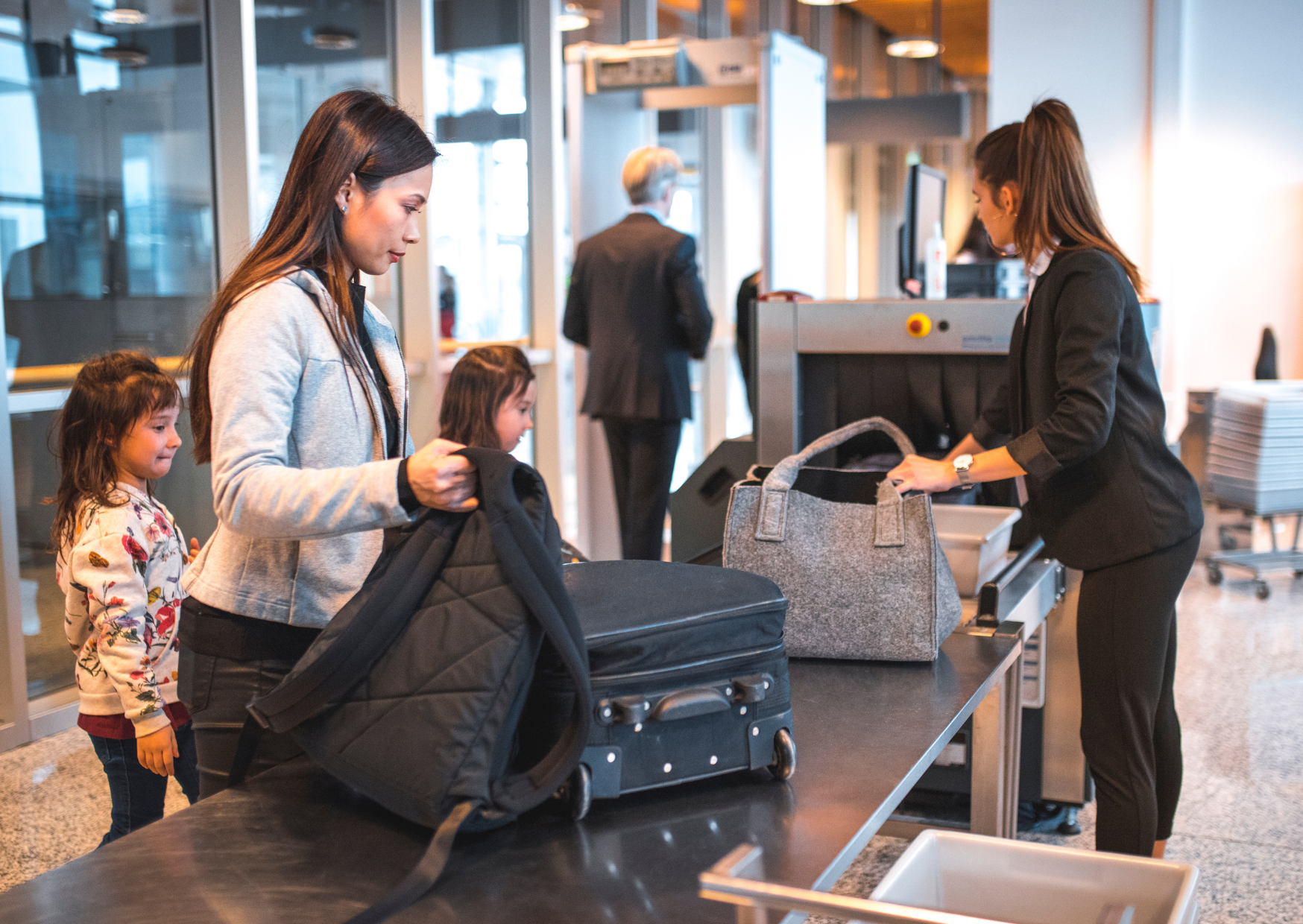
The slowest part of airport security is often not the scanner.
It is the human pause before the scanner.
People stop moving to find an ID. They hand over the wrong thing. They fumble with reading glasses. They wake a dead phone. They realize the boarding pass is in the airline app, not the wallet app. They hand over a passport when the ticket was booked under a slightly different name. The officer asks a question. The line compresses. Nobody behind them loves the moment.
The newer identity lanes are built to cut out that little theater.
In the strongest version, a traveler with Touchless ID walks up, looks into the camera, gets matched against a stored passport image, and keeps moving. No plastic license. No boarding pass shuffle. No small document crisis at the front of the lane. Federal guidance describes the facial-comparison piece as taking seconds, not the mini-interview feel of a traditional document handoff.
That does not mean the whole checkpoint clears in seconds.
It means the first choke point does.
That distinction matters. If the X-ray belt is overwhelmed, shoes are everywhere, and three families are arguing about strollers, the lane will still slow down. But when the front end of the line stops generating paperwork delays, the whole checkpoint tends to move better.
This is also why the newer fast lanes feel so different from the normal line even when the physical distance is not that different. The drag at the front is gone. The checkpoint starts behaving more like a steady conveyor than a stop-and-start queue.
For travelers already inside TSA PreCheck, the difference gets even bigger because the physical screening rules are lighter too. Shoes usually stay on. Laptops and liquids usually stay put. TSA still says about 99% of PreCheck passengers wait less than 10 minutes, which is the nearest thing airport security has to an honest sales pitch.
Compare that with the ordinary lane during bad timing, holiday peaks, school breaks, Monday mornings, or weather-disruption pileups, and the contrast gets ugly quickly.
That is how a line can feel like five minutes instead of 45, even when nobody promised either number to you personally.
More Travelers Qualify Than They Realize
This is the part people miss because they assume the line belongs to some rarefied class of traveler.
It often does not.
There are now three broad ways ordinary Americans may already be closer to this faster path than they think.
The first is TSA PreCheck plus Touchless ID.
If a traveler already has TSA PreCheck, or has Global Entry and actually attached the PASS ID to the booking, they may be eligible for the newer Touchless ID flow if their airline and airport support it and they opt in properly. Several major U.S. airlines are already participating. The piece people forget is the setup. This does not happen by vibes. The traveler usually needs a valid passport on file, a participating airline account, the right loyalty profile, and a digital boarding pass showing the indicator that unlocks the lane.
The second is passport-based Digital ID on the phone.
Apple now lets U.S. passport holders create a Digital ID in Apple Wallet for domestic TSA identity checks at eligible checkpoints. Google Wallet also lets U.S. passport holders create an ID pass for TSA use at supported airports. That is a much bigger deal than it sounds. It means a traveler does not need to wait for their state to modernize its DMV just to start using digital ID at the airport.
The third is mobile driver’s licenses or state IDs from participating states.
This is less universal because state rollout is uneven, but it is real. If the state supports a TSA-accepted mobile license and the airport checkpoint is equipped for it, a traveler may already be able to use a phone-based credential instead of fishing around for a physical card.
That is the practical reality in spring 2026.
The faster line is not just for premium-cabin travelers, airport obsessives, or people with too many loyalty apps. It is increasingly reachable for ordinary domestic travelers who have a passport, a smartphone, and ten minutes of setup discipline.
The bottleneck is no longer eligibility alone.
It is awareness.
Americans Still Treat Security Like A Paper Process
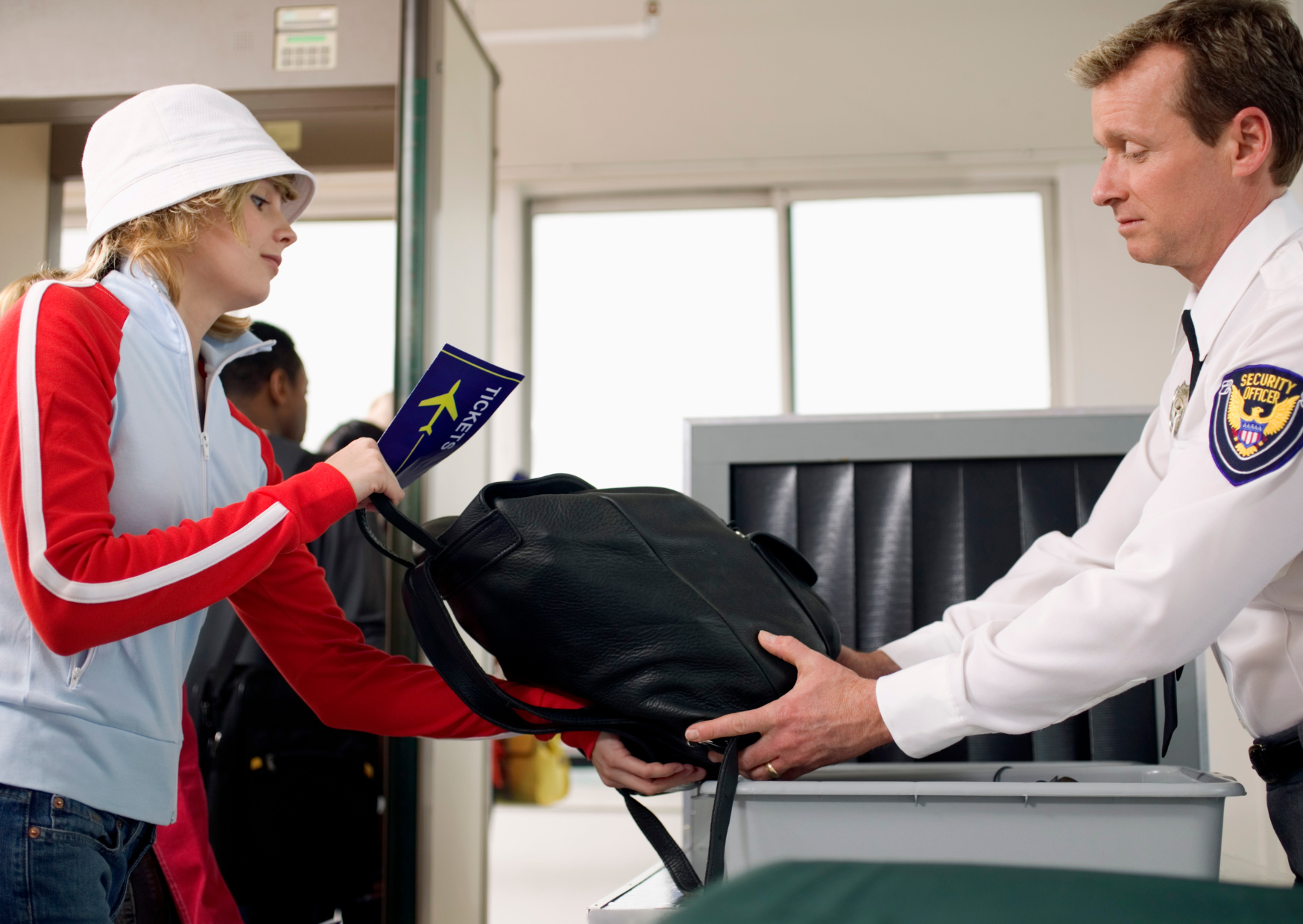
A lot of Americans have the right tool and still use the old behavior.
That is why they walk past the line.
They still approach security with the old ritual in mind: take out the wallet, take out the license, get the boarding pass ready, grip both like courtroom evidence, then step toward the officer and hope the phone brightness is high enough.
That routine feels responsible.
It is increasingly outdated.
There is also a cultural piece here. Americans are used to assuming anything faster at the airport probably costs money. That instinct is not irrational. Enough airport “upgrades” do come with subscriptions, annual fees, premium cards, or hidden markups that travelers stop investigating. They see a special lane and mentally file it under “not for me.”
Sometimes that judgment is right.
Sometimes they just walked past a lane they could have used for free.
Another problem is that the line is visually modest. The newer airport upgrades that people notice are dramatic ones: lounge entrances, premium check-in counters, CLEAR pods, or a huge TSA PreCheck sign. The Digital ID or Touchless ID lane can look smaller and more technical. It does not advertise itself with glamour. It just quietly solves the most annoying part of security.
People also confuse it with the wrong things.
They think it is the same as CLEAR. It is not.
They think it means they can leave their physical passport at home. They cannot.
They think it works for international border control. It does not.
They think if they have no REAL ID, the line will somehow rescue them automatically. That is not what this is either. Since February 1, 2026, travelers without acceptable ID have had a separate TSA ConfirmID option that involves a fee and identity-verification process. That is not the fast line. That is the expensive backup plan for people who showed up wrong.
The better move is to stop confusing digital identity tools with emergency identity fixes.
One saves time.
The other saves a ruined day, maybe.
The Line Has Limits, And They Matter
This is not a fairy tale.
There are still ways to get humbled.
The first limit is airport support. Digital ID and Touchless ID are expanding fast, but they are not universal. Touchless ID is reaching 65 airports in spring 2026, which is a serious jump from pilot-stage novelty, but that still does not mean every checkpoint in every terminal at every airport will have it waiting for you.
The second limit is domestic use. Apple’s passport-based Digital ID and Google’s passport ID pass are for TSA identity verification in domestic travel contexts. They are not a replacement for a physical passport, not a substitute for border control, and not a reason to leave real documents at home. A traveler going to Rome still needs the actual passport book. A traveler connecting through a domestic checkpoint on the way to an international flight still should not get cute about this.
The third limit is phone failure. Dead phone, broken screen, wallet glitch, low battery, or an update you ignored until the airport parking garage can all ruin the beautiful modern plan. That is why the smart version of this habit still includes a physical backup. Digital ID is convenience, not invincibility.
The fourth limit is screening congestion after the ID check. A fast front end does not repeal physics. If there is one scanner down, a spring-break family reunion at the belt, or a sudden volume spike from delayed flights, the line can still bog down after the camera moment. The identity step gets easier. The whole airport does not become Swiss.
The fifth limit is setup quality. Touchless ID, especially, is not a spontaneous airport experiment. The traveler usually needs to opt in through a participating airline, keep a valid passport attached, and use a mobile boarding pass. People who think they can improvise this while removing a belt and balancing a roller bag usually discover they are doing comedy, not efficiency.
So yes, the line is useful.
No, it is not magic.
That is exactly why it is worth understanding properly instead of reducing it to another viral airport rumor.
The Small Setup Most Travelers Skip At Home
The good news is that none of this is hard.
The annoying news is that it has to happen before the airport.
For iPhone users with a U.S. passport, Apple’s Digital ID in Wallet is now the cleanest entry point if the goal is domestic TSA use at supported checkpoints. The phone does the identity work. The traveler still keeps the physical passport as backup, but the security line no longer depends on digging it out.
For Android users, Google Wallet now offers a passport-based ID pass for U.S. passport holders, and Google explicitly says it can be used with TSA at supported airports, even if the traveler does not have a REAL ID driver’s license. That last part matters more than people think. It gives travelers a digital bridge while state IDs and traveler habits continue catching up.
For travelers already in TSA PreCheck, the bigger payoff is usually Touchless ID. That setup often lives inside the airline profile rather than inside the phone wallet alone. The airline may need the passport on file. The traveler may need to opt in. The digital boarding pass may need to show the indicator that tells checkpoint staff the person belongs in the lane.
That is the part most people do not do.
They assume membership means automation.
Airports love that assumption because it produces long regular lines.
The smarter habit is brutally simple:
- make sure the passport is valid
- add the digital ID or passport-based ID pass at home
- check whether the departure airport supports the feature
- confirm whether the airline participates if Touchless ID is the goal
- make sure the Known Traveler Number is actually attached to the reservation if using PreCheck or Global Entry
- carry the physical backup anyway
That is not glamorous.
It is the difference between “I think I have this” and “I know exactly which lane I’m walking into.”
Do This Before The Next Boarding Pass Hits Your Email
A travel upgrade is only useful if it exists on the travel day.
So the practical move is to build a small system around it.
Three to seven days before a domestic flight, look up the departure airport and the actual terminal. Not the airport in general. The actual terminal. Then check whether that airport is using Digital ID, Touchless ID, or both.
If the airport supports digital identity, add the credential then, not the night before. Passport-based setup can involve identity checks, phone requirements, or app steps that are much less charming when done under time pressure.
If the trip involves TSA PreCheck, confirm the Known Traveler Number is attached to the booking. Global Entry travelers miss this constantly. They bought the better program, forgot the booking field, and then march into the standard line as if federal bureaucracy personally betrayed them. It did not. They just skipped one box.
If the airline participates in Touchless ID, opt in through the airline profile and make sure the passport details are clean. Name mismatch, expired passport, stale profile, or the wrong loyalty account can quietly kill the benefit.
On the morning of the trip, charge the phone fully and keep the physical ID in the bag anyway. Not as a talisman. As a backup plan for a system that is modern but still attached to airports, which means it will occasionally behave like airports.
Then, at the checkpoint, actually read the signs.
That last part sounds insulting.
It is necessary.
A surprising number of travelers spend more time studying the face of the person ahead of them than the lane markers right above their own head. If the sign says Digital ID or TSA PreCheck Touchless ID, do not default back to the line you understand from habit. Pause for three seconds and check whether that is your better option.
Those three seconds can save half an hour.
The Best Airport Hack Is Usually Standing In The Right Place
The real lesson here is not that airport security suddenly got humane.
It did not.
The lesson is that travelers keep solving airport problems with the wrong instincts. They buy better luggage, prettier tech organizers, elite cards, and expensive coffee while still standing in the slow line because it looks familiar.
That is backwards.
The highest-value airport fix is often not something bought.
It is something recognized.
The newer Digital ID and Touchless ID lanes are not for everyone yet, and they do not work at every airport, on every itinerary, or with every phone setup. But they are now broad enough, useful enough, and real enough that ordinary travelers should stop acting like they are science fiction.
A lot of Americans are still walking past the shortest part of the checkpoint because the sign does not match the airport in their memory.
That is a very American travel mistake.
The better habit is dull and effective. Set it up at home. Carry the backup. Read the sign. Use the line that matches the current airport, not the one that lived in your head from three years ago.
That is how airport security gets less stupid.
Not pleasant.
Less stupid.

About the Author: Ruben, co-founder of Gamintraveler.com since 2014, is a seasoned traveler from Spain who has explored over 100 countries since 2009. Known for his extensive travel adventures across South America, Europe, the US, Australia, New Zealand, Asia, and Africa, Ruben combines his passion for adventurous yet sustainable living with his love for cycling, highlighted by his remarkable 5-month bicycle journey from Spain to Norway. He currently resides in Spain, where he continues sharing his travel experiences with his partner, Rachel, and their son, Han.