
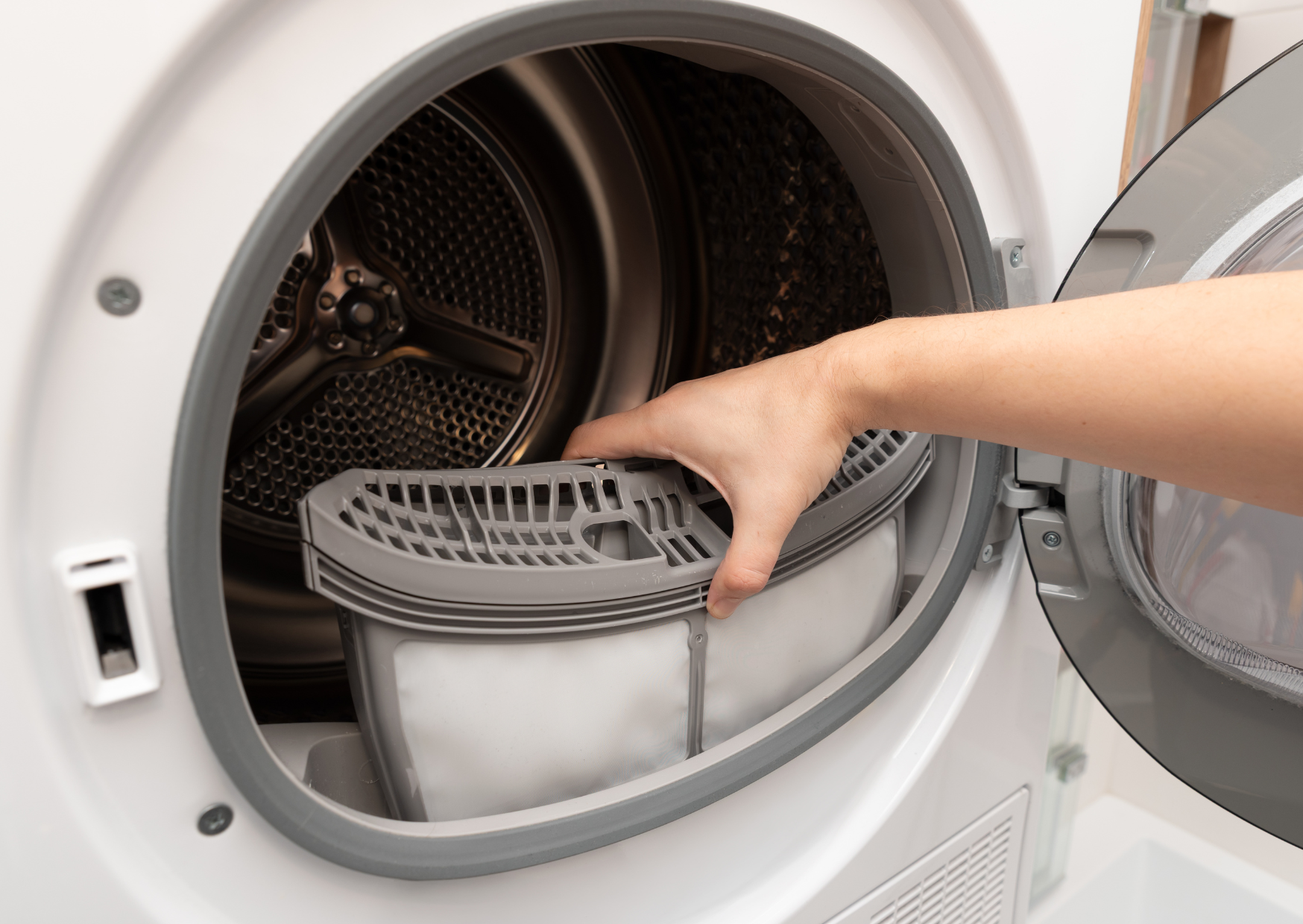
The dryer was never just a machine.
In the U.S., it felt like part of the architecture of adulthood. Wash, dry, fold, repeat. Clean clothes came out warm, finished, and ready to leave the house without argument. The whole thing felt efficient in the way a lot of American domestic life feels efficient right up until the bill arrives.
Then I moved to Spain and stopped using one.
Not because somebody gave me a lecture about Europe. Not because I suddenly became a linen-shirt purist who enjoys watching socks flap in a courtyard breeze. I stopped because the apartment, the weather, the rhythm of life, and the basic logic of laundry all made the dryer feel weirdly unnecessary. And once it disappeared from the week, something else disappeared with it.
A chunk of the electric bill.
Now my monthly electricity bill sits around €38.
That sounds suspicious to Americans, which I understand. The latest official household panel from Spain’s CNMC put the average household electricity spend at €47.8 a month, and that was already for a pretty ordinary baseline, not some giant villa with three chest freezers and a moral allergy to opening blinds. So yes, €38 is below average. It is also completely plausible for a small, low-consumption household in Spain that does not lean on a dryer.
That is the real story.
Not “Europe has cheap electricity.”
More like: a lot of American appliance habits are really climate-and-housing habits in disguise, and when those habits fall away, the bill changes faster than people expect.
The Dryer Was Solving An American Problem, Not A Universal One
This took me longer to understand than it should have.
In the U.S., the dryer feels normal because so much of life is set up to make it normal. Bigger homes. Bigger loads. Bigger weekly laundry cycles. More all-at-once domestic management. More dependence on indoor systems that smooth out weather, time pressure, and the need to keep life moving fast. The dryer sits inside that whole ecosystem and starts feeling inevitable.
Spain did not treat it that way.
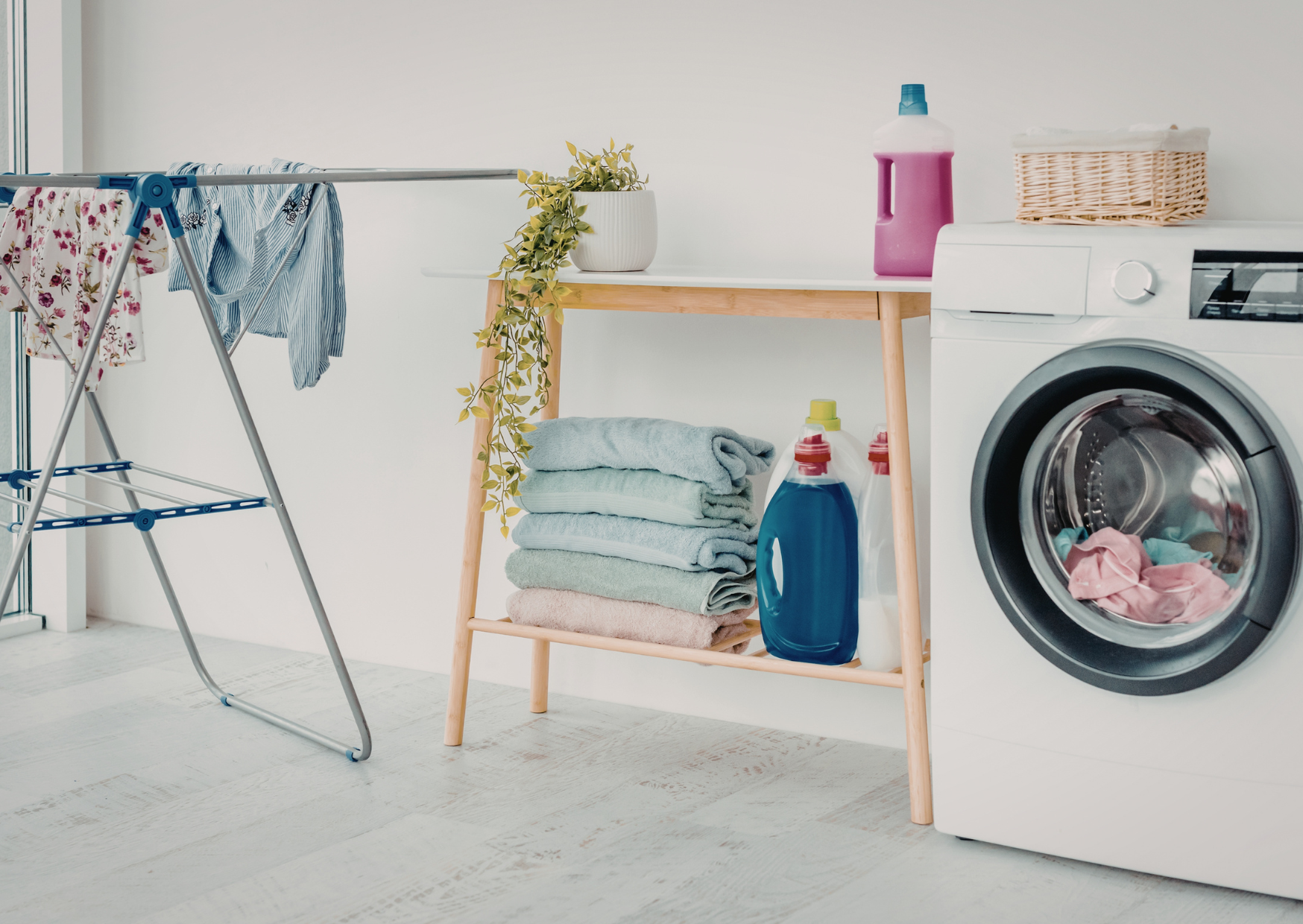
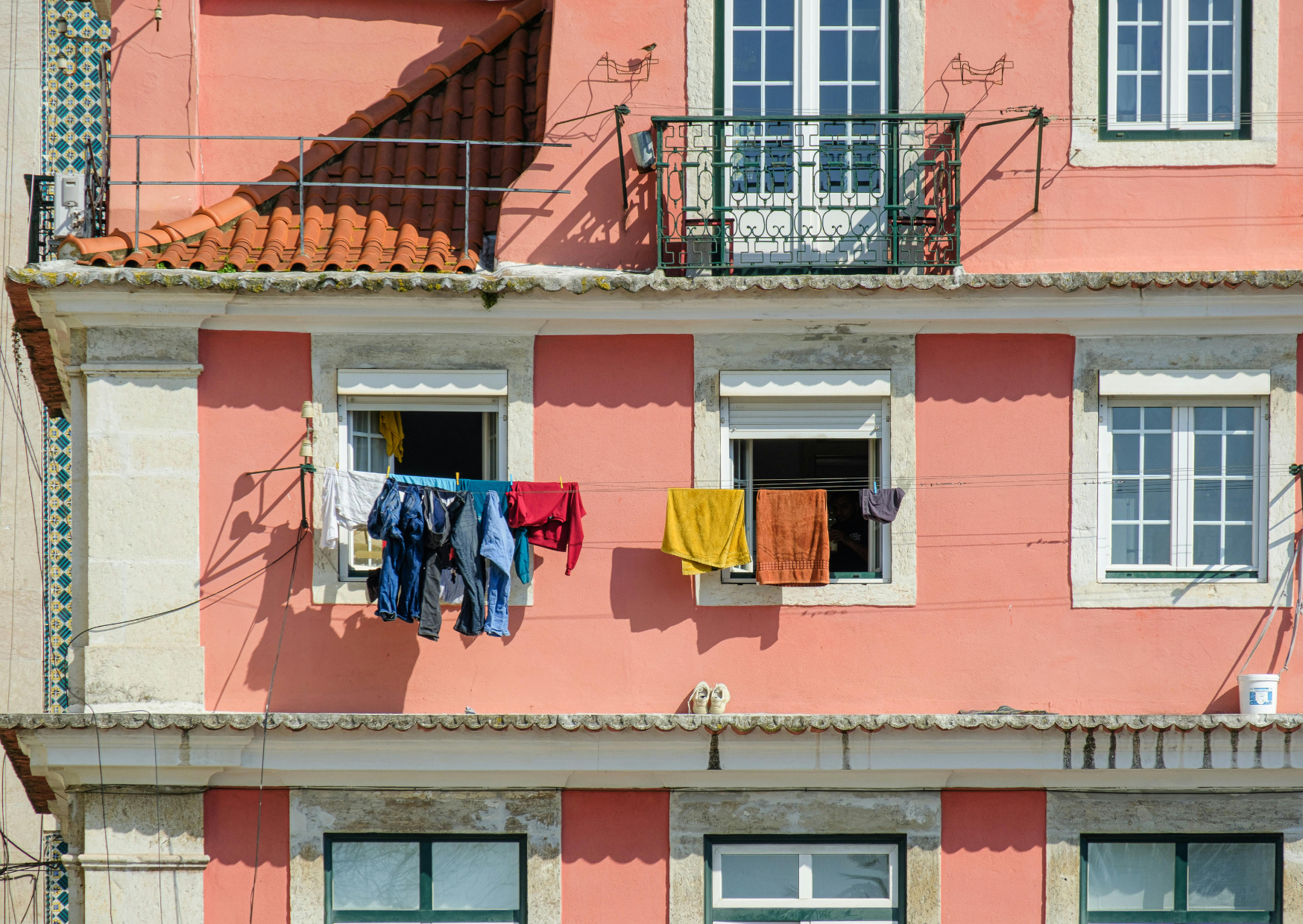
The first surprise was not that people owned dryers less often in the dramatic cinematic sense. It was that many households simply did not organize laundry around one. Clotheslines, indoor racks, balconies, windows, utility patios, folding racks in spare rooms, all of that still felt integrated into ordinary life instead of coded as inconvenience. The dryer was not the default ending of every wash cycle. It was one option among others, and often not the most natural one.
That changes the math before you even start looking at a bill.
Because once the dryer stops being mandatory, your home stops carrying one of the hungrier appliances in the household. OCU’s appliance-consumption guidance is very blunt about this: the dryer is one of the highest electricity consumers in the home, and in its testing a typical cycle can sit around 2 kWh, while more efficient machines are closer to 1.2 kWh. On a routine of several uses a week, that adds up quickly.
The important point is not that dryers are evil.
It is that they are expensive enough to matter, and in Spain a lot of people are simply less committed to needing one every time they wash clothes.
My €38 Bill Is Low, But It Is Not Magic
This is where Americans often imagine there must be a hidden trick.
Maybe I never use air conditioning.
Maybe I live in monk-like darkness.
Maybe I am not counting fees, taxes, or the actual bill the way a utility would.
No.
The better explanation is boring.
A small home.
A modest contracted power level.
No dryer.
And a weekly rhythm that does not keep pushing every domestic task toward the most electricity-intensive version of itself.
That is all.
Spain’s CNMC household panel showed the average monthly electricity spend at €47.8, so the gap between the average household and my €38 bill is only about €9.80 a month. That is exactly why the story is believable. I am not claiming to pay €12. I am claiming to sit a bit below the national household average by using less power in one of the easiest places to cut it.
Actually, this is one reason the title works so well.
The savings are not heroic.
They are structural.
You remove an appliance that uses meaningful electricity, in a country where many households already treat air-drying as normal, and the bill stops trying to prove a point every month.
That is not mythology.
That is just what happens when a category of consumption disappears.
The Dryer Cost More Than The Electricity
This is the part Americans often miss when they think about home energy.
The dryer did not only use power.
It encouraged a whole style of domestic life.
Bigger loads. Fewer washes. Faster turnover. More “do it all now” behavior. More heat, more noise, more one-button convenience that made sense in an American week built around rushing, driving, batching, and getting every household task out of the way before work claimed the next day.
Spain nudged me into something smaller.
Wash a little.
Hang a little.
Fold tomorrow.
Use the rack.
Use the balcony.
Open the window.
Let the day do part of the work.
That sounds suspiciously poetic until you realize it is also practical. A different housing rhythm changes what counts as finished laundry. Clothes do not need to emerge hot and instantly wearable from a machine because the whole weekly schedule is less likely to demand that level of industrial readiness from every T-shirt.
And once that changes, the appliance starts feeling less like freedom and more like an optional shortcut with a monthly cost attached.
That is what really happened.
I did not become a better person.
I just stopped treating “machine-finished clothing by tonight” as the only acceptable end state of a wash cycle.
The Bill Also Fell Because Spain Makes Smaller Electrical Lives Easier
This is where the article gets less romantic and more technical.
Spain’s electricity bill is not only about how much energy you consume. The contracted power matters too, because part of the bill is fixed. That is one reason so many households overpay without noticing. CNMC’s household panel found that 63% of Spanish households had more power contracted than they actually needed in peak hours, and the share was even higher in off-peak hours.
That is a useful fact because it explains why some bills feel inflated even before usage starts climbing.
If your home is set up sensibly and you are not trying to run half a hotel from one flat, you can often live perfectly well without carrying more contracted power than your life actually needs. A dryer matters here too. The more high-demand appliances you insist on treating as routine, the more likely you are to justify a fatter fixed setup and the more easily the whole bill starts drifting upward.
This is another way Spain changed the calculation.
A dryer-free laundry rhythm makes a lower-consumption home easier to sustain.
And a lower-consumption home makes a lower bill feel normal rather than aspirational.
That is a much better domestic system.
Not because it is austere.
Because it is proportionate.
Americans Think The Dryer Is About Clean Clothes. It Is Usually About Time Pressure.
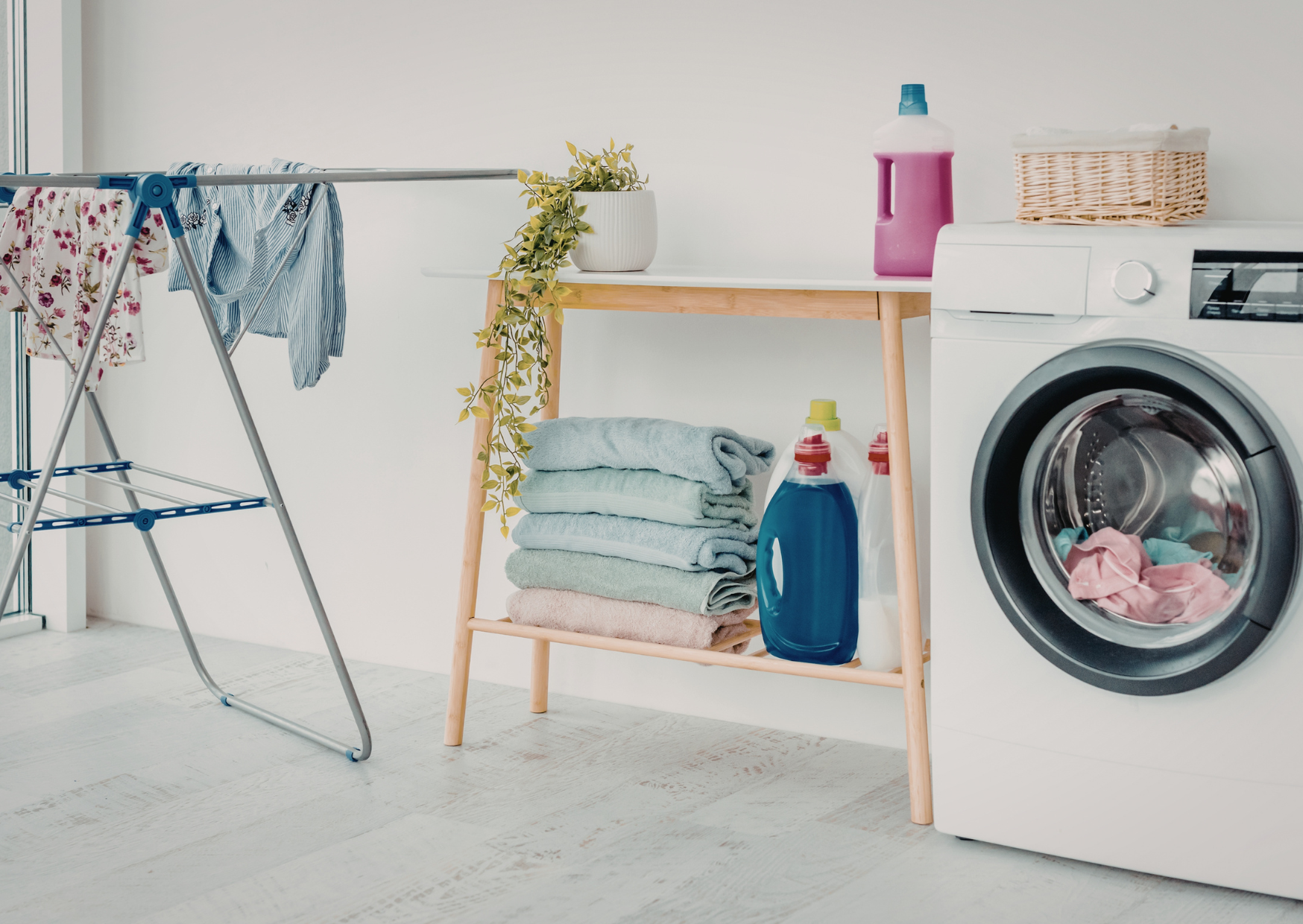
This may be the sharpest distinction in the article.
The dryer is often treated as a cleanliness appliance.
It is really a time appliance.
It solves urgency.
It solves weather fear.
It solves “I need these clothes now.”
It solves a household rhythm that keeps asking every process to finish inside a very tight daily schedule.
That is why it is so revealing when it disappears in Spain.
Once life becomes a little less compressed, the dryer loses some of its authority. Not all of it. In winter, in damp apartments, with sheets, towels, children, allergies, or long rainy stretches, some people will still want one badly. Fair enough. But for a lot of routine loads, the urgency just drops. Clothes can dry on a rack. Shirts can hang. Towels can wait. The apartment and the day can absorb the process.
That change is not only about weather.
It is about a whole different negotiation with time.
And yes, this is one of those Europe-vs-America things that sounds soft until the budget enters the room. Then it gets very concrete. A home that asks less electricity of the same ordinary habits is simply cheaper to run.
The dryer was never only drying clothes.
It was converting time pressure into kilowatt-hours.
The Savings Are Real, But They Are Smaller Than People Expect
This is where balance matters.
Stopping dryer use did not cut my electricity bill in half.
It shaved it down.
And that is enough.
If OCU’s measured dryer use sits around 1.2 to 2 kWh per cycle, then a household using the dryer three or four times a week can easily rack up dozens of extra kWh a month just on that one appliance. Depending on tariff, taxes, and the rest of the bill structure, that can translate into a noticeable monthly bump. Not a national scandal. Still very worth removing if you no longer need the machine as part of your default life.
That is why my €38 bill should be read properly.
Not as “Spain has no energy costs.”
Not as “stop using your dryer and everything changes.”
More like this:
when a high-consumption appliance stops being routine, a normal bill becomes a bit less annoying every single month.
That is already a meaningful win.
A lot of household savings are exactly that. Not cinematic. Repetitive. Structural. The kind of change that feels small until it has been happening for a year.
Spain Did Not Make Me Frugal. It Made Air-Drying Normal.
This is another important distinction.
The move did not work because I suddenly became more disciplined than Americans are.
It worked because the surrounding culture made a different choice feel ordinary.
That matters more than people think.
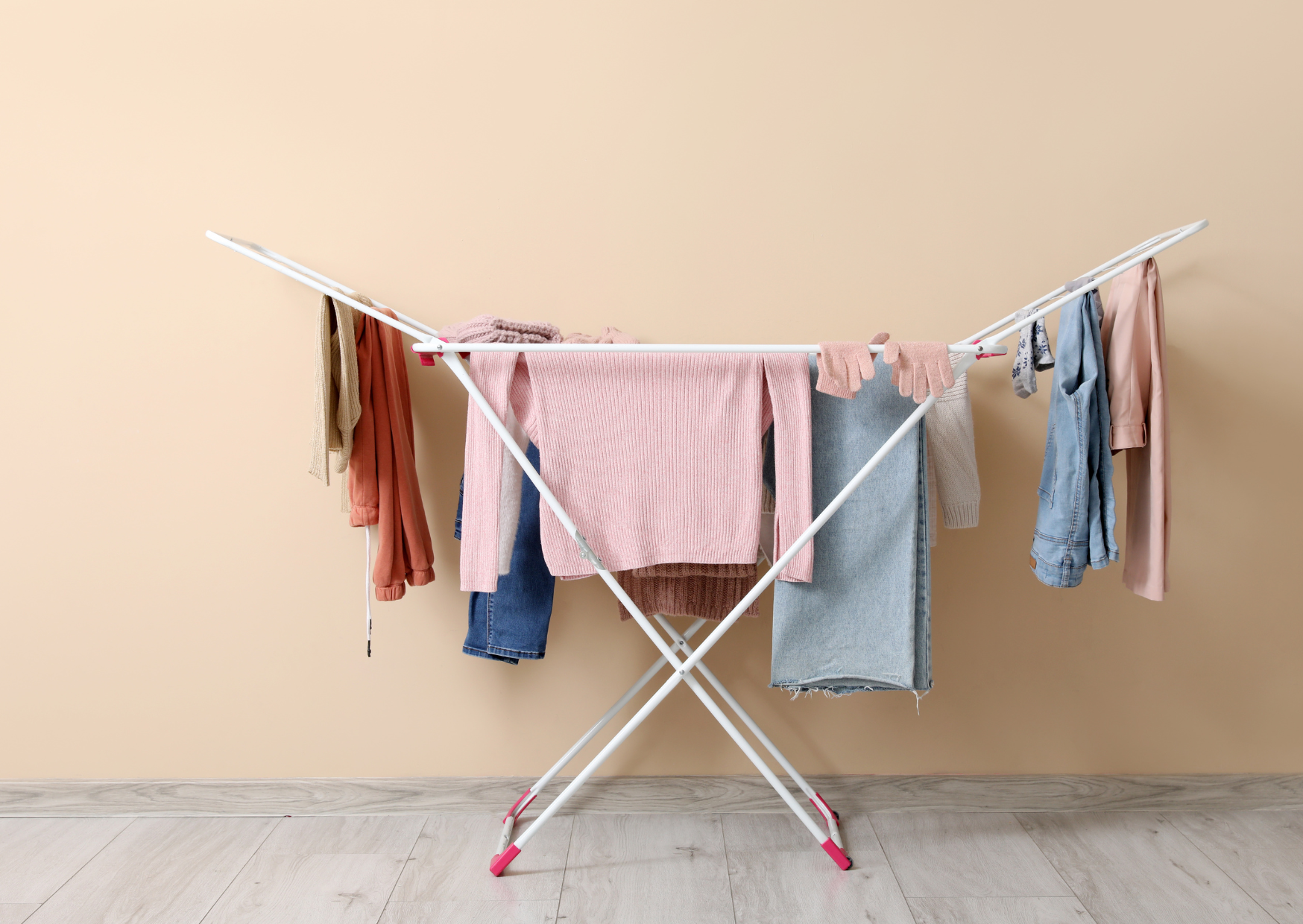
If the whole environment treats drying racks, balconies, utility patios, and line drying as normal, then not using a dryer does not feel like sacrifice. It feels like laundry. You stop narrating the choice to yourself. It becomes background. And once a saving moves into the background, it becomes sustainable.
That is why so many “frugal living” tips fail in practice. They depend on constant self-awareness and low-grade self-denial. A dryer-free life in Spain does not need that much effort because it is already socially legible. The infrastructure of the home and the habits around you are doing some of the work.
This is why moving countries can change bills in ways that are bigger than price. The environment changes what feels normal enough to repeat.
And repetition is where the money lives.
The First Month You Try This, The House Feels Different
This is the part I did not expect.
Without the dryer, the home itself changes rhythm.
A rack appears.
Windows matter differently.
Sunlight matters differently.
Laundry stops being one sealed-off machine process and becomes one more visible household thing happening in the room. That sounds slightly annoying, and yes, sometimes it is. The apartment becomes more honest about what daily life actually involves.
But honesty can be cheaper than convenience.
And once I got used to the rack in the room or the clothes outside, the dryer started feeling oddly overbuilt for what I actually needed. Especially in a place where the weather and the housing pattern already gave me other ways to solve the problem.
This is where Americans often assume Europe is romanticizing inconvenience.
I do not think that is quite right.
It is more that Europe sometimes refuses to spend machine energy solving a problem that can be solved by time, air, and a folding rack.
That is a very different instinct.
And it can be a financially useful one.
What To Check Before You Turn This Into A Lifestyle Slogan
Do not make this a morality story.
That is the fastest way to misunderstand it.
The useful question is not, “Should everyone stop using the dryer?”
It is, does your current home and routine make the dryer necessary, or merely familiar?
If you are moving to Spain, check these first:
How small is the flat?
What is the contracted power?
Do you have outdoor space, a patio, or even decent indoor drying room?
What does the local weather actually do in the month you are arriving?
How many loads are you really washing?
How often are you using the dryer now because of weather, and how often because you are in a hurry?
Those questions matter more than any cultural cliché.
A few blunt rules help:
- treat the dryer as a time-cost appliance, not just a laundry appliance
- remember that low bills are often made of small structural decisions
- check contracted power, not only usage
- do not confuse a below-average bill with an impossible one
- build the home rhythm before judging the appliance
That last point matters.
A dryer-free life works when the home and the week can hold it.
My €38 Bill Is Not The Story. The Missing Appliance Is.
That is the honest ending.
The bill is nice.
But the bill is not the deepest change.
The deeper change is that Spain made me realize the dryer had been solving a very specific kind of American domestic urgency, and once that urgency was gone, the machine started looking less like an essential appliance and more like an expensive habit.
That is why the bill fell.
Not because Spain has magical electrons.
Not because I became virtuous.
Because one of the hungrier appliances in the home stopped being part of my routine, and the rest of the household structure finally made that feel normal.
A lot of American utility pain is like that.
It is not only about tariff levels.
It is about which habits have been promoted to “obvious” even when they are really just local answers to local pressures.
Move those pressures around, and the bill changes.
That is what happened here.
And yes, €38 is real.
What sounds stranger, once you live with it for a while, is how normal the dryer used to seem.

About the Author: Ruben, co-founder of Gamintraveler.com since 2014, is a seasoned traveler from Spain who has explored over 100 countries since 2009. Known for his extensive travel adventures across South America, Europe, the US, Australia, New Zealand, Asia, and Africa, Ruben combines his passion for adventurous yet sustainable living with his love for cycling, highlighted by his remarkable 5-month bicycle journey from Spain to Norway. He currently resides in Spain, where he continues sharing his travel experiences with his partner, Rachel, and their son, Han.