
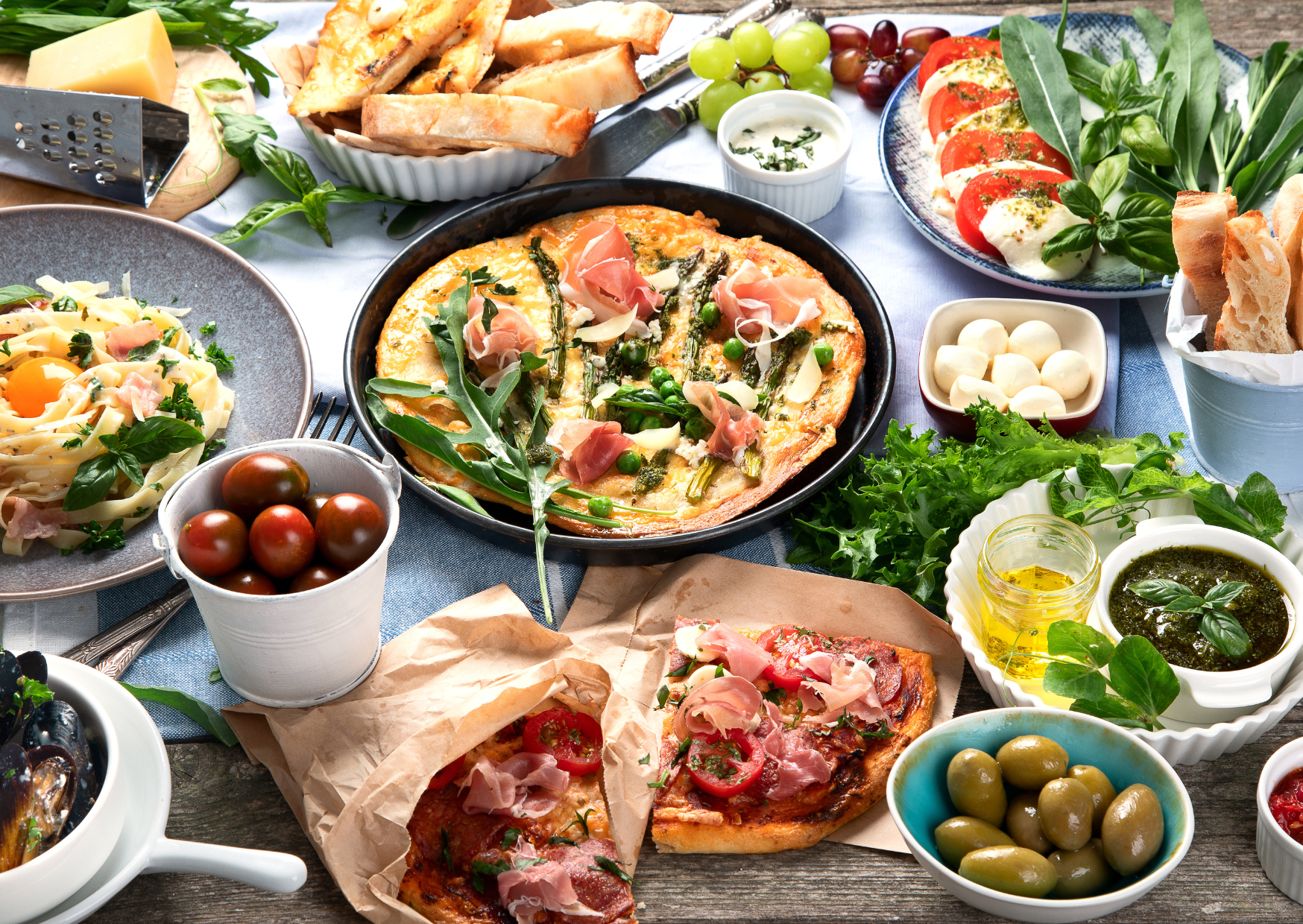
The first thing that struck me was not the food.
It was the length.
Not the official length of the holiday weekend. The emotional length. The amount of time the day was apparently allowed to take up. In a lot of American holidays, the meal is the event. You cook, drive, host, clean, refill drinks, talk in fragments, maybe manage one meaningful conversation between oven timing and somebody needing ice.
Then it is over.
In Italy, Easter often feels as if the meal is only the center beam of a much bigger structure. There is the preparation before it, the family choreography around it, the old dishes that reappear because this is the one week they are meant to reappear, the visit, the waiting, the cousins, the grandparents, the argument about timing, the coffee after lunch, the second dessert nobody needed, the children drifting in and out, the next day’s outing already hovering on the edge of the table.
That is what hit me.
Not that Italians celebrate harder.
That they celebrate more fully.
And once you sit inside that for long enough, a lot of American holidays start to feel like they have been reduced to logistics and branding. The table looks good. The photos are fine. The calendar says the right thing happened. But the emotional center is oddly thin.
Italian Easter is not thin.
It is crowded, slow, specific, and unapologetically repetitive in the way real traditions usually are.
That is why it lingers.
Easter In Italy Still Feels Like Something The Family Is Obliged To Mean
A lot of modern holidays survive mainly because people are sentimental enough to keep showing up.
Italian Easter often feels older than sentiment.
There is still a sense that this is a day with shape, and the shape has been inherited rather than invented by social media and supermarket displays. Official Italian tourism material still presents Easter as a patchwork of rites, processions, regional foods, Easter Monday outings, and family customs tied to territory and memory. That sounds broad, but it matters. The holiday still belongs to households, parishes, neighborhoods, and regions all at once, which makes it feel less like a lifestyle choice and more like a season the country actually enters.
That changes the table immediately.
When people think they are maintaining a real thing rather than inventing a pleasant seasonal performance, the day has more gravity. The lunch is not only lunch. It is where old dishes return, old roles return, old jokes return, old arguments return, and old hierarchies return too, sometimes a little too enthusiastically.
Good.
That is part of what makes it feel real.
A lot of American holidays now operate like temporary lifestyle sets. There is a menu, there are decor cues, there is usually some pressure to make the day “special,” but the underlying ritual skeleton is weaker. The event can start feeling decorative even when the feelings in the room are sincere.
Italian Easter does not have that problem as often because the day already knows what it is.
The people are not making up the meaning from scratch every year.
They are entering something already waiting for them.
The Meal Is Not Trying To Be Efficient
This is one of the hardest differences to explain to Americans because efficiency now feels so morally respectable in the United States.
A meal that runs on time. A tidy kitchen. Good hosting. Minimal chaos. A clear start and finish. A successful day.
Italian Easter lunch often takes the opposite route.
Not incompetence.
Amplitude.
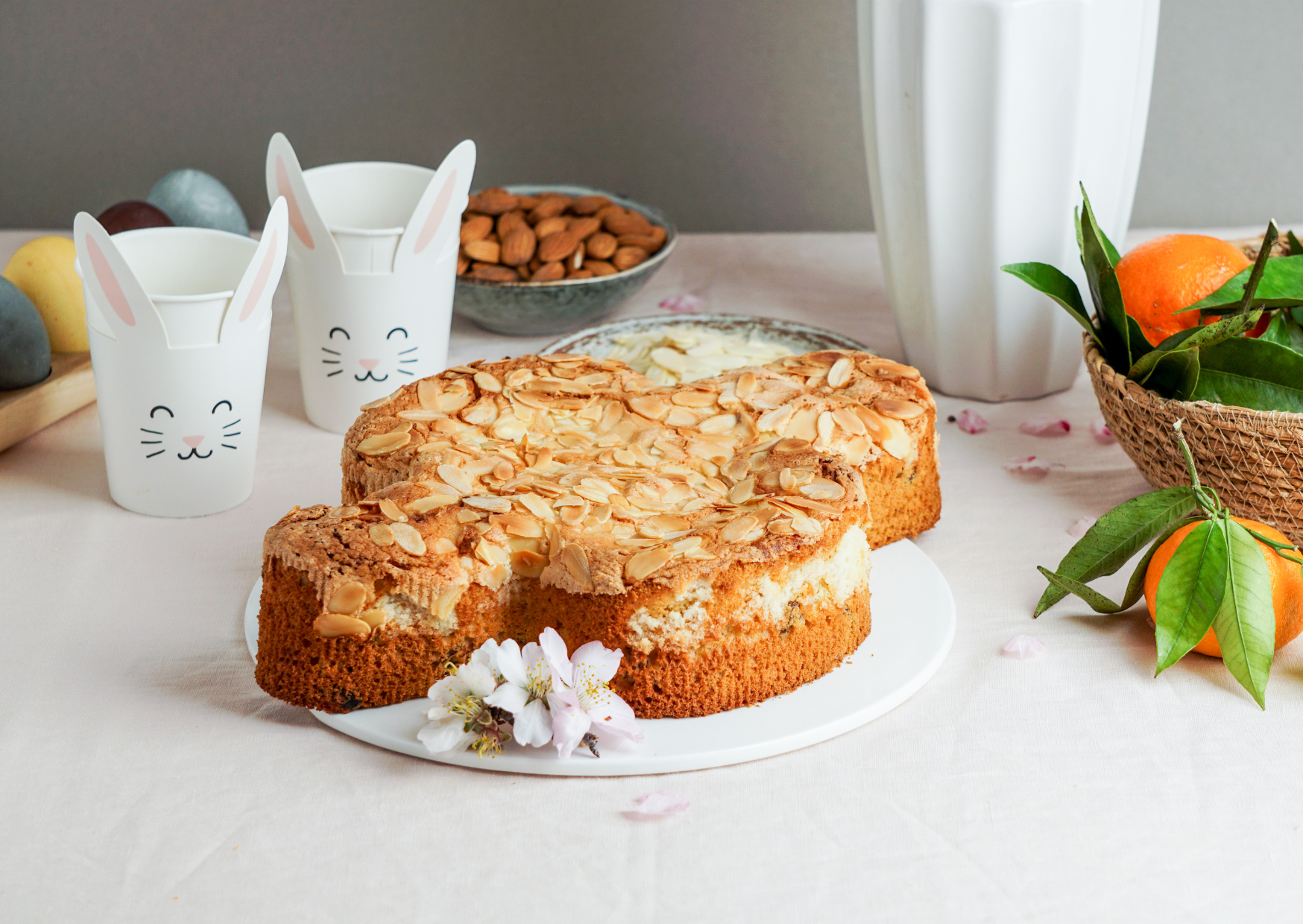
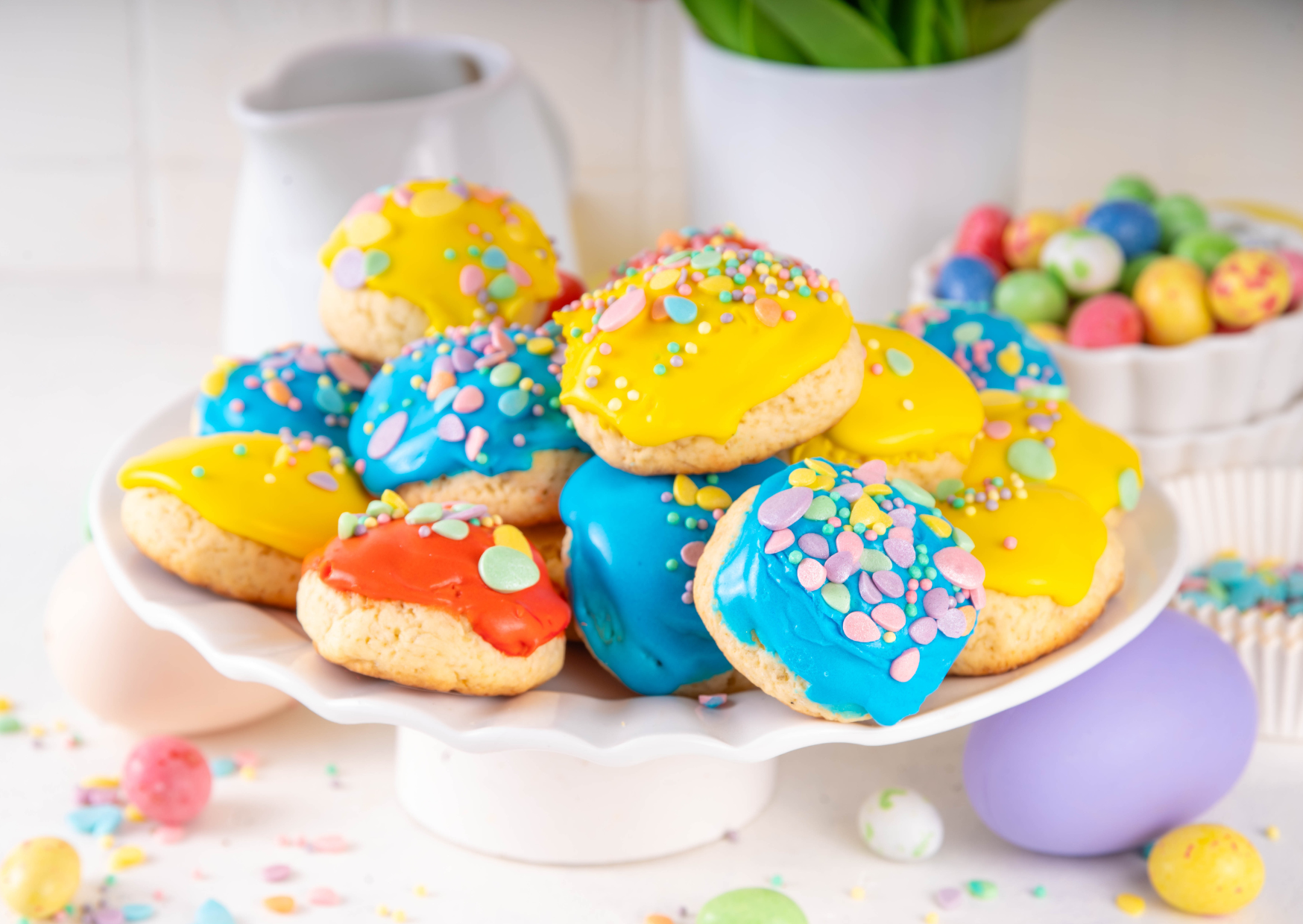
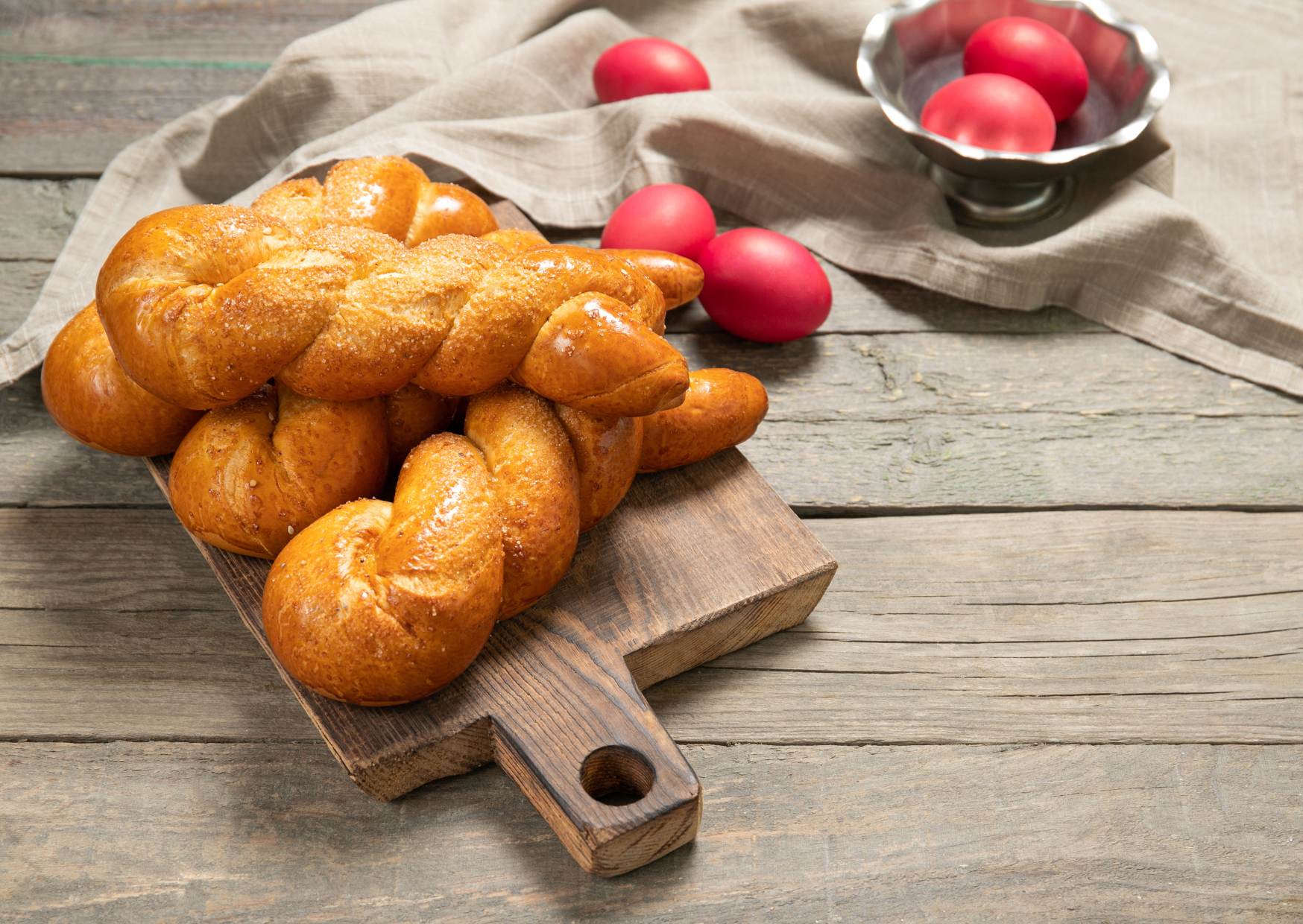
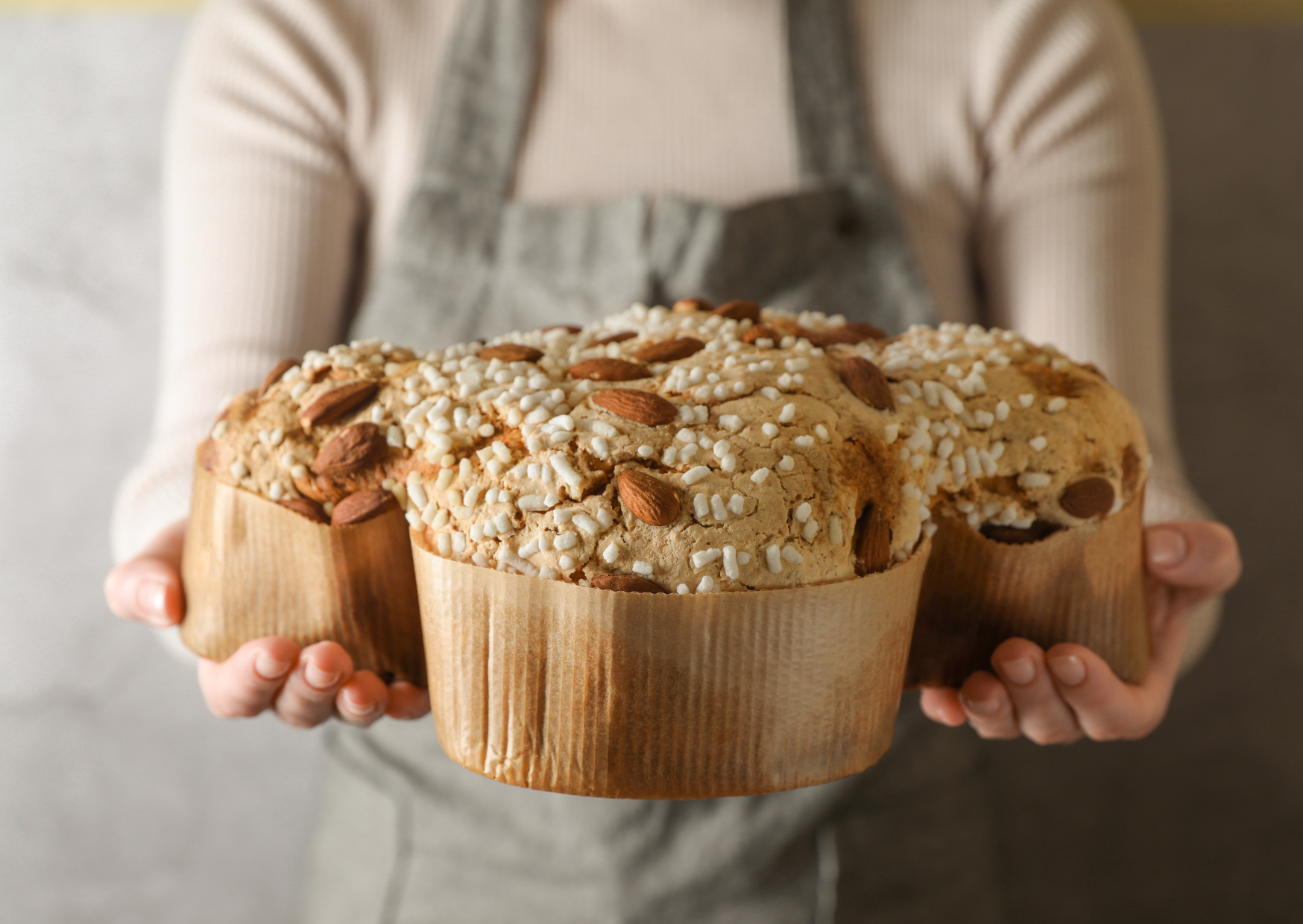
The meal expands because nobody is trying especially hard to keep it compact. There may be antipasti, then pasta, then lamb or another main, then vegetables, then cheese, then colomba, then pastiera in some houses, then coffee, then small glasses, then the odd second wind of conversation that shows up only after everyone should logically be done eating. Official Italy tourism pages are almost casual about this abundance, listing Easter foods across the country in a way that makes it clear the holiday table is supposed to be richer and more layered than usual. Pastiera, casatiello, torta pasqualina, colomba pasquale, regional breads, savory pies, lamb, eggs, and desserts all belong to the landscape.
The key point is not culinary variety for its own sake.
It is that the meal is allowed to occupy the afternoon.
That sounds almost trivial until you compare it to the American version of celebration, where meals are often built around scheduling pressure. Somebody has a long drive back. Somebody has work the next day. Somebody wants the table cleared. Somebody is already standing while still eating. The meal has a closing mechanism built into it from the start.
Italian Easter lunch often resists closure.
Not endlessly. Not in some romantic film way where everyone is a perfect conversationalist with excellent cheekbones. Real families are noisier and less photogenic than that. Still, the meal is not in a hurry to stop being the center of the day.
That makes it feel less consumable and more inhabited.
And that difference changes everything.
The Food Carries Memory Better Than American Holiday Food Usually Does
American holidays have good dishes.
That is not the issue.
The issue is that many of them now function as familiar menu items rather than as deep carriers of region, season, and family memory. Ham at Easter is fine. Deviled eggs are fine. A coconut cake can be excellent. But much of the American holiday table feels transferable. It can appear anywhere, from almost any grocery store supply chain, without losing much of its identity.
Italian Easter food is often less portable than that.
That makes it more alive.
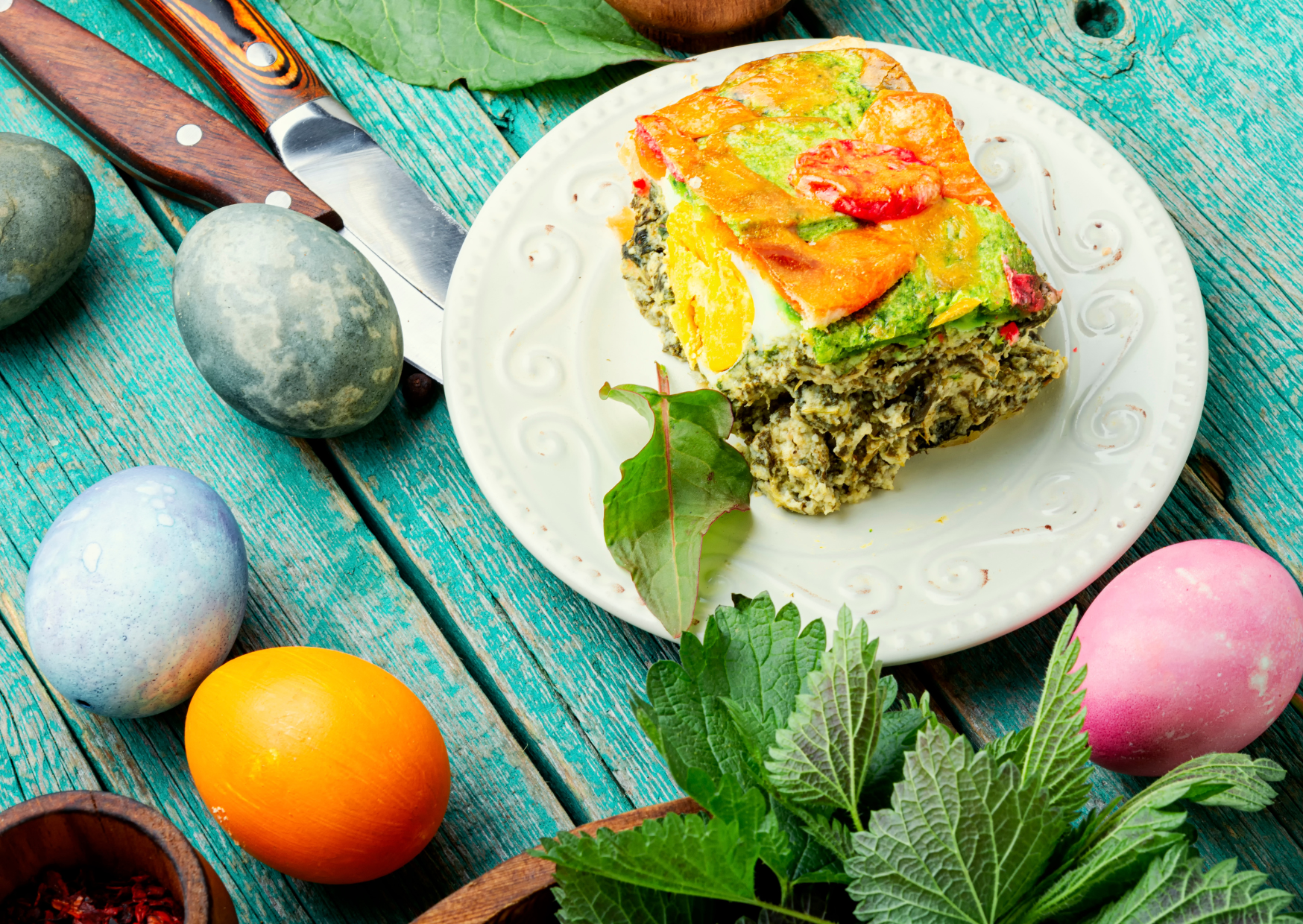
A Neapolitan pastiera does not feel like generic dessert. It feels tied to Naples, to spring, to ricotta, wheat, citrus, and the fact that some family somewhere has already started arguing about who makes it properly. Casatiello does not behave like a polite dinner bread. It behaves like a declaration. Torta pasqualina from Liguria, with its greens, eggs, and layers, still feels tethered to a place and a season rather than to a broad “holiday brunch” category. Colomba, for all its industrial supermarket versions, still lands on the table as something recognizably Easter in a specifically Italian way.
And then there is the emotional effect of repetition.
These foods come back every year whether anyone needs novelty or not.
Actually, that is the point. They are not there to surprise anyone.
They are there to confirm that the holiday has arrived in the proper form.
A lot of Americans have lost patience with that kind of repetition. There is a constant urge to refresh, lighten, modernize, simplify, fusion-ize, brunch-ify, or otherwise make every old dish explain itself to the current decade.
Italian Easter food still gets to be stubborn.
That stubbornness reads as depth.
When a dish survives because the family insists on it rather than because the internet rediscovered it, the dish carries more than flavor. It carries instruction. It tells younger people what this day looked like before them, and what it is expected to keep looking like after them.
That is a powerful thing to put on a plate.
The Real Difference Is What Happens After Lunch
This is where the American holiday starts losing badly.
It is not only the food.
It is what the day permits after the food.
In many Italian Easter households, lunch does not end the celebration. It spills into the rest of the afternoon, and then Easter Monday, Pasquetta, arrives with its own logic. Official tourism material still frames Pasquetta around outings, picnics, nature, friends, barbecues, fairs, and shared time outside, which tells you a lot about how the holiday expands beyond one formal meal. It is not only Easter Sunday and done. The weekend has a social second act.
That second act matters more than people realize.
American holidays often feel hollow because they are compressed into one stressed center point. The meal has to carry almost all the emotional weight. The travel, the hosting burden, the cleanup, the expectations, the strained conversation, the dessert, the family tension, the “specialness,” all of it gets pushed onto a few hours and then collapses.
Italian Easter has more breathing room.
Sunday is not trying to do every job.
Monday is still alive.
The family can gather formally and then gather casually. The table can matter and the outing can matter. The grandmother’s dish can matter and the walk in the countryside can matter. There is room for ritual and then relief.
That is healthier.
Not always easier, because extended family time can turn irritating in any language. But healthier in the sense that the holiday does not demand that one perfect lunch redeem an entire modern life.
It spreads itself out.
And when a holiday spreads itself out, people can actually live inside it instead of merely executing it.
Italian Families Still Seem To Understand That A Holiday Is A Temporary World
This is where the feeling of hollowness really comes from.
American holidays often sit on top of normal life like themed overlays. You keep much of the normal tempo and add a festive menu, a few symbols, maybe church, maybe travel, maybe an egg hunt, maybe some flowers from the supermarket, and then you go back to regular programming. The structure of life has not moved very much. The holiday floats on top of it.
Italian Easter often feels as if the structure of life itself shifts for a few days.
The food changes. The social expectations change. Religious events may change the streets. The next day’s outing changes. Bakery windows change. Conversation changes. The sense of what the weekend is for changes. Official Easter coverage in Italy is full of processions, regional rites, Easter lunch traditions, local fairs, and Pasquetta destinations precisely because the holiday still has public and domestic width.
That is what a real holiday used to do.
It created a temporary world with its own rules.
American life is now so flattened by convenience, constant work pressure, and general calendar exhaustion that many holidays no longer manage that trick. They are observed, but not entered. You can feel the difference in your body. The day looks marked, but it does not feel transformed.
Italian families still seem more willing to let Easter be intrusive.
It interrupts schedules.
It takes over kitchens.
It tells people where they are supposed to be.
It brings back dishes nobody would make on a random Wednesday.
It gives Monday a social identity.
It may even require formal clothes, churches, visits, or travel that feel faintly unreasonable to a modern efficiency-trained mind.
Exactly.
That is partly why it works.
A holiday that asks nothing eventually means very little.
The Hollow Part Of American Holidays Is Not Emotional Sincerity
Let me correct something before this turns into a cheap Europe-good America-bad sermon.
American families can be deeply loving, generous, funny, and emotionally sincere on holidays.
That is not in question.
The hollowness is not about the people feeling less.
It is about the structure holding less.
That distinction matters.
People in the United States may care intensely about one another and still find themselves participating in holidays that feel rushed, standardized, thinly ritualized, or weirdly emptied out by convenience. A very heartfelt meal can still take place inside a holiday structure that no longer has much cultural depth behind it.
Italian Easter benefits from having more inherited scaffolding.
That scaffolding is sometimes religious, sometimes regional, sometimes culinary, sometimes social. But it gives the day more resistance. The holiday does not become whatever is easiest to arrange around everybody’s work calendar and available parking.
Actually, parking is a good symbol here.
A lot of American celebration has been physically reorganized around driving, logistics, and private-space convenience. Holidays have become more domestic in a sealed-off way. You arrive, you unload, you sit, you eat, you leave. Public life often contributes very little. Streets do not join. Squares do not join. Neighborhood rituals rarely join. The house has to do almost everything.
In Italy, Easter often still leaks into public space and back again. The church, the bakery, the piazza, the outing, the family apartment, the aunt’s lunch, the Monday countryside plan, they all help hold the holiday up.
That makes the day feel thicker.
And once you experience that thickness, the thinner version back home starts to show itself more clearly.
The Best Part Is That Nobody Seems To Be Performing Meaning
This may be the part I liked most.
Italian families, at least the ones worth watching, are not usually narrating the significance of the day while they live it. They are not giving TED Talks about togetherness. They are not posting little essays about gratitude while the lamb rests. They are not trying to prove that tradition matters. They are just doing the tradition, sometimes joyfully, sometimes irritably, sometimes with real faith, sometimes mainly because this is what Easter is and there would be social consequences if they tried to get cute about it.
That is much more convincing than modern holiday self-consciousness.
A lot of American celebrations now suffer from meaning performance. The event is forever trying to announce that it is meaningful, which usually means the underlying structure is weak and everybody knows it. When people have to keep talking about how special the day is, the day is often struggling to feel special on its own.
Italian Easter has more confidence than that.
The confidence comes from repetition, food memory, religious residue, and family expectation. The day is not constantly advertising itself. It is simply unfolding in the form everybody already understands. A lunch. A cake. A pie. A roast. A visit. A procession in some places. A Monday outing. A yearly sequence that belongs to the house and the region whether or not anyone is in the mood to explain it to outsiders.
That makes it feel secure.
And secure holidays usually feel fuller than curated ones.
What American Holidays Could Steal Without Becoming Fake
Not everything.
Nobody needs to start cosplaying an Italian grandmother in a suburban split-level and calling it cultural growth.
But there are things American holidays could borrow usefully.
More repetition. Keep one or two dishes so fixed that they become part of the family’s seasonal memory instead of reinventing the menu every year.
A longer arc. Let the holiday include an afterlife, whether that is a Monday walk, a second lunch, coffee that drags on, or another low-pressure family gathering.
Less decorative sugar, more real baking. One serious pie, bread, or cake tied to the season does more emotional work than a whole table of themed desserts trying to prove spring exists.
More public life. Walk after lunch. Go somewhere together. Let the day leave the house and then return to it.
More time without entertainment. Stop trying to fill every silence with games, screens, or planned activity. Some of the density of Italian Easter comes from people simply staying in each other’s company long enough for the day to deepen.
That last one is probably the hardest.
It is also the most valuable.
The thing Italian families seem to understand is that a holiday cannot become vivid if nobody gives it time to settle into the room. It needs drag. It needs duration. It needs an occasional lull where the meal has ended but the day has not.
That is where memory starts forming.
And that, more than any one dish, is why American holidays can feel hollow by comparison.
Not because they are fake.
Because they are often over-managed, under-built, and over too quickly.

About the Author: Ruben, co-founder of Gamintraveler.com since 2014, is a seasoned traveler from Spain who has explored over 100 countries since 2009. Known for his extensive travel adventures across South America, Europe, the US, Australia, New Zealand, Asia, and Africa, Ruben combines his passion for adventurous yet sustainable living with his love for cycling, highlighted by his remarkable 5-month bicycle journey from Spain to Norway. He currently resides in Spain, where he continues sharing his travel experiences with his partner, Rachel, and their son, Han.