
What’s Going On Here?
Paris is romanticized everywhere films, literature, social media. Americans arrive expecting a laid-back city of cafés, only to discover certain etiquette rules can feel strict or downright uptight. But to Parisians, these customs are simple courtesy, not snobbery. Below are eight such rules that Americans often find rigid, with a quick look at how locals interpret them. Master these, and you’ll shed the “clueless tourist” vibe embracing the city’s refined social code instead of clashing with it.
Hungry for More Cultural Insights?
– 7 Ways You’re Insulting Europeans Without Even Realizing It
– 9 Euro Customs That Are Total Tourist Traps
Quick Easy Tips
Always say bonjour before asking a question in a shop, café, hotel, or any small business setting. That one habit matters more than most travelers realize.
Keep your voice lower than you normally would in restaurants, public transport, and indoor public places. Paris often feels more comfortable when your presence is less noisy.
Do not rush straight into requests. Start politely, pause, and let the interaction breathe for a moment before asking for what you need.
Avoid treating service staff like they are there to perform friendliness. Be courteous, clear, and patient instead of expecting constant smiling and check-ins.
Pay attention to shared space. Move carefully on sidewalks, keep bags under control, and avoid blocking entrances, counters, and narrow walkways.
One of the biggest misunderstandings about etiquette in Paris is the belief that formality automatically means coldness. Many Americans arrive expecting warmth to look casual, fast, and openly friendly. In Paris, respect often shows up differently. It can sound more restrained, look more structured, and feel less eager. That difference leads many visitors to label ordinary politeness as stiffness when it is really a different social language.
Another point of friction is the expectation of immediate friendliness in service settings. In many American cities, waiters, shop staff, and reception workers are trained to be visibly upbeat, highly available, and conversational. In Paris, service can feel more reserved because the goal is not always emotional performance. Locals often do not need constant reassurance or friendliness packaged as enthusiasm. They simply want competence, courtesy, and mutual respect.
Greetings are another area where Americans often misread the culture. In Paris, beginning an interaction without saying bonjour can instantly make a person seem abrupt or rude, even if nothing else they say is offensive. To many Americans, jumping straight to the question feels efficient. To Parisians, it can feel like treating a person as a function instead of a human being. That one small moment reveals a much larger cultural divide.
Volume and public behavior also become flashpoints. Americans often come from a social culture that tolerates loudness as confidence, openness, or excitement. In Paris, especially in smaller cafés, shops, public transport, and residential streets, loud behavior can read as intrusive. This is not just about sound. It reflects a broader belief that sharing public space requires restraint and awareness of others.
Perhaps the most controversial truth is that Paris etiquette often exposes how much travelers expect the world to adjust to them. When people call these rules uptight, what they sometimes mean is that they resent needing to adapt. But etiquette is rarely just about rules for the sake of rules. It is about rhythm, respect, and learning how another society defines good behavior. That can be uncomfortable, but it is also part of real travel.
1. Always Say “Bonjour” and “Bonsoir” (Yes, Even to Shopkeepers)
Why Americans Think It’s Uptight
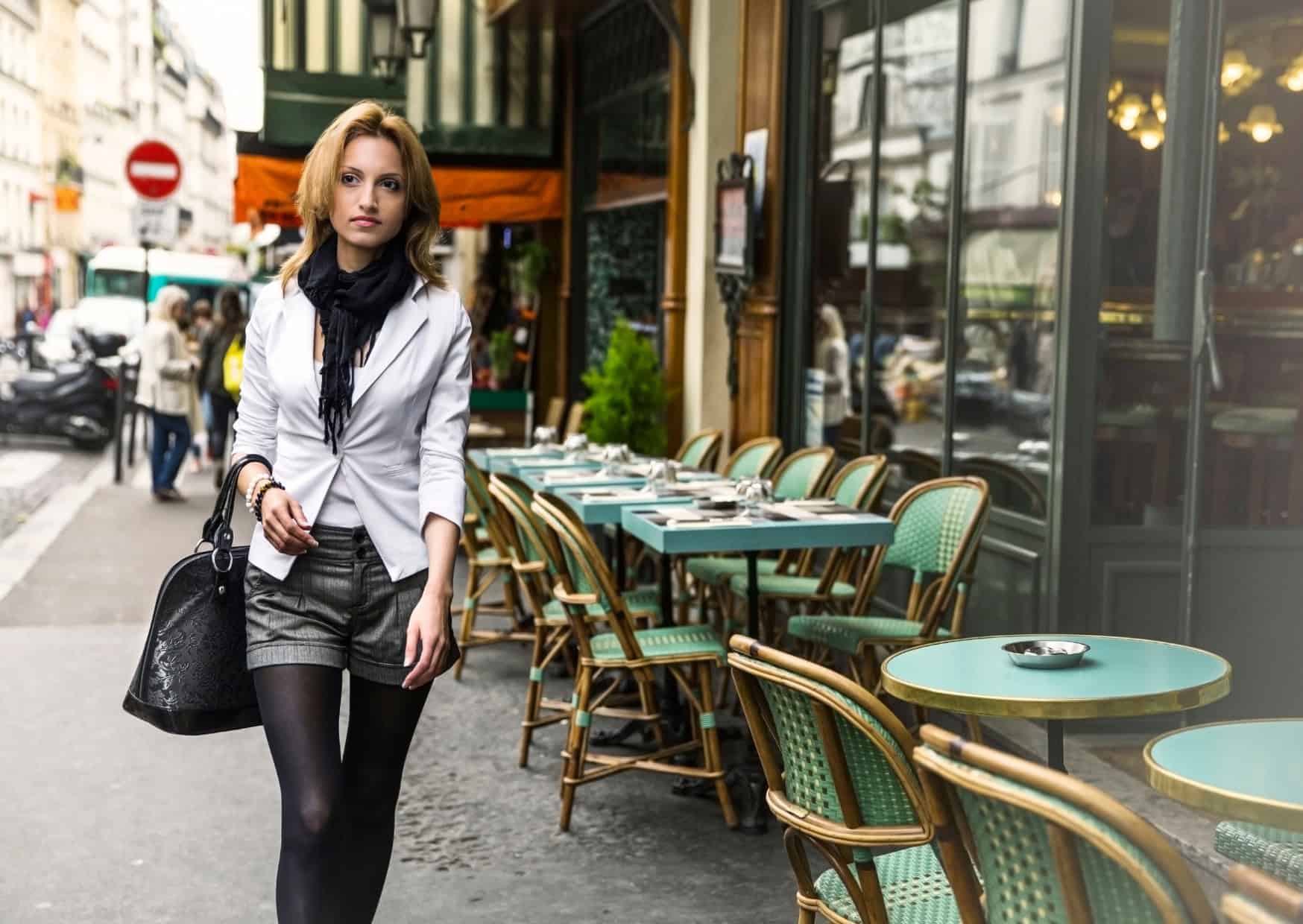
In the U.S., you can walk into a store silently, browse, and leave. In Paris, ignoring a sales clerk or waiter is borderline rude—locals consider a quick “Bonjour, Madame/Monsieur” mandatory. Americans often see it as an extra step they’re not used to.
Why Locals Live By It
In France, acknowledging someone’s presence sets a polite baseline. Not greeting first can read as arrogance or dismissal. It’s how they maintain personal connection—even if it’s a brief, everyday interaction.
How to Adapt
- Greet with “Bonjour” (morning/afternoon) or “Bonsoir” (evening).
- If you leave without buying, say “Au revoir!” or “Bonne journée!”
- Don’t worry about perfect pronunciation; a genuine attempt counts.
Bottom Line: That simple greeting breaks the “stranger barrier.” Once you do it, you’ll notice more friendly service or readiness to help—it’s the Parisian social handshake.
2. Wait Staff Aren’t Your Best Buddies
Why Americans Think It’s Uptight
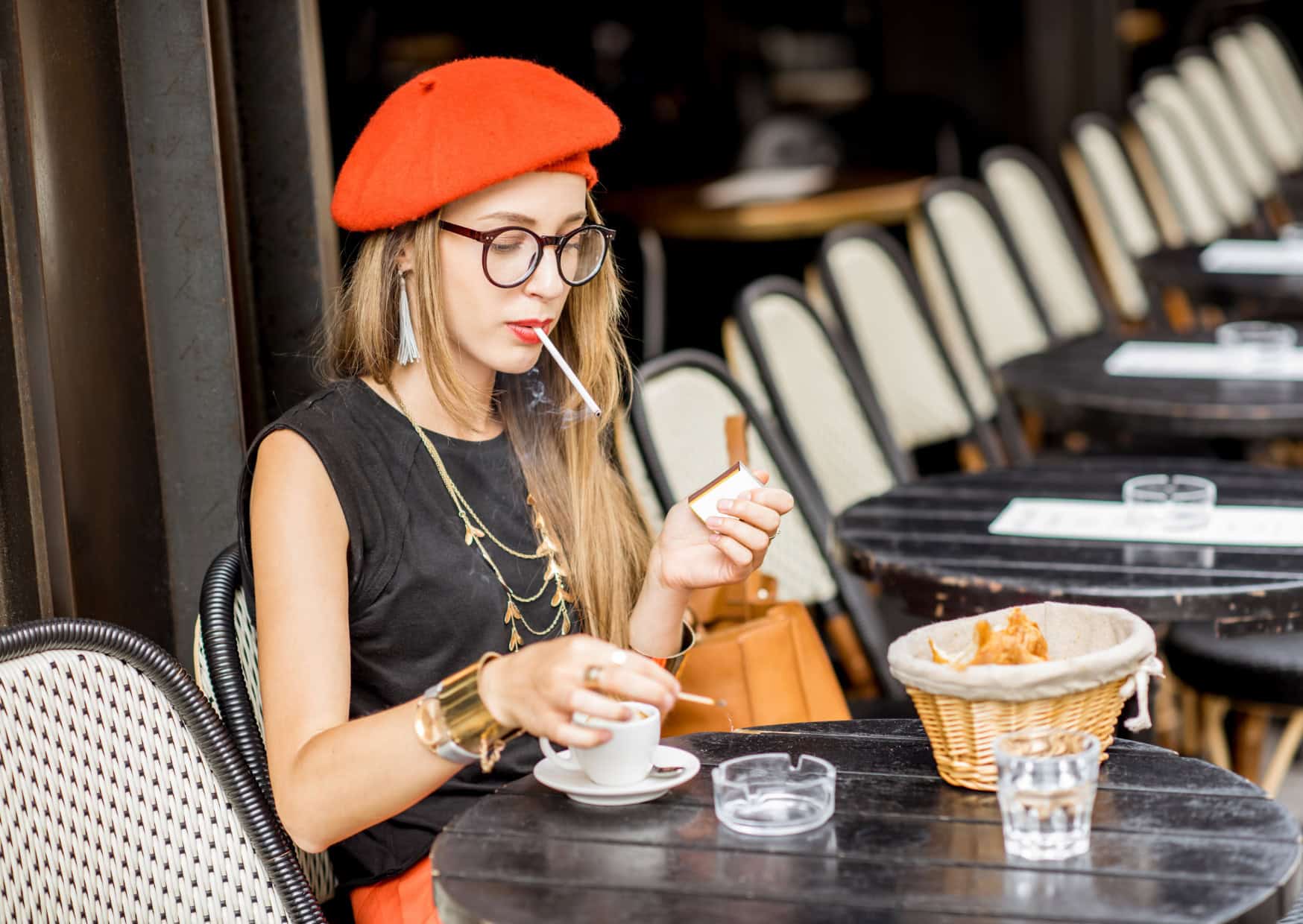
Americans often chat with servers or expect them to check in frequently—“How’s your meal? More water?” In Paris, a waiter might stand aloof, rarely returning unless signaled. Americans interpret that as cold or rude.
Why Locals Live By It
French restaurant service values privacy and minimal interruptions. Locals prefer a relaxed meal without constant “Is everything okay?” queries. If you need something, you politely catch the waiter’s attention with “S’il vous plaît.”
How to Adapt
- Don’t assume the waiter is ignoring you. They’re giving you space.
- If you want the bill, make eye contact or do the subtle “writing in the air” gesture—they won’t bring it unasked.
- Keep small pleasantries: “Merci,” “Excusez-moi” if you need them.
Bottom Line: The less “friendly chatter” vibe isn’t rudeness—it’s a cultural respect for your dining comfort. Once you realize they expect you to initiate, meals feel calmer.
3. Minimal Small Talk with Strangers

Why Americans Think It’s Uptight
In the U.S., casual chit-chat in line or complimenting a stranger’s outfit is normal. In Paris, spontaneously chatting up strangers can earn raised eyebrows. Parisians can see it as intrusive or too personal.
Why Locals Live By It
French social norms separate public vs. private spheres strongly. They might chat with friends at a café for hours, but random small talk with a stranger, especially about personal life, feels odd. “Don’t air your laundry,” is the subtext.
How to Adapt
- Avoid overly friendly lines like “I love your shoes—where’d you get them?” unless you sense an open vibe.
- A brief “Pardon” or “Bonjour” if you accidentally bump someone or need help is fine.
- If you sense interest from the other person, sure, proceed gently. But leading with personal details can puzzle them.
Bottom Line: Americans might label this “aloof,” but it’s respect for personal boundaries. Paris is a city where you mind your own space unless you have a reason to engage more deeply.
4. No Loud Voices or Big Gestures in Public
Why Americans Think It’s Uptight
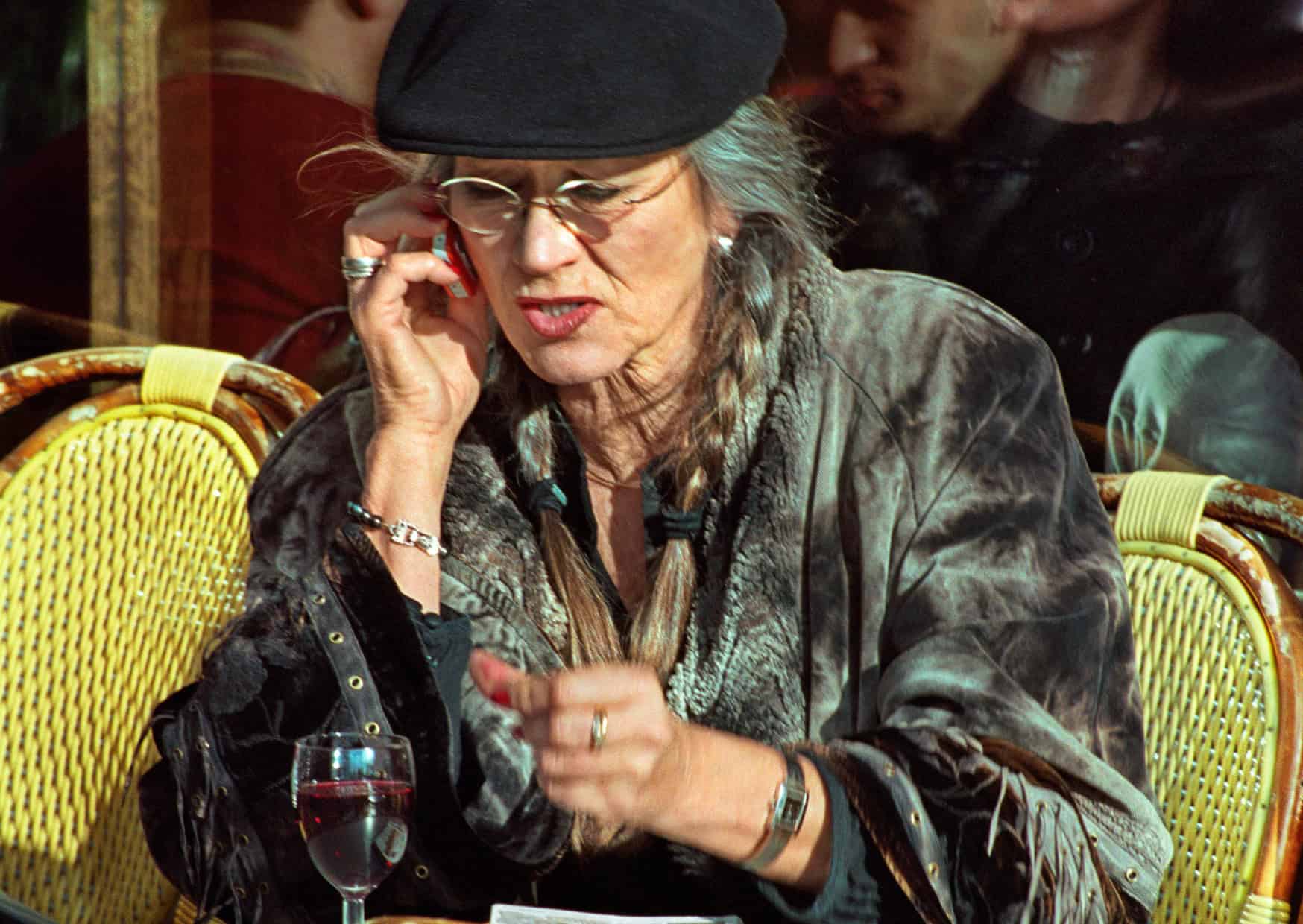
Some travelers find Parisians hush-hush in restaurants or trains, rarely raising their voice. Americans used to boisterous group laughter or excited exclaims might feel stifled, as if everyone is “shushing” them.
Why Locals Live By It
Politeness in France includes being mindful of noise. Making a scene or overshadowing others with loud conversation can seem inconsiderate. Parisians talk at moderate volumes, especially in tight indoor spaces.
How to Adapt
- Keep your volume down, especially in museums, small restaurants, or the Metro.
- Notice how locals talk in subdued tones, even when animated. Try matching that energy.
- If you do get excited, a quiet laugh is fine—just avoid bursting out in full “American movie laugh” if the venue’s atmosphere is calm.
Bottom Line: This “quiet presence” is a courtesy to everyone else around you. Screaming or whooping is frowned upon, not because they hate fun, but because they value shared comfort.
5. Rigorous Table Manners (No Splitting Bills Randomly)
Why Americans Think It’s Uptight
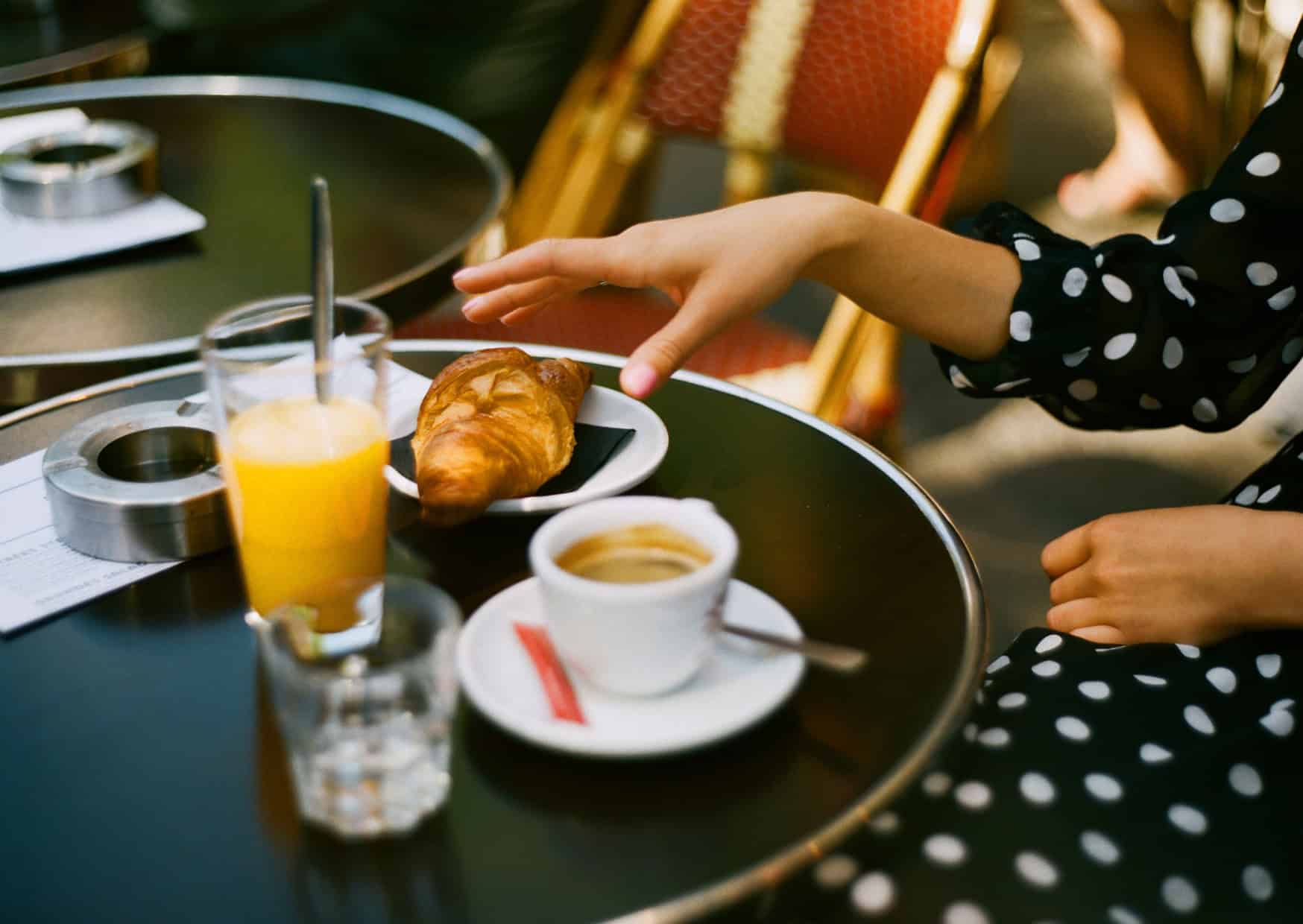
Americans often casually split a restaurant bill—“Let’s each pay for our dish” or toss credit cards in a pile. In Paris, dividing checks spontaneously can fluster waiters. They prefer one final tab or carefully itemized amounts. Also, leaving a table messy or using your fork in the “wrong” hand can attract subtle disapproval.
Why Locals Live By It
Dining is an art form in France—an experience of savoring, not a quick transaction. They see it as simpler to have one or two pay the full tab, then settle amounts among yourselves after. Also, knife-and-fork etiquette (often called Continental style) is standard; Americans switching hands or resting arms differently might look sloppy to them.
How to Adapt
- Before you order, agree on who pays or how you’ll handle the check with your friends.
- Don’t assume the waiter will do five separate bills. If needed, politely ask if it’s possible—some might accommodate, some might not.
- Follow simple table rules: no loud smacking, keep cutlery properly placed, and if uncertain, watch how locals handle utensils.
Bottom Line: A meal in Paris is about tradition and flow—no fuss. Splitting details or “fidgety” dining can disrupt the calm. Embrace their dining style for a smoother evening.
6. Minimal Smiles for Politeness Sake

Why Americans Think It’s Uptight
In the U.S., we’re trained to smile often—to greet, to appear friendly, to defuse tension. In Paris, a neutral face is normal in daily transactions, so Americans might read it as cold or aloof.
Why Locals Live By It
Smiling is typically sincere in France, reserved for genuine emotion or intimate circles, not an all-purpose courtesy. They see forced smiles as superficial. They greet you with “Bonjour” but keep the smile for real enjoyment or personal conversation.
How to Adapt
- Don’t expect big grins from a shop clerk or a random neighbor. A polite nod or “Bonjour” is enough.
- If you do want to show appreciation, a small, genuine smile goes further than a forced wide grin.
- Recognize that lack of smiling isn’t rudeness. They’re simply being neutral.
Bottom Line: Americans might sense tension when nobody “smiles back.” But that’s just how the French preserve authentic emotional signals—it’s not personal.
7. Formal Greetings for Bosses, Elders, or Strangers
Why Americans Think It’s Uptight
Casual “hey dude” or first-name usage is standard in many U.S. workplaces. But in France, hierarchy or formal relationships often require “Monsieur,” “Madame,” or last names. Americans find this stiff or old-fashioned.
Why Locals Live By It
Formality in professional or unknown contexts is respectful. Jumping straight to first names can seem overly familiar. Over time, if the relationship warms, you can switch to “tu” (informal “you”) or first names. But not immediately.
How to Adapt
- If introduced to someone older or in a higher position, open with “Madame” or “Monsieur + last name.” If they say “Call me Sylvie,” then switch.
- In an office setting, wait for cues. Some teams are more informal, but it’s safer to start with formal address.
- Keep an eye on how your French colleagues address each other—imitate their approach.
Bottom Line: Americans can see formality as “uptight,” but it’s cultural courtesy. Once you earn a first-name basis, it’s more genuine and less forced.
8. Strict Bakery Etiquette (And Store Lines)
Why Americans Think It’s Uptight
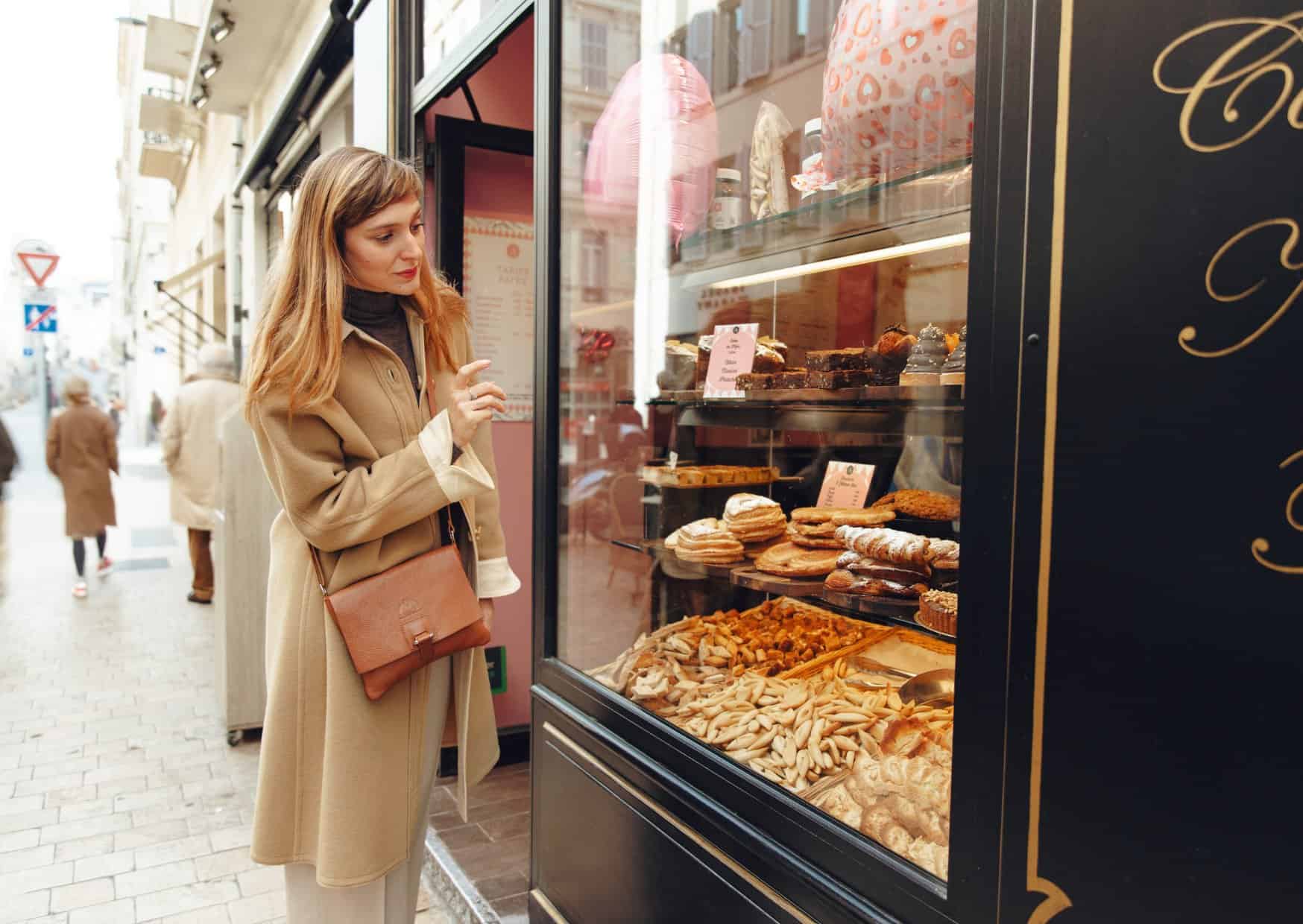
At a Paris boulangerie, there’s usually a line—but no roped queues. People know who arrived first, so they wait in a certain mental order. Americans might wander in, scanning bread shelves, not realizing they cut in front inadvertently. Locals can see it as disrespectful.
Why Locals Live By It
They have an unspoken system: upon entering, note who’s next, greet the baker, say “Bonjour,” and wait your turn. At checkout, they might prefer exact change if possible, especially in small shops. And yes, lingering indecisively can annoy everyone behind you.
How to Adapt
- Observe who’s waiting—ask politely “Vous étiez avant moi?” if unsure who’s first. They’ll appreciate the courtesy.
- Greet with “Bonjour” before placing your order.
- If you’re not ready, let others go ahead. This fosters that community vibe instead of a chaotic free-for-all.
Bottom Line: The “line etiquette” might seem unspoken and strict, but it keeps order and respect flowing. No, they don’t need roped queues they rely on collective courtesy.
Why You Should Follow
You should follow Paris etiquette rules because they make your daily interactions smoother almost immediately. A simple bonjour, a quieter tone, and a more patient attitude can change how you are received in shops, restaurants, hotels, and public spaces. In a city where first impressions matter, small gestures of respect often have a surprisingly large effect. You may not become local overnight, but you will stop creating unnecessary friction.
Another reason to follow them is that these rules help you understand Paris on its own terms. It is easy to visit a city and measure it against your habits, but that usually produces shallow conclusions. Learning local etiquette forces you to look more closely. You begin to see that what first felt rigid may actually be thoughtful, and what felt distant may actually be respectful. The city becomes easier to read once you stop expecting it to perform familiarity.
Following these norms also helps you avoid the common tourist mistake of confusing confidence with entitlement. Paris is one of those places where people notice how you enter a room, how you speak to staff, and whether you seem aware of the shared environment around you. Adapting to local etiquette shows humility. It suggests that you are not just consuming the city, but trying to move through it with some awareness.
There is also personal value in learning a more deliberate style of interaction. Paris etiquette can teach travelers to slow down, observe more carefully, and communicate with more intention. That shift can be useful beyond France. It reminds people that not every conversation needs to be rushed, not every silence needs filling, and not every public moment should be treated casually. In that sense, etiquette becomes a kind of cultural education.
Finally, following these rules often improves the trip itself. Travelers who resist local customs spend more time feeling slighted, confused, or defensive. Travelers who adjust tend to enjoy the city more. They stop taking every reserved interaction personally and start seeing the logic underneath it. Paris becomes less hostile and more legible once you accept that its manners are part of how the city works.
Why You Shouldn’t Follow
You should not follow Paris etiquette rules so rigidly that you become stiff, anxious, or fake. Cultural awareness is useful, but panic is not. Some travelers get so worried about making a mistake that they stop behaving naturally altogether. That usually makes interactions worse, not better. The goal is not to perform a perfect version of Parisian behavior. The goal is to show respect while still remaining a real person.
Another reason not to overfollow the rules is that Paris is not one single personality. Different neighborhoods, age groups, workplaces, and social settings can feel very different from one another. What feels appropriate in a formal boutique may not be the same in a casual market or a busy student café. If you turn etiquette into a fixed script, you may miss the nuance that actually matters most.
You also should not idealize Parisian etiquette as morally superior to every other cultural style. Reserve is not always better than warmth, and formality is not always deeper than openness. Different societies build trust in different ways. It is possible to admire Parisian manners without pretending that every American habit is wrong or uncivilized. Travel becomes more balanced when cultural differences are treated as differences, not as rankings.
There is also a risk of excusing bad behavior under the label of culture. Not every rude interaction in Paris is actually a subtle etiquette lesson. Sometimes a person is simply impatient, dismissive, or unpleasant. Travelers should stay open-minded, but they should not feel obliged to romanticize every sharp exchange as local sophistication. Respecting a culture does not require losing your judgment.
Finally, you should not follow the rules in a way that turns the whole trip into self-surveillance. Paris is a city, not an exam. Most locals are not waiting to grade every gesture. Basic politeness, tone, and awareness matter far more than flawless execution. If you become too obsessed with getting everything right, you may miss the actual joy of being there. The point is to understand the culture, not to disappear inside it.
Conclusion: Relax and Let the Culture Show You “Why”
Paris’s so-called uptightness isn’t about snobbery—it’s about shared respect. Each of these 8 rules—quiet conversation, formal greetings, minimal small talk, etc.—emerges from a culture that values privacy, personal space, and genuine connection when it counts. If you adapt and read the city’s signals, you’ll find Parisians can be warm, witty, and gracious hosts once the initial formalities pass. Avoid labeling them “rude” just because they don’t mimic American friendli-ness. In short, step into their rhythm: greet the bakery clerk, keep your voice moderate, enjoy that unhurried dining pace—and discover Paris’s deeper charm.
Pro Tip
- If you’re unsure of a social norm, observe a local or politely ask. Parisians often appreciate curiosity—especially if you do it with a “Bonjour” and a genuine smile (not forced!). Once you respect their sense of etiquette, they’ll happily share their city’s magic, from hidden wine bars to scenic walks by the Seine.
Paris etiquette can feel strict to Americans because it asks for a different kind of social awareness than many are used to practicing at home. It rewards tone, pacing, greeting, and restraint in ways that are not always obvious at first. That can be frustrating for visitors who are used to faster, looser, or more openly friendly interactions. But frustration is often the first stage of understanding.
The deeper lesson is that politeness is never universal in its exact form. Most people think they are being respectful according to the habits they know best. Travel complicates that assumption. In Paris, what feels neutral to one person can feel abrupt to another. That does not mean either side is inherently wrong. It means etiquette is one of the clearest places where culture quietly reveals itself.
It is also worth remembering that these rules endure because they help organize everyday urban life. In a dense city full of shared spaces, brief encounters, and constant public interaction, structure can create ease. Saying bonjour, keeping your voice down, and acknowledging people properly are not just ornamental behaviors. They create a rhythm that helps everyone move through the city with a little more order and dignity.
At the same time, Paris etiquette should not be mythologized into something impossible or mystical. You do not need to become French to navigate it well. Most of the rules are actually quite simple once you understand the logic behind them. Greet people, be measured, stay aware of your surroundings, and do not assume your style of friendliness is the universal one. That is enough to transform how the city feels.
In the end, learning Paris etiquette is less about becoming more refined and more about becoming more attentive. It teaches you to notice people, not just places. It reminds you that travel is not only about monuments, meals, and photographs. It is also about how you enter a room, how you ask for help, and how willing you are to adapt when another culture asks you to move differently. That is where the real education begins.

About the Author: Ruben, co-founder of Gamintraveler.com since 2014, is a seasoned traveler from Spain who has explored over 100 countries since 2009. Known for his extensive travel adventures across South America, Europe, the US, Australia, New Zealand, Asia, and Africa, Ruben combines his passion for adventurous yet sustainable living with his love for cycling, highlighted by his remarkable 5-month bicycle journey from Spain to Norway. He currently resides in Spain, where he continues sharing his travel experiences with his partner, Rachel, and their son, Han.