

Most people worry about customs first.
That is understandable. Airports make everyone feel faintly criminal, and prescription medication adds a little extra theater. Needles, pens, cooling packs, liquids, sensors, a pump clipped to your waistband, maybe a doctor’s letter you printed at midnight because the internet scared you.
But customs is usually not the hardest part.
The real problems are temperature, replacement, and the very human tendency to pack for a smooth trip while hoping delays, heat, missed connections, and hotel fridge nonsense will somehow behave.
They might not.
Traveling with insulin to Europe is completely doable. People do it every day. The point is not to panic. The point is to stop treating insulin like ordinary luggage. It is not. It is the one item on the trip that needs a system before your passport gets dramatic about anything else.
That system does not have to be complicated.
It just has to be boring enough to work.
The Airport Is Usually The Easy Part

The airport feels like the part that should go wrong.
In practice, it is often the cleanest part of the whole trip.
In the U.S., medically necessary liquids and diabetes supplies are allowed through security in carry-on bags, and insulin in any form is allowed. That does not mean the line becomes pleasant. It means you are not doing anything unusual by carrying pens, vials, needles, CGM supplies, pump supplies, juice for lows, or gel packs that are clearly part of a medical setup.
That is a useful distinction.
A lot of travelers overthink the checkpoint and underthink the rest of the day. They imagine an officer confiscating insulin like it is contraband shampoo, while the more likely failure is much duller: the insulin sits too long in heat, the supplies get split badly, or the backup never actually got packed.
So yes, tell security what you are carrying.
Keep it visible.
Keep it organized.
Do not bury the insulin under socks and a paperback you will pretend to read over Greenland.
What helps most is carry-on control. Put the insulin, pens, needles, meter, CGM extras, pump supplies, snacks for lows, and written medical info where you can reach them without unpacking half your life into a grey tray. A traveler fumbling through chargers and neck pillows is not unsafe, but it is exactly how the morning starts feeling more chaotic than it needs to.
The paperwork side is also simpler than people expect. A doctor’s letter is not always demanded at the checkpoint, but it is still smart. The better version is not some vague “patient has diabetes” note. It is a short practical letter listing your condition, your medications with generic names, your doses, and the equipment you travel with.
That letter earns its keep later, not only at security.
At security, the bigger truth is this: insulin is normal travel medicine. Act like it belongs there, because it does.
Temperature Is The Real Problem
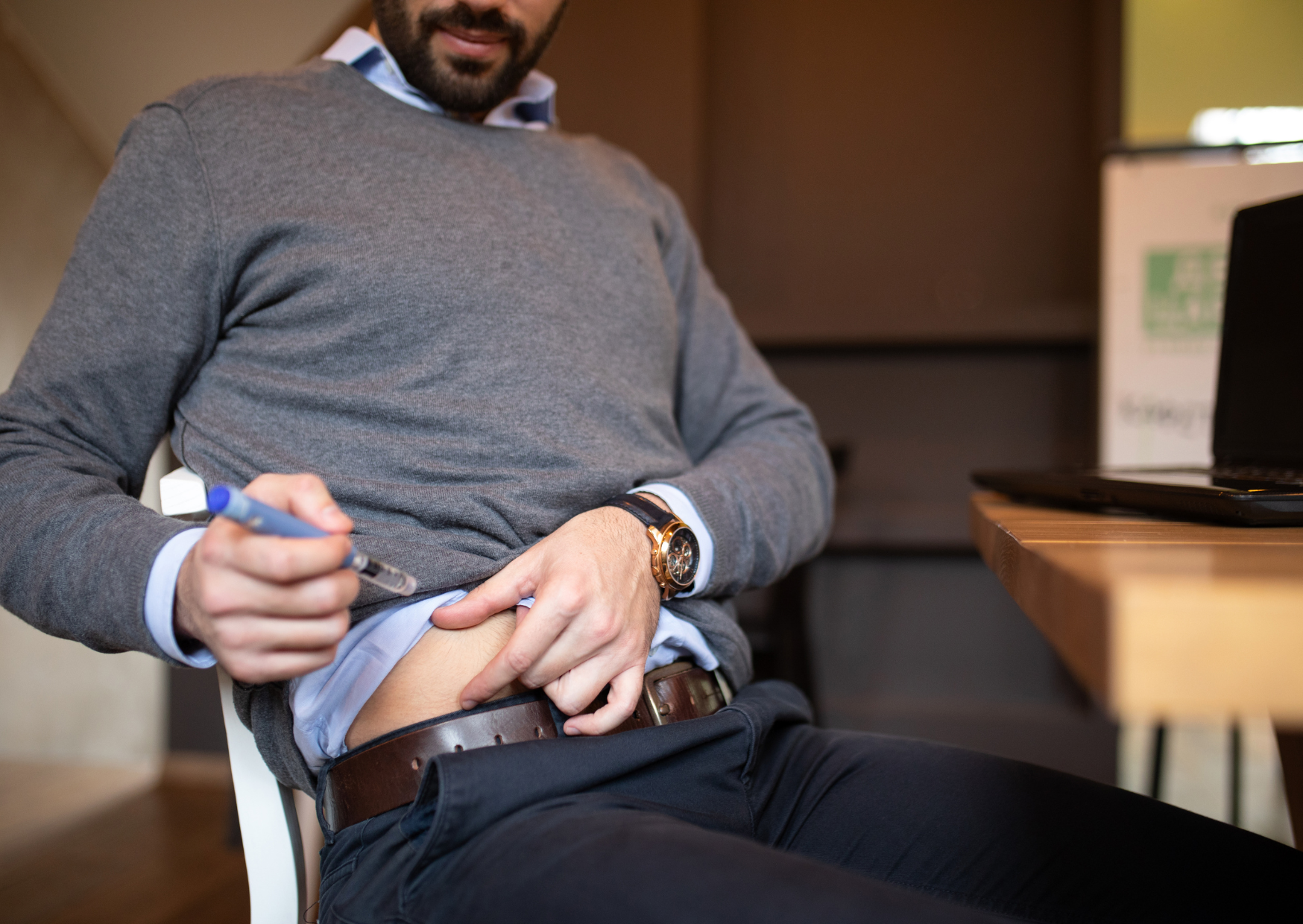
This is the part that quietly ruins trips.
Unopened insulin generally wants refrigeration. A lot of commonly used insulin products are stored at about 2°C to 8°C, or 36°F to 46°F, before first use. Once opened, many can stay at room temperature below 30°C or 86°F for a limited period, often around 28 days, though the exact rule depends on the specific insulin and delivery format.
That “depends” matters.
It means you do not travel with a folk tale about insulin.
You travel with your label, your insert, or a note from your clinician that reflects your actual product. Some insulins get 28 days. Some get longer. Some pens and vials do not behave identically. Some people travel with a mix of products, and that is where sloppy advice gets dangerous fast.
The bad travel habit is assuming Europe itself is cool enough.
It is not.
Southern Europe in summer does not care that your insulin is technically allowed at room temperature. A train platform in Seville, a taxi line in Rome, a sun-blasted car in Portugal, a hotel room with no meaningful airflow in August, these are not gentle “room temperature” environments. They are exactly how people cook medication without realizing it.
This is why heat discipline matters more than refrigerator drama.
You do not need to refrigerate every in-use pen every minute of the trip.
You do need to protect it from direct sun, parked-car heat, black-bag heat, and the cheerful incompetence of hotel minibars that turn medicine into an accidental science project. Those minibars love one thing more than cold drinks, and that is freezing whatever gets pushed too close to the back plate.
Frozen insulin is useless.
Overheated insulin is suspect.
Neither state deserves optimism.
The practical system is simple: keep your main supply insulated, keep it with you, avoid direct contact with freezer packs, and never assume a hotel fridge is behaving rationally without checking it first. If a property can store medication in a proper fridge, great. If not, an insulated case and common sense often beat a glamorous but unstable minibar.
This is the part travelers keep trying to solve with gear.
Gear helps.
But the real habit is watching the environment instead of admiring the pouch.
Checked Baggage Is How People Ruin Insulin

This is one of the easiest mistakes to avoid, which is probably why it remains popular.
Do not put insulin in checked baggage.
Not the main supply. Not the backup supply. Not the “extra extras” that seemed too bulky for the cabin. Not the pens you are “probably not going to need.” The most useful travel guidance on chronic-condition medication says the same thing for a reason: medication belongs in hand luggage, not in the cargo system where temperature control is not your problem until suddenly it is.
This matters for two different reasons.
First, temperature.
Checked baggage can get too cold or too hot, depending on the aircraft, route, delays, and ground handling. None of that improves insulin.
Second, separation.
Lost luggage is not rare enough to be treated as somebody else’s story. Even when bags arrive, they arrive on bag-claim time, which is not the same as medication time. If your trip starts with a missed connection, a long immigration line, and a carousel delay, your insulin should already be with you, not circulating in the underbelly of the airport like a hostage.
The better setup is two cabin layers.
Keep the active insulin and immediate low-treatment supplies in the easiest-to-reach personal item. Keep the larger backup stock elsewhere in your carry-on. If you are traveling with a partner, split the backup between two cabin bags so one lost or gate-checked item does not wipe out the entire plan.
That is not paranoia.
That is adult packing.
The same logic applies if you use a pump. Travel with backup pens or syringes even if the pump has behaved like a saint for years. Pumps have astonishing timing when it comes to deciding they are tired of your confidence. The best backup is the one you packed while still believing you would not need it.
And yes, if you are crossing several time zones, do not improvise the basal schedule on the tray table over the Atlantic. Get the dosing plan before you leave.
That part should be decided while everyone is still wearing normal shoes.
Pumps And Sensors Turn Security Into A Device Problem
This is where people get confused, because “traveling with insulin” is not only about insulin anymore.
It is also about what is attached to you.
And this part is annoyingly specific.
Some current devices are fine with certain airport scanners. Others want alternate screening. Some pumps tolerate metal detectors but should not go through x-ray screening. Some sensors are more permissive than older ones. In other words, there is no universal diabetes-device rule that covers every pump and CGM with one elegant paragraph.
That is why generic airport advice can fail you.
A traveler using a pump and CGM should know their exact device rules before the airport, not while a security officer is already waving the next passenger forward. If your manufacturer says metal detector is fine but x-ray is not, believe that. If your sensor guidance differs from somebody else’s sensor guidance, follow yours, not theirs. Diabetes device advice gets messy because the devices are not all asking for the same treatment.
The practical move is unglamorous and effective:
Know your exact model.
Carry the device card or a screenshot of the travel guidance.
Tell security early.
Ask for alternate screening if your device requires it or if you are unsure what machine is in front of you.
Do not improvise because the line looks impatient.
This is especially important for people who rely on automation and have stopped carrying old-fashioned backup tools out of sheer modern confidence. Bring the meter. Bring extra strips. Bring the charger or batteries if your setup needs them. Bring enough infusion sets and sensors to survive one failure without emotionally collapsing in a hotel bathroom in Prague.
The point is not to travel like the world is hostile.
The point is to travel like device failure is boringly possible.
Because it is.
Customs Reality Is Much Less Dramatic Than The Internet Makes It Sound

The customs part is usually where the internet gets hysterical.
For insulin, the reality is calmer.
In much of Europe, standard personal medication is not treated like a sinister import event. Spain’s own customs guidance says medicines travelers carry for their own use are generally not subject to prior sanitary intervention. France also allows personal medication in luggage, but it ties quantity to the length of treatment, or to three months if there is no prescription. That is the real pattern: personal-use medication is usually fine, but quantity and proof still matter.
So the customs question is not “can I bring insulin to Europe?”
Yes, generally, of course.
The better question is whether your setup looks like personal treatment or like a chaotic box of unlabeled medical supplies that invites somebody to ask harder questions than the trip needed.
That is why the old boring rules are still the right ones:
Keep medicines in original packaging.
Carry a prescription copy and a doctor’s letter.
Use the generic drug name, not only the American brand name.
Bring quantities that make sense for the trip plus delay buffer, not a small pharmacy with no explanation.
This gets even clearer when people start reading about Schengen medication certificates and panicking. Those stories usually involve controlled medicines, not standard insulin. Strong painkillers, ADHD medication, sleeping tablets, anxiety medication, and medical cannabis are the things that trigger more formal certificate rules in some Schengen travel situations. Insulin is not usually the star of that bureaucracy.
Still, Europe is not one customs brain.
Country rules vary.
Which means the adult move is not to memorize one magical Europe-wide medication rule. It is to travel with documentation that makes your use obviously personal and medically ordinary.
That covers a great deal of ground.
Getting Replacement Insulin Abroad Is Possible But Ugly
This is the part travelers keep underestimating.
Yes, Europe has pharmacies.
Yes, Europe has doctors.
Yes, people do replace medication abroad.
No, that does not mean it is easy on a Saturday afternoon when you are tired, in another language, using a familiar insulin under a less familiar name, and trying to explain a U.S. prescription to a system that was not built around it.
This is where generic names matter. Brand names vary by country. Availability varies by country. Even inside the EU, a medicine sold in one country may have another name or may not be sold in exactly the same form somewhere else. Europe has a formal cross-border prescription framework, but that is designed for prescriptions issued in one EU country and dispensed in another. It is not a promise that an American prescription will move across Europe like a diplomatic passport.
That does not mean you are doomed if something goes wrong.
It means replacement is a medical problem, not a convenience errand.
The better plan is to travel with enough insulin for the trip plus several extra days, bring a written prescription with the generic name, and identify one clinic or hospital option near your destination before you need it. If you end up needing help, you want the local doctor or pharmacist to reconstruct your regimen quickly, not spend an hour translating a familiar pen into an unfamiliar national product list while your blood sugar gets progressively less charming.
There is a strange optimism some travelers have about “I’ll just get more there if I need it.”
That optimism is not brave.
It is administrative laziness disguised as confidence.
The refill path abroad is sometimes possible, sometimes slow, and sometimes annoying enough that people burn half a day of a trip on something they should have solved at home. Which is why the best insulin travel strategy is replacement as backup, not replacement as plan.
The 7 Day Insulin Packing Sprint
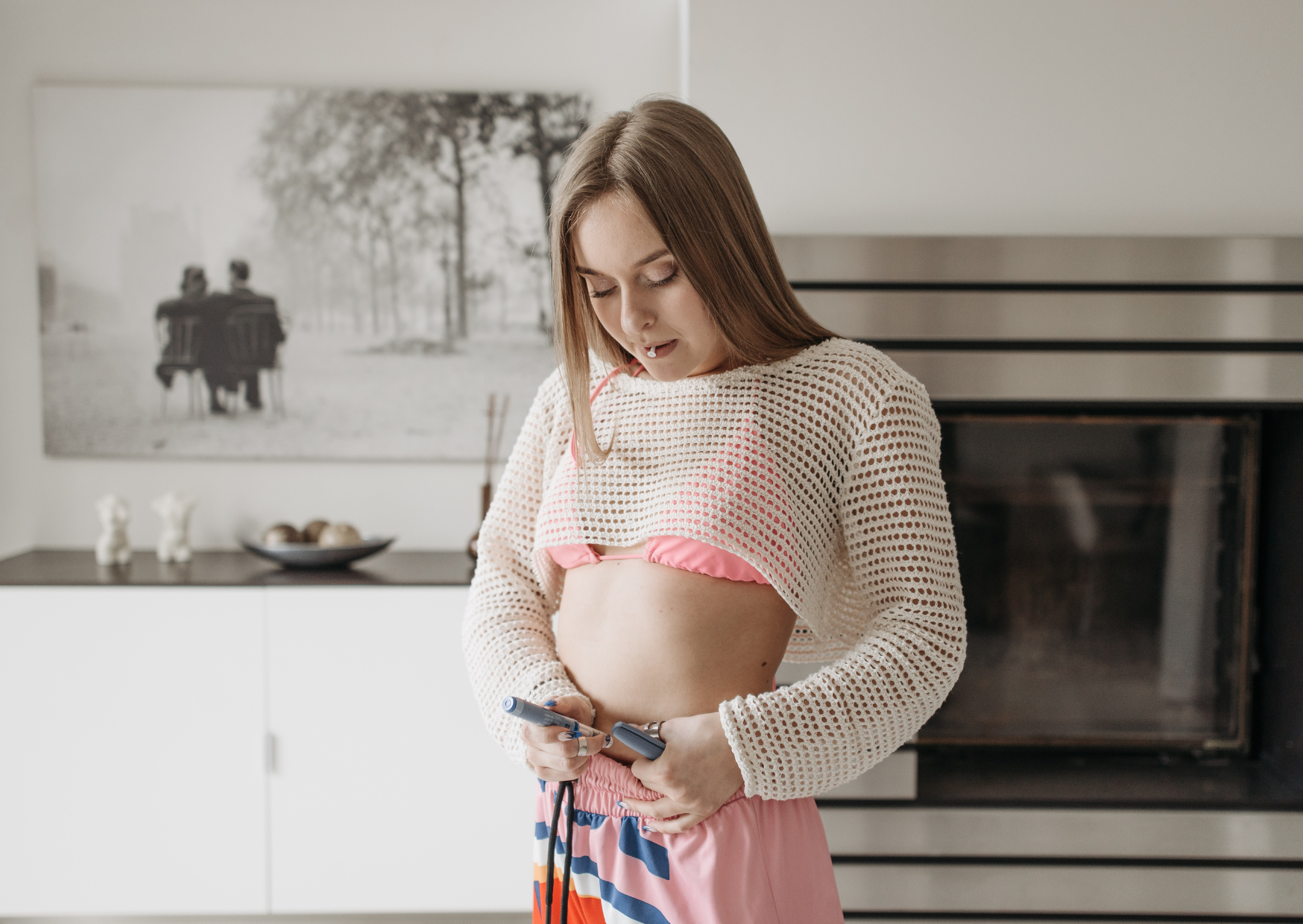
This is one of those travel projects that improves the moment you stop treating it casually.
Seven days out, count everything. Not only insulin. Count needles, pen needles, syringes, pump cartridges, infusion sets, sensors, alcohol wipes, test strips, lancets, ketone strips if you use them, low-treatment snacks, chargers, batteries, adhesive extras, and whatever else your normal life quietly depends on.
Six days out, request the doctor letter if you do not already have one. Keep it short and useful. Condition, medications, generic names, doses, equipment.
Five days out, decide the temperature plan. Insulated pouch, spare cooling method if needed, and a real answer to where the backup supply will live on travel days.
Four days out, separate the kit into layers: active use, backup, and rescue. Active use goes in the personal item. Backup goes in the carry-on. Rescue means one immediate low-treatment setup you can reach without unpacking your whole bag in public.
Three days out, print or screenshot the travel guidance for your exact pump or CGM if you use one. Do not rely on memory or on what some other device did last year.
Two days out, check the route. If the trip is taking you into severe summer heat, long train travel, ferry legs, or a hotel without reliable refrigeration, adjust the storage plan now instead of pretending “Europe” is one air-conditioned climate.
One day out, pack the used-sharps plan too. A hard plastic holder or secure container for used needles is not glamorous, but neither is discovering on day four that you have been improvising medical waste into a bathroom bin like an idiot.
A few rules make this smoother:
- Pack extra, not heroic.
- Keep insulin with you, never underneath you.
- Do not trust hotel minibars without testing them.
- Do not count on easy foreign refills.
- Do not wait until the airport to remember how your device wants to be screened.
And the blunt one:
- Do not let your backup become decoration.
If you carry backup insulin, it should be the correct type, usable, in-date, and packed like you mean it.
The Travelers Who Do This Well Are Not The Most Relaxed
They are the most systematic.
That is the real customs and temperature reality.
Traveling with insulin to Europe is not about becoming paranoid. It is about refusing three very common bad assumptions: that airport security is the main danger, that “room temperature” means whatever the street feels like in July, and that replacement abroad will be simple because Europe is civilized and you are basically resourceful.
Resourceful is nice.
Systems are better.
The people who travel well with insulin usually do the same dull things every time. They carry it in hand luggage. They bring more than they think they need. They know the storage rules for their actual insulin, not some internet-average insulin. They understand their device screening instructions before they enter the queue. They keep the paperwork simple, legible, and boring. They do not try to freestyle medication logistics across nine time zones and a ferry connection.
That does not make for a glamorous travel story.
It makes for a trip where insulin stays potent, customs stays uneventful, and the holiday does not turn into a medical admin project.
Which is a much better outcome than glamour anyway.

About the Author: Ruben, co-founder of Gamintraveler.com since 2014, is a seasoned traveler from Spain who has explored over 100 countries since 2009. Known for his extensive travel adventures across South America, Europe, the US, Australia, New Zealand, Asia, and Africa, Ruben combines his passion for adventurous yet sustainable living with his love for cycling, highlighted by his remarkable 5-month bicycle journey from Spain to Norway. He currently resides in Spain, where he continues sharing his travel experiences with his partner, Rachel, and their son, Han.