

The first time Americans hear a normal Spanish prescription price, they usually assume something got left out.
Maybe that was only the pharmacist’s fee.
Maybe that was after some special senior discount.
Maybe that was one of those lucky one-off generics that cost less than a coffee and do not count as real medicine in the emotional American sense.
Because in the U.S., “prescription” and “small predictable bill” do not naturally belong in the same sentence.
That is the real shock.
Not that Spain has cheap medicine in the abstract. Lots of countries are cheaper than the U.S. in the abstract. What catches Americans off guard is that in Spain, under the public system, a perfectly ordinary prescription can land at €4.50 and nobody in the pharmacy acts like a miracle has occurred. It is just the amount due.
A price like that sounds fake to Americans because American healthcare has trained them to expect layers of payment, insurance drama, and cost uncertainty at every stage. The bill is supposed to be confusing enough that you feel grateful when it is not catastrophic.
Spain does not make every medicine free.
It does something more useful.
It makes a lot of routine medicine feel boringly payable.
And once you live around that for a while, the American version starts to look less like advanced healthcare and more like a very expensive social experiment in making people hesitate before they refill their blood pressure meds.
The Joke Is Not The Low Price It Is The Predictability
The cleanest way to explain Spain’s prescription system is that it behaves like an adult system.
Not perfect. Not magical. Not frictionless.
Adult.
The public copay under Spain’s national health system is set by income, status, and type of medicine, which means the bill is usually governed by rules a normal person can actually understand. For many pensioners in the public system, the standard contribution is 10%, with monthly caps that depend on income. For people with annual income below €18,000, that cap is €8.23 a month. For those between €18,000 and €100,000, it is €18.52 a month. Above that, it is €61.75 a month. Some very low-income pensioners and other protected groups are exempt altogether. Some chronic-treatment medicines are on a reduced contribution basis, also at 10%, with a low ceiling per pack.
That is the important part.
It is rule-based.
It is capped.
It does not require emotional guesswork.
So yes, a medicine priced at €45 can quite literally become a €4.50 out-of-pocket payment under that 10% structure. Not always. Not for everyone. But often enough that the sentence is normal here and absurd-sounding in American conversation.
That is why the title works.
Not because every Spanish prescription costs €4.50.
Because a price like that can be totally ordinary instead of a bizarre outlier.
Americans hear it and think there must be a catch.
There is a catch, but it is not the one they expect.
The catch is that you have to be inside the relevant public-coverage path for the Spanish system to behave this way. Once you are, the real surprise is how little drama surrounds the transaction.
No dramatic consultation with an insurer.
No hopeful stare at the terminal.
No psychic preparation for a number that might insult your entire week.
Just a price.
That, more than the euro amount itself, is what sounds like fiction to Americans.
What The €4.50 Actually Means

A lot of Americans mishear this kind of story and come away with the wrong lesson.
They imagine Spain is handing out medicine like tapas.
Not exactly.
The better lesson is that ordinary drugs are treated as ordinary needs, not as premium retail objects that happen to be dispensed near a pharmacy counter.
That changes the emotional life of a prescription.
If the bill is €4.50, you do not need to “decide” whether you are the sort of responsible person who values your health enough to justify picking it up. You just pick it up. If the bill is €2.80, €6.10, or even nothing in an exempt category, the same thing happens. The medicine stays in the category of maintenance, not financial event.
This is a bigger cultural difference than Americans initially understand.
The U.S. has taught people to place too many medical purchases into the category of strategic spending. They are supposed to compare, delay, substitute, wait for payday, ask the doctor for another option, split pills, hunt coupons, pray their plan behaves, and generally treat medicine like a consumer battlefield with extra fluorescent lighting.
Spain’s public prescription logic pushes the experience in another direction.
The patient still pays sometimes, yes.
But the payment is often small enough to remain boring.
Boring is underrated.
Boring means the patient’s attention stays on whether the medicine works, whether the side effects are manageable, and whether the dosage makes sense. It does not get hijacked by the question Americans keep asking at the pharmacy counter: “How much is this going to hurt?”
And to be very plain about it, this matters most with exactly the kinds of medicines that show up in later middle age and retirement. Blood pressure medication. Cholesterol medication. Thyroid medication. Diabetes medication. Gastro meds. Arthritis support. Maintenance prescriptions that do not make a dramatic story but quietly determine how stable daily life feels.
If those medicines stay cheap and predictable, the whole body relaxes around the health system a little.
That is not a small gain.
That is one of the real quality-of-life advantages older adults notice fastest.
Why Americans Think It Has To Be A Joke
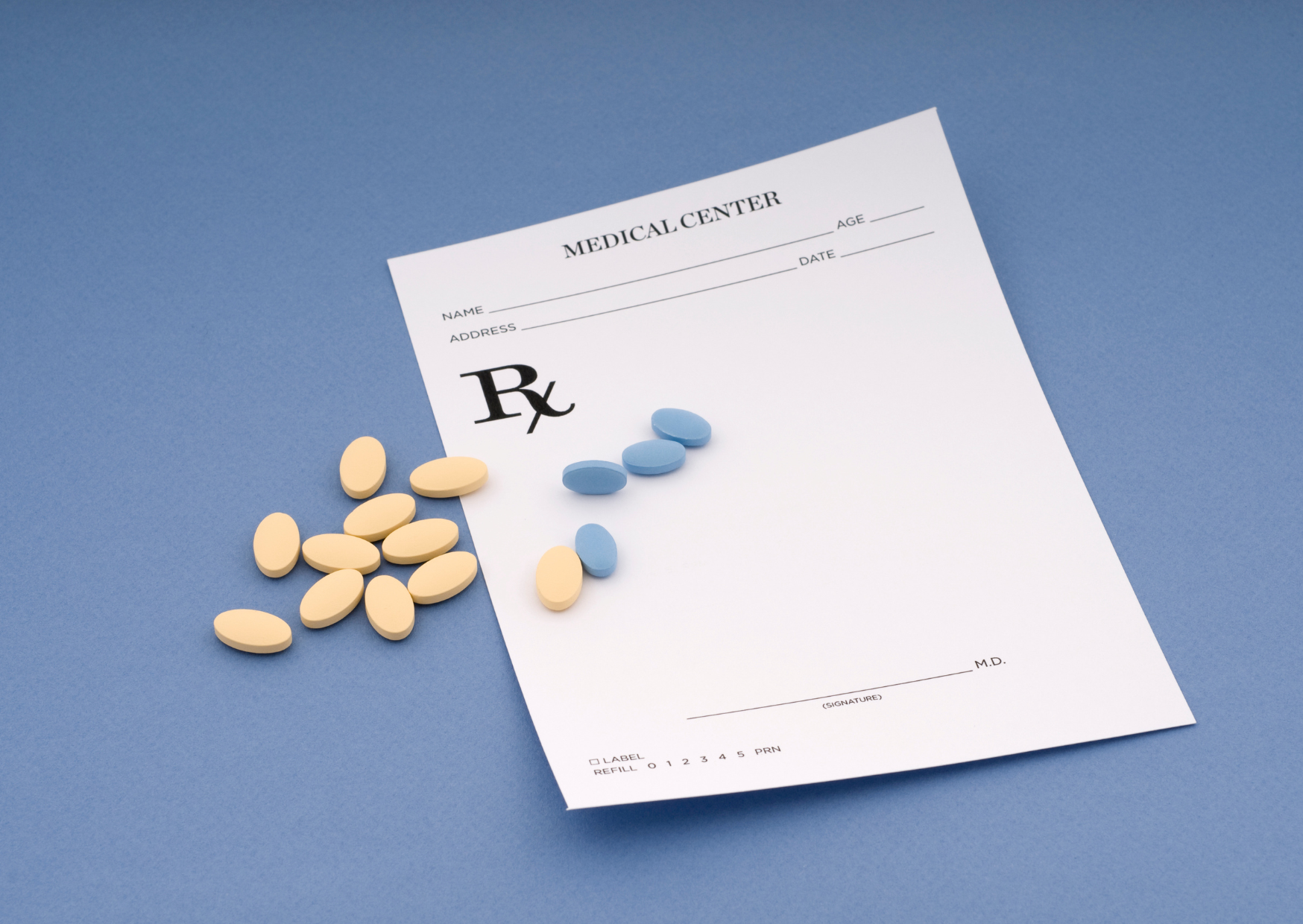
Because in the United States, prescriptions are still attached to a culture of cost anxiety.
That is the real answer.
It is not only that American medicines can be expensive. It is that Americans have learned to expect uncertainty first and relief second, if relief comes at all. The country spends more on pharmaceuticals than anyone else in the OECD, at $1,713 per person in the latest OECD comparison, more than double the OECD average. And yet Americans still regularly ration themselves. About 21% of adults say they have not filled a prescription because of cost, about 15% say they have cut pills in half or skipped doses because of cost, and about one-third have taken at least one of several medication cost-saving measures in the last year.
That is a brutal baseline.
It means the average American listener is not hearing “€4.50” as a price.
They are hearing “that cannot possibly be the full story because I come from a system where the full story is always worse.”
And honestly, that suspicion is rational if the only healthcare logic you know is American.
Because in the U.S., the problem is not just list price.
It is the whole atmosphere around medicine.
Insurance might cover it, or cover part of it, or not cover this version of it, or cover it after prior authorization, or cover it only at one pharmacy, or place it in the wrong tier, or produce one amount on the app and another at the counter. Even if the person does eventually get the medication, the process teaches them one lesson over and over:
Do not assume the refill is simple.
That lesson changes behavior.
People hesitate.
They postpone.
They ask whether they “really need” the medication this month.
They try to make the bottle last.
And then somebody in Spain says, “I paid €4.50,” and the American brain treats it like the setup to a scam email.
Because compared with what they are used to, it practically is comedy.
Dark comedy, but still.
Spain’s Best Trick Is The Monthly Cap

The headline price gets attention.
The monthly cap is what actually changes life.
This is the part Americans understand only after the third or fourth conversation. They hear “10% copay” and think, fine, but what if someone has several prescriptions? What if there are chronic conditions? What if retirement turns into a monthly parade of refills and specialist add-ons? That is where the Spanish structure becomes more impressive.
For pensioners under the public system, there is a monthly ceiling tied to income. Below €18,000 in annual income, the ceiling is €8.23 a month. Between €18,000 and €100,000, it is €18.52. At higher incomes, it is €61.75. Some protected groups are exempt entirely. And some chronic-treatment medicines also sit under a reduced-contribution rule with a very low cap per pack.
That structure does something psychologically enormous.
It tells the patient, “There is a limit to how much this category can punish you.”
Americans are not used to that sentence.
They are used to the opposite sentence, spoken or unspoken: “There may be no obvious upper edge to how annoying this can become, and it may depend on details you will discover too late.”
This is why Spain’s pharmacy system can feel so different even when the euro amount is not microscopic. The monthly cap contains the dread. It keeps a refill-heavy month from becoming a mini financial crisis simply because the body decided to be older, or sicker, or less negotiable than usual.
That containment matters.
Especially for retirees.
Retirement changes the relationship to medicine because medicine stops being occasional. It becomes infrastructure. And infrastructure works best when it is not constantly staging financial surprise attacks.
A capped contribution system is not sexy.
It is much better than sexy.
It is habitable.
The Pharmacy Experience Feels Less Adversarial
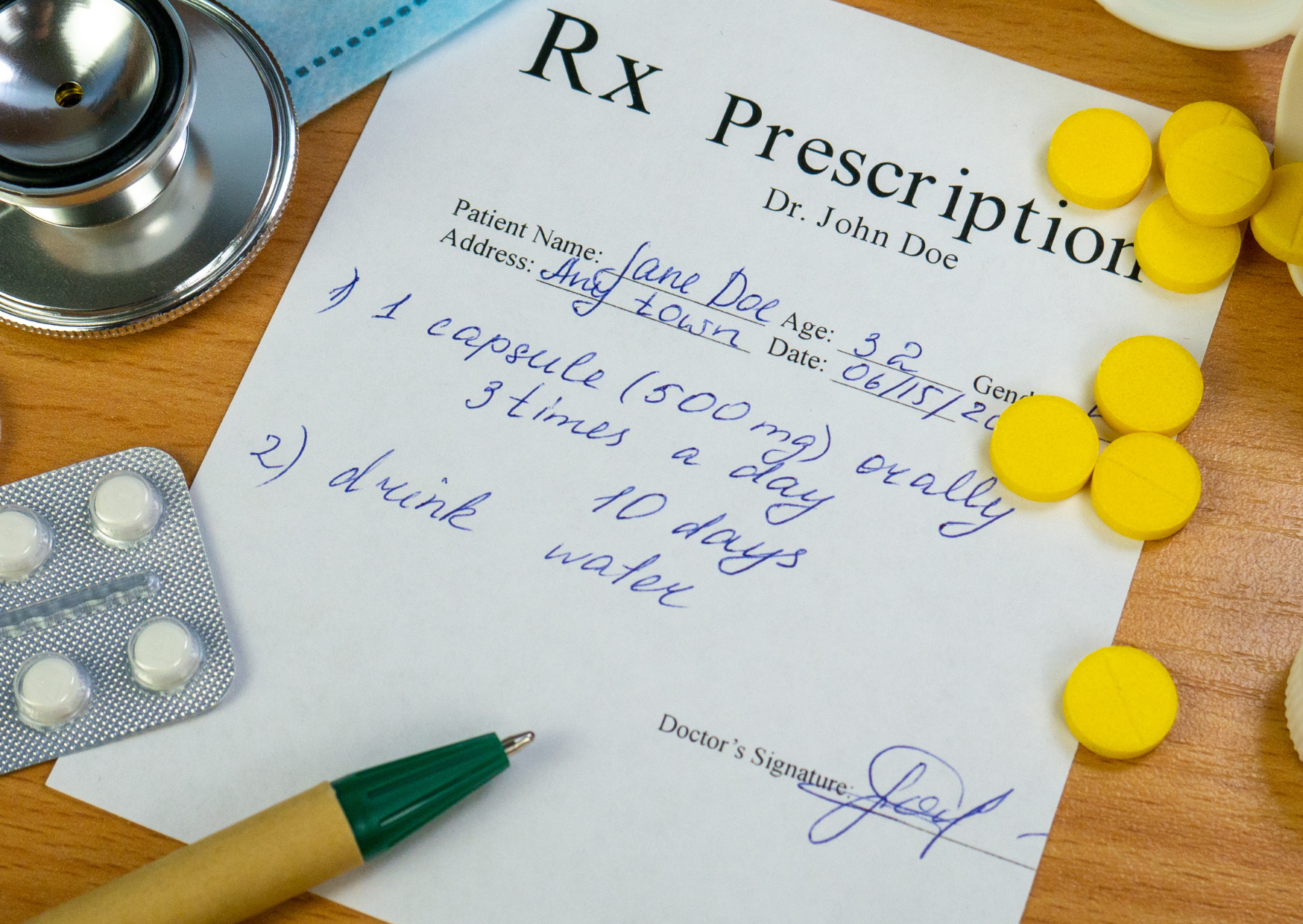
This is harder to quantify, but it matters just as much.
In Spain, the pharmacy counter often feels like the end of the prescription process, not the start of a negotiation. That difference is huge. Within the public system, the pharmacist is not usually acting as the front line of a fight between patient, insurer, coupon logic, and retail pricing strategy. The national system’s electronic prescription infrastructure is designed so medication can be dispensed electronically through pharmacies across the system, which helps make the whole experience feel less improvised and less dependent on one person’s ability to decode insurance nonsense in public.
This does not mean every Spanish pharmacy interaction is divine.
Sometimes a product is unavailable. Sometimes timing matters. Sometimes the patient still needs clarification or a different strength or another trip. Nobody needs to become sentimental about counters and receipts.
But the tone is different.
It feels more like dispensing medicine and less like finalizing a retail battle.
That sounds subtle.
It is not subtle when you live with it.
Americans often carry real pharmacy tension in their bodies. They approach the counter slightly braced, because the price may be wrong, the plan may have changed, the insurer may need another approval, the deductible may not have been met, the medicine may not be covered this month in the way it was covered last month, and the person behind them is already close enough to overhear the whole thing.
That kind of tension disappears slowly.
But it does disappear.
And once it does, the contrast becomes embarrassing for the U.S.
Because it turns out a pharmacy can feel like a normal part of a health system rather than a final exam in cost uncertainty.
What Spain Is Not Promising You

This is where the romance needs discipline.
Spain is not promising every foreigner immediate public-system pricing on day one.
It is not promising every drug at €4.50.
It is not promising that a private prescription, a tourist situation, or a residency path built around private insurance will behave exactly like a public pensioner’s refill under the national system.
Those are different realities.
This matters because a lot of Americans hear stories like this and start free-associating wildly. They imagine they can land in Spain on a long stay, walk into a pharmacy, and magically pay local public-system rates for everything just because Europe is civilized and they have become spiritually Mediterranean.
No.
The low, capped, predictable prices people rave about are tied to actual entitlement pathways inside the Spanish system.
That may come through pensioner status, employment, residence, another lawful route into the public system, or a different protected category. If someone is still in a visa year built around private insurance only, or only passing through, or carrying a prescription outside the public route, the pricing story can be different.
That is not a flaw.
That is just adulthood.
And even within the public system, not every medicine lands in the same bucket. Some are exempt, some are reduced contribution, some sit under the standard percentages, and some situations are more specific than lifestyle articles like to admit.
Good.
Better to say it clearly.
The point is not that Spain makes medicine free.
The point is that for people actually inside the system, a lot of normal prescription life becomes predictable enough to stop dominating the month.
That is a more serious achievement than cheapness alone.
What This Does To A Normal Life
This is the part Americans often underestimate.
They hear a small prescription price and think the story is only about savings.
It is not.
It is about emotional bandwidth.
When medicine stays affordable and capped, people stop spending so much mental energy on whether they can justify taking care of themselves. They stop treating every refill like a micro-budget summit. They stop asking whether this is the month they can really afford to be prudent. They stop pretending that delaying a maintenance drug is a personality strength.
That has an enormous downstream effect on normal life.
A retired couple can plan a month without leaving a hidden “pharmacy dread” category in the background.
A person with a chronic condition can view the prescription as part of living, not as a recurring insult.
A family can talk about healthcare without every conversation bending back toward cost anxiety.
This is why the title hits such a nerve with Americans.
It is not just that €4.50 sounds low.
It is that it sounds emotionally impossible.
Americans are used to a system where healthcare keeps finding new ways to convert ordinary maintenance into a moral and financial test. Spain, for all its own bureaucracy and imperfections, often strips that test down to something much smaller at the pharmacy level.
That is why the story keeps landing.
Because it reveals how distorted the American baseline has become.
A person should not have to be amazed that routine medicine can be affordable.
And yet Americans are.
That is not really a Spanish miracle.
It is an American indictment.
Your First 7 Days Before You Build A Pharmacy Fantasy
This is one of those topics where a little realism saves a lot of disappointment.
On day one, make a list of every medication you actually take, including the generic names, not just U.S. brand names.
On day two, separate the medicines into three groups: essential daily, sometimes needed, and nice to have but replaceable.
On day three, check whether each drug is routinely available in Spain in the same active ingredient and dosage form. Do not wait until arrival to discover your familiar brand name means nothing there.
On day four, ask the more important question: under your actual Spain plan, what route gets you prescription access? Public system, private insurance, tourist refill, or some temporary in-between. Do not blur those together.
On day five, price the medication under the route you will really have, not the route you hope will eventually appear.
On day six, build a 90-day medication runway for the move, because relocation months are not the time to discover how much you depend on orderly refills.
On day seven, stop saying “Europe has cheap medicine” and start saying something more accurate: “Spain may give us a more stable prescription system if our coverage path is real and our medication list is planned properly.”
That is the adult version.
A few rules help:
- Know the generic names
- Do not assume tourist status equals public pricing
- Do not build the move around a pharmacy myth
- Do build the move around predictable refill access
- Do not underestimate how much emotional relief a capped system can create
That last point is the one most people miss until they live it.
Americans Think The €4.50 Is The Punchline
It is not.
The punchline is the country that taught them €4.50 had to be fake.
That is the more revealing story.
Spain is not some healthcare utopia with free everything and no waiting rooms. It has its own administrative tangles, regional differences, and pressures like every serious health system. But at the pharmacy counter, it often does something the United States keeps failing to do: it treats routine medicine like part of ordinary life rather than as a recurring financial ambush.
That is why Americans think the story is a joke.
Because the amount sounds impossible.
Because the cap sounds civilized.
Because the refill sounds too calm.
Because the whole thing exposes how far the American system has drifted from the basic idea that a person should be able to get ordinary medicine without feeling hustled by the machinery around it.
So yes, €4.50 can be real.
And yes, Americans often think there must be a hidden clause, a reimbursement trick, or a European fairy tale tucked inside the sentence.
There is not.
There is just a health system that, at least in this corner of ordinary life, behaves like the patient is supposed to be able to continue being a patient.
That should not sound like fiction.
It does.
And that is the joke.

About the Author: Ruben, co-founder of Gamintraveler.com since 2014, is a seasoned traveler from Spain who has explored over 100 countries since 2009. Known for his extensive travel adventures across South America, Europe, the US, Australia, New Zealand, Asia, and Africa, Ruben combines his passion for adventurous yet sustainable living with his love for cycling, highlighted by his remarkable 5-month bicycle journey from Spain to Norway. He currently resides in Spain, where he continues sharing his travel experiences with his partner, Rachel, and their son, Han.