
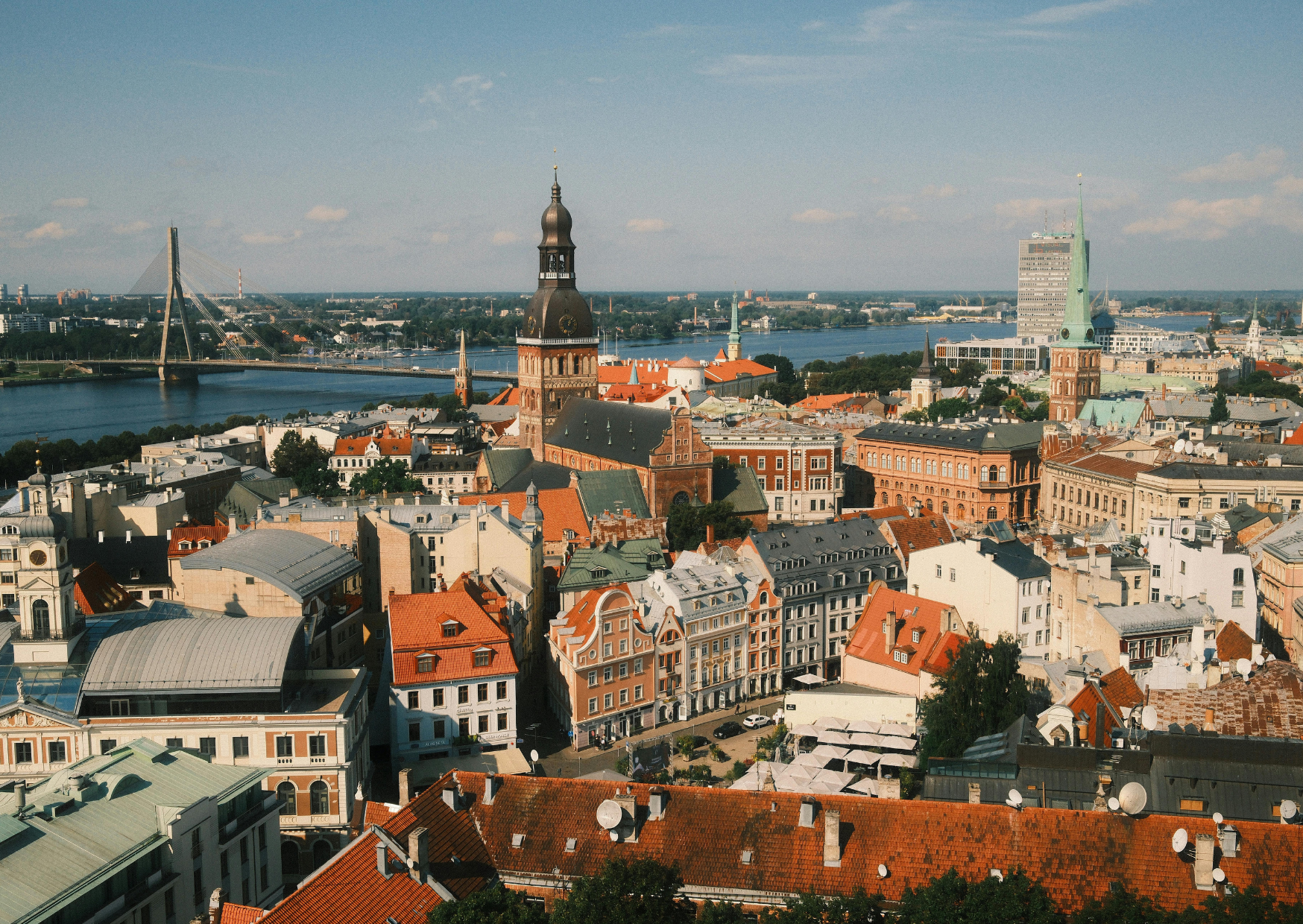
This is not a claim that Europe is a giant safe zone and America is a disaster movie.
That would be lazy, and it would also be false.
There are parts of Europe where a solo woman can still feel exposed, tired, cornered, overcharged, or stupidly visible. There are parts of America that are easy, calm, well-lit, and perfectly pleasant to move through alone. The difference is not moral. It is structural.
Europe is often easier because it gives solo women more margin for error.
You can arrive without a car.
You can miss one transport connection and usually still have another option.
You can step out of a station and often be in a place that already makes sense on foot.
You can get dinner without having to solve a parking problem, a rideshare problem, and a “how dead is this street after 8:30?” problem first.
That is the real advantage.
Not fantasy safety. Lower friction.
And lower friction matters a lot when you are traveling alone, because what wears solo women down is not only danger. It is the endless accumulation of little logistical taxes. The extra detour. The longer wait. The dark walk from the lot. The dead hotel corridor off a highway. The rideshare that becomes non-negotiable because nothing else is functioning. The feeling that one small mistake turns into a much bigger one because the city was never built to catch you.
A lot of Europe catches you better.
That is why it feels easier.
Easier Does Not Mean Reckless
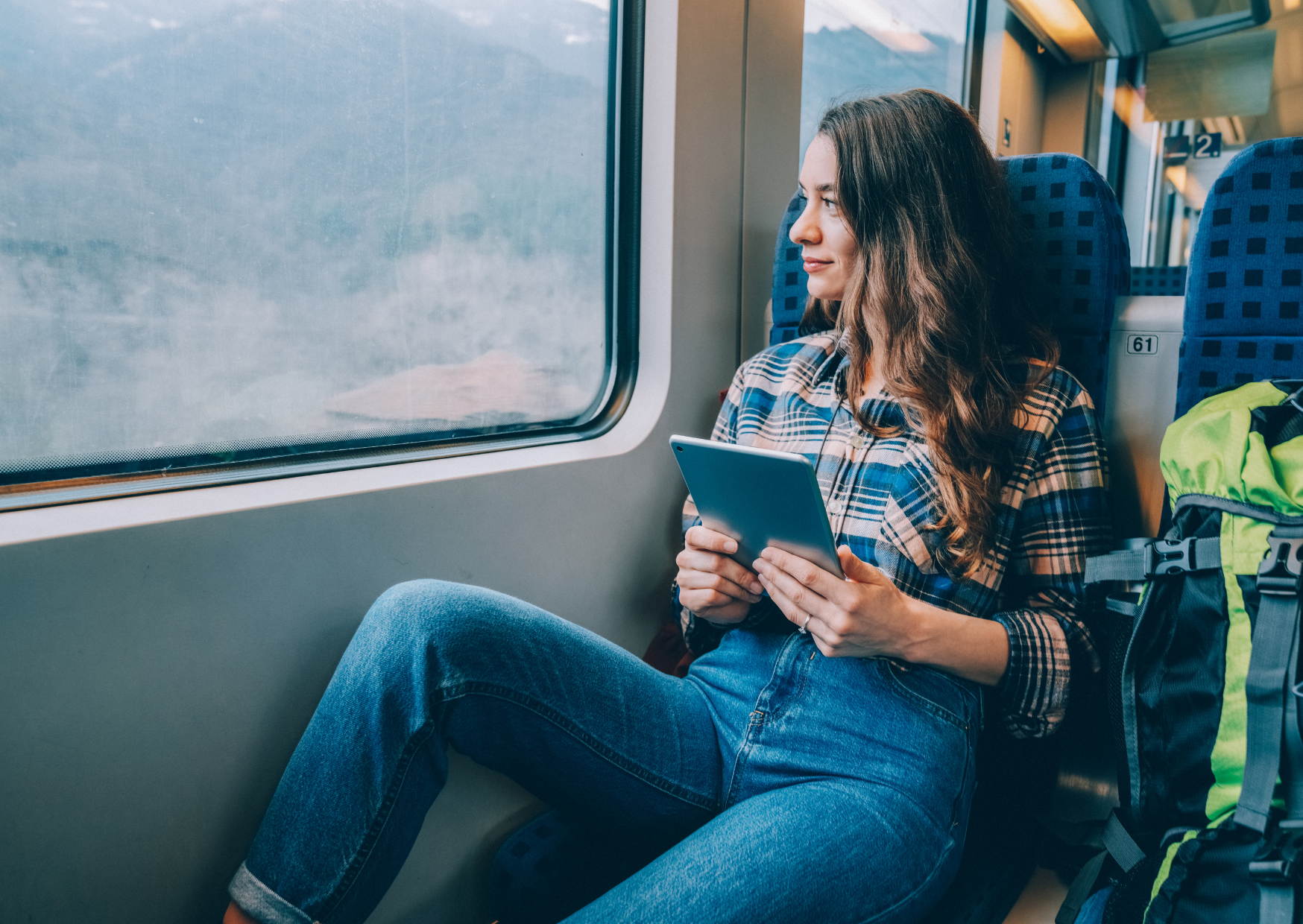
The cleanest way to say this is that solo female travel in Europe is often less punishing, not automatically safer in every moment.
That distinction matters.
A woman can still be harassed in Barcelona, followed in Naples, overcharged in Paris, groped in a nightlife district, or feel deeply uncomfortable near a station at the wrong hour. None of that disappears because the train network is good and the old town is pretty.
But easier travel is not only about whether the worst thing happens.
It is about whether the ordinary day asks too much from you.
Can you get from airport to center without building a military plan?
Can you move between cities without renting a car you do not want?
Can you walk from your hotel to dinner without calculating which parking garage leaves you least exposed at 10 p.m.?
Can you change your mind mid-evening and still get home without spending €28 or the local equivalent on a car because the street system has made any other choice absurd?
In much of Europe, the answer is more often yes.
That is a huge deal.
Because solo female travel gets exhausting when basic movement feels adversarial. The reason many women describe Europe as easier is not that nothing goes wrong. It is that the day is less full of unnecessary defensive planning.
There is a different kind of confidence that comes from knowing the city gives you options.
Not infinite options.
Just enough.
Often that is all a traveler really needs.
Europe Lets You Travel Without Constantly Rebuilding The Day Around A Car
This is the biggest difference, and it is not subtle.
A lot of American travel assumes the car is the trip.
Pick up the rental. Learn the garage. Watch the meter. Move the vehicle. Pay for parking. Walk back from parking. Decide whether to drive to dinner. Decide whether drinking one glass of wine is now annoying. Decide whether the hotel valet situation is annoying. Decide whether you want to walk the next stretch or whether the urban design is quietly telling you not to bother.
That layer disappears more often in Europe.
Not everywhere, obviously. Some places still work better with a car. Rural Andalusia is not central Vienna. The Greek islands are not Copenhagen. But in a large share of the continent’s most common city itineraries, the transport system does not require ownership logic.
That changes solo travel immediately.
Across OECD countries, public transport access in urban areas is dramatically better than in the United States. In large OECD urban areas, about 71% of residents can reach a public transport stop within a 10-minute walk. In 12 European and Asia-Pacific countries, that figure reaches 90%, while in the United States and Mexico it is below half. That is not just a planning statistic. That is the practical difference between “I’ll take the tram” and “I guess I’m opening another rideshare app.” (oecd.org)
And in the U.S., even after pandemic shifts, the work-and-mobility picture still shows how dominant the car remains. Driving alone is still the default commuting mode, and the U.S. Census was still reporting 68.7% of workers driving alone in 2022. That is commuter data, not tourist data, but it tells the same broader story: the American transport environment still assumes a personal vehicle far more than most solo travelers wish it did. (census.gov)
So yes, Europe feels easier partly because it asks less from the traveler before the trip has even properly begun.
No rental counter.
No freeway merge ten minutes after landing.
No hotel chosen mainly because it has parking instead of because it sits in the part of town you actually want to experience.
That is freedom in a very unromantic form.
Still freedom.
The Station To Hotel To Dinner Chain Works Better

This is the part many Americans do not fully appreciate until they try both systems back to back.
In Europe, the standard travel chain often looks like this: airport train or metro, central arrival, short walk or one local connection, hotel, shower, dinner, walk home.
That sequence is not universal, but it is common enough to feel normal in places like Madrid, Vienna, Copenhagen, Lisbon, Amsterdam, Milan, Prague, Bologna, and a long list of second-tier cities that are not even trying that hard to impress anyone.
The sequence matters because every extra break in the chain adds vulnerability.
A woman traveling alone is not just solving “how do I arrive.” She is solving luggage, orientation, bathroom access, darkness, fatigue, and the psychic drag of being new somewhere. A city that lets her keep those problems inside one continuous movement pattern is much easier to inhabit.
Europe does this better because intercity rail and local transit still connect to city centers in a way that American travel often does not. Rail use across the EU reached a new high in 2024, with 443 billion passenger-kilometres, which is one clue that train travel is not some nostalgic side feature of the continent. It is a live system that many travelers actually use. (ec.europa.eu)
That matters for solo women because trains shrink the number of exposed moments.
You are not alone in a remote rental-lot shuttle line.
You are not walking across a giant parking structure.
You are not dependent on one driver to get you from a peripheral airport or station to a hotel zone that only exists because of car logic.
Instead, you are usually moving through shared visible space.
That is not the same as safe.
But it is easier.
And ease compounds.
A day that starts with a simple arrival usually stays simpler.
A day that starts with a car puzzle tends to keep inventing more of itself.
Europe Gives You More Witnesses
This is one of those truths that sounds obvious once you feel it.
Solo female travel gets easier when there are simply more people around doing normal things.
Not crowds in the drunken-nightlife sense.
Ordinary visibility.
Parents with children.
Older couples walking slowly.
People on trams.
Someone buying bread at 8:30 p.m.
A corner café still open.
A pharmacy sign lit up.
A few tables outside, not because the city is putting on a show for tourists but because that is how the place uses the street.
This kind of ordinary street life gives women something incredibly valuable: context.
You know whether you are in a functioning place or a dead one.
You know whether the block is still socially inhabited.
You know whether going wrong by one street is annoying or actually destabilizing.
That is a bigger deal than safety discourse often admits.
In the European Commission’s 2023 city quality-of-life survey, seven out of ten residents said they felt safe walking alone at night in their city, though women still reported lower safety than men, 67% versus 72%, and city differences were real and sometimes sharp. So this is not a fairy tale. But it does show that many European cities still support a level of nighttime urban normality that solo travelers can feel. (ec.europa.eu)
That phrase matters: nighttime urban normality.
It is not the same thing as zero risk.
It is the difference between a traveler thinking, “I need to stay alert,” and a traveler thinking, “Why does it feel like I’m the only living person left in this district?”
American travel creates the second feeling more often.
That is not because America lacks women or sidewalks. It is because so many travel environments are split into zones: hotel zone, parking zone, restaurant strip, residential zone, office zone, nightlife zone. The seams between them can feel strangely empty, especially after dark.
European cities are often messier than that.
And for solo women, messy in this way is frequently better.
America Often Makes Women Buy Their Way Out Of Friction
This is where the money side comes in.
In the U.S., a solo woman can absolutely travel well. She can choose the right neighborhood, pay for the better hotel, use the safer parking, call the rideshare, skip the isolated walk, upgrade the airport transfer, and reduce a lot of hassle through spending.
That works.
It is also expensive.
A lot of “ease” in American solo travel is really privatized convenience. The city itself is not necessarily making the trip easy. The traveler is purchasing workarounds.
Better hotel because the area around the cheaper one feels too isolated.
Uber because the bus route is useless.
Airport transfer because the transit option dumps her into the wrong part of the city.
Closer accommodation because walking from the station with luggage at night feels dumb.
Parking because street parking at midnight feels worse.
This gets tiring very fast.
And it changes the emotional texture of the trip. Instead of feeling like a traveler moving through a coherent place, a woman starts feeling like a project manager constantly paying to reduce risk exposure by 12%.
That is why Europe often feels cheaper even when it is not cheap.
It is not always about the base price of the room or meal.
It is about the fact that the city supplies more of the convenience.
You do not have to buy your way around the same number of broken links.
This is especially obvious to women over 45, who are often less interested in “fun chaos” and more interested in whether the trip respects their energy. The trip does not need to be thrilling. It needs to be workable. It needs to let them carry a bag, find dinner, sleep well, and not perform tactical genius to get from one ordinary activity to the next.
Europe is often better at that kind of dignity.
The Continent Still Has Traps And Tourist Lies
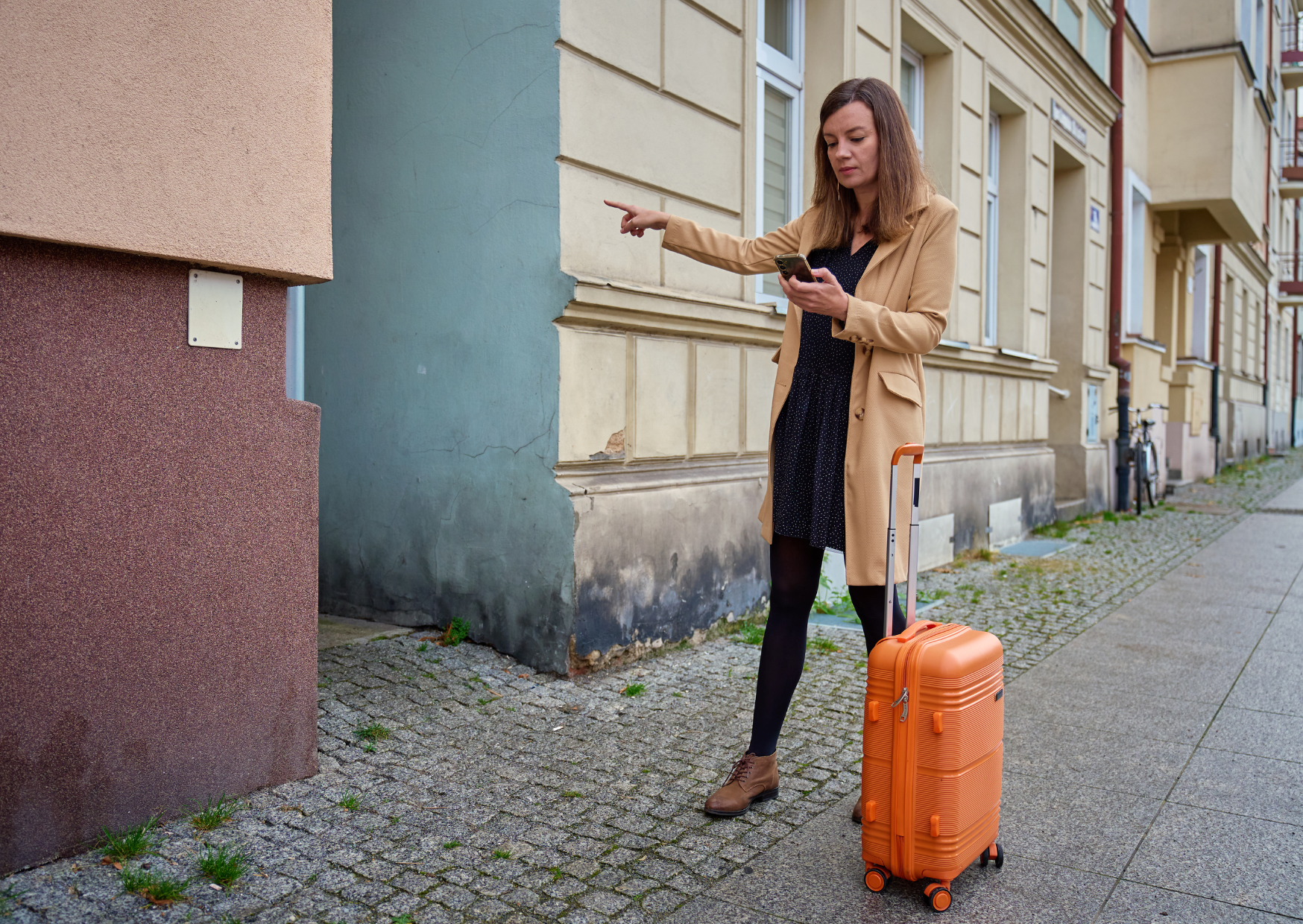
This is where the romance needs cutting back.
Europe is easier, yes.
It is not automatically gentle.
A woman traveling alone can still make a terrible hotel choice in a station fringe, underestimate nightlife spillover, arrive in a beach party zone that stops being fun around the third drunk shout, or assume “walkable” means “pleasant at 11:45 p.m.” when it merely means “technically possible with functioning knees.”
There are also parts of Europe where solo women need more caution than the brochure suggests.
Transit hubs can attract the same kinds of petty theft and opportunistic harassment they attract anywhere else.
Some old-center streets feel charming at 4 p.m. and unpleasantly empty later.
Some cheap accommodations are cheap because the neighborhood asks awkward questions after dark.
Some resorts are far easier with a taxi budget than the internet likes to admit.
And not every part of Europe is equally easy. Central-city Vienna is not outer-suburban anywhere. Dense Lisbon is not an isolated coastal hotel outside season. Copenhagen’s nighttime feel is not the same as a badly chosen airport-adjacent property outside a smaller city.
So the right claim is not “Europe is safe.”
It is that Europe often gives solo women better odds of ordinary competence paying off.
If you choose a reasonable central base, travel in daylight between cities when possible, stay near functioning transit, and avoid obvious party-noise traps, the trip frequently becomes calm in a way American solo travel does not always manage.
That is the real win.
Not courage.
Not vibes.
Just a trip that does not keep trying to punish you for moving through it without a car and a companion.
The First Week You Stop Traveling Like The City Is Trying To Beat You

This is the adjustment that makes the difference.
On a solo trip in Europe, the smartest move is usually not “pack lighter and be brave.” It is to build around the easy chain.
Book close to where the city already works.
Near a central station that is active but not seedy.
Near a tram or metro line you will actually use.
Near food, pharmacy, and coffee, not just near an attraction that looks good in daylight.
Then keep the first days almost boring.
Take the obvious train from the airport.
Do the obvious walk in daylight.
Find the obvious dinner street the first night.
Learn the obvious return route before you improvise.
Use the city’s boring competence before testing its charm.
A few rules make solo Europe much easier:
- Choose center over size. A smaller central room is often better than a larger room that requires tactical commuting.
- Arrive in daylight if you can. This is not fear. It is administrative intelligence.
- Use rail for medium-distance city hops when the route makes sense.
- Keep one neighborhood café or bar in reserve for the “I just want somewhere easy” evening.
- Do not worship the cheapest deal if it strands you in a dead zone.
- Treat the first night as setup, not performance.
This is where Europe often rewards women quickly.
The infrastructure is already doing some of the work.
You do not have to extract every ounce of efficiency from the trip by personal force. You just have to stop fighting the place and let it carry you where it already carries people.
That feeling is rare enough to be worth naming.
Easier Wins Because Easier Gets Repeated

This is the part people miss when they reduce solo female travel to bravery.
Most women are not looking for a bravery project.
They are looking for a trip that feels humane.
They want to land, move, eat, return, and sleep without spending the whole day budgeting for exposure. They want the public realm to behave like a public realm. They want transport to reduce stress instead of manufacturing it. They want to be alone without feeling like the environment considers that an error state.
Europe often gives them that.
Not perfectly.
Not uniformly.
Not without bad judgment still being possible.
But more often than America, it offers a version of travel where the city participates in your ease.
That is the whole point.
In the U.S., solo women can absolutely create that ease, but they often have to purchase, plan, and protect it themselves at every step. In Europe, the streets, stations, density, and public transport more often hand them a little of that ease for free.
That does not sound as romantic as “Europe is safer.”
It is better than that.
It is more useful.
And useful is usually the thing women remember when deciding where they actually want to travel alone again.

About the Author: Ruben, co-founder of Gamintraveler.com since 2014, is a seasoned traveler from Spain who has explored over 100 countries since 2009. Known for his extensive travel adventures across South America, Europe, the US, Australia, New Zealand, Asia, and Africa, Ruben combines his passion for adventurous yet sustainable living with his love for cycling, highlighted by his remarkable 5-month bicycle journey from Spain to Norway. He currently resides in Spain, where he continues sharing his travel experiences with his partner, Rachel, and their son, Han.