
Risotto is not hard.
It’s just unforgiving of one very American habit: treating the pan like a treadmill.
A lot of Americans cook risotto the way they were taught to manage stress. Constant motion. Constant stirring. Constant doing. The spoon never stops, the wrist starts aching, and the cook feels virtuous because it looks like effort.
Then they wonder why the risotto still comes out slightly wrong. Either gluey, or oddly dry, or both. The rice breaks down. The texture gets heavy. The starch turns into paste instead of cream. Dinner tastes fine, but it doesn’t taste like that quiet Italian thing you were trying to recreate.
Here’s the fix. It’s almost insulting.
Stop stirring so much.
That’s it.
Italian risotto isn’t creamy because somebody suffered over it. It’s creamy because the rice is toasted correctly, the liquid is added at the right pace, and the starch is allowed to do its job without being beaten into submission. Less agitation creates better creaminess when the method is right.
If you want risotto to taste Italian, you don’t need a new ingredient. You need to stop treating the pot like it owes you proof you’re working.
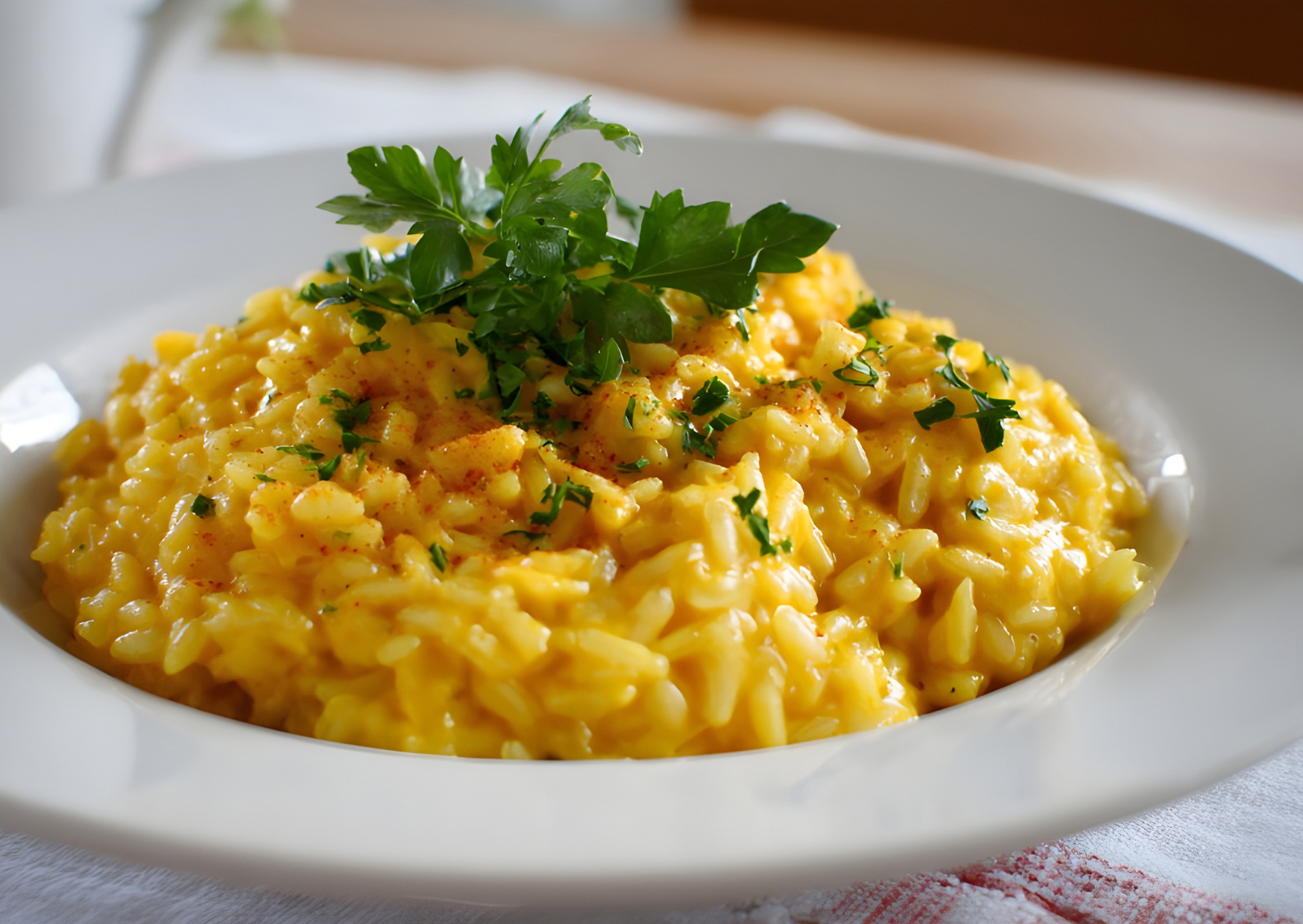
Why Constant Stirring Ruins The Texture
Risotto creaminess comes from starch, but not the kind Americans usually produce.
Arborio, Carnaroli, and Vialone Nano are high-starch risotto rices. When you cook them with gradual liquid and gentle agitation, you release starch into the liquid, creating that creamy suspension Italians call all’onda, the wave-like flow that moves softly when you shake the pan.
If you stir constantly and aggressively, two things happen:
- you scrape and abrade the grains too much, releasing starch too fast
- you break down the outer layer of the rice and push it toward a gluey consistency
So instead of a creamy sauce around intact grains, you get a thickened porridge that feels heavy on the tongue. It can still taste good, but it tastes like an overworked version of itself.
The irony is that most Americans are stirring to prevent sticking, not realizing sticking is usually a heat and timing issue, not a stirring issue. If the heat is too high, the pan is too thin, or the liquid additions are too infrequent, you’ll scorch the bottom and panic-stir to compensate. That’s how the treadmill starts.
The Italian fix is calmer.
Use a wide, heavy pan. Manage heat. Add liquid steadily. Stir enough to keep things moving, not enough to sand the rice down into paste.
Gentle stirring is what you want, not constant stirring.
The Zero-Effort Italian Fix That Changes Everything
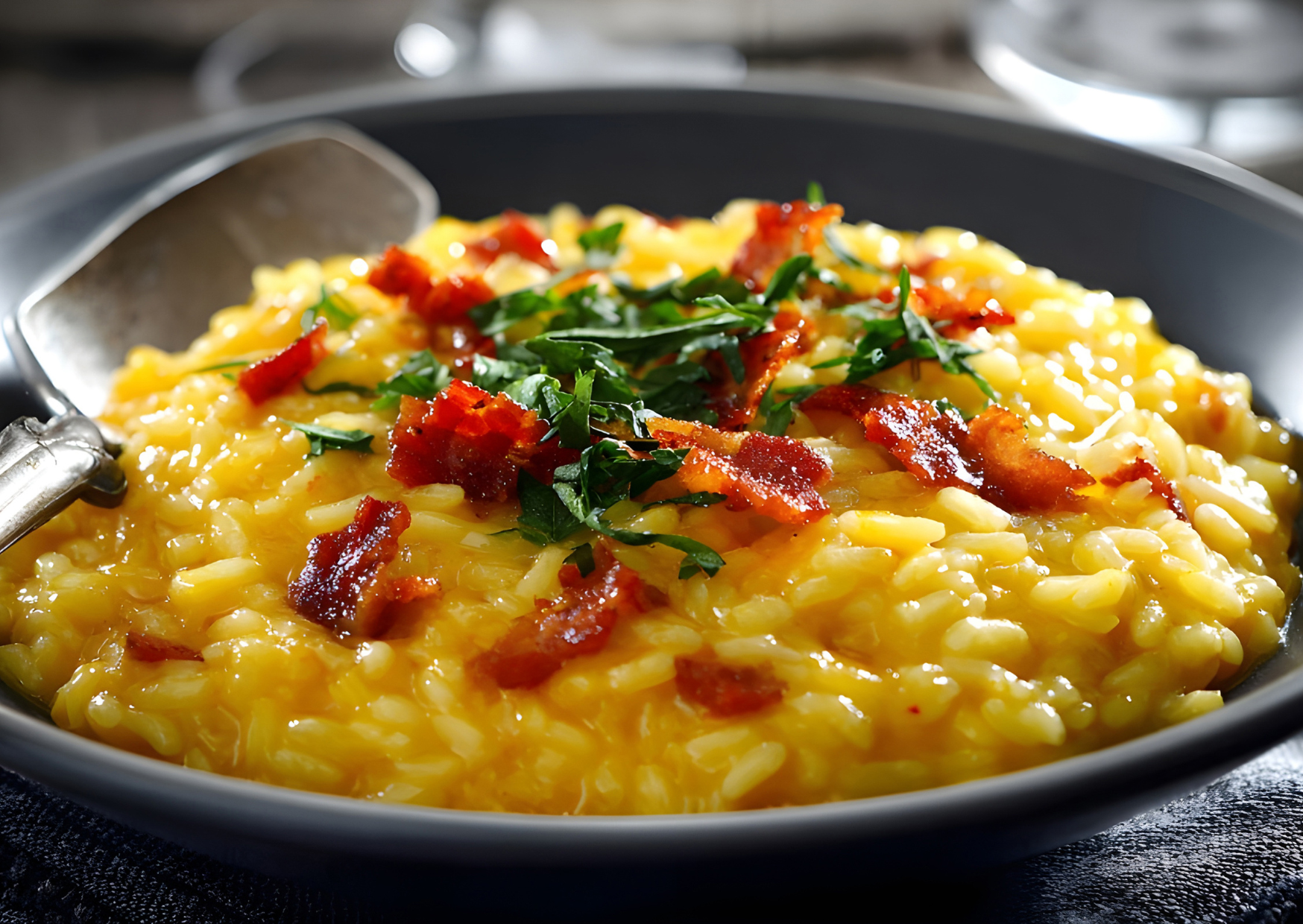
Here’s what “stop stirring” actually means in real cooking terms.
You still stir at key moments:
- when you add the rice to toast it and coat it evenly
- when you add wine to prevent clumping and to cook off alcohol
- after each ladle of broth to keep the rice moving and evenly hydrated
- toward the end, more frequently, because the starch concentration increases
But between those moments, you let the pot simmer and do its job.
A practical rhythm looks like this:
Stir for 10 to 15 seconds.
Walk away for 30 to 60 seconds.
Come back, stir again, add broth if needed.
That’s it.
This does two useful things at once:
- it protects grain integrity so the center stays pleasantly firm
- it releases starch slowly enough to create silk, not paste
It also changes the cook’s mood. Risotto becomes something you can make on a Tuesday without feeling like you’re auditioning for a cooking show.
The other quiet fix is heat. Many Americans keep the heat too high because they want the risotto to “move.” Risotto should simmer, not boil aggressively. If it’s boiling like pasta water, you’re going to burn the bottom and then you’ll start stirring like you’re trying to erase your mistake.
Keep it at a steady simmer. That’s the whole secret.
Lower heat makes better risotto.
The Recipe You’ll Actually Repeat
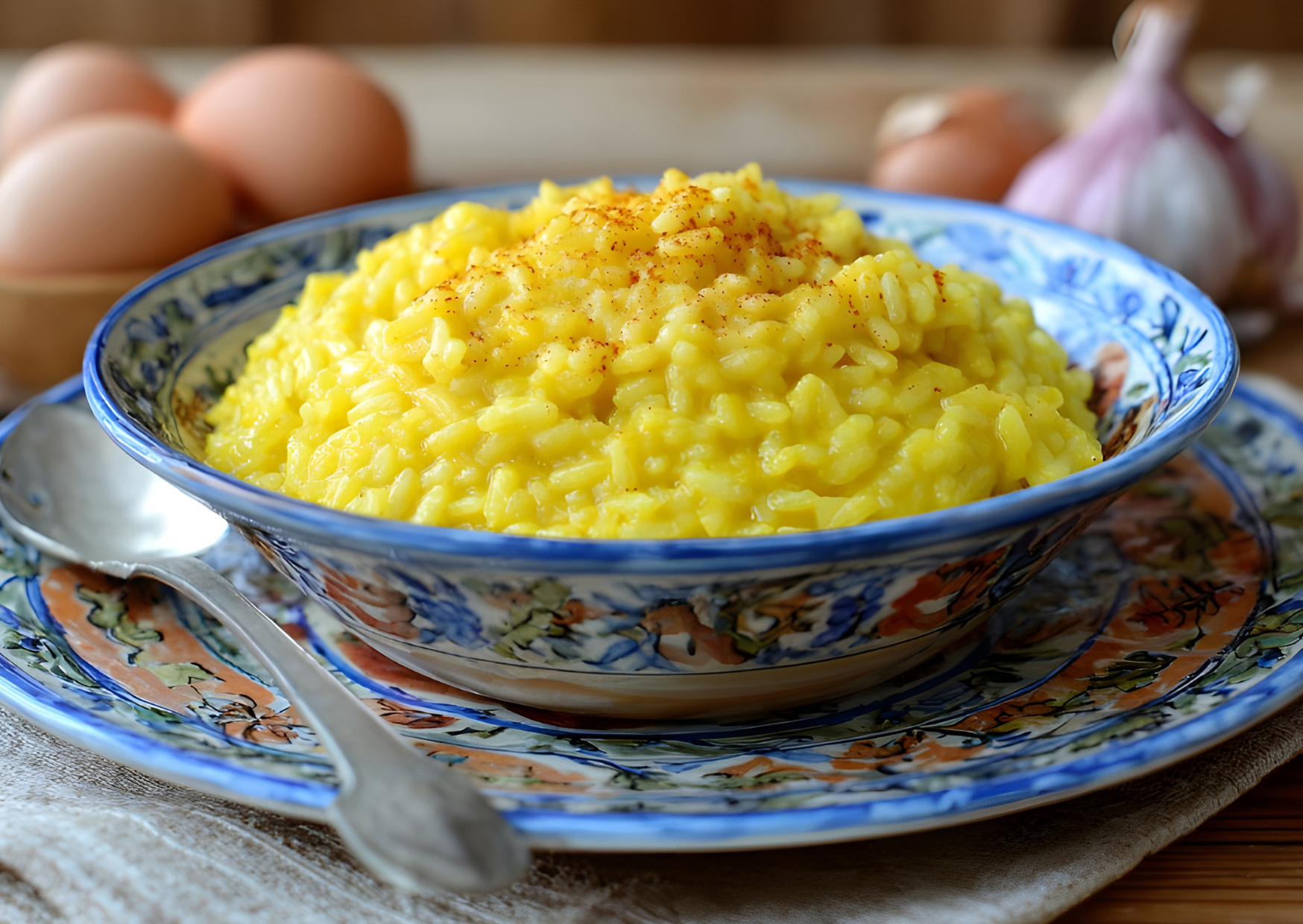
This is a base risotto you can turn into mushroom, lemon, asparagus, shrimp, or whatever you have. The method stays the same.
Ingredients For 2 Large Portions Or 3 Smaller
- Risotto rice (Carnaroli if you can get it, Arborio if you can’t): 200 g
- Onion or shallot, finely chopped: 1 small (about 80 g)
- Butter: 40 g total
- Olive oil: 1 tablespoon
- Dry white wine: 120 ml
- Hot broth (vegetable or chicken): 750 ml to 900 ml
- Parmigiano Reggiano, finely grated: 50 g
- Salt: to taste
- Black pepper: optional
Optional but highly recommended:
- A small squeeze of lemon at the end if you want brightness
- A pinch of nutmeg if you’re doing a richer variation
- A spoon of mascarpone if you want extra silk, but it’s not necessary
The One Rule That Makes This Work
Keep the broth hot.
Cold broth drops the pan temperature, makes the cooking uneven, and tempts you into over-stirring because the rice stops moving. Hot broth keeps the process smooth.
Step By Step
- Heat your broth and keep it at a low simmer.
- In a wide heavy pan, warm the olive oil and 20 g of the butter over medium heat.
- Add the onion with a pinch of salt. Cook until soft and translucent, 6 to 8 minutes. No browning. If it browns, the heat is too high.
- Add the rice. Stir to coat every grain. Toast for 2 minutes until the edges look slightly translucent. This step matters because it helps the rice stay intact and cook evenly.
- Add the wine. Stir continuously for 30 to 60 seconds until the wine is mostly absorbed and the alcohol smell is gone.
- Add a ladle of hot broth, about 120 ml. Stir for 10 to 15 seconds. Then let it simmer.
- When the liquid is mostly absorbed, add the next ladle. Stir briefly each time. Keep the risotto at a steady simmer, not a violent boil.
- Start tasting around minute 14. Most risotto finishes around 16 to 19 minutes depending on rice and pan. You want grains that are tender with a slight firm center.
- When the rice is just barely underdone, take the pan off the heat. Add the remaining 20 g butter and the Parmigiano. Stir firmly for 20 to 30 seconds to emulsify. This is the mantecatura, and it’s where the gloss happens.
- Let it rest for 1 minute. Then serve. If it’s too thick, add a splash of hot broth and shake the pan gently. You want a soft flow, not a mound.
That’s the whole thing.
If you do nothing else, remember this: most of the “cream” is starch plus butter plus cheese, not constant stirring.
The finish is where you stir.
The Food Science In Plain Language
Risotto is a starch suspension.
Rice has surface starch and internal starch. Toasting the rice in fat helps create a slight barrier, slowing absorption and keeping the grains more intact. Gradual broth additions hydrate the grains while releasing starch into the surrounding liquid.
Constant aggressive stirring over-scrapes the grains early, dumping starch quickly and breaking the rice down. That creates thickness without elegance. You get heft. You lose flow.
The final emulsification step matters because butter and cheese help bind the starchy liquid into a glossy sauce. That’s why Italian risotto can taste rich even when the ingredient list is boring. The method is doing the work.
If your risotto tastes flat, it’s usually one of these:
- the broth is weak
- you didn’t salt the onion base
- you didn’t finish with enough butter or cheese
- you didn’t add enough broth at the end to keep it fluid
If your risotto is gluey, it’s usually one of these:
- too much stirring
- cooking too long
- heat too high
- wrong rice
If your risotto is dry, it’s usually one of these:
- you stopped adding broth too soon
- you served it too late, because risotto tightens as it sits
- you used too little fat at the end
This is why Italians treat risotto as a serve-now dish. It’s not snobby. It’s chemistry.
Risotto waits for nobody.
Euro Cost Breakdown For A Normal Weeknight Version
Prices vary by city and store, so treat these as realistic ranges, not a promise.
For 2 to 3 portions:
- Risotto rice 200 g: €1.10 to €2.20
- Onion: €0.15 to €0.30
- Butter 40 g: €0.40 to €0.70
- Olive oil 1 tbsp: €0.15 to €0.25
- White wine 120 ml: €0.60 to €1.20
- Broth 800 ml: €0.40 to €1.20 depending on homemade vs carton
- Parmigiano 50 g: €1.20 to €2.20
Total: roughly €4.00 to €9.00 for the pan.
Per serving, you’re often in the €2.00 to €4.50 range if you already keep the basics around.
Where Americans usually overspend is not ingredients, it’s add-ons. Truffle oil, fancy mushrooms out of season, specialty stocks, boutique cheese swaps. You don’t need any of that to get the Italian texture.
Europe And U.S. Ingredient Substitutions That Don’t Ruin It
If you’re in Europe:
- Carnaroli is the easiest win. It’s more forgiving and holds texture better.
- Parmigiano Reggiano is worth it. You use less, it tastes like something.
- Use a decent boxed broth if you’re not making your own. Just taste it first and salt accordingly.
If you’re in the U.S.:
- Arborio is easier to find than Carnaroli. It works. Don’t punish yourself.
- If you can find Carnaroli, grab it. It’s the closest thing to “risotto on easy mode.”
- Don’t use jasmine or basmati. It will not behave the same.
- If you don’t have Parmigiano Reggiano, use a good aged Parmesan. Avoid pre-grated shaker cheese. It won’t emulsify the same.
Wine note:
- Use a dry white you would drink. It doesn’t need to be fancy.
- If you don’t want to use wine, you can skip it and use a squeeze of lemon at the end for brightness. It won’t taste identical, but it will still be good.
Broth note:
- Homemade is great, but not required.
- If your boxed broth tastes flat, fix it with a pinch of salt and a small knob of butter, not with more stirring.
Variations That Still Respect The Method
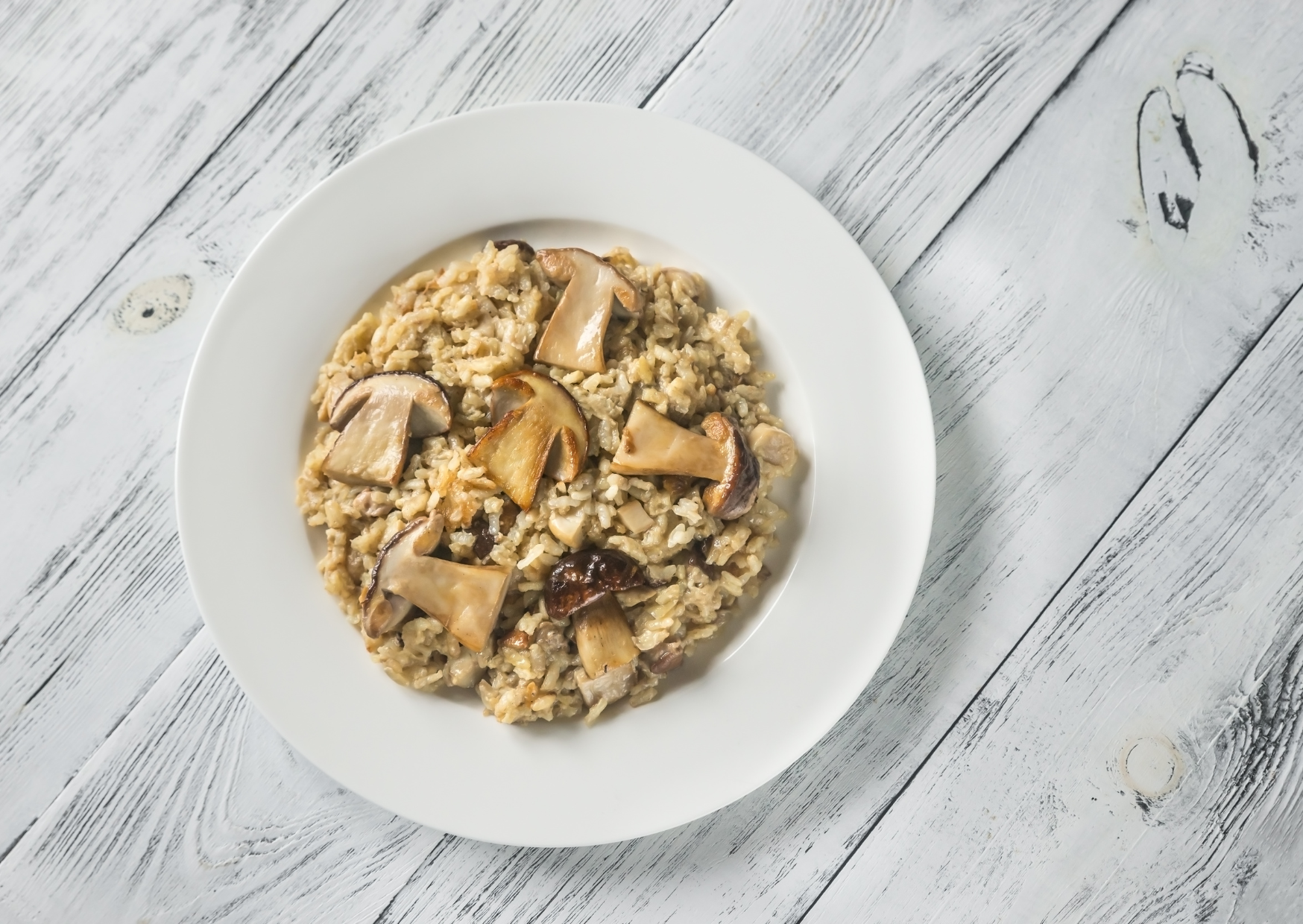
Once you have the base, you can do a lot without changing the technique.
Mushroom risotto:
- sauté mushrooms separately until browned
- add them near the end
- finish with parsley
Lemon and pea:
- add peas in the last 3 minutes
- finish with lemon zest and a small squeeze of juice
- go lighter on cheese, or keep it but balance with lemon
Asparagus:
- blanch asparagus tips separately
- stir in near the end
- finish with a small spoon of butter and more broth for flow
Shrimp:
- cook shrimp separately quickly
- fold in at the end so they don’t turn rubbery
The method stays calm. The risotto stays creamy. Your wrist stays intact.
The pan doesn’t need drama.
Storage, Leftovers, And The Only Reheat That Works
Risotto leftovers are real, but they are different food.
If you store risotto in the fridge, it will set into a thick mass. That’s normal. Don’t panic.
Best leftover move:
- make arancini-style patties or balls
- pan-fry until crisp
- eat with a simple salad
If you want to reheat as risotto:
- add a splash of water or broth
- reheat gently on low heat
- stir enough to loosen, not enough to break it down further
- finish with a tiny bit of butter to bring back gloss
It will never be as perfect as minute-one risotto. That’s fine. It’s still a good lunch.
Storage:
- fridge: up to 3 days
- freezer: not ideal for texture, but possible if you plan to turn it into fried rice cakes later
A Repeatable Week Plan That Makes This Habit Stick
If you want to get good at risotto without turning it into a weekend project, the trick is repetition.
Here’s a simple plan:
Day 1: Make the base recipe exactly as written. Keep it plain. Learn the texture.
Day 2: Use leftovers as crispy patties with a fried egg.
Day 3: Make mushroom risotto. Cook mushrooms separately and fold in late.
Day 4: Make lemon-pea risotto. Focus on keeping it loose and glossy.
Day 5: Make one pot of broth or buy a better carton. Broth quality changes everything.
Day 6: Make a pantry risotto using whatever you have: frozen peas, spinach, a bit of ham, leftover roast chicken. Keep the method identical.
Day 7: Skip it. The point is to have a tool, not a new religion.
This is how you stop “trying risotto” and start having risotto as a normal dinner. The method becomes automatic. The urge to stir constantly disappears because you’ve seen that it works better without it.
The Part That Changes Everything
Americans ruin risotto with one habit because American cooking culture often treats effort as proof.
Italian cooking culture is more comfortable with quiet competence. The pan doesn’t need constant attention. It needs correct steps at the right time.
Risotto is one of the cleanest examples of that difference.
If you want the Italian fix that takes zero effort, it’s this: stop performing the stir.
Stir with intention.
Then let the rice do what it was bred to do.
Your risotto will taste better, your wrist will thank you, and you’ll stop treating a weeknight dinner like a test of character.

About the Author: Ruben, co-founder of Gamintraveler.com since 2014, is a seasoned traveler from Spain who has explored over 100 countries since 2009. Known for his extensive travel adventures across South America, Europe, the US, Australia, New Zealand, Asia, and Africa, Ruben combines his passion for adventurous yet sustainable living with his love for cycling, highlighted by his remarkable 5-month bicycle journey from Spain to Norway. He currently resides in Spain, where he continues sharing his travel experiences with his partner, Rachel, and their son, Han.