

The most popular cost-of-living posts about Portugal share one thing: they are wrong in a way that feels right. The rent looks reasonable. The groceries look cheap. The total looks like freedom. Then people arrive, sign a lease, live through January, fly home once, and discover that the number they budgeted was missing about €700 a month in reality they never modeled.
Portugal is still affordable relative to most of the U.S. But affordable and cheap are not the same word, and the difference lives in the categories nobody photographs.
What follows is not a tracked diary from a fictional couple with a shared spreadsheet. It is a cost model built from current Lisbon rental data, published utility and transport pricing, and the kind of recurring adult expenses that expat budget posts routinely leave on the floor. Every figure reflects early 2026 market conditions. Ready? Let’s check it out.
The Rent Number That Shapes Everything Else
Housing is not one line in a budget. It is the line that determines whether every other line is comfortable or strained.
A T2 apartment in a residential Lisbon neighborhood with a lift, reasonable insulation, and proximity to a metro station currently lists between €1,450 and €1,800 on idealista, depending on the parish and the condition of the unit. Signed leases tend to come in lower than asking prices, often 25 to 30 percent below, but this only applies to tenants who negotiate and who can present the paperwork landlords want: three payslips or proof of stable income, NIF, and sometimes a Portuguese guarantor.
Neighborhoods like Benfica, Lumiar, Carnide, and Areeiro offer functional T2s in the €1,450 to €1,650 range, typically in 1980s-era buildings that will never make an Instagram reel but that have the bones to keep your electricity bill human. A mid-range T2 in parishes like Avenidas Novas, Alcântara, or Estrela runs €1,650 to €2,000, usually with updated kitchens, double glazing, and a heat pump. Anything in the historic core or with a river view pushes past €2,000, and at that point you are paying for the photo, not the apartment.
The working number for this model: €1,500 for a T2 in a residential parish, 12-month contract, with a lift, metro access within a ten-minute walk, and windows that do not make you curse in January.
One thing that surprises newcomers: the deposit is typically one to two months’ rent, and it is cash you will not see again until the lease ends. Budget for it as a sunk cost in month one.
Utilities and Telecom After the Promo Expires

For a two-person household in a T2 of roughly 75 to 85 square meters, combined basic utilities run €110 to €160 per month depending on the season and the quality of the apartment’s insulation. That range covers electricity, water and waste, and gas for cooking and hot water.
Electricity is the swing factor. A well-insulated apartment with a heat pump and shutters you actually use might average €60 to €85 per month across the year, spiking to €120 or more in January and dropping to €45 in May. An older apartment with single-glazed windows and portable electric heaters can hit €150 in winter without anyone doing anything unusual. The apartment you choose in September determines the bill you pay in January.
Electricity bills in 2026 rose by roughly 1 percent in the regulated market, a modest increase, but the baseline was already higher than most Americans expect. Portugal’s residential electricity rate sits around €0.22 per kWh, which is above the EU average.
Water and waste collection run €20 to €30 per month for a couple, billed bimonthly in most municipalities. Natural gas for cooking and hot water adds another €30 to €40.
Telecom is where the promo game lives. Fiber internet at 500 Mbps starts around €30 to €35 after negotiation, but every major provider (NOS, MEO, Vodafone) raises prices annually in line with inflation, usually 2 to 3 percent, and the hike hits without warning if you are not watching your bill. Two mobile plans with 10 to 20 GB data run €25 to €35 combined on budget carriers. The trick is calling every six months to reset your rate, which is tedious and also worth €10 to €15 monthly.
Working total for utilities and telecom: €195 to €210 per month, averaged across seasons.
What Groceries Actually Cost When You Stop Pretending

The “groceries are so cheap in Portugal” narrative has a shelf life, and it expired around 2023. Groceries in Lisbon are reasonable, not miraculous, and the gap between Portuguese prices and U.S. prices has narrowed as food inflation hit both sides of the Atlantic.
A couple cooking most meals at home and shopping at Pingo Doce, Continente, or Lidl for staples, with a weekly run to a municipal market for produce and fish, spends €450 to €550 per month eating real food. That means legumes, eggs, seasonal fruit, chicken, sardines, pork, rice, bread, olive oil, and vegetables that are in season rather than flown in.
The people who report spending €300 per month are either eating less than two full adults need, shopping exclusively at Lidl on markdown, or not counting wine, coffee, and pantry restocks. The people spending €650-plus are importing habits: almond butter from specialty stores, avocados in December, and American-brand products that carry a 40 to 60 percent markup.
Bacalhau, once the default budget protein in every Portugal guide, is no longer cheap. Prices have risen significantly over the past two years. It remains a cultural staple, not a budget hack. Sardines, mackerel, and chicken thighs are where the value sits in 2026.
Working grocery total: €500 per month for two adults eating well, cooking five to six nights a week, and not chasing imported cravings.
Eating Out Without Lying To Yourself About It
Restaurant meals in Lisbon remain genuinely good value by Western European standards, but only if you eat the way the city is designed to work.
Lunch is the value meal. The prato do dia at a neighborhood tasca or workers’ restaurant runs €8 to €12 per person and typically includes soup, a main, bread, and sometimes coffee or a drink. Two people eating lunch out twice a week spend about €40 to €50 per week on those meals. This is where the social life happens, and it is where the math stays kind.
Dinner is theater. A simple dinner at a neighborhood restaurant for two, no tasting menu, no cocktails, just food and wine, runs €35 to €55 depending on the spot. One dinner out per week is a reasonable rhythm that does not wreck the month.
Cafe stops for coffee and a pastéis de nata or a tostada cost €2 to €4 per visit. Three to four times a week adds €30 to €40 monthly.
Working eating-out total: €220 per month, skewing toward lunch rather than dinner.
People who arrive and eat dinner out three or four times a week because restaurants are fun will run €350 to €400 in this category before they notice. The correction usually happens around month four, when the credit card statement starts teaching what the guidebook did not.
Transport Without A Car, Which Is The Whole Point
This is the category where Lisbon genuinely delivers. The Navegante Municipal pass costs €30 per person per month and covers metro, buses, trams, and funiculars within the city limits. The Navegante Metropolitano at €40 per person extends to 18 municipalities, including trains to Cascais and Sintra. Both prices held steady into 2026, with CP confirming no increase on pass pricing even as individual train fares rose by about 2.3 percent.
Two municipal passes: €60. Two metropolitan passes if you want train access: €80.
Uber and Bolt rides for the occasional rainy evening or late return run €25 to €35 per month if you are disciplined. Intercity trains for weekend trips to Coimbra or Porto, booked two to three weeks out, average €20 to €30 per month when spread across the year.
Working transport total: €120 to €145 per month for two people with no car.
The real savings here are not just the €120. They are the €300 to €500 you are not spending on fuel, insurance, tolls, and parking that a car in Lisbon would cost. Filtering apartments by metro proximity is not a lifestyle preference. It is a financial decision worth thousands per year.
Health Insurance, Pharmacy, and the System You Should Actually Use
Americans relocating to Portugal need private health insurance for the visa application, and most keep it even after registering with the public SNS system. Both systems running in parallel is the practical setup.
Private insurance for a couple in their late thirties to mid-forties runs €120 to €180 per person per month for mid-tier coverage without dental, depending on the insurer. Médis, Multicare, Fidelidade, and AdvanceCare are the main domestic players. International insurers like Cigna and Allianz offer plans tailored for expats, often at higher premiums but with broader coverage and direct billing.
For a couple: €240 to €360 per month for private insurance.
Once registered at a local Centro de Saúde and assigned a user number in the SNS, consultations through the public system cost €5 to €10, and emergency visits around €15 to €20. Many prescriptions are subsidized, with common medications costing €5 to €20.
Pharmacy costs for a normal month average €20 to €30 for two people. A bad cold or a round of antibiotics might push a single month to €50.
Immigration paperwork now runs through AIMA (Agência para a Integração, Migrações e Asilo), which replaced SEF in October 2023. Any guide, blog post, or budget spreadsheet that still references “SEF appointments” is working from outdated information. AIMA’s system is more digital than its predecessor but carries a massive backlog of hundreds of thousands of pending applications. Appointment wait times can stretch beyond a year for initial applications. The renewals portal at portal-renovacoes.aima.gov.pt handles some processes online, but the system remains unpredictable. Budget both the fees and the patience.
Working health total: €290 to €360 per month, including insurance, copays, and pharmacy.
The Paperwork, Flights, and Adult Noise That Break Monthly Budgets
This is the section that kills the “Portugal for €2,000 a month” narrative. None of these costs are monthly, but all of them are real, and they only appear in your annual math if you bother to do annual math.
Residence card fees, photos, apostilles, legal translation, and courier costs for a couple, amortized across 12 months: €30 to €50 per month. An initial legal consultation with an immigration lawyer (which is worth doing before you need one urgently): €200 to €500 one-time, or €15 to €40 per month amortized.
Bank fees and international transfer costs: €5 to €15 per month after moving to a fee-optimized setup. Wise or similar services cut this significantly compared to traditional bank wires.
Flights home. Two roundtrip economy tickets from Lisbon to a major U.S. East Coast city, booked two to three months out, run €900 to €1,400 total depending on season and flexibility. Amortized: €75 to €115 per month. This is the line item that does not exist in month-to-month budgets but absolutely exists in your year. You will fly home. Price it in.
Household goods, clothing replacement (Lisbon’s cobblestones destroy shoes at a rate that has to be experienced), subscriptions, and the misc category that includes birthday gifts, a printer cartridge, and the parking fine you did not expect: €100 to €140 per month combined.
Entertainment, Portuguese language classes, day trips, cinema, and the occasional football match: €100 to €160 per month depending on how you spend weekends.
The All-In Number, Built From Current Data
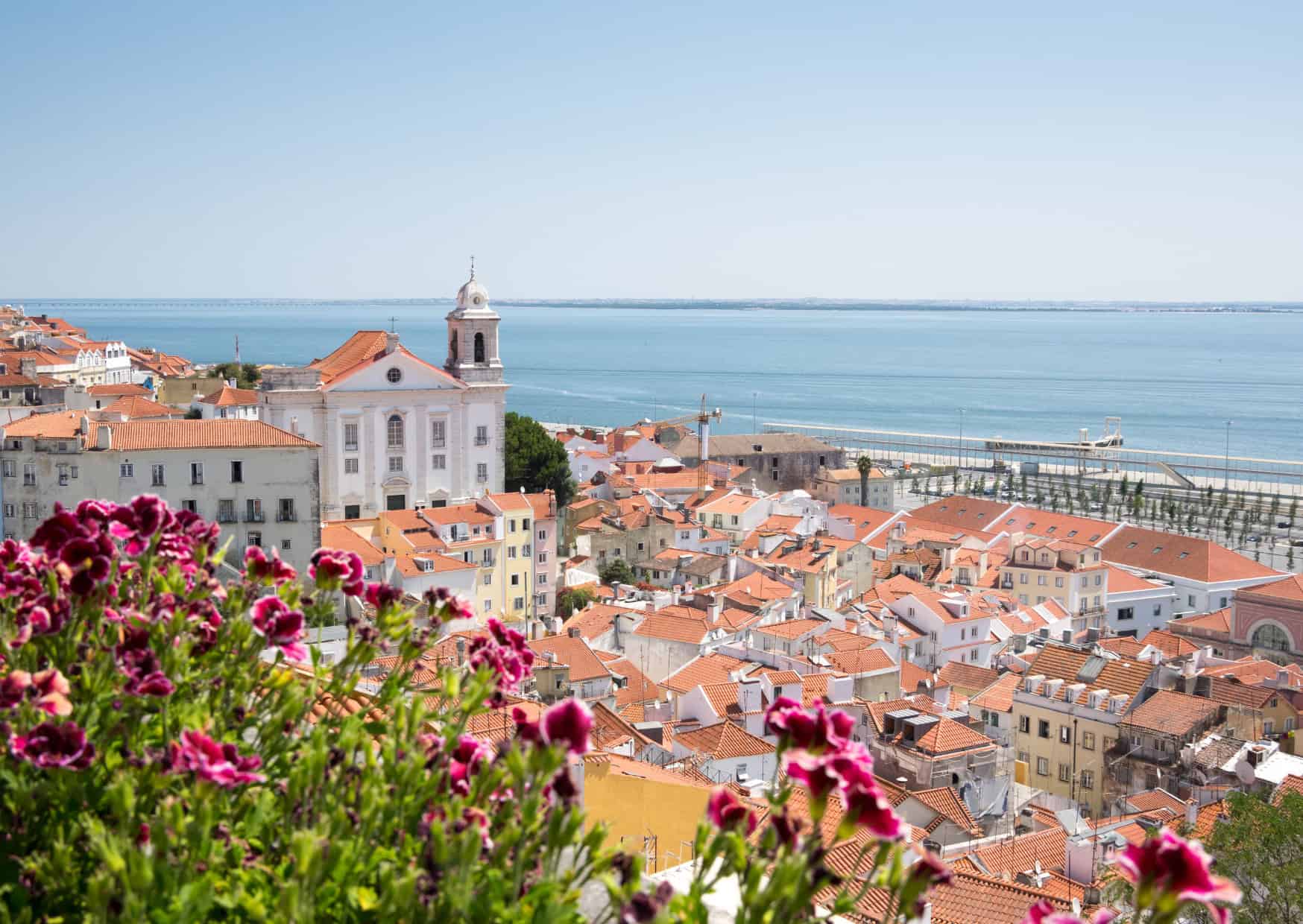
Here is the model, using mid-range figures for a couple in a residential Lisbon parish in early 2026:
Rent, T2, second-row neighborhood: €1,500
Utilities and telecom: €200
Groceries and markets: €500
Eating out, lunch-heavy: €220
Transport, two passes plus occasional rides: €130
Health insurance and pharmacy: €310
Paperwork and legal, amortized: €45
Household, clothing, subscriptions: €120
Entertainment and classes: €130
Flights home, amortized: €95
Miscellaneous cushion: €40
Monthly total: €3,290
In a calm month with low electricity and no surprises, this drops toward €3,000. In January, when the electricity spikes and the dentist appointment lands, or in May, when the flights hit the card and visiting friends push restaurant spending up, it runs €3,500 or more.
This number is higher than what most online guides report, and the gap comes from three places: rent has moved significantly since 2022, health insurance costs more than the €96-per-person figure that still circulates in older posts, and the amortized costs (flights, paperwork, legal, household replacement) are real money that monthly snapshots miss.
If You Are Looking At Porto, Braga, or Coimbra
The honest version: Porto rents in desirable central parishes have converged much closer to Lisbon than the old “just move north and save €300” framing suggests. A T2 in a good Porto neighborhood with metro access runs €1,100 to €1,500 in early 2026. The savings are real but smaller than the 2022 guides imply.
Braga and Coimbra remain genuinely more affordable, with T2 rents in the €700 to €1,000 range for decent apartments. Utilities track similarly. Groceries barely change. Eating out costs slightly less because tourist-driven price pressure is lower.
A comparable couple with similar habits in Braga or Coimbra lands closer to €2,500 to €2,800 per month all-in. In Porto, the range is €2,800 to €3,200, depending heavily on the neighborhood and whether the rent gods smiled.
The Week That Sets The Year Straight
The first seven days after arrival are not about exploring. They are about infrastructure.
Day one and two: sign the lease, get the keys, confirm the utility contracts are in your name or transferable. Buy the pressure cooker and the drying rack. Skip the espresso machine.
Day three: go to a metro station, buy two Navegante cards, load municipal or metropolitan passes. Walk the route from your apartment to the nearest station. Time it.
Day four: register at the local Centro de Saúde for your SNS user number. Bring your residence permit, NIF, and proof of address. Expect bureaucracy. Bring a book.
Day five: open your Portuguese bank account if you have not already, and set up Wise or your preferred transfer service. Move the first month of expenses in euros.
Day six: do your first full grocery shop. Go to Pingo Doce or Continente for staples. Find your nearest municipal market and learn its hours. Buy what is in season, not what you miss.
Day seven: sit down and build your actual spreadsheet. Not the aspirational one from before the move. The real one, with every line from this article in it, adjusted for your lease and your habits. Write the all-in monthly number at the top. Let it stare at you honestly.
Portugal Rewards The Boring Week
The expats who keep their costs steady in Lisbon are not running side hustles or hunting for hacks. They are repeating the same grocery run, eating the same Tuesday lunch at the same tasca near the office, riding the metro pass they already paid for, and closing the shutters at noon in July instead of running the air conditioning at full blast.
The savings come from structure, not cleverness. A Navegante pass and a predictable lunch habit save more annually than any single optimization. Rent dominates the equation, and the apartment you choose in September determines your electricity bill in January, your commute cost every month, and your overall relationship with the city.
Portugal is not the ultra-cheap paradise some 2019 headlines still promise. It is also not the overpriced trap that frustrated forum commenters sometimes claim. It is a place where a couple with remote income and realistic expectations can live a full, comfortable, genuinely European life for €3,000 to €3,300 a month in Lisbon, or €2,500 to €2,800 in a smaller city, and feel like the math was honest from the start.
The only budget that works is the one that includes the dull stuff. Flights, pharmacy runs, telecom hikes, the dentist, the shoes the cobblestones killed, the month you said yes to everything. Add it up, average it out, and stop comparing your real year to someone else’s best month.

About the Author: Ruben, co-founder of Gamintraveler.com since 2014, is a seasoned traveler from Spain who has explored over 100 countries since 2009. Known for his extensive travel adventures across South America, Europe, the US, Australia, New Zealand, Asia, and Africa, Ruben combines his passion for adventurous yet sustainable living with his love for cycling, highlighted by his remarkable 5-month bicycle journey from Spain to Norway. He currently resides in Spain, where he continues sharing his travel experiences with his partner, Rachel, and their son, Han.