

Getting cancer abroad is not a philosophical problem.
It’s a logistics problem that arrives with a body attached to it.
You can be calm, well-traveled, financially competent, and perfectly integrated in your European life, and cancer will still force a brutally practical question:
If I’m not enrolled in Medicare, what actually happens now.
Most Americans living in Europe have a vague answer that sounds like one of these:
- “Europe has healthcare, so I’ll be fine.”
- “If it’s serious, I’ll fly home.”
- “I have private insurance.”
- “I’ll figure it out.”
Cancer is the situation where “I’ll figure it out” becomes expensive, fast.
This piece is the non-dramatic, adult version: what Medicare does and does not do outside the U.S., what your real options are in Europe, how money and residency status change everything, and the decisions people regret when they wait too long.
First, The Medicare Part: You Probably Don’t Have A Safety Net Outside The U.S.
Americans keep paying into Medicare in their heads even when they stop paying premiums.
They assume it’s there in the background, like Social Security.
It’s not.
Original Medicare generally does not cover routine medical care outside the United States and its territories, with only narrow exceptions like specific situations involving Canada or Mexico and travel-related edge cases. Medicare’s own materials are blunt about this: coverage outside the U.S. is limited, and most care abroad is not paid by Medicare.
So if you are living in Spain, Portugal, France, Italy, or basically anywhere in Europe, and you are not enrolled in Medicare, your cancer care is not going to be handled by “Medicare later.”
You are living in your European healthcare reality. That’s the point of moving. Cancer forces you to face whether you built that reality properly.
The Medicare question only comes roaring back if you decide to return to the U.S. for treatment or long-term care. And if you are not enrolled, that return can involve penalties and waiting periods depending on your enrollment timing and whether you qualify for a special enrollment window.
So the honest baseline is:
If you get cancer in Europe without Medicare, you are not “covered by America.” You are covered by whatever you arranged in Europe, plus whatever cash and options you can mobilize quickly.
Your First Divider Is Not Country. It’s Status.

Your options are determined less by “Europe” and more by whether you are in one of these buckets when you are diagnosed:
Bucket A: You are a legal resident with access to the local public system
This is the strongest position. It does not guarantee perfection. It usually guarantees access.
Bucket B: You are a legal resident using private insurance as your primary system
This can be excellent. It can also turn into paperwork fights if the plan has limits, networks, or pre-authorization rules.
Bucket C: You are not a resident. You are a long-stay visitor on private insurance
This is where trouble starts. Some visitor policies look good until you try to use them for oncology, then you discover exclusions and caps.
Bucket D: You are effectively uninsured and paying cash
This can still be survivable in some European countries for diagnostics and initial treatment, but it can become financially dangerous for extended oncology care.
Most Americans who get blindsided are in Bucket C. They thought they were protected because they had “international insurance,” but they did not have the kind of long-term, comprehensive cover that cancer requires.
Option 1: Use The Local Public System If You Have It
If you are legally resident in many European countries, the public system can be your backbone for cancer care.
This is the least glamorous option and often the best one, because public systems typically handle:
- diagnostic pathways
- oncology referral networks
- surgery and inpatient care
- chemo and radiation protocols
- long-term monitoring
- access to multidisciplinary teams
The trade is usually time and navigation:
- referrals can take time
- non-urgent timelines can feel slow
- you may need persistence to get appointments and imaging scheduled efficiently
- language can add friction if you cannot communicate comfortably
But the public system is designed for exactly this. Cancer is not treated like a boutique service. It is a core function.
The most common American mistake here is emotional:
They treat “waiting” as proof they are being neglected.
Sometimes waiting is a real issue. Sometimes it is triage. Oncology departments prioritize aggressive cases. People who understand the system often get better outcomes because they work the process rather than panicking and jumping systems midstream.
The practical reality is that many Europeans receive cancer care through public systems and do not go bankrupt for it. That is the structural difference Americans are trying to buy by moving.
If you are eligible, this is usually your first-line plan.
Option 2: Use Private Insurance In Europe, But Know What It Actually Covers
Private health insurance in Europe often looks inexpensive compared to the U.S. and can be very useful for:
- faster specialist access
- more choice of provider
- shorter wait times for diagnostics
- comfortable private hospitals
For cancer, private insurance can be excellent or frustrating depending on the contract.
The questions that matter are not the marketing words. They are the boring clauses:
- Does the plan cover oncology, including chemo and radiotherapy, without caps that make it meaningless
- Are there annual or lifetime limits
- Are there exclusions for pre-existing conditions and waiting periods
- Are there network restrictions
- Does the plan require pre-authorization for imaging, surgery, chemo cycles
- Does it cover outpatient drugs and hospital-administered drugs differently
- Does it cover second opinions
- Does it cover treatment in another country
A lot of expats have private plans that are perfect for everyday life and mediocre for catastrophic care. That is not a scandal. It’s how insurance works.
This is where the best setups in Europe often look like a two-layer strategy:
- public system access as the catastrophic safety net
- private insurance for speed and choice within the country
If you have only private insurance and no public access, you need to be sure your private plan is true comprehensive medical insurance, not travel insurance dressed up as healthcare.
Option 3: Pay Cash In Europe For Diagnostics And Initial Care

This option is more real than Americans expect, especially in places where private clinics compete aggressively on price.
For early steps, paying cash can cover:
- consultation with oncologists
- imaging like MRI, CT, PET depending on country and clinic
- biopsies
- pathology reports
- second opinions
- staging work
Even some treatments can be paid out of pocket at rates far below U.S. pricing.
The danger is that cancer is not a one-off expense.
A long treatment arc can involve months of care, multiple cycles, surgeries, complications, and long follow-up. That’s where cash-pay becomes risky.
Cash-pay works best as a bridge:
- You use cash to move quickly for diagnosis and staging
- You use your residency system or your proper insurance for ongoing treatment
- You do not try to self-fund a multi-year oncology journey unless you have serious wealth
Many Americans abroad have enough liquidity to buy speed early. Very few have enough to self-fund everything long-term safely.
If you are going to use cash strategically, use it for speed and clarity, not as a permanent substitute for a system.
Option 4: International Health Insurance
This is where Americans are most likely to believe the wrong story.
International health insurance can mean:
- long-term expatriate health insurance designed for residents abroad
- travel insurance with medical benefits
- short-term “visitor health insurance” meant for temporary stays
- evacuation-focused products that pay for transport but not full treatment
Cancer exposes which one you actually bought.
A true expatriate medical plan can cover oncology and major care, often with:
- worldwide coverage including Europe
- provider networks and direct billing
- high limits and serious inpatient coverage
- optional U.S. coverage, which usually raises the premium a lot
Travel insurance is where people get crushed, because travel policies often have:
- pre-existing condition exclusions
- limits and caps that look large until you hit oncology costs
- exclusions for ongoing treatment
- strict definitions of emergency versus ongoing care
If you are reading this and thinking, I have international insurance, I’m fine, the adult move is to look up:
- whether oncology is covered
- whether there are caps
- whether pre-existing rules apply
- whether you have coverage if you travel to the U.S. for treatment
- whether you have coverage if you decide to move back
If the policy language is unclear, assume it will not be generous when the bill is large.
Option 5: Return To The U.S. For Treatment Without Medicare

This is the option Americans imagine most often, and it is the one that can go sideways quickest.
If you are not enrolled in Medicare and you return to the U.S. for cancer care, you need to know two separate realities:
- Medicare does not automatically turn on when you land.
- The U.S. healthcare market without Medicare is not a gentle place to be sick.
If you return and you can enroll immediately under a special enrollment window, you might avoid the worst delays and penalties. But if you are outside those rules, you may face:
- late enrollment penalties for Part B that can last for as long as you have Part B
- waiting for enrollment windows
- coverage start delays depending on timing
- and the need to self-fund care while you wait
This is why the “I’ll just go home if it’s serious” plan is not a plan unless you have one of these:
- a funded private U.S. insurance option
- a clear Medicare re-enrollment pathway you qualify for
- or enough cash to self-pay until coverage begins
Most people do not have those lined up. They have an assumption and a passport.
Even if you can enroll, you still have another layer: supplement coverage and out-of-pocket costs. Traditional Medicare is not a complete shield. It reduces catastrophe. It does not eliminate cost and paperwork.
So yes, returning to the U.S. can be a viable option for certain cancers, certain people, and certain family situations. It is not automatically the safest option. It can be the most expensive option.
Option 6: Get Treated In Europe, But Add A Second Opinion Strategy
A lot of Americans treat second opinions like a luxury.
With cancer, a second opinion is often a sanity tool.
In Europe, you can often do this in a way that is both affordable and fast:
- get your diagnosis and staging locally
- obtain your pathology report and imaging
- consult a second oncology team, sometimes in a different city or even a different country
- confirm the treatment plan, or adjust it
This is especially useful if you are in a smaller town or you are concerned about access to a highly specialized cancer center.
The goal is not to chase the fanciest hospital. The goal is to make sure you understand:
- the exact diagnosis
- the stage and prognosis
- the treatment options and sequencing
- whether clinical trials are relevant
- and what the realistic timeline is
Second opinions are also where language matters. A bilingual oncologist or a professional medical interpreter can change everything. Misunderstanding a treatment plan is an expensive mistake.
The Two Big Traps Americans Fall Into
Trap 1: They bought residency comfort, not catastrophic coverage
They solved visas and paperwork, but they never built a serious healthcare plan.
This happens constantly with retirees who move on a non-work visa and buy the cheapest private plan that meets residency requirements. It often works fine until it doesn’t.
Trap 2: They assume Medicare is a moral obligation and skip planning
They either keep paying for Medicare they are not using out of guilt, or they drop it without building a re-entry plan, then assume they can switch it back on instantly.
Both approaches are emotional, not strategic.
Cancer doesn’t care about your emotions. It cares about whether you can access oncology care quickly and consistently.
The Decision Tree That Actually Works When You’re Diagnosed

Here is the calm sequence that keeps people from spiraling.
Step 1: Stabilize the medical facts
You need diagnosis, staging, and a clear plan. Without that, you cannot decide where to treat.
Step 2: Decide your treatment base
Most people should choose one base system where the main treatment occurs. Switching countries mid-treatment is hard, unless you are specifically moving for a specialized intervention.
Step 3: Use private speed where it helps
Use private care for:
- fast imaging
- fast specialist consults
- second opinions
Use your primary system for: - the long treatment arc
Step 4: Price the U.S. option honestly
If you are considering returning to the U.S., you need to know:
- whether you can enroll in Medicare without penalty or delay
- what your interim insurance coverage would be
- what your out-of-pocket exposure looks like
If you cannot answer those, treat the U.S. option as a risk, not a safety net.
Step 5: Build a support plan
Cancer care is not only clinical. It is logistics:
- transport
- paperwork
- food
- fatigue management
- someone who can talk to institutions
- someone who can manage money and documents if you are wiped out
This is where durable power of attorney and document access become real life, not theory.
The First Week After Diagnosis When You Don’t Have Medicare
This is an actionable, high-stakes situation, so a 7-day section belongs here, and it needs to be usable.
Day 1: Get the diagnosis in writing
You want:
- pathology report
- imaging results
- staging notes
- and a summary letter if possible
Day 2: Confirm your coverage lane
Are you using:
- public system access
- private insurance
- international expat insurance
- cash-pay
Do not guess. Confirm.
Day 3: Request a second opinion consult
You can do this locally or in a major center. The purpose is confirmation and options, not panic.
Day 4: Build your paperwork authority
If you cannot manage your accounts and documents, who can. If your spouse or child cannot act legally on your behalf, fix that immediately.
Day 5: Create a treatment budget buffer
Even with public care, you will have costs:
- transport
- support services
- meds not fully covered
- extra diagnostics
- private consults
Make a buffer so you are not making medical decisions based on the price of a taxi.
Day 6: Decide the base country for treatment
Pick the place where the main arc will happen. Do not keep it ambiguous.
Day 7: Decide whether U.S. return is a real plan or a comfort fantasy
If you plan to return, you need the enrollment and coverage path. If you cannot secure it, commit to the Europe plan and stop wasting energy on an imaginary escape hatch.
The Honest Takeaway
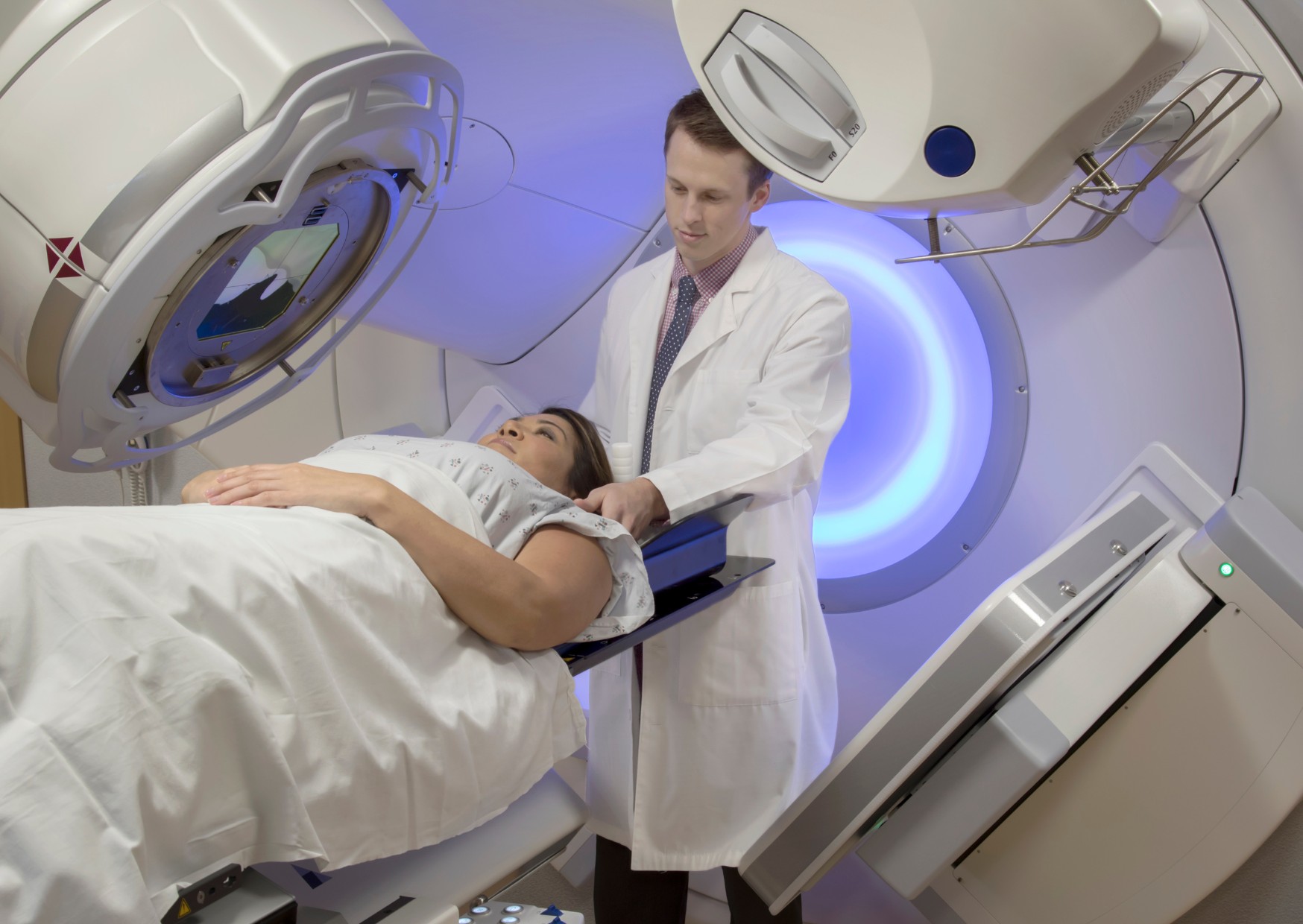
If you get cancer in Europe without Medicare, you are not automatically doomed and you are not automatically safe. You are simply forced to live inside the system you built.
Your real options are:
- use the local public system if you have access
- use private insurance if it is truly comprehensive
- pay cash strategically for speed and clarity
- use international expat health insurance if it actually covers oncology
- return to the U.S. only if you can do it without coverage chaos
- use second opinions to reduce uncertainty and improve decision quality
The hardest truth is also the most useful one:
Cancer punishes vague plans.
If you are living in Europe, the best protection is not a monthly premium you feel guilty about. It is a coherent healthcare setup in your country of residence, plus a realistic U.S. re-entry plan if you choose to keep that door open.

About the Author: Ruben, co-founder of Gamintraveler.com since 2014, is a seasoned traveler from Spain who has explored over 100 countries since 2009. Known for his extensive travel adventures across South America, Europe, the US, Australia, New Zealand, Asia, and Africa, Ruben combines his passion for adventurous yet sustainable living with his love for cycling, highlighted by his remarkable 5-month bicycle journey from Spain to Norway. He currently resides in Spain, where he continues sharing his travel experiences with his partner, Rachel, and their son, Han.