

Portugal is not a scam.
But it can absolutely become a money shredder for a certain type of American retiree. And California retirees are the easiest target because they often arrive with three things that quietly destroy budgets:
- a high comfort baseline
- a high convenience baseline
- a tendency to treat “beautiful lifestyle” as a daily spend, not a weekly treat
Portugal feels cheap compared to the Bay Area or coastal Southern California. That’s the trap. When something feels cheaper, Americans do more of it. More restaurant meals, more taxis, more trips, more “we deserve this.” The burn rate climbs and nobody notices because each individual choice feels reasonable.
Then three years later they’re mad at Portugal.
Portugal didn’t do it. The California lifestyle did it, just in euros.
This is the anatomy of the hemorrhage: where the money goes, why it happens faster for Californians, and what a sustainable Portugal plan looks like for people who don’t want to wake up at 66 feeling financially stupid.
Portugal Looks Like A Bargain To Californians And That Changes Behavior
Retirees from California are trained by pricing to think in high numbers. A $19 salad is normal. A $7 latte is normal. A $3,800 one-bedroom is normal. So when they land in Portugal and see:
- coffees for a couple euros
- a €12 to €15 lunch menu in many places
- transit that costs less than what they paid to park at home
- healthcare costs that don’t feel like a hostage situation
they don’t think, I should be careful.
They think, finally, I can relax.
Relax turns into spending.
And because Portugal has a public life culture, spending feels like “living.” It doesn’t feel like shopping. It feels like sitting outside, taking a walk, eating slowly, doing it again tomorrow.
This is why California retirees can hemorrhage money faster than Midwestern retirees on the same income. The Midwestern couple is more likely to treat Portugal’s cheap pleasures as occasional treats. The California couple is more likely to make them the default.
Cheap-feeling daily pleasures become expensive habits.
The Biggest Leak Is Housing And Californians Pick Housing For Emotion

Portugal is not uniformly cheap anymore, especially in the obvious expat zones. If you choose Lisbon or the most popular coastal pockets, rent can eat your budget fast.
In January 2026 reporting, average rents in the Lisbon metro area were cited around €19.6 per m², which makes an 80 m² flat roughly €1,568 per month as a simple estimate, and that’s an average reference, not a guarantee you’ll find that exact deal.
California retirees see that number and think: that’s nothing compared to home.
So they upgrade. They take the bigger apartment, the better view, the more central neighborhood, the furnished place so they don’t have to deal with setup.
Then they pay Lisbon prices for a lifestyle that no longer needs to be expensive if you live like a resident.
In many parts of Portugal outside Lisbon, the same January 2026 reporting cited regional averages like €9.9 per m² in Centro, with the same 80 m² apartment estimate around €792 per month.
This is the first California mistake: they choose the highest-demand market, then act surprised when the budget bleeds.
The second mistake is more subtle: they keep paying the “new arrival premium” for too long.
- six months in a short-term rental
- then another move
- then another deposit
- then agency fees
- then “we’ll buy furniture because we’re staying”
- then they move again because the first apartment was cold, damp, noisy, or terrible in winter
That churn can burn thousands in year one without a single dramatic event.
Housing is the furnace. And California retirees often throw extra fuel into it because comfort feels like safety.
Lisbon And The Algarve Punish Tourist Mode The Fastest

Portugal has a split personality.
There is Portugal priced for locals, and Portugal priced for international demand.
Lisbon and the Algarve contain both, but the international-priced zones are where newcomers cluster, so they pay international prices by default.
A California retiree who lands in:
- central Lisbon
- Cascais and the most polished coastal pockets
- the most in-demand Algarve zones
is not living “Portugal cheap.” They are living “Portugal global.”
And the lifestyle is seductive:
- brunch culture
- cocktail bars
- English-first services
- paid helpers
- Ubers
- furnished rentals
- constant dining out
It can feel like California with better weather and lower sticker prices.
Then the month adds up.
This is where retirees say Portugal isn’t cheaper. It’s not cheaper if you recreated your old life in a new location.
Portugal’s affordability is unlocked through resident habits:
- walking and transit
- markets and groceries
- smaller, frequent shopping
- cafés as a ritual, not a daily spending spree
- fewer paid conveniences
The California Convenience Habit Is The Silent Bleed

California is built around outsourced life.
- delivery
- ride-hailing
- paid services
- eating out because kitchens are often a side character
- “I’m busy” spending even in retirement
When Californians bring that habit to Portugal, it’s cheaper per transaction but constant enough to be expensive.
The classic Portugal bleed looks like this:
- €8 to €15 daily café and pastry habits
- €12 to €20 lunch menus that become routine
- €25 to €50 dinners that feel cheap compared to the U.S.
- Ubers because walking feels like effort
- delivery because cooking feels lonely or tiring
- paid help for paperwork because patience runs out
A couple doesn’t need to live extravagantly to hit an extra €1,200 to €2,000 per month in “we’re just enjoying life” spending.
Over three years, that’s €43,200 to €72,000.
That is not a rounding error. That is the retirement runway.
Daily convenience spending is often anxiety spending in disguise. It’s the price of avoiding friction and boredom.
Portugal is calm enough that boredom shows up. Californians often try to buy their way out of boredom. That’s the hemorrhage.
Travel Becomes The Second Job And The Second Leak
California retirees often arrive in Europe with a “we need to see everything” mindset.
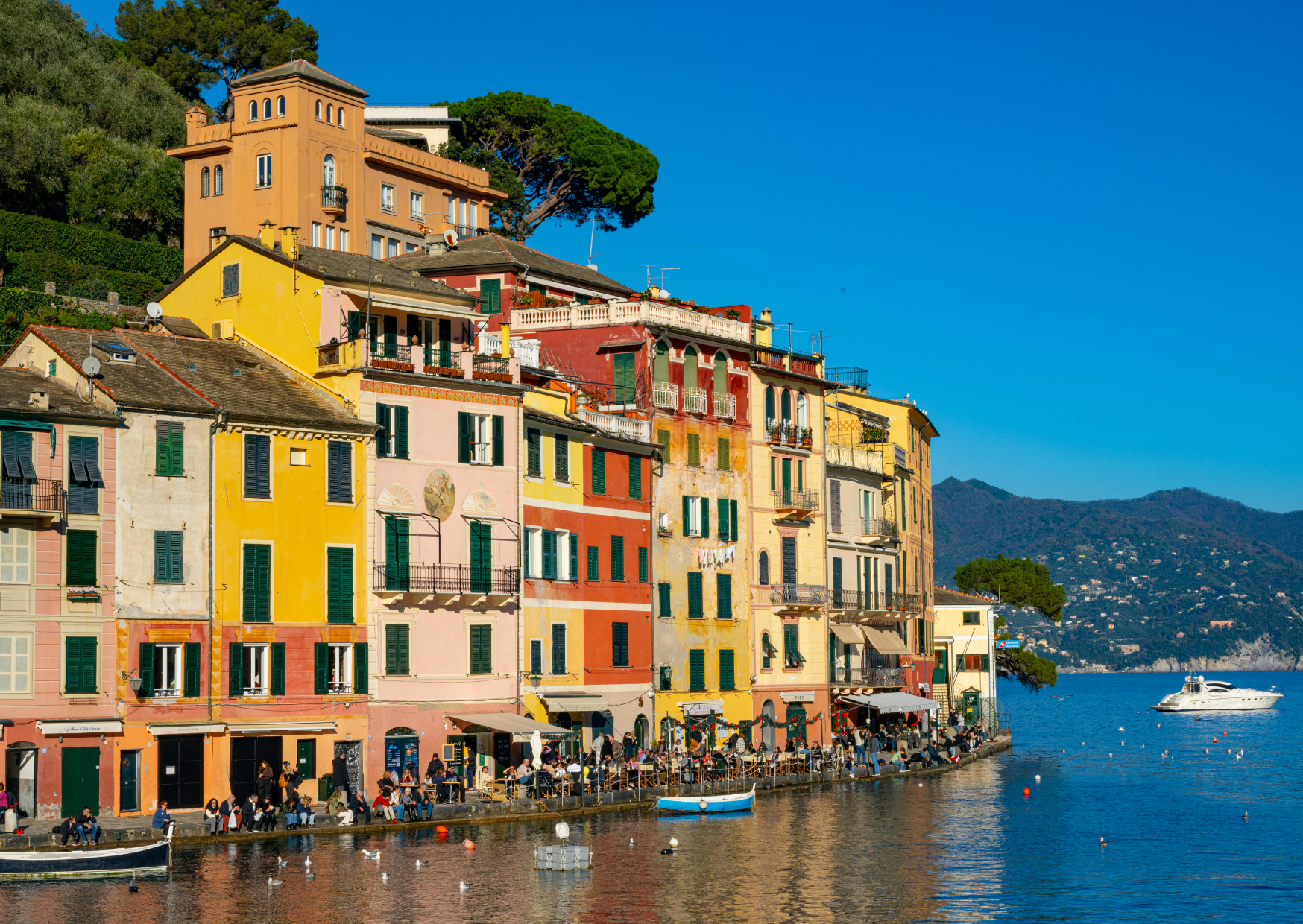
Portugal becomes the base for:
- Spain weekends
- Paris weekends
- Italy weekends
- Greek islands
- family visits
- long-haul trips back to the U.S.
Europe is close. That makes people careless.
A €60 flight looks cheap. Then you add:
- hotels
- meals
- local transport
- tickets
- taxis
- and the fact that you’re spending on travel while still paying rent at home base
If you do one €700 weekend trip per month, that’s €8,400 per year.
Add two bigger trips per year at €2,500 each and you’re at €13,400.
Over three years: €40,200.
Now add U.S. flights. Even one return trip a year can add another several thousand, depending on timing and routes.
This is why California retirees bleed faster: they are used to travel and they treat travel as identity. Portugal becomes an airport lounge.
Portugal is cheaper when you live there. It’s expensive when you use it as a launchpad every weekend.
Constant travel turns a Portugal retirement plan into a high-burn lifestyle.
The Tax Story Changed And Many Californians Arrived With Old Assumptions
A lot of Americans moved to Portugal expecting an easy, favorable tax story because they read about NHR for years.
Portugal’s old Non-Habitual Resident regime was revoked for new entrants effective January 1, 2024, and transitional rules applied for certain cases.
Even when people don’t rely on NHR directly, the “Portugal is a tax haven” vibe influenced behavior. It made people feel like they were doing something financially brilliant, which lowered their guardrails on spending.
The more realistic 2026 posture is:
- taxes and compliance are part of the plan
- you cannot assume the old regime applies to you
- you must model your actual situation, not a YouTube story
When the tax narrative is wrong, people over-spend early and then feel trapped.
And even if your local taxes are fine, Americans still have U.S. filing reality. That adds recurring costs, often professional help, because cross-border compliance is not a casual hobby.
The D7 And Residency Costs Are Smaller Than You Think But They Trigger The Outspend Reflex
For Americans using Portugal’s D7 residence pathway, financial thresholds are often benchmarked to Portugal’s minimum wage. A 2026 guide notes a common benchmark for a single applicant around €11,040 as 12 months of the 2026 minimum wage, with add-ons for additional adults and children.
On paper, this looks manageable.
In practice, Californians often respond to residency friction by paying for comfort:
- attorneys
- fixers
- paid appointments
- paid translation
- premium housing to feel stable
Some of this is sensible. But it can slide into constant outsourcing.
Portugal does not require you to buy your way through everything. But if you’re used to buying efficiency, you’ll do it automatically.
Paperwork friction becomes spending when you hate waiting.
The Visitor Tax Hits California Couples Hard

Once you live in Portugal, you become a destination.
Friends and family want to visit because it’s Portugal. They treat your place like a European base. They arrive with vacation energy and expect restaurants, day trips, and sightseeing.
Even if guests pay for flights, you pay in:
- meals out
- transport
- tickets
- upgrades
- and the subtle pressure to “make it worth it”
Two visitor waves per year can easily add €3,000 to €10,000 annually depending on your habits and generosity.
California couples are especially vulnerable because they often have large networks and a hosting reflex. They want to be generous. They also want to show that the move was a success.
Hosting becomes a financial performance.
Visitors change the burn rate. If you don’t name it as a budget category, it will still charge you.
The Portugal Version That Doesn’t Hemorrhage Money

Here’s what the sustainable Portugal model looks like for this exact demographic.
1) Choose the right base
If you have a moderate budget, Lisbon may not be the best base. The January 2026 reporting that contrasts Lisbon metro rents with Centro rents is a blunt reminder that location sets your monthly number.
Portugal’s value is stronger in:
- smaller cities with year-round life
- places where you can walk daily
- places where you don’t need to pay for entertainment constantly
2) Rent like a resident, not like a newcomer
Short-term rentals are expensive. Furnished premiums are expensive. Moving twice is expensive.
Get into a stable lease as soon as you can, in a neighborhood you can live in on a Tuesday.
3) Build the “cheap pleasures” into rules
Cafés and lunches are wonderful. They should not become daily coping.
A rule that works for many retirees:
- café daily is fine if it’s small
- restaurant meals are capped
- travel is capped
- taxis are occasional
Portugal is easiest when your pleasures are routine but limited.
4) Stop using travel as entertainment
Treat travel like seasoning, not the meal.
5) Keep a buffer
If you don’t have buffer, every surprise becomes a panic event, and panic events are expensive.
The 5 Fastest Ways California Retirees Lose Money In Portugal
If you want the hemorrhage list in one place, it’s usually these five:
- Renting in Lisbon or premium coastal pockets without a rent ceiling
- Staying in short-term rentals too long
- Eating out as the default social life
- Frequent travel plus hosting without an annual cap
- Buying convenience to avoid bureaucracy and boredom
None of these are “bad.” They are just expensive. And together they can drain €200,000 faster than people expect.
The First Month You Stop The Bleed
This is a money and logistics topic, so an action section belongs here, but it should be practical and not performative.
- Write down your real monthly burn rate in euros, including travel and hosting.
- Set a rent ceiling and plan a move if you’re above it.
- Decide how many restaurant meals per week is your default.
- Create an annual travel cap. One number.
- Make hosting a budget category.
- Replace two paid convenience habits with walkable routines.
- Protect a buffer. Do not spend it because the week felt boring.
Portugal doesn’t require you to live like a monk. It requires you to stop living like a Californian on vacation.
Where This Lands In Real Life

California retirees hemorrhage money in Portugal faster than anyone because they often bring a high-consumption, high-convenience life into a country that feels cheap enough to make those habits invisible.
Portugal can be an excellent retirement base. It can be safer, calmer, more walkable, and less stressful than many U.S. environments. But only if you let Portugal change your habits.
If you recreate your California life in Portugal, you will pay for it. Possibly more than you expect, because the spending feels pleasant while it’s happening.
The sustainable Portugal story is boring:
- stable rent
- walkable routine
- limited paid convenience
- capped travel
- a real buffer
That’s how Portugal becomes the “cheaper, calmer Europe” story Americans came for in the first place.

About the Author: Ruben, co-founder of Gamintraveler.com since 2014, is a seasoned traveler from Spain who has explored over 100 countries since 2009. Known for his extensive travel adventures across South America, Europe, the US, Australia, New Zealand, Asia, and Africa, Ruben combines his passion for adventurous yet sustainable living with his love for cycling, highlighted by his remarkable 5-month bicycle journey from Spain to Norway. He currently resides in Spain, where he continues sharing his travel experiences with his partner, Rachel, and their son, Han.