
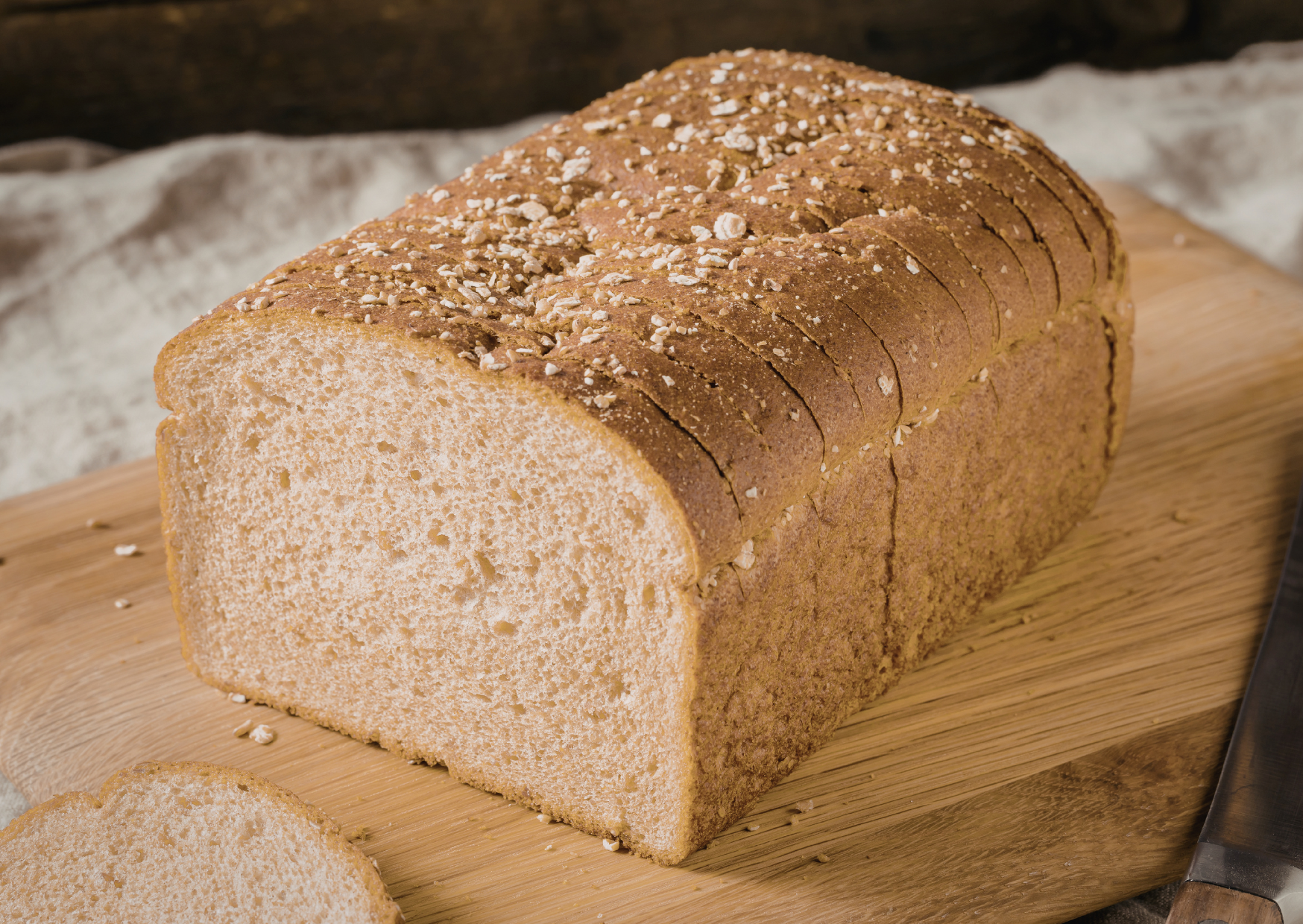
Americans don’t realize how weird their bread is until they land in Europe and order a sandwich.
They expect a soft slice that stays fresh for a week, tastes faintly sweet, and bends like a yoga instructor. Europeans expect bread that goes stale in a day or two, tastes like grain, and has a crust that actually fights back.
So when Americans say “whole grain bread,” Europeans often hear “sweet, soft, industrial loaf with a health halo.” Not always. Not every brand. But as a category, American “healthy bread” is often closer to cake logic than Europeans are used to. Not because it’s frosted. Because it’s engineered to be soft, sweet, and shelf-stable.
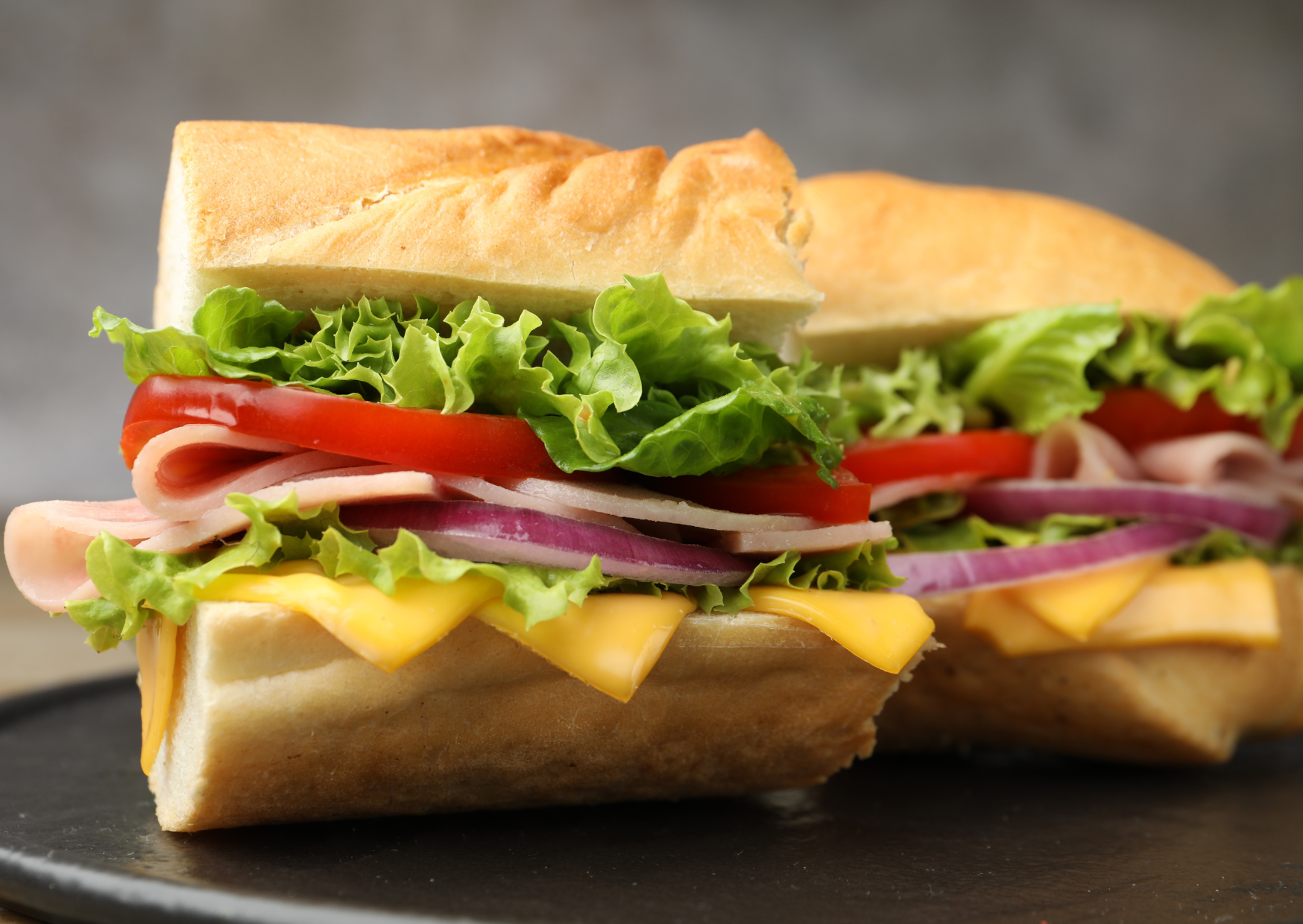
The cleanest proof that this isn’t just snobbery is a case that became famous in Europe: in September 2020, Ireland’s Supreme Court ruled that Subway’s heated sandwich bread didn’t meet the legal definition of bread for a tax category because its sugar content exceeded the threshold in Irish law. That wasn’t a French baker rolling their eyes. That was a court.
And no, “Subway bread” is not the only example. It’s just the easiest one to point to because a court did the arguing for everyone.
This article is the real explanation. Not “Europe is better.” Not “America is poison.” Just the mechanics: how the U.S. “whole grain” label can sit on a loaf Europeans experience as cake, why it happens, how to read labels without getting played, and how to buy bread in Europe without missing what you loved back home.
The Word “Whole Grain” Is Doing Too Much Work In America
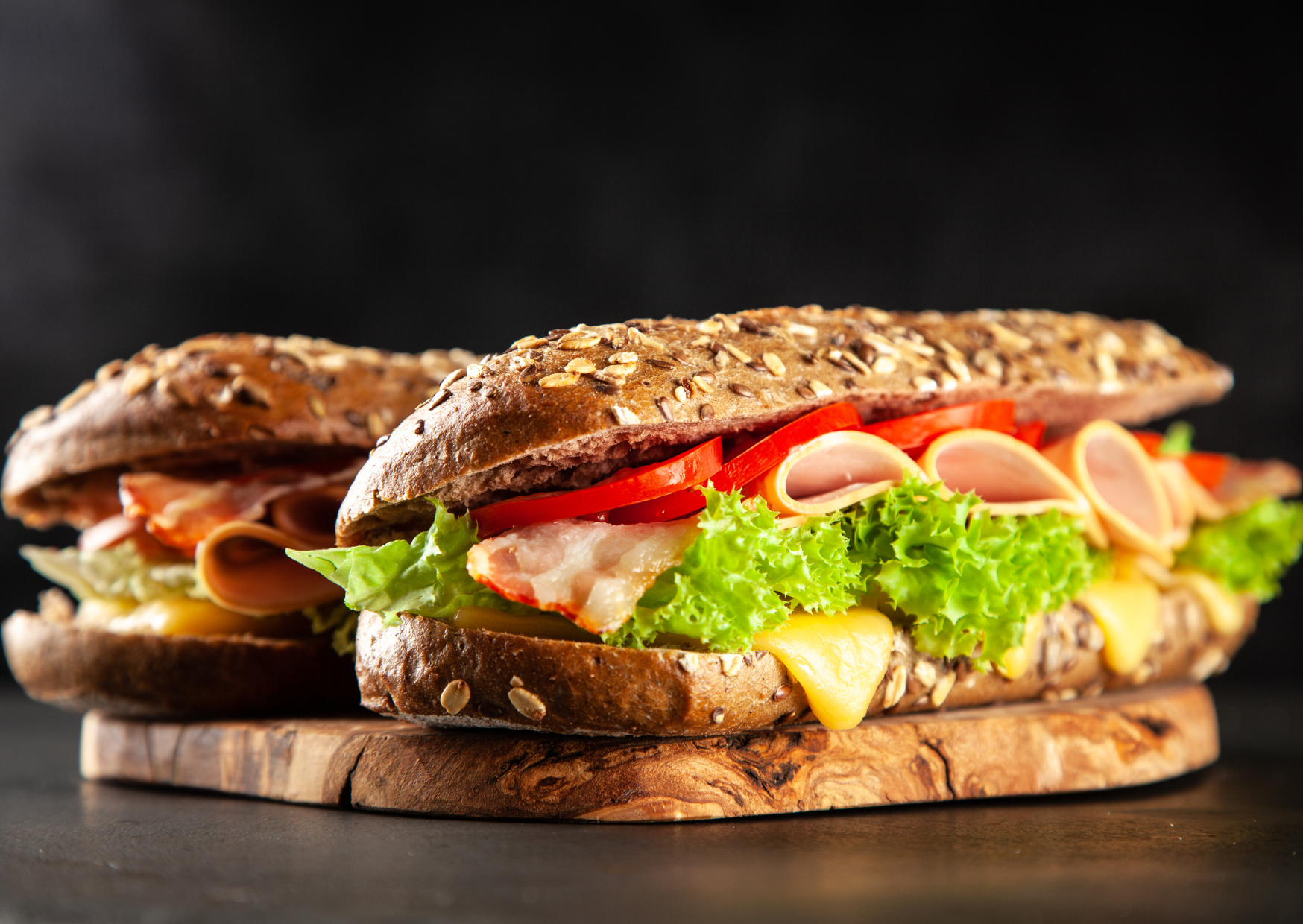
In the U.S., “whole grain” functions like a moral signal.
It suggests:
- healthy
- high fiber
- slow carbs
- good for your heart
- better than white bread
Sometimes that’s true. Sometimes it’s marketing with a sprinkle of whole wheat flour.
The U.S. has plenty of genuinely whole grain breads. Dense loaves exist. Real bakery whole wheat exists. The problem is what the average supermarket shopper ends up buying when they think they’re choosing “whole grain.”
Many American loaves labeled “whole grain” or “whole wheat” are still built to satisfy the American industrial bread expectation:
- soft
- sweet
- uniform
- long shelf life
- kid-friendly
- never offensive
That design goal alone tends to push formulas toward added sugars and dough conditioners that European supermarket bread often uses less aggressively.
And here’s the punchline: even American health guidance often has to tell people to aim for products that are at least roughly half whole grain instead of refined, because the category is messy.
So yes, “whole grain” can be real. It can also be a costume.
Europe Doesn’t Even Have One Whole Grain Rule, But It Still Eats Bread Differently
This is where people expect a neat answer and get disappointed.
At the EU level, there isn’t one single, harmonized legal definition that forces all countries to label “whole grain” the same way. Different European countries and organizations use different definitions and thresholds.
That sounds like Europe should be just as messy as the U.S.
But Europeans still tend to experience bread differently because the baseline bread culture is different:
- more bakery culture
- more daily buying
- more crust
- more fermentation
- less expectation that bread should taste slightly sweet
- less demand that bread last a week without changing texture
Europe can still sell industrial bread. Every supermarket has it. But the default expectation is less “cake-soft” even when it’s packaged.
So you can have a messy labeling landscape and still have a different bread reality because consumer expectations are different.
The “Cake” Moment Comes From Sugar, Not Just Whole Grain
When Europeans call American bread “cake,” they’re usually reacting to sweetness.
Americans often don’t notice the sweetness because they grew up with it. Bread in the U.S. often contains added sugar. Not necessarily a lot. But enough that a European who expects savory bread feels the difference immediately.
That’s why the Subway case landed so hard. It put a number on the vibe.
Ireland’s law for a specific VAT category set a threshold, and the Supreme Court judgment stated there was no dispute that Subway’s bread had a sugar content of 10% of the weight of flour in the dough. In other words: legally too sweet to qualify for that tax category as bread.
The key point isn’t “Subway bad.” The key point is that a slice of industrial bread can contain enough sugar that in a European context it registers as pastry-adjacent.
Most American supermarket “whole grain” breads aren’t at that extreme. But the design direction is similar: make it soft, make it pleasant, make it last, and sweetness helps.
If you want the simplest explanation of the cultural gap, it’s this:
American bread is often formulated to be liked by people who don’t actually like bread.
European bread is often formulated for people who genuinely want bread.
Why American “Whole Grain” Bread Is So Soft
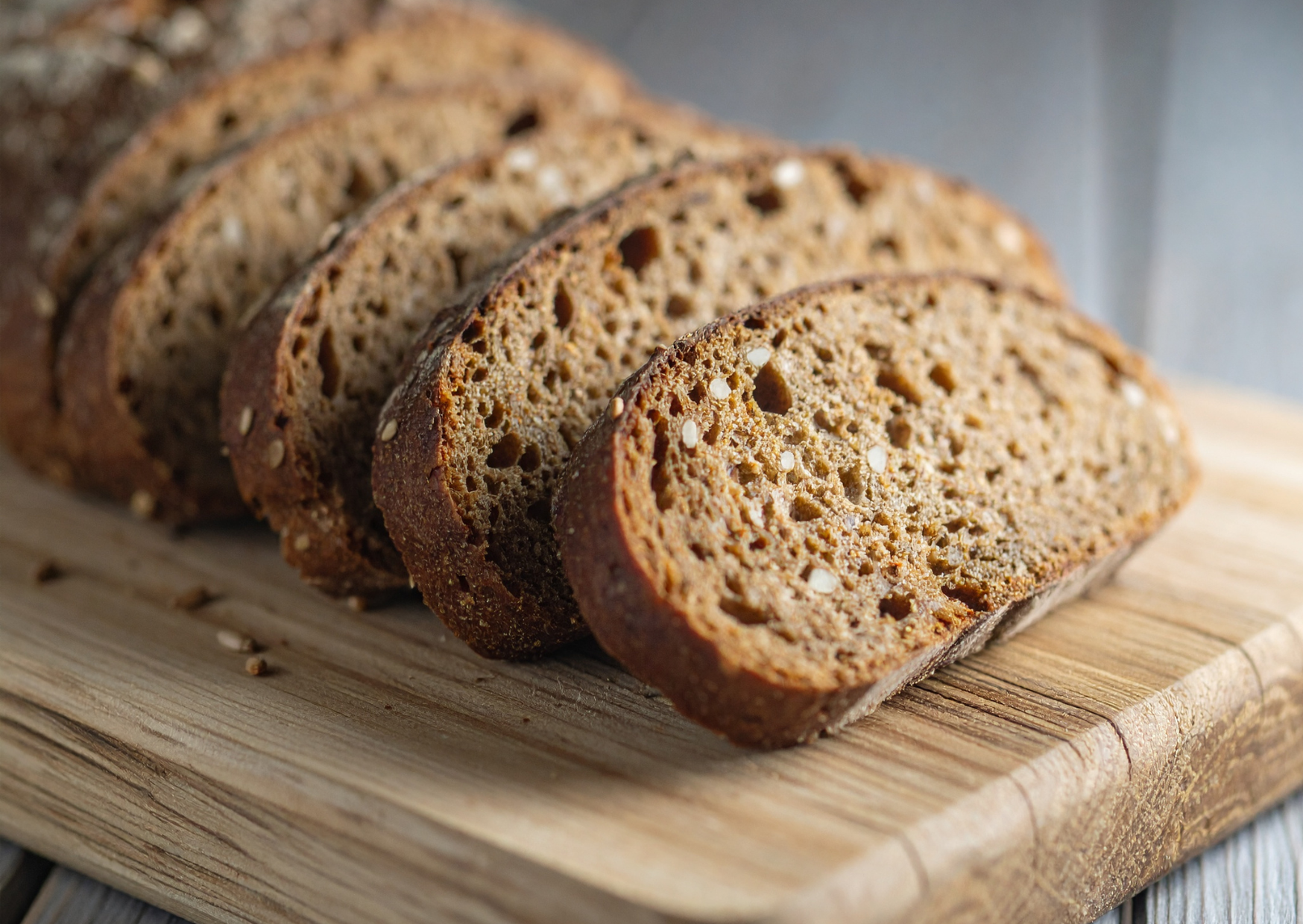
Europeans often assume Americans prefer soft bread because they have bad teeth or hate crust. It’s not that.
It’s because American bread is built around:
- sandwiches that don’t cut your mouth
- lunchboxes that sit for hours
- kids who refuse “weird texture”
- uniform slices
- and mass production
Softness is not a byproduct. It’s the product.
Softness also protects shelf life. A loaf that stays soft for days feels “fresh” to American buyers. In many European cultures, the idea that bread stays “fresh” for a week is suspicious. Bread changes as it ages. That’s normal.
So American bread is engineered:
- dough conditioners to control texture
- emulsifiers to keep crumb soft
- added fats to extend softness
- added sugar to support browning and taste
- packaging designed to hold moisture
Again, none of this is evil. It’s just a different goal: bread as a stable packaged product.
Europeans often experience that as cake-like because cake is also engineered to stay soft.
The Ingredient List Is Where The Lie Lives
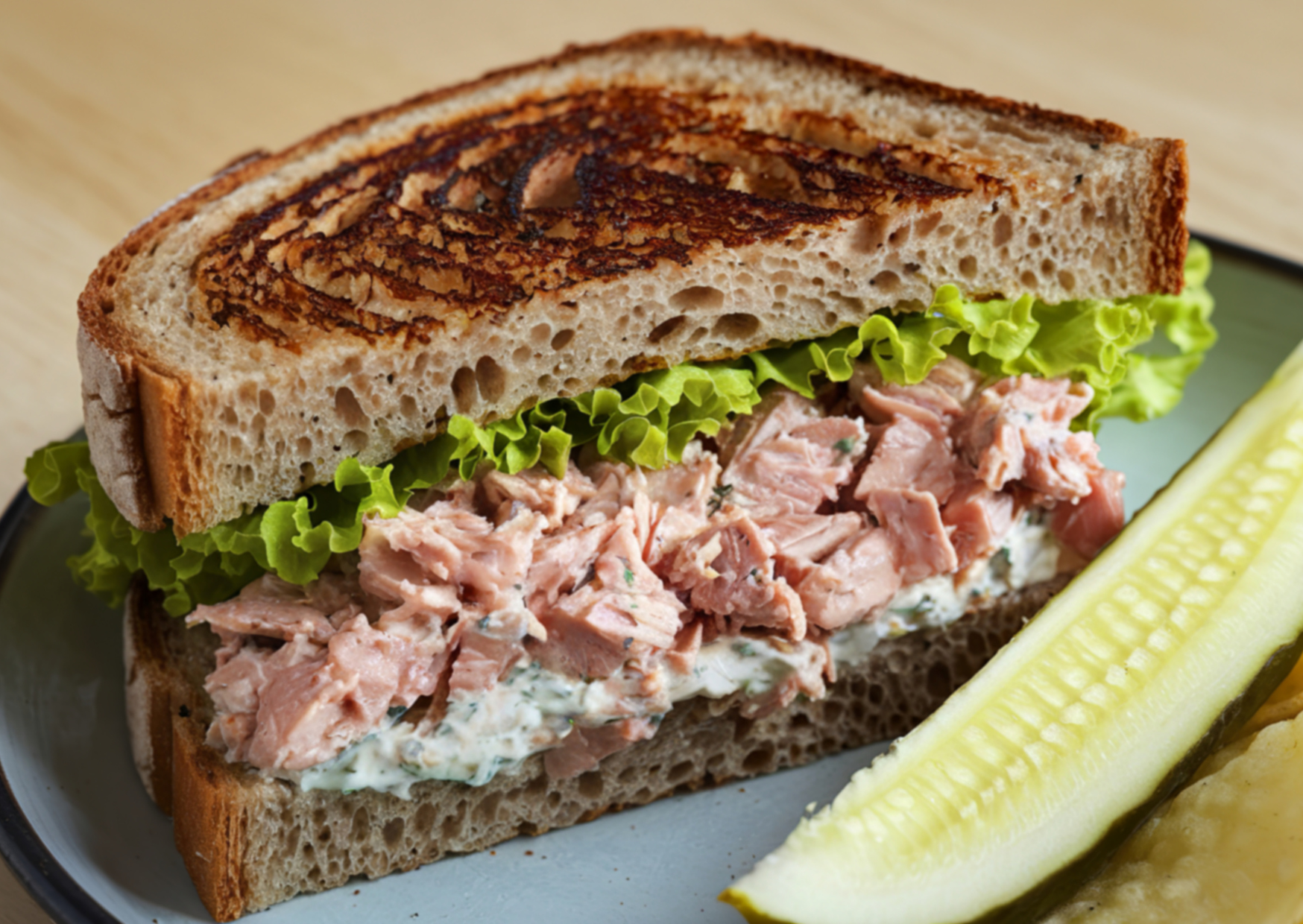
Americans can buy excellent bread. The problem is that the average “whole grain” loaf in a U.S. supermarket can be a long ingredient list that includes:
- added sugars in various forms
- oils
- conditioners
- preservatives
- “natural flavors”
- multiple grain ingredients that sound healthy but don’t guarantee high whole grain content
And because the front of the bag is marketing, it can say “whole grain” in huge letters while the ingredient list and nutrition facts tell a much more complicated story.
This is also why Americans get confused by European bread: in many European bakeries, the ingredient list is either short or not emphasized because bread is treated as a fresh product, not a branded packaged identity.
A short list doesn’t automatically mean healthy. But it’s a clue that the bread isn’t trying to be cake.
The U.S. “Whole Grain” Marketing Trap Is Color
If you’ve ever watched Americans shop for bread, you’ll see it.
They grab the darker loaf because they think darker means healthier.
Europeans often laugh at this because they know dark can mean:
- caramel coloring
- molasses
- malt
- syrup
- or a mix of refined flour with a darker ingredient
Dark bread isn’t automatically whole grain. In some places it’s just sweetened.
In the U.S., “whole wheat” and “whole grain” breads are often brown and sweet, so Americans learn the wrong signal.
In Europe, many truly whole grain or rye breads can be dark, but they’re dark because of the grain and fermentation, not because sugar was added to make it feel “hearty.”
If you want to stop getting fooled, stop using color as proof. Use the ingredient list and the fiber per slice.
The Bread Europe Calls Cake Is Usually One Of These American Products
Let’s name the real categories, because “American bread” is too broad.
Europeans are usually reacting to one of these:
The ultra-soft sandwich loaf
The classic American sliced bread style that stays soft for days, often with added sugar.
The “healthy” supermarket whole wheat loaf
It has whole wheat flour, yes. It also often has added sugar, added oils, and a texture engineered to feel like white bread in disguise.
The “multigrain” loaf that is not actually whole grain dominant
Seeds on top, some whole grains inside, but still largely refined flour. The health vibe is doing most of the work.
The sweet bread disguised as functional bread
This is where you get closer to “cake.” It tastes sweet enough that a European would put butter and jam on it and call it breakfast cake.
Again, none of this means Americans are stupid. It means the U.S. industrial food system optimized bread for:
- softness
- sweetness
- shelf life
- and wide appeal
Europe optimized bread for daily use and flavor, often with less sweetness as default.
How Europeans Buy Bread And Why That Changes The Whole Diet Conversation
This is where the bread debate becomes about health without being preachy.
In many European households, bread is bought more often in smaller quantities:
- daily or every couple of days
- from a bakery or supermarket bakery section
- and eaten as part of a meal pattern that includes more fresh food
That does two things:
- reduces the need for heavy preservatives and sweetness
- makes bread feel like food, not like a packaged snack product
In the U.S., bread is often:
- a weekly purchase
- a big loaf that sits
- used for quick meals
- and paired with ultra-processed spreads and fillings
So the bread isn’t the only difference. The bread is a marker of a bigger environment:
- in the U.S., bread is part of the packaged convenience system
- in Europe, bread is more often part of daily fresh shopping rhythm
That’s why Americans in Europe often say they can “eat bread” there without feeling gross. It’s not because European bread has magic molecules. It’s because the whole pattern around bread is different: portion, freshness, fillings, and daily movement.
The Famous “Bread Is Cake” Case And What It Actually Proves
Let’s use the Subway case properly.
It doesn’t prove:
- all American bread is cake
- all European bread is healthy
- sugar is always evil
It proves something simpler: a bread product can contain enough sugar that a European legal framework treats it differently for tax purposes.
That’s a big signal of cultural difference. In many European countries, bread is expected to be savory enough that a sugar threshold exists in a law defining bread for a specific category.
Americans are used to bread having sugar. Europeans are used to bread not needing it.
So when an American eats a slice of sweet “whole grain” bread in Europe, Europeans respond the way Americans respond when someone offers them a “healthy smoothie” that tastes like candy.
They’re not shocked by the health claim. They’re shocked by the taste.
What To Buy In Europe If You Want American-Style Bread
This is the practical part Americans need because not everyone wants a crusty sourdough lifestyle.
If you miss American sandwich bread, you can still find closer equivalents in Europe.
Look for:
- toast bread (often labeled “pan de molde” in Spain, “pão de forma” in Portugal, “pain de mie” in France)
- packaged sandwich loaves in supermarkets
- bakery “soft sandwich” loaves
But here’s the important part: European versions are often less sweet and may go stale faster. That’s not a flaw. That’s the point.
If you want softness without sweetness, buy the soft sandwich bread but check the label for sugar.
If you want whole grain without cake vibes, buy:
- rye-heavy breads (common in northern and central Europe)
- seeded breads that list whole grain flour prominently
- breads with higher fiber per slice
- sourdough styles when available
And if you’re in Spain or Portugal, you can also shift your sandwich habit:
- use fresh baguette-style bread for same-day eating
- buy smaller amounts more often
- freeze slices if you want longer life without preservatives
How To Buy Bread In America Without Getting Played
If you’re still in the U.S. and you want bread that doesn’t read as cake, you don’t need a European passport. You need a few rules.
Rule 1: “Whole grain” on the front means nothing by itself
It’s a marketing claim. Confirm with ingredients and fiber.
Rule 2: Look for higher fiber per slice
Not an obsession. Just a reality check. Whole grain bread that has barely any fiber is usually whole grain in name more than in function.
Rule 3: Watch added sugars
Bread doesn’t need to taste sweet. If it does, it’s doing something different than bread in most of Europe.
Rule 4: Shorter ingredient lists tend to correlate with less cake-like bread
Not always. But often.
Rule 5: Buy smaller loaves and freeze
If you want fewer preservatives and less sweetness, you may accept shorter shelf life. Freezing makes that manageable.
You’re trying to buy bread that behaves like bread, not bread that behaves like a packaged dessert product.
The Honest Takeaway
The American “whole grain” bread Europe calls cake isn’t one specific brand. It’s a category: soft, sweet, long-shelf-life industrial bread that wears health language.
Europeans react because their default bread culture is less sweet, more crusty, more fresh, and less engineered to be liked by people who don’t like bread.
The Subway case became famous because it put the cultural difference into legal language. But you don’t need a court case to feel the gap. You can taste it.
If you want to stop buying “cake bread,” stop trusting the front label. Read the ingredients, check the fiber, notice the sweetness, and accept that real bread doesn’t always stay pillowy for a week.

About the Author: Ruben, co-founder of Gamintraveler.com since 2014, is a seasoned traveler from Spain who has explored over 100 countries since 2009. Known for his extensive travel adventures across South America, Europe, the US, Australia, New Zealand, Asia, and Africa, Ruben combines his passion for adventurous yet sustainable living with his love for cycling, highlighted by his remarkable 5-month bicycle journey from Spain to Norway. He currently resides in Spain, where he continues sharing his travel experiences with his partner, Rachel, and their son, Han.