
Don’t be that tourist here’s how to travel with confidence, respect, and fewer facepalms.
Traveling internationally is exciting but it can also be humbling. While American travelers are often curious, friendly, and eager to explore, we also have a reputation for some common faux pas.
The good news? Most mistakes are easy to avoid with just a little awareness and preparation.
No one gets it right all the time but when you travel with humility, curiosity, and cultural respect, you connect more deeply, avoid awkward moments, and come home with stories that go beyond selfies.
Here are 20 of the most common mistakes Americans make abroad, and exactly how to avoid them so you can travel smarter, blend in better, and get more out of your trip.
Read Here European Things that terrify Americans and American Habits that make Europeans Cringe
Read here how to pack for Europe and Best eSIM for Europe
BOOK YOUR TRAVEL INSURANCE
Two of our favorite travel insurance: Heymondo Vs Safetwing cheapest travel Insurance. You can get for $135 USD your Heymondo Travel Insurance with Heymondo discount code valid for 90 days. Read our full comparison of Genki vs Safetywing Travel Insurance Review and the comparison Heymondo vs Genki
Quick & Easy Tips to Avoid Common Mistakes
Learn basic phrases in the local language – Even a few words like “hello,” “please,” and “thank you” go a long way in showing respect and effort.
Pack lighter than you think – Most cities abroad have stairs, cobblestones, and tight spaces that make large suitcases a major hassle.
Research local etiquette before you go – Tipping, hand gestures, dress codes, and dining behavior vary wildly from country to country.
Turn on international data or use an eSIM – Don’t rely on free Wi-Fi for everything. Staying connected can help with maps, translation, and emergencies.
Blend in with your wardrobe – Flashy clothes, loud logos, and athletic wear can mark you as a tourist. Aim for a more neutral, polished look.
One of the biggest misconceptions American travelers carry is the belief that “the customer is always right” even abroad. In many parts of the world, particularly Europe and Asia, this mindset can come across as entitled or rude. Service culture is different overseas, and adapting to it is part of being a respectful visitor.
Another mistake? Expecting American efficiency and convenience everywhere. Many travelers get frustrated by slower service, smaller portions, or the lack of air conditioning, forgetting that different cultures operate on different values not worse, just different. Being flexible is crucial.
And perhaps most debated: the volume and confidence Americans bring into unfamiliar spaces. While friendliness is a great trait, being overly loud in public, especially in quiet cultures, can come off as insensitive. What’s normal back home might be intrusive abroad and learning to read the room is a travel skill in itself.
1. Assuming Everyone Speaks English
Fix it: Learn basic phrases in the local language—”hello,” “please,” “thank you,” and “excuse me” go a long way. Use translation apps when needed.
2. Talking Too Loudly in Public
Fix it: Pay attention to the local volume. In many countries (Japan, Germany, France), quieter tones are the norm in restaurants, shops, and public transport.
3. Dressing Like a Tourist
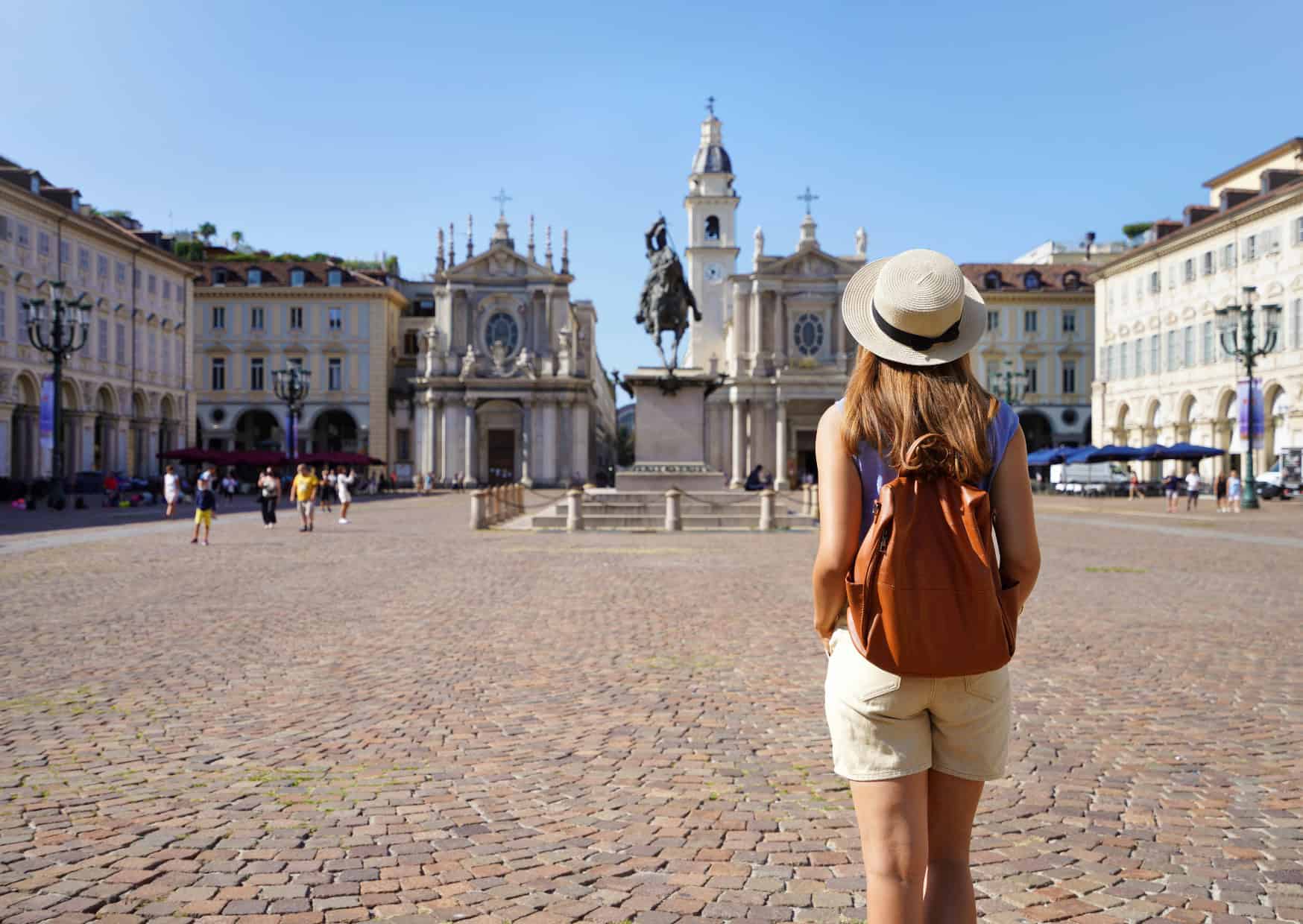
Fix it: Leave the gym wear, flashy logos, and giant backpacks behind. Go for clean, neutral clothing and comfortable (but stylish) shoes.
4. Rushing Everything
Fix it: Many cultures move slower than the U.S. Embrace the pace. Meals may take longer, stores may open later—enjoy the rhythm.
5. Not Notifying Your Bank

Fix it: Always alert your bank and credit card company before traveling abroad. Unexpected foreign charges may trigger fraud alerts and freeze your account.
6. Not Getting a Local SIM or Data Plan
Fix it: Unlock your phone and get a local SIM card or an international eSIM. Relying solely on hotel Wi-Fi is risky and limiting.
7. Not Knowing Local Tipping Etiquette

Fix it: Research tipping rules. In Japan? Don’t tip. In France? Service is usually included. In the U.S.? Tip big. Know before you go.
8. Only Eating at Tourist Restaurants

Fix it: Go one street over from the main plaza. Ask locals where they eat. Look for crowded spots with locals—not English menus.
9. Renting a Car Without Knowing the Rules
Fix it: Learn local road laws, signage, and driving customs. In some places, public transit is easier (and safer) than driving.
10. Skipping Local Etiquette and Customs

Fix it: Learn the cultural “don’ts”—like pointing in Thailand, wearing shoes inside in Japan, or being late in Germany. Respect earns respect.
11. Overstuffing the Itinerary
Fix it: Leave room for spontaneity. Trying to “do it all” leads to burnout. Slow down and savor the moments.
12. Expecting American-Style Customer Service
Fix it: In many countries, service is more hands-off and slower-paced. You often have to ask for the check or flag someone down.
13. Not Carrying Cash or Coins for Toilets

Fix it: Always keep small change for public restrooms—especially in Europe and Asia, where many toilets charge a small fee.
14. Taking Photos Without Asking
Fix it: Always ask before taking photos of people, especially in rural areas or religious sites. Some places charge fees for photos, too.
15. Not Researching Local Scams
Fix it: Every city has its tourist traps—fake petitions, taxi hustles, or “bracelet” scams. A quick search can save you time and money.
16. Exchanging Money at the Airport

Fix it: Use ATMs for better rates or exchange small amounts if needed. Airport exchange booths are usually the worst deal.
17. Acting Like You’re Still in Vegas
Fix it: Partying too hard, especially in conservative or family-oriented places, can get you in trouble. Be respectful of local values.
18. Not Having Travel Insurance
Fix it: Always travel with medical insurance that covers international emergencies. It’s affordable—and could save you thousands.
19. Ignoring Visa and Entry Requirements
Fix it: Check visa rules before you go. Some countries require an eVisa, ETA, or proof of onward travel—even for short stays.
20. Packing Like You’re Moving In

Fix it: Less is more. Pack versatile clothing, and remember: laundry exists abroad. You don’t need five pairs of shoes.
Why You Should Follow
You should follow this idea because it helps travelers become more aware of how quickly habits from home can shape the way they are perceived abroad. Many Americans do not stand out because they are intentionally rude or careless. They stand out because everyday behaviors that feel normal at home can feel louder, more impatient, or more culturally unaware somewhere else. Recognizing that gap is useful because it gives travelers a chance to adjust before small things become bigger social signals.
You should also follow it because most of these mistakes are accidental and easy to fix. Things like speaking too loudly, expecting faster service, dressing without reading the setting, or assuming local customs will work like they do in the United States often happen without bad intentions. That is exactly why a topic like this can help. It turns vague advice about “respecting the culture” into something more concrete and practical, which makes it easier for readers to use in real life.
Another reason to follow it is that better cultural awareness usually leads to a better trip. Travelers who pay attention to how they are coming across tend to have smoother interactions with restaurant staff, hotel workers, shop owners, and locals in general. They are less likely to misread situations, less likely to create unnecessary tension, and more likely to feel welcomed. In that sense, this is not just about avoiding embarrassment. It is about improving the whole travel experience.
You should follow this perspective because it encourages humility, and humility is one of the most useful traits a traveler can have. Going abroad with the assumption that your own norms are universal usually creates friction. Going abroad with the willingness to observe, adapt, and admit that things may work differently creates the opposite effect. A topic like this can remind readers that travel is not only about seeing new places, but about learning how to move through them with more sensitivity.
Finally, you should follow it because people often remember behavior more than intention. A traveler may mean well, but if the behavior consistently feels intrusive, entitled, or unaware, locals will usually respond to the behavior they see rather than the intentions behind it. Learning the ways Americans can accidentally expose themselves abroad helps readers become more deliberate. That makes them not only less obvious as tourists, but often more respectful as visitors.
At the same time, you should not follow this idea too blindly because it can easily become a list of stereotypes rather than a thoughtful guide. Not every American behaves the same way, and not every local abroad reacts the same way either. Turning the topic into a broad character judgment weakens it. A stronger version focuses on habits, not identity, and explains that these behaviors are common tendencies rather than fixed truths about all Americans.
Why You Shouldn’t Follow
You also should not follow it if it turns travel into an anxious performance. The goal of learning how Americans stand out abroad should not be to make people feel afraid of every gesture, outfit, or sentence. Travel becomes miserable when people are so worried about exposing themselves that they stop enjoying where they are. Advice like this is most helpful when it creates awareness, not self-consciousness. Readers should feel better prepared, not more nervous.
Another reason not to follow it uncritically is that some of the traits Americans are criticized for can overlap with traits people admire in other contexts. Friendliness, openness, directness, and enthusiasm can all be misread depending on the setting, but they are not automatically bad qualities. The issue is usually not the trait itself, but whether it fits the context. That nuance matters. Without it, the topic risks sounding like a list of reasons Americans should feel ashamed of themselves instead of a guide to better adjustment.
You should not follow this perspective if it encourages people to blame travelers for every awkward interaction abroad. Sometimes locals are impatient. Sometimes service is unfriendly. Sometimes a misunderstanding has nothing to do with nationality and everything to do with a bad day or a difficult setting.
Finally, you should not follow it if it turns into a competition to seem less American. The point of travel is not to erase who you are or perform a fake version of cultural fluency. The point is to become more observant, adaptable, and respectful while still being yourself. The best takeaway from this topic is not that Americans must disappear into the background. It is that they should understand how they are being read, so they can move through other places with more intelligence and less accidental friction.
Final Thoughts
Travel isn’t just about sightseeing it’s about connection, humility, and growth. And that starts by recognizing that we’re guests in someone else’s culture. Making small adjustments to how we interact, speak, and move through unfamiliar places not only earns respect but opens doors to deeper, more meaningful experiences.
The truth is, you don’t need to be a perfect traveler just a thoughtful one. Every trip is a learning opportunity, and even the most seasoned globetrotters still make mistakes. The key is being open, adaptable, and willing to laugh at yourself when things go off-script.
So before your next trip abroad, revisit this list. If you can avoid even a handful of these common missteps, you’ll likely have a smoother, more enriching journey and leave a better impression wherever you go.

About the Author: Ruben, co-founder of Gamintraveler.com since 2014, is a seasoned traveler from Spain who has explored over 100 countries since 2009. Known for his extensive travel adventures across South America, Europe, the US, Australia, New Zealand, Asia, and Africa, Ruben combines his passion for adventurous yet sustainable living with his love for cycling, highlighted by his remarkable 5-month bicycle journey from Spain to Norway. He currently resides in Spain, where he continues sharing his travel experiences with his partner, Rachel, and their son, Han.