
Most Americans don’t have a “brain health diet.”
They have a pattern: sugar spikes, ultra-processed snacks, not enough fiber, not enough omega-3, and vegetables that show up as an apology side dish. Then people hit their 50s, start forgetting names, and decide they need a supplement stack.
Spain doesn’t win on brain health because Spaniards are better people. Spain wins because certain foods show up constantly, in normal meals, without drama.
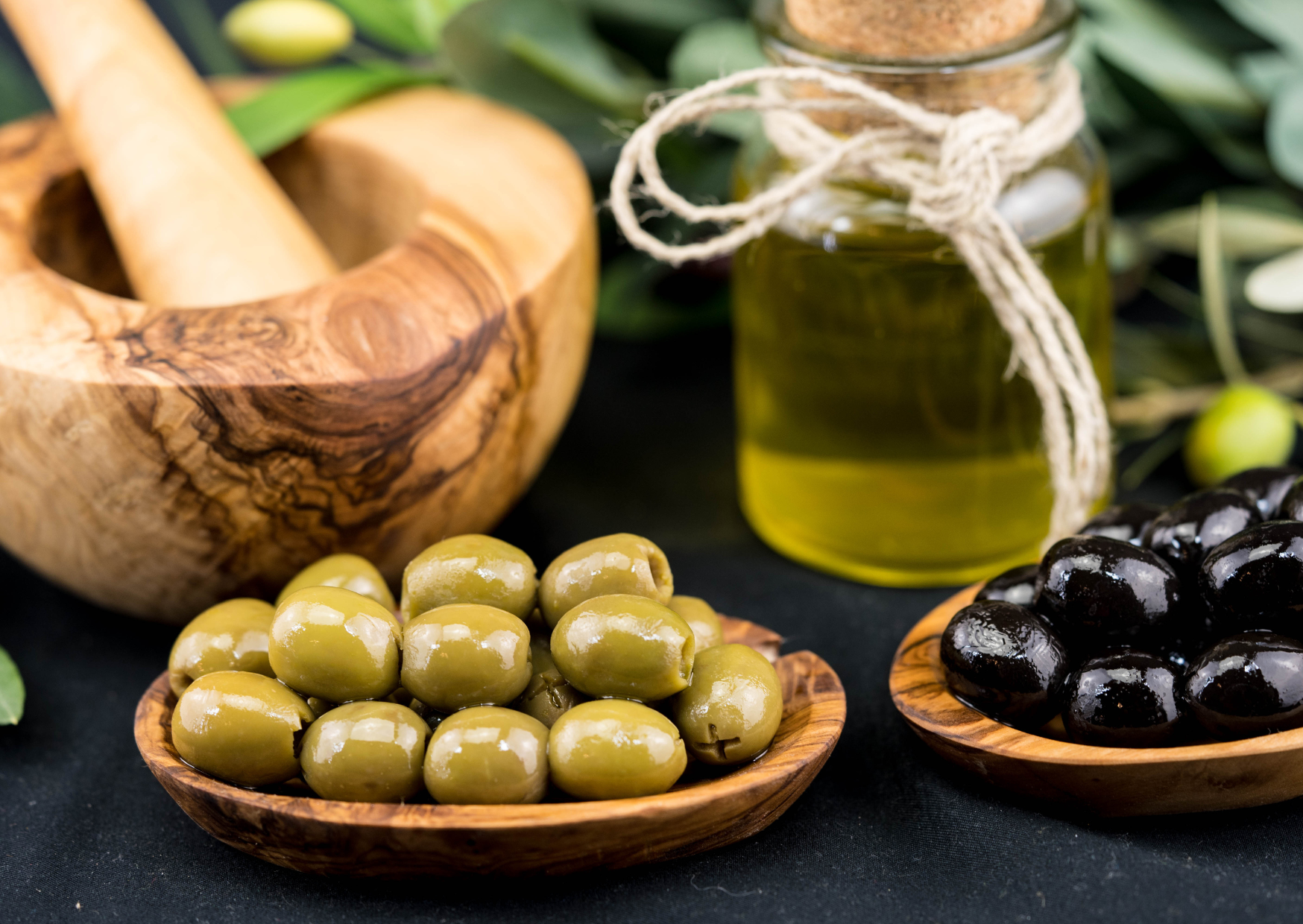
One of those foods is the one Americans barely eat: extra-virgin olive oil.
Yes, I know that’s not a vegetable. It comes from a fruit. But in Spain it’s used like a vegetable ingredient, not like a garnish. It’s the base fat. It’s the default. It shows up daily.
And here’s why it connects to the blood-brain barrier claim without getting weird: the polyphenols in extra-virgin olive oil, especially compounds like hydroxytyrosol, have been studied for their ability to reach the brain and influence oxidative stress and inflammation pathways. Some research indicates certain olive oil phenolics can cross the blood-brain barrier in experimental models.
Americans don’t eat it in the same way. They buy olive oil, use it lightly, or buy the wrong kind. They treat it like a luxury drizzle, not a daily tool. Or they use seed oils as the default and wonder why the Mediterranean diet never works for them.
This is not a miracle story. It’s a pattern story.
The Blood-Brain Barrier Line Needs Translation
The blood-brain barrier is not a magical gate that only special foods can pass.
It’s a selective barrier that controls what substances reach brain tissue. Some nutrients and bioactive compounds can cross more easily than others. When people say a compound “crosses the BBB,” they often mean:
- it appears in the brain after ingestion in animal or lab studies
- or it influences pathways in a way consistent with brain penetration
- or metabolites of the compound are detectable in the brain
This is where internet nutrition gets stupid fast. “Crosses the BBB” gets used like a superpower.
The adult version is: certain polyphenols from extra-virgin olive oil have evidence of bioavailability and neuroprotective potential, and there is research exploring BBB crossing and brain effects.
That is interesting. It’s not a cure. It’s part of why Mediterranean eating patterns are associated with better cognitive outcomes in many studies.
Why Americans Don’t Eat Olive Oil The Spanish Way
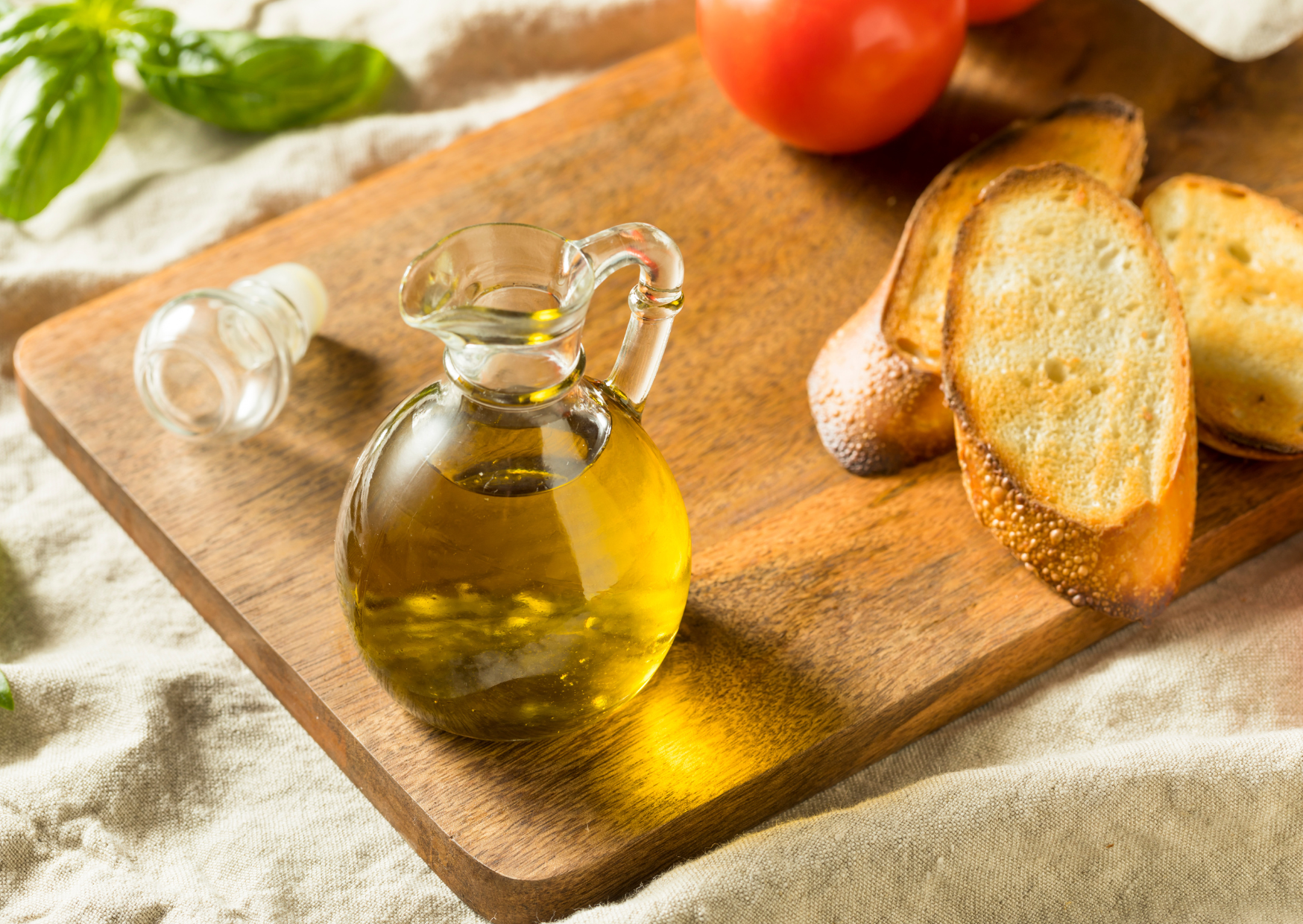
Americans often treat olive oil as:
- an occasional salad dressing
- a drizzle on vegetables
- something “healthy” but expensive so they use less
- or something for Italian nights
Spain treats olive oil as:
- the default cooking fat
- a daily food
- a base ingredient
- a flavor and a nutrient, not a garnish
That difference matters.
If you use a teaspoon of olive oil twice a week, you’re not eating the Mediterranean diet. You’re doing a cosplay.
Spanish households use it in:
- sautéing vegetables
- cooking eggs
- finishing soups
- dressing legumes
- drizzling on bread and tomato
- grilling fish
- making simple sauces
That means olive oil polyphenols and monounsaturated fats are part of the daily baseline.
The average American fat baseline is often:
- industrial seed oils
- processed foods
- restaurant fats
- and sugar as a major calorie source
Spain’s baseline is often:
- olive oil
- legumes
- vegetables
- fish more often than in many U.S. diets
- and less ultra-processed snacking
Olive oil isn’t the only reason. It is one of the most consistent differences you can actually change.
What Americans Substitute Instead And Why It Changes The Brain Conversation
If you don’t use olive oil as your default fat, you still use something. Nobody eats fat-free in real life.
In the U.S., the default fats tend to come from:
- restaurant cooking oils
- packaged snacks and baked goods
- salad dressings made with cheaper oils
- fried foods and fast food
- “healthy” products that are still built on industrial oils and added sugar
So even Americans who “use olive oil” often have an underlying fat pattern that is not olive oil at all. Olive oil becomes a decoration. The real intake comes from everywhere else.
That matters because brain aging is not about one nutrient. It’s about a decade of:
- metabolic stability versus constant spikes
- vascular health
- chronic inflammation load
- sleep quality
- and how much ultra-processed food crowds out actual meals
Extra-virgin olive oil fits the Mediterranean pattern because it replaces a chunk of the default ultra-processed fat exposure with something simpler and more consistent. It’s not just “olive oil good.” It’s “olive oil changes what you’re not eating.”
This is why Americans can do “Mediterranean diet recipes” and still get no result. They add olive oil on top of a highly processed baseline instead of replacing the baseline.
The boring truth is that brain health looks like subtraction as much as addition.
What Makes Extra-Virgin Olive Oil Different
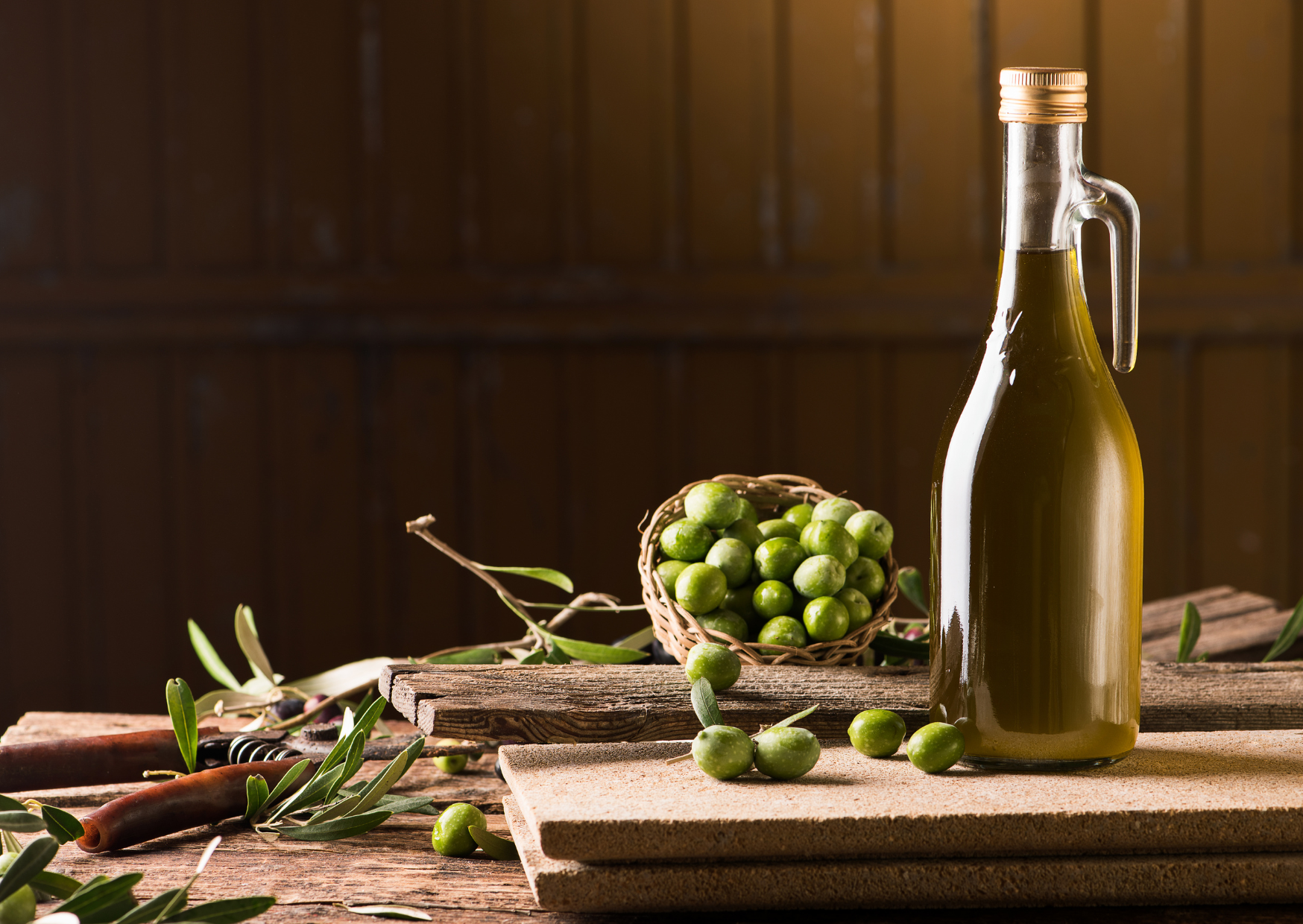
If you’re going to copy Spain, you need to understand one annoying detail: not all olive oil is the same.
Extra-virgin olive oil is mechanically extracted and retains more of the phenolic compounds that are tied to anti-inflammatory and antioxidant effects. Refined olive oil has fewer polyphenols. It’s still mostly monounsaturated fat, but the bioactive “extras” drop.
If you want the brain-health angle, you want:
- real extra-virgin
- fresh enough that it still tastes alive
- stored correctly
- and used daily
In Spain, people often buy local oils and use them quickly. In the U.S., people buy a huge bottle and keep it next to the stove for a year.
Heat and light degrade quality. Time matters.
This is where Americans fail: they buy the right label and then treat it like a shelf-stable forever product.
The Practical Mechanism That Makes This Worth Caring About
This isn’t about one compound.
It’s about a simple chain of effects that matters more as you age.
- Olive oil is rich in monounsaturated fat, which supports a healthier lipid profile in many dietary contexts.
- Extra-virgin olive oil contains phenolic compounds that can reduce oxidative stress and inflammation in experimental settings.
- Chronic inflammation and vascular health are linked with cognitive decline risk.
- Diet patterns like the Mediterranean diet are repeatedly associated with better cognitive outcomes and lower dementia risk in observational research, and some randomized trial work has supported cognitive benefits when Mediterranean patterns are followed.
Again: no miracle claims. But the pattern is consistent enough to take seriously.
Olive oil is a daily lever that influences:
- vascular health
- inflammation status
- metabolic stability
- and indirectly, brain aging risk
If you’re 55 and your goal is not “perfect memory forever” but “less decline, more functional years,” this is a sane lever.
What It Looks Like In Spain On A Normal Day
Spanish people don’t drink olive oil shots. They don’t “biohack.”
They do boring things:
Breakfast:
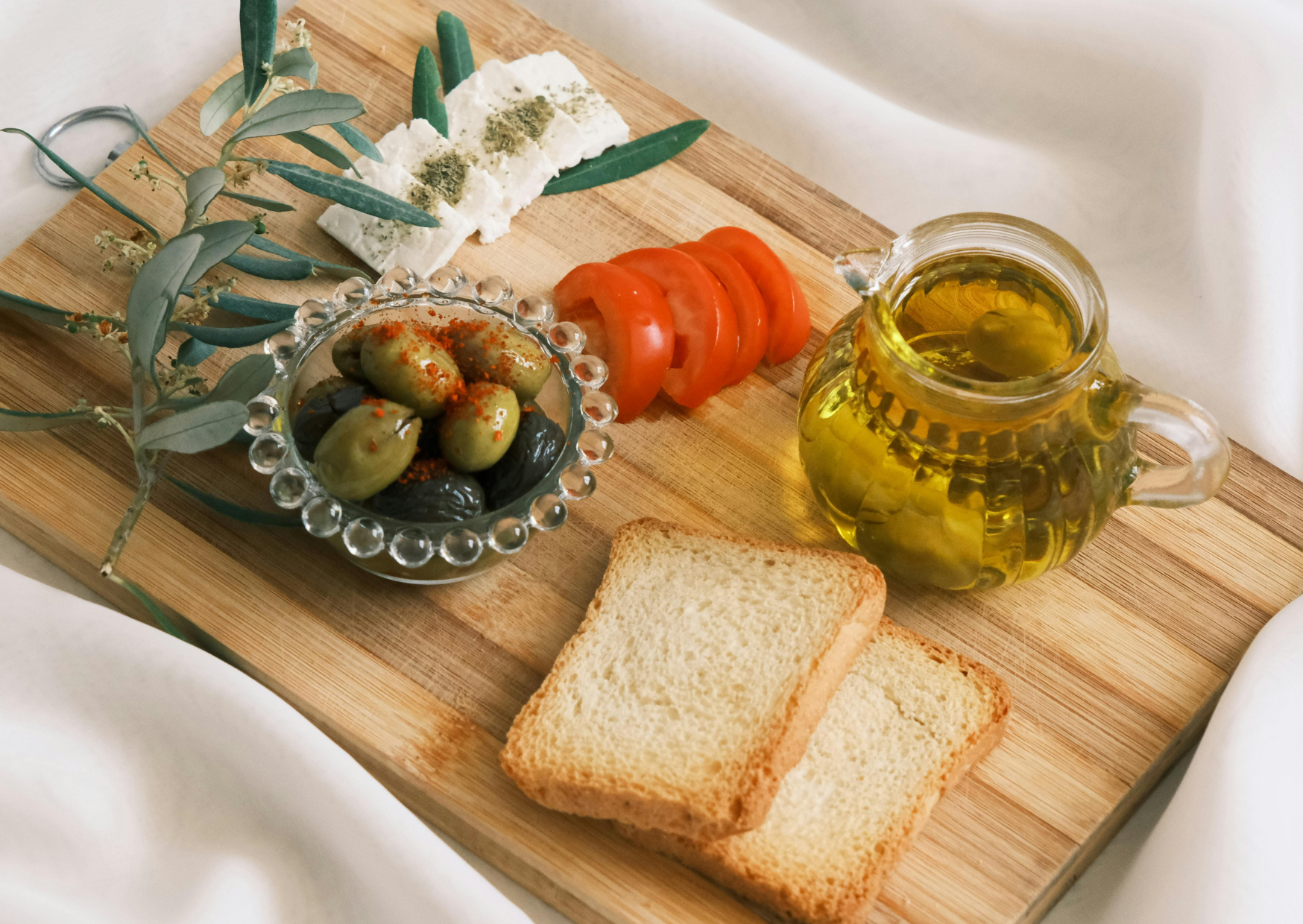
- toast with tomato and olive oil
- coffee
- maybe fruit
Lunch:
- legumes or vegetables cooked in olive oil
- fish or chicken
- salad dressed with olive oil
- fruit
Dinner:
- tortilla cooked in olive oil
- soup finished with olive oil
- vegetables sautéed in olive oil
- bread, sometimes
Olive oil shows up multiple times, in normal amounts.
The American version is often:
- cereal or sweet breakfast
- processed lunch
- restaurant dinner cooked in unknown fats
- snacks all day
Then people try to fix the gap with a supplement.
Spain fixes the gap with a bottle on the counter and a daily habit.
The Spanish Pantry Foods That Make Olive Oil Work Better
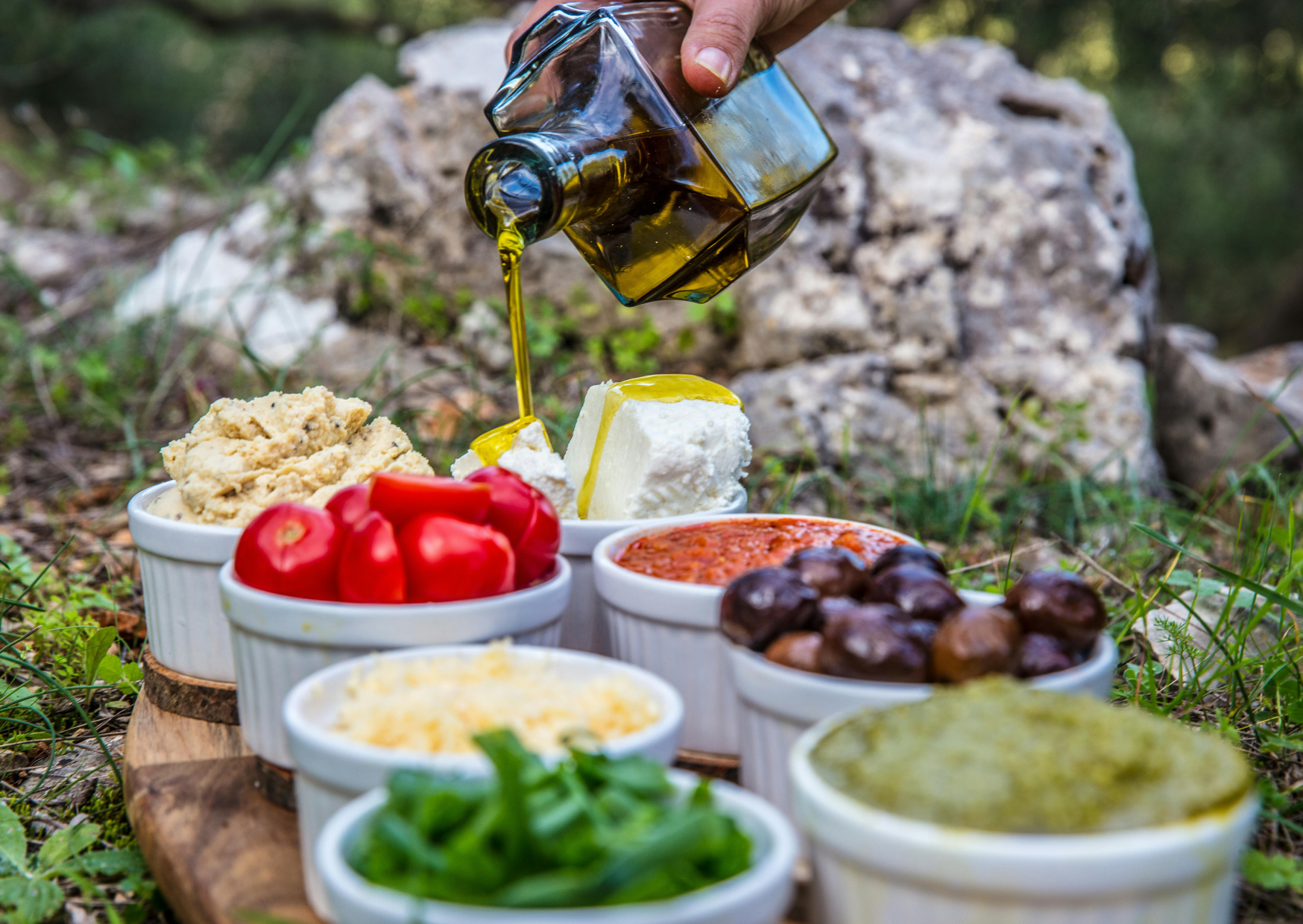
Olive oil isn’t a solo hero in Spain. It behaves differently because it’s paired with foods that make it useful and satisfying, not just “healthy.”
If you want the real Spanish pattern, you need to see what olive oil is usually sitting next to:
- legumes: lentils, chickpeas, white beans, often dressed with olive oil after cooking
- canned fish: sardines, tuna, anchovies, mackerel, often eaten with bread or salad
- tomatoes and peppers: cooked down with olive oil into simple bases for meals
- greens: sautéed quickly in olive oil and garlic
- bread: used as a vehicle for olive oil, not as a sweet breakfast platform
- eggs: cooked in olive oil, often as the cheap protein anchor
- nuts and fruit: simple snacks instead of constant packaged food
This is why the habit sticks. Olive oil makes these foods taste better. It makes simple meals feel complete. It helps you eat beans without feeling like you’re doing penance.
In the U.S., people try to add olive oil to salads and call it done. Then they’re hungry an hour later because the rest of the pattern is still sugar and snacks.
A Spanish-style plate that supports brain health is usually not “superfoods.” It’s a real meal:
- beans plus olive oil plus vegetables
- fish plus olive oil plus greens
- eggs plus olive oil plus bread and tomato
If you’re over 50, the point is not just nutrients. It’s building meals that keep your appetite calm and your blood sugar steadier. Olive oil helps because it adds satiety to simple foods.
How To Copy This Without Turning Your Kitchen Into A Health Shrine
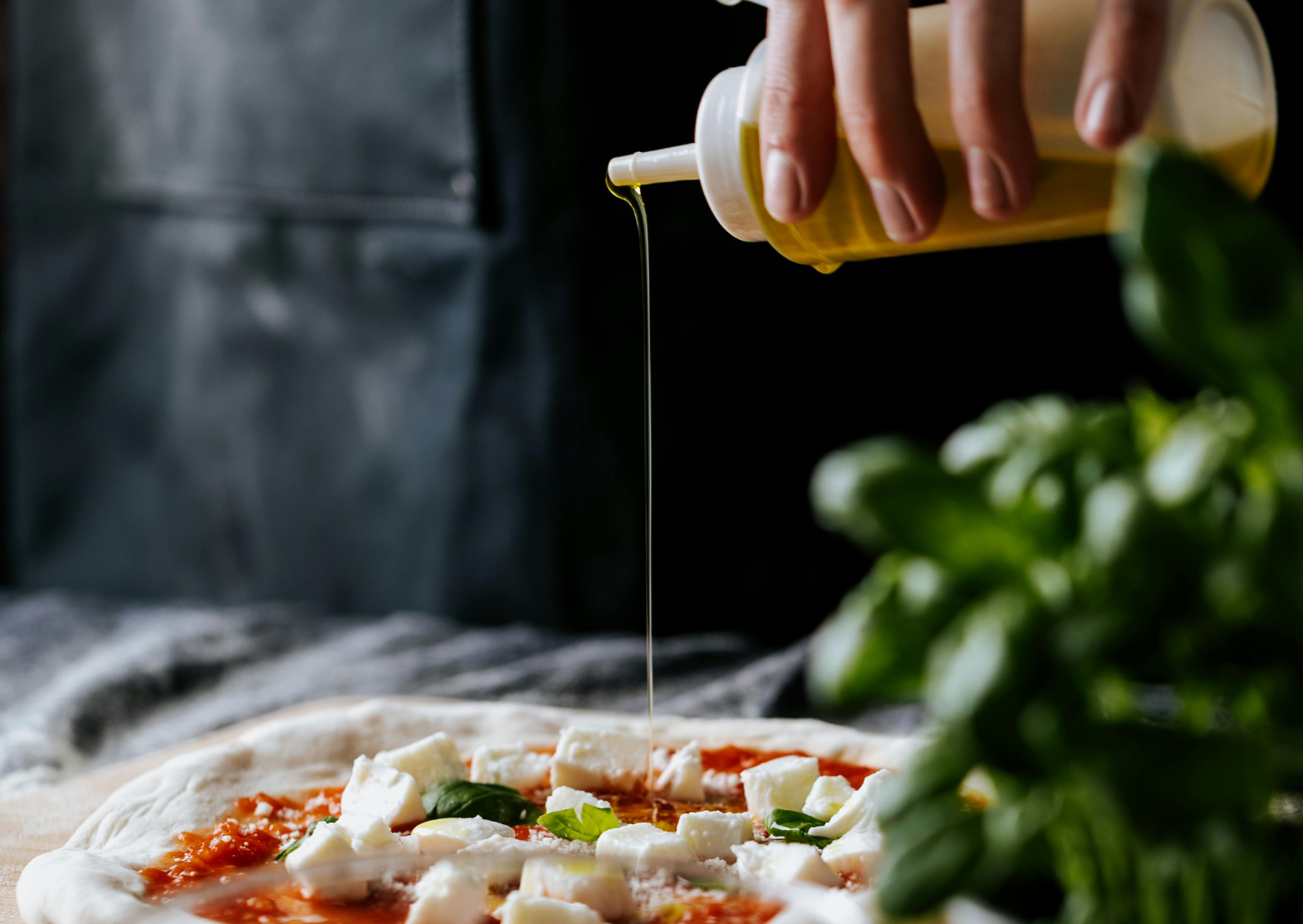
If you want the practical version, do this:
- Buy a smaller bottle of good extra-virgin olive oil, not a massive bottle you’ll oxidize.
- Use it daily in three boring ways:
- eggs or vegetables cooked in olive oil
- salad dressing with olive oil and vinegar
- drizzle on beans, soups, or toast
Target amount in real life:
- 1 to 2 tablespoons a day as a baseline is realistic for many people. Some Mediterranean diet studies use higher amounts, but you don’t need to turn it into a stunt.
The key is consistency, not intensity.
The Mistakes Americans Make When They Try To Copy Olive Oil Culture
They buy “olive oil” instead of extra-virgin.
If you want the phenolic profile, extra-virgin matters.
They store it wrong.
Light and heat kill quality. Keep it in a cool, dark place, not next to the stove.
They use it only cold.
In Spain it’s used for cooking. Cooking with olive oil is normal. The point is using it as the default fat.
They keep eating ultra-processed food and add olive oil.
Olive oil is not a permission slip. It works best inside a pattern where vegetables, legumes, and fish show up more often.
They treat it like medicine.
That mindset rarely sticks. Treat it like food. The Spanish way.
The Only Way This Actually Helps Is If You Use It Like Spain Does For 90 Days
This is where Americans get impatient.
They drizzle olive oil for a week, feel nothing, and decide the whole Mediterranean thing is overrated.
Brain-health changes are slow. Vascular changes are slow. Inflammation patterns shift slowly. The goal isn’t a dramatic “I feel smarter.” The goal is a quieter baseline: fewer crashes, steadier energy, better labs over time, and a pattern that reduces long-term risk.
So the realistic approach is to treat this like a 90-day habit, not a seven-day experiment.
A workable “Spain copy” for 90 days looks like:
- olive oil is your default cooking fat
- you eat legumes at least 3 times per week
- you eat fish 2 times per week, even if it’s canned fish
- you replace one ultra-processed snack slot with fruit, yogurt, or nuts
- you walk daily, even if it’s short and unglamorous
You don’t need perfection. You need repetition.
If you do that for 90 days, you’re not proving that olive oil crosses the blood-brain barrier. You’re building the actual mechanism that’s associated with better cognitive aging: better metabolic stability, better vascular support, less ultra-processed crowd-out, and less inflammation load.
That’s the honest version. The “blood-brain barrier” line is a hook. The life pattern is what matters.
The Honest Takeaway
The “Spanish vegetable that crosses the blood-brain barrier” line is basically a messy way of pointing at a real pattern: extra-virgin olive oil contains bioactive compounds that have been studied for brain-related effects, and Mediterranean eating patterns are associated with better cognitive aging.
Americans don’t eat olive oil the way Spain does. They treat it as optional, occasional, or they use the wrong kind and store it badly. Spain treats it as daily infrastructure.
If you’re over 50 and you want a realistic brain-health lever that doesn’t require a supplement cabinet, copying Spain’s olive oil habit is one of the simplest changes you can make.

About the Author: Ruben, co-founder of Gamintraveler.com since 2014, is a seasoned traveler from Spain who has explored over 100 countries since 2009. Known for his extensive travel adventures across South America, Europe, the US, Australia, New Zealand, Asia, and Africa, Ruben combines his passion for adventurous yet sustainable living with his love for cycling, highlighted by his remarkable 5-month bicycle journey from Spain to Norway. He currently resides in Spain, where he continues sharing his travel experiences with his partner, Rachel, and their son, Han.