
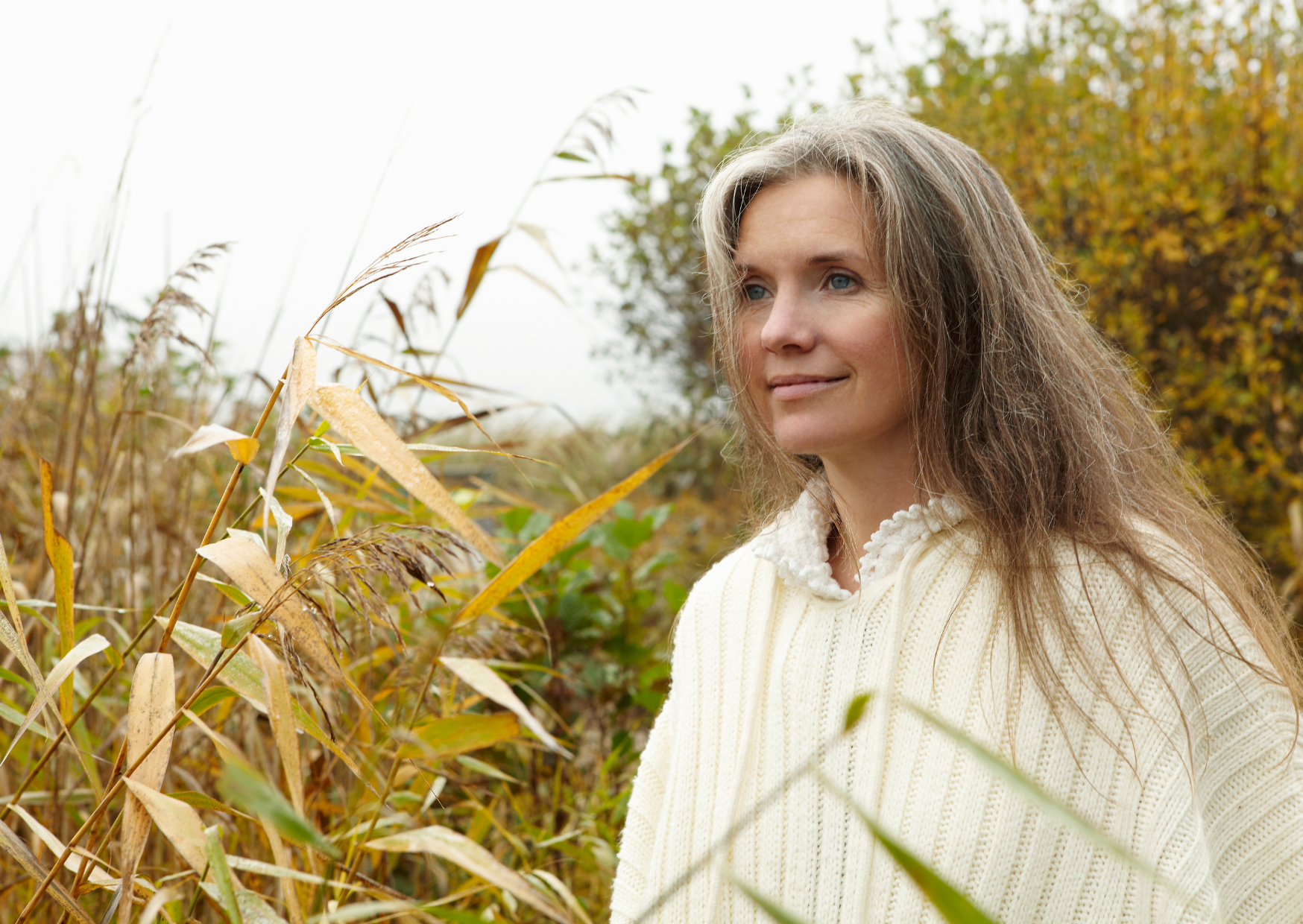
Widows don’t move abroad because they want novelty.
They move because they want less fear in daily life.
Less fear of getting sick alone. Less fear of being scammed. Less fear of walking home after dark. Less fear of being socially unmoored. Less fear of paperwork disasters. Less fear of waking up and realizing their life has become too small.
Portugal is the default answer Americans give each other because it’s familiar, it’s popular, and it’s marketed like an easy landing spot. It is also genuinely safe by many measures.
But if the question is “Where do American widows tend to feel safest,” the better answer is usually Denmark.
Not because Denmark is a warm beach country. Not because it’s cheap. Because for a single older woman, safety is not one thing. It’s a stack: public safety, social trust, women’s security, institutional reliability, walkability, and healthcare competence. Denmark consistently performs at the top of those stacks.
If you want the place where your nervous system can unclench without you having to build a fortress around yourself, Denmark is hard to beat.
What “Safest” Actually Means For A Widow
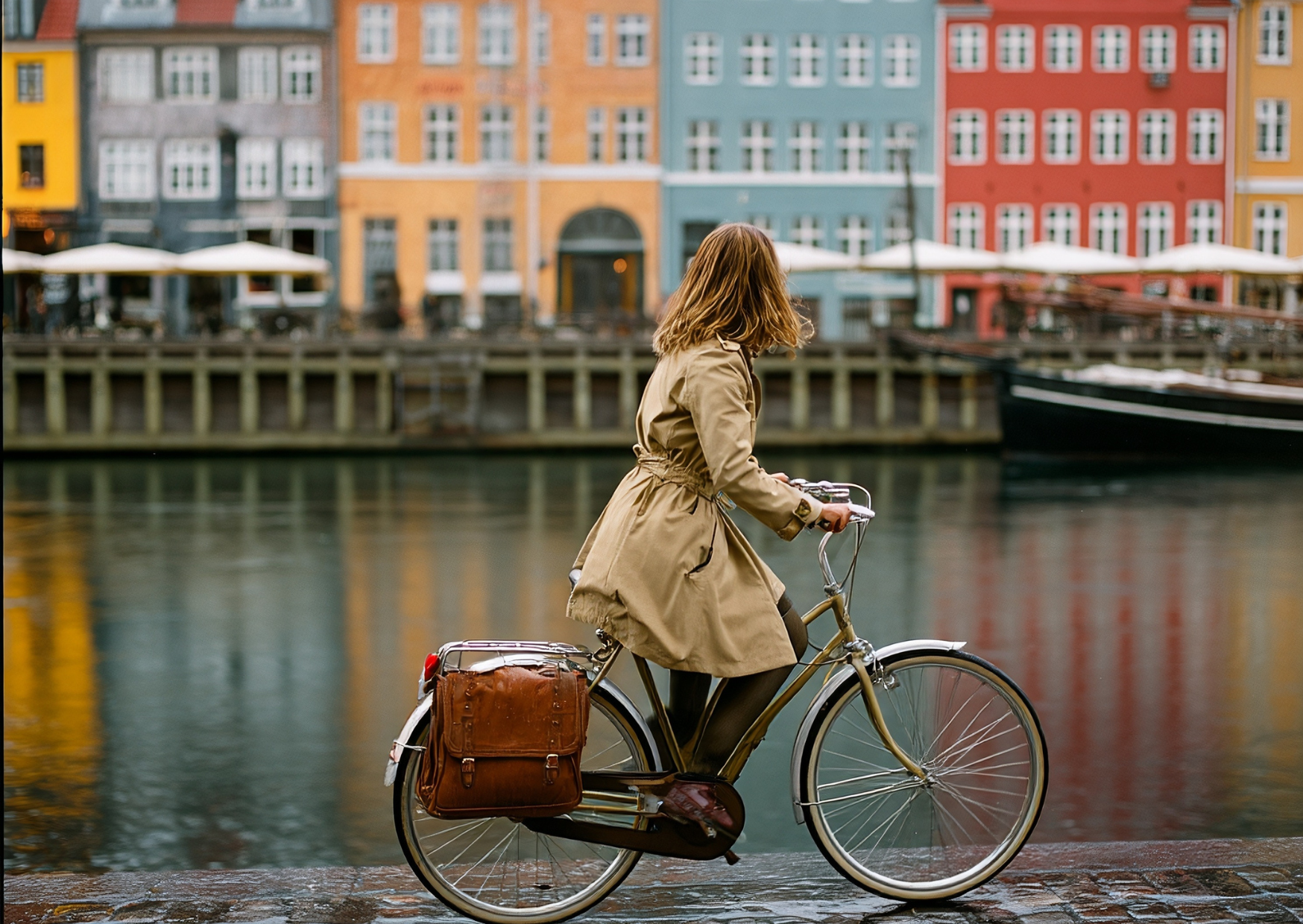
A widow’s definition of safe is not the same as a tourist’s definition.
Tourist-safe is mostly about petty crime and bad neighborhoods.
Widow-safe includes that, but it adds the things that actually matter when you live somewhere and you’re alone:
- Walking alone at night without rehearsing danger
- Being taken seriously by institutions
- Low tolerance for harassment
- Reliable emergency response
- A social environment where you’re not treated like prey
- A healthcare system you can navigate without panic
- A culture where older women are visible and normal in public space
- Predictable rules and predictable enforcement
Widows often carry a quiet, constant vigilance after loss. Some of it is grief. Some of it is realistic awareness. When you don’t have a built-in partner safety net, the environment matters more.
Denmark is not perfect. No country is. But Denmark offers something rare: the feeling that most of daily life is designed to work without you having to fight it.
That is what safety feels like in adulthood.
The Daily Life Details That Make A Place Feel Safe Or Not
A widow doesn’t feel safe because a country has a good reputation. She feels safe because Tuesday is easy.
That means small frictions don’t become threats. The walk to the pharmacy doesn’t feel like a decision. The bus ride doesn’t feel like a gamble. The building entrance doesn’t make you tense. The street doesn’t change personality at night in a way that forces you into defensive mode.
This is why Denmark often lands so well. It’s not that nothing bad ever happens. It’s that the baseline is calmer and more predictable, so you’re not burning mental energy on risk scanning all day.
A few daily-life tells that widows tend to notice fast:
- Public space behavior: Are older women out alone, unbothered, at normal hours. Not only in tourist centers, but in regular neighborhoods.
- Street lighting and visibility: You don’t need stadium lights. You need the feeling that you can see and be seen. Dark corners and dead streets matter more than brochures admit.
- Transit and walking reliability: If you can’t move confidently without a car, your life shrinks. A widow’s safety depends on mobility.
- Boundary respect: Do people accept a polite no. Do they keep distance. Do they stop if you look uninterested. This is a major quality-of-life factor that rarely shows up in crime stats.
- Institution vibe: When you deal with a clinic, a bank, or a municipal office, do you feel processed fairly or brushed off. System respect is a kind of safety.
Denmark tends to score high on these lived cues because the culture is less intrusive and the systems are more legible. You feel less like you have to negotiate every small interaction.
The practical takeaway is that widows should stop asking only “Is this country safe” and start asking “Is daily life built to be low-alert for a single older woman.” That’s the real metric.
Why Denmark Wins The Widows’ Safety Test
Denmark keeps winning the same competitions because it’s built around a high-trust social model.
You see this in obvious ways:
- people walk everywhere
- women are out alone at night without it being a statement
- public space feels monitored by normal life, not by surveillance
- systems are competent enough that you can plan a week without chaos
And you see it in boring ways that matter more:
- clear rules
- consistent enforcement
- stable infrastructure
- public services that behave like public services
In the 2025/26 Women, Peace and Security Index, Denmark is ranked number one globally. That index is built around women’s inclusion, justice, and security, and it’s one of the few global measures that tries to quantify safety in a way that maps to women’s real lives, not just national crime totals.
Denmark also sits near the very top in global peacefulness rankings, consistently.
Those are big-picture measures. The widow’s day-to-day measure is simpler: do you feel hunted, or do you feel ordinary. Denmark tends to make older women feel ordinary, and that is a gift.
The Safety Difference Widows Notice In The First Two Weeks
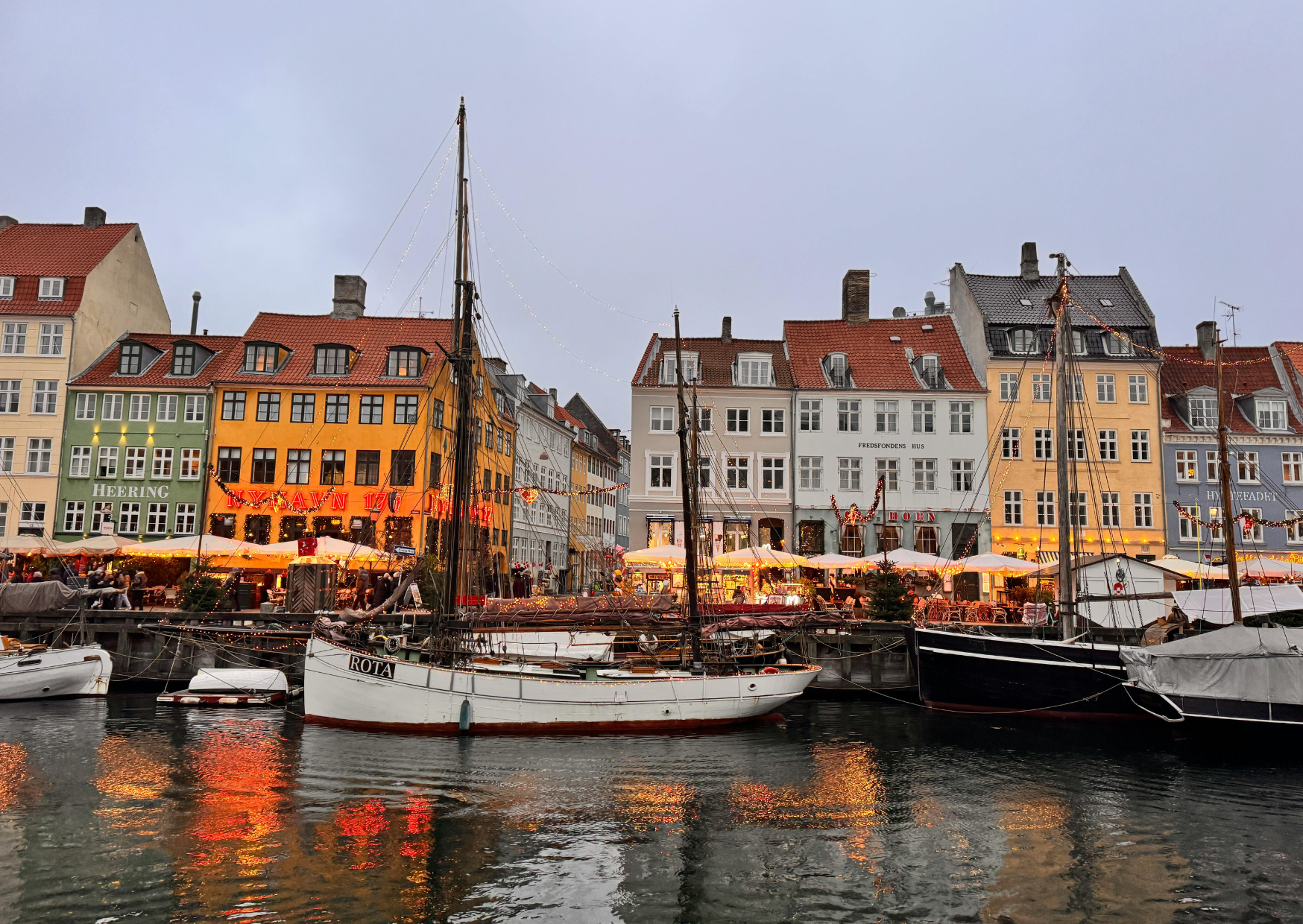
If you drop an American widow into Lisbon and into Copenhagen for two weeks, she will often notice a different kind of calm.
In Denmark, the calm tends to come from:
- predictability
- social trust
- low aggression in public space
- a sense that “no” will be respected
A widow doesn’t just want to be unbothered. She wants to be unbothered without having to perform toughness.
In Denmark, the daily experience often looks like:
- walking to get groceries without planning routes
- sitting alone in public without being “checked”
- using transit without scanning faces for threat
- feeling safe moving through the city at normal hours
A lot of widows in Portugal feel safe too. But some don’t feel as relaxed, especially in expat-heavy zones where attention can be higher, or in settings where tourist-targeting behavior exists. Portugal’s safety is real. Denmark’s safety tends to feel more “ambient.”
Portugal can feel safe.
Denmark often feels safe without effort.
That difference matters when your energy reserves are lower after loss.
The Hidden Widow Issue Is System Safety Not Street Safety
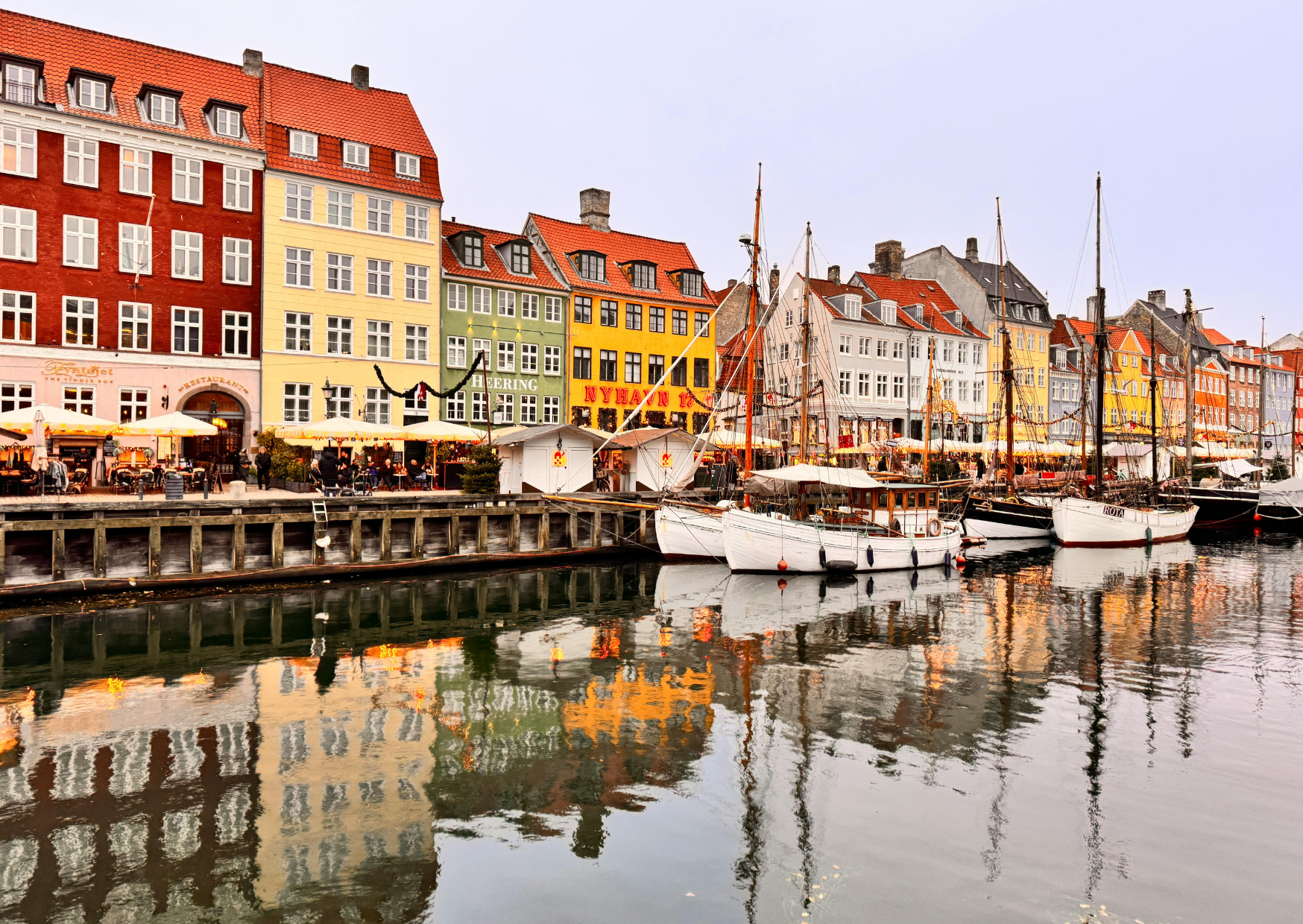
Here’s what people don’t say out loud: many widows are less afraid of crime than they are of system failure.
They’re afraid of:
- getting sick and not knowing how to access care
- not being able to communicate in a medical moment
- a residency or admin issue that spirals
- being scammed because they seem alone and foreign
- signing the wrong lease
- losing access to their money temporarily because a bank issue becomes a saga
Denmark reduces that fear because it’s a systems-forward country. The bureaucracy can be strict, but it is usually legible. The expectations are consistent. The “what happens next” is often clearer.
That’s why Denmark feels safe for widows even when it’s not the cheapest or warmest place to live.
A widow’s safety is not only about threats. It’s about resilience when something goes wrong.
The Three Denmark Tradeoffs Widows Must Accept
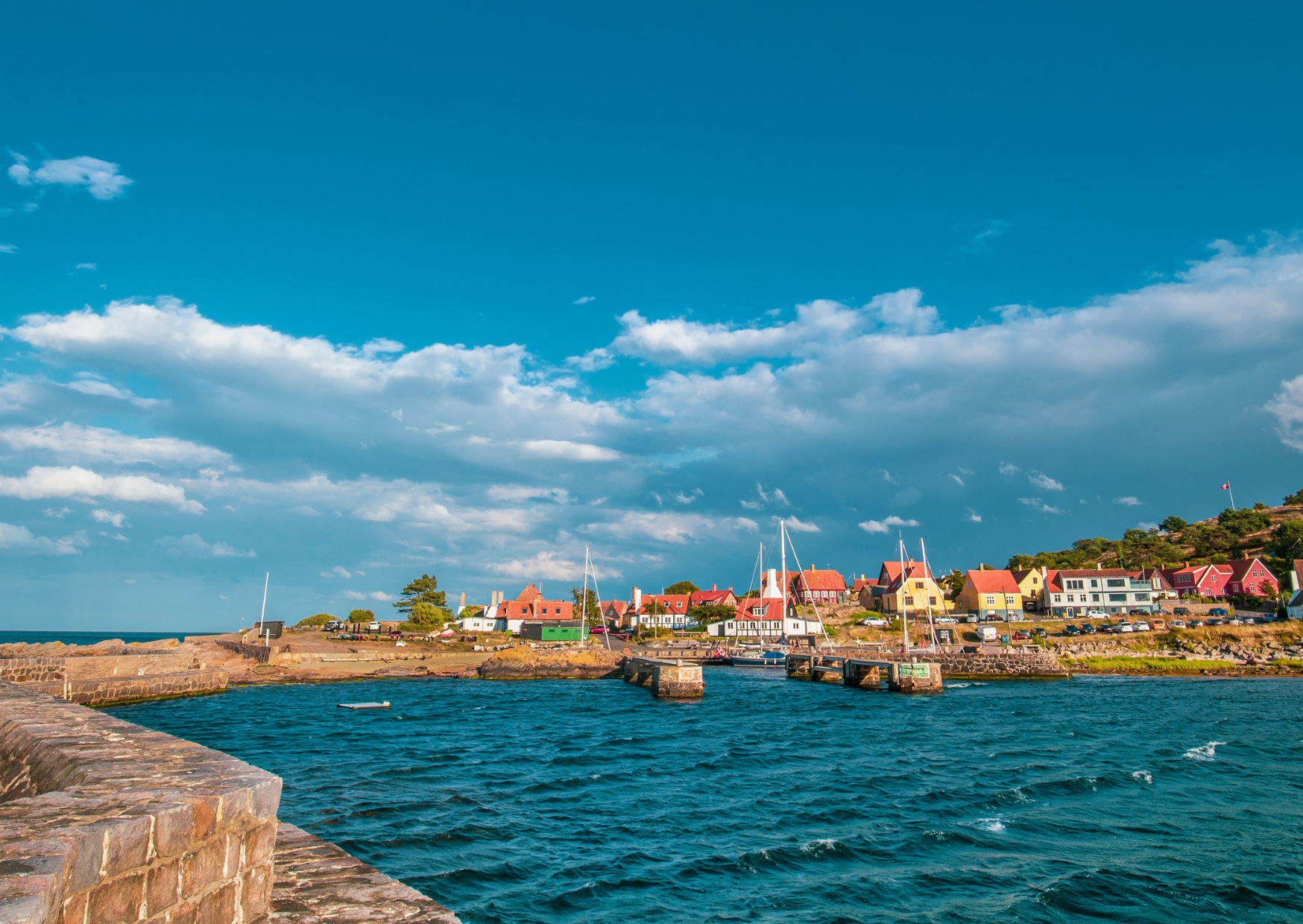
If Denmark is the safest-feeling answer, why doesn’t every widow choose it.
Because safety is not the only variable. Denmark makes you pay in other ways.
Cost of living
Denmark is expensive. Rent, dining out, and many services can feel shocking if you’re coming from a U.S. medium-cost city or from Southern Europe. Safety comes with a price tag.
For widows on tight fixed incomes, Denmark can be financially stressful unless they choose a smaller city, a smaller apartment, or a very disciplined lifestyle.
Winter and light
A widow coming from Arizona, Florida, or Southern California can struggle with Danish winter darkness. This is not a small lifestyle detail. For someone already managing grief, light matters.
Many widows do better in Denmark when they plan winter like it’s part of the move:
- light therapy lamp
- structured daily walking
- social repetition
- a winter hobby that gets them out of the house
Cultural access
Denmark is English-friendly, but social life can still be harder to penetrate than in Southern Europe. People are polite. They’re not always immediately intimate.
The widows who thrive build belonging through repetition:
- the same café
- the same gym class
- the same volunteer schedule
- the same neighborhood loop
In Portugal, older American newcomers can sometimes find expat social circles faster. In Denmark, the social stability can be higher once it forms, but the early phase can feel quiet.
So yes, Denmark is often the safest-feeling answer. But you have to want the Denmark trade.
How Widows Should Pick A City Inside A Safe Country
This is where people get burned. They choose the “right country” and the wrong city, then wonder why the vibe feels off.
Even in very safe countries, widow comfort varies a lot by:
- neighborhood design
- lighting and street activity
- housing quality and entry security
- transit access
- how isolated you are in winter
- how easy it is to build routine
A widow choosing Denmark, for example, will usually feel a different kind of safety in Copenhagen versus a quieter town where she has fewer daily anchors. Copenhagen has more movement, more transit, more “normal presence” in public space at night. A smaller place can be quieter and still safe, but quiet can feel isolating when you’re rebuilding life alone.
Here’s a practical city-level filter that works anywhere in Europe.
1) Choose walkable boring over scenic remote
Widows do best when the basics are simple. Grocery, pharmacy, clinic, transit stop, and a third place like a café should be inside a predictable loop. Walkable basics reduce stress more than views do.
2) Pay attention to winter life, not summer life
A coastal town can feel magical in July and emotionally thin in January. A widow should check what the streets look like on a cold weekday night. Are people still out. Are cafés open. Is there normal life or only tourism.
3) Pick housing that supports confidence
Safety is not only crime. It’s whether your home feels secure and comfortable. Well-lit entry. Solid locks. A building that doesn’t feel damp, cold, or noisy. Home comfort is safety when you live alone.
4) Don’t choose your whole life based on expat density
Expat communities can be a useful on-ramp, but they can also be socially unstable. People leave. People rotate. Widows tend to do better when they also have one local anchor, even if it’s small. A stable anchor beats a busy social calendar.
5) Test the language friction honestly
Denmark is relatively English-friendly, which reduces stress. In other countries, language friction can turn ordinary errands into draining events. A widow doesn’t need fluency. She needs a place where she can function without feeling constantly exposed.
If you apply this city filter, the “safest country” idea becomes real. You’re not buying a reputation. You’re building a daily life that keeps your nervous system out of emergency mode.
Why It’s Not Portugal For A Lot Of Widows
Portugal is still a strong option for many American widows, especially those who prioritize:
- warmth
- lower cost of living relative to Northern Europe
- a larger expat ecosystem
- an easier outdoor lifestyle year-round
But when widows say they “don’t feel safe,” it’s often not because Portugal is dangerous. It’s because certain frictions create vulnerability:
- Paperwork fatigue that feels endless when you’re alone
- Housing quality that can be cold and damp indoors in winter, which affects health and sleep
- Tourist-targeting behavior in some zones that makes single women feel visible in the wrong way
- Social instability inside expat bubbles where people leave often
- Language stress when you need care or admin help and you’re tired of negotiating
Portugal is safe in many objective ways. The widow question is different: where do you feel safe without having to manage your life like a defensive operation.
Denmark tends to score higher on that feeling.
Portugal can be a beautiful chapter. Denmark can feel like a protected baseline.
How A Widow Should Choose Between Denmark And The “Warm Safe” Countries
If Denmark is the “safest feeling” answer, why would a widow choose somewhere else.
Because sometimes the safest feeling is not enough if the environment doesn’t support your daily happiness.
Here’s a blunt decision guide.
Choose Denmark if you want:
- maximum institutional reliability
- strong women’s security profile
- high social trust
- walkable, transit-oriented daily life
- a place where you feel ordinary in public space
Choose Portugal if you want:
- more sun
- a lower cost baseline than Scandinavia
- a larger, faster expat social on-ramp
- an outdoor lifestyle that’s easier in winter
Choose Spain if you want:
- stronger big-city life options
- more varied climate and regions
- a deep culture of public life and late-day social rhythm
Choose Austria or Switzerland if you want:
- high safety and order
- strong infrastructure
- and you can handle higher costs and a more formal social culture
The point is not that Denmark is “best.” The point is that Denmark is often the clearest answer to the specific widow question: where do you feel safe as a single older woman without doing constant emotional labor.
Your First 7 Days Building Real Safety As A Widow Anywhere In Europe
No matter where you go, the widows who thrive do a few things immediately. This is the part people skip because it’s not romantic.
Day 1: Build the safety file. Printed and digital. Passport copies, residence documents, insurance, medication list, emergency contacts.
Day 2: Identify your healthcare path. Pharmacy, urgent care option, primary care access. Save addresses and numbers. Do this before you “explore.”
Day 3: Choose your daily circuit. A walking loop with grocery, café, pharmacy, and a public space. Make it repeatable.
Day 4: Pick one weekly social repetition. Same day, same time. Belonging is repetition.
Day 5: Build a local contact. One neighbor-level person, one community-level contact, one backup. You don’t need a big friend group. You need a small safety net.
Day 6: Lock your housing comfort plan. Winter warmth, humidity control, noise, and lighting. Home discomfort becomes emotional discomfort fast when you’re grieving.
Day 7: Decide your spending rules. Loneliness spending is real. Put boundaries around it so you don’t burn money to fill silence.
This is the quiet truth: safety is partly where you live, but it’s also what you build.
Denmark gives you more of it by default.
But you still have to build the rest.
The Honest Takeaway
For many American widows, the European country that tends to feel safest is Denmark, not because it’s the most popular expat marketing story, but because it stacks the safety factors that matter when you’re alone: women’s security, social trust, institutional competence, and day-to-day walkable calm.
Portugal can be safe and wonderful. It’s just not always the place that makes widows feel the most protected at a nervous-system level.
If your goal is to stop living on alert, Denmark is the most consistent answer.

About the Author: Ruben, co-founder of Gamintraveler.com since 2014, is a seasoned traveler from Spain who has explored over 100 countries since 2009. Known for his extensive travel adventures across South America, Europe, the US, Australia, New Zealand, Asia, and Africa, Ruben combines his passion for adventurous yet sustainable living with his love for cycling, highlighted by his remarkable 5-month bicycle journey from Spain to Norway. He currently resides in Spain, where he continues sharing his travel experiences with his partner, Rachel, and their son, Han.