
Moving to Italy after getting sober is not a glow-up story.
It is a systems story.
Italy is a country where alcohol is everywhere and also, weirdly, not the main event the way it is in a lot of American social life. Wine is casual. Aperitivo is routine. Long lunches exist. So does the quiet pressure to participate without making a fuss.
For a woman who got sober at 50 and moved alone, the first year is not about Rome or Florence or coastal sunsets. It’s about whether she can build a life where sobriety stays normal when nobody around her treats it like a project.
Five years later, the results tend to be blunt: either she built a structure that holds, or she spent a lot of money and emotional energy fighting the same triggers in a prettier language.
This is the five-year update, told the way it usually goes: what changes, what gets easier, what surprises you, and what makes sobriety feel stable in a country where “just one glass” is baked into the culture.
Why Getting Sober At 50 Changes The Whole Move

At 50, sobriety is not a phase. It’s a line you crossed.
Your body is different. Your sleep is different. Your tolerance for chaos is lower. Your friendships are different. Your appetite for drama is lower. And your reasons are rarely cute. Most people who get sober at this age have had enough of something. Enough shame, enough anxiety, enough mornings that feel like punishment.
That’s why the move can be powerful. You are not moving to become someone else. You are moving to stop living inside the old loops.
Also, a lot of Americans underestimate how common alcohol problems are in later life. In the U.S., the National Institute on Alcohol Abuse and Alcoholism cites 2024 NSDUH figures showing millions of adults 65+ reported binge drinking, heavy drinking, and meeting criteria for past-year alcohol use disorder. That is not a niche issue. It is a huge, under-discussed one.
So the move to Italy after sobriety is often a response to a real pattern: you want your daily environment to stop feeding the behavior that was killing you.
Italy can help. Italy can also test you.
Sober at 50 usually means no more bargaining.
And moving alone means no buffer person.
Italy’s Drinking Culture Is Not American Drinking Culture
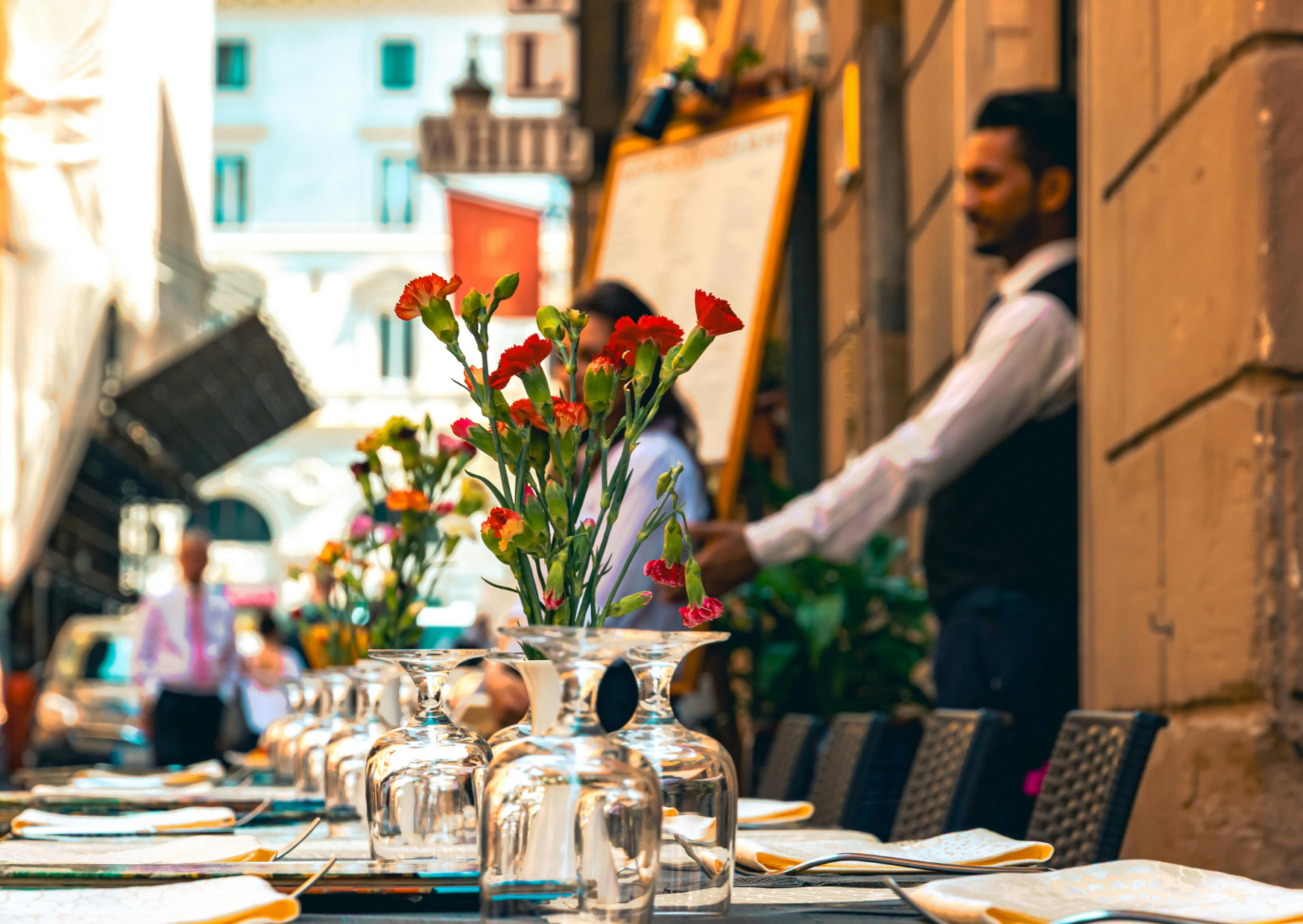
Here’s what surprises many sober Americans: Italy can be easier than the U.S. in certain ways, even though alcohol is everywhere.
In the U.S., drinking often comes with a specific social tone:
- bigger servings
- faster pace
- more “let’s make a night of it”
- and a lot of social bonding built explicitly around alcohol
In Italy, alcohol is often more normalized and less theatrical. People drink wine with meals. Aperitivo can be one drink and a few bites, not a four-hour binge disguised as “happy hour.” It can still get messy. It can still be a trigger. But the cultural expectation is often less about getting obliterated and more about integrating it into life.
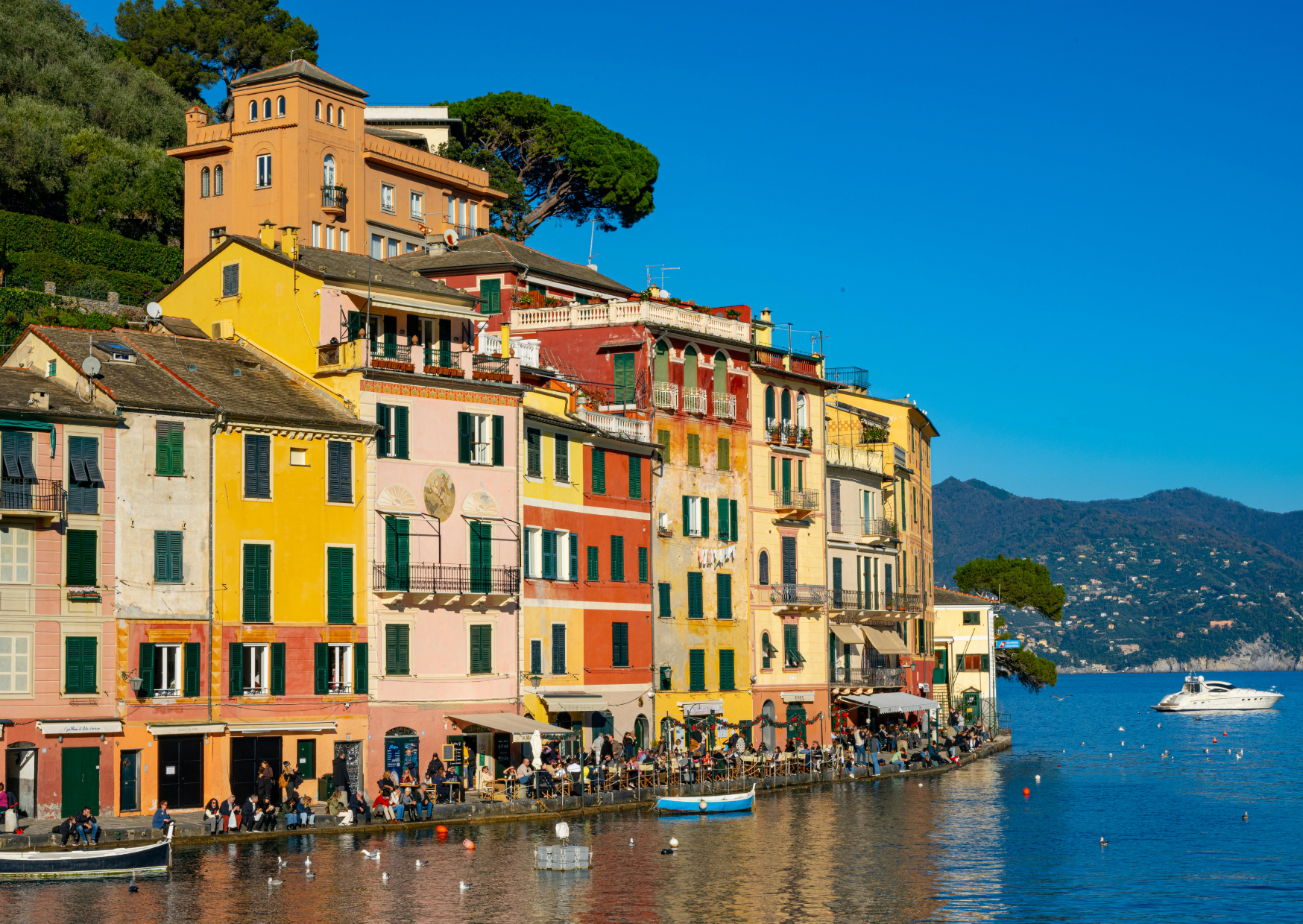
Also, Italy isn’t a monolith. Milan nightlife is not the same as a small town in Emilia-Romagna. Coastal tourist zones behave differently than local neighborhoods in Turin. The pressure you feel depends heavily on where you live and who you’re around.
Italy is still a country with real alcohol harm and real public health data. The OECD reports on alcohol consumption across countries and makes it clear that alcohol burden remains significant in rich countries, including in Europe.
But for the individual sober woman, the day-to-day question is simpler:
Does the environment reward restraint, or does it reward escalation?
Italy often rewards restraint more than Americans expect.
Wine is common but drunkenness is not always celebrated.
That difference matters when you’re rebuilding.
Year One Is About Triggers You Didn’t Know You Had
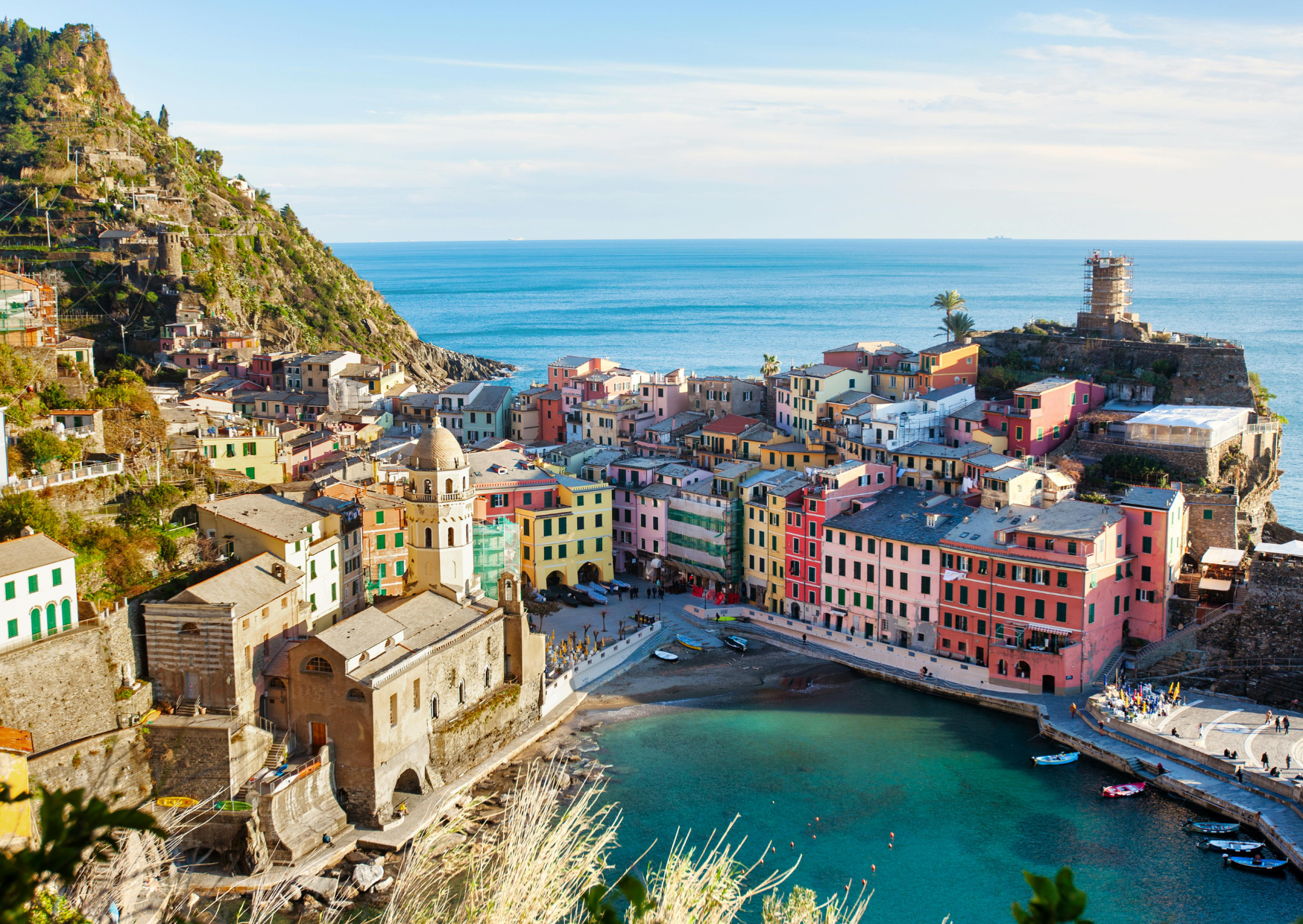
The first year after moving is when hidden triggers show up. Not just “bars.” The weird ones.
Loneliness triggers
You moved alone. Your evenings are quiet. You don’t have the old friends who know the story. You don’t have the default person who notices your mood shifting. For many newly sober people, alcohol wasn’t only a substance. It was companionship. It was a way to fill silence.
Competence triggers
Bureaucracy, language friction, landlord issues, healthcare navigation. Feeling incompetent is a classic relapse trigger because it creates shame and agitation. Italy can be heavy on procedures and local rules, and a single newcomer feels it directly.
Sensory triggers
Aperitivo smells. Wine shops. Summer nights. Outdoor seating everywhere. People lingering. It can feel gorgeous and also intensely stimulating when you’re learning how to be in the world sober.
Identity triggers
In the U.S., sobriety can become a formal identity. Meetings, communities, “recovery” language. In Italy, people may not talk about it the same way. You can feel unseen, which is freeing for some and destabilizing for others.
So year one is rarely “Italy healed me.” It’s more like: Italy showed me what I was using alcohol for.
A lot of women who stay sober in year one do it by building strict structure:
- early bedtime
- morning routine
- walking daily
- food routine
- and a social plan that is not built around bars
If she tries to “wing it,” year one can be emotionally dangerous.
New country stress plus new sober brain is a volatile combo.
Year one is where you build guardrails that feel boring but save your life.
The Social Game Changes When You’re Sober In Italy
This is where many Americans get it wrong.
They assume sobriety in Italy means constantly explaining themselves. In reality, most Italians do not care as much as Americans fear. The bigger issue is not judgment. It’s participation. Social life often includes food and drink, and you need to know how to participate without feeling like the odd one out.
The skill is simple: order something that looks normal and move on.
In Italy, that can be:
- sparkling water with lemon
- a non-alcoholic aperitivo option if available
- coffee
- a soda and bitters style drink without alcohol
- or just water and food, with calm confidence
You do not owe a story.
The other social reality is that in many Italian places, social life is more neighborhood-based. Being a regular matters. Repetition matters. If you show up at the same café, market, bakery, and walking route, you start to become a person in the environment, not a tourist.
That’s how a sober life becomes stable: you stop needing novelty to feel alive.
If you are sober and alone, belonging is a protective factor. A lot of people talk about sobriety like it’s willpower. It’s not. It’s environment and routine and social continuity.
Italy can give you that if you lean into repetition.
Small routines create big stability.
And in Italy, routine is culturally normal, not embarrassing.
The Meeting Reality In Italy Is Better Than People Assume
A lot of Americans think: if I move abroad, I lose my recovery infrastructure.
That is not always true.
There are English-language AA meetings in Italy listed through European AA networks, and there are local AA communities in major cities. There are also online meeting options oriented toward English speakers in Italy and Europe.
This matters because a sober woman living alone needs at least one “if things get shaky” backstop. Not necessarily daily meetings. Not necessarily a sponsor in the traditional sense. But a known place to go when her brain starts bargaining.
Many people do not relapse on their worst day. They relapse on a normal day when they feel lonely and unimportant and bored. A meeting, even occasionally, can interrupt that spiral.
Italy also has other recovery support ecosystems, but AA is the one Americans recognize, and the practical point is: you’re not moving to a place where support is zero. You might need to look harder. You might need to be willing to join online meetings at odd hours. But the infrastructure exists.
The mistake is relying on “I’ll be fine.” The smarter move is quietly setting up:
- a list of meetings
- a list of sober-friendly cafés
- one or two sober contacts
- and a routine that prevents the isolation loop
Support exists if you look for it.
And for many women, knowing it exists is enough to keep the nervous system calmer.
The Food Shift Is Real, But It’s Not Magic
A lot of sober women report a food shift after moving to Italy. Not because Italy is pure. Because the daily eating environment is different.
Italy encourages:
- more structured meals
- smaller portions in many contexts
- less constant snacking
- and a culture of eating that is less rushed
That can help sobriety because unstable blood sugar and poor sleep are classic relapse fuel. When you’re hungry and tired, your brain starts bargaining.
But we should keep this grounded. Italy also has gelato, pastries, late-night pizza, and tourist traps built to sell you sugar and carbs. The difference is not that Italy has no junk. The difference is that everyday life can be less engineered around constant eating.
Also, for many women, alcohol was tied to appetite. Once alcohol is gone, hunger patterns change. Some people gain weight in early sobriety. Some lose weight. Some fluctuate. Italy can either support stability or become another coping system if food replaces alcohol.
The five-year success story is rarely “I became thin.” It’s “I stopped using substances to regulate my mood.”
That’s the actual win.
Food structure supports sobriety structure.
But replacing alcohol with food is still replacing.
Year Five Looks Like A Different Person, Not A Different Mood
If she makes it five years sober in Italy, the big change is not constant happiness.
It’s competence.
She knows:
- how her neighborhood works
- where she buys groceries
- which doctor she trusts
- what she orders at cafés
- which social situations are safe
- and what to do when her brain starts whispering “maybe just one”
Year five is when sobriety stops being the headline and becomes the background.
That’s the real sign of success: sobriety is not the main topic of the day.
Also, a lot of women discover something they didn’t expect. When you stop drinking, you stop tolerating certain people and certain environments. Italy can accelerate that because life is more public and more relational. You start choosing your circles more carefully. You stop doing the noisy expat social scene if it feels like drinking culture in disguise.
Year five often includes:
- fewer but better friendships
- more morning routines
- less nightlife
- a smaller radius of places that feel like home
- and a stronger sense of “I can handle my life”
That is not Italy’s magic. That’s recovery plus repetition.
The reason it works abroad for some people is that moving forces routine-building. You can’t autopilot. You have to choose. That choice-making, done calmly, is what makes sobriety stable.
Year five is not dramatic.
It’s quiet competence.
Where Women Break Even After Five Years
Let’s be honest about the failure points, because “moving abroad fixed me” is a lie that hurts people.
Here’s where single sober women most commonly break in Italy:
They choose a place that is gorgeous but isolating
Some small towns are enchanting and socially closed. Some coastal areas are seasonal. Winter emptiness can be a trigger. If she has no anchor community, loneliness escalates.
They treat aperitivo as their new social identity
They keep going to the same drinking-centered spaces, ordering sparkling water, but staying in the vibe. Over time, that can become exhausting, and exhaustion is a relapse risk.
They don’t build support redundancy
They rely on one friend or one partner or one online community. Then that person disappears, and the support system collapses. A single woman needs redundancy.
They underestimate paperwork stress
Italy can be bureaucratic. When you’re sober, you feel stress more clearly. If she doesn’t build an admin routine, she can get overwhelmed, and overwhelm is a relapse trigger.
They never learn enough language to feel safe
You don’t need fluency. You need functional competence, especially for healthcare and housing. Feeling helpless is dangerous.
These are not moral failures. They are predictable weak points.
And the women who succeed don’t avoid all stress. They build routines that prevent stress from becoming isolation.
Isolation is the real relapse risk for older adults.
That’s why building a life matters more than choosing the “prettiest” place.
What This Story Means For Readers Thinking About Italy
If you’re a sober American woman over 50 considering Italy, here is the honest takeaway:
Italy can be a supportive environment if you want:
- structured meals and slower rhythm
- public life that doesn’t revolve around cars
- social time that can be built around cafés and food
- and a culture where not drinking can be handled quietly
But Italy is not automatically easy. You will need:
- a plan for loneliness
- a plan for bureaucracy stress
- a plan for healthcare navigation
- and a plan for sober support, in person or online
You do not have to be perfect. You do have to be deliberate.
This is not a “move to Italy and heal” story.
It’s a “move to Italy and build a life that supports your recovery” story.
If she did it for five years, the real achievement is not that she avoided wine in a wine country.
It’s that she learned to live without needing a chemical off-switch.
That’s what freedom looks like at 55.

About the Author: Ruben, co-founder of Gamintraveler.com since 2014, is a seasoned traveler from Spain who has explored over 100 countries since 2009. Known for his extensive travel adventures across South America, Europe, the US, Australia, New Zealand, Asia, and Africa, Ruben combines his passion for adventurous yet sustainable living with his love for cycling, highlighted by his remarkable 5-month bicycle journey from Spain to Norway. He currently resides in Spain, where he continues sharing his travel experiences with his partner, Rachel, and their son, Han.