

€180,000 in three years is not “oops.”
It’s a lifestyle.
It’s €60,000 a year. €5,000 a month. And the scary part is you can spend that in Spain without ever feeling like you’re living large, especially if you landed in the obvious American landing zones and kept American convenience habits.
Massachusetts couples are especially vulnerable to this because many are coming from a high-cost, high-competence life. They’re used to paying for speed and certainty. They’re used to strong systems. They’re used to solving problems quickly. Spain, depending on where you live and how you live, can feel like a beautiful place that moves at its own pace and requires more patience.
So what do they do?
They buy certainty.
They buy convenience.
They buy comfort.
They buy “easy Spain.”
And that’s how €180,000 disappears.
This is not a shame post. It’s a post about the mechanics: where the money goes, why it happens in the first three years, and what to do differently if you don’t want Spain to become a slow financial bleed.
Year One Is Where Couples Pay The “New Arrival Tax”
The first year is the most expensive year for almost everyone who relocates.
Even if you’re not reckless, you pay for uncertainty:
- short-term rentals
- furnished premiums
- agency fees
- deposits
- setup purchases
- extra taxis and delivery because you’re tired
- eating out because the kitchen isn’t settled
- paid help because you don’t want to wrestle with admin
A Massachusetts couple will often tell themselves: this is temporary. We’re just settling.
Sometimes it is temporary.
But if the first year spending becomes the baseline, you’ve built a €5,000/month lifestyle without realizing it.
This is why the “blow through” story is usually not one insane purchase. It’s year one becoming normal.
Year one spending is not the problem. Year one habits becoming permanent is the problem.
Housing Is The Primary Furnace That Burns €180,000

If you want to understand how the number happens, start with housing.
A couple that rents:
- in Barcelona or Madrid
- or in high-demand coastal and expat areas
- or in the most central zones of any popular city
- and wants a comfortable, quiet, modern home
can easily land in the €1,800 to €3,200 range for rent, depending on the city, neighborhood, and timing.
Add utilities and internet, especially with summer AC or winter heating needs, and housing can become:
- €2,200/month on the low end of “comfortable expat”
- €3,500/month on the high end of “we want it easy”
Now do the math:
- €2,500/month housing all-in × 36 months = €90,000
- €3,000/month housing all-in × 36 months = €108,000
That’s over half the €180,000 just from where you sleep.
And the couples who burn through money often do the same thing twice:
- they rent an expensive short-term place for 3 to 6 months
- then they rent an expensive long-term place
- then they move again because the first long-term place had a problem they didn’t anticipate
Moving costs are real:
- deposits
- agency fees
- overlap months
- furnishing upgrades
- delivery, setup, small purchases that add up
A “we moved twice” Spain story can easily add €6,000 to €15,000 in friction costs without anyone doing anything dramatic.
The fastest way to spend €180,000 is to rent like a tourist for too long, then rent like an expat forever.
The Second Burn Rate Engine Is Paid Convenience
Massachusetts couples often arrive with a habit that feels invisible: buying efficiency.
In the U.S., it’s normal to spend money to save time:
- rideshares
- delivery
- paid services
- convenience foods
- premium housing to reduce commute
- paid help for paperwork and admin
In Spain, the same behaviors exist, and they can feel cheaper than Boston.
That’s why they become habits.
A €10 taxi feels fine.
A €16 delivery order feels fine.
A €12 coffee and pastry habit feels fine.
A €40 menu dinner feels fine.
Then you add them up.
Here’s what “this feels fine” can turn into:
- cafés and small treats: €15/day average = €450/month
- taxis and rideshares: €10/day average = €300/month
- delivery and convenience meals: €10/day average = €300/month
- a couple of restaurant meals a week: €300 to €700/month
Now you’re in the €1,300 to €1,750/month “convenience life” lane without ever calling it that.
Over three years:
- €1,300/month × 36 = €46,800
- €1,700/month × 36 = €61,200
This is how couples can spend €180,000 without feeling rich. The money disappears into a thousand small decisions that never feel like a decision.
Daily convenience is a recurring cost. Recurring costs are what kill budgets.
The Travel Spiral Is The Third Quiet Killer
Spain is a fantastic base for Europe.
It’s also a travel trap.
Massachusetts couples often arrive with a mindset:
“We’re here. We should see everything.”
So they start traveling like it’s part of the relocation package:
- weekend flights
- city breaks
- constant visitors
- “we’re only here once”
- “we deserve it”
And again, it doesn’t feel expensive in the moment, because a €60 flight looks cheap.
But travel is not only flights.
It’s accommodations.
Meals.
Local transport.
Tours.
And the invisible cost of living a life that is never settled.
A couple that does:
- one €700 weekend per month
- plus two bigger trips per year at €2,500 each
is spending:
- €8,400 on weekends
- €5,000 on big trips
Total: €13,400 per year
Over three years: €40,200.
Now add U.S. flights. Many American couples fly back at least once per year, sometimes more, and family events are not optional. It’s easy to add another €3,000 to €8,000 per year depending on routes and timing.
This is why travel is one of the fastest ways to turn Spain into an expensive life.
Spain can be cheap when you live it.
Spain becomes expensive when you use it as a launch pad every weekend.
Living abroad is not supposed to feel like constant vacation. Constant vacation is the budget leak.
The Visitor Tax Is Real And Couples Rarely Price It
Once you move to Spain, you become the European base for your whole social circle.
Visitors are not free, even when they “pay for themselves.”
You pay in:
- extra groceries
- constant meals out because nobody wants to cook on vacation
- day trips and museum tickets
- taxis and transfers
- your own time and energy, which leads to more spending to “recover”
A common pattern:
- two visitor waves per year
- each wave costs €1,500 to €4,000 in extra spending
That’s €3,000 to €8,000 per year, or €9,000 to €24,000 over three years.
The emotional problem is that couples don’t want to say no. They feel lucky. They want to share the dream. They become tour guides. The tour guide spends money.
This is not a moral failing. It’s math.
Hosting is a budget category. If you don’t name it, it still charges you.
The Bureaucracy Spending Nobody Mentions
Spain can feel paperwork-heavy, and Americans often don’t have the patience.
So they pay for help:
- document translations
- apostilles and courier handling
- legal consults
- tax prep
- administrative “fixers”
- insurance brokers
- immigration services
Some of this is smart. Paying for one consult can prevent expensive mistakes.
But many couples end up with ongoing paid help because they never learn the system. If you pay €200 to €600 a month in ongoing admin and professional support, that’s another €7,200 to €21,600 over three years.
People don’t notice because it doesn’t feel like “spending.” It feels like “being responsible.”
It can be responsible.
It can also be a crutch that becomes expensive.
One-time consults are useful. Permanent outsourcing is expensive.
How €180,000 Disappears Without Any One Crazy Month
Here is a realistic model that gets you to €180,000 without a single dramatic event.
Let’s build a mid-range Massachusetts couple in Spain scenario:
Housing
- rent €2,200/month
- utilities and internet €250/month
Total housing: €2,450/month = €88,200 over 36 months
Food and daily life
- groceries €550/month
- cafés and meals out €900/month
Total food/life: €1,450/month = €52,200 over 36 months
Transport and local movement
- transit plus taxis €250/month
Total: €9,000
Healthcare and insurance
- private insurance plus out-of-pocket €250/month
Total: €9,000
Admin and tax help
- €200/month average
Total: €7,200
Travel and hosting
- €900/month average when spread across the year
Total: €32,400
Now total it:
- Housing €88,200
- Food/life €52,200
- Transport €9,000
- Health €9,000
- Admin €7,200
- Travel/hosting €32,400
Grand total: €198,000.
That’s without major emergencies. That’s without buying a car. That’s without private school. That’s without luxury shopping. That’s just a comfortable, convenience-heavy expat life.
To land at €180,000, you only need one dial turned down slightly:
- rent closer to €2,000/month
- or travel reduced
- or restaurants reduced
The point is not to prove €180,000 is inevitable.
The point is to show how easy it is to get there without noticing.
The €180,000 story is a series of “this is fine” decisions.
Why Massachusetts Couples Are Especially Vulnerable
This is not about stereotypes. It’s about cultural training.
Massachusetts couples often bring:
- high expectations for systems and competence
- a willingness to pay to avoid friction
- a habit of outsourcing
- a comfort baseline that is already expensive
- a social identity tied to “we did this right”
Spain rewards a different style:
- patience
- repetition
- routine
- living smaller
- accepting friction without turning it into a spending problem
Massachusetts couples can thrive in Spain when they stop trying to make Spain behave like New England.
Spain does not reward “solve it fast.” It rewards “build it steady.”
If you don’t make that shift, you spend money to erase discomfort instead of learning to live with small discomfort. That spending becomes the leak.
Pitfalls Most People Miss
They choose the wrong city for their burn rate.
Madrid and Barcelona can be incredible, but expensive comfort life requires expensive budgets. If you want Spain to save you money, pick cities where normal life is priced for normal incomes.
They rent too central for too long.
The most expensive neighborhoods are not always the best living neighborhoods. They’re often just the easiest landing zones for foreigners.
They keep travel as a weekly habit.
Europe is close. That doesn’t make it free. This is one of the biggest drains.
They use restaurants as daily entertainment.
Spain supports eating out, but daily eating out turns into a monthly number you’ll feel.
They never cap hosting.
Visitors become a hidden annual budget line.
They don’t build an actual weekly routine.
When your life lacks structure, you spend money to fill the void.
Routine is the antidote to drift.
The First Week You Stop The Bleed
This is an actionable money topic, so here’s the short sequence that works without turning the article into a checklist fetish.
- Calculate your real burn rate in euros, including travel and visitors.
- Set a rent ceiling and treat it as law.
- Decide your “restaurants per week” default.
- Cap travel with an annual number.
- Create a visitor policy and a hosting budget.
- Move daily life back to groceries, walking, and public space.
- Keep one buffer category that is protected, not “leftover.”
If you do nothing else, fix housing and fix travel. Those two categories determine whether Spain is affordable or a leak.
The Only Way Spain Stays Affordable Long Term
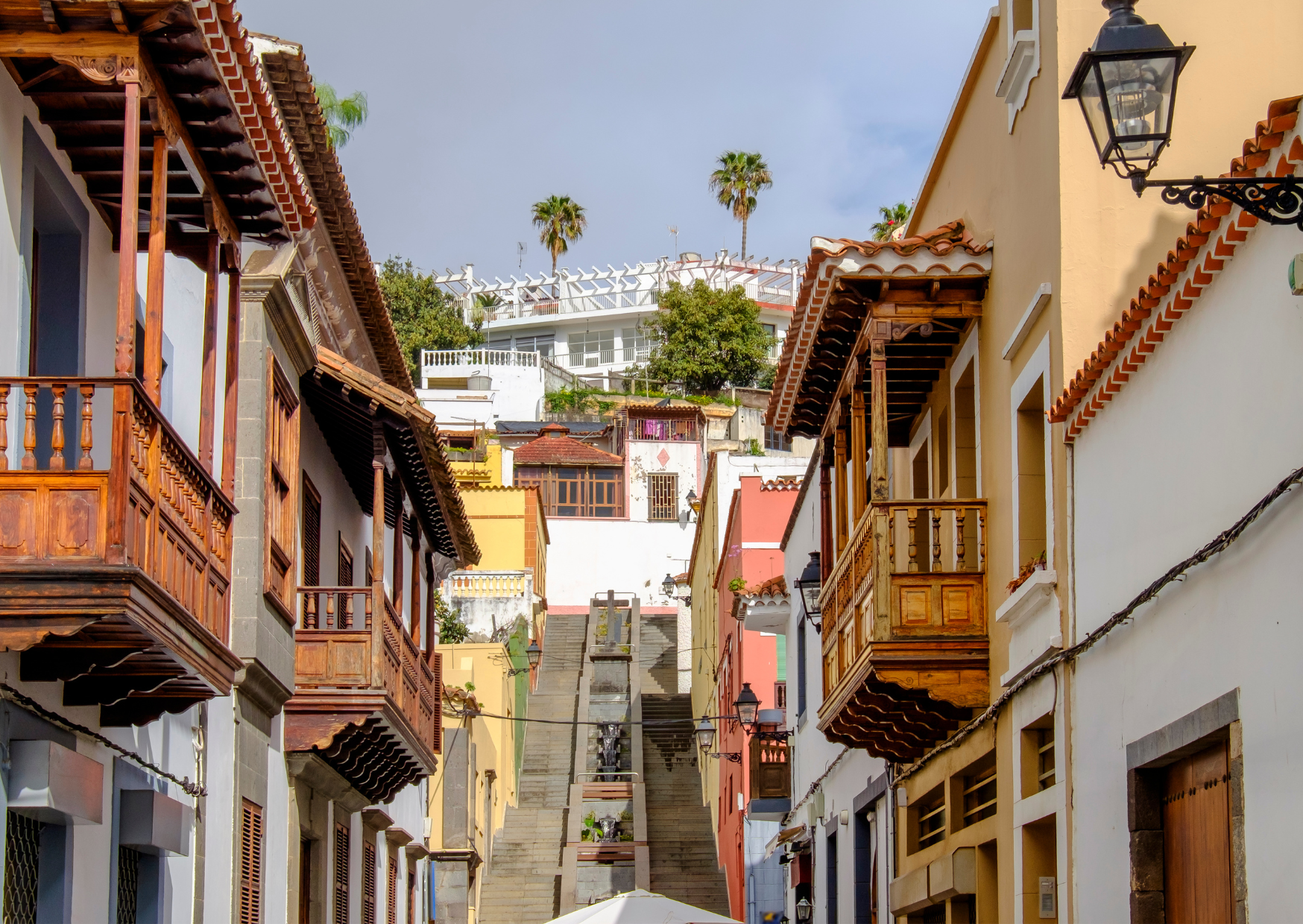
Spain becomes financially friendly when you stop living like you’re on a long vacation.
The sustainable version looks like:
- a rent level that doesn’t demand constant defense spending
- a neighborhood that supports walking and transit
- routine-based social life that doesn’t require daily paid consumption
- travel as occasional, not weekly
- visitors as planned, not constant
- basic administrative competence so you’re not paying for panic fixes
The Massachusetts couple who thrives is the one who accepts a smaller, more routine life and realizes it’s actually better. Less frantic. Less spending. More living.
That’s where Spain’s value is.
Not in “we can do Europe every weekend.”
In “our Tuesday is calm.”

About the Author: Ruben, co-founder of Gamintraveler.com since 2014, is a seasoned traveler from Spain who has explored over 100 countries since 2009. Known for his extensive travel adventures across South America, Europe, the US, Australia, New Zealand, Asia, and Africa, Ruben combines his passion for adventurous yet sustainable living with his love for cycling, highlighted by his remarkable 5-month bicycle journey from Spain to Norway. He currently resides in Spain, where he continues sharing his travel experiences with his partner, Rachel, and their son, Han.