
Most Americans asking this question are picturing a clean deal: move somewhere in Europe, live off dividends, stop hemorrhaging money to taxes, enjoy the sunshine, done.
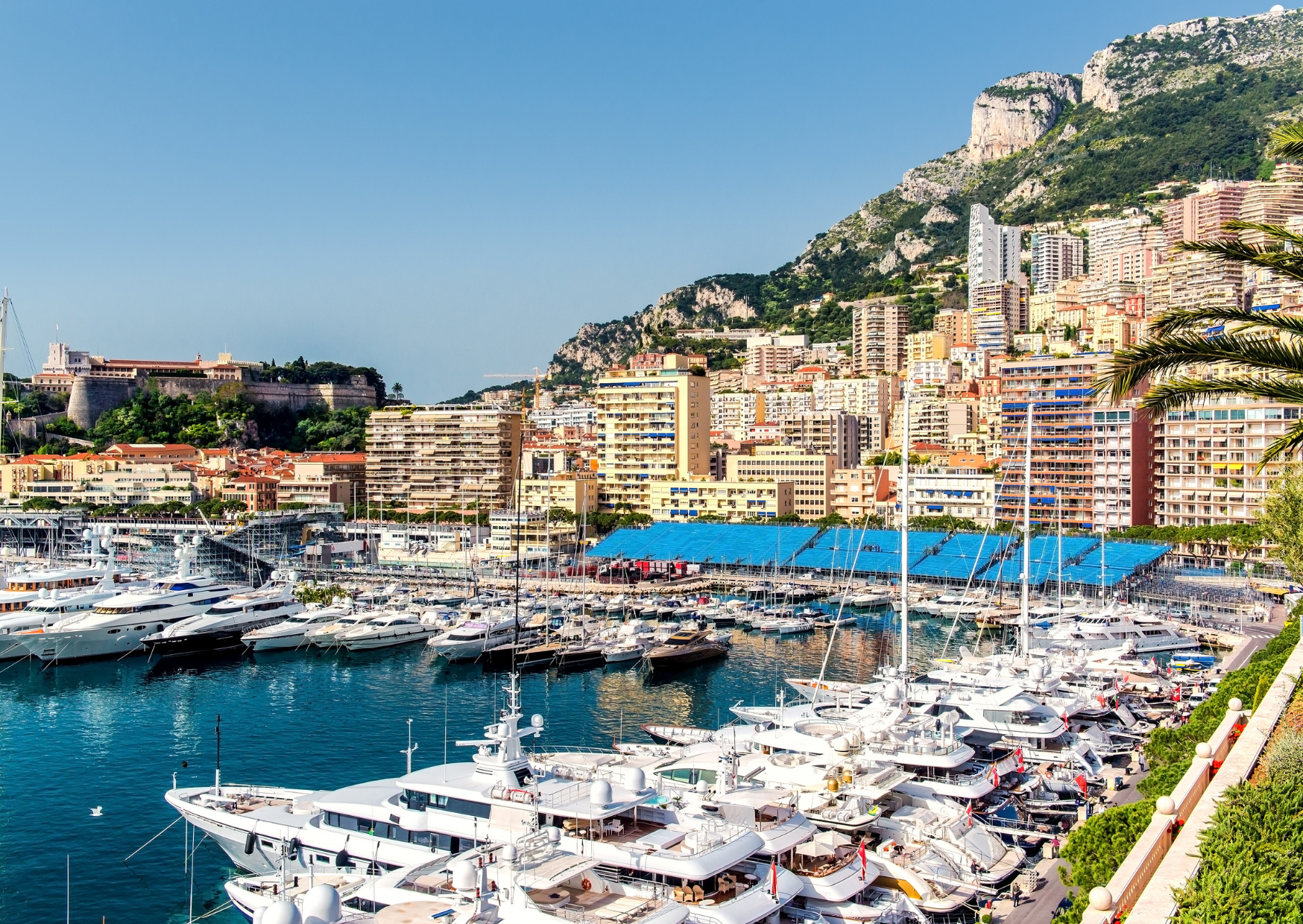
There is one European place that comes closest to that headline in the simplest, bluntest way: Monaco.
If you become a Monaco tax resident (and you are not a French national subject to France’s special rules), Monaco does not levy personal income tax. That means Monaco does not tax your dividends locally. Zero. Full stop.
But here’s the part that matters for your actual audience, Americans 45–65 trying to build a workable retirement abroad: Monaco is not a normal retiree solution. It’s expensive, residency is serious, and “Monaco taxes nothing” does not mean your dividends escape withholding at the source or the U.S. tax system.
So this is the real article you need: what “not taxed at all” really means, why Monaco is the clean technical answer, and what actually works for normal people who want low local tax on dividends without living in a billionaire zip code.
What “Not Taxed At All” Really Means For Americans
There are three different tax bites on dividend income, and Americans constantly mash them into one.
1) Local tax where you live.
This is what people are asking about when they say “in Europe.” Monaco is the rare place where personal income tax is effectively zero for most residents.
2) Withholding tax where the dividend comes from.
Dividends can be taxed before they reach you. U.S.-source dividends paid to nonresident aliens are generally subject to 30% withholding unless reduced by treaty, and the IRS spells out the mechanics and treaty-claim process (W-8BEN).
Even if your local tax is zero, withholding can still take a bite.
3) U.S. tax if you’re a U.S. citizen.
U.S. citizens typically keep a U.S. filing obligation on worldwide income. That means “Monaco doesn’t tax it” is not the same as “nobody taxes it.” (This is the part people discover after they’ve already posted the sunset photo.)
So the clean, honest translation of the headline is:
Monaco can mean zero local income tax on dividends.
Your total tax outcome still depends on source-country withholding and your U.S. tax situation.
Why Monaco Is The One True “Zero Local Tax” Answer
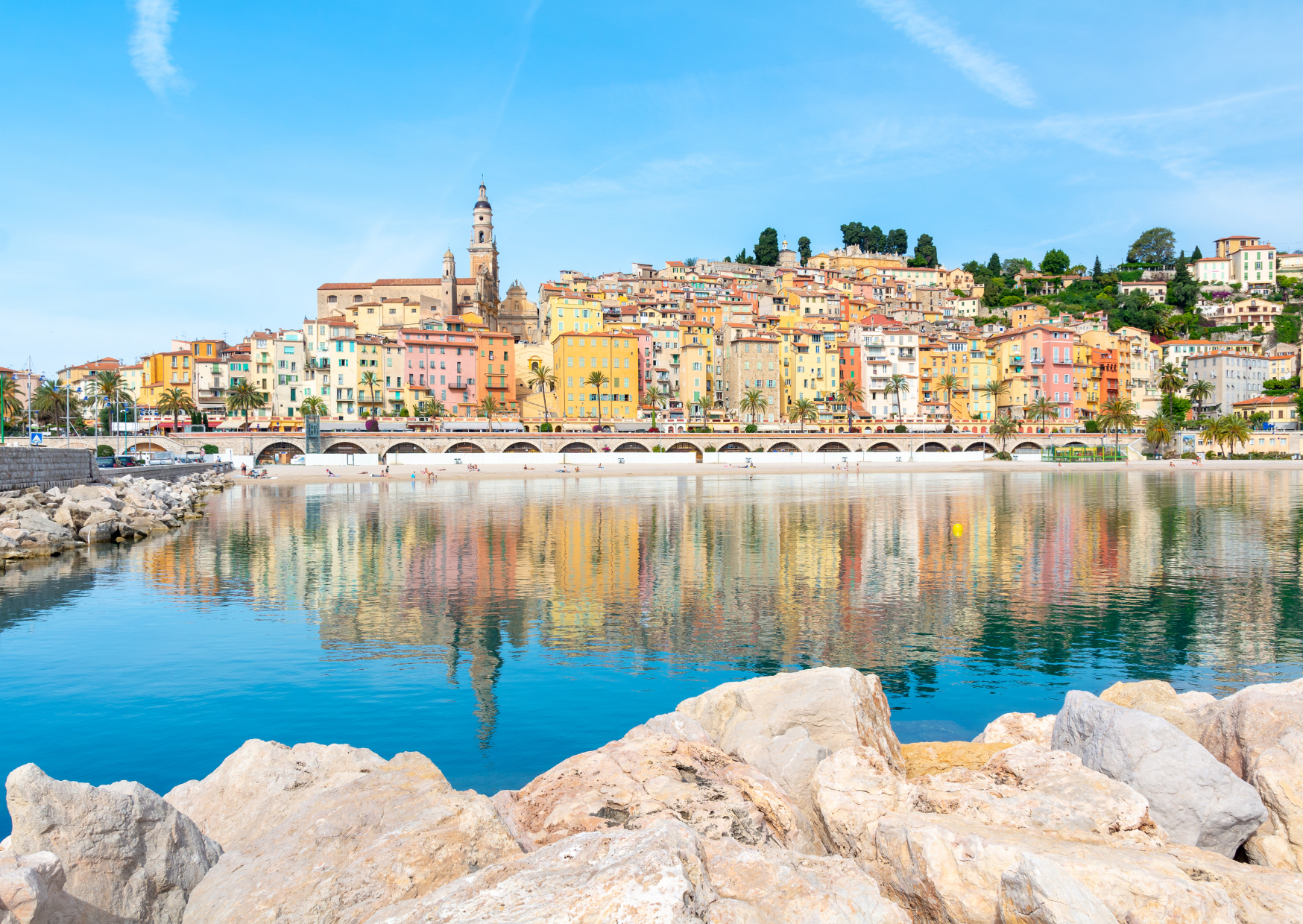
Monaco’s appeal is not a special expat program you apply for and renew. It’s structural.
Monaco’s public guidance and major finance references consistently describe the same baseline: no personal income tax for residents, with the well-known exception that French nationals are treated differently under France–Monaco arrangements.
That’s why Monaco is the “clean answer.” It’s not a temporary incentive. It’s the default rule of the place.
So if your dividend income is the core of your retirement plan and you want the simplest local-tax environment in Europe, Monaco is it.
But “clean answer” is not the same thing as “useful answer.” For most readers, Monaco is useful mainly as a benchmark: it shows what true zero looks like, and it forces you to separate local tax from total tax.
The Monaco Catch Americans Underestimate
Monaco isn’t punishing. It’s just built for a different lifestyle tier.
A lot of American retirees are thinking in these terms:
- modest apartment
- walkable life
- cafés and markets
- low stress
- maybe a car, maybe not
- normal people costs
Monaco is a different ecosystem.
Housing and cost of living are the obvious barrier. Even if you can technically qualify as a resident, you’re still living in one of the world’s most expensive micro-markets. That changes the entire math. The place can be “tax-light” and still be “cash-heavy.”
Residency isn’t casual.
Monaco residency is not “I show up and rent something cheap.” You’re typically dealing with documentation and proof of means, and the market itself screens you through pricing even before paperwork does.
The French national exception matters.
If you are French, Monaco is not the promise people think it is. France treats many French nationals living in Monaco as French tax residents under the long-standing arrangement, with limited exceptions.
Most Americans are not French, but dual nationals exist, and widows especially sometimes have messy nationality and family arrangements. This is not a detail you want to learn late.
So Monaco is the clean “zero” answer, and also the place most readers should not treat as the plan.
The Part People Don’t Say Out Loud Is That “Zero Tax” Countries Often Charge You In Rent Instead
A lot of Americans fixate on tax because tax is visible.
Housing is sneaky.
You can move to a “low tax” place and end up paying the same money in rent that you would have paid in tax somewhere else. The leak just changes shape. It feels better emotionally because you’re not writing a check to the government, but your bank account doesn’t care who took the money.
This is why Monaco is such a perfect example and such a bad plan for most normal retirees. Monaco can offer zero local income tax, but housing and daily costs can be so high that the tax savings become irrelevant unless you’re sitting on a genuinely large investment income stream. If your dividend income is modest, you’re just swapping tax for rent, then calling it strategy.
The practical decision isn’t “what’s the tax rate.” It’s:
- What is my all-in monthly burn rate in that country
- How much of that burn rate is fixed (rent, utilities, insurance)
- How vulnerable am I to a bad year (market down year, exchange-rate year, health year)
For Americans 45–65, especially widows and couples living on dividends, the right goal is usually predictable net spend, not “zero tax on paper.”
A country that taxes you lightly but lets you live normally can beat a country that taxes you zero but forces you into a constant high-spend lifestyle.
The Practical Alternative That Actually Works For Normal Americans
If the real question is: “Where can I live in Europe and pay zero local tax on dividend income in a way that a normal retiree might actually afford,” the more practical conversation usually moves to Cyprus.
Cyprus is not Schengen, but it’s European Union, it’s English-friendly in many contexts, and it has a long-running concept Americans keep bumping into: non-dom status.
In Cyprus, dividends have historically intersected with a levy called the Special Defence Contribution (SDC). What matters for internationally mobile retirees is that non-dom Cyprus tax residents are generally exempt from SDC on dividends, and Cyprus has continued to preserve that non-dom exemption in the 2026 reforms described by legal and advisory sources.
That’s why Cyprus shows up again and again in investor-retiree planning circles: dividends can be locally untaxed for many non-dom residents, even while other parts of the tax system still exist.
Cyprus is not “zero tax on everything.” It’s “potentially zero local tax on dividends under the right status,” which is often what Americans actually mean when they ask the Monaco question.
Also, Cyprus 2026 reforms reduced the general dividend SDC rate for domiciled individuals and explicitly maintained the non-dom exemption in analyses of the new framework.
If Monaco is the “pure zero” answer, Cyprus is the “usable” answer for a lot more people.
Cyprus Non Dom Sounds Like A Hack Until You Understand What It Requires
Cyprus gets treated online like a cheat code. It isn’t. It’s a regime inside a real country with real rules.
The important part is not the slogan “non-dom.” The important part is what it means practically:
- You are a Cyprus tax resident, meaning you meet residency conditions that Cyprus recognizes for tax purposes.
- You qualify as non-domiciled under Cyprus rules for a period, which is why you can be exempt from SDC on dividends in the way people talk about.
- You keep your compliance clean enough that the status doesn’t become a paperwork nightmare.
That’s why it’s more usable than Monaco for many Americans: it can produce the outcome people want, “no local tax on dividends,” without requiring a billionaire housing budget.
But Cyprus still forces real choices.
The lifestyle reality
Cyprus is island life. That means some things are easy and some things are annoying:
- English access can be easier than in many parts of Southern Europe.
- Bureaucracy can still be bureaucracy.
- Summer heat is real.
- If you choose the wrong area, you can end up in a quiet expat bubble that feels socially thin in winter.
The residency reality
If your plan is “I’ll just come and go,” Cyprus may not deliver what you want. Tax residency is not vibes. It’s days and documentation.
The retirement reality
A lot of Americans want the tax benefit but still want to spend most of their year in Spain, France, or Italy. That can create conflicts. You need your actual life pattern to match the residency pattern, or you end up with a story that works in theory and collapses under scrutiny.
So yes, Cyprus is a real contender for low local tax on dividends. It’s also not a magic trick. It’s a tax residency strategy that requires consistency.
The Mistake Americans Make With Dividend Tax Fantasies

Most Americans don’t get burned because they chose the wrong country. They get burned because they chose the right-sounding headline and never modeled the mechanics.
Here are the four classic mistakes:
They ignore withholding at the source.
If your dividends are U.S.-source, there are withholding regimes and treaty rules that matter. The IRS is blunt about the default 30% withholding framework and the treaty-claim process.
Local tax can be zero and you can still lose a meaningful percentage before the dividend hits your account.
They assume “non-dom” means “no tax.”
Non-dom and special regimes can be real, but they’re conditional. They can change. They can have minimums. They can be lost if your life pattern changes.
They confuse “not taxed” with “not reportable.”
Even if local tax is zero, reporting obligations may still exist in multiple places. “No tax” does not mean “no paperwork.”
They pick the tax plan first and the life second.
This is the emotional boomerang. A low-tax country that doesn’t match your climate needs, healthcare comfort, language tolerance, or social style becomes a resentful move. You save money and lose your mind. That’s not a win.
The most useful way to use the Monaco headline is as a forcing function: separate the tax layers and decide what you’re actually optimizing.
What It Looks Like In Real Numbers

Let’s keep it concrete.
Imagine an American retiree living off €60,000 a year in dividends.
If you lived somewhere with a 25% local tax on dividends, that’s €15,000 gone locally.
In Monaco, local income tax could be 0, so the local bite is €0.
But if those dividends are U.S.-source and you’re subject to the default 30% withholding without treaty reduction, you could still see a significant haircut before the money reaches you.
And if you’re a U.S. citizen, you still have the U.S. layer.
In Cyprus, if you qualify as a Cyprus tax resident and maintain non-dom status, dividend SDC can be 0 on that dividend income locally, with Cyprus continuing to preserve the non-dom dividend exemption in 2026 analyses.
Your source-country withholding and U.S. layer still matter, but Cyprus can remove the local dividend bite in a way that is actually livable for a wider band of retirees.
So the “dividends aren’t taxed at all” headline is only honest when you add two words in your head:
…locally.
And even then, you have to choose a place where the cost of living doesn’t eat the same money you just “saved” in tax.
The Clean Decision Rule For Americans Living On Dividends
If you’re living on dividends, your job is not to find a country with a sexy tax headline.
Your job is to protect three things:
- after-tax cash flow stability
- cost of living predictability
- compliance sanity
A simple decision rule that works:
If your dividend income is extremely high
Monaco can make sense, because the housing and lifestyle cost doesn’t swallow the tax savings. The local tax simplicity is the real value. You’re paying for a stable, ultra-high-trust environment for money and rules.
If your dividend income is moderate
Cyprus often makes more sense because the potential local tax advantages can exist without a Monaco-level housing burden. The goal becomes keeping your all-in monthly burn rate sane.
If your dividend income is modest
The “zero local tax” chase is usually a distraction. You’ll win more by choosing:
- cheaper housing
- a walkable daily routine
- a country where healthcare and daily life costs don’t spike
- and a legal stay plan that doesn’t force expensive mistakes
For this audience, the biggest threat is not taxation. It’s runway collapse after a bad year:
- markets down
- currency shifts
- rent jumps
- medical year
- family travel year
A plan that’s built around “zero tax” but has no resilience is not a plan. It’s a mood.
The best dividend retirement plans in Europe are often boring:
- decent tax structure
- manageable cost of living
- stable residency rules
- and a lifestyle you actually want to live in year three, not only in month three
That’s the real filter.
How To Decide If This Topic Belongs In Your Real Retirement Plan

If you’re a reader making decisions, here’s the decision framework that doesn’t lie to you.
If your dividend income is high enough that tax is your biggest recurring leak, it makes sense to explore low local-tax jurisdictions.
But you still have to ask:
- Can I realistically qualify for residency there without making my housing cost explode.
- Does my dividend source get withheld before it reaches me.
- Am I optimizing local tax or total tax, because those are different games.
- Will I actually enjoy daily life there, including winter, healthcare navigation, and social rhythm.
Monaco only “wins” if your lifestyle budget can absorb Monaco, and you’re genuinely optimizing for maximum local tax simplicity.
Cyprus often wins if you want a European lifestyle, a more normal cost structure, and a credible pathway to low local tax on dividends under the right status and rules.
And if neither fits, the correct move is not to chase a different fantasy country. The correct move is to accept that your plan needs to handle taxes as a cost of doing business, then optimize everything else: housing, healthcare, and daily life.

About the Author: Ruben, co-founder of Gamintraveler.com since 2014, is a seasoned traveler from Spain who has explored over 100 countries since 2009. Known for his extensive travel adventures across South America, Europe, the US, Australia, New Zealand, Asia, and Africa, Ruben combines his passion for adventurous yet sustainable living with his love for cycling, highlighted by his remarkable 5-month bicycle journey from Spain to Norway. He currently resides in Spain, where he continues sharing his travel experiences with his partner, Rachel, and their son, Han.