
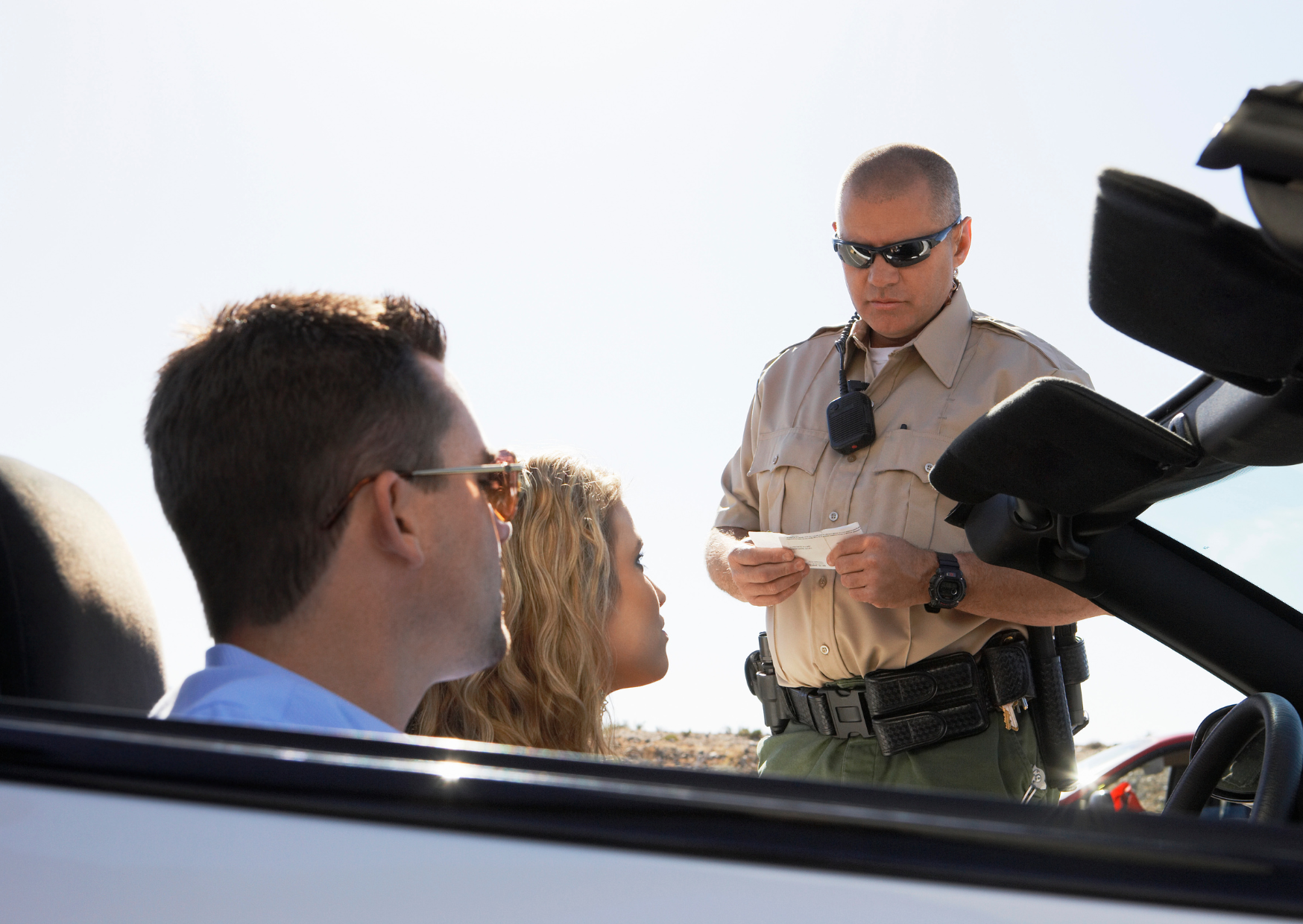
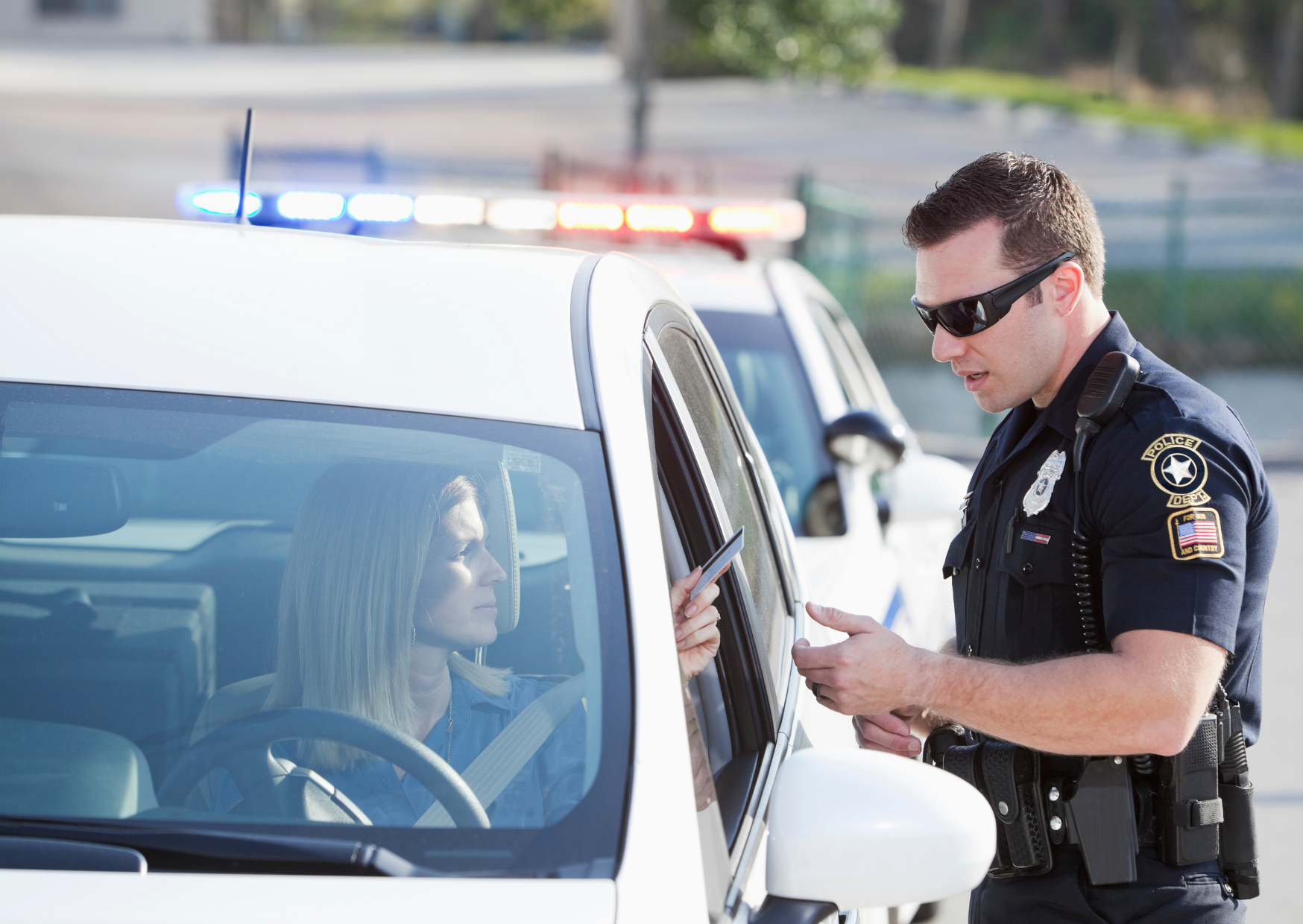
Americans get pulled over in Europe for the same reason they get pulled over anywhere.
Not bad luck. Not anti-tourist bias. They drive like the rules are suggestions, and in a lot of Europe, rules are treated more like plumbing. You don’t negotiate with plumbing.
The other problem is cultural. In the U.S., cops often pull people over to check what’s going on. In many European countries, enforcement is as likely to be automated as it is human. Cameras, zone controls, plate checks, roadside campaigns. You might not even get “pulled over.” You just get a letter.
So this is the practical list of the habits that reliably get Americans stopped, fined, or mailed a surprise bill. Not the weird obscure stuff. The normal mistakes that happen because American driving is built around a different set of defaults.
The Fastest Way To Get Attention Is Acting Like Signs Are Optional
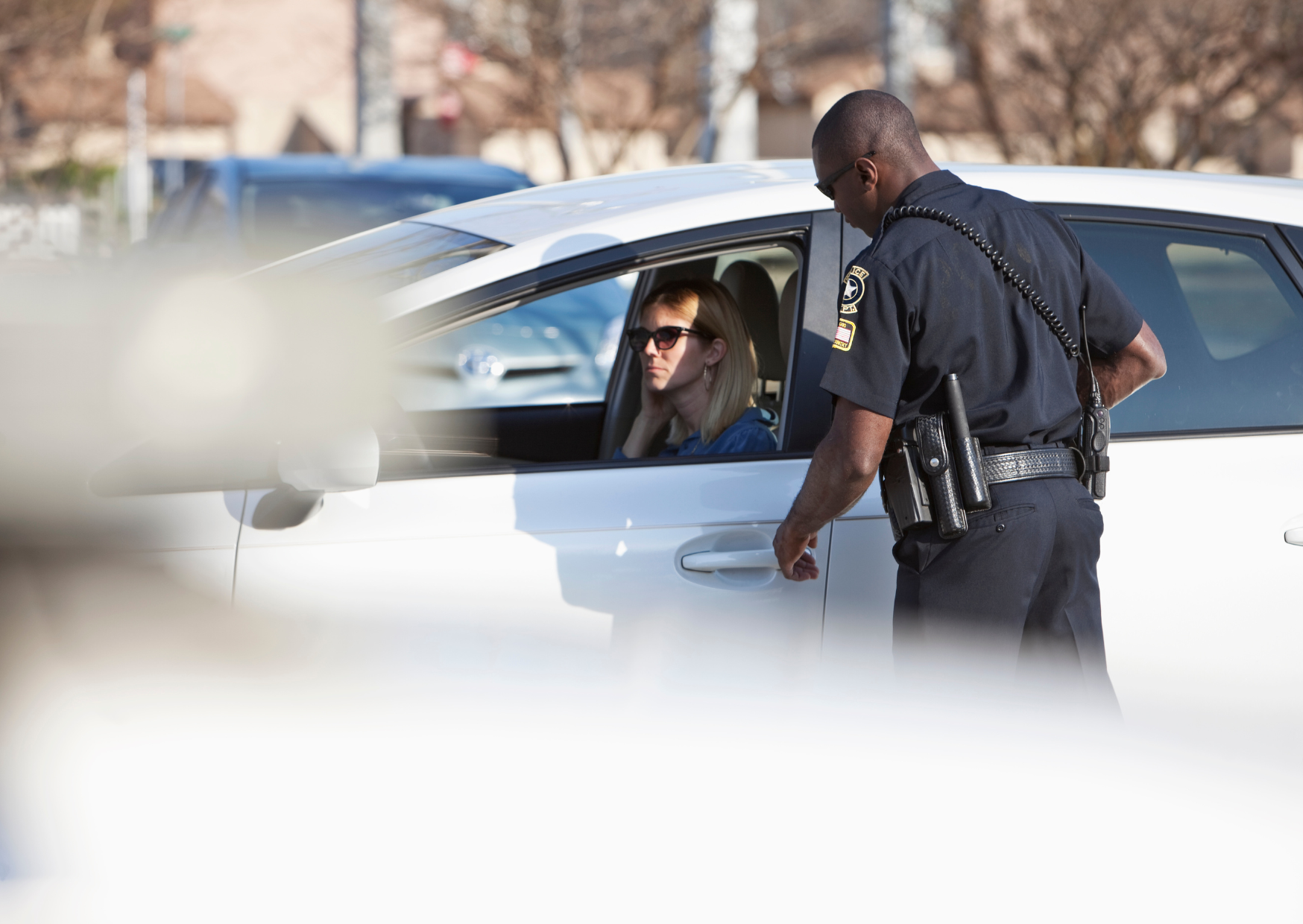
A lot of Americans treat speed limits like a vibe. You hover above it. Everyone does. You adjust based on traffic flow.
In much of Europe, that habit collides with two realities:
- Speed enforcement is often automated, so “keeping up with traffic” is not a defense.
- Speed limits can change fast: village, roundabout, short stretch, then another limit.
What gets Americans caught is not just speeding. It’s the American habit of speeding in the places Europeans take seriously: towns, village entries, and transition zones.
Common mistakes:
- accelerating early before the sign changes
- assuming rural roads mean higher speed by default
- treating small towns like “drive through” zones
If you want a simple rule: in Europe, town signs and posted limits matter more than your instincts.
If you’re used to a wide American road feeling like it should be 55, and the sign says 30, the sign wins.
Getting Pulled Over Isn’t Even The Main Risk In Europe Anymore
A lot of Americans picture a European traffic problem as a police officer waving them to the shoulder.
That still happens. But the more common reality in 2026 is quieter and more annoying: you don’t get pulled over. You get billed.
Europe has leaned hard into automated enforcement and zone control. Cameras don’t negotiate. They don’t care that you were following traffic. They don’t care that your rental company didn’t explain a rule. They don’t care that you’re jet-lagged. They read a plate, timestamp the event, and generate a fine.
That’s why American driving habits get punished faster here. In many parts of the U.S., a small violation can slide for years because enforcement is inconsistent. In much of Europe, inconsistency is being replaced by systems.
So when you read this list, don’t think “How do I avoid being stopped.”
Think:
- How do I avoid creating digital evidence of a violation
- How do I avoid restricted zones I didn’t understand
- How do I avoid fines that show up three months later when I’m already home
The other reason this matters is psychological: Americans relax once they don’t see police. In Europe, that’s often the exact moment you get caught, because enforcement isn’t visible.
No police presence does not mean no enforcement.
Habit 1 Speeding Through Small Towns Because It Feels Like A Highway
This one is the classic.
You’re driving between places. The road feels open. Then you pass through a town that looks like a few buildings and a café. Americans often keep the same speed because it doesn’t feel like a “real town.”
That’s exactly where enforcement likes to sit, and exactly where cameras like to exist, because it’s where serious crashes happen.
Europe uses signage and urban design to force speed changes. You’ll see:
- narrower lanes
- raised crossings
- traffic calming islands
- sudden roundabouts
If you push through those at American “transition speed,” you look reckless.
Village zones are not symbolic. They’re enforced.
Habit 2 Holding Your Phone At A Light Like It Doesn’t Count
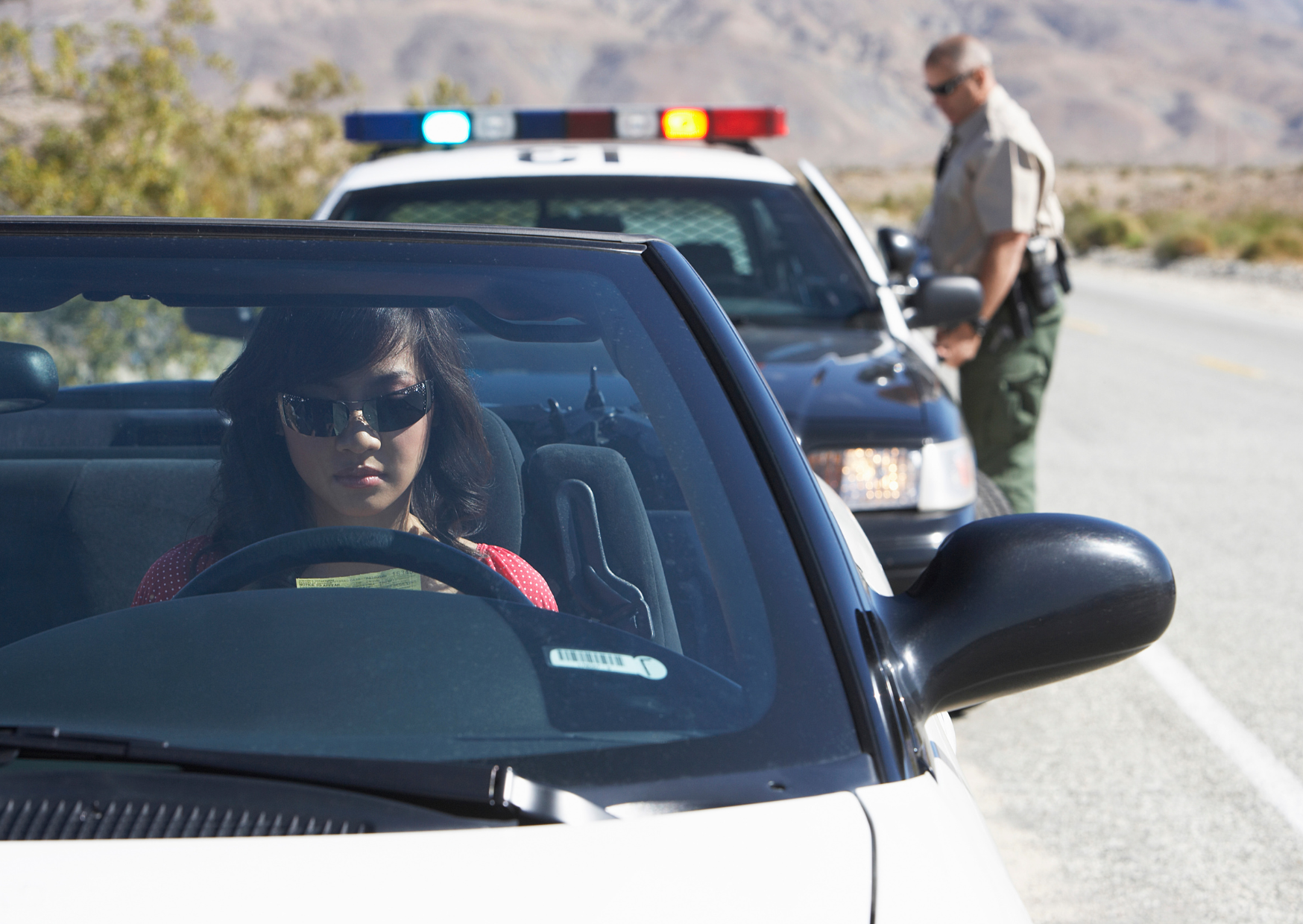
In the U.S., people treat red lights as “not really driving.” That’s why you see phones everywhere at lights.
In a lot of Europe, the rule is simpler: if you are in control of the vehicle on the road, phone-in-hand is phone-in-hand. In Spain, for example, enforcement campaigns and official communications have emphasized mobile phone use at the wheel as a major target and the penalties are not gentle.
What trips Americans is the little stuff:
- checking a map while stopped
- typing a message at a light
- holding the phone because you’re “not moving”
- adjusting your phone on the dash while rolling
Even if you’re not stopped by a person, there are increasingly sophisticated ways to catch it, including camera-based enforcement in some places.
The safest habit shift is blunt:
- set navigation before you move
- pull over if you need to touch the phone
- keep the phone out of your hand, period
Phone in hand is the fastest way to look like an unsafe driver. Europe takes distraction seriously.
Habit 3 Lane Discipline Like An American Left Lane Camper
This is where Americans can get themselves in trouble fast, especially in Germany, Austria, Switzerland, and anywhere with fast highways.
A common U.S. habit is treating the left lane as a cruising lane if you’re going “fast enough.”
In much of Europe, the rule is closer to:
- keep right
- pass on the left
- return right
If you sit in the passing lane because you’re “already doing the limit,” you can create dangerous speed differentials. You also irritate locals in a way that can trigger enforcement attention.
Related mistake: passing on the right. In the U.S., it happens constantly. In Europe, it’s often explicitly prohibited or treated as a serious safety issue.
So the practical European rule is:
- drive right by default
- use the left lane only to pass
- don’t improvise a right-side pass because you’re annoyed
If you do, you’ll look like a tourist who doesn’t understand the flow.
Keep right is not polite advice. It’s lane law logic.
Habit 4 Treating Roundabouts Like A Four-Way Stop With Vibes
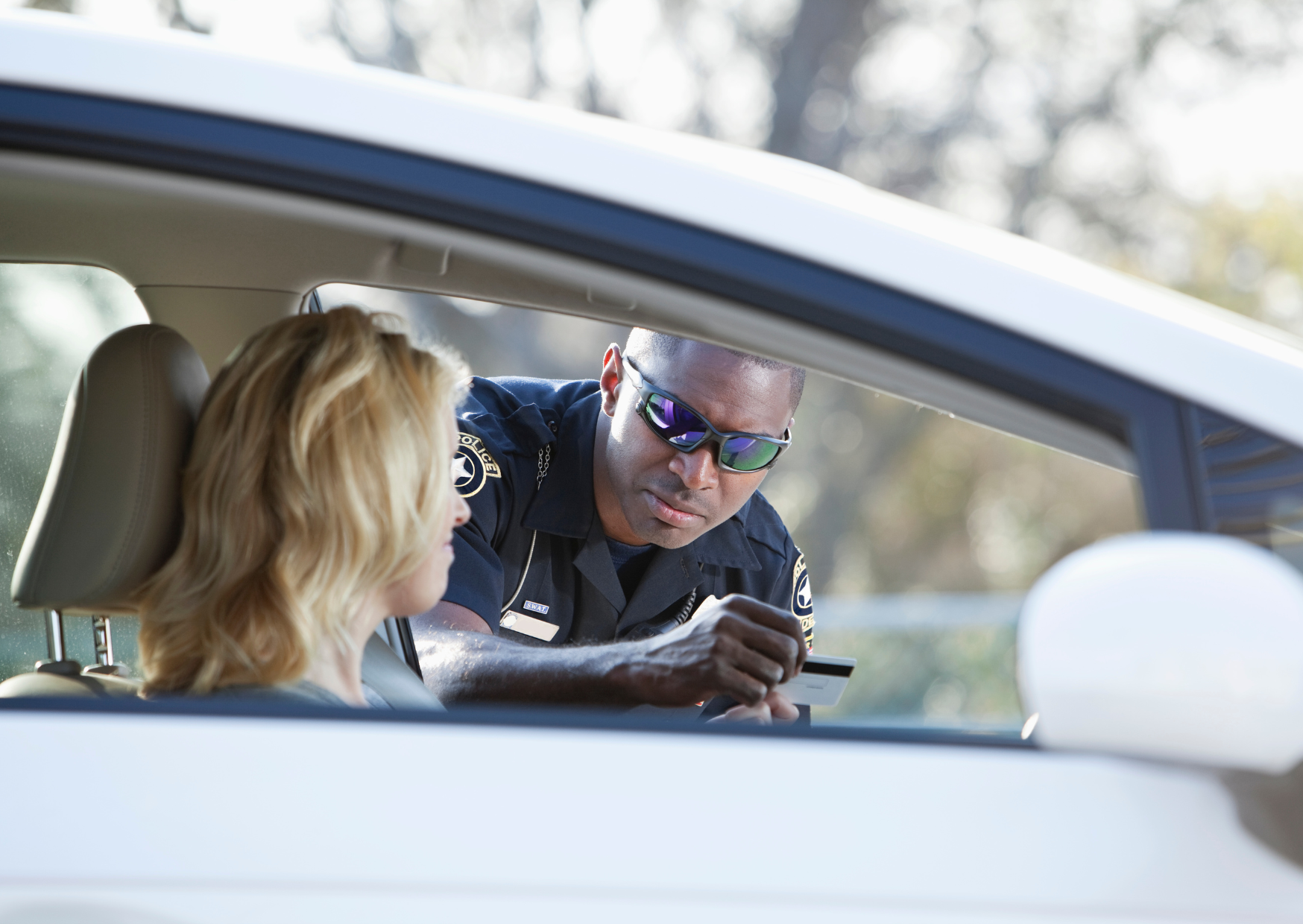
Roundabouts are where American instincts go to die.
The two biggest errors:
- stopping when you should yield
- entering aggressively like it’s your turn
Europe uses roundabouts everywhere. Locals expect you to move smoothly, yield correctly, and signal properly.
Common American mistakes:
- braking too hard at entry because you don’t trust it
- not signaling when exiting
- drifting across lanes inside the roundabout
- stopping inside the roundabout
You don’t need to be perfect. You need to be predictable.
In many places, the social rule is: hesitation is danger. If you stop unnecessarily, you create chaos behind you.
Practice the logic:
- yield to traffic already in the roundabout
- pick your exit early
- signal out
Predictable movement beats cautious panic.
Habit 5 “Just One Drink” Because You Think Europe Is Relaxed About It
This is the most expensive misconception.
Europe has wine culture. That does not mean Europe has relaxed drink-driving enforcement.
Many European countries have low legal blood alcohol limits compared to what Americans assume, and penalties can be immediate. France, for example, has a 0.5 g/L blood alcohol limit, with serious consequences above higher thresholds.
The American trap is thinking:
- “I’m fine to drive.”
- “I only had a glass.”
- “It’s Europe, everyone drinks.”
In many places, the rule is: don’t test it. If you’re going to drink, plan not to drive.
Also, police checks are more normal in some countries. Breath checks can be routine, not an accusation.
One drink can still be over the limit depending on body size, timing, and what you ate. The safe choice is not gambling.
Habit 6 Seat Belts And Child Seats Treated As “We’re Just Going A Few Minutes”
Americans still do the short-trip rationalization:
- “We’re just going to the store.”
- “The back seat is fine.”
- “It’s a short taxi ride.”
- “He’s big enough.”
Europe tends to enforce seat belt and child restraint rules hard, and the responsibility is clear: you don’t get to improvise safety because you’re on vacation.
Two things matter:
- seat belts are expected for everyone
- child restraints are not optional
If you’re traveling with grandkids, this is where Americans get ambushed. You rent a car, you do one short drive, you think you can “hold” a small child for a minute. That’s how you get fined and, more importantly, that’s how people get hurt.
So the rule is simple:
- everyone buckles up
- kids go in the correct restraint
- don’t negotiate it
Seat belts are not cultural. They’re enforced.
Habit 7 Parking Like It’s America And Assuming A Ticket Is The Worst Outcome
Europe punishes lazy parking habits harder than many Americans expect.
The American mindset is:
- worst case, I get a ticket
- I’ll deal with it later
In parts of Europe, the real outcomes include:
- towing
- wheel clamps
- hefty fines that follow your plate
- and in some areas, restrictions tied to emissions zones or access controls
Also, parking systems can be unfamiliar:
- pay-and-display that must be visible
- resident-only areas
- timed loading zones
- strict enforcement around crosswalks, corners, and narrow streets
This is where Americans get nailed because they park like they’re used to wide American streets. European streets can be tight, and blocking flow is taken seriously.
If you’re in a city, assume parking rules matter more than you think.
Illegal parking is not a small city quirk. It’s revenue and safety enforcement.
Habit 8 Ignoring Zones And Plate Rules Because You Think It’s Only For Locals
This is the modern European trap: you can be a perfectly safe driver and still get fined because your car is in the wrong zone.
Low-emission zones and restricted access areas have expanded, and enforcement is often automatic. You drive into an area, a camera reads your plate, and you get a penalty later.
Americans miss this because the U.S. doesn’t have the same everyday culture of “your plate determines your access.”
So before you drive into a city center, you need to know:
- does this city have a low-emission zone
- does your vehicle qualify
- do you need to register the vehicle
- is your rental already compliant or not
If you ignore this, you can collect fines without ever being stopped.
Cameras don’t care that you didn’t know. They just bill you.
Habit 9 Treating “Small Violations” As Negotiable
Americans are used to a certain kind of informal driving behavior:
- rolling stops
- casual lane changes
- “everyone does it”
- minor red-light creeping
- quick U-turns because “it’s fine”
Europe is not uniform, but many places treat those small violations as exactly the stuff they want to eliminate. And with automated enforcement, there’s no conversation. You simply get penalized.
Another surprise for Americans: enforcement can be concentrated in campaigns. Authorities do targeted checks for:
- phones
- seat belts
- speeding
- drink-driving
So you can drive for weeks with no issue and then hit a weekend where enforcement is everywhere.
The mistake is assuming “nothing happened yesterday” means “the rule doesn’t matter.”
Campaign weeks are when tourists get caught. Because tourists don’t adjust.
The Rental Car Traps That Make Americans Look Guilty Even When They’re Not
A lot of Americans don’t realize how quickly a rental car can turn a small mistake into a big expensive one.
Not because rental companies are evil. Because the system is designed to pass fines through, and because you’re driving a vehicle you didn’t choose in a rule environment you don’t fully understand.
Here are the rental-specific traps that show up constantly:
Your rental might not be correctly set up for city zones
Low-emission zones and access-controlled areas can require registration or compliance that varies by city. Some rental fleets are compliant. Some aren’t. Some are compliant but still require local registration. You can do everything “right” and still get fined if the vehicle is not eligible for that zone.
The fine doesn’t feel real until it’s too late
You commit a violation in week one. You fly home. Then the fine arrives later, either directly or through the rental company with an added admin fee. It feels like a scam because it’s delayed. It’s usually just how the system works.
You assume the speed limit is “the obvious one”
American drivers rely on road feel. European limits can change faster and more frequently, and some areas use variable or weather-based limits. If you’re not reading signs closely, you’ll get dinged.
You treat toll roads like they’re optional
In some places, toll systems are digital, sticker-based, or plate-based. Americans used to toll booths can miss how it works and end up with penalties, not just toll charges.
You don’t document the car properly at pickup
If the car already has a scratch or the lights don’t work properly, you can end up dealing with avoidable hassle. It’s not the main point of this post, but it’s part of why Americans feel like Europe “punishes” them. The punishment often starts with not doing the boring 3-minute check.
A simple rule: if you’re driving in Europe with a rental, you have to treat it like you’re driving inside a system that remembers everything. Because it does.
Rental car driving punishes casual assumptions.
How To Drive In Europe Without Feeling Like You’re Walking On Glass
You don’t need to become European overnight. You need to stop doing the American defaults that stand out.
The practical European driving mindset:
- Be predictable
- Respect signs
- Keep right
- Treat phones as off-limits
- Don’t test alcohol limits
- Assume cameras exist
- Park like space is scarce
- Read zone rules before entering cities
If you do those, you dramatically reduce the chance of being stopped or fined.
And you also reduce something else: stress. A lot of Americans white-knuckle Europe driving because they feel judged. The truth is simpler. Europe isn’t judging you. It’s enforcing systems.
When you drive like you understand the system, you blend in.

About the Author: Ruben, co-founder of Gamintraveler.com since 2014, is a seasoned traveler from Spain who has explored over 100 countries since 2009. Known for his extensive travel adventures across South America, Europe, the US, Australia, New Zealand, Asia, and Africa, Ruben combines his passion for adventurous yet sustainable living with his love for cycling, highlighted by his remarkable 5-month bicycle journey from Spain to Norway. He currently resides in Spain, where he continues sharing his travel experiences with his partner, Rachel, and their son, Han.