
Most Americans think “Europe” is a continent.
For immigration and passports, Europe is also a set of legal systems that extend into the Caribbean.
That sounds like trivia until you’re a 55-year-old American widow who wants warmer weather, a calmer pace, and a real long-term plan that doesn’t depend on Schengen day-counting or a constantly shifting visa program. Or you’re a couple who wants a European passport eventually but isn’t ready for the full Europe leap yet.
There are Caribbean “countries” and territories tied to France and the Netherlands where the residency and citizenship pathway is not a hack. It’s the normal legal route. Live there legally long enough, meet the requirements, and you can end up with French or Dutch nationality, which is EU nationality.
The catch is that these are not lifestyle influencer moves. They’re paperwork moves.
And they only work if you understand what you are actually getting: a European legal pathway in a Caribbean environment, with all the residency requirements, language expectations, and waiting that implies.
Below are five Caribbean places Americans routinely overlook when they talk about “European residency.” Three are constituent countries within the Kingdom of the Netherlands. Two are French overseas departments in the Caribbean that are part of the EU as “outermost regions.”
The One Big Misunderstanding Americans Bring
Americans hear “Caribbean” and assume “easy immigration.”
Then they hear “European connection” and assume “easy EU passport.”
Neither is true.
The real value of these places is not speed. It’s legitimacy.
They offer a pathway that is tied to a European state, which means:
- the end goal can be an EU passport
- the legal framework is defined, not invented by a consultant
- you’re not relying on an investment program that might close or change overnight
But it also means:
- the process is bureaucratic
- the timeline can be long
- you’ll need language and integration in some form
- you may be required to renounce U.S. citizenship to naturalize, depending on the country’s rules and your circumstances
If you can live with that, these places can be an underrated bridge between “I want out of the U.S. eventually” and “I’m ready to fully commit to Europe now.”
Why The Dutch And French Caribbean Links Matter
France and the Netherlands are EU member states. Their overseas territories and constituent countries have different EU statuses, but nationality is the big lever:
- French overseas departments in the Caribbean are listed as EU “outermost regions” (Guadeloupe and Martinique are explicitly in that group).
- The Dutch Caribbean countries (Aruba, Curaçao, Sint Maarten) are not part of the EU, but Dutch nationality is still Dutch nationality, and the Dutch government explicitly treats “the Caribbean part of the Kingdom” as part of the naturalisation framework for becoming a Dutch national.
So the pathway isn’t “Caribbean to EU” in a vague way. It’s:
- Caribbean residence under French or Dutch legal systems
- naturalisation into French or Dutch nationality
- EU citizenship as a consequence of that nationality
This is why these places are not “workarounds.” They’re just geography doing something weird.
1. Aruba
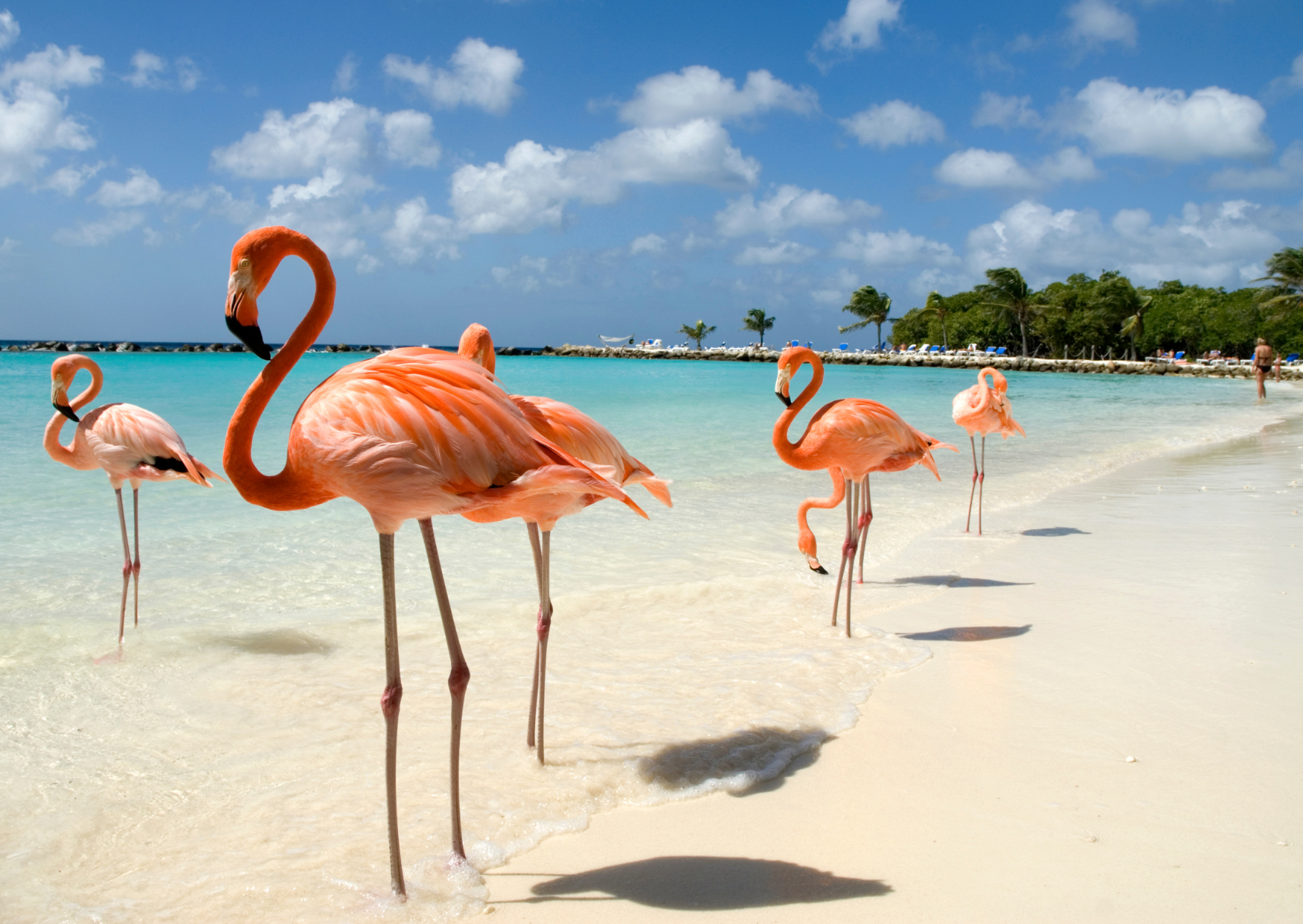
Aruba is a constituent country within the Kingdom of the Netherlands. It runs much of its internal affairs, but nationality is tied to the Kingdom.
The useful part for Americans is not “Aruba is Dutch.” It’s that the Dutch naturalisation system explicitly covers the Caribbean part of the Kingdom, and Aruba has local administrative structures that publish and manage the process.
What the pathway actually looks like:
- You become a legal long-term resident.
- You build continuous legal residence.
- You apply for Dutch nationality through naturalisation, following the applicable rules for the Caribbean part of the Kingdom.
- You attend a naturalisation ceremony, because the Dutch government states you only become Dutch if you attend the ceremony within the timeframe after approval.
The hard truths:
- The standard “five years of legal residence” expectation is the baseline the Dutch government uses for naturalisation generally.
- There are exceptions, but exceptions are not plans.
- Dutch rules around dual citizenship can require renunciation unless you fit an exception category. The Dutch government describes dual nationality as limited, with specific exceptions.
If you’re a U.S. citizen who wants to keep U.S. citizenship, you must treat the dual nationality rules as a central constraint, not a footnote.
Why Americans miss Aruba as a “European pathway”:
Because Americans see Aruba as a vacation island. They don’t see it as “a long residency plan tied to Dutch nationality rules.”
It’s not fast, but it’s real.
2. Curaçao
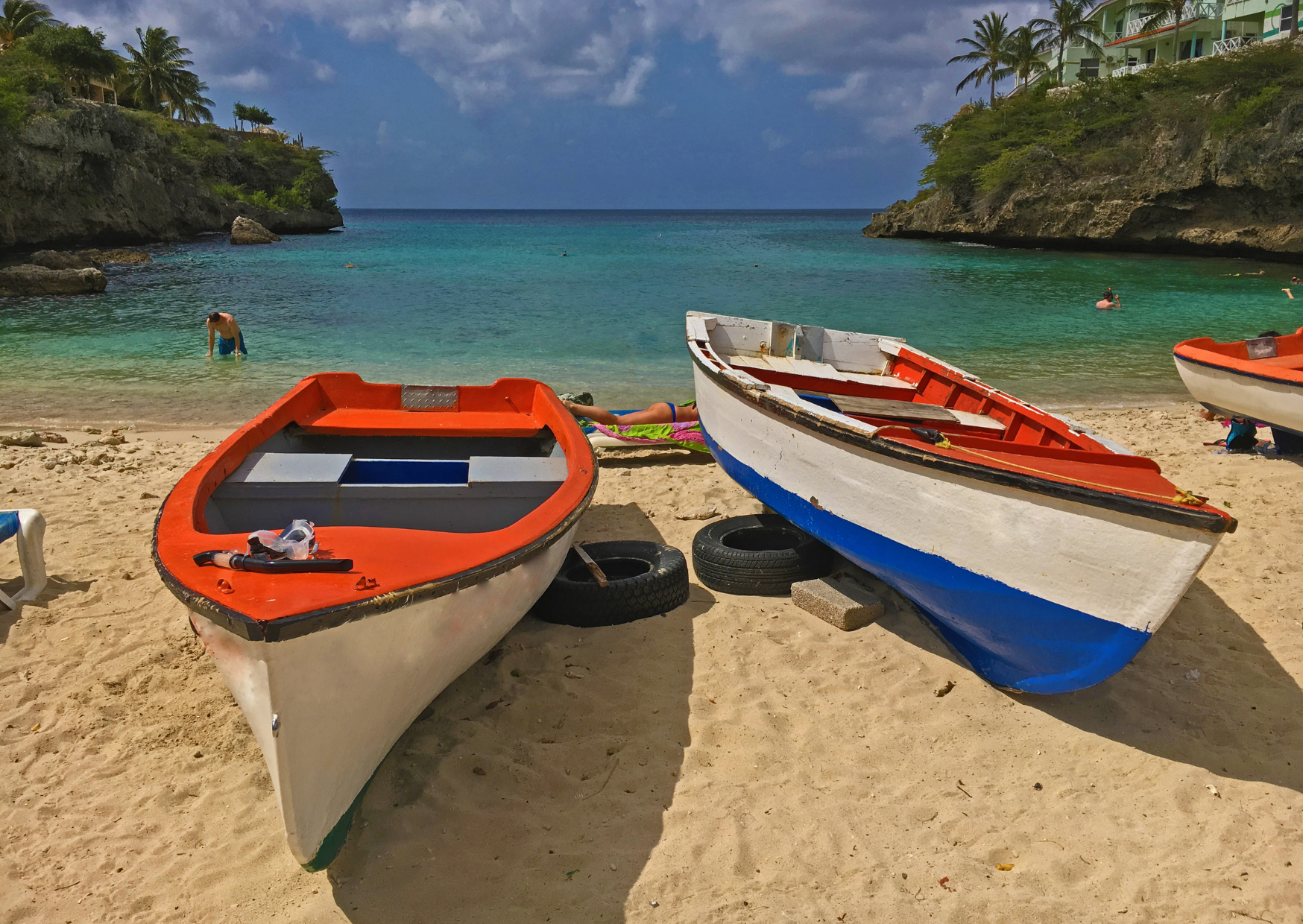
Curaçao is another constituent country within the Kingdom of the Netherlands. The same logic applies: the “Europe pathway” is the Dutch nationality outcome.
Curaçao’s process is unusually well-documented compared to what Americans expect. There are official local materials describing procedures for becoming a Dutch citizen in Curaçao, and the Dutch naturalisation framework for the Caribbean part of the Kingdom is covered by official Dutch immigration guidance.
What makes Curaçao attractive for some Americans:
- English is widely used in certain contexts, and the expat ecosystem is substantial.
- It can feel like a softer landing than moving directly to Europe for people who want a big cultural change but not a total language cliff on day one.
- The residency-to-nationality arc is anchored to Dutch nationality law, which is widely documented.
What you need to know before romanticizing it:
- Time: expect a multi-year legal residence path before naturalisation is even possible in the standard case, consistent with Dutch naturalisation baselines.
- Ceremony requirement: the Dutch government is explicit that naturalisation isn’t final without attending the ceremony.
- Dual citizenship constraints: again, this is where Americans get emotional. If keeping U.S. citizenship is non-negotiable, you must map whether you qualify for an exception or accept that this pathway may not match your life.
If you treat Curaçao as “EU passport with palm trees,” you’ll get wrecked by the waiting and the rules. If you treat it as a long-term legal plan, it can be a legitimate bridge.
3. Sint Maarten
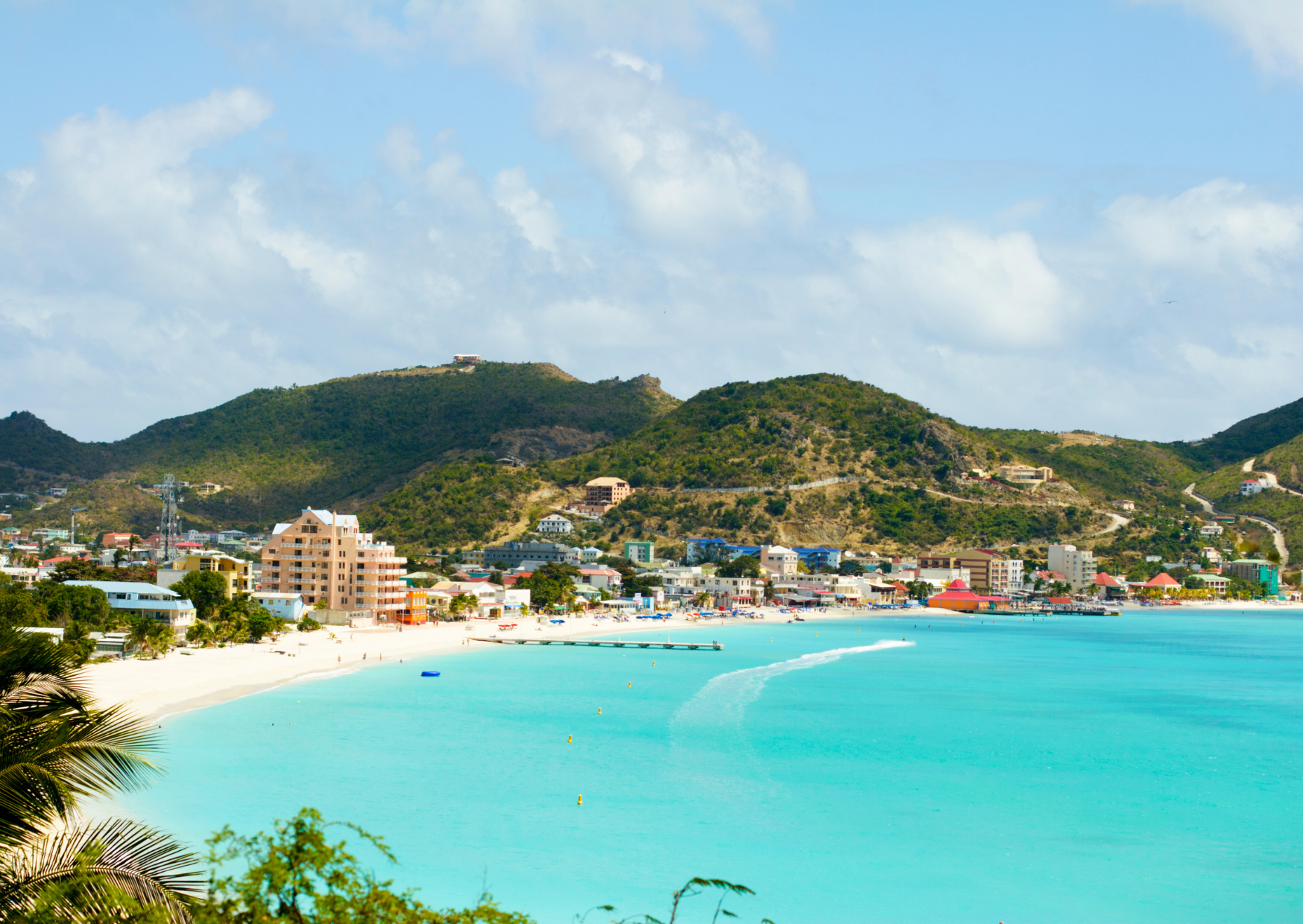
Sint Maarten is also a constituent country within the Kingdom of the Netherlands. It has its own local government services and publishes naturalisation guidance, including references to a naturalisation test and required documentation.
Why Sint Maarten shows up as an underrated pathway:
- It’s one of the few places where Americans can live in a Caribbean environment while still operating inside a legal framework that ultimately ties back to a major EU member state’s nationality.
What’s different here is practical:
- You’ll be navigating local administrative requirements (documentation, tests, procedures).
- The nationality endpoint is still Dutch, and the Dutch system emphasizes ceremony completion as part of the acquisition.
What Americans get wrong:
They assume the Dutch Caribbean is “more relaxed,” therefore the path is easier.
Sometimes the vibe is relaxed. The bureaucracy is still bureaucracy. The test is still a test. The timeline is still a timeline.
If you’re a single American woman thinking “safer, slower, Caribbean, European passport later,” you can make this work, but only if you can tolerate long planning horizons and long stretches where nothing is happening quickly.
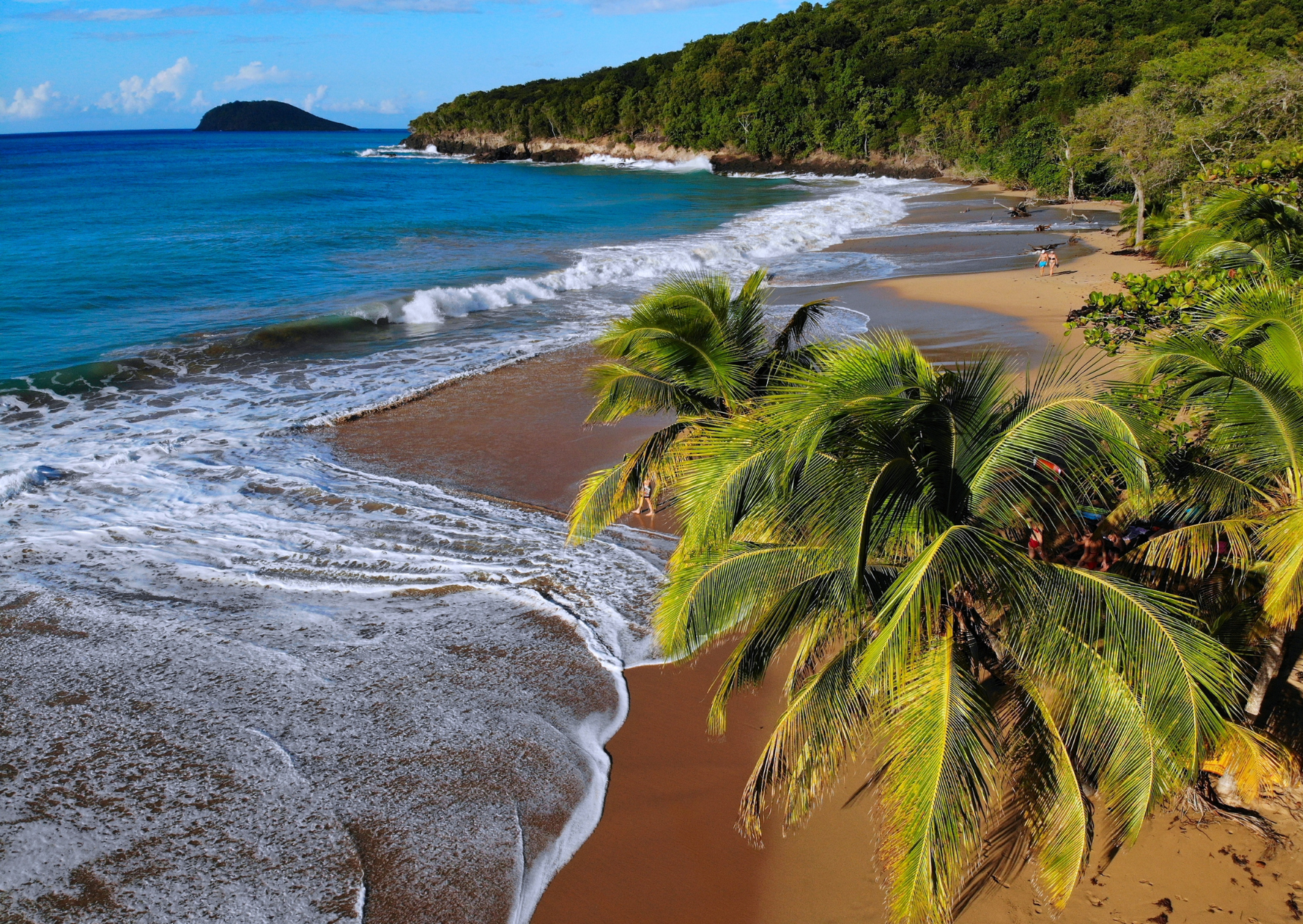
4. Guadeloupe
Now we move to the French side.
Guadeloupe is in the Caribbean and it’s also listed by EU institutions as part of the EU’s “outermost regions.”
This matters because it reframes what Guadeloupe is:
- It’s not “a French island.”
- It’s part of France, and France is in the EU, and EU law applies with certain adaptations for outermost regions.
So the “European residency pathway” here is blunt:
- live legally in Guadeloupe under French rules
- build the required legal residence
- apply for French nationality when eligible
This is not a Caribbean-to-Europe hack. It’s a France residency-to-citizenship plan that happens to be located in the Caribbean.
A key detail Americans miss: being an EU outermost region does not automatically mean “Schengen the same way Paris is Schengen.” Some French overseas territories are outside the Schengen Area. If your plan relies on Schengen mobility, you have to verify the travel and residence rules for your specific status.
Why Guadeloupe can be attractive for older Americans:
- Caribbean climate with a European legal framework
- access to French systems, including healthcare and administration (with the usual bureaucracy)
- a path that ultimately points to French nationality if you commit for the long term
Why Guadeloupe can be a bad idea for some Americans:
- if you need English-first life
- if you hate French administration
- if you think “island life” means “light paperwork”
- if you’re not prepared for French language demands in daily functioning
Guadeloupe is not for people who want a low-friction life. It’s for people who want a long-run legal pathway in a place that doesn’t feel like northern Europe.
5. Martinique
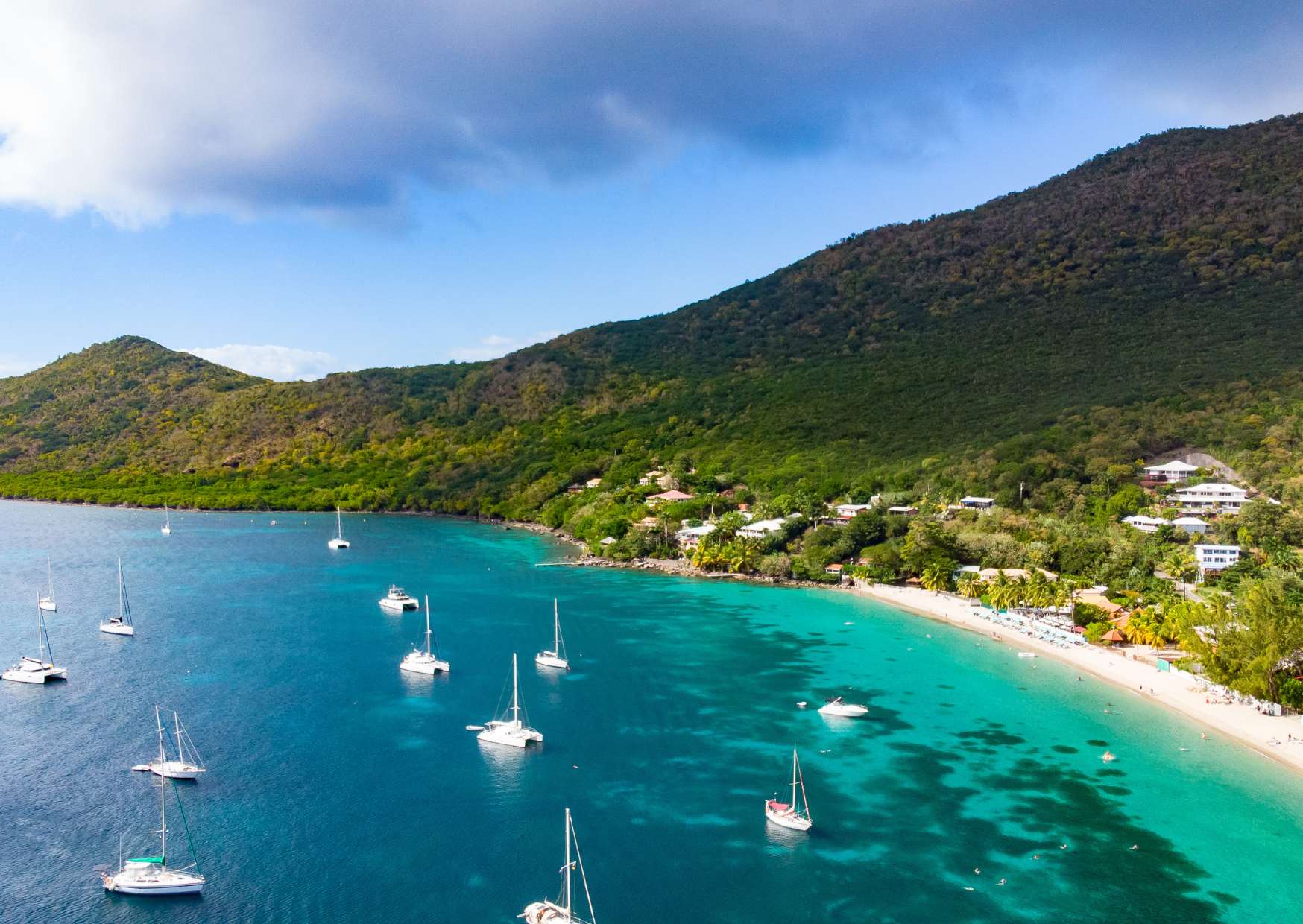
Martinique is also a French overseas department and is explicitly listed as an EU outermost region alongside Guadeloupe.
The logic is the same as Guadeloupe, but the lifestyle feel can be different depending on where you settle and what kind of community you build.
The pathway in plain terms:
- French long-stay/residence compliance
- continuity of legal residence
- integration, language, and the eventual citizenship rules if you pursue nationality
If you’re an American retiree looking at “Europe but warmer,” Martinique is often more relevant than people realize because it’s a European legal environment in the Caribbean.
But again, don’t confuse “EU territory” with “instant mobility.” It’s still France. It’s still process. It’s still time.
The Big Trap Is Calling These “Easy EU Pathways”
These are not “easy.” They are non-obvious.
The trade is:
- You get a coherent end goal tied to France or the Netherlands.
- You pay for it with time, paperwork, and integration demands.
Here’s what usually breaks Americans:
They underestimate the timeline
“Five years” sounds manageable until you’re living it. Dutch naturalisation generally uses a five-year legal residence baseline, and official Dutch guidance highlights five years with exceptions.
French nationality has its own residence and integration requirements, and it’s not an impulse decision.
They ignore dual citizenship realities
If you need to keep U.S. citizenship, you must treat Dutch dual nationality rules as a critical constraint. The Dutch government states dual nationality is only allowed in specific situations.
They pick the island first and the admin second
Island life can be healing. Island life can also magnify stress when you’re alone and every process is slower.
They assume “English is enough”
In the Dutch Caribbean you may get further with English than in France. In French territories, French will matter more.
They confuse “EU outermost region” with “European mainland lifestyle”
You are in the Caribbean. Supplies, services, and the rhythm of life can be different. That’s not a flaw. It’s the point. But it must match your expectations.
How Americans Should Decide If This Is Worth It
Here’s the honest filter.
This is worth considering if:
- you’re patient enough for a multi-year plan
- you want a European nationality endpoint and can meet the requirements
- you like Caribbean living and can handle island constraints
- you’re willing to build a stable routine that isn’t dependent on tourist seasons
This is not worth it if:
- you want fast results
- you can’t tolerate paperwork
- you need the “I can move around Schengen freely” lifestyle immediately
- you are emotionally attached to keeping U.S. citizenship and the renunciation issue makes the plan unrealistic (especially on the Dutch side)
For many readers, the best value of this list is not that they will do it. It’s that it expands their mental map. Europe is bigger than the continent, and legal pathways can exist where you don’t expect them.
The First 7 Days You Make This A Real Plan
This is an actionable immigration topic, so a short sequencing section belongs here.
- Pick your end goal: residency stability only, or eventual EU nationality. Don’t pretend you want citizenship if you don’t want the obligations.
- Decide France-route or Netherlands-route. They are not interchangeable paths.
- If Netherlands-route, read the dual citizenship rules and decide whether renunciation risk kills the plan.
- If France-route, accept that French language competence will matter for daily life and long-term integration.
- Build your timeline: assume multi-year residence, not a two-year “test.”
- Budget for stability: housing, healthcare, and travel back to the U.S. Islands can make “family emergencies” expensive.
- Make a document system now. The person who keeps clean records wins every immigration plan.
What Actually Matters Here

Most Americans don’t need “five Caribbean countries with EU pathways.”
They need one clear truth:
If you want a European future, you need a European legal plan.
These five places are overlooked because they don’t fit the standard narrative. They’re not Paris or Lisbon. They’re not golden visa marketing destinations. They’re Caribbean places tied to French and Dutch nationality systems.
For the right person, especially a patient retiree or a single older woman who wants warmth without giving up a long-term framework, that can be a legitimate path.
For the wrong person, it becomes a long, expensive waiting room.
The win is not the island.
The win is the clarity.

About the Author: Ruben, co-founder of Gamintraveler.com since 2014, is a seasoned traveler from Spain who has explored over 100 countries since 2009. Known for his extensive travel adventures across South America, Europe, the US, Australia, New Zealand, Asia, and Africa, Ruben combines his passion for adventurous yet sustainable living with his love for cycling, highlighted by his remarkable 5-month bicycle journey from Spain to Norway. He currently resides in Spain, where he continues sharing his travel experiences with his partner, Rachel, and their son, Han.