
Tourists don’t order “bad” food in Italy.
They order tourist food.
That’s the difference. The dish might taste fine. It might even be great in a specific place. But in many cities, the most common tourist orders are basically a sign that you’re eating in a restaurant designed for you, not for Italians who live nearby.
If you’re fine with that, no problem. Enjoy your trip.
If you want to eat like Italians actually eat, you need one simple mental shift: stop ordering the dishes that exist mostly as international symbols of Italy, and start ordering the dishes that exist as ordinary local habits.
Italy is not one cuisine. It’s regions, rules, seasons, and local pride. What a tourist orders in Florence is often nonsense in Naples. What a tourist orders in Rome is often wrong in Venice. What a tourist orders in Milan may be perfectly normal, but only in the right context.
So here are five tourist orders that Italians rarely choose in normal life, plus what to order instead, with practical menu language and the real-world logic behind each.
Spaghetti Bolognese
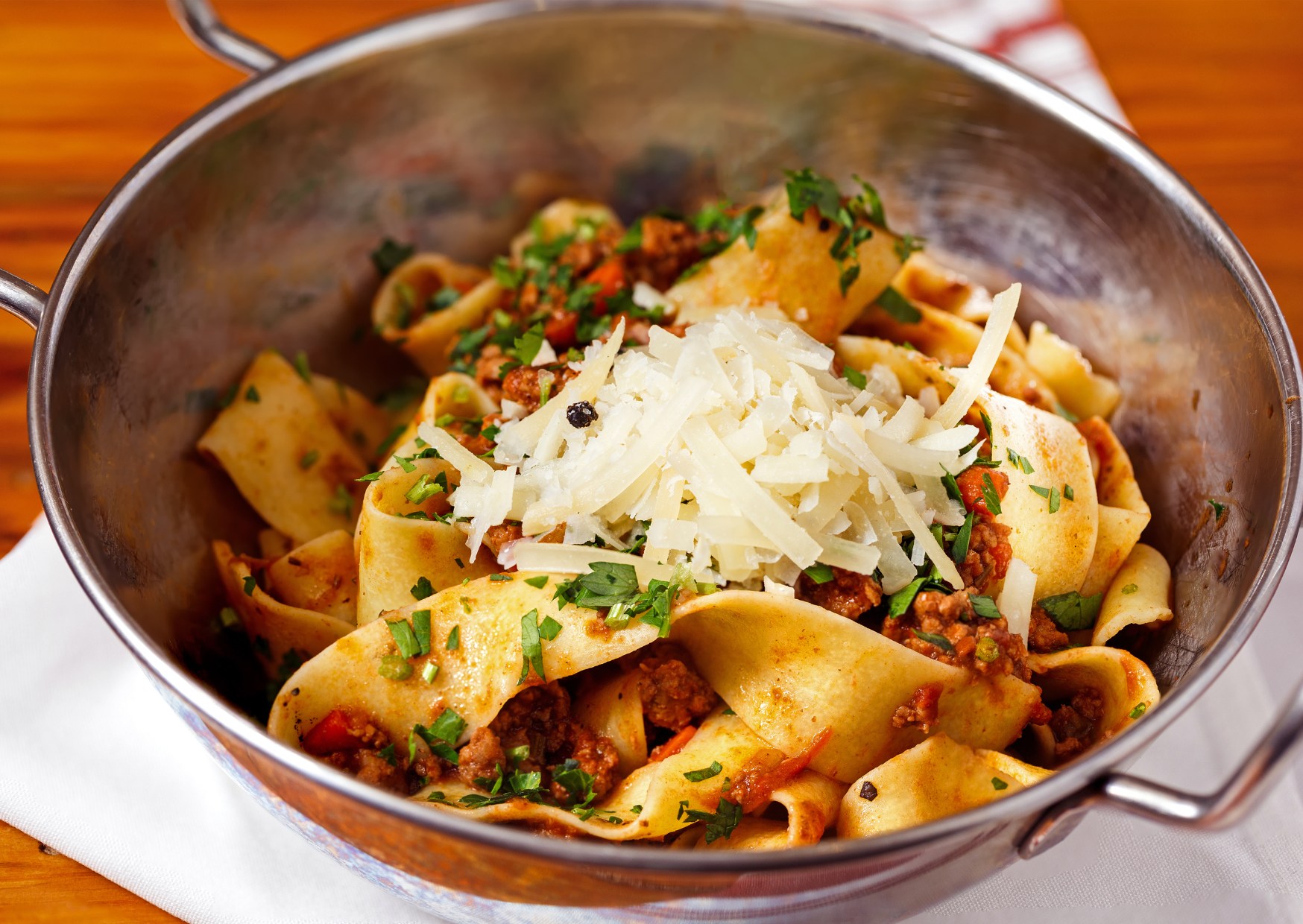
This is the most common tell in Italy.
Spaghetti Bolognese is not a normal Italian order, especially not in Bologna. In Emilia-Romagna, the famous meat sauce is ragù, and it’s traditionally paired with tagliatelle, or used in lasagne. The sauce is heavy and spaghetti is the wrong partner because it doesn’t hold ragù the same way egg pasta does.
If you order spaghetti Bolognese in Rome, Florence, or Venice, you may still get something tasty. You’ll also get a dish that exists mainly because tourists expect it.
What to order instead, depending on where you are:
- Bologna: Tagliatelle al Ragù, Lasagne Verdi, Tortellini in Brodo
- Florence and Tuscany: Pappardelle al Cinghiale, Ribollita, Bistecca alla Fiorentina if you’re sharing
- Rome: Rigatoni alla Carbonara, Amatriciana, Cacio e Pepe
- Milan: Risotto alla Milanese, Ossobuco, Cotoletta
Practical ordering rule: if you see “bolognese” as a menu headline in an obvious tourist zone, that restaurant is selling familiarity, not local taste. Look for the region on the menu, not the global icon.
Pricing reality: in big-city centers, tourist bolognese can run €14 to €19. A proper local pasta dish will often sit in the same range, sometimes less in neighborhood trattorie. The difference isn’t money. It’s whether you’re eating a place or a product.
Fettuccine Alfredo
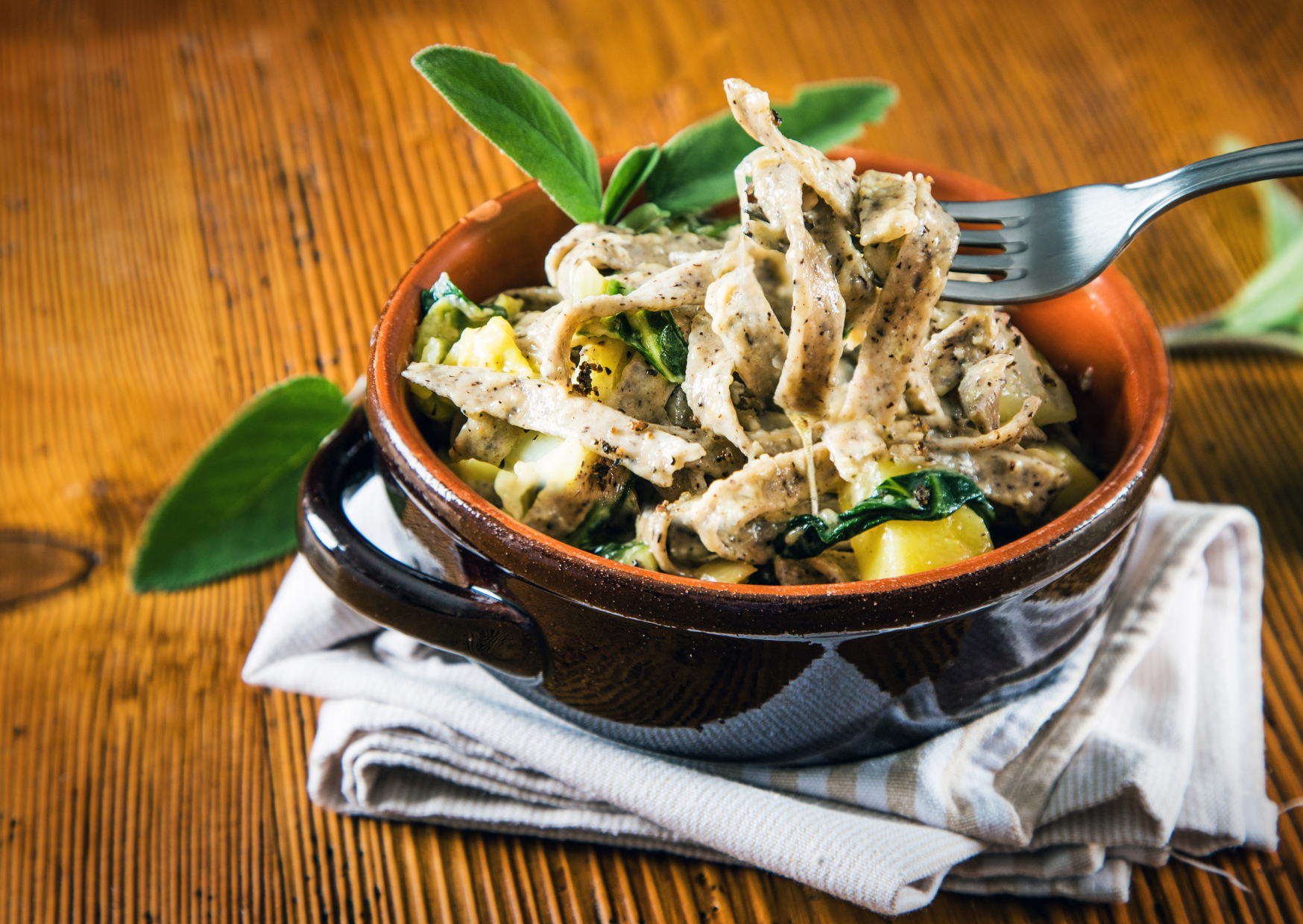
Alfredo is the dish that makes Italians blink.
This one is tricky because there is an Italian origin story. There were Roman restaurants associated with a butter-and-Parmesan pasta style. But the global “Alfredo” most Americans mean, the heavy cream version, is not a normal Italian dish. Italians don’t generally order a cream-laden pasta called Alfredo as a standard menu item.
If you see Fettuccine Alfredo in Italy, especially in a tourist zone, it’s likely there because someone decided tourists need a safe option.
What to order instead if you’re craving that comfort profile:
- Rome: Fettuccine al Burro if you truly want simplicity, or Gricia if you want pork-and-cheese comfort without the cream
- Northern Italy: Pizzoccheri in Valtellina areas, Polenta with cheese and mushrooms in colder months
- Tuscany: Pici all’Aglione if you want rich, garlicky satisfaction
- Anywhere: Pasta al Forno if it’s a local specialty and not an “international” baked pasta
The bigger lesson here is that Italians usually get richness from technique and ingredients, not from dumping cream into pasta. Butter and cheese can be elegant when balanced. Cream often reads as shortcut.
If you want a dairy-forward pasta in Italy, look for:
- “burro e parmigiano”
- “mantecato”
- “fonduta” in the north
- “gratinato” in baked dishes
Those words will get you the Italian version of comfort without the international cream blanket.
Chicken Parm
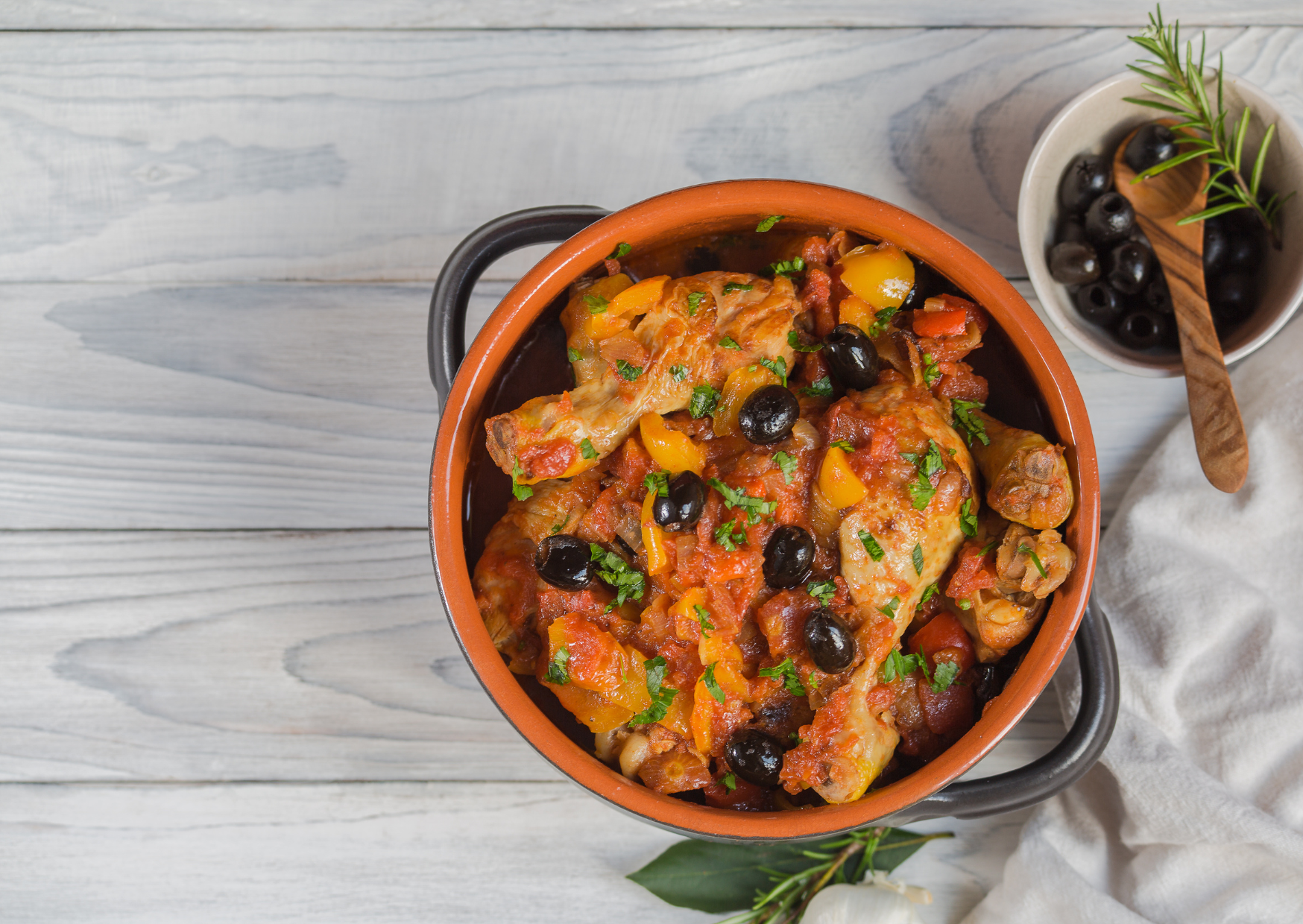
Chicken Parmigiana is another dish Italians don’t order in Italy the way Americans imagine it.
There is parmigiana in Italy, and it’s usually melanzane alla parmigiana, eggplant parm. That’s a beloved dish in the south and central regions. But the American chicken cutlet with tomato sauce and melted cheese, served over pasta, is not a standard Italian restaurant order.
If you see “Chicken Parm” or “Parmigiana di Pollo” in a tourist-heavy place, it’s often there because the restaurant is built to meet American expectations.
What to order instead:
- For the parmigiana experience: Melanzane alla Parmigiana
- For breaded cutlet satisfaction: Cotoletta alla Milanese in Milan and Lombardy, or a local cutlet variation
- For chicken in Italy: Pollo alla Cacciatora in the right trattoria, or roasted chicken in casual places that do it well
- For southern comfort: Polpette, but note that Italians often eat meatballs as a main, not on spaghetti
A useful menu tell: if a restaurant has a long list of chicken dishes in central Rome, it’s probably not aimed at Romans. Italian restaurant menus often lean pork, beef, fish, and vegetables, with chicken appearing less frequently as the star.
Also, Italians don’t generally drown breaded things in sauce because it ruins texture. Crispness matters. A sauced cutlet is a compromise dish designed to travel culturally, not to stay loyal to technique.
Shrimp Scampi
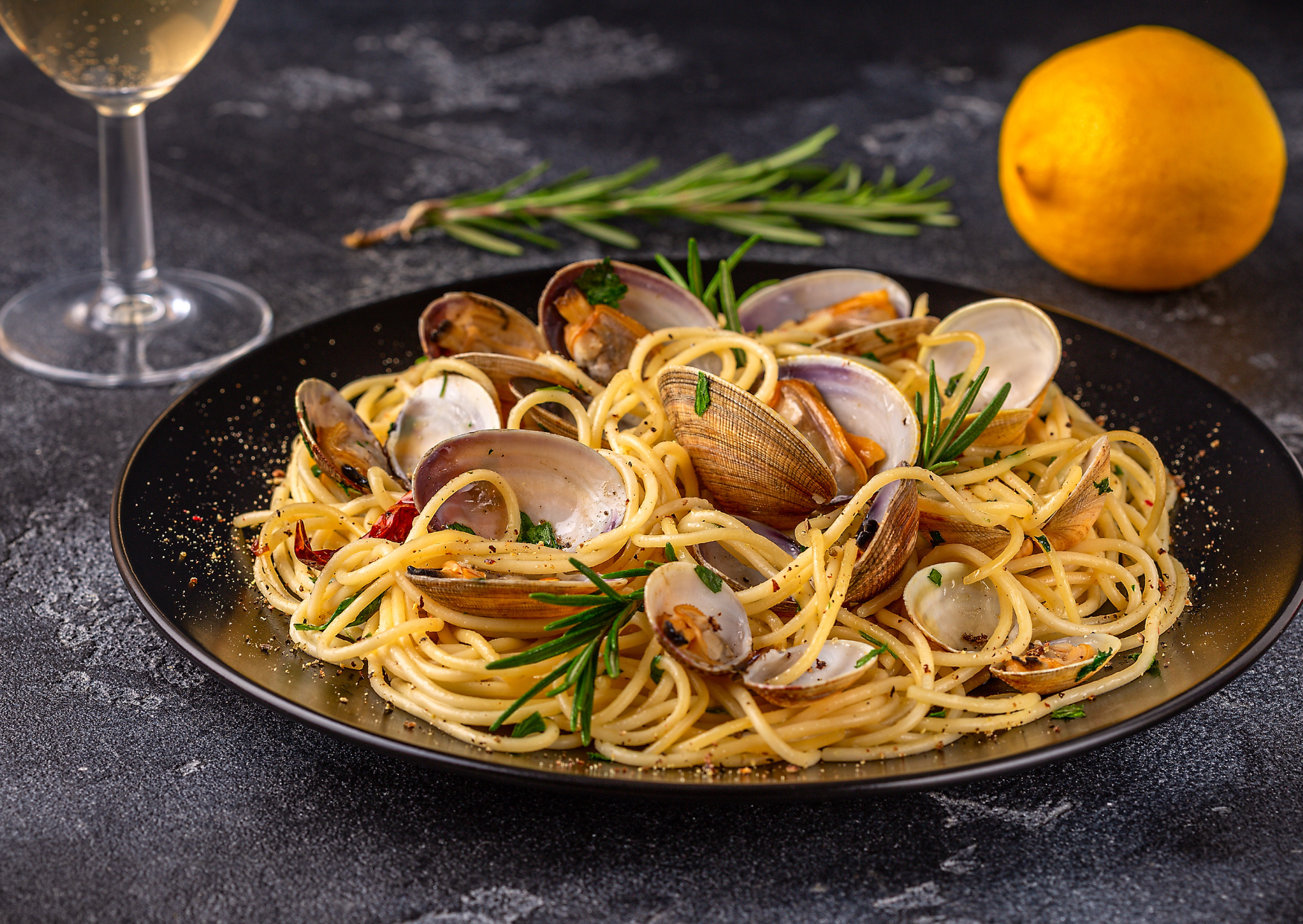
In the U.S., shrimp scampi is almost a genre. Garlic, butter, white wine, sometimes lemon, served with pasta.
In Italy, scampi are real. They’re langoustines. And when Italians eat scampi, they tend to keep it simple and highlight the sweetness. Grilled scampi. Scampi crudi in certain coastal contexts. Scampi with olive oil and lemon. Not a heavy garlic-butter pasta situation with the American restaurant vibe.
So when tourists order “shrimp scampi” in Italy, they’re often ordering a dish invented for an English-speaking menu, not for Italian taste.
What to order instead if you want the seafood lane:
- Venice and the Veneto: Sarde in Saor, Baccalà Mantecato, Bigoli in Salsa
- Liguria: Trofie al Pesto with a seafood antipasto, or anchovy-focused dishes
- Naples and Campania: Spaghetti alle Vongole, Impepata di Cozze, Frittura di Paranza
- Sicily: Pasta con le Sarde, Caponata plus grilled fish, sardines and anchovies in a dozen forms
If you’re in a coastal area, ask what’s fresh and local and order the simplest preparation. In Italy, seafood flex is often restraint. Grilled fish and raw seafood in trusted places tell you more about a kitchen than a cream sauce does.
Pricing trap: in tourist zones, “scampi” and “gamberoni” dishes can be priced like luxury theater, €22 to €36 for something that doesn’t justify it. In a local spot, you’ll still pay for seafood, but the dish will taste like the sea, not like butter.
Pepperoni Pizza
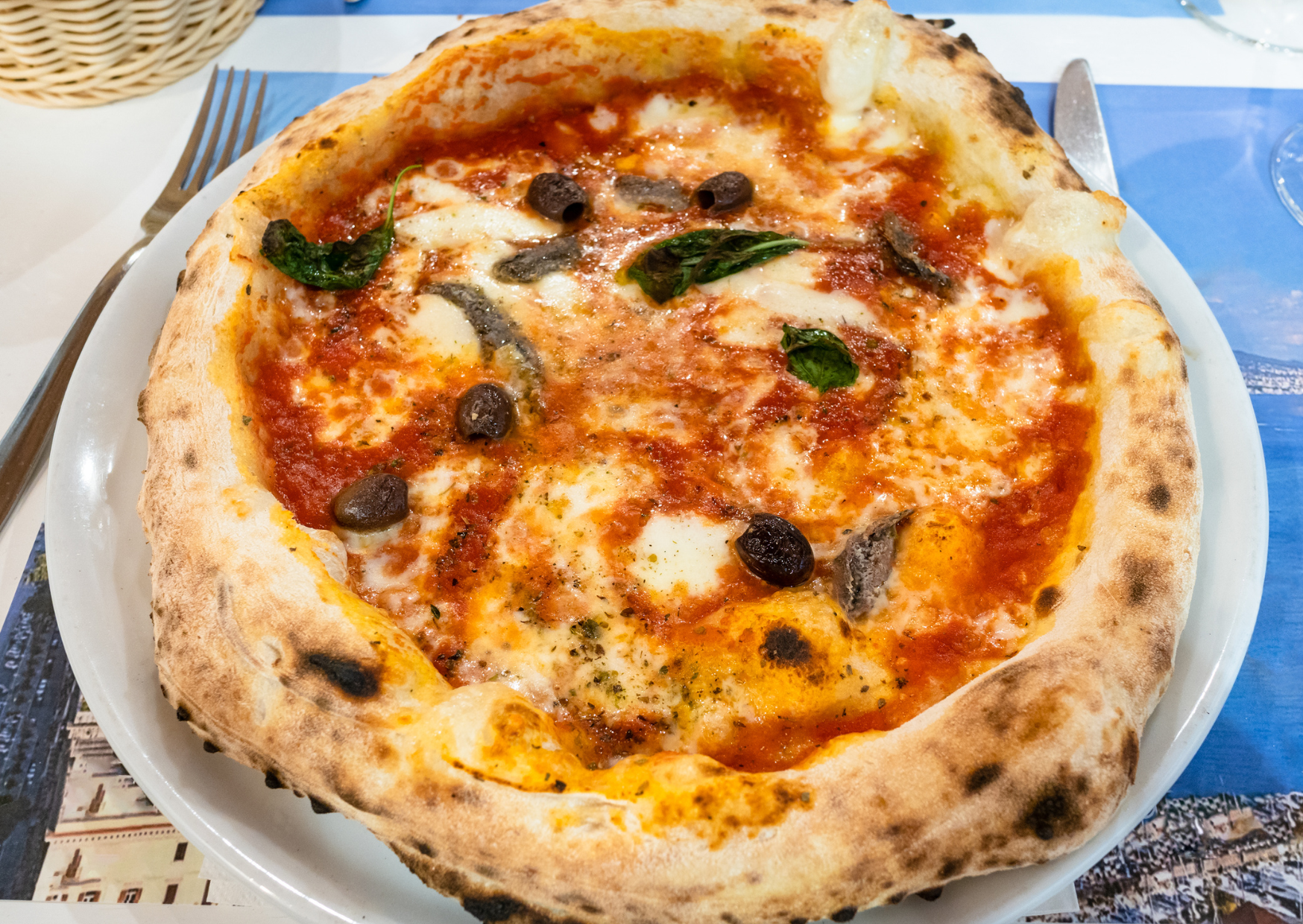
This one is the classic language collision.
In Italy, pepperoni means peppers. If you order “pepperoni pizza,” you may get a pizza with bell peppers. The spicy American pepperoni is closer to salame piccante or diavola territory.
Italian pizza also isn’t built around piling on toppings to create a meat-and-cheese slab. The dough, sauce, and balance matter. A lot of tourists order like they’re building a custom Domino’s creation, then wonder why the pizza is “thin” or “not filling.”
What to order instead:
- If you want spicy: Pizza Diavola
- If you want classic: Margherita, Marinara
- If you want meat: Napoli (with anchovies), Prosciutto e Funghi, Salsiccia if it’s a local specialty
- If you want a Roman style experience: Pizza al Taglio in Rome, by weight, try two slices instead of one overloaded pie
Another tourist trap is ordering pizza in places that clearly don’t specialize in it. In Italy, pizza is best when the place is actually a pizzeria, not a generic restaurant offering everything.
A good sign is a short pizza list and a hot oven doing visible work. A bad sign is a menu with pizza, pasta, steaks, sushi, and burgers all sharing the same laminated page.
Specialization wins in Italy more often than variety.
How Italians Actually Order In Restaurants
This is where tourists accidentally sabotage themselves.
In many Italian places, dinner structure is still a sequence:
- antipasto
- primo
- secondo with contorno
- dessert or coffee
You do not need all of it. But it helps you understand what the kitchen is built to do.
Tourists often order a single overloaded dish because that’s what they’re used to. Italians often order simpler dishes in sequence that add up to a full meal.
Two practical patterns that work almost anywhere:
- Antipasto plus primo
- Primo plus shared contorno
If you’re hungry, add a second course. If you’re not, don’t. But don’t judge Italian food by ordering one tourist “main” that doesn’t represent how Italians eat.
Also, tourists often ignore contorni. In many places, vegetables are not automatically bundled with the main. They’re ordered separately. That confuses Americans, who assume sides are included. Italians treat vegetables as their own thing. It’s one reason meals can feel lighter even when they’re satisfying.
A simple ordering move that instantly makes you look less touristy: order one vegetable side. Greens matter in Italian eating patterns, even in places that love pork and pasta.
What To Order Instead, By Region
If you want to eat like locals, the fastest shortcut is to order the dish that belongs to the place.
Here are safer bets by region, the kind of items Italians actually order.
Rome and Lazio:
- Carbonara, Amatriciana, Gricia, Cacio e Pepe
- Carciofi alla Romana in season
- Saltimbocca
- Supplì as a snack
Naples and Campania:
- Margherita, Marinara, Diavola in proper pizzerie
- Spaghetti alle Vongole
- Fried seafood, simple grilled fish
- Ragù napoletano in the right trattoria
Florence and Tuscany:
- Ribollita, Pappa al Pomodoro
- Pappardelle al Cinghiale
- Bistecca, but share it and do it once, not as a daily plan
- Lampredotto if you want street food authenticity
Bologna and Emilia-Romagna:
- Tagliatelle al Ragù
- Tortellini in Brodo
- Lasagne Verdi
- Mortadella, culatello, parmigiano as antipasti
Milan and Lombardy:
- Risotto alla Milanese
- Ossobuco
- Cotoletta
- Polenta dishes in cooler months
Venice and Veneto:
- Cicchetti culture, small bites
- Baccalà Mantecato
- Sarde in Saor
- Bigoli and other local pastas
Sicily:
- Arancini, but choose the local style
- Pasta con le Sarde
- Caponata
- Fresh fish and simple preparations
- Cannoli from a place that cares
If you order regionally, your odds of eating well go up immediately. Italy is local. The more you treat it like one national menu, the more you’ll land in tourist products.
The Restaurant Tells That Save You From Tourist Food
You don’t need to be a food snob. You need pattern recognition.
Here are the tells that a place is likely built for tourists:
- menu in eight languages with photos of every dish
- “Alfredo” and “Chicken Parm” prominently listed
- a host aggressively pulling you in from the street
- a gigantic menu covering every region and category
- a location planted directly on the most famous square with hundreds of seats
- staff pushing “specials” that sound like generic seafood theater
And here are the tells that often signal a more local, reliable place:
- short menu that changes
- handwritten daily specials board in Italian
- lots of locals at normal dinner times
- a small dining room and a sense of routine
- regional dishes that clearly belong to that place
- desserts that aren’t all freezer items
Another reality: Italians eat later than many Americans. In many cities, a restaurant full of Italians at 7:00 p.m. is less common than at 8:30 p.m. or 9:00 p.m. If you only dine at 6:30, you’ll often be surrounded by other foreigners, and the restaurant may shape its menu accordingly.
That doesn’t mean eating early is wrong. It means it changes what kind of restaurant you’re likely to end up in.
The First Week You Stop Ordering Like A Tourist
If you want this to be usable, here’s a simple 7-day plan for your next Italy trip.
Day 1: Choose one region you’re in and learn five local dishes from that region. Not “Italian dishes.” Local dishes.
Day 2: At dinner, order one primo that clearly belongs to the city. Skip global icons.
Day 3: At lunch, try a local street food item, not a sit-down pasta in the most famous square.
Day 4: Order a contorno on purpose. Greens, roasted vegetables, salad, whatever is normal locally.
Day 5: In a pizzeria, order Margherita or another classic first. Judge the dough and sauce before you start building toppings.
Day 6: Ask for the house specialty, but do it in a place that looks serious, not in a tourist trap with a greeter.
Day 7: Repeat one place you liked. Italians don’t always chase novelty. They repeat what works.
If you do this, you’ll end up eating a version of Italy that tastes less like an airport souvenir and more like a real place with habits.
The Honest Takeaway
Tourists order these five dishes because they’re familiar, and familiarity feels safe when you’re traveling.
Italians rarely order them because they’re not part of normal local eating, or because they’re mismatched to Italian food logic, or because they exist mainly as export products.
The fix is simple and doesn’t require a food degree: order the regional dish that belongs to where you are, respect the meal structure, and stop assuming the most famous “Italian” dishes are what Italians actually eat at dinner.
Italy rewards specificity. It punishes generic expectations.
If you want to eat well, let the place tell you what it is.

About the Author: Ruben, co-founder of Gamintraveler.com since 2014, is a seasoned traveler from Spain who has explored over 100 countries since 2009. Known for his extensive travel adventures across South America, Europe, the US, Australia, New Zealand, Asia, and Africa, Ruben combines his passion for adventurous yet sustainable living with his love for cycling, highlighted by his remarkable 5-month bicycle journey from Spain to Norway. He currently resides in Spain, where he continues sharing his travel experiences with his partner, Rachel, and their son, Han.