
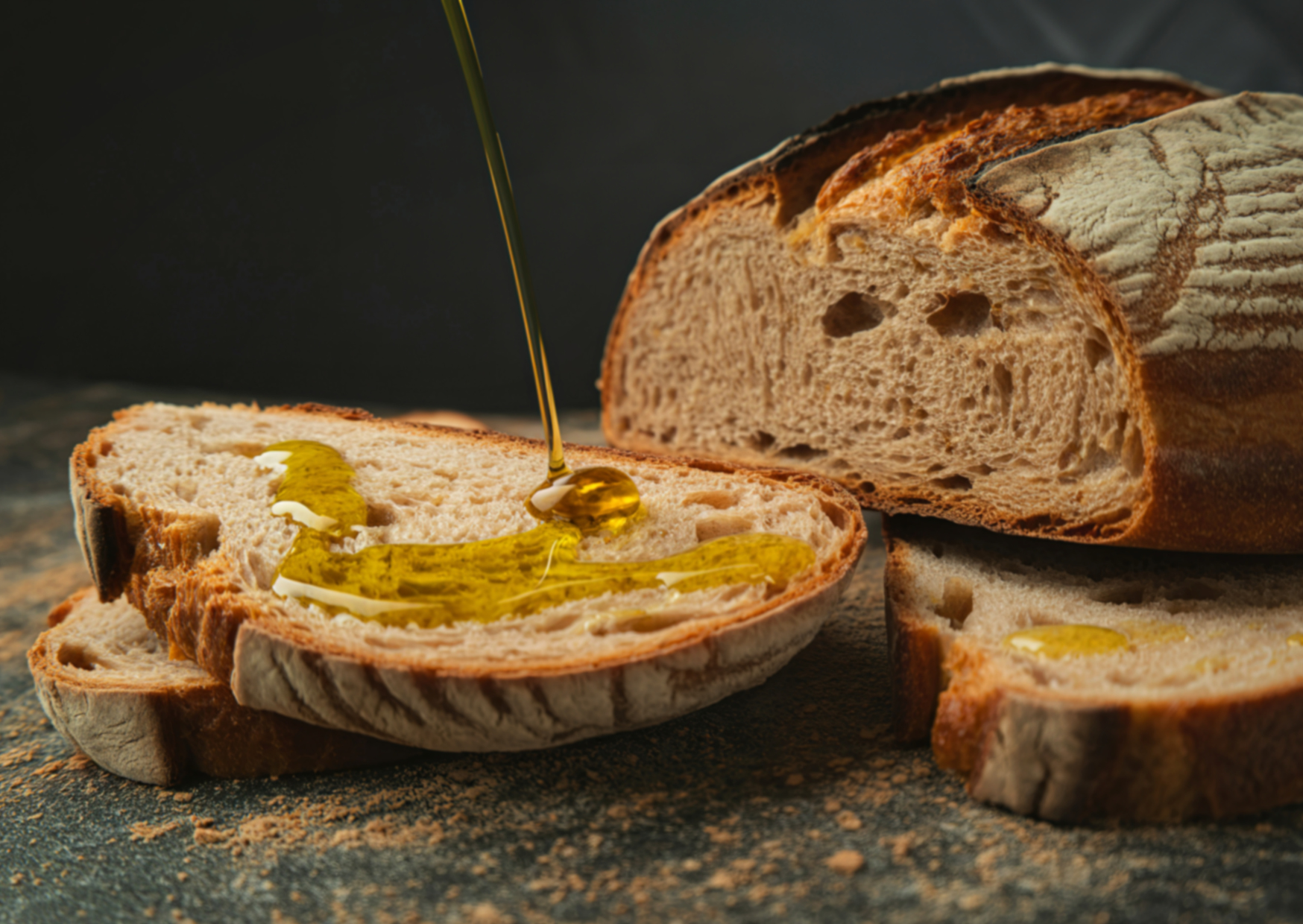
If you’ve ever met an older Cretan woman who still walks like she has somewhere to be, you know the vibe.
Not “wellness influencer.” Not “biohacking grandma.” Just a person who looks mildly annoyed that everyone else is so dramatic about getting older. She’s moving, she’s cooking, she’s going outside, she’s eating something that looks too simple to be the answer.
The internet loves turning Crete into a postcard diet fantasy. Olive oil, sunshine, and some magical Mediterranean gene.
That’s not what’s happening.
What’s happening is a pattern of ordinary living that makes overeating harder, keeps blood sugar steadier, keeps people moving daily, and keeps social life from collapsing into isolation. Breakfast is one of the quiet anchors of that pattern. Not because it’s a supermeal. Because it sets the day’s tone: savory, structured, ingredient-based, and not built around dessert.
And yes, there’s one part Americans usually won’t try. Not because it’s disgusting. Because it violates the American breakfast religion.
Why Crete Gets Dragged Into Longevity Conversations
Crete has been studied for decades in the context of heart health and long-term survival, especially through work connected to the Seven Countries Study and follow-up research on the Cretan cohort. The early data and long follow-ups helped cement the idea that traditional Cretan eating patterns and lifestyle were associated with unusually favorable cardiovascular outcomes in that mid-20th century cohort.
Two important clarifications before anyone turns this into mythology:
First, Crete today is not Crete in 1960. Diets change. Cities change. Work changes. Modern Crete has fast food and smoking history and all the same pressure points the rest of Europe has.
Second, “living to 100” isn’t a single lever. It’s a long stack: movement, food, social patterns, sleep rhythm, healthcare access, and luck.
Still, the Cretan story remains useful because it highlights something Americans consistently underestimate: the power of a repeatable, boring food pattern that doesn’t spike appetite at breakfast and doesn’t require constant willpower later.
Cretan grandmothers aren’t “dieting.” They’re eating in a way that makes dieting feel unnecessary most days.
That’s the real lesson.
Longevity isn’t a trick. It’s exposure over decades. Breakfast is one exposure point you can actually change.
The Breakfast Americans Won’t Try Is Savory, Oily, And Not Sweet
Let’s name the American problem honestly.
A lot of Americans eat dessert for breakfast and pretend it’s normal because it’s in the breakfast aisle.
Sweet yogurt. Sweet coffee drinks. Cereals that are basically candy. Muffins. Granola bars. Toast with jam plus a latte that’s quietly a milkshake. Even the “healthy” versions often hit the body like a sugar wave followed by hunger.
Then people spend the rest of the day battling cravings and energy crashes. They call it “getting older.” It’s often just a daily glucose rollercoaster.
Traditional Cretan breakfast, in its simplest form, doesn’t do that.
It’s often some combination of:
- barley rusk or bread
- tomatoes
- olives
- cheese or yogurt
- olive oil
- herbs
- maybe honey, but used like a garnish, not a syrup bath
- coffee or herbal tea
The breakfast Americans won’t try is the one that looks too plain and too oily to fit U.S. diet culture:
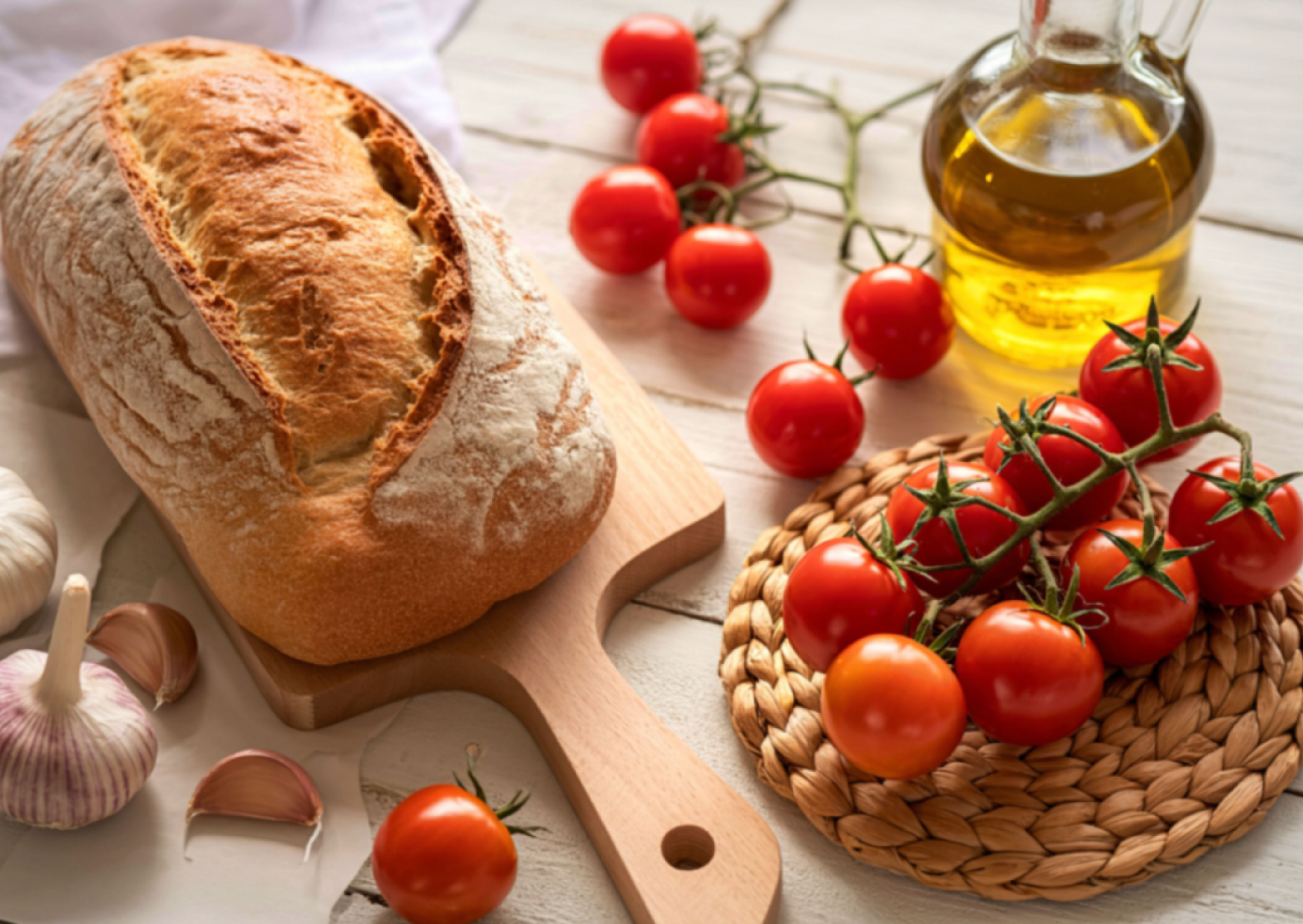
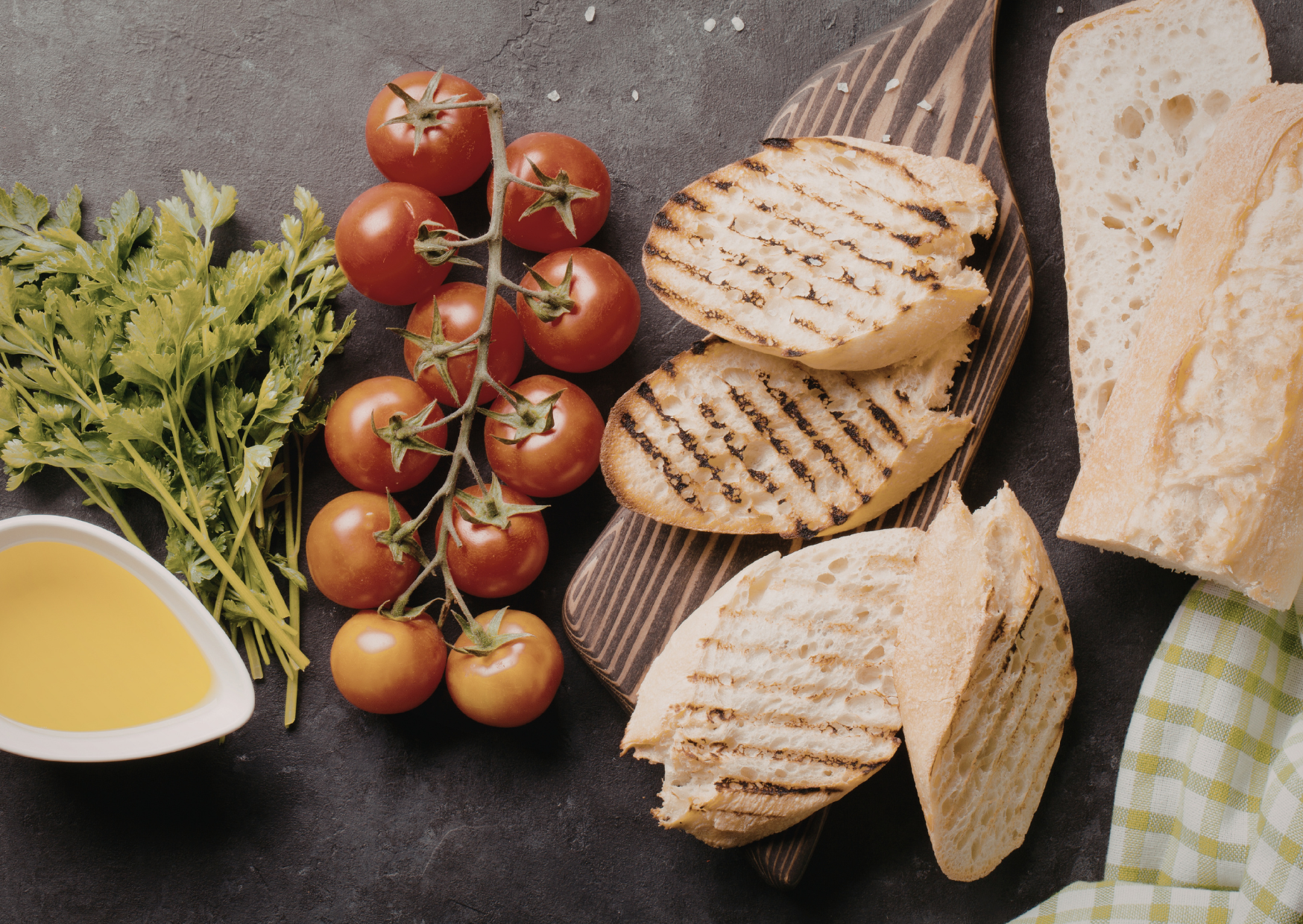
Bread or rusk soaked with olive oil and tomato, often topped with cheese and herbs.
This is basically dakos thinking, even if it isn’t always served as the full classic dish in the morning. It’s the concept: whole grains, olive oil, vegetables, salt, and a little dairy.
Americans resist it because they’ve been trained that breakfast must be sweet, fluffy, and “light.” Olive oil and tomatoes at 9 a.m. feels wrong to them.
But from a physiology point of view, it’s oddly sane:
- fat slows digestion and increases satiety
- savory flavor reduces the “keep snacking” impulse
- whole grain and fiber blunt glucose spikes
- protein from cheese or yogurt steadies appetite further
It’s not magic. It’s basic mechanics.
Savory breakfast reduces snack hunger later. Fat plus fiber beats sugar plus vibes.
What A Cretan Breakfast Actually Looks Like On A Tuesday
This is where the romantic story gets corrected.
A traditional Cretan breakfast isn’t always a big spread. It’s often small, practical, and made from what’s already in the kitchen.
A very normal “older woman at home” version might be:
- a piece of bread or barley rusk
- olive oil poured with confidence
- a tomato rubbed or grated on top
- a pinch of oregano
- a few olives
- a small piece of cheese or a bowl of plain yogurt
- coffee or mountain tea
No measuring. No macros. No guilt.
Some mornings it’s even simpler: yogurt with fruit and a spoon of honey. Some mornings it’s leftover beans. Some mornings it’s nothing big because lunch is the main meal. But the pattern is still clear: breakfast doesn’t start the day with a sugar bomb.
If there’s sweetness, it’s modest and usually paired with fat and protein:
- honey on yogurt
- fruit with cheese
- bread with a small smear of jam, not a thick American layer
And importantly, many older Greeks don’t eat a massive breakfast. They often eat lightly and then have a more substantial midday meal.
That’s another part Americans resist: the idea that breakfast doesn’t have to be a giant emotional event.
Breakfast is steady. Lunch does the heavy lifting. Sweetness is restrained.
The Recipe You Can Copy Without Becoming A Food Person
You don’t need to fly to Crete. You need a repeatable breakfast that hits the same mechanics.
Here’s the easiest version. It takes five minutes. It’s cheap. It tastes like real food.
Cretan Style Barley Rusk Breakfast
Serves 1
Ingredients
- Barley rusk or whole grain toast: 1 large piece
- Ripe tomato: 1 medium
- Extra-virgin olive oil: 1 to 2 tablespoons
- Feta or mizithra style cheese: 30 to 50 g
- Dried oregano: 1/2 teaspoon
- Salt and black pepper: to taste
- Optional: a few olives
- Optional: capers
- Optional: a small squeeze of lemon
Method
- If using a hard barley rusk, lightly wet it with water so it softens slightly. Don’t soak it into mush. Just soften the surface. If using toast, skip this.
- Grate the tomato into a bowl or rub it onto the bread. Sprinkle a little salt.
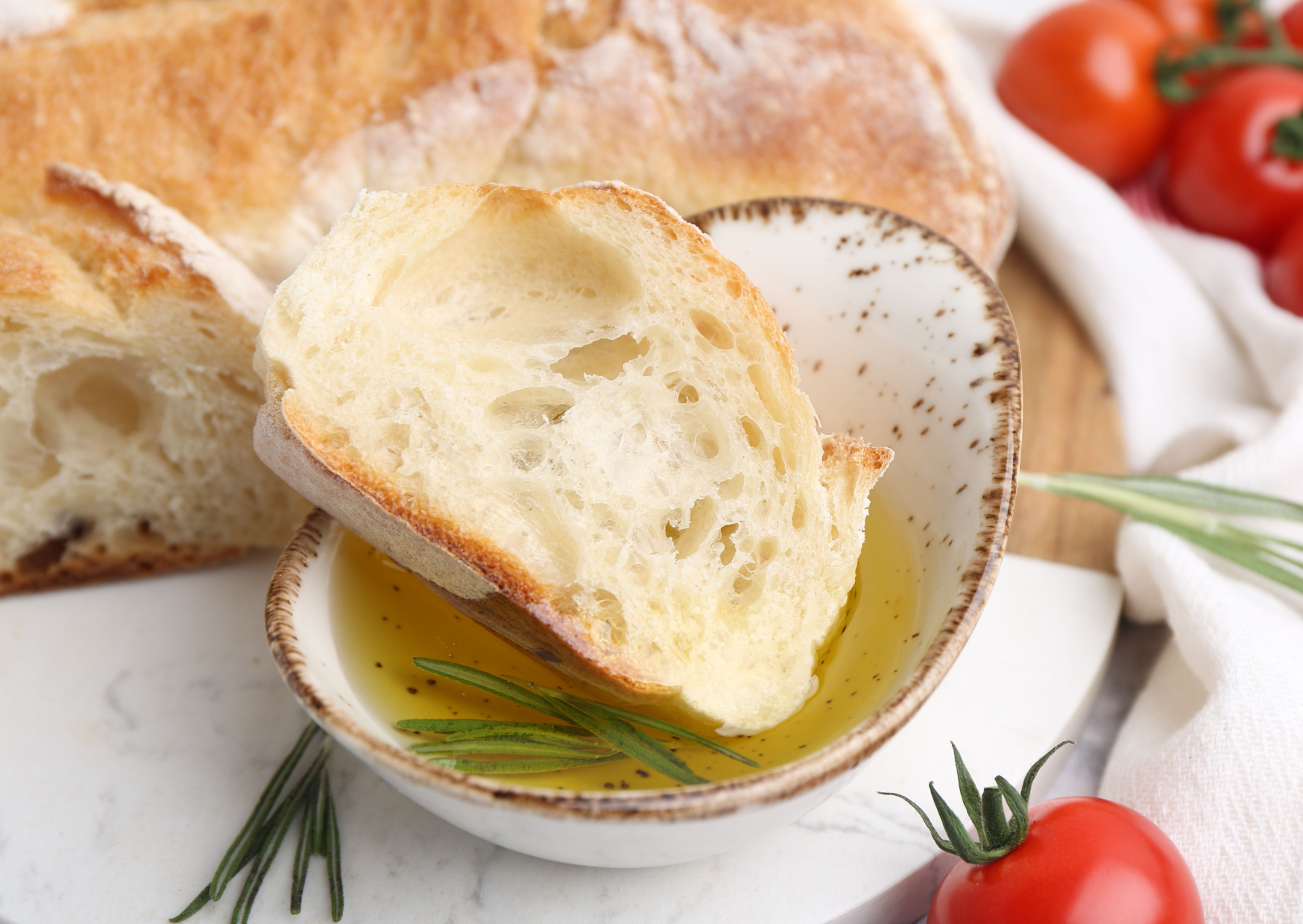
- Drizzle olive oil. Don’t be shy. The oil is part of the satiety.
- Add crumbled feta or a mild fresh cheese.
- Sprinkle oregano and black pepper. Add olives or capers if you like.
- Eat it with coffee or tea.
That’s it.
If you’re congested or run down, add lemon. If you’re hungrier, add a boiled egg on the side. If you want it sweeter, have fruit after, not on top.
The point isn’t authenticity theater. The point is a breakfast that’s savory, satisfying, and not engineered to make you snack later.
Five minutes buys four hours of calm appetite for a lot of people.
Why This Breakfast Works For Weight And Heart Health Without Being A Diet
Americans often want a single villain.
Bread. Carbs. Fat. Salt. Cheese. Pick one.
Cretan breakfast works not because it eliminates categories, but because it uses them in a more stable way.
A few reasons it tends to be weight-friendly in real life:
It’s hard to binge.
Bread with tomato and oil is satisfying, but it doesn’t trigger the same “keep eating” loop as sweet cereal and flavored dairy.
It stabilizes the morning.
Fat and protein slow digestion. People don’t hit the 11 a.m. snack panic as hard.
It reduces ultra-processed exposure.
The breakfast is built from ingredients, not products. That alone changes calorie density and satiety signals.
It makes lunch easier.
When breakfast is steady, lunch can be a normal meal rather than a desperate correction.
For heart health, the logic is also boring:
- olive oil and nuts are central fats
- vegetables show up early
- legumes show up frequently in the broader diet
- portions tend to be smaller and less snack-driven
- walking is built into daily life in many communities
No single breakfast creates longevity. But a breakfast that reduces daily metabolic chaos is a meaningful lever, especially for Americans used to starting every day with a sugar spike.
The breakfast is not “healthy.” It’s normal in a way American breakfast stopped being.
The Part Americans Fight Is Olive Oil At Breakfast
This is the psychological barrier.
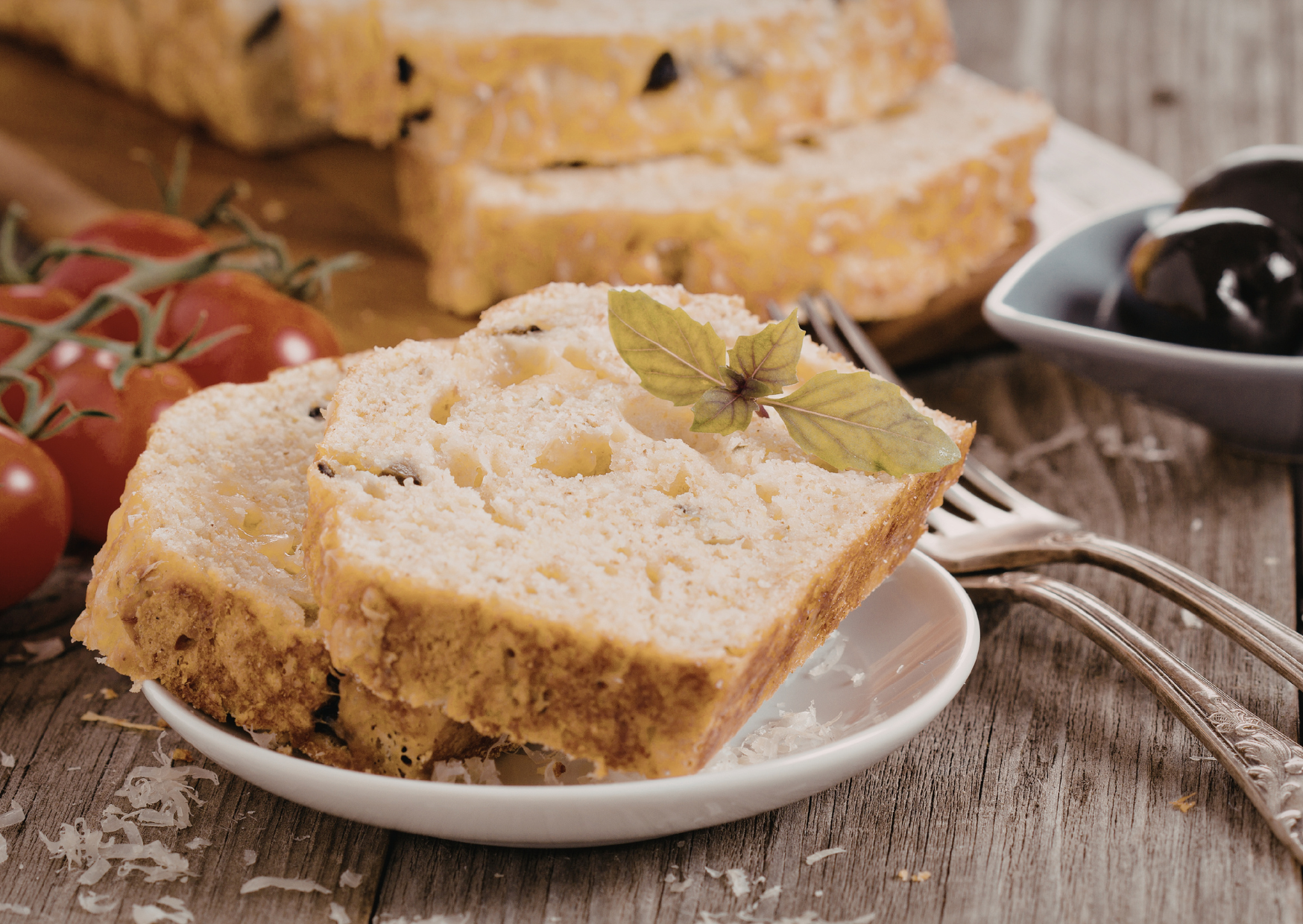
Americans have been trained to fear fat unless it’s hidden in “healthy” packaged foods. They’ll eat a 400-calorie muffin without blinking but feel guilty about a tablespoon of olive oil that actually improves satiety.
Cretan grandmothers don’t have this fight. Olive oil is not a supplement. It’s food. It’s a default fat used to make vegetables and bread satisfying.
If you’re trying this breakfast and you keep cutting the olive oil to “save calories,” you’ll likely sabotage the whole point. You’ll feel hungry sooner. You’ll snack sooner. You’ll compensate later with something worse.
The goal isn’t to drown the bread. The goal is enough oil to make the meal feel complete.
A good starting range is 1 tablespoon. If you’re coming from sweet breakfast, you may need 2 tablespoons at first to feel satisfied.
Then you’ll notice something interesting: when breakfast stops being dessert, your cravings often calm down.
Olive oil is not the problem. Unstable meals are the problem. Satiety is a strategy.
Pitfalls Most People Miss When They Try To Copy Crete
People usually break this in predictable ways.
They keep the American sweet breakfast and add this on top.
If you eat cereal and then eat this, you’re not doing the pattern. You’re just stacking calories.
They buy the wrong bread.
A fluffy white loaf won’t behave the same. Whole grain bread or barley rusks are part of the fiber and satiety story.
They skip vegetables.
Tomato isn’t decoration. It’s volume, flavor, and habit training.
They treat it like a one-off health stunt.
This works when it becomes routine, not when it’s a Tuesday experiment.
They forget the rest of the day matters.
Cretan breakfast sits inside a larger pattern that includes beans, greens, walking, and fewer ultra-processed snacks.
They try to perfect it instead of repeating it.
You don’t need the perfect Cretan rusk. You need a repeatable savory breakfast.
If you want the Cretan effect, you need the Cretan attitude: stop making breakfast a dramatic event.
Repeatable beats perfect. Simple beats fussy. Daily beats occasional.
Your First 7 Days Eating Like a Cretan Grandma Without Moving There
This is the part that turns it into a real habit instead of a nice idea.
Day 1
Replace your sweet breakfast with the barley rusk breakfast once. Don’t overthink it. Just do it and notice appetite and energy.
Day 2
Do the yogurt version. Plain yogurt, fruit, a small spoon of honey, and a handful of nuts. Not flavored yogurt. Not a sugar bomb pretending to be protein.
Day 3
Do the savory version again, but add a boiled egg if you’re hungry. This is the “I don’t trust this to fill me” transition day.
Day 4
Add greens at lunch, not breakfast. A big salad, cooked greens, or beans. The point is to build the broader pattern, not just the morning.
Day 5
Make it social. Eat breakfast seated. No phone scroll. If you want to copy Crete, copy the calm.
Day 6
Do the barley rusk breakfast and then walk for ten minutes. Errand walk, not fitness theater. The Cretan advantage isn’t only food. It’s movement baked into life.
Day 7
Pick the version you’ll repeat. Savory rusk most days, yogurt some days, eggs some days. The win is consistency.
If you do this for a week, most Americans notice one thing quickly: the urge to snack mid-morning drops. Not always to zero, but enough to feel the difference.
That’s how the pattern starts. Quietly.
One week is enough to feel the appetite shift.
The Honest Takeaway
Cretan grandmothers don’t live to 100 because they discovered one breakfast hack.
They live longer, in the classic story, because they spent decades living inside a pattern that made overeating harder and daily movement normal. Breakfast is one small part of that pattern, but it’s a powerful one because it sets the day’s appetite rhythm.
The breakfast Americans won’t try is the one that doesn’t look like American breakfast:
- savory
- oily
- ingredient-based
- built for satiety, not for sugar dopamine
If you want a realistic way to steal the Cretan advantage, don’t chase a miracle food.
Start your day with something that makes you less hungry and less snacky later.
Bread, tomato, olive oil, cheese, herbs.
It’s not glamorous. It’s effective. And it’s the kind of boring that can actually change a body over time.

About the Author: Ruben, co-founder of Gamintraveler.com since 2014, is a seasoned traveler from Spain who has explored over 100 countries since 2009. Known for his extensive travel adventures across South America, Europe, the US, Australia, New Zealand, Asia, and Africa, Ruben combines his passion for adventurous yet sustainable living with his love for cycling, highlighted by his remarkable 5-month bicycle journey from Spain to Norway. He currently resides in Spain, where he continues sharing his travel experiences with his partner, Rachel, and their son, Han.