
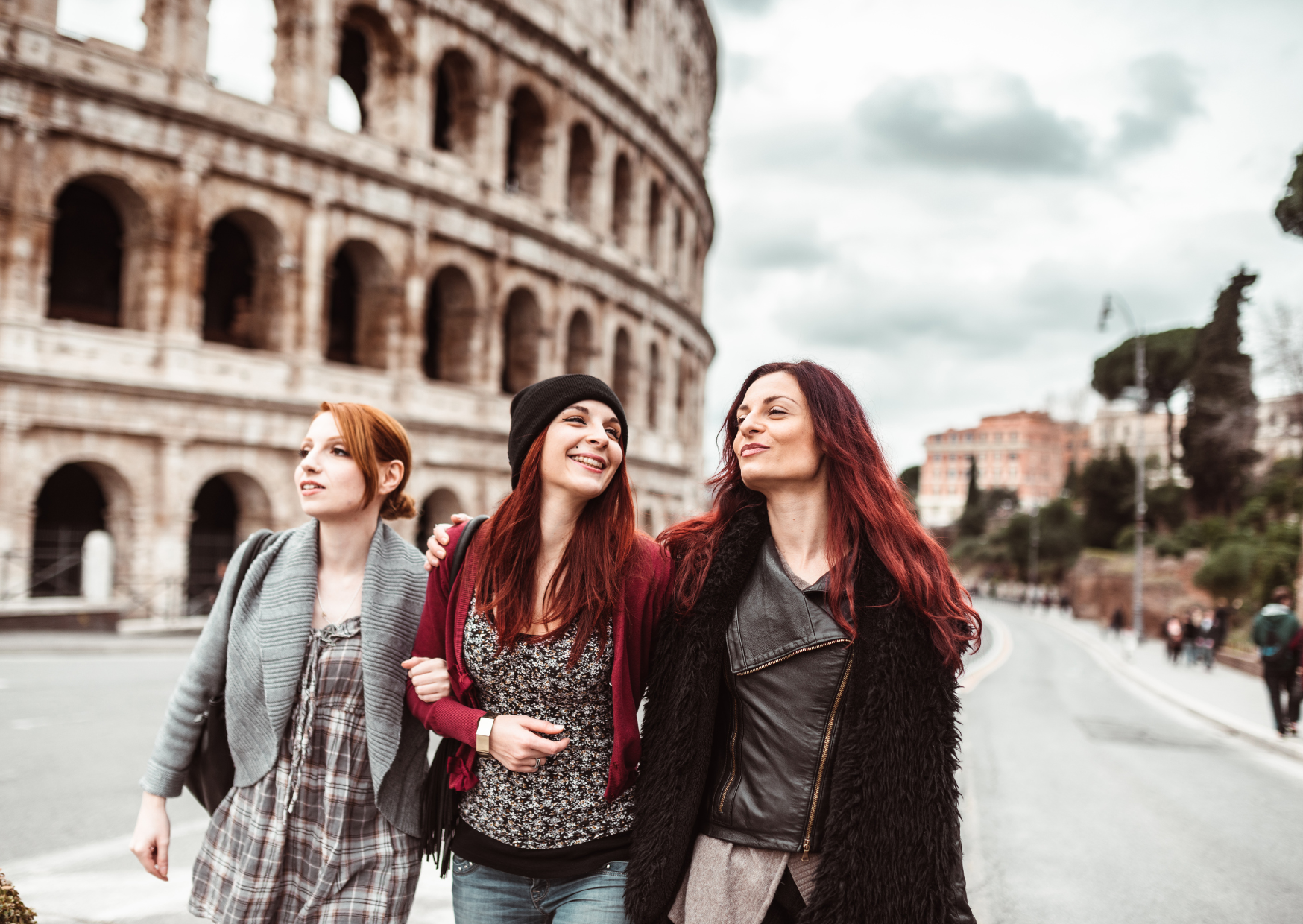
Most Europeans don’t hate American ambition.
They just find the American definition of “made it” oddly grim once you translate it into a daily life.
Because the American concept of success is often built around private insulation:
big house
big car
big distance from other people
big work identity
big consumption as proof
big personal responsibility for risks that societies elsewhere socialize
From the inside, Americans call that freedom.
From the outside, many Europeans look at it and see something else: a life that requires constant earning to maintain, constant driving to access, constant stress to justify, and constant loneliness disguised as independence.
They don’t always say it politely. But the sadness they see isn’t about money. It’s about what money is being used to buy.
Americans Often Measure Success By How Much Life They Can Buy Privately
In much of the U.S., the “successful” life looks like:
- living far enough away from other people to feel in control
- driving everywhere as a normal cost of adulthood
- outsourcing safety to private spending, not public systems
- treating time off as a reward for work, not a right
- treating health as a personal budget problem, not a social infrastructure problem
- treating “busy” as a form of status
None of this is universal. Plenty of Americans reject this model. Plenty of Europeans also chase status. But the cultural default in the U.S. is unusually tied to private consumption as proof of worth.
That is what Europeans find sad, especially once they see how many Americans are trapped inside it.
Because if success requires constant private purchase, you can’t relax. You can only maintain.
The Big House Looks Like A Trophy Until You Notice It’s A Trap
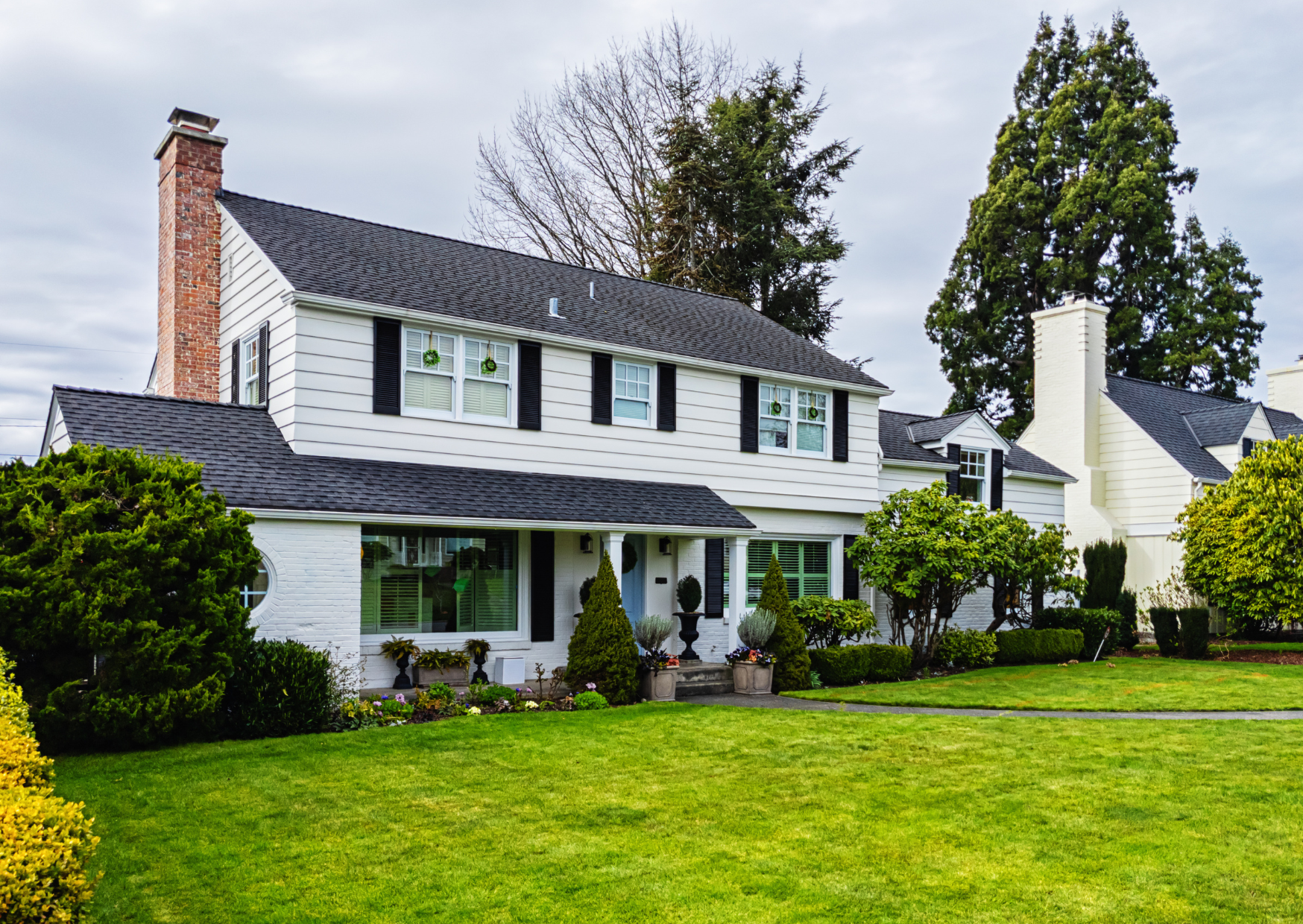
A European visiting an American suburb often reacts to square footage first.
The house is huge. The kitchen is huge. The closets are huge. The garage is huge. The yard is huge. It looks like winning.
Then the practical questions start:
Why is everything so far apart?
Why does every errand require a car?
Why is the street empty?
Why are older people invisible?
Why does a “nice” life feel so isolated?
Europeans aren’t automatically morally superior about housing. European cities have their own housing crises. But the American “success house” often reads as sad because it’s designed as a private fortress. It pushes life indoors and separates people by space.
The price of that separation is hidden.
More driving. More maintenance. More utility bills. More furniture. More repairs. More isolation. More dependence on a car, which becomes an aging problem later.
Many Europeans see the large suburban house as a success symbol that quietly converts into loneliness and fragility in older age. You can have everything and still have no place to walk to.
That looks sad because it is.
The Car Is Where The Sadness Becomes Obvious

A lot of Europeans think the American car relationship is bleak.
Not because cars are evil, but because cars are mandatory.
In many European towns and cities, daily independence can exist without driving: pharmacies, groceries, cafés, transit, parks, and basic services are often reachable on foot. In much of the U.S., basic services are scattered behind parking geometry.
So when Europeans see an American “successful” life, they often see a life where movement and social contact are privatized. You can’t just go out. You have to drive out.
That changes everything:
- older adults lose independence faster when driving becomes hard
- social life becomes more scheduled and less spontaneous
- loneliness becomes easier to hide
- health declines faster because movement is no longer built into daily life
- every small task becomes a logistics event
Europeans often find this sad because it turns adulthood into paid mobility. You buy a vehicle subscription to access life. That feels like a quiet failure of design.
It’s not that Europeans don’t drive. It’s that driving is less central to being a person in many places.
Americans Treat Being Busy As Proof They Matter

This is another cultural difference Europeans notice quickly.
A lot of American status language is time language:
I’m slammed.
I’m swamped.
I’m crazy busy.
I don’t have time.
I’m always on.
Europeans work hard too, but many cultures do not treat busyness as a positive identity in the same performative way. In parts of Europe, being constantly busy reads as a sign that your life is out of balance, not a sign that you’re important.
Europeans often find it sad that Americans have to keep proving their worth through exhaustion.
It’s not just the hours. It’s the emotional framing. Americans often talk as if rest must be earned.
That’s a cultural sadness because it implies human value is tied to output.
American Success Often Means Paying For Things Europeans Get As Baseline
This is where “sad” becomes structural.
In the U.S., a lot of what makes a “successful” life feel stable is privately purchased:
- healthcare access and insurance
- safe neighborhoods
- decent schools
- childcare solutions
- elder care
- transport access
- even public space, through private clubs and private services
Europe isn’t free. Europeans pay through taxes and contributions. But the psychological experience is different. A lot of stability is treated as baseline infrastructure rather than something you must individually buy.
So when Europeans see an American success story, they often see a person spending huge energy and money to buy what the system failed to provide publicly. That reads as sad because it suggests that even winners are still compensating for broken basics.
This is why American success can feel so fragile.
Lose the job and the insurance changes.
Move and the school quality changes.
Get sick and the finances change.
Age out and driving changes everything.
Europeans see this and think: why is your life designed so one shock can unmake it?
That fragility is what makes the success story feel sad.
The Loneliness Is The Part Europeans Notice The Most

This is the one Americans don’t like hearing, but Europeans often notice it immediately.
American life often looks socially thin.
People are friendly but not connected.
Neighborhoods are quiet.
Adults don’t appear in public much.
Older people disappear into private homes.
Every social plan requires effort, driving, and scheduling.
Europe has loneliness too. Absolutely. But the built environment often creates more default contact: plazas, cafés, benches, walkable errands, transit, and street life. Even light contact can reduce the feeling that life is happening behind closed doors.
So Europeans look at the American “successful” life and see a person who has a lot of stuff and not much community. That is where the sadness lands.
Not pity. A kind of confusion.
How can you have so much and still look so alone?
The Part Americans Call Freedom Can Look Like Isolation
This is the cultural translation problem.
Americans call private space freedom.
Europeans often call too much private space isolation.
Americans call driving freedom.
Europeans often call driving dependence.
Americans call work identity success.
Europeans often call it a trap if it consumes the whole person.
Americans call moving to the suburbs “settling down.”
Europeans often see it as disappearing.
These aren’t absolute truths. They’re cultural readings.
And they explain why Europeans can find the American success model sad even when they admire the work ethic and the ambition behind it.
They’re reacting to the trade.
What This Means For Americans Thinking About Europe
If you’re a 45–65 American thinking about Europe, this is where the comparison becomes useful.
Europe won’t magically make you happier. It can, however, make a different definition of success possible.
A successful life in many European contexts can look like:
- smaller home, richer daily life
- less driving, more walking
- more public life, less private insulation
- time that feels less colonized by work
- stability that depends less on personal consumption
- older age that remains more visible and socially legible
For Americans, that can feel like losing status and gaining life.
That is a hard trade for some people. For others, it’s the whole point.
Your First 7 Days Redefining Success In A Way That Doesn’t Look Sad
If you want to test this idea without moving continents, do this for one week.
Day 1: Track how much of your “success” relies on paid isolation. House size, car use, private convenience, delivery, subscription services.
Day 2: Walk for one errand. Not exercise. An errand. Notice how hard the environment makes it.
Day 3: Spend one hour in public without a purpose. Café, library, park. Notice how unfamiliar that feels.
Day 4: Reduce one “status cost” and replace it with a “life cost.” Less shopping, more time. Less driving, more walking. Less consumption, more presence.
Day 5: Identify one weak tie you lost over time. Neighbor, local shop, community place. Rebuild one small repeated point of contact.
Day 6: Audit your work identity. If work vanished tomorrow, what would still make your week feel meaningful?
Day 7: Ask the blunt question Europeans are really asking: are you building a life, or are you building insulation from life?
The answer usually clarifies the sadness.
The Honest Takeaway
Europeans find the American concept of success sad because it often looks like a life built around private insulation, constant maintenance, and social thinning.
It’s not that money is sad. It’s that the American success package often buys distance from other people, dependence on cars, dependence on work identity, and a constant need to keep earning to hold the whole structure together.
From the American point of view, that can feel like winning.
From the European point of view, it can look like a beautiful cage.
And once you see that contrast clearly, you get to choose what kind of “success” you actually want.

About the Author: Ruben, co-founder of Gamintraveler.com since 2014, is a seasoned traveler from Spain who has explored over 100 countries since 2009. Known for his extensive travel adventures across South America, Europe, the US, Australia, New Zealand, Asia, and Africa, Ruben combines his passion for adventurous yet sustainable living with his love for cycling, highlighted by his remarkable 5-month bicycle journey from Spain to Norway. He currently resides in Spain, where he continues sharing his travel experiences with his partner, Rachel, and their son, Han.