

Arizona retirees don’t move to Portugal expecting snow.
They expect mild winter sun, ocean walks, and the kind of “European winter” that still lets you sit outside with a coffee. And to be fair, Portugal’s outdoor winter temperatures in places like Lisbon and the Algarve often look gentle on paper. Lisbon’s average January highs sit around the high teens Celsius. The Algarve often sits in a similar range.
Then January arrives and the shock hits.
Not outside.
Inside.
People who lived through Arizona’s dry cold snaps and blazing summers are often stunned by how cold Portugal can feel indoors. They’re wearing socks to bed. They’re carrying a space heater from room to room. They’re battling condensation on windows. They’re waking up with a sore throat and stiff joints. They’re doing the classic expat line: “How is this house colder than outdoors?”
That’s the weather shock nobody mentions, because it doesn’t fit the Portugal fantasy. Portugal can be mild. Portugal can also be a cold-house country, and retirees from dry climates feel it the hardest.
The Weather Shock Is Indoor Not Outdoor
If you’re coming from Arizona, your winter reference point is dry air and strong sun. Even when it’s cool, it often feels crisp. You get that clean desert cold, then you warm up quickly once the sun is out.
Portugal winter is a different animal.
Even when the thermometer isn’t dramatic, the air can feel wet and penetrating. Wind off the Atlantic adds bite. And most importantly, many homes don’t have the kind of central heating, insulation, and double glazing Americans assume is standard.
So the retiree experience becomes backwards: the street feels fine and the apartment feels punishing.
A lot of people misread this as personal weakness. It’s not. It’s a building performance issue plus a humidity issue plus a heating-culture issue.
If you move expecting Arizona comfort indoors, you’ll get humbled fast. Portugal doesn’t automatically deliver “warm inside” just because it’s not freezing outside.
Mild winter can still mean cold bones when the home is underheated and damp.
Portugal Homes Often Aren’t Built Like American Retirees Expect
In many parts of the U.S., especially in places with extreme heat or real winter cold, housing is designed around climate control as a basic expectation. HVAC is normal. Insulation is normal. Sealed windows are normal. Heating and cooling are treated like standard infrastructure.
Portugal has plenty of modern buildings that meet higher standards. But a huge portion of the housing stock is older and performs poorly in winter comfort. Poor thermal performance and energy poverty are well-documented issues in Portugal, tied to older buildings and inadequate heating systems.
What that means on the ground is simple:
- thin walls in older buildings that don’t hold heat
- windows that leak air
- uninsulated ceilings
- tile floors that feel like ice
- portable heaters instead of whole-home heating
- a cultural habit of heating the person, not the house
Arizona retirees often assume they can “just turn the heat on.” Then they learn the heat is a small wall unit, or a portable heater, or nothing at all besides a fireplace they don’t want to manage daily.
And even if there is heating, many people still don’t run it the way Americans do, because electricity costs and household habits are different. Portugal has energy poverty challenges, and many households limit heating to control bills.
So the question isn’t “Is Portugal cold?” The question is “Is your building capable of being warm without you spending your life fighting it?”
The building matters more than the climate.
Damp Is The Real Enemy For Desert People
This is the part Arizona retirees underestimate the most.
You can handle 10°C when it’s dry. You can walk, dress in layers, and feel okay.
But when the indoor air is damp and the walls are cold, 10°C becomes miserable. Damp makes everything feel colder. It also makes homes smell musty, makes clothes feel clammy, and creates condensation problems that retirees find deeply unsettling.
The cycle is common:
- you avoid heating because it’s expensive or inefficient
- the indoor temperature stays low
- humidity stays high
- condensation appears on windows and corners
- mold risk rises
- you feel colder and more fatigued
- you heat one room with a portable heater
- the rest of the home stays cold and damp
- you never feel fully comfortable
People blame Portugal. The real culprit is often cold surfaces plus humidity.
A key mental shift for Arizona retirees is this: you’re not only warming air. You’re managing moisture.
If you do nothing else, budget for a dehumidifier. It sounds unsexy. It can be life-changing. A decent dehumidifier can make a 16°C room feel dramatically more comfortable than a damp 18°C room.
Also, choose buildings with better windows. Double glazing and decent seals matter more than people think. If you can feel a draft, you’re paying to heat the street.
Dry air feels warmer at the same temperature. That’s why Portugal winter shocks desert retirees.
The Budget Leak That Makes People Quit
A lot of Arizona retirees don’t “freeze out” of Portugal because they can’t handle a sweater.
They quit because the winter lifestyle feels like paying money to be uncomfortable.
Here’s what the money leak looks like in real life:
- space heaters running daily
- electric bills that jump unexpectedly
- buying extra blankets, rugs, and thermal curtains
- constant laundry because damp clothes don’t dry
- replacing cheap heaters that break
- medical discomfort costs: joint pain flares, poor sleep, frequent colds
- the mental cost of living in one heated room for months
Portugal can be affordable, but winter comfort can become a hidden category that eats your savings if you choose the wrong home.
This is where retirees from Arizona feel betrayed. They moved for quality of life and ended up managing a damp apartment like it’s a side job.
The fix isn’t to heat the home like an American suburban house and accept a giant bill. The fix is to choose a place where comfort is cheaper to achieve.
That usually means:
- better insulation and windows
- a heat pump or efficient heating system
- sun exposure and orientation
- less humid microclimate
- fewer old stone or tile-heavy interiors unless renovated properly
If you’re renting, ask blunt questions before you sign:
- What heating system is installed, exactly?
- What do winter electricity bills usually look like?
- Are the windows double glazed?
- Is there visible mold history?
- Does the home get direct sun in winter?
- What floor is it on, and is it exposed to wind?
People avoid these questions because they don’t want to seem difficult. Then they spend three months shivering in politeness.
Comfort is a line item. Treat it like one.
Where Portugal Works Better For Warmth
Portugal is not one winter experience.
Microclimates and building stock vary massively. You can absolutely find winter comfort in Portugal. You just need to stop choosing places based only on summer photos.
A few practical patterns:
The Algarve
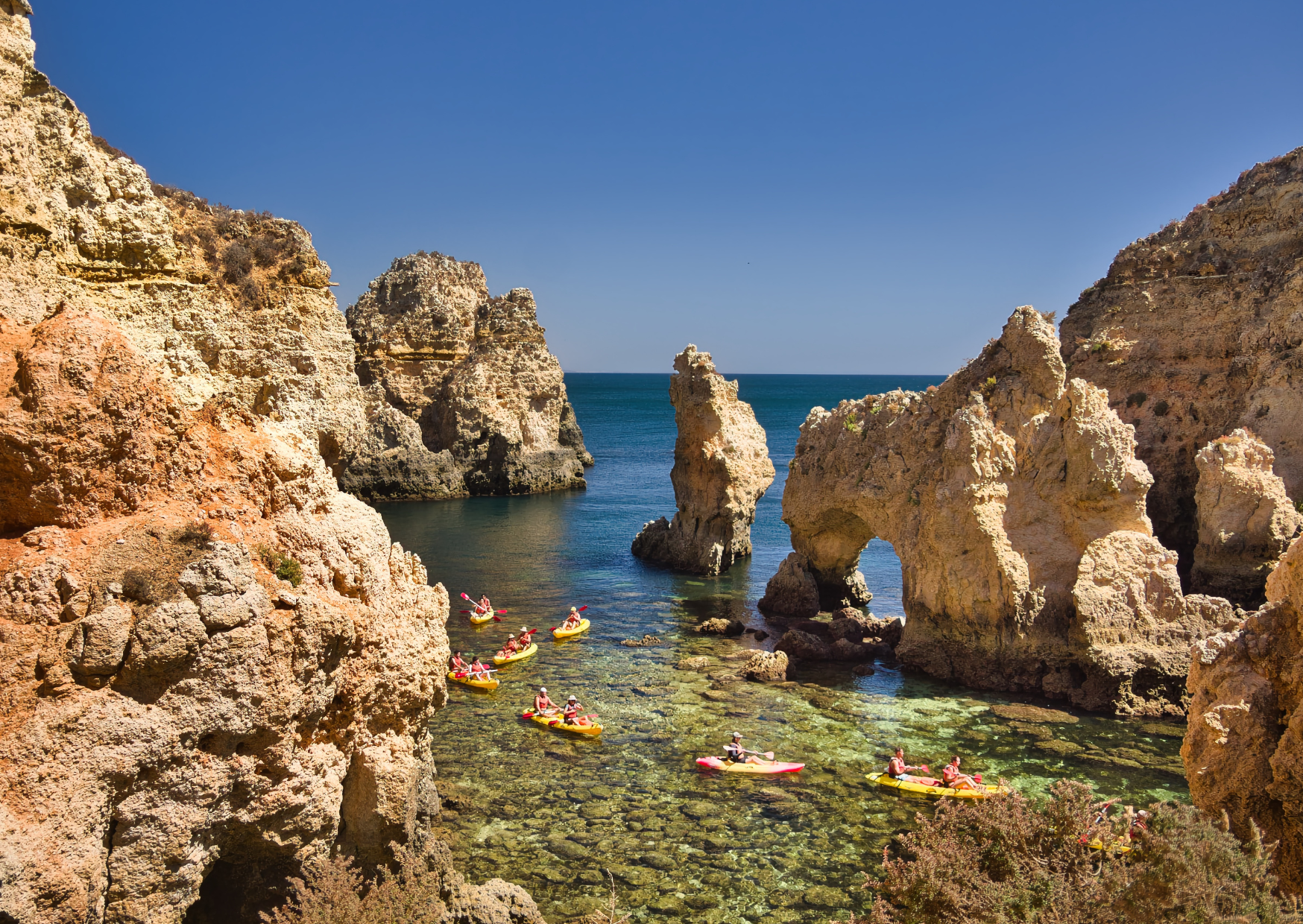
The Algarve has milder winter temperatures than the north, and more winter sun. That helps. But it’s not automatically warm indoors. Many properties are built for summer use, especially in tourist areas, and can be drafty or poorly insulated. If you choose a modern unit with a good heat pump and decent windows, Algarve winters can feel genuinely easy.
The trap is renting a charming older place near the coast with wind exposure and weak heating. You’ll feel the Atlantic in your living room.
Lisbon and the Lisbon Coast
Lisbon winter is often mild outdoors, but wind and humidity can make it feel sharper. Building quality varies wildly. A newer build with proper windows can feel fine. An older apartment with poor seals can feel cold and damp in a way Arizona retirees find deeply unpleasant.
Lisbon also has huge variation by neighborhood and building age. The city can be a comfort puzzle.
Porto and the North
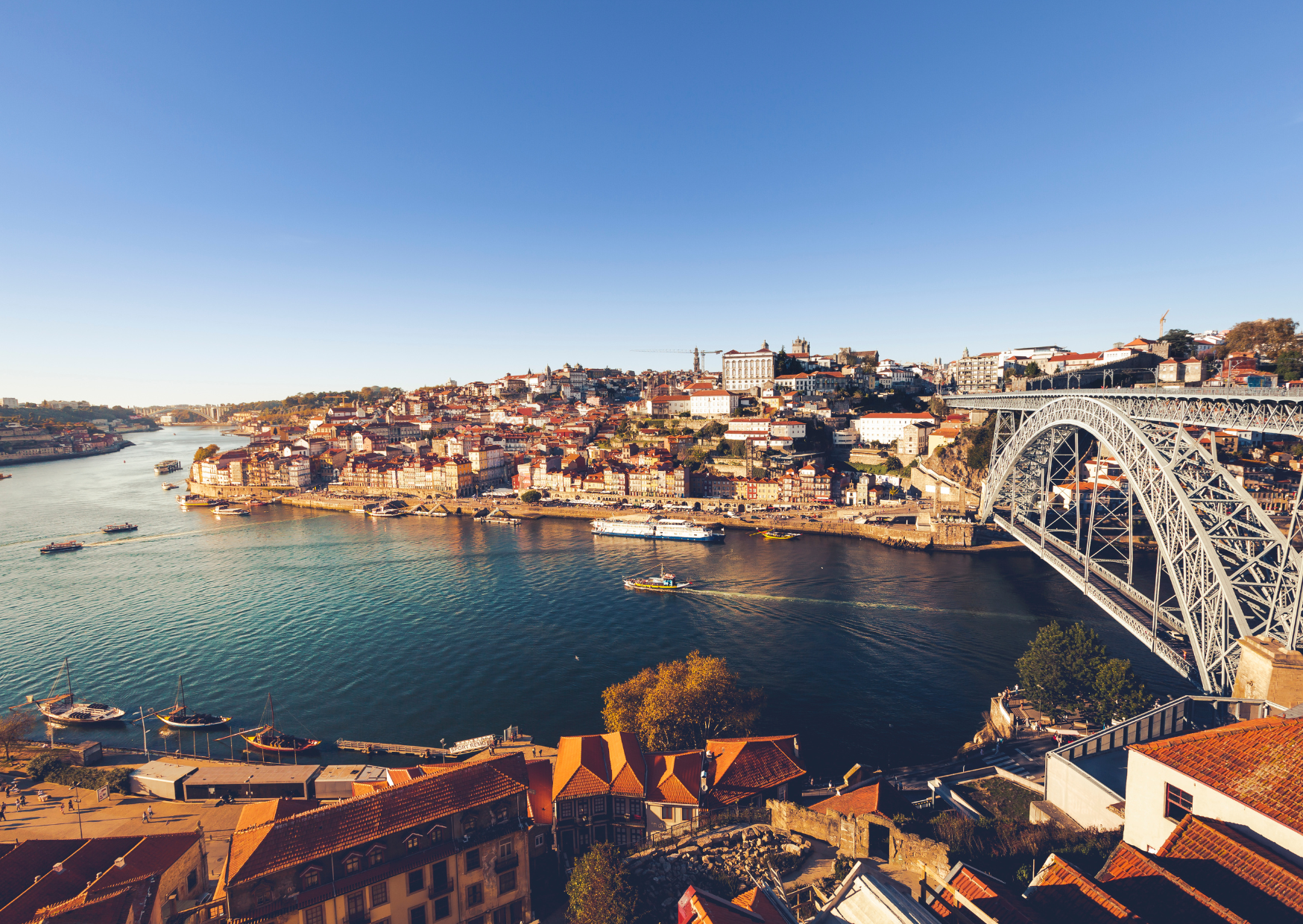
Porto is more humid and rain-heavy in winter, with cooler-feeling days. If you choose a weak building, you will feel it. The north is where many “Portugal is cold” stories are born, not because it’s freezing, but because damp plus poor thermal performance is a brutal combo.
Inland and Higher Elevations
Interior regions can get colder at night. Some places have more temperature swings, and older stone houses can be beautiful but hard to heat unless renovated well. The upside is that some inland areas feel drier, which can improve comfort, but you need to be honest about nighttime temperatures and heating capacity.
The Real Rule
For Arizona retirees, the best winter comfort often comes from newer or renovated buildings, not from a specific city. You can suffer in the Algarve if the building is bad. You can be comfortable in the north if the building is good.
Choose the building first. Choose the postcard second.
The Mistakes That Send Arizona Retirees Home
This is where people quietly tap out.
They don’t announce failure. They start saying:
- “Portugal isn’t for us”
- “We didn’t expect it to feel this cold”
- “The house is always damp”
- “We’re always managing something”
- “It’s fine, but…”
Then they go back to Arizona where homes are engineered to be comfortable indoors.
The most common mistakes:
They rent a charming old place as their first long-term home.
Old can be fine if renovated well. Often it isn’t. Charm becomes draft.
They choose the coast without respecting wind exposure.
Ocean views come with wind. Wind finds gaps. Gaps become misery.
They assume a small heater equals heating.
A portable heater warms air, not walls. Cold walls keep the room feeling cold.
They don’t manage humidity.
No dehumidifier, no ventilation routine, no awareness. Damp wins.
They under-budget winter bills.
They plan Portugal like a summer life and get punched by winter costs.
They don’t ask for proof.
No one checks windows, heating type, or energy rating details. They move in and hope.
They compare everything to Arizona comfort.
Portugal will never feel like a sealed American HVAC box in many older homes. The goal is not perfection. The goal is livable.
The people who stay long-term usually make one key adjustment: they move again after the first winter, this time choosing comfort over aesthetics.
Your first home is a test. Your second home is the real decision.
Your First 7 Days To Not Freeze In Portugal
If you’re planning the move, or you’ve just landed and winter is coming, here’s a week plan that prevents most of the misery.
Day 1
Pick your winter comfort standard. Write it down. Temperature you want indoors, humidity range you can tolerate, and whether you’re willing to heat one room or the whole home.
Day 2
Audit the building like an adult. Windows, drafts, heating system type, insulation clues, sun exposure. If you’re renting, ask for specifics. If you’re buying, don’t romanticize.
Day 3
Buy a dehumidifier if the home feels damp. Don’t wait. This is one of the cheapest comfort upgrades you can make.
Day 4
Set a ventilation routine. Short bursts of open windows to refresh air, then close and heat. Constant cracked windows in winter can keep the home cold and damp.
Day 5
Add cheap comfort infrastructure. Rugs, thermal curtains, draft stoppers. It’s not glamorous. It changes daily life fast.
Day 6
Learn the heating reality. If you have a heat pump, use it correctly. If you have portable heaters, understand electricity costs and don’t run them like you’re heating a whole house.
Day 7
Decide whether this home is a winter home. If it isn’t, start planning the move early. Winter will not get better because you “get used to it.”
This is the truth retirees wish they heard before they signed the lease.
Plan winter like it matters, because it will decide whether you stay.
If You Want Portugal To Feel Warm, Buy The Building Not The Weather
Portugal winter is a relationship test.
If you come from Arizona, you’re used to controlling indoor comfort. Portugal asks you to think differently: comfort is partly a home quality issue, partly an energy cost issue, and partly a humidity management issue.
The weather shock isn’t that Portugal is colder than Arizona outside. It’s that many Portuguese homes are not designed to deliver the indoor warmth Americans assume is standard.
Once you understand that, the solution becomes obvious:
- stop selecting housing like a tourist
- prioritize insulation, windows, and heating
- manage humidity like it’s part of the climate
- budget for comfort instead of hoping for it
- accept that a “mild winter” can still feel brutal indoors if the home is wrong
Do that, and Portugal can feel like what you expected: a gentler winter life with more walking, more daylight, and less seasonal misery.
Ignore it, and you’ll be that retiree wearing a puffer jacket inside, asking the same confused question everyone asks their first winter:
“How is it colder in here than outside?”

About the Author: Ruben, co-founder of Gamintraveler.com since 2014, is a seasoned traveler from Spain who has explored over 100 countries since 2009. Known for his extensive travel adventures across South America, Europe, the US, Australia, New Zealand, Asia, and Africa, Ruben combines his passion for adventurous yet sustainable living with his love for cycling, highlighted by his remarkable 5-month bicycle journey from Spain to Norway. He currently resides in Spain, where he continues sharing his travel experiences with his partner, Rachel, and their son, Han.