
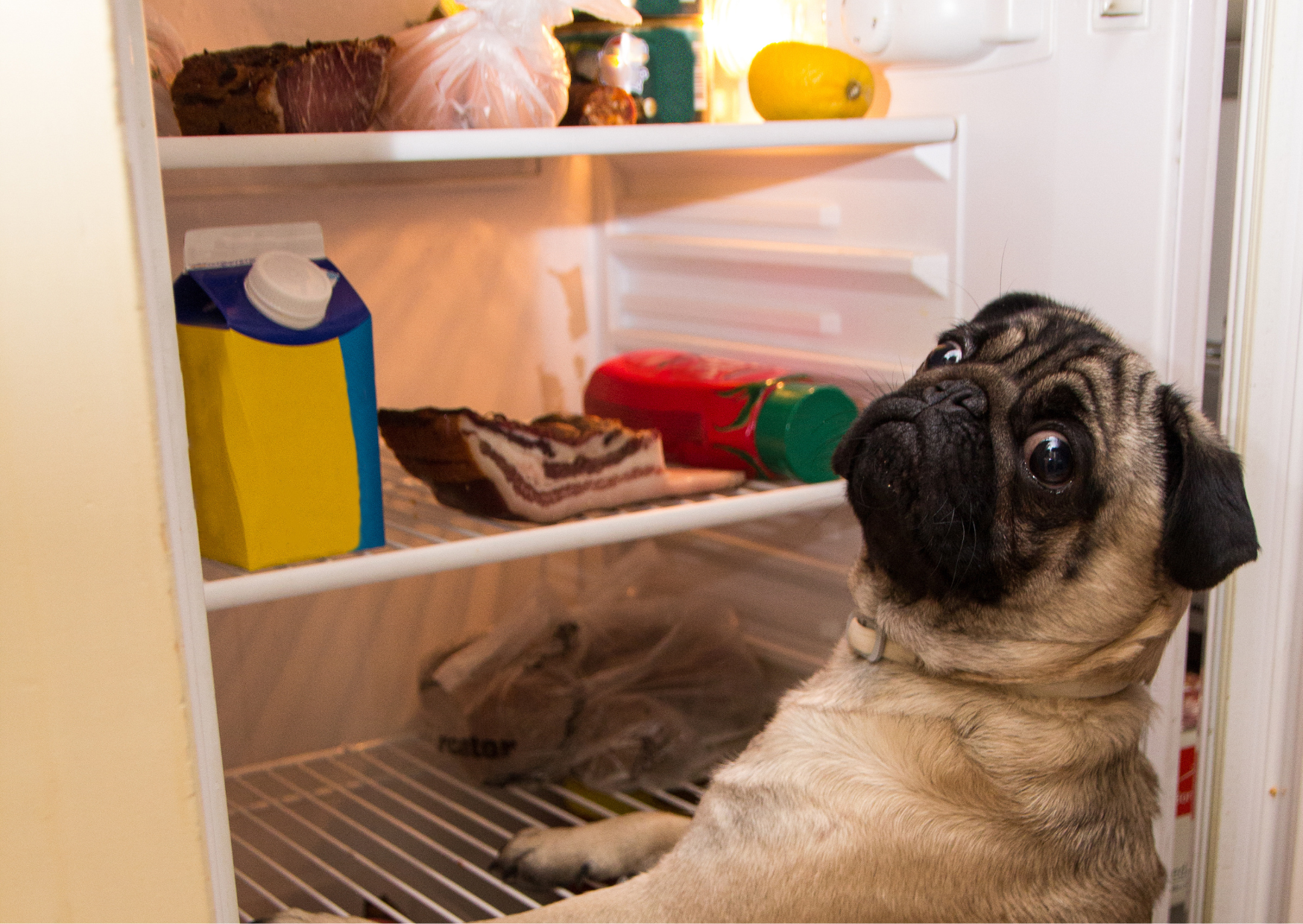
Europeans are not morally superior about food storage.
They just tend to have a different relationship with cold storage, portions, and what counts as “normal to keep around.” Many European fridges are smaller, groceries are bought more often, and leftovers are treated as a short-term plan instead of a long-term archive.
So when Europeans see how many Americans use a refrigerator, the reaction is often a mix of confusion and mild horror. Not because Americans are dirty people. Because the fridge has quietly become a museum of convenience, anxiety, and half-finished optimism.
This isn’t about shame. It’s about realism. A refrigerator is one of the clearest daily clues about how a household actually lives.
If your fridge smells weird, looks chaotic, and keeps surprising you with forgotten science experiments, it’s not because you’re broken. It’s because the American food system trained you to buy too much, store too long, and treat refrigeration as a solution for everything.
Here are 11 habits Europeans commonly find disgusting, and what to do instead if you want your kitchen to feel less like a crime scene.
The American Fridge Is Often A Storage Locker, Not A Tool
The first mismatch is philosophical.
Many Americans use the fridge like a back-up pantry. Bulk-buying is normal. Big weekly shops are normal. Giant packages are normal. Two or three half-used sauces are normal. A drawer of “healthy stuff” that slowly dies is normal.
Many Europeans, especially in cities and towns where shops are nearby, use the fridge as a short-term tool. It holds:
- fresh food for the next few days
- leftovers for the next day or two
- simple basics like yogurt, eggs, cheese, and vegetables
That’s why Europeans sometimes get disgusted in an American fridge. They’re not used to seeing weeks of half-life living together in one box.
The disgust isn’t only about hygiene. It’s about the feeling that the fridge is holding too many unfinished decisions at once.
And the moment you notice it, you can’t unsee it.
Old Leftovers That Linger Past Their Social Value
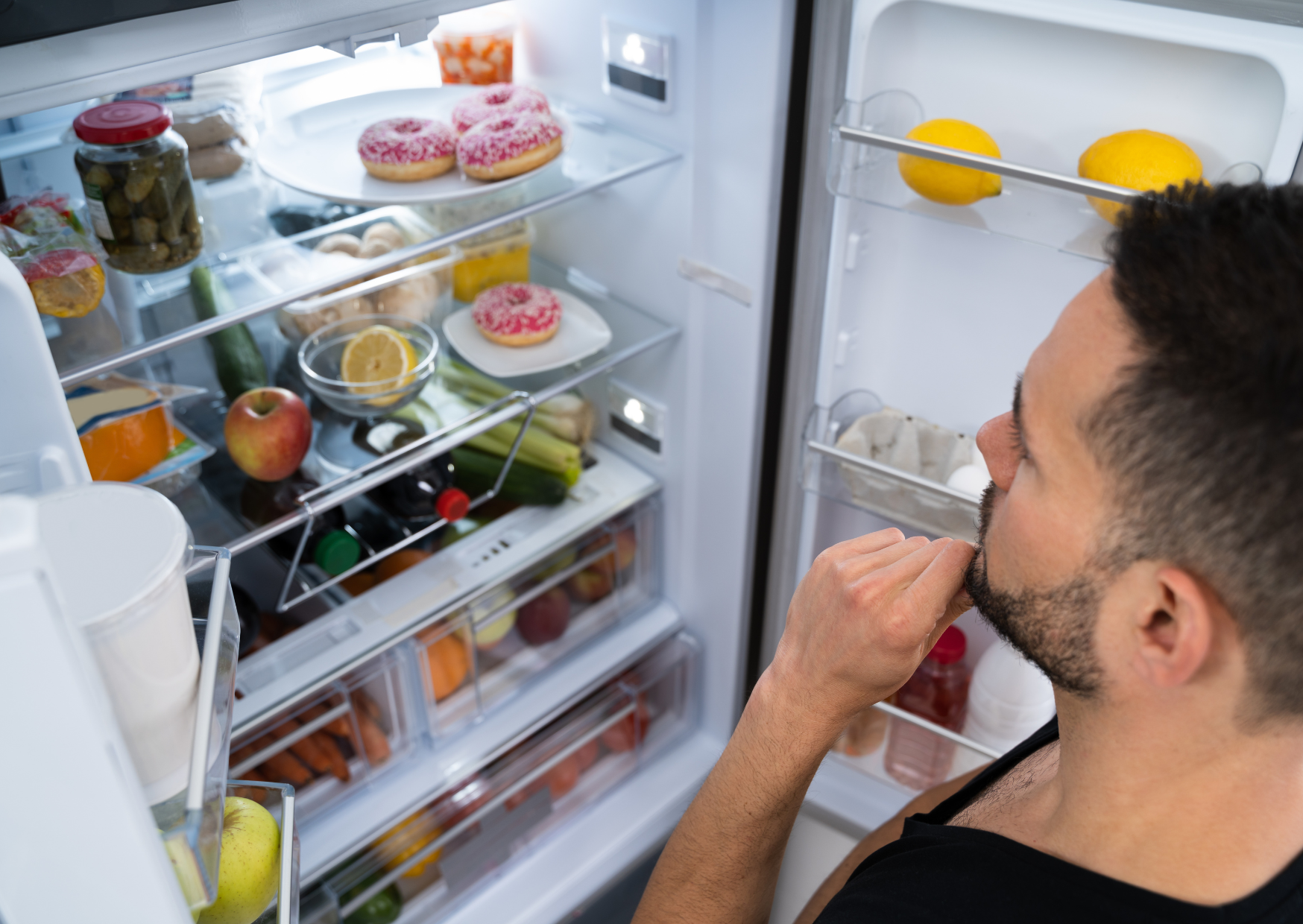
The most common European reaction is simple: why is this still here?
Americans often keep leftovers until they become questionable, not until they become useful. A takeout container from last week. Pasta that’s now a glued block. Chicken that’s still technically food but smells like uncertainty. Soup that you keep moving to make room for something else.
Europeans tend to treat leftovers as a plan with a deadline. Tomorrow lunch, maybe the day after, then it’s done. Not because they enjoy waste. Because they don’t treat the fridge as a time machine.
The American pattern is built around guilt and optimism:
- guilt about throwing food away
- optimism that you’ll want it later
So the leftovers sit until they’re no longer desirable, then they get tossed anyway, except now they’re older and smell worse.
If you want to fix this fast, use one rule:
- leftovers get eaten within 48 hours, or they get frozen immediately, or they get thrown away
That’s not strict. That’s sane.
It also makes your fridge stop smelling like regret.
In many European homes, leftovers are tomorrow, not a vague future.
Open Containers With Mystery Liquids
Europeans love clarity. They like knowing what something is.
A lot of American fridges contain open containers holding mystery liquid. A half jar of salsa with a watery layer. A plastic tub with something brown that used to be chili. A takeout soup container that’s now a gel. A yogurt that became a science project because it wasn’t sealed properly.
This triggers disgust because it signals two things:
- you don’t know what’s in your fridge
- your fridge is storing chaos, not food
In many European kitchens, containers are smaller and used more intentionally. People also tend to decant leftovers into a proper container with a lid that fits. It’s not fancy. It’s basic hygiene and visibility.
A simple habit that changes everything:
- label anything you put into a container if it isn’t obvious, and date it
Yes, it feels excessive. It also stops the slow drift into mystery liquid culture.
A labeled container is a calmer life.
Meat Dripping Onto Everything
This is one of the few things Europeans genuinely find gross, not just weird.
Many Americans store raw meat in flimsy supermarket trays, on a random shelf, sometimes above vegetables, sometimes next to fruit, sometimes next to cheese. The tray leaks. The plastic wrap is weak. The juices escape. The next thing you know, you’ve got meat juice on your lettuce drawer and you’re trying not to think too hard about it.
In many European households, raw meat is either:
- bought closer to the day it’s used
- stored in a sealed container or bag
- stored at the lowest part of the fridge so it can’t drip onto anything
This is not European magic. It’s a basic cross-contamination habit.
If you want to stop this in one move:
- put raw meat in a sealed container or a zip bag, and store it on the lowest shelf
The reason Europeans are horrified is that in many places, people are trained early to treat raw meat juices as a serious contamination risk. Watching someone casually store chicken above vegetables feels like watching someone play roulette with dinner.
Raw meat belongs low and sealed.
The Half-Used Sauce Collection That Never Ends

This is an American classic.
The fridge door contains:
- three salad dressings
- five sauces
- two kinds of mustard
- a jar of pickles
- ketchup
- mayo
- hot sauce
- two kinds of “special” sauces you bought for one recipe and never used again
Europeans have condiments too. They just often have fewer at once, and they use them more consistently. The American sauce situation often signals:
- cooking by impulse instead of routine
- chasing variety through purchases
- buying big containers for small needs
The disgust is not really about sauces. It’s about cluttered decay. Many American fridges contain condiments that are old enough to have a storyline.
If you want a practical European-style rule:
- no more than 8 door condiments at a time
- if a condiment hasn’t been used in 30 days, either use it this week or throw it away
Also, stop buying the giant version unless it’s a true staple in your household. A smaller jar is not a failure. It’s an adult decision.
Less sauce means more real meals.
Produce Rotting In The Drawer Like A Punishment Ritual
European disgust here is partly emotional.
A lot of Americans buy produce with good intentions, then bury it in the drawer until it becomes slimy and tragic. The drawer becomes a vegetable graveyard. Then you clean it out, swear you’ll do better, and repeat.
In much of Europe, people buy produce more frequently in smaller quantities, which reduces the rot problem. They also use produce more aggressively in soups, stews, salads, and quick sautés, which are the normal European “use it up” tools.
The issue in the U.S. is that produce often gets treated as a health symbol, not as a meal ingredient. So it sits, because you didn’t build meals around it.
If you want to stop produce rot, do this:
- keep the next 48 hours of produce visible, not hidden
- treat the drawer as overflow, not as storage for your main vegetables
A European fridge often looks like this:
- the vegetables are not buried
- they’re in front, ready to be used
Visibility beats guilt.
Visible vegetables get eaten.
Eggs Stored In The Door Like It’s No Big Deal

This one triggers arguments, so I’ll keep it practical.
In many European countries, eggs are sold unrefrigerated and stored at room temperature, because the eggs are handled differently and protective washing practices differ. In the U.S., eggs are typically sold refrigerated and are usually stored refrigerated at home.
So why would Europeans find American egg storage disgusting?
Not because eggs are in the fridge. Because many Americans store eggs in the fridge door, where temperature changes constantly. Every time you open the fridge, the door warms up. That’s not ideal for a sensitive food item.
A lot of Europeans who are used to stable egg storage find the door habit chaotic.
The simplest fix is easy:
- store eggs on an interior shelf where temperature is steadier
Also, many American fridges smell like onions, garlic, and old leftovers, and eggs can absorb odors over time. Stable placement helps.
If you care about food quality and less weird egg smell, stop using the door as an egg holder.
The door is the warmest zone.
Fridge Smell That People Pretend Not To Notice

European kitchens often smell like food, not like cold decay.
A lot of American fridges have a persistent smell that people stop noticing because they live with it. That smell comes from a mix:
- old leftovers
- spilled sauces
- produce rot
- meat leaks
- dairy containers that weren’t sealed properly
Europeans often notice it immediately because they’re not desensitized to it.
This is why some Europeans say American fridges are disgusting even when they don’t look that bad. The smell tells the truth.
Here’s the fix that works without becoming obsessive:
- once a week, wipe the fridge shelves you actually touch
- once a month, do a full wipe and throw out anything questionable
- keep a small open box of baking soda in the back
Also, stop storing uncovered food. Cover it. Seal it. Stop letting the fridge become a shared air environment for everything.
A fridge should smell like nothing.
Dairy That Lingers Too Long Because “It’s Probably Fine”
Americans often treat dairy like it has a grace period.
Milk that’s barely okay. Cream that’s a little weird. Yogurt that’s separated. Cheese that’s started to sweat. Sour cream that’s been open long enough to have its own ecosystem.
Europeans tend to be more conservative with dairy, not because they’re wasteful, but because dairy quality matters. They also often buy smaller quantities more often, especially in households that aren’t feeding teenagers.
The U.S. pattern is often:
- buy a huge container because it’s cheaper
- use half
- forget the rest
- convince yourself it’s fine
- then throw it away anyway when it’s clearly not fine
That’s not thrift. That’s delayed waste plus a fridge smell problem.
A European fix is boring:
- buy smaller dairy unless you truly use it fast
- stop storing open dairy at the back where it becomes invisible
Also, many Europeans rely more on plain yogurt and cheese as staples, not a rotating cast of flavored dairy products. Fewer items, more repeat use.
Small dairy is not failure. It’s strategy.
Keeping Food Uncovered Because “It’s Just For Later”
This is one of the nastier habits, and it’s more common than people admit.
Americans often put a bowl of something into the fridge with no lid, or half-covered with foil that doesn’t seal, or a plate with a napkin over it. The fridge air dries it out, the food picks up fridge odors, and the surface becomes strange.
Europeans often find this disgusting because it signals:
- you’re treating cold air like a safe storage method on its own
- you don’t care about cross contamination
- you’re okay with dried-out food and fridge smell absorption
A covered container is a hygiene tool and a taste tool.
If you want one habit that instantly improves your fridge:
- nothing goes in uncovered, ever
This doesn’t require expensive containers. It requires a lid that fits or a sealed wrap. The point is to stop your fridge from turning into a shared odor and bacteria environment.
Cover food like you respect it.
The Refrigerator Door As A Chaos Shelf
European fridges tend to be less door-heavy.
In many American fridges, the door is packed with:
- condiments
- sauces
- milk
- eggs
- juices
- sometimes even medicine
This is not just clutter. It’s the warmest, most temperature-unstable part of the fridge.
Europeans often find it disgusting because it looks careless and because it reveals an underlying habit: the fridge is being used as a convenience staging area, not as controlled cold storage.
The European approach is often:
- use the door for stable condiments only
- keep sensitive items in the interior
Milk in the door, especially, is one of those habits Europeans find baffling. Milk is sensitive. Door temperature swings aren’t ideal. You can do it and survive, but if you’re trying to keep food fresher longer, it’s a bad habit.
The fix is a reorganization, not a moral lecture:
- door: condiments
- interior shelves: dairy, eggs, leftovers
- bottom shelf: raw meat, sealed
- crisper: overflow produce, not buried produce
A fridge setup that makes sense reduces waste, smell, and disgust.
Organize by stability, not by convenience.
Why These Habits Exist In The First Place
If you want the deeper truth, it’s this: Americans didn’t become gross. They became adapted.
American households often deal with:
- fewer small shops nearby
- bigger weekly grocery runs
- larger package sizes
- more ultra-processed foods that need refrigeration after opening
- more reliance on leftovers because of time pressure
- more fear of food waste because food is expensive and time is tight
So the fridge becomes an overworked system. It holds too much. It stores too long. It becomes chaotic. People stop opening it with clarity and start opening it with hope.
Europeans are less likely to fall into this because:
- shopping frequency is often higher
- package sizes are often smaller
- kitchens are often smaller, which forces discipline
- meal patterns are often more stable, which reduces random leftovers
Not always. Not everywhere. But often enough to create the cultural gap.
This is why Europeans find the habits disgusting. They’re seeing an environment that feels like storage anxiety and convenience overload.
A crowded fridge is often a crowded mind.
The First 7 Days To Make Your Fridge Look European
If you want to fix this without becoming obsessive, you need one week of simple rules.
Day 1: Throw out anything questionable. Not “maybe still fine.” Questionable. Your fridge is not a museum.
Day 2: Move raw meat to the bottom shelf in a sealed container or sealed bag. This alone reduces disgust and risk.
Day 3: Clean one shelf and one drawer. Don’t do the whole fridge. Do enough to remove smell and sticky residue.
Day 4: Set a leftover rule. Eat within 48 hours, freeze immediately, or toss. Stop letting leftovers become a personality.
Day 5: Reduce door condiments to eight. If you want more, you have to use something up first.
Day 6: Make produce visible. Put the next 48 hours of vegetables at eye level. Treat the drawer as overflow.
Day 7: Buy smaller dairy for the next month and see if waste drops. Most people discover their “thrift” purchases were actually delayed waste.
If you do these seven days, your fridge will stop looking like a storage locker. It will start looking like a tool again.
And Europeans will stop reacting like you’re keeping a biology lab next to your cheese.
What Actually Changes When You Fix This
A cleaner fridge is not just aesthetic.
It changes behavior.
When food is visible, you eat it.
When leftovers are labeled, you use them.
When the fridge smells neutral, everything tastes better.
When the drawer isn’t full of rot, you stop fearing vegetables.
When meat is stored safely, you stop contaminating everything.
When condiments are fewer, meals become simpler.
When dairy isn’t sitting open for weeks, your stomach is happier.
This is one of the quiet advantages Europeans have. Not a better moral character. A more disciplined cold storage system that supports daily cooking.
It’s easier to eat like an adult when your fridge isn’t sabotaging you.

About the Author: Ruben, co-founder of Gamintraveler.com since 2014, is a seasoned traveler from Spain who has explored over 100 countries since 2009. Known for his extensive travel adventures across South America, Europe, the US, Australia, New Zealand, Asia, and Africa, Ruben combines his passion for adventurous yet sustainable living with his love for cycling, highlighted by his remarkable 5-month bicycle journey from Spain to Norway. He currently resides in Spain, where he continues sharing his travel experiences with his partner, Rachel, and their son, Han.