
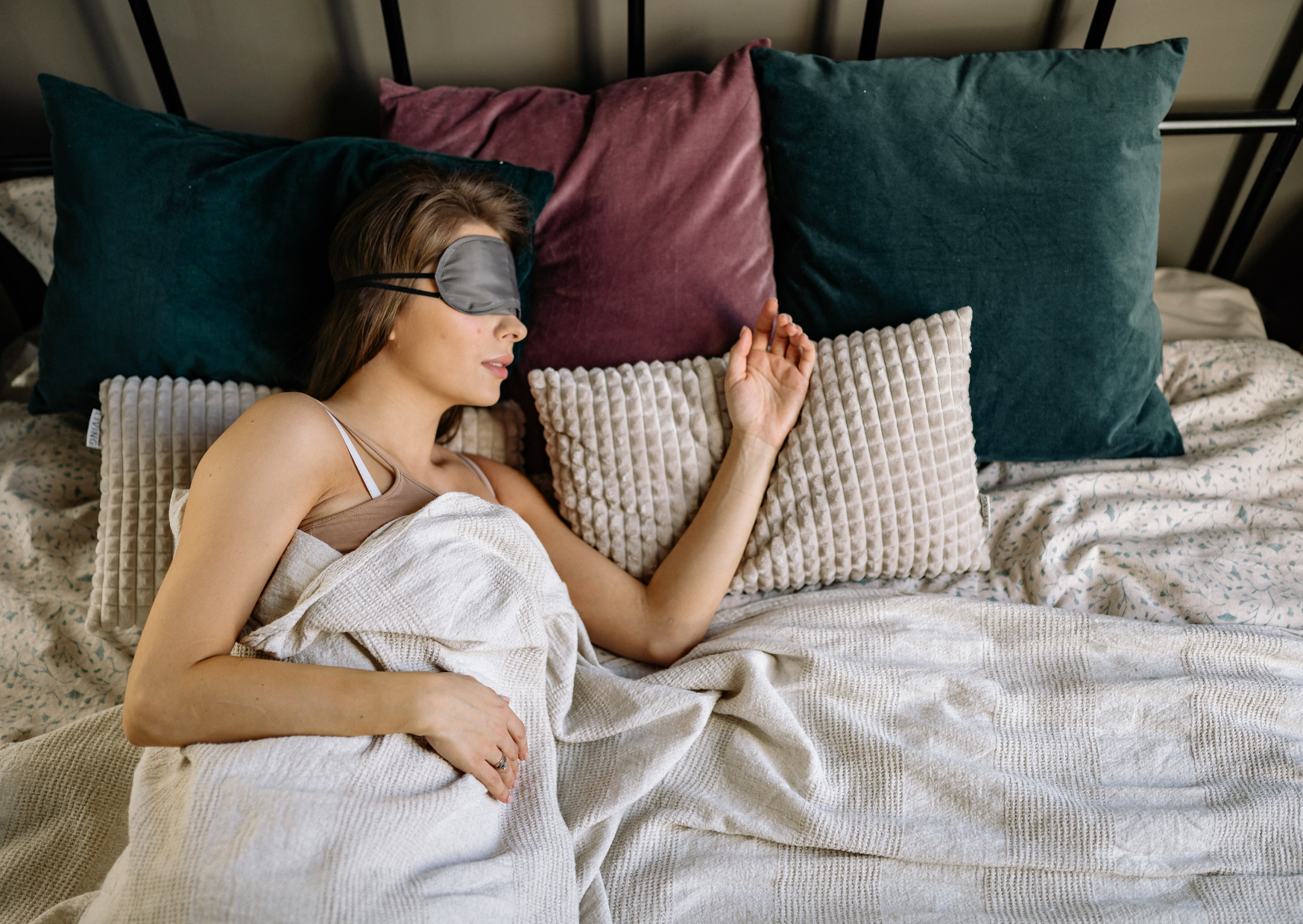
Americans have a sleep problem. Not a mysterious one. Not a genetic one. A structural one.
Roughly 70 million Americans deal with chronic sleep issues. Over-the-counter sleep aids are a multi-billion-dollar industry. Melatonin gummies alone generate over $1 billion in annual U.S. sales. Prescription sleep medications like zolpidem (Ambien), eszopiclone (Lunesta), and trazodone are among the most commonly prescribed drugs in the country.
And most of the people taking them are not sleeping well anyway.
That is the part nobody wants to say out loud. The pills help people fall asleep. They often do not help people sleep well. The architecture of the sleep itself, the deep sleep cycles, the REM quality, the overnight restoration, is frequently compromised even when the person technically spent eight hours unconscious.
So when Americans spend time in Portugal and start sleeping better without the pills, the conclusion is not that Portugal has magic air. The conclusion is that the daily structure, the evening routine, the meal timing, the stimulation environment, and the cultural relationship with nighttime are all different in ways that directly affect sleep quality.
This is not about abandoning sleep medicine. It is about understanding what was causing the sleep problem in the first place and whether a nightly pill was treating a symptom while the cause kept running in the background.
The American Sleep Aid Habit
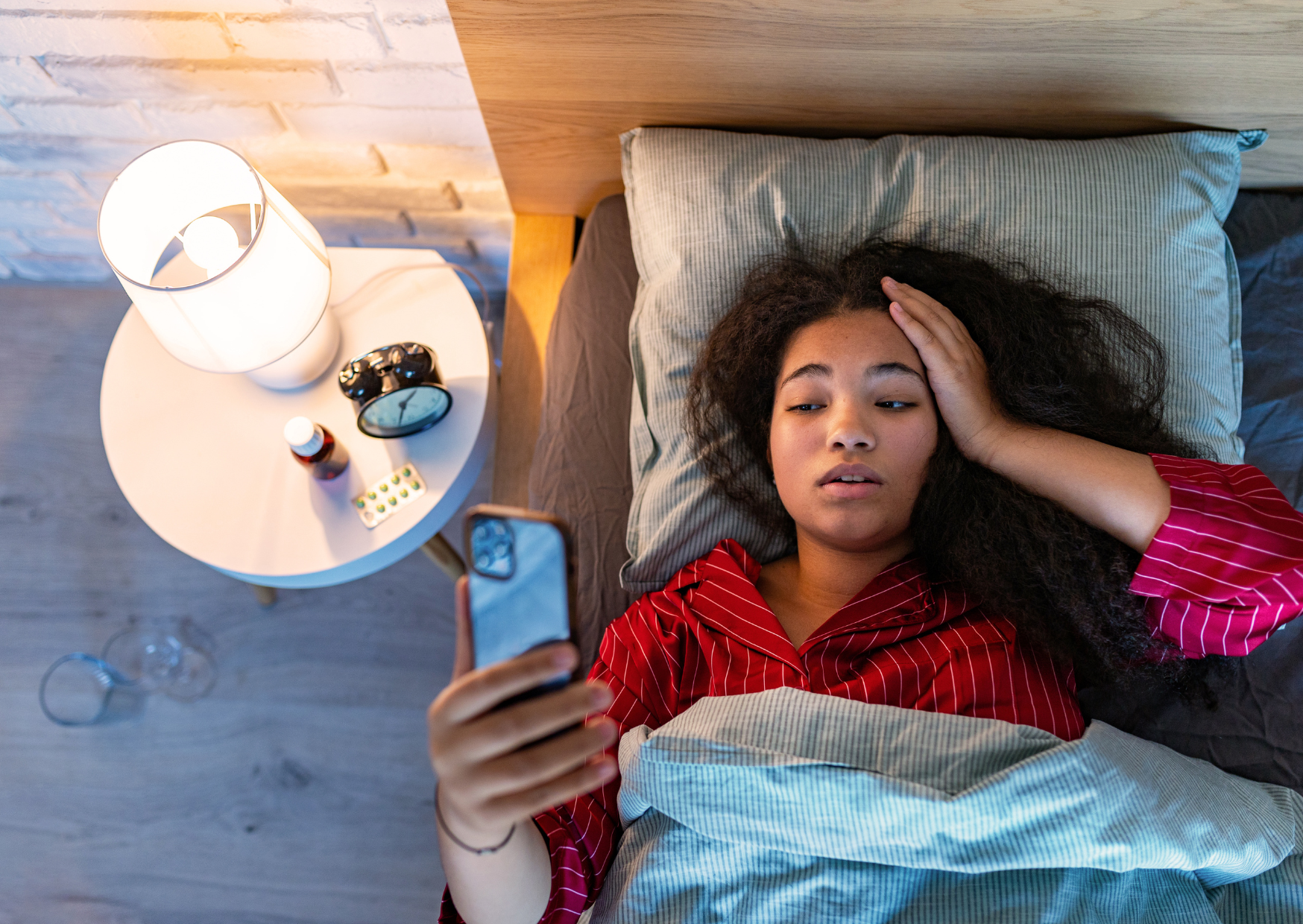
The scale of American sleep aid use is worth stating plainly.
Melatonin use among American adults has more than quintupled since 2000. What was once a niche supplement is now a mainstream nightly habit, often taken at doses far higher than what the body naturally produces. Most over-the-counter melatonin gummies contain 3 to 10mg per dose. The body’s natural melatonin production peaks at roughly 0.1 to 0.3mg. That is a 10x to 100x difference.
Prescription sleep aids are similarly widespread. Zolpidem alone accounts for tens of millions of prescriptions annually. These drugs work by enhancing GABA activity in the brain, essentially sedating the central nervous system. They produce unconsciousness. They do not necessarily produce the same sleep architecture as natural sleep.
Research has consistently shown that while sedative-hypnotic medications increase total sleep time, they can reduce time spent in deep sleep and alter REM patterns. The person feels like they slept. The brain did not get the same quality of restoration it would have from unmedicated sleep of the same duration.
This does not mean sleep aids are useless. For acute insomnia, short-term use can break a destructive cycle. For specific conditions, they are clinically appropriate.
But for the millions of Americans who take something every night because they “can’t sleep without it,” the question is whether the thing preventing sleep is a medical condition or a lifestyle.
For a lot of those people, spending time in Portugal answers the question.
Why Portugal Specifically

Any Southern European country could serve as the example here. Spain, Italy, and Greece all have daily structures that support better sleep than the American default.
But Portugal has a few specific features that make the sleep effect particularly noticeable for Americans.
The pace is slower than almost anywhere else in Western Europe. Portugal is not Spain’s energy. It is not Italy’s intensity. It has a quieter, more melancholic rhythm that the Portuguese themselves describe with the word saudade. That cultural tempo translates directly into how evenings feel. Less urgency. Less noise. More space for the nervous system to wind down.
The evening meal culture is strong but not late. Portuguese dinner tends to happen between 8 and 9 p.m., which is earlier than Spain (9:30 to 10:30 p.m.) but later than the American default (6 to 7 p.m.). That timing turns out to be a sweet spot. Late enough that the meal does not leave a long, snack-filled gap before bed. Early enough that digestion is mostly complete before sleep.
The climate cooperates. Portugal’s Atlantic coast, particularly Lisbon, Porto, and the Algarve, has evening temperatures that cool down enough in most seasons to support comfortable sleep. The air is not stagnant. There is usually a breeze. The nights feel different from the sealed, air-conditioned American bedroom environment.
The light environment is less aggressive. Portuguese cities and towns tend to have lower ambient light levels at night than American suburbs and cities. Street lighting is less intense. Commercial signage is less bright. The visual environment after sunset is simply darker, which matters more for sleep than most people realize.
The Evening Routine That Actually Differs
When Americans describe sleeping better in Portugal, they are usually not pointing at one thing. They are describing a cluster of changes to how the evening works.
Dinner is social and slow. The Portuguese evening meal is typically eaten with family or friends, at a table, without a screen competing for attention. A standard dinner might be grilled fish, potatoes, salad, bread, and wine. The meal takes 45 minutes to an hour. The conversation is the entertainment. The body receives a signal that the active day is over and the social, restful portion has begun.
The post-dinner period is low stimulation. After dinner in Portugal, the default activity is conversation, a short walk, or simply sitting. Not scrolling. Not working. Not watching high-intensity content. The nervous system has one to two hours of low-input time before sleep.
Screen use drops naturally. This is not a conscious digital detox. It is a cultural environment where phone use at the dinner table is less acceptable, evening social interaction is in person, and the pull toward screens is weaker because the alternative (being present in a warm evening with other people) is genuinely more appealing.
The walk exists. Many Portuguese neighborhoods have an evening walking culture. Not exercise. Just movement. A slow walk to the café. A loop around the block. A stroll along the river or the coast. This low-level movement in the evening helps the body process the day’s physical tension without the activation that a gym session produces.
Alcohol is moderate and early. Wine with dinner is common. A drink after dinner at 11 p.m. is less common. The American pattern of a nightcap right before bed, which fragments sleep even when it feels like it helps you fall asleep, is less embedded in Portuguese culture.
None of these things is revolutionary. All of them, combined and repeated nightly, create a pre-sleep environment that is radically different from the American default.
What The American Evening Actually Does To Sleep
It is worth being specific about why the American default evening is so destructive to sleep quality.
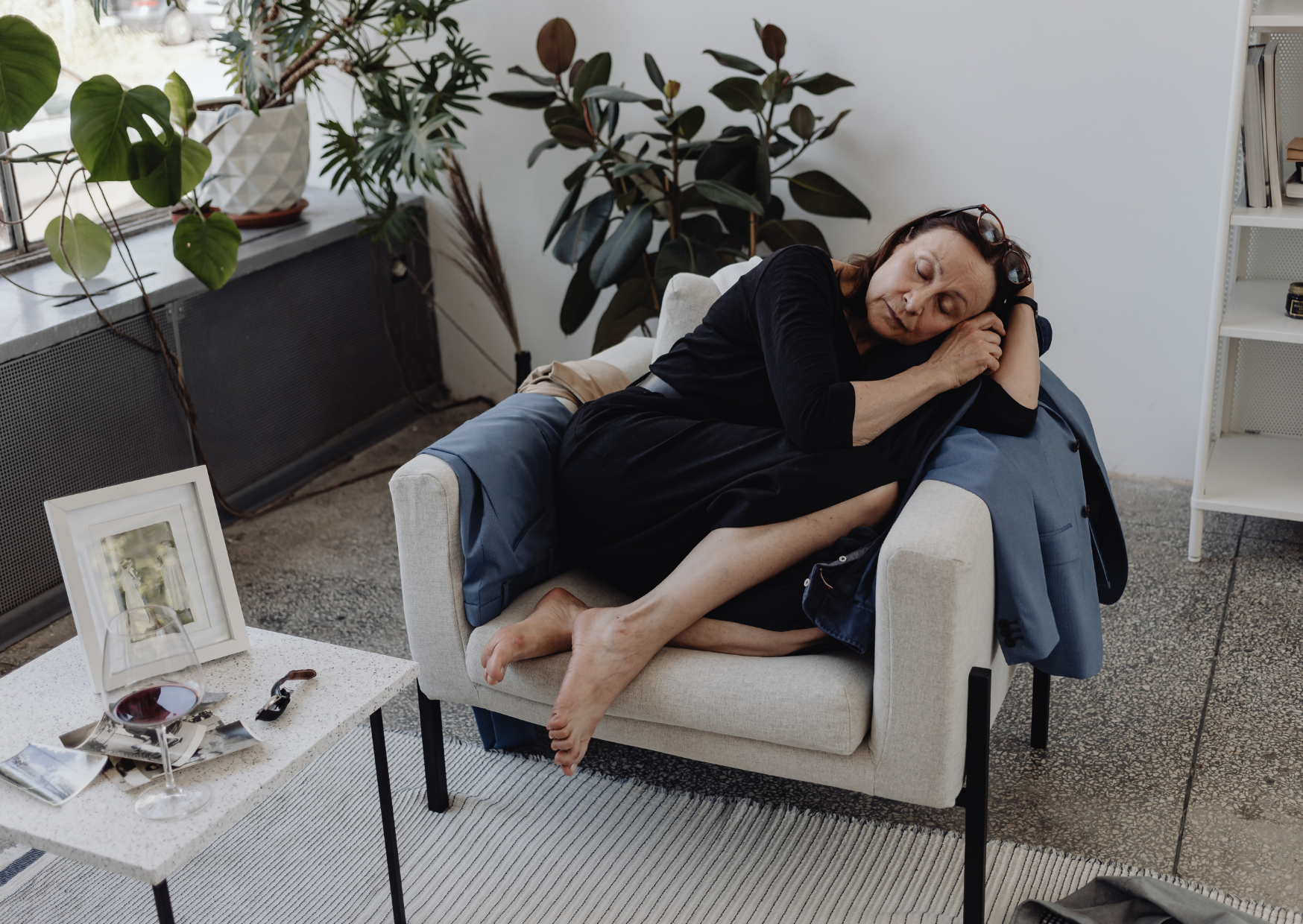
Screen exposure suppresses melatonin. Blue light from phones, tablets, and laptops inhibits melatonin production. This is well-established science. The average American spends two to three hours on screens in the evening. That is two to three hours of actively suppressing the hormone that signals the brain to prepare for sleep.
Late eating disrupts sleep architecture. Eating a large meal within two hours of bedtime forces the digestive system to work during the period when the body should be cooling down and entering deep sleep. The result is lighter, more fragmented sleep even if total sleep time looks normal.
Work email and news consumption activate the stress response. Checking email at 10 p.m. or scrolling through news content produces cortisol and adrenaline micro-spikes at exactly the time the body needs those hormones to be declining. One stressful email at 10:15 p.m. can delay sleep onset by 30 to 60 minutes because the nervous system has been jolted out of its wind-down trajectory.
The temperature environment is wrong. Most American bedrooms are kept at a constant temperature by HVAC systems. The body needs a slight temperature drop to initiate deep sleep. Research suggests the ideal sleep environment is around 18°C (65°F), which is cooler than most Americans keep their homes. The sealed, climate-controlled American bedroom often prevents the natural cooling that supports sleep onset.
The light environment is wrong. American homes tend to be brightly lit in the evening. Overhead lights, kitchen lights, bathroom lights. The body reads bright light as daytime. The transition from full-brightness living room to dark bedroom is abrupt, giving the brain almost no time to shift into sleep mode.
The Portuguese evening naturally avoids most of these problems. Not by design. By cultural habit.
The Melatonin Trap
This one deserves its own section because the American melatonin habit has become so normalized that questioning it feels controversial.
Melatonin is a hormone. Not a vitamin. Not a supplement in the way most people think of supplements. It is a signaling molecule that tells the brain when it is time to prepare for sleep.
The problem with exogenous melatonin at American doses is not toxicity. It is dependency and desensitization.
When you take 5 to 10mg of melatonin nightly, the body’s own melatonin production system gets a signal that external supply is handling the job. Over time, natural production may downregulate. The result is that stopping the supplement produces worse sleep than before you started, not because you have a melatonin deficiency, but because the supplementation disrupted the natural production cycle.
Additionally, melatonin timing matters as much as dose. Most Americans take it right before bed. But melatonin’s natural rise begins one to two hours before sleep onset. Taking a large dose at bedtime is like slamming the brakes instead of coasting to a stop. It can produce grogginess without improving actual sleep architecture.
Research from sleep medicine centers consistently suggests that if melatonin is used at all, doses of 0.5 to 1mg taken one to two hours before desired sleep time are more physiologically appropriate than the 5 to 10mg doses most American products contain.
The Portuguese evening routine, with its lower light exposure, earlier screen disconnection, and natural activity wind-down, does the same thing melatonin is supposed to do. It supports the body’s own melatonin production rather than overriding it with a supplement.
The Four-Week Shift

Here is what typically happens when an American stops sleep aids and shifts to a Portuguese-style evening structure.
Week 1: Rough. The first few nights without a sleep aid are often worse, especially if there is a withdrawal or rebound component. The body has been conditioned to expect the chemical signal. Without it, sleep onset takes longer. This is normal and temporary, but it is where most people give up and go back to the pills.
Week 2: The new routine starts to register. The earlier dinner, the evening walk, the reduced screen time, the dimmer lighting. Sleep onset is still slower than with a pill but improving. Sleep quality, when it happens, begins to feel different. Mornings start to feel less groggy. This is often the first sign that the sleep architecture is changing.
Week 3: The body’s natural melatonin cycle begins to reassert itself, especially if light exposure has been managed properly. Falling asleep becomes easier. Waking during the night becomes less frequent. The deep sleep phases lengthen. People at this stage often report dreaming more vividly, which is a sign of improved REM sleep.
Week 4: The new pattern starts to feel normal. Sleep onset happens within 15 to 25 minutes without a pill. Sleep quality is noticeably better than the medicated version. Morning alertness improves. The midday energy crash that used to require caffeine is reduced.
This timeline is not universal. People with genuine insomnia disorders, sleep apnea, restless leg syndrome, or other clinical conditions may not improve with lifestyle changes alone. Those conditions need medical evaluation and treatment.
But for the large category of Americans whose sleep problems are primarily maintained by their evening routine, stimulation environment, and accumulated stress, four weeks of a genuinely different structure can produce better sleep than years of nightly pills did.
The Temperature And Light Mechanics
Two environmental factors deserve deeper explanation because they are the easiest to change and the most consistently effective.
Temperature: The body’s core temperature needs to drop by about 1°C to initiate deep sleep. This is why people sleep better in cool rooms. The Portuguese habit of leaving a window slightly open at night, common in the milder months, creates a natural cooling environment that supports this process. In the U.S., sealed HVAC systems maintain a constant temperature that prevents the drop.
The fix is simple. Cool the bedroom to 18°C (65°F). If you cannot control the thermostat, open a window. Use lighter bedding. The body will do the rest.
Light: Melatonin production is suppressed by light exposure, particularly in the blue spectrum. The Portuguese evening, with dimmer ambient lighting, less screen use, and darker streets, allows melatonin to rise naturally in the one to two hours before sleep.
The American evening, with bright overhead lights and screen use until the moment of sleep, keeps melatonin suppressed until the person is literally lying in the dark wondering why they cannot sleep. The answer is that they gave their brain daytime signals until two minutes before expecting it to produce nighttime chemistry.
The fix: dim the lights in the evening. Use warm-tone bulbs. Reduce screen brightness or use a blue-light filter. Stop screen use 30 to 60 minutes before bed. These changes are free, simple, and more effective than most people expect.
What Sleep Aids Do That Routines Cannot
Honesty requires this section.
Lifestyle changes improve sleep for people whose sleep problems are lifestyle-generated. They do not fix:
- Chronic insomnia with a neurological basis
- Sleep apnea (which requires CPAP or other mechanical intervention)
- Restless leg syndrome
- Circadian rhythm disorders
- Sleep disruption secondary to chronic pain
- Insomnia driven by psychiatric conditions (severe depression, PTSD, bipolar disorder)
These conditions need clinical treatment. A Portuguese evening walk and a dimmer living room will not fix obstructive sleep apnea. A slower dinner will not resolve restless leg syndrome. If your sleep problem persists after four to six weeks of genuine lifestyle change, the problem is probably not lifestyle. See a sleep specialist.
The other thing sleep aids do that routines cannot: work immediately. A lifestyle change takes weeks to produce reliable results. A pill works tonight. For someone in acute crisis, unable to function, losing their job because they have not slept in five days, the pill is the right choice in that moment.
The goal is not to demonize medication. It is to stop using it as a permanent solution to a temporary problem that a structural change could resolve.
Your First 7 Nights On The Portuguese Sleep Pattern
Night 1: Eat dinner by 8:30 p.m. A real meal. Not a snack. Not takeout in front of the TV. Sit at a table. Eat slowly. If you have someone to eat with, talk to them.
Night 2: After dinner, dim every light in your home. Switch off overhead lights. Use table lamps or candles. The shift should be dramatic enough that your body notices the difference.
Night 3: Go for a 15-minute walk after dinner. Not a workout. A stroll. No earbuds. Let your eyes adjust to the darker outdoor light. Let your body move at a pace that signals rest, not effort.
Night 4: Stop all screen use 45 minutes before your target sleep time. Read a physical book. Talk to someone. Sit quietly. If the silence feels uncomfortable, that is the American stimulation habit protesting. Let it.
Night 5: Open a window in the bedroom, even slightly. Let the room cool below your normal sleeping temperature. Use lighter blankets if needed. The slight chill is not a problem. It is a sleep signal.
Night 6: Do not take a sleep aid. If you normally take melatonin, skip it. If you are on a prescription, do not stop without medical guidance, but note how the evening felt compared to a normal medicated night. Is the routine doing some of the work the pill was doing?
Night 7: Evaluate honestly. Was falling asleep easier or harder? Was the sleep quality different? Did you wake up fewer times? Did the morning feel different?
Seven nights is not enough to rewire a sleep pattern completely. But it is enough to show whether the direction is working.
What Actually Matters Here
The Portuguese do not have a secret sleep method. They have a daily structure that produces less of the damage Americans spend billions trying to medicate away.
Less stimulation in the evening. Less light. Less screen time. More social eating. More walking. Cooler sleeping environments. An earlier and more complete transition from daytime mode to nighttime mode.
The American sleep crisis is not primarily a medical problem. It is primarily an environmental one. The environment produces the sleeplessness. The pills mask it. The cycle continues.
Changing the environment is harder than taking a pill. It requires restructuring how the evening works, which means restructuring habits, expectations, and the relationship with screens that most Americans have never questioned.
But for the people who make the change, the result is almost always the same.
They sleep better without the pill than they did with it.
Not because Portugal is magic. Because the American evening routine was quietly sabotaging their sleep every single night, and nobody told them because there was too much money to be made selling them a gummy instead.

About the Author: Ruben, co-founder of Gamintraveler.com since 2014, is a seasoned traveler from Spain who has explored over 100 countries since 2009. Known for his extensive travel adventures across South America, Europe, the US, Australia, New Zealand, Asia, and Africa, Ruben combines his passion for adventurous yet sustainable living with his love for cycling, highlighted by his remarkable 5-month bicycle journey from Spain to Norway. He currently resides in Spain, where he continues sharing his travel experiences with his partner, Rachel, and their son, Han.