
The probiotic aisle is one of the most American things in the world.
Capsules in cold cases. Gummies pretending to be medicine. Powders with ten strains, twelve strains, twenty strains, and a label that sounds like a biotech startup trying to fix your digestion before breakfast.
The pitch is always tidy. Your gut is off. Buy a product. Swallow control. Get balance back.
The European version is usually less theatrical.
Not because Europeans never buy supplements. They do. But in a lot of ordinary kitchens across Spain, France, Italy, Portugal, Germany, Greece, and parts of Central and Eastern Europe, “gut health” is still more likely to show up as yogurt, kefir, fermented vegetables, legumes, olive oil, soup, bread, slower meals, and fewer ultra-processed interruptions. That matters because the current evidence is still much stronger for a broader food pattern than for the fantasy that most healthy adults need a permanent probiotic capsule routine. NHS guidance says there is some evidence probiotics may help in certain cases, like easing some IBS symptoms, but also says there is little evidence for many of the broader claims made about them. Harvard’s 2025 nutrition guidance also notes that fermented foods may help the gut microbiome and support immune function, but again frames them as part of dietary pattern rather than miracle treatment.
That is the part the supplement industry hates.
A lot of Europeans are not “doing probiotics” in the glossy American sense. They are just eating in a way that gives the gut more fiber, more fermented foods, more regular meal structure, and less daily punishment.
That is usually the better place to start.
The American Probiotic Habit Is Built Around A Product, Not A Meal
This is the first problem.
American gut-health culture often begins with the assumption that the body is missing a thing that can be bought. Not a pattern. A thing.
Maybe that thing is a refrigerated capsule with twenty billion CFUs. Maybe it is a powder added to a smoothie. Maybe it is a gummy pretending to do microbiome science with cartoon colors. The form changes. The logic does not.
The logic is: your gut needs a supplement because your daily food pattern will stay exactly as chaotic as it is.
That is why so many people end up taking probiotics while still eating like this:
protein bar breakfast, drive-through lunch, snack grazing all afternoon, late heavy dinner, too much alcohol on weekends, not enough fiber, not enough fermented food, and a totally normal amount of stress for someone living inside modern American meal culture.
That is a rough setup for any capsule to fix.
The science here is less sexy than the marketing. Probiotics can be helpful in specific cases, and some strains may help with certain digestive issues. But the evidence is not a blank check for the giant modern U.S. idea that everyone needs daily supplementation to maintain a healthy gut. NHS says probiotics may help in some situations such as some IBS symptoms, but stresses that many marketed claims are not well supported. The British Dietetic Association makes a similar point, describing probiotics as potentially beneficial while also treating them as one part of a broader diet, not as a universal gut reset.
This is where the European pattern often looks smarter.
It starts with the meal.
Europeans Often Get Their “Probiotics” Through Ordinary Fermented Foods
This is the less profitable version of gut health.
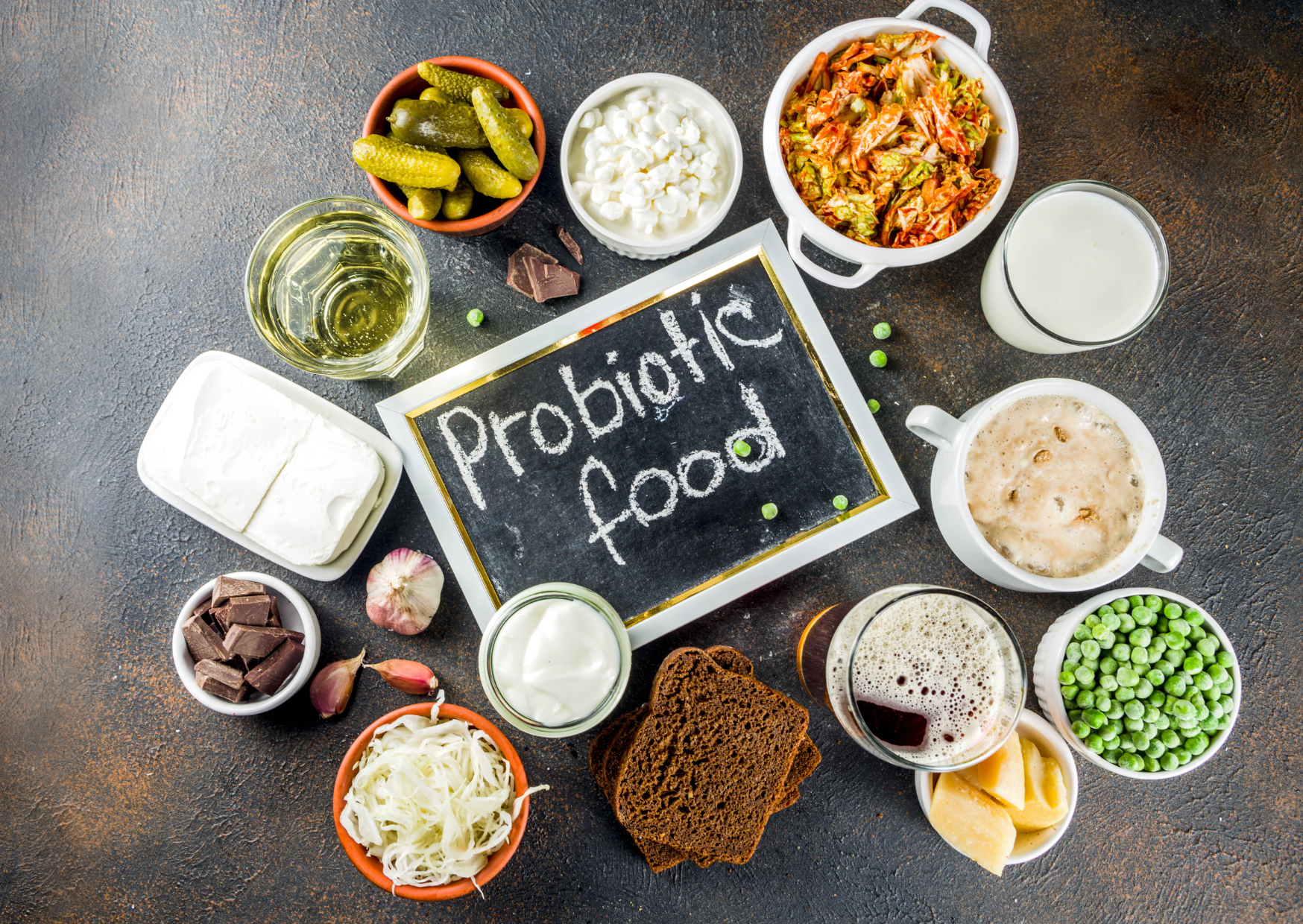
Instead of a capsule, it might be plain yogurt in France, kefir in Eastern Europe or the Balkans, sauerkraut in Germany or Central Europe, pickled vegetables in parts of Eastern Europe, aged or cultured dairy in Italy or Spain, or simple fermented items folded into a normal lunch rather than staged as a ritual.
Not everyone eats these foods daily, obviously. Europe is not one big rustic refrigerator full of live cultures. But the pattern is still more food-based than supplement-based.
Harvard’s 2025 nutrition guidance lists yogurt, kefir, sauerkraut, kimchi, miso, tempeh, and some cheeses among common foods containing probiotics or live cultures and notes that fermented foods may benefit the gut microbiome and support immune health. A 2025 review in Current Research in Fermented Foods also concluded that fermented foods, including kefir, may benefit metabolic and gut health, though the evidence quality is often low to moderate and not all outcomes are consistent.
That is a much better way to think about this topic.
Not “what capsule do Europeans use instead.”
More like “what foods are already doing some of this work.”
The list is not mysterious:
plain yogurt
kefir
fermented vegetables
cultured dairy
olive oil with plant-heavy meals
beans and lentils
sourdough or traditional breads in a meal structure that does not look like constant snacking
Some of these foods contain live microbes. Some help more by supporting the gut environment with fiber, polyphenols, and better meal composition. That distinction matters because gut health is not only about swallowing bacteria. It is also about feeding the bacteria you already have.
That is where the American probiotic story gets too narrow.
Yogurt Is Still Doing More Work Than Most Capsules
This one sounds boring because it is boring.
It is also probably one of the reasons it survives.
Plain yogurt is still one of the simplest fermented foods that regularly shows up in European eating patterns without needing a wellness identity attached to it. It is breakfast, dessert, snack, or part of a meal. Not a protocol.
That matters because consistency usually beats intensity in this category.
Harvard’s 2025 nutrition guidance includes yogurt among the most common probiotic food choices and notes that fermented foods may help strengthen the gut microbiome. A recent health-news summary based on long-term cohort data also reported that eating yogurt at least twice a week was associated with lower risk of one specific subtype of colorectal cancer, although it did not show a lower overall colorectal cancer risk and the finding was observational rather than proof of causation.
That is the right tone for yogurt, by the way.
Useful. Plausible. Not magical.
Europeans often get this right because yogurt is not framed as medicine. It is just there. It ends the meal. It fills a breakfast. It shows up with fruit. It gets eaten plain or with very little fuss.
The American version often breaks here too. A lot of supermarket “yogurt” in the U.S. is really dessert with protein language wrapped around it. Too sweet, too engineered, and not necessarily giving the same benefit as plain yogurt with live cultures.
This is a recurring pattern in the whole article. Europe often wins because the food still looks like food.
Not because the bacteria are more patriotic.
Kefir Is Probably Closer To The Real “European Probiotic” Than Any Capsule
If one food deserves the probiotic reputation more than most, it is kefir.
It has a long history in parts of Eastern Europe, the Balkans, and the Caucasus region, and it contains a more complex mix of bacteria and yeasts than standard yogurt. It also fits ordinary life much better than a supplement routine because it can just be a drink people keep in the fridge and consume regularly.
The evidence is not perfect, but it is good enough to take seriously. A 2025 review on kefir and the human microbiome described kefir as a probiotic-rich fermented milk product and noted variable but plausible beneficial effects on oral and gut microbiota, while also making clear that results differ by population and study design. A separate 2025 review described kefir as having potential gut and metabolic benefits, again with limits in evidence quality and consistency.
That is already more honest than most supplement marketing.
Kefir does not need to be sold as a total-body revolution. It just needs to be understood as a fermented food with real microbial diversity and a better evidence story than many retail probiotic blends with vague promises.
This is also where Europe’s food culture keeps beating the supplement shelf. Kefir is easy to drink, easy to repeat, and easy to attach to a real meal or snack. It is much easier to sustain than a ritual that requires remembering a specific capsule on an empty stomach and then pretending the rest of the day does not matter.
That repeatability matters more than people think.
Because gut health usually responds better to steady patterns than heroic purchases.
Fermented Vegetables Matter, But Not For The Reason Instagram Thinks
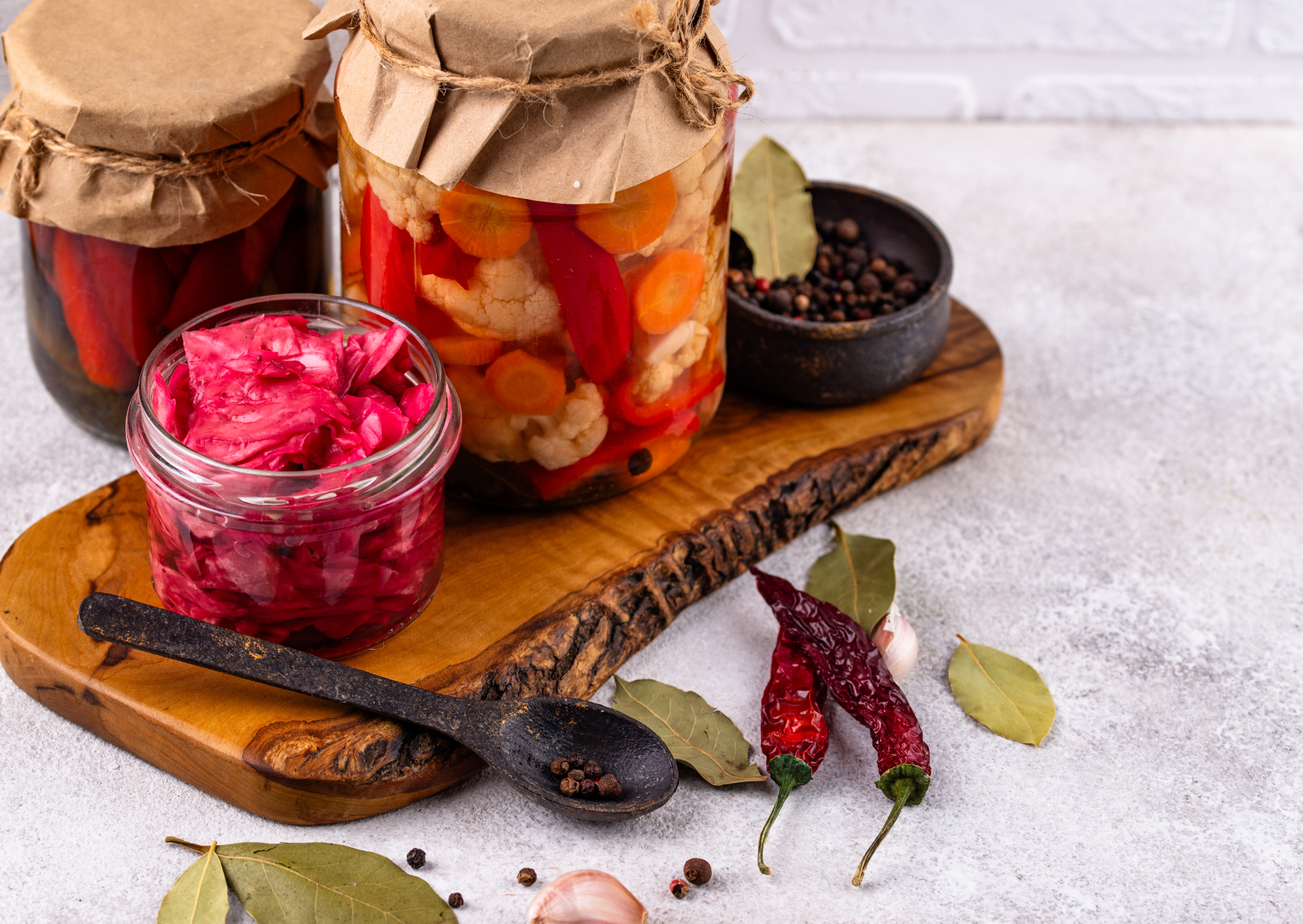
Sauerkraut, pickles, fermented cabbage, and other cultured vegetables get a lot of social-media love now, but the useful reason to eat them is not that they instantly repopulate your gut like a little bacterial invasion force.
The better reason is that they can add live microbes, acidity, variety, and interest to meals while also nudging people toward a food pattern that includes more fiber and fewer ultra-processed defaults.
Harvard’s gut-health guidance includes sauerkraut and other fermented foods among useful probiotic food choices. A 2025 broad review of fermented foods described them as complex systems delivering not just live microbes but also metabolites that may influence the gut environment and human health. Another 2025 review noted that microbes in fermented foods such as yogurt, kefir, cheese, and kimchi can survive gastrointestinal transit in at least some contexts.
That is an important distinction.
Fermented vegetables are not some standalone gut cure.
They are useful because they help create meals that are less bland, less processed, and more microbially and nutritionally varied.
That is what Europeans often get right without making a speech about it. The sauerkraut is with sausage or potatoes. The pickled vegetables are with bread, cheese, or lunch. The cultured vegetables sit inside meals, not above them.
This is how food habits survive.
By being normal.
What Europeans Eat Instead Is Not Just Fermented. It Is Also Higher-Fiber And Less Ultra-Processed
This is the part most probiotic articles miss because it is less marketable than a capsule.
A healthier gut is not only about adding microbes.
It is also about feeding them.
That means fiber. That means legumes. That means vegetables, fruit, oats, beans, lentils, chickpeas, and meals that do not get built entirely out of refined flour, sweeteners, and protein branding.
This is one reason the broader European pattern often helps even when people are not consciously “taking probiotics.” Fermented foods may contribute live microbes, but the rest of the meal pattern often does more of the long-term work by creating a gut environment that is less hostile and more diverse.
Harvard’s 2025 probiotic guidance explicitly notes that fermented foods may support the microbiome and also promote short-chain fatty acid production, which is exactly where fiber enters the picture. A 2025 review of fermented foods as functional systems also emphasized that these foods influence gut health not only through microbes but through metabolites and interactions with the diet as a whole.
This is where I would stop taking the average American probiotic too.
Not because probiotics are fake.
Because a lot of people are using them to patch a gut environment that is still being battered all day by ultra-processed food, low fiber, irregular meals, and too much convenience.
Europeans often do something simpler:
they eat yogurt
they drink kefir
they eat soup
they eat beans
they eat bread in meals
they use olive oil
they stop eating eventually
That pattern is doing a lot more than one capsule.
Meal Timing And Meal Structure Matter More Than The Capsule Crowd Wants To Hear
Another thing Europeans often do differently is boring and unglamorous.
They eat meals.
That sounds stupidly obvious until you compare it with the American pattern of breakfast bars, standing lunches, random snacking, caffeinated sugar drinks, and a dinner large enough to count as emotional compensation.
The gut usually likes more structure than that.
A stable eating rhythm is not a probiotic, but it does affect digestion, appetite, food choices, and what kinds of foods actually make it into the week. People who eat regular meals are more likely to include fermented dairy, soup, vegetables, and bread as part of a real plate. People who eat in fragments are more likely to default to processed convenience, which then creates the exact discomfort that sends them shopping for capsules.
This is one reason probiotic supplements feel like they “work” for some people. They are being asked to solve the symptoms of a larger pattern problem.
European eating often helps because it gives the gut fewer surprises and fewer all-day food assaults.
Again, not magic.
Just less stupid.
The Real European Swap Is Food First, Supplements Second
This does not mean Europeans never use probiotics. Of course they do.
It means the hierarchy is different.
Food first.
Supplements if needed, and often for a specific reason rather than as a permanent identity.
That lines up better with current mainstream guidance. NHS says probiotics may help in some cases, but does not present them as a general wellness obligation. The British Dietetic Association likewise frames probiotics as potentially beneficial but situational. Harvard puts the emphasis on fermented foods and broader diet quality rather than on the assumption that most healthy adults need daily supplement formulas forever.
That is the hierarchy I would borrow.
Not because Europe is automatically wiser, but because this order is more plausible and less expensive.
Food first also solves another American problem. It improves the whole meal. A bowl of yogurt, kefir, lentils, olive oil, cabbage, soup, beans, or fermented vegetables changes more than the microbiome. It changes satiety. It changes fiber intake. It changes what the next meal looks like. A capsule might help in a narrow way, but it usually does not reshape the day.
That is the real gap.
What I’d Eat Instead of a Typical American Probiotic Routine
Not a pill organizer.
A week of repeatable foods.
Plain yogurt with fruit or oats.
Kefir several times a week.
Lentils or chickpeas in actual meals.
Soup.
Fermented vegetables in small regular amounts.
Olive oil with plant-heavy lunches and dinners.
Bread that belongs to a meal, not a snack spiral.
Less ultra-processed filler.
Less random all-day eating.
That is much closer to what many Europeans are actually doing when they seem to have “better digestion” without talking about microbiome optimization all the time.
The key thing is repetition.
A probiotic capsule gives people the illusion of precision.
A better food pattern gives them actual exposure.
And yes, there are situations where a specific probiotic supplement may be useful. IBS. Some antibiotic-related gut disruption. A condition where a doctor or dietitian recommends a particular strain and dose. That is real. But it is a very different thing from the giant American habit of treating probiotics as default maintenance for anybody who has ever felt bloated after lunch.
The First 7 Days If You Want To Stop Shopping For Gut Health
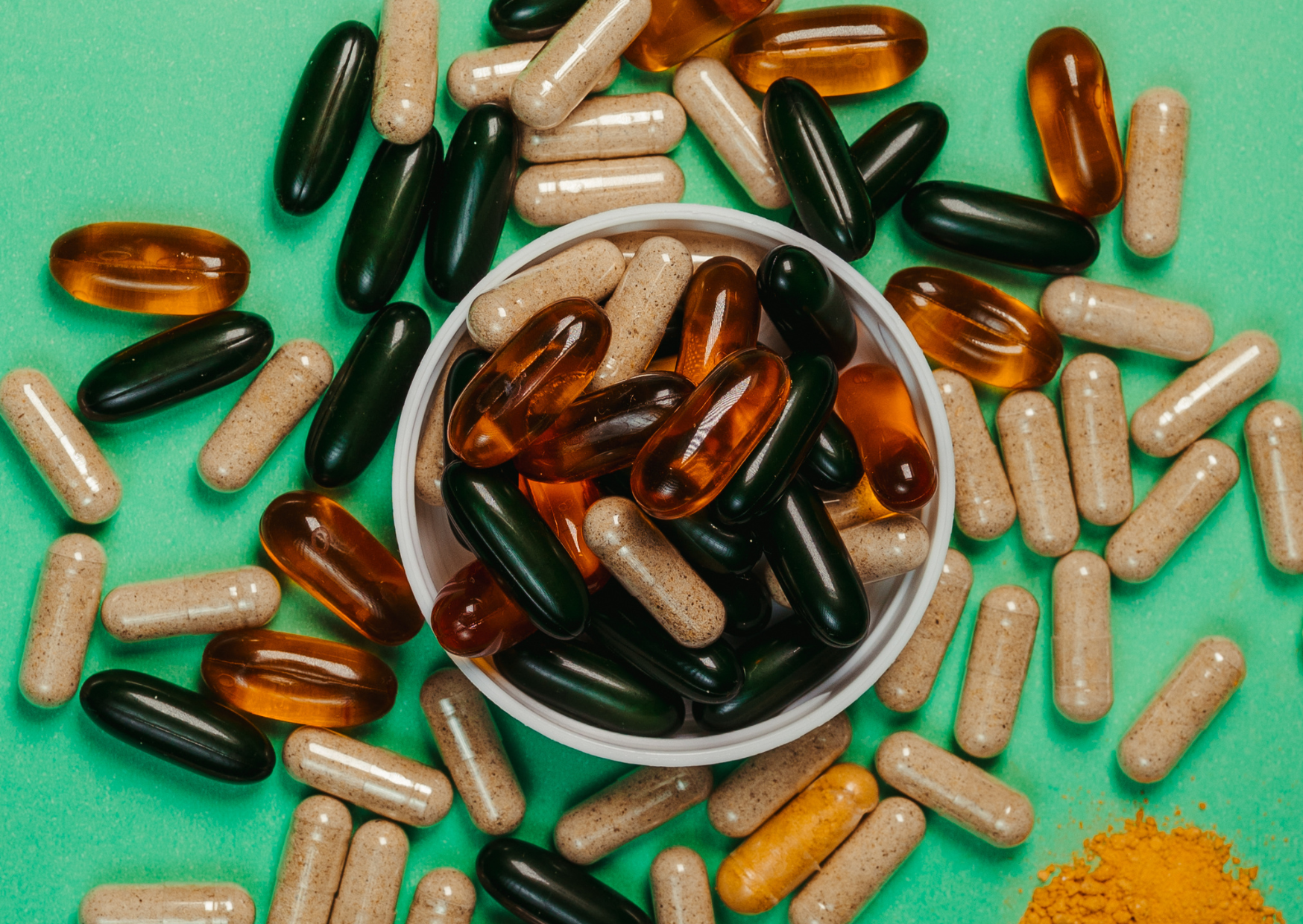
Day one, stop buying multi-strain probiotic products just because the label sounds advanced. Read what problem you are actually trying to solve first.
Day two, add one plain fermented food you can repeat. Yogurt or kefir is the easiest place to start.
Day three, add one real fiber source that is not a powder. Lentils, beans, oats, chickpeas, fruit, or vegetables.
Day four, replace one ultra-processed breakfast or snack with actual food. The gut likes fewer manufactured ambushes.
Day five, try fermented vegetables in small amounts with meals, not as some weird performance on their own.
Day six, eat three actual meals and see what happens when digestion stops dealing with random grazing all day.
Day seven, review whether you are trying to solve a real gut problem or just the consequences of an American food pattern that keeps battering you.
That seven-day shift will tell most people more than another capsule bottle will.
What Europeans Eat Instead
They eat things that make a capsule less necessary.
Yogurt.
Kefir.
Cultured dairy.
Fermented vegetables.
Beans.
Soup.
Bread with meals.
Olive oil.
More regular eating.
Less processed chaos.
That does not mean Europe solved the microbiome. It means a lot of Europeans still get some gut-supporting habits through food instead of outsourcing the whole job to a supplement category.
That is the useful lesson.
Not “stop all probiotics forever.”
More like this:
stop expecting a product to repair what your meals keep breaking.
If the gut is struggling, the first fix is often not a new capsule.
It is a less American day of eating.

About the Author: Ruben, co-founder of Gamintraveler.com since 2014, is a seasoned traveler from Spain who has explored over 100 countries since 2009. Known for his extensive travel adventures across South America, Europe, the US, Australia, New Zealand, Asia, and Africa, Ruben combines his passion for adventurous yet sustainable living with his love for cycling, highlighted by his remarkable 5-month bicycle journey from Spain to Norway. He currently resides in Spain, where he continues sharing his travel experiences with his partner, Rachel, and their son, Han.