
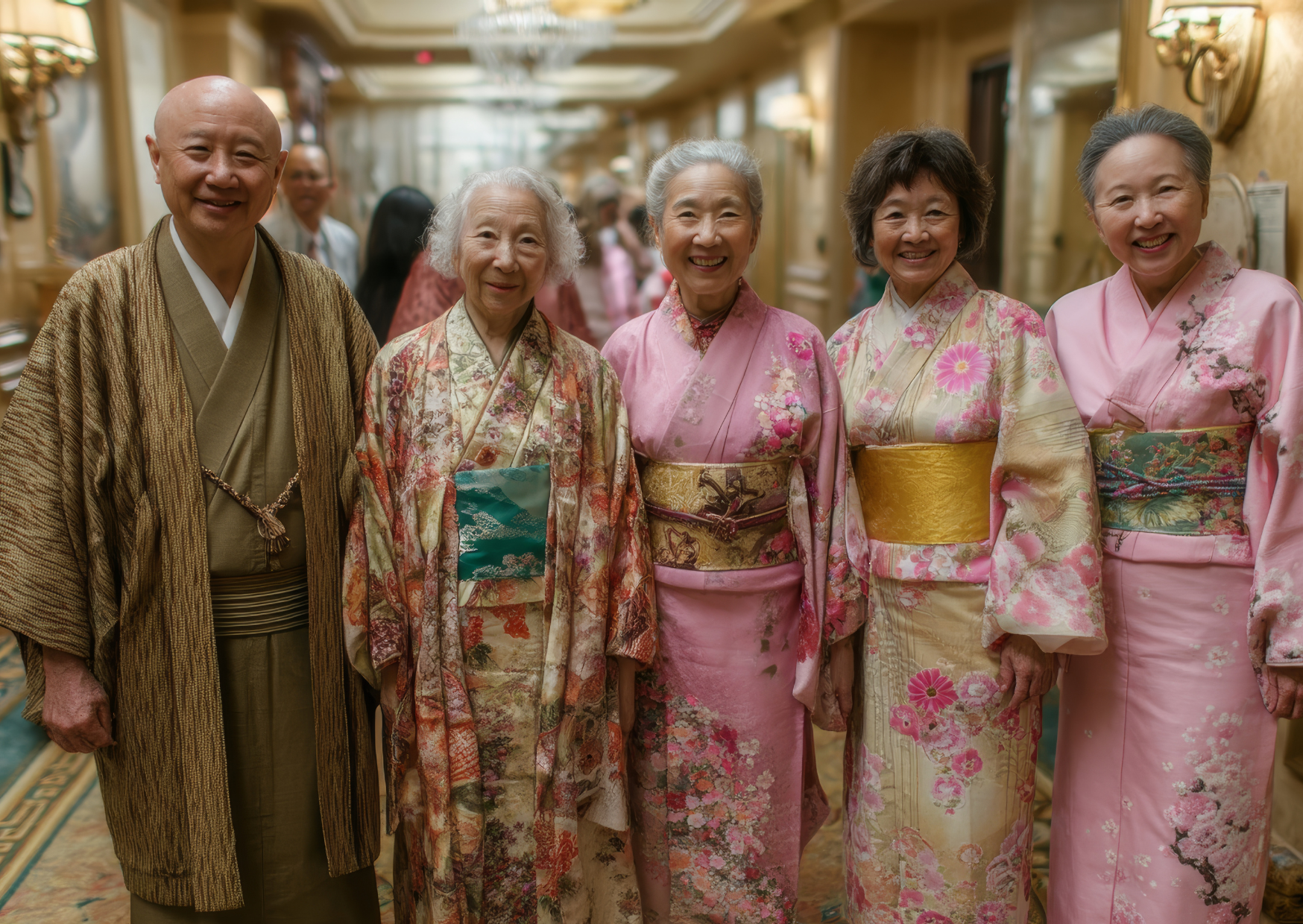
Most Americans know the feeling.
You see someone at the gym, the grocery store, church, a grandchild’s school event, maybe a former coworker in a parking lot. The face is familiar. The brain stalls. Name gone. Context gone. Your mouth starts buying time while the retrieval system visibly fails.
By the mid-50s, a lot of people start noticing that this happens more often.
Not because they suddenly have dementia. Not because one bad week means disaster. But because face-name memory is fragile, midlife is not as young as people pretend, and the American diet-plus-routine package is unusually good at wearing down the systems that support memory long before old age gets officially blamed.
Japan did not solve this with one magic food. That is the lazy version of the story.
What Japan has, at population level, is a pattern that tends to protect the brain better: more fish, more soy, more vegetables, more routine, smaller portions, less ultra-processed food dominance, better built-in meal structure, and fewer daily incentives to eat like a tired person in a gas station parking lot.
That does not mean every older Japanese adult has perfect recall. It does mean the underlying environment is often less hostile to memory aging.
And that matters.
This Is Not Really About Faces

What most people describe as “forgetting faces” is often not literal face blindness. It is a failure in associative memory, meaning the brain struggles to link one thing to another: face to name, person to context, event to place, medication to time, story to speaker.
That kind of memory is one of the first places aging starts to show. It is also one of the most annoying, because it is social. You can laugh off forgetting where you left your glasses. Forgetting who somebody is while they are standing in front of you feels worse.
Researchers use face-name tests for exactly this reason. The Face Name Associative Memory Exam was designed because remembering names linked to faces is a common complaint in older adults and appears sensitive to very early Alzheimer’s-related memory change, even before obvious impairment is visible in ordinary life. That does not mean every missed name is pathology. It means this is a real early pressure point, not a made-up vanity complaint.
There is also a reason age 55 feels psychologically loaded.
A longitudinal study of adults aged 55 to 64 found that memory complaints could identify people at risk of poorer memory performance and decline. Again, not everyone with complaints is on a disease track. But the decade itself matters. Midlife memory friction is not imaginary. It is often the point where people finally notice what the previous 20 years were quietly building.
So the better version of the headline is this: Japanese elders are more likely to arrive at old age with a friendlier brain environment, while many Americans start stressing their memory systems long before retirement.
That is less dramatic. It is also much closer to the truth.
The American Brain Problem Usually Starts At The Grocery Store
A lot of U.S. brain-health talk still sounds like a late-life hobby.
Do crossword puzzles. Download a memory app. Learn Italian. Buy blueberries. Maybe take fish oil. This is all tidy and harmless. It is also often far too late in the story.
The bigger problem is that the average American diet is built around chronic brain irritation.
The CDC reported in 2025 that U.S. adults get 53% of their calories from ultra-processed foods. Adults aged 40 to 59 were at 52.6%. That is not a niche problem. That is normal eating. Sandwiches, sweet bakery products, sweetened beverages, savory snacks, industrial breads, and grab-and-go food architecture dominate the pattern.
This matters because dementia risk is not only about age. The World Health Organization lists high blood pressure, diabetes, overweight and obesity, smoking, excess alcohol, physical inactivity, and social isolation among major risk factors. Those are not rare American conditions. They are practically the wallpaper.
And the food pattern feeds straight into that.
More ultra-processed food usually means more metabolic strain, more blood-sugar volatility, more poor-quality fats, more sodium in the wrong context, less fiber, fewer intact plant foods, and less predictability in appetite. A Framingham Heart Study analysis published in 2025 found that in people under 68 at baseline, each additional daily serving of ultra-processed food was linked to higher Alzheimer’s disease risk, and intake at 10 or more servings a day was associated with a much higher risk than eating fewer than 10 servings. Observational data are not destiny, but the direction is not flattering.
This is the part many Americans hate hearing because it sounds rude.
The brain is not floating above the body. The memory system is vascular. The memory system is metabolic. The memory system notices lunch.
If blood pressure is high, sleep is poor, physical activity is low, and half the day’s calories come wrapped in plastic and convenience language, the face-name problem at 55 should not be shocking.
It is the bill.
What Older Japanese Eating Still Gets Right

Japan is not a food utopia. It has convenience food, sweets, fried food, and its own nutrition problems. It also has an aging population, high salt exposure in some eating patterns, and real public health strain.
But the baseline eating pattern still gives the brain more help than the standard American one.
A Japanese-style pattern usually means more fish, more soy, more seaweed, more vegetables, more tea, smaller portions, more soups, more rice used as part of a meal instead of as a giant sidekick to processed meat, and more meals that still look like actual food instead of edible logistics.
That matters because the protection is not one nutrient deep.
Fish supports omega-3 intake. Soy and legumes improve the protein pattern. Vegetables and sea plants improve fiber, minerals, and polyphenol exposure. Fermented foods shape the gut environment. Portion size stays calmer. Blood sugar damage is less likely when the whole meal is less chaotic.
A 2025 multicenter Japanese study found that a Japanese dietary pattern rich in protein and minerals was associated with lower dementia prevalence and smaller white matter lesion volume in older adults. That does not prove cause and effect, but it fits what brain-health research keeps showing: the useful pattern is broad, not magical.
Another recent study of older adults in Japan found that dietary patterns were meaningfully associated with subjective cognitive function. That matters because subjective decline is often where people first notice the problem before testing catches anything dramatic.
And yes, Japan still eats convenience food. But it usually lands inside a different system.
A convenience-store lunch in Japan might still include rice, fish, egg, soup, pickles, tea, tofu, or a modest bento. In the U.S., convenience eating too often means a sandwich on soft industrial bread, chips, sweet coffee, maybe a packaged pastry, maybe a soda, eaten in a car while the nervous system thinks it is under siege.
Those are not equivalent exposures just because both were purchased quickly.
The Big Difference Is Pattern, Not Purity
This is where people get dumb about diet.
They hear “Japanese diet” and start acting like one bowl of miso soup will save the hippocampus. Or they hear “Mediterranean” and spend €14 on olive oil while continuing to live on cookies, stress, and short sleep.
That is not how this works.
The strongest diet evidence in cognitive aging keeps pointing in the same direction. Better adherence to Mediterranean-style eating is associated with lower risk of cognitive impairment, dementia, and Alzheimer’s disease. A 2025 meta-analysis found meaningful risk reductions across those outcomes with stronger Mediterranean-diet adherence. The MIND diet literature points in a similar direction.
What do these useful patterns share?
Not sacred ingredients. Structure.
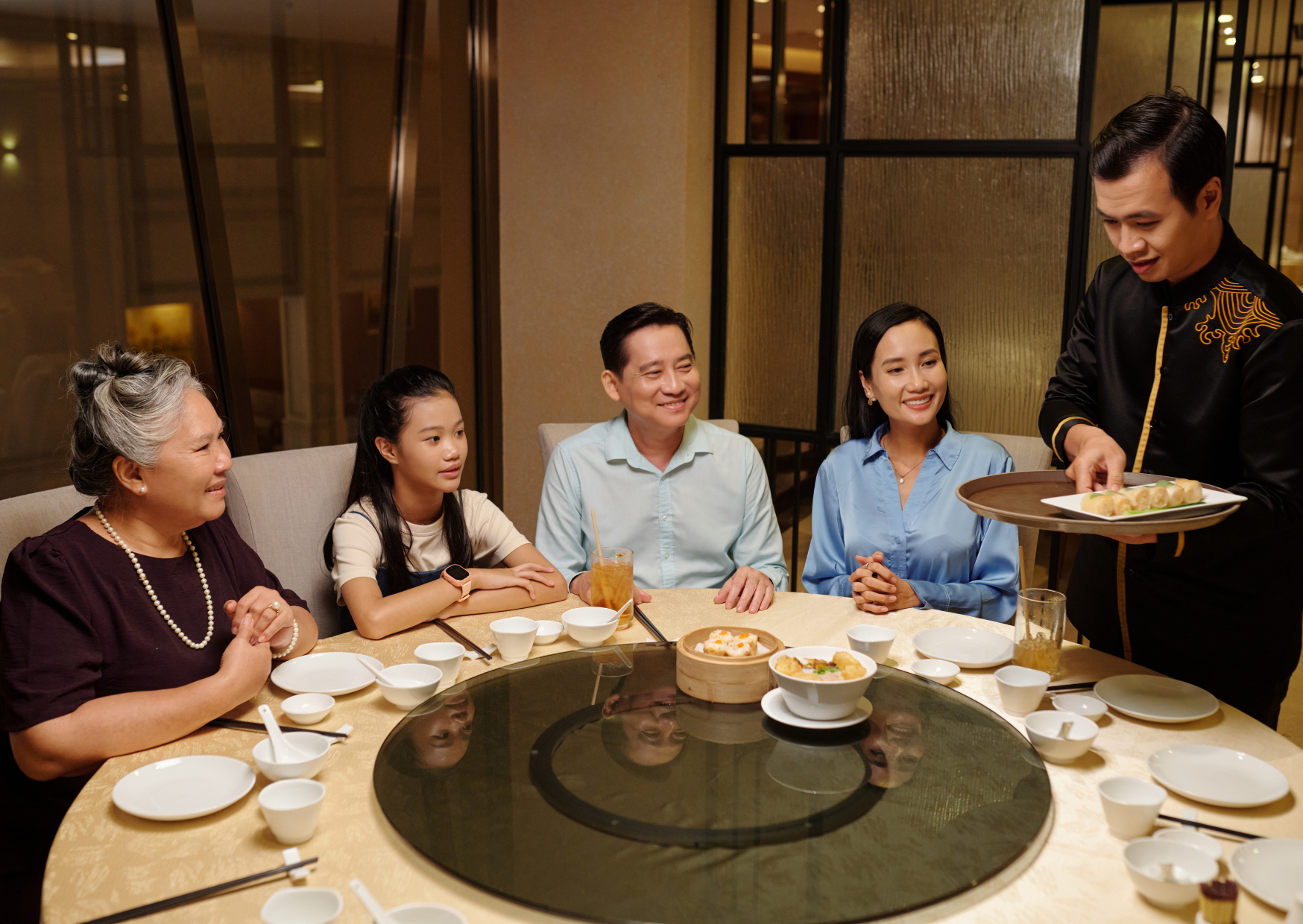
More plants. More legumes. More fish. Better fats. Fewer industrial snacks. Less sugar saturation. Less processed meat dependence. Fewer meals built entirely around entertainment chemistry. More nutrients per calorie. Less metabolic drama.
Japan often gets there through its own food culture. Southern Europe gets there differently. The exact cuisine is less important than the operating pattern.
And that is good news for Americans, because it means nobody needs to become fake-Japanese by Tuesday.
You do not need natto in Ohio if you are not going to eat natto in Ohio. You need less damage, more consistency, and a food pattern your brain can live with for years, not three influencer weeks.
That said, there are a few brutally practical Japanese-style habits worth stealing:
Breakfast that contains protein instead of dessert.
Fish a few times a week instead of once every two months.
Soup as a normal meal component, not an illness ritual.
Soy from actual foods, not wellness branding.
Smaller plates.
Tea instead of constant sweet drinks.
Vegetables at lunch, not as decorative guilt.
Boring? Yes.
That is usually how real prevention looks.
Japan Also Benefits From A Different Daily Rhythm
Diet matters. Routine matters too.
A lot of American memory decline talk gets trapped inside nutrition, when the brain is also responding to sleep, movement, stress load, and social structure. WHO’s risk list makes that plain. So does a growing body of midlife research showing that physical activity, social activity, leisure engagement, and good sleep are associated with better episodic memory performance.
This is where the U.S. model gets exposed again.
Many Americans in their 40s, 50s, and early 60s are eating under pressure, sleeping poorly, sitting too much, driving too much, working too late, grazing through stress, and socializing less in ways that are not screen-mediated. Then they wonder why names slip.
That is not just a food problem. It is a daily-life design problem.
Japan is not a paradise here either. OECD’s 2025 dashboard notes that 51% of adults in Japan did not get sufficient physical activity, which is worse than the OECD average. So this is not a cheap “Japan perfect, America doomed” article. But Japan still combines longer life expectancy, universal core healthcare coverage, and a food culture that often gives the body less abuse per meal than the U.S. norm. OECD reported life expectancy at 84.1 years in Japan versus 78.4 in the United States.
That does not prove faces are remembered because of fish and green tea.
It does tell you that the broader aging environment differs. A lot.
In the U.S., people often spend decades normalizing symptoms that should be treated like warnings: midday crashes, creeping waist gain, poor sleep, borderline A1c, rising blood pressure, low movement, and meals that barely qualify as meals. None of those alone explains memory decline. Together, they form the kind of terrain memory does badly in.
The Food Gap Is Also A Portion Gap
This part is less glamorous and more useful.
Americans often fixate on ingredients when volume is quietly doing damage.
A Japanese-style meal pattern tends to create friction against overeating. Smaller serving vessels. More dishes. More soup. More chewing. More pauses. More protein spread across the day. Less “accidental” 1,200-calorie lunch behavior.
In the U.S., even people who think they eat reasonably can end up with huge energy loads from ordinary-seeming meals: breakfast sandwich, flavored coffee, muffin, desk snack, drive-through lunch, “healthy” granola bar, chips while cooking, wine, then dinner plus dessert because the day was exhausting.
The brain lives downstream from that.
Ultra-processed food does not just affect nutrient quality. It tends to affect speed of eating, appetite control, and total intake. Experimental work continues to show that more ultra-processed meals can drive faster intake and poorer satiety, which is exactly what a midlife brain and body do not need.
This is why trying to solve memory anxiety with one “brain food” usually fails. The real problem is often the full day, not the missing supplement.
For adults 45 to 65, especially Americans who are already noticing small retrieval failures, the practical target is not perfection. It is removing enough daily stupidity that the brain gets a fairer deal.
The First 7 Days To Stop Eating Like Your Brain Is Disposable
This does not require a Japanese cookbook phase or a performative clean-eating personality transplant.
It requires one honest week.
Day 1
Write down everything eaten and drunk for one normal day, including “small” things. Creamer. Candy from the office bowl. Crackers while cooking. Sweet coffee. Alcohol. Sauce-heavy takeout. Most people discover the memory problem is living inside a blood-sugar carnival.
Day 2
Fix breakfast first. Make it protein-based and unsweetened enough that it does not feel like dessert. Eggs, yogurt with nuts, tofu scramble, sardines on toast, plain oatmeal with seeds. No pastry pretending to be breakfast.
Day 3
Replace one ultra-processed lunch with a real plate. Rice or potatoes, fish or beans, vegetables, olive oil, fruit. Do this before buying any supplements.
Day 4
Put fish into the week twice. Canned sardines, mackerel, salmon, trout, or even frozen fillets. The useful move is consistency, not prestige.
Day 5
Add one fermented or soy-based food you can tolerate repeating. Yogurt, kefir, tofu, tempeh, edamame, miso. Not because one item is magic, but because repetition builds a pattern.
Day 6
Walk after the biggest meal of the day. Not for fitness theater. For glucose control, circulation, and the basic message that the body is not a storage unit.
Day 7
Cut one high-frequency ultra-processed item that is doing nothing good. Usually that is sweet drinks, packaged bakery food, or the snack that “isn’t that bad” but appears five times a week.
This is not sexy. It is what works.
What This Actually Means For Americans Over 45
No, Americans do not turn cognitively old at 55.
No, Japanese elders do not stroll around with supernatural memory powers.
But the broad pattern is still uncomfortable for the U.S.
Americans often meet memory decline inside a food and lifestyle environment that is aggressively unhelpful. More ultra-processed calories. More vascular strain. More metabolic dysfunction. More social isolation. More sleep disruption. More eating on the run. More stress treated as background weather.
Japan, despite its own problems, still gives many older adults a different base: food patterns with more fish, soy, vegetables, tea, and smaller portions; daily life with more structure; and a population health profile that has produced much longer life expectancy and healthier aging in many domains. WHO data put healthy life expectancy in Japan at 73.4 years in 2021.
That does not mean Americans need to “eat Japanese” in a cosplay sense.
It means they should stop eating like memory is optional.
The face-name stumbles in the 50s are often not random betrayal. They are feedback. Sometimes benign. Sometimes fixable. Sometimes worth medical attention. Always worth taking more seriously than a joke about getting older.
Because the gap is not really Japan versus America.
It is pattern versus damage.
And damage has been winning for a while.

About the Author: Ruben, co-founder of Gamintraveler.com since 2014, is a seasoned traveler from Spain who has explored over 100 countries since 2009. Known for his extensive travel adventures across South America, Europe, the US, Australia, New Zealand, Asia, and Africa, Ruben combines his passion for adventurous yet sustainable living with his love for cycling, highlighted by his remarkable 5-month bicycle journey from Spain to Norway. He currently resides in Spain, where he continues sharing his travel experiences with his partner, Rachel, and their son, Han.