
And what it reveals about food, conversation, and the unassuming rituals that quietly protect the brain
In the United States, Alzheimer’s disease is a public health crisis. As of 2026, over six million Americans are living with Alzheimer’s, and that number is expected to double in the coming decades. Families spend years navigating care plans, medical trials, memory centers, and early warning signs. There are campaigns. Apps. Brain games. Supplements. Books promising to delay decline by five years if you follow a particular program.
Meanwhile, in much of Europe particularly in Mediterranean countries like Spain, Italy, and Greece rates of Alzheimer’s and dementia remain significantly lower. People live long lives, often well into their 80s and 90s, with remarkably intact cognitive function. Grandparents tell long stories. Elderly neighbors play cards in the square. Old men recite soccer trivia from decades ago. Grandmothers recall recipes by memory alone.
So what’s different?
It’s not just genetics. And it’s not expensive therapy or high-tech innovation.
It’s something much quieter. Something daily. Something that doesn’t look like a treatment, but functions like one anyway.
It’s lunch.
Not the food itself — though that matters — but the way it’s eaten, every single day, without interruption, without multitasking, and almost always with other people.
Here’s why this ordinary Mediterranean habit is keeping minds sharp — and why Americans, in their search for advanced brain health solutions, may be overlooking the simplest, most powerful habit of all.
Want More Deep Dives into Everyday European Culture?
– Why Europeans Walk Everywhere (And Americans Should Too)
– How Europeans Actually Afford Living in Cities Without Six-Figure Salaries
– 9 ‘Luxury’ Items in America That Europeans Consider Basic Necessities
One controversial perspective is that diet plays a bigger role than genetics in Alzheimer’s prevalence, and this is where Europeans especially in Mediterranean regions seem to have an edge. Their daily reliance on whole foods, olive oil, fish, and vegetables stands in stark contrast to the processed-heavy, sugar-rich American diet. While some argue this is too simplistic, numerous studies suggest that what people put on their plates may directly affect brain health. Critics in the U.S. say it’s unrealistic to expect Americans to adopt “European-style eating,” but the numbers continue to challenge that view.
Another debated factor is lifestyle. Europeans walk significantly more in their daily lives compared to Americans, who often rely on cars even for short distances. Regular low-impact activity, combined with social interactions tied to mealtimes and community gatherings, may explain why cognitive decline progresses differently. Some American doctors argue this is anecdotal and not a “cure,” yet ignoring lifestyle differences may be one reason why Alzheimer’s rates remain higher in the U.S. than in countries with similar resources.
Perhaps the most controversial angle is cultural attitude toward aging itself. In Europe, especially Southern Europe, elderly people are often integrated into daily family life, dining and living alongside younger generations. In the U.S., seniors are more likely to live in isolation or retirement facilities, which some researchers believe accelerates mental decline. Critics claim this perspective unfairly criticizes American family culture, but the contrast in social structure raises uncomfortable questions about whether loneliness may be just as damaging as
1. Lunch Is an Event — Not a Grab-and-Go Pit Stop
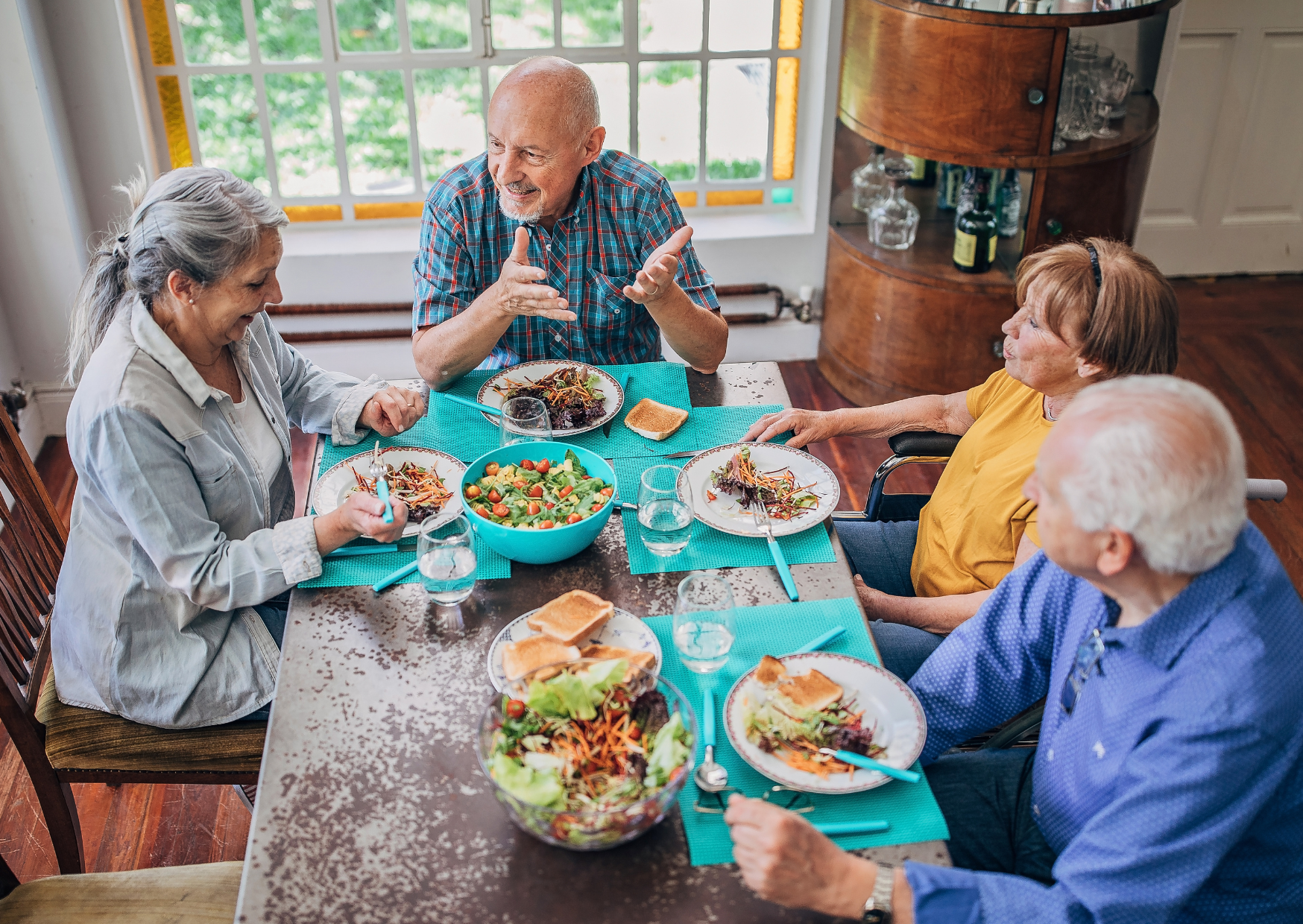
In the U.S., lunch is often transactional. A sandwich eaten at a desk. A smoothie consumed while driving. A protein bar between meetings.
In Mediterranean Europe, lunch is the central ritual of the day.
It takes place around 2:00 p.m. It lasts at least an hour. It’s cooked at home or enjoyed in a café. And it happens sitting down — not alone, not rushed, not while doing three other things.
This daily pause gives the brain a structured rhythm. The mind steps out of “task mode” and into presence. And over years, that pattern of rest, routine, and digestion supports deeper neurological health.
2. People Talk — And Talk a Lot

One of the most striking features of a European lunch, especially in Spain or Italy, is the amount of conversation.
Lunch is not just about calories. It’s about talking. Storytelling. Arguments. Laughter. Repetition. Vocabulary. Nuance.
For older people, this is critical. Daily conversation exercises working memory, language processing, and emotional response — all key functions that deteriorate with age in Alzheimer’s patients.
In American culture, where meals are often eaten alone or with screens, this kind of linguistic engagement is rare.
Europeans, by contrast, engage in multi-generational daily dialogue — the single most brain-protective activity you can’t buy in a bottle.
3. Meals Are Cooked From Memory — Not From Labels
Ask an elderly Spanish woman how to make lentejas or a Sicilian nonna how to prepare eggplant, and you won’t get a written recipe.
You’ll get a story.
European elders cook without measuring cups. Without packaging. Without instructions. They remember ratios, timing, substitutions, and technique. This isn’t just tradition — it’s cognitive exercise.
In Alzheimer’s prevention research, activities that require multi-step recall and pattern memory are known to strengthen the brain. Cooking from memory, day after day, offers this kind of workout — no puzzles required.
4. There’s No Multitasking — Just Presence
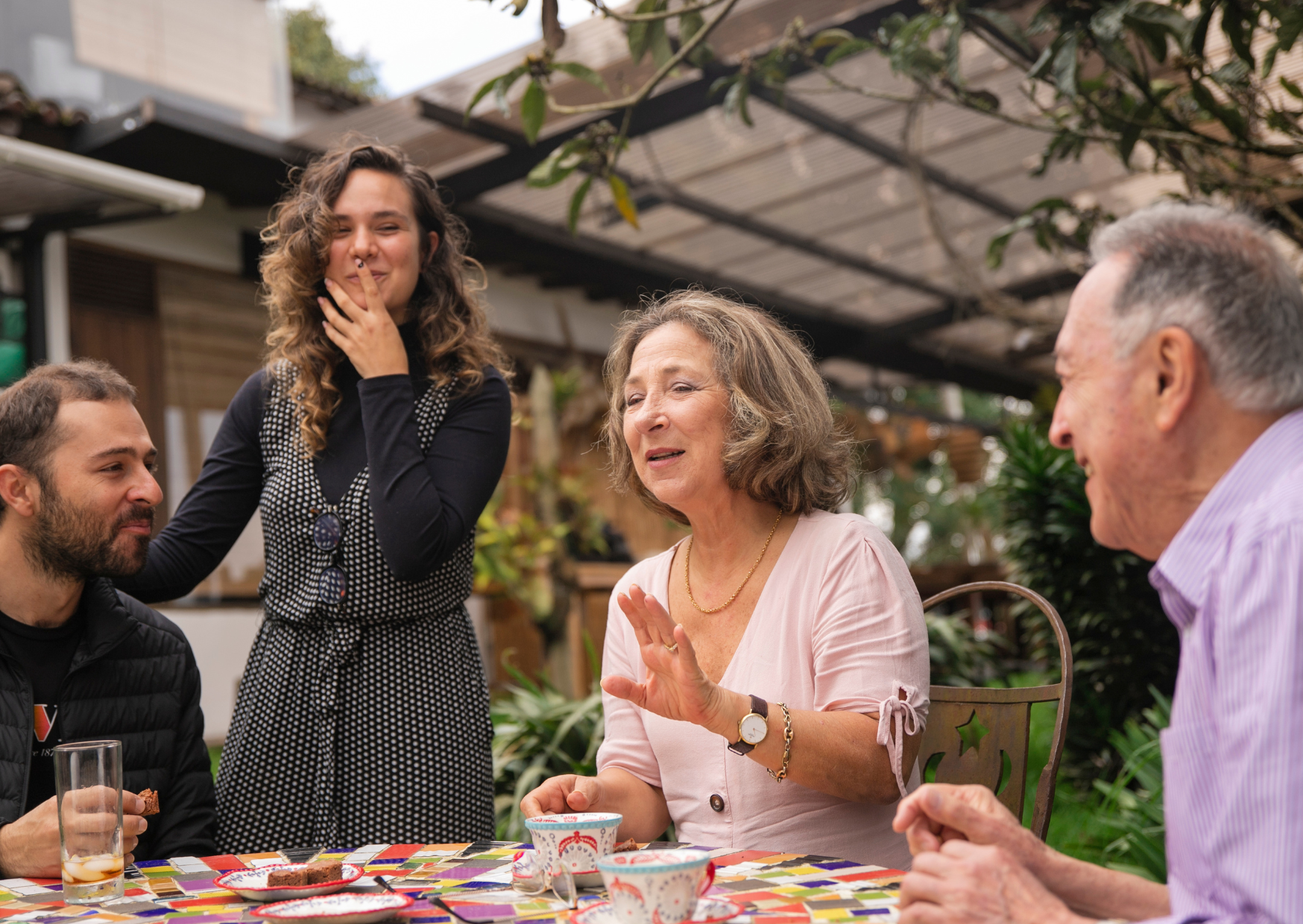
In American culture, lunch is often consumed alongside emails, calls, or scrolling.
In Mediterranean homes, lunch is singular.
Phones are down. TVs are off (unless it’s the news). Children are expected to converse. Adults are fully engaged.
This habit of single-tasking doesn’t just improve digestion — it protects the brain from cognitive fragmentation.
Over time, the ability to focus on one thing at a time helps preserve attention span, decision-making skills, and memory.
5. The Diet Isn’t Just Mediterranean — It’s Familiar and Repetitive

The Mediterranean diet is frequently cited in Alzheimer’s research as a protective factor — rich in olive oil, fish, legumes, and seasonal produce.
But what often goes unmentioned is the repetition. In Spain or Italy, many elderly people eat the same small set of meals every week.
They don’t chase novelty. They rely on muscle memory and tradition. This consistency reinforces cognitive pathways.
The body knows what’s coming. The mind isn’t overtaxed with constant choices. And the sensory familiarity — smell, taste, temperature — activates areas of the brain associated with nostalgia, safety, and routine.
6. Older People Stay Integrated — Not Isolated

In many parts of the U.S., elderly people live apart from family. Meals may be taken alone. Conversation may be limited. Memory care often happens in isolation.
In Mediterranean cultures, older people remain embedded in daily life.
They help in the kitchen. They tell stories. They participate in lunch. They’re not pitied or patronized — they’re included.
This ongoing social role is critical. Neurologically, people need purpose. Social engagement slows decline. In Spain, lunch is one of the main ways this engagement happens — naturally, daily, and with joy.
7. The Meal Is Followed by Rest — Not Immediate Re-Entry

After lunch in the U.S., it’s back to work. Another meeting. Another errand. Another to-do.
In Spain, lunch is followed by a pause. Sometimes a nap. Sometimes a walk. Sometimes nothing at all.
This period of post-meal rest allows the brain to digest the experience, consolidate short-term memory, and recalibrate.
It’s not laziness — it’s a system of mental recovery built into daily life. Over decades, this reduces stress, inflammation, and cognitive fatigue.
8. Meals Create Intergenerational Memory Loops
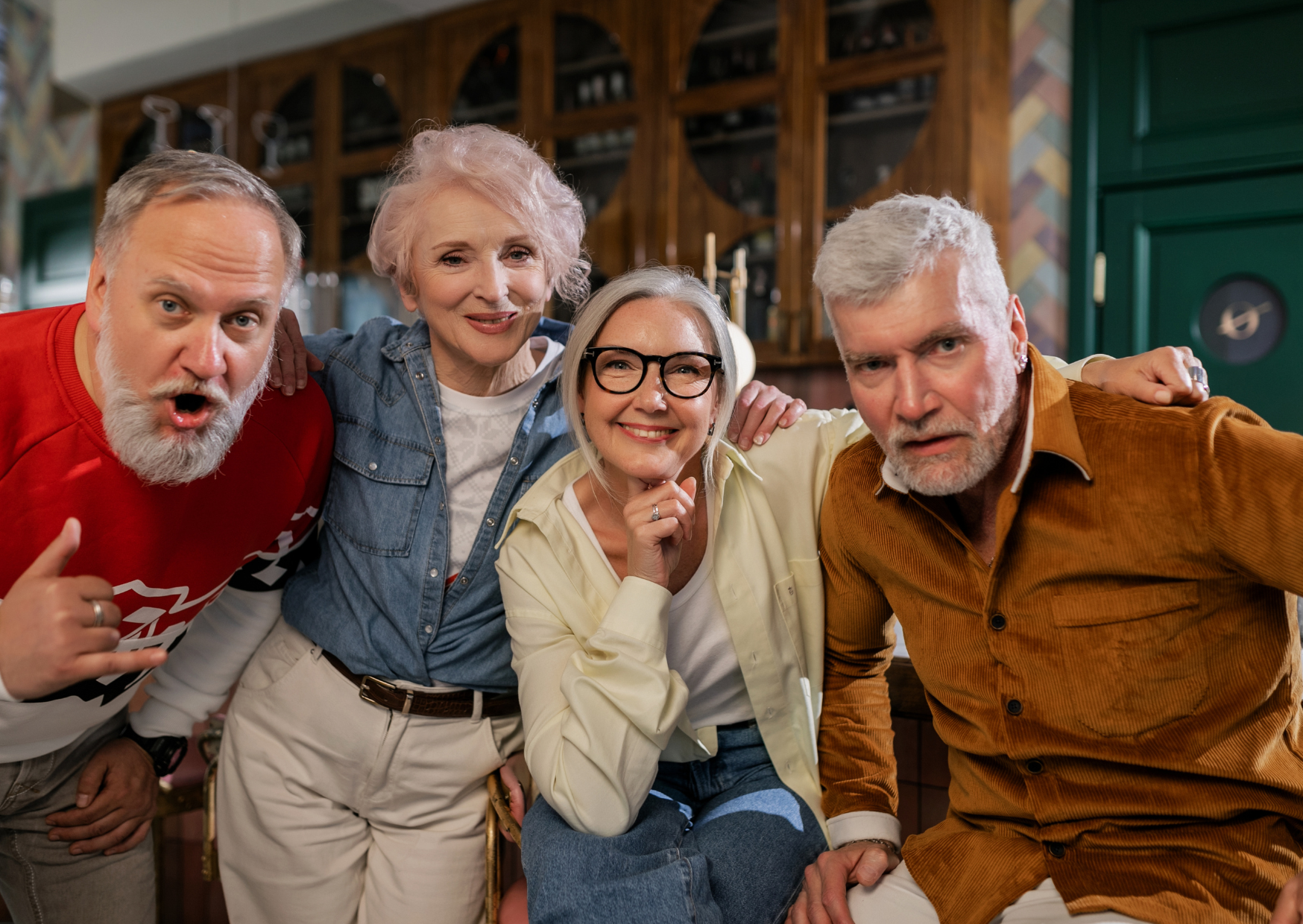
When a Spanish grandfather tells his grandchildren a story about what he ate during the Civil War, or a grandmother teaches her granddaughter how to make sofrito, they’re not just sharing tradition.
They’re creating memory loops — moments that reinforce long-term recall, emotional connection, and family identity.
These interactions are deeply stimulating to the aging brain. They reinforce language, emotion, and spatial awareness.
In contrast, many American seniors interact with family less frequently — and when they do, meals may be rushed or distracted.
9. Meals Are Not About Control — They’re About Joy

In American health culture, eating is often moralized. Was it clean? Low-carb? Intermittent? Organic?
In Mediterranean culture, food is about enjoyment and ritual not control.
This reduces stress around eating, supports emotional regulation, and promotes better overall well-being.
And because meals are not hurried, not isolated, and not filled with guilt, they provide daily windows of emotional safety something that has a profound impact on long-term brain health.
Why you Should Follow it
One reason you should pay attention to these habits is that brain health is shaped by daily life more than many people realize. Current public-health guidance from WHO says dementia risk reduction can include addressing modifiable factors through lifestyle and health behaviors, while CDC notes that regular physical activity can reduce the risk of cognitive decline and dementia. That means ordinary routines are not trivial. They may matter more over time than people assume.
You should also follow this kind of advice because it focuses on habits that tend to improve overall health, not just brain health. Physical activity, healthier eating patterns, avoiding smoking, and managing blood pressure and blood sugar are repeatedly discussed in major health guidance because they support multiple systems at once. Even if someone is thinking specifically about dementia risk, these habits have benefits far beyond that one concern.
Another reason to take these patterns seriously is that they are usually sustainable. A lot of “brain health” advice online sounds extreme, expensive, or built around one miracle food. The more credible guidance is much less glamorous. It points toward movement, cardiovascular health, social connection, and long-term lifestyle consistency. That makes the approach less exciting, but far more realistic.
You should also follow it because it shifts the conversation from fear to influence. There is no guaranteed way to prevent Alzheimer’s, but there is growing evidence that healthy behaviors can reduce the risk of cognitive decline and dementia. That difference matters. People do not need false promises. They need useful actions that may improve their odds and support healthier aging overall.
Finally, you should follow it because it gives people something practical to do now instead of waiting until later life. Brain health is not only a concern for old age. The routines built in midlife and earlier can shape long-term outcomes, which is why risk reduction is increasingly discussed as a public-health issue rather than a last-minute fix.
Why you Shouldn’t Follow it Blindly
At the same time, you should not follow this topic as though it offers a guaranteed prevention plan. There is currently no proven way to prevent Alzheimer’s entirely, and public-health guidance is careful to talk about reducing risk rather than eliminating it. That means no article, no country, and no lifestyle pattern should be treated like a cure or certainty.
You also should not assume that “European habits” are one single formula. Europe is made up of many countries and lifestyles, and even the Mediterranean-style patterns people often admire are not universal. If the article turns Europe into one neat model of brain health, it will sound more romantic than accurate. The better message is that some commonly discussed habits happen to overlap with evidence-based risk reduction.
Another reason to be careful is that correlation is not proof. If one population seems to have different dementia patterns, that can reflect diagnosis rates, age structure, healthcare access, education, cardiovascular health, social conditions, and many other factors. It is too simplistic to say one daily habit explains everything. Brain health is shaped by a web of influences, not one cultural trick.
You should not let lifestyle advice turn into blame either. People can do many things “right” and still develop dementia. Genetics, age, and other nonmodifiable factors still matter. A responsible article should empower readers without implying that those who become ill simply failed at prevention.
Finally, you should not treat one food or one routine as a magic answer. NIH-linked materials and broader public-health guidance point toward patterns of behavior, not miracle ingredients. Any headline that promises too much from one bread, one walk, one supplement, or one national habit is almost certainly overselling the science.
One Habit, Two Outcomes
To Americans, a long daily lunch with family, no phones, and familiar food sounds like a luxury or an outdated tradition.
To many Europeans, it’s the foundation of life and, as it turns out, possibly the key to avoiding Alzheimer’s.
In the U.S., Alzheimer’s is treated as a puzzle to solve with labs, programs, and data.
In Europe, it’s often seen as something you guard against quietly, through the slow practice of daily connection.
Not with brain games.
Not with nootropics.
But with lentils, bread, wine, and stories served at the same time, every day, with people who matter.
The most useful way to think about brain health is not through national stereotypes or miracle claims. It is through patterns. Public-health guidance consistently points to movement, cardiovascular care, smoking avoidance, and healthier lifestyle behaviors as meaningful parts of reducing dementia risk. That may sound less dramatic than a viral headline, but it is much more trustworthy.
What makes some European lifestyle patterns interesting is not that they provide a secret cure. It is that they often reflect habits researchers already take seriously: more walking, less sedentary living, shared meals, and dietary patterns closer to what many experts describe as healthier overall. These routines are not magical because they are European. They are useful because they line up with broader evidence on long-term health.
That said, brain health should never be reduced to a simple cultural comparison. The more responsible lesson is that some daily habits appear supportive, and those habits are available to people in many countries. Readers do not need to imitate a fantasy version of Europe. They need realistic routines they can actually keep. That is where the value really is.
It is also important to remember that reducing risk is not the same as guaranteeing protection. People deserve honest guidance, especially on serious medical subjects. The strongest version of this article is not “do this and you won’t get Alzheimer’s.” It is “these are the habits experts keep coming back to when they talk about healthier aging.”
In the end, the best takeaway is simple: what you do every day matters. Not perfectly, not completely, and not with certainty, but meaningfully enough to deserve attention. That message is less flashy than a miracle claim, but it is far more useful and far more real.

About the Author: Ruben, co-founder of Gamintraveler.com since 2014, is a seasoned traveler from Spain who has explored over 100 countries since 2009. Known for his extensive travel adventures across South America, Europe, the US, Australia, New Zealand, Asia, and Africa, Ruben combines his passion for adventurous yet sustainable living with his love for cycling, highlighted by his remarkable 5-month bicycle journey from Spain to Norway. He currently resides in Spain, where he continues sharing his travel experiences with his partner, Rachel, and their son, Han.