

Portugal does not suit every American retiree equally.
The people who often settle best are not always the ones chasing maximum sunshine, hottest beaches, or the most aggressively “Mediterranean” version of retirement. A lot of the time, the retirees who hold up best are the ones who arrive wanting a greener, slower, more walkable life without needing it to feel tropical. That is one reason Pacific Northwest retirees often fit Portugal unusually well.
Not because Oregon and Washington are secretly Portugal.
Because the adjustment curve is smaller.
Northern Portugal is cooler and wetter than the postcard version Americans usually imagine, especially around Porto and the Minho region. Porto is notably cooler and wetter in winter than Lisbon or the Algarve, and Braga’s climate data show heavy rainfall through the cooler months, with annual precipitation around 1,465 to 1,563 mm depending on the climate dataset. For a lot of Americans, that sounds like a drawback. For people coming from Seattle, Portland, western Oregon, or western Washington, it can feel more familiar than disappointing.
That matters more than people think.
Retirement moves last when the daily life fits. And Portugal works well for Pacific Northwest retirees because the country, especially its northern and central parts, often rewards the same things they already tolerate or value: milder summers, greener landscapes, walking, layered weather, café culture, transit, and a version of comfort that does not depend on giant houses and constant air-conditioning. Portugal’s life expectancy reached 82.7 years in 2024, above the EU average, and the country still combines lower behavioral-risk mortality than the EU average with broad core health coverage.
That does not mean Pacific Northwest retirees biologically outlive everyone else in Portugal.
It means they often build the kind of life there that is easier to keep.
And in retirement, the setup you can keep is usually the one that lasts.
Portugal Works Best When It Feels Like a Daily Life, Not a Reward Package
A lot of American retirees arrive in Portugal looking for compensation.
They want lower costs, better weather, nicer food, less stress, better healthcare, more beauty, and ideally all of it in one clean move. That is how people end up forcing themselves into Lisbon, Cascais, or the hotter parts of the Algarve because those places look like retirement should feel like a reward.
Pacific Northwest retirees often come in with a different instinct.
They do not always need the move to feel glamorous. They are often more comfortable with a greener, quieter, less theatrical version of Portugal. That can mean Braga, Porto, the Silver Coast, or other places where the life is less aggressively sunny and more rhythm-based. Those are also often the places where costs hold up better. Idealista’s current Portugal retirement guides keep stressing the value difference between coastal hotspots and better-value inland or less obvious locations, while its 2026 retirement cost guide says smaller towns can still support a comfortable retiree lifestyle around €1,400 to €1,900 a month, depending on how people live.
That is one reason the move lasts.
A retiree who chooses a place because it works in November usually does better than a retiree who chooses a place because it looks good in May.
Pacific Northwest retirees are often better at understanding that instinctively.
The Climate Adjustment Is Smaller Than It Is for Sun-Chasing Americans
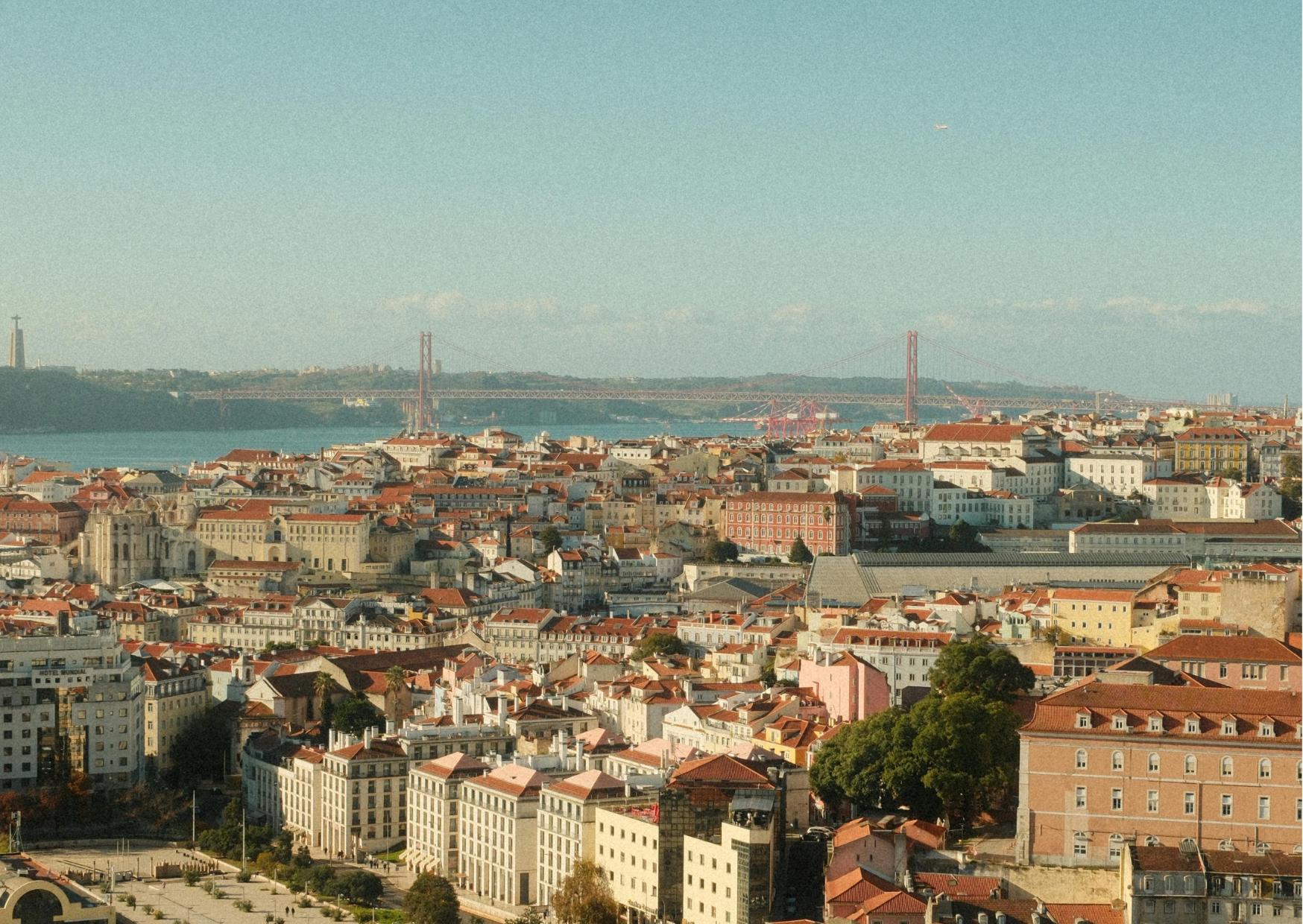
This is one of the most practical advantages.
A retiree from western Washington or Oregon is usually not shocked by gray mornings, wet winters, layered clothing, or the idea that green landscapes come with cloud cover. That does not mean northern Portugal is identical to the Pacific Northwest. It is not. But it is often close enough in feel that the move does not create a giant climate identity crisis.
That helps a lot.
Porto’s climate is widely described as cooler and wetter than both Lisbon and the Algarve, especially in winter. Braga shows a long wet season and a meaningful rainfall load for much of the year, with World Meteorological Organization and climate databases showing very wet winter months.
For some retirees, that sounds like a reason to run south immediately.
For Pacific Northwest retirees, it can sound like sanity.
They are less likely to overpay for heat they do not actually need. Less likely to force themselves into a hyper-sunny expat zone because they think retirement abroad should look like a brochure. Less likely to feel disappointed when Portugal turns out to have seasons, rain, damp walls, and winter days that are not designed for pool photos.
That is a huge hidden advantage.
Because one of the quickest ways to make a retirement move fail is to pick a climate fantasy and then discover you do not actually enjoy living inside it every day.
Pacific Northwest Retirees Usually Need Less Square Footage Theater
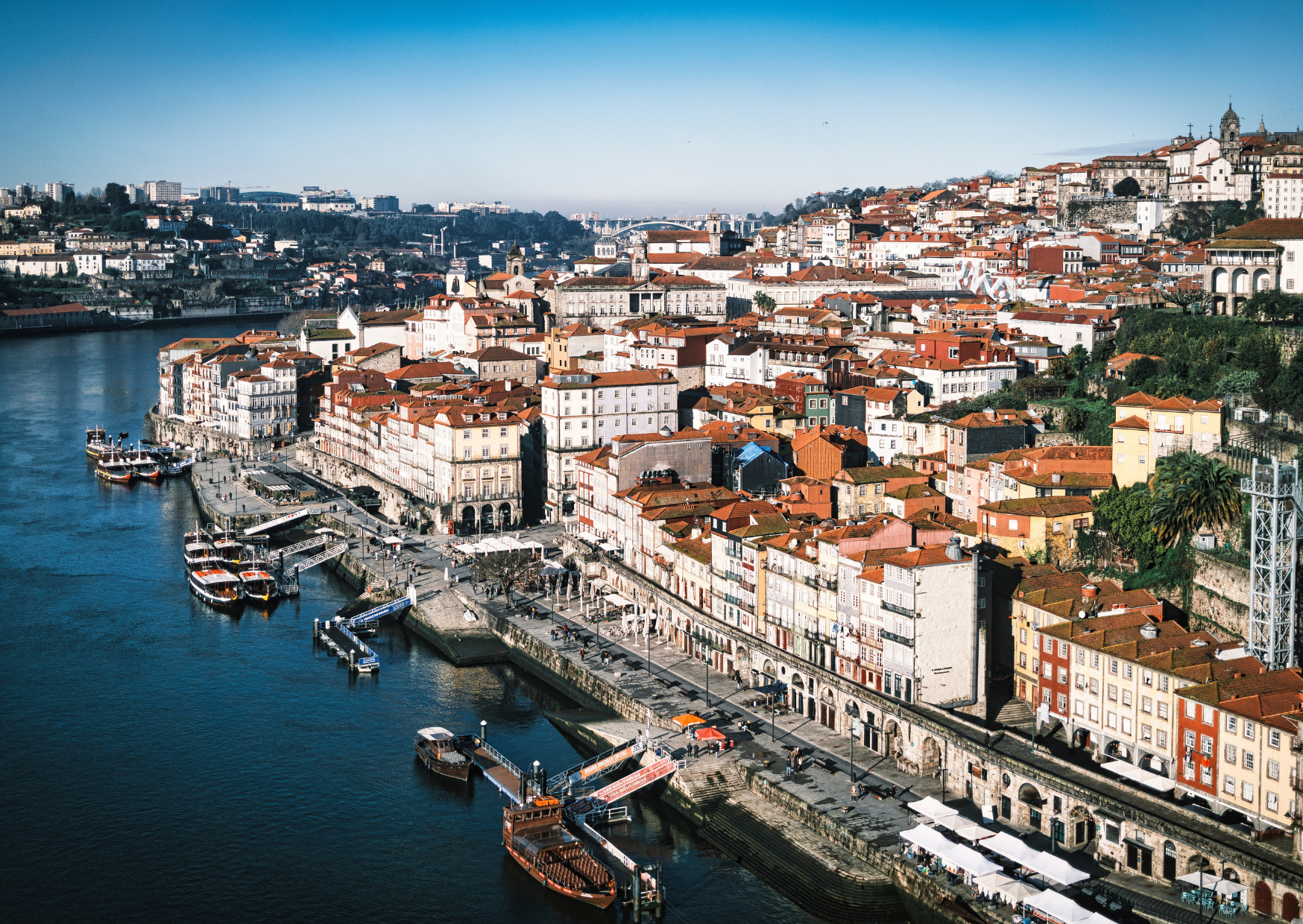
This one matters more than people admit.
Retirement in Portugal tends to hold up better when people are willing to trade some house for a better everyday life. Smaller apartment. Better walkability. More cafés. More usable public space. Less dependence on car storage and guest rooms and giant open-plan declarations of success.
That trade is often easier for Pacific Northwest retirees than for retirees from parts of the U.S. where housing identity is louder.
A lot of Pacific Northwest households, especially from Seattle and Portland, are already used to paying a lot for location, density, neighborhood culture, and proximity to daily life. That means Portugal’s urban compromises can feel familiar rather than insulting. A smaller apartment in Porto with real cafés, transit, and daily walking can make emotional sense to someone already used to making space-versus-lifestyle trade-offs.
That is not always true for retirees from more house-centered parts of the U.S., who may arrive wanting Portugal plus extra square footage plus charm plus low costs.
Portugal is much better at delivering a compact good life than a sprawling cheap one.
That is why the fit matters.
The retirees who last longest are usually the ones who stop demanding that the home solve every part of the move.
Walking and Public Life Usually Feel Like a Gain, Not a Sacrifice
This is another place where the Pacific Northwest background helps.
A lot of retirees from Seattle or Portland already understand the appeal of neighborhoods where daily life can happen on foot. They know what it means to walk to coffee, groceries, a pharmacy, a market, or a train. They may not have had that every day in the U.S., but they usually understand why it improves life.
Portugal rewards that mindset.
A lot of the country’s better retirement setups are built around walkable town centers, manageable public transport, and smaller daily radiuses. You do not need to be anti-car to benefit from that. You just need to appreciate how much money and energy it saves when life stops requiring the full American movement machine.
This matters even more with age. OECD work on healthy ageing and ageing in place emphasizes the value of enabling older adults to remain active and connected within their communities. Portugal’s built form, especially in its more traditional towns and cities, often supports that better than car-first U.S. retirement models do.
Pacific Northwest retirees often adapt well here because walking already registers as a quality-of-life benefit, not as evidence that the country is somehow behind.
That attitude protects the move.
They Usually Pick Better Parts of Portugal
This may be the biggest operational advantage.
A lot of retirees who struggle in Portugal choose the wrong place for the wrong reasons. They pick the most famous coast. The hottest weather. The highest expat density. The easiest English bubble. Then they act surprised when rents are higher, services are more strained, or the place feels more like a permanent staging area than a real home.
Pacific Northwest retirees often choose differently.
They are more likely to consider northern Portugal, the Silver Coast, or second-tier cities because they are not trying to run from clouds at all costs. That opens up better-value options and often a more durable daily life. Idealista’s 2026 coastal-versus-inland guide makes this pattern clear: Portugal’s coast still sells the fantasy, but inland and less obvious areas often offer better value, quieter daily life, and less budget pressure.
This is exactly where Pacific Northwest retirees start winning.
They are less likely to need Portugal to look like a permanent summer holiday.
They are more likely to ask whether the town works in winter, whether the month works at current rents, and whether the climate will still feel livable when novelty wears off.
That is how moves survive year three, not just month three.
The Food and Daily Routine Shift Is Easier for Them Too
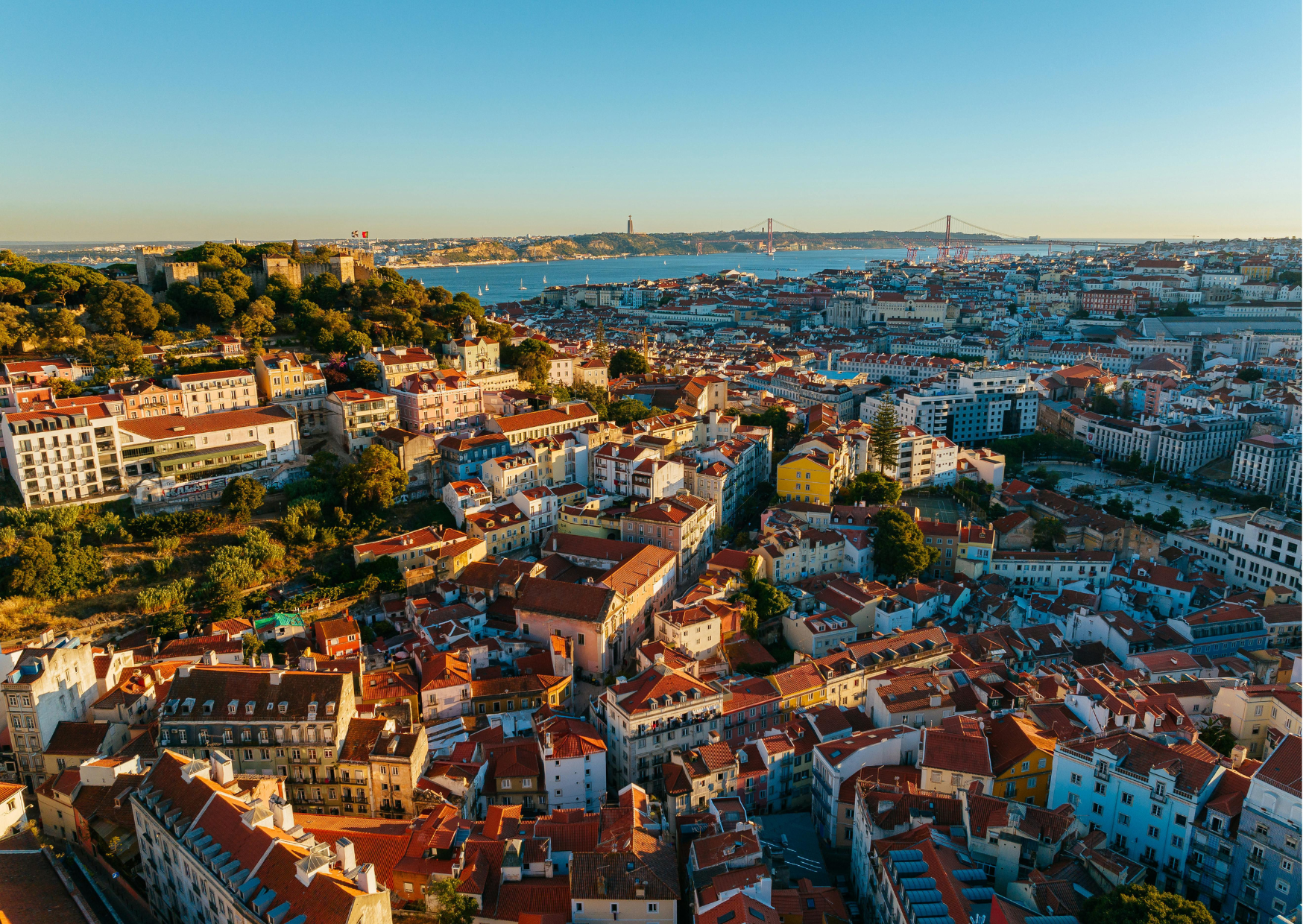
This part sounds softer than it is.
A lot of Pacific Northwest retirees already come from a culture that values coffee, markets, modest daily rituals, soups, bread, fish, and a less overbuilt version of comfort. Not universally, obviously. But often enough that Portugal’s pace feels familiar in structure even when the food and language are different.
That matters because retirement abroad lasts when the day fits.
Portugal works well for retirees who enjoy smaller routines: coffee out, a walk, the market, a lighter lunch, a slower afternoon, a public square, a normal amount of weather, a normal amount of stairs, and a life not built entirely around indoor climate control.
Retirees who need the move to feel like a reward package often burn out faster. They keep chasing weather, expat convenience, and visible ease. Retirees who can live inside ordinary routines usually last longer because they are not asking the country to entertain them every day.
Pacific Northwest retirees are often better at this. The move does not have to be glamorous to feel right.
That is a real advantage.
Portugal’s Health Profile Helps, But It Does Not Replace Fit
Portugal’s baseline health picture is part of the story, but not the whole story.
The OECD and European Observatory’s 2025 country profile says life expectancy reached 82.7 years in 2024, above the EU average, while behavioral and environmental risks accounted for a smaller share of deaths than the EU average. The same profile also notes that Portugal covers the full population for a core set of services, although many years in later life are still lived in poor health and self-reported health is not especially high.
That is the useful balance.
Portugal is not a miracle longevity machine.
It is a country where the structure can support healthier aging if the retiree chooses well.
That is why the Pacific Northwest fit matters. Retirees who adapt well to the climate, the scale of housing, the walking pattern, and the town rhythm are more likely to stay, integrate, and build a life that actually benefits from what Portugal offers. Retirees who spend the whole move fighting the setup tend to get less from the same country.
So yes, Portugal helps.
But the match between person and place does a lot of the work.
Where This Goes Wrong for Other Americans
The people who struggle most are often chasing the wrong Portugal.
Too much heat.
Too much coast.
Too much expat reassurance.
Too much status in the housing choice.
Too much dependence on the idea that retirement abroad should feel like permanent reward.
That combination is expensive and surprisingly fragile.
Portugal still has excellent value in the right places, but not if the retiree insists on a lifestyle bundle that everyone else is also chasing. Idealista’s 2026 retirement guidance keeps drawing the same line: smaller towns and less obvious regions still offer much better monthly value than the obvious hotspots.
Pacific Northwest retirees often dodge this trap because they are not running from weather and grayness as aggressively. That gives them more map.
And more map usually means better decisions.
The First 7 Days If You Want a Portugal Move That Lasts
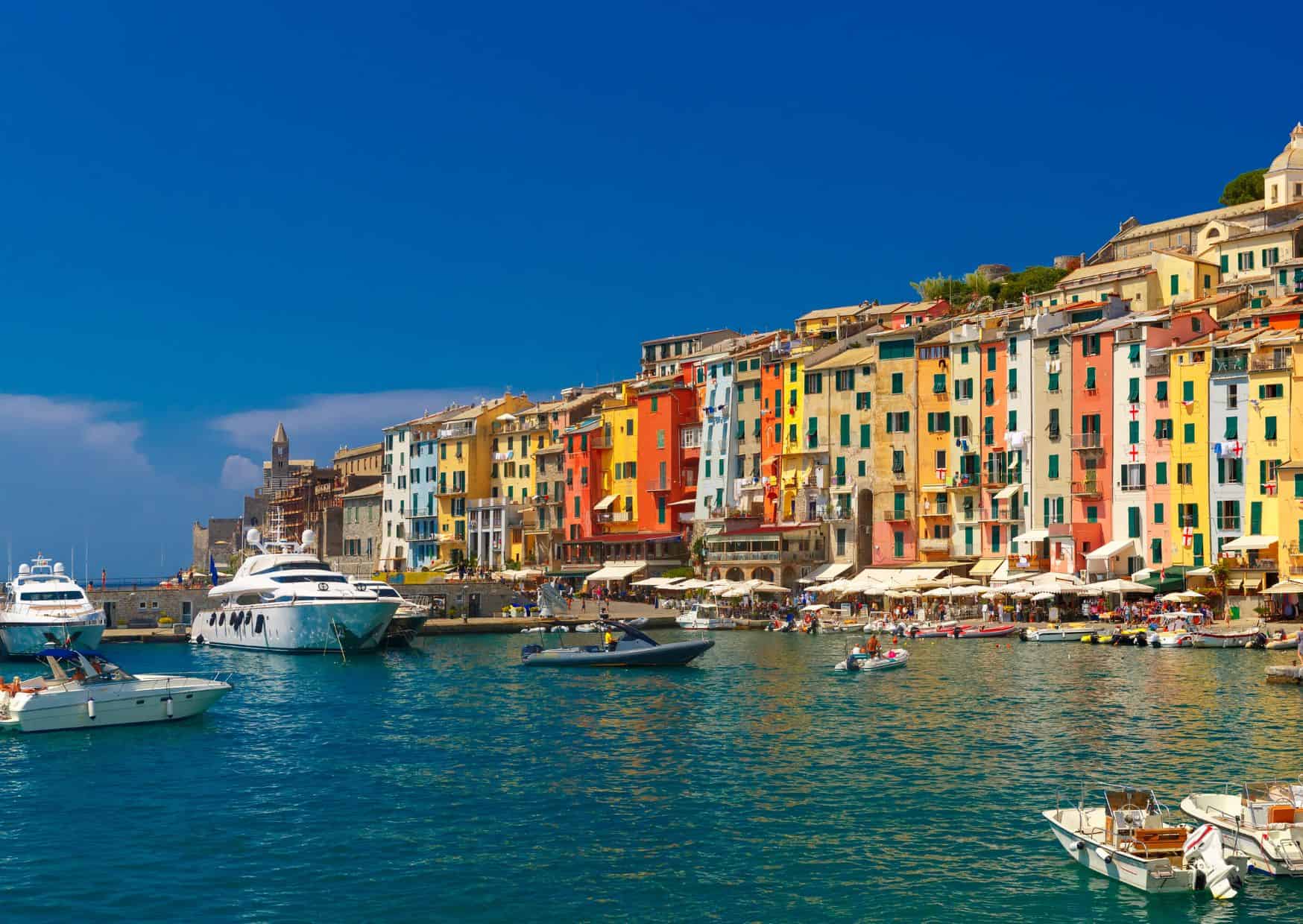
Day one, stop saying “Portugal” and choose three real locations: one in the north, one on the Silver Coast, and one obvious coastal favorite. Compare the month, not the fantasy.
Day two, look at weather honestly. If you already live well with gray skies and wet winters, treat northern Portugal as a strength, not a compromise.
Day three, build your housing brief around function, not postcard value. Walkability, healthcare access, market access, transit, and winter livability matter more than sea-view language.
Day four, run the real budget, not the visa minimum. Portugal’s retirement guides keep the comfortable-retiree range much higher than the basic D7 income threshold.
Day five, assume the best move is the one that still feels right in February.
Day six, choose whether you want easier walking or easier parking. Portugal often makes you pick.
Day seven, ask the blunt question: do you want Portugal to flatter your retirement story, or to support your retirement life?
That answer usually decides which Americans last there.
What Actually Makes the Move Durable
Pacific Northwest retirees do well in Portugal because they often ask less of the country in the wrong categories and more of it in the right ones.
They do not need endless heat.
They do not panic at rain.
They usually understand walkable daily life.
They often tolerate smaller housing.
They are more open to quieter, greener, less famous parts of the map.
That combination leads to better town choices, more stable budgets, and a daily rhythm that is easier to keep.
And the retirement move you can keep is usually the one that lasts the longest.

About the Author: Ruben, co-founder of Gamintraveler.com since 2014, is a seasoned traveler from Spain who has explored over 100 countries since 2009. Known for his extensive travel adventures across South America, Europe, the US, Australia, New Zealand, Asia, and Africa, Ruben combines his passion for adventurous yet sustainable living with his love for cycling, highlighted by his remarkable 5-month bicycle journey from Spain to Norway. He currently resides in Spain, where he continues sharing his travel experiences with his partner, Rachel, and their son, Han.