
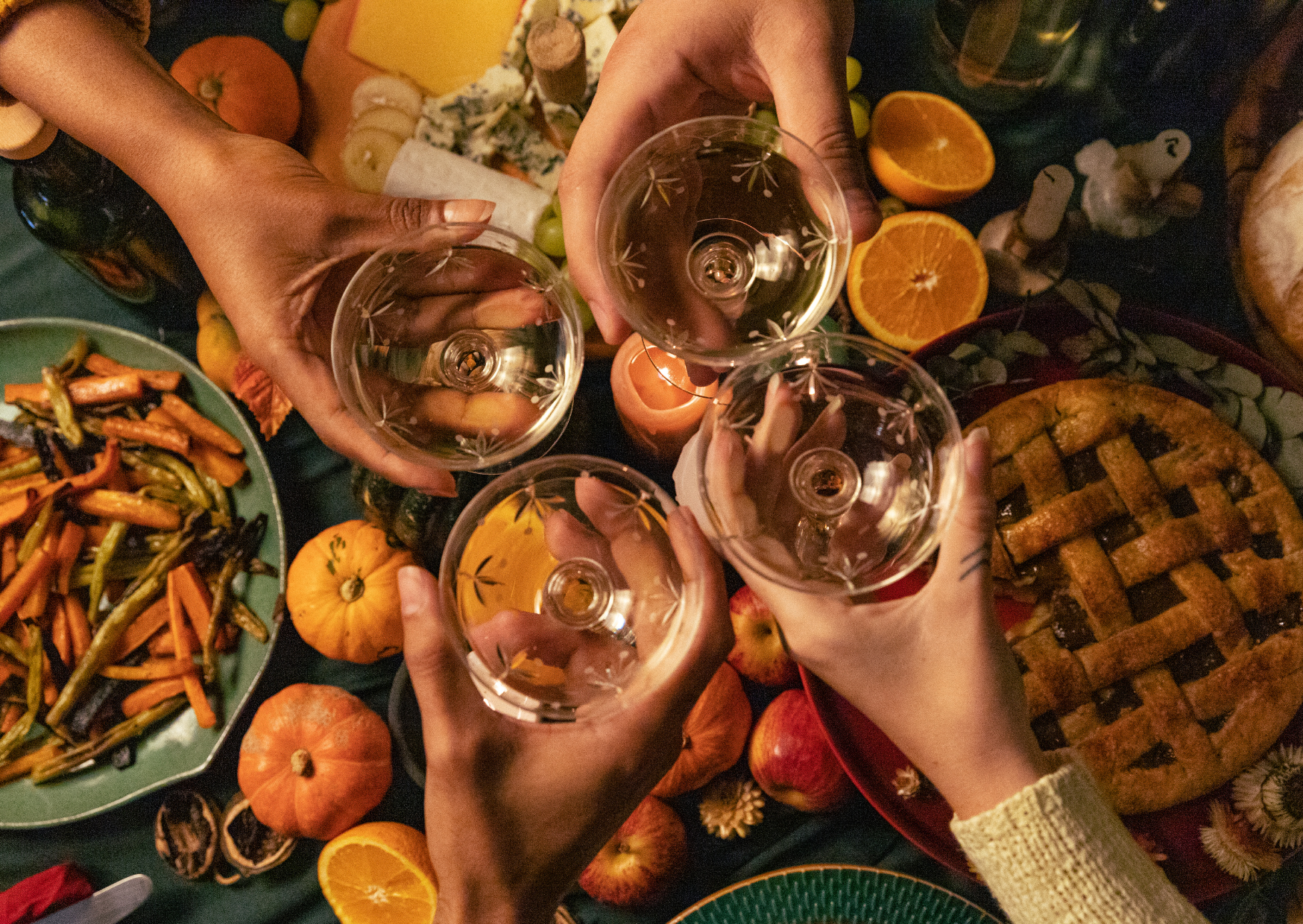
So here is the part visitors miss when they think “Europeans drink every day.” They picture bottomless glasses, not what actually happens at the table. The nightly wine most Europeans drink is small, dry, light, and tied to food. What would horrify an American doctor is not the amount. It is the ritual. Wine here is a condiment that rides alongside bread, oil, and conversation. The shock is that discipline hides inside pleasure.
The dinner table runs on a narrow glass poured once, sometimes twice on weekends, and usually at lunch. If you copy the wine Europeans actually buy for Tuesday, you stop thinking about buzz and start tasting acidity, fruit, and that calm little bitterness that clears a plate of sardines or roast chicken. The trick is not willpower. The trick is choosing bottles that refuse excess.
Where were we. Right. The wines, the sizes, the timing, the math, and how to do this at home without turning it into a performance.
What Europeans mean by “a glass” and why Americans misread it
“A glass” here is 100 to 150 ml, poured to the widest part of a small tulip, not to the brim of a fishbowl. That is three to five ounces. Small pours make wine taste better because aroma collects in the head space and the wine stays cool. It also means the first glass often becomes the only glass. Americans bring barware to the table and then wonder why they sleep badly. Use a smaller glass. Portion is the quiet rule that keeps the ritual civil.
The other difference is timing. Most nightly wine lands with the main meal, which for many families is lunch. Evenings get a smaller pour or nothing at all. If you adopt one habit without moving continents, adopt timing. Alcohol earlier, sleep later, and your night stops paying for your dinner.
Remember: size and timing decide whether wine behaves.
Quick Easy Tips
Choose quality over quantity when drinking wine. A small, well-selected glass is often more satisfying than larger portions.
Pair wine with food whenever possible. Drinking alongside a balanced meal can help slow consumption and enhance flavors.
Practice moderation by limiting the amount you drink. Many traditional European habits involve one small glass rather than multiple servings.
Stay aware of personal health factors. Individual tolerance, medications, and medical conditions should always influence alcohol choices.
Focus on the social aspect rather than the alcohol itself. Wine in many cultures is simply a complement to conversation and shared meals.
One controversial aspect of the European wine habit is how it challenges common American health messaging. In the United States, alcohol is frequently framed in strongly cautionary terms. When people hear that wine is consumed nightly in some European countries, it can appear to contradict public health guidance. This contrast often leads to debates about cultural differences in risk perception.
Another layer of controversy comes from how lifestyle influences health outcomes. Some researchers suggest that wine consumption may be part of broader patterns associated with the Mediterranean lifestyle. Balanced diets, active daily routines, and strong social networks may contribute to overall well-being. In this context, wine may be one element among many rather than the defining factor.
Critics argue that romanticizing European drinking habits can oversimplify a complex issue. Alcohol still carries risks regardless of cultural context, and excessive consumption remains a problem in many parts of the world. Highlighting moderate wine traditions should not obscure the importance of responsible drinking and public health awareness.
There is also debate about whether cultural habits can be easily transferred between societies. Drinking wine slowly with dinner in a traditional setting may produce very different outcomes than consuming alcohol in isolation or in larger quantities. Without the surrounding cultural framework, the same habit could have different consequences.
These discussions reveal how deeply cultural identity shapes attitudes toward food and drink. What appears normal in one country may seem unusual or concerning in another. Examining these differences does not necessarily determine which approach is correct, but it does encourage thoughtful conversation about how habits evolve and how they influence daily life.
The bottles that live on weekday tables

Here are the styles you actually see in a grocery cart on a Tuesday, the ones that pair with food and disappear without drama.
1) Vinho Verde and light Atlantic whites (Portugal and North Spain)
Leaner alcohol, bright acid, a sly spritz in some bottles. Think 11 to 11.5 percent ABV. Vinho Verde, Alvarinho from the Minho, Txakoli from Gipuzkoa. High acid means small sips and slow pacing, which is exactly why older couples love it with fish and salad.
What to look for: ABV under 12.5, words like “branco,” “verde,” “txakolina,” and a dry style. If the label screams tropical, keep walking.
2) Picpoul, Muscadet, and other shellfish whites (France)
Sea food wines built to be salt friendly. Muscadet Sèvre et Maine with oysters, Picpoul de Pinet with grilled squid. These are bracing, not plush, which keeps portions tidy.
Watch for: ABV under 12.5, the word “sur lie” on Muscadet if you want more texture.
3) Beaujolais and other light reds
Gamay from Beaujolais, basic Bardolino on the Italian side, some Valdejalón Garnacha when handled lightly. Chillable reds that taste like cherries and pepper. Light tannin means you can drink a small glass and feel fine, not flattened.
Check: ABV 12 to 13, the word “Villages” on Beaujolais if you want a step up without heaviness.
4) Dry Lambrusco and cheap bubbles that are actually dry
No dessert fizz, no syrup. Lambrusco secco, Cava Brut Nature, simple Crémant. Bubbles add pace. You sip slower because your nose is busy.
Look for: “Secco,” “Brut,” “Brut Nature.” If it says “dolce,” that is not Tuesday.
5) Thin-skinned southern whites that cut oil
Verdicchio, Frascati, Vermentino, Godello. Olive oil loves these because acidity cleans the tongue. You pour less because they work faster.
Rule: if the wine tastes like a lemon over a stone, you chose well.
Quiet truth: weekday wines are tools. They season food and then step aside.
The ABV number that stops trouble before it starts
If you want a single filter that forces moderation, use alcohol by volume. Weeknight Europe lives between 10.5 and 12.5 percent. That is it. The lower the ABV, the more the wine behaves like food. You can pour 120 ml of an 11 percent wine, enjoy the perfume, finish dinner, and still feel light at 21:30.
Pick up your usual U.S. supermarket red and you will see 14.5 to 15.5 percent. Two of those “glasses” equal an entire night’s sleep sacrificed to a warm forehead. If a label hides ABV in mouse type, that is the tell. Honest bottles show their number.
Key idea: ABV is the steering wheel.
Why dryness matters more than your palate admits
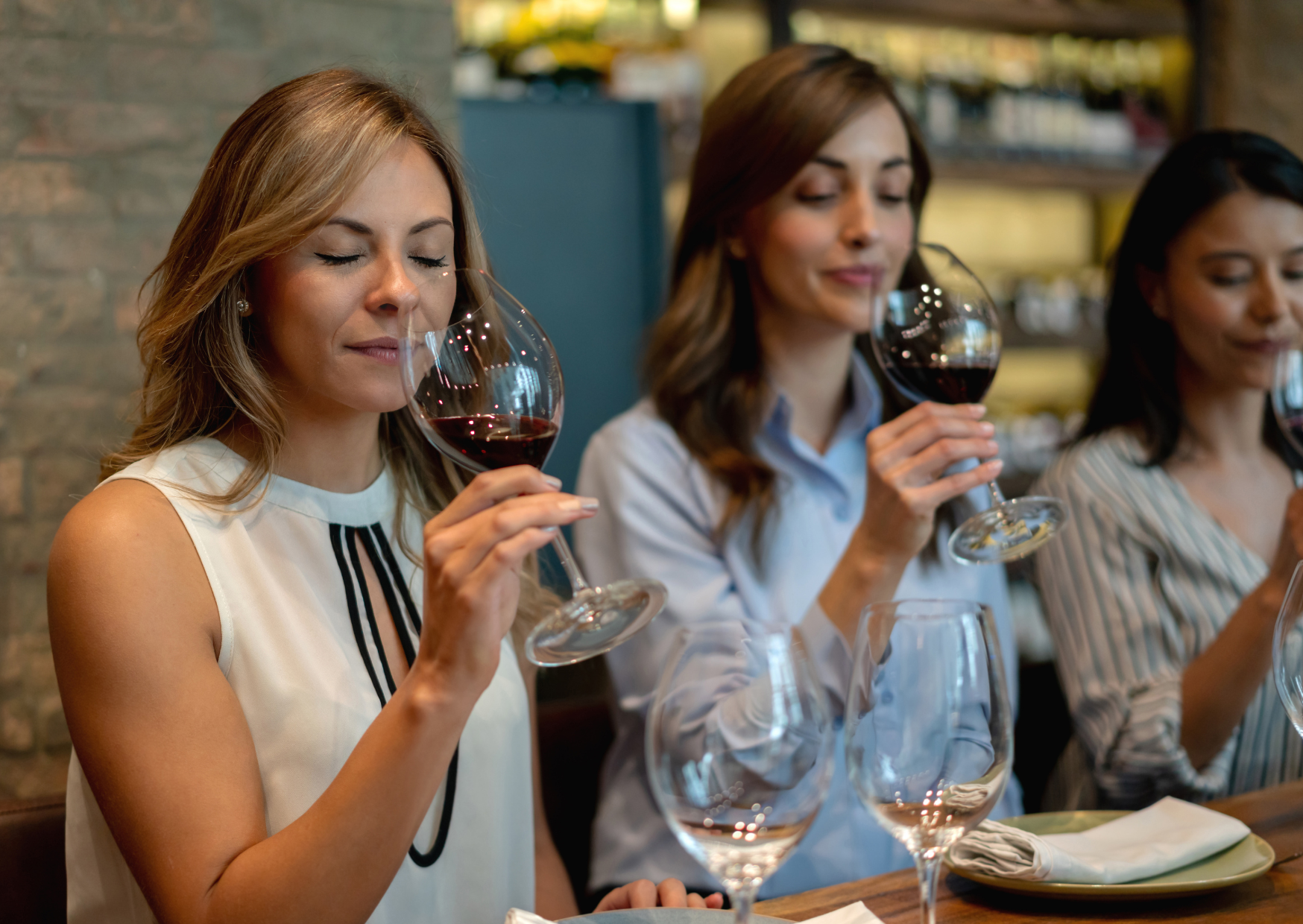
Sugar pushes pace. It also invites a second pour and quietly lifts total alcohol delivered per hour. Dry wine plus water equals control. Europeans do not need to say this out loud because the table does the talking. Bread, soup, salad, a glass, water, talk. The rhythm polices itself.
If you genuinely prefer a touch of sweetness, set a timer and a hard stop. Or pour half-glasses. Structure the sweet, do not let sweet structure you.
Remember: dry first, dilute with water and food.
The glass and carafe trick that makes this automatic
Take a 500 ml carafe to the table for two people. Pour 120 ml per person, then put the carafe out of reach. Fill water glasses. Wine is sipped. Water is drunk. When the plates are gone, the carafe often still holds something, and it goes back in the fridge without anyone feeling deprived.
If friends are over, use a 750 ml bottle for four, same pour size, and a second bottle only if conversation goes long and food stays on the table. The system is social, not moral.
Key line: portion lives in the pitcher, not in your willpower.
Dilution is not a sin, it is a European habit
Call it spritz in Italy, call it tinto de verano in Spain, call it fröccs in Hungary. Wine plus mineral water has been a summer tool for generations. You are not “watering down” wine. You are changing context. A 120 ml pour at 11 percent becomes the same aromatic experience stretched with bubbles and citrus, at a slower pace and lower hit. This is how grandparents drink in August and still nap well.
Practical move: half wine, half sparkling water, slice of lemon, pinch of salt if you like. You just built the European brake pedal.
The food rule that keeps the glass from becoming a hobby
There is one rule every grandmother repeats without raising her voice. Wine goes with food or it does not go. A small pour shows up when the soup hits and disappears by the salad or the cheese. Sipping on an empty stomach is an American bar habit, not a European meal habit.
Build the plate as if wine is seasoning. Olive oil, acid, salt, and a bit of bitterness from greens or char help that little glass feel complete. If you want a hard guardrail: no wine before the first bite, no wine after the last bite, water in between.
Short reminder: the fork sets the pace, not the glass.
The nightly-price reality Americans never believe
In much of Europe, a weekday bottle sits between 3 and 8 euros and tastes like a place. That range buys perfectly dry, low-ABV, food-built wine. You are not saving bottles for birthdays. You are selecting tools. Because the bottle is humble, the pour is humble. Scarcity drives greed. Normal bottles teach normal pours.
American translation: make a “Tuesday shelf.” Cap weeknight bottles at a modest price, save the showy ones for weekends with guests. The family glass turns back into grocery, not theater.
Key point: lower stakes, lower pours.
How to stock a European week in an American city
- Two bottles Vinho Verde or Muscadet for fish and salad
- One bottle Beaujolais or a light chillable red for roast chicken
- One dry sparkling labeled Brut or Brut Nature for a Friday lunch
- One lean Italian white like Verdicchio or Frascati for pasta
- A liter of sparkling mineral water you actually like
- Small tulip glasses and a 500 ml carafe
If the shop staff tries to steer you to buttery bombs or jam jars, repeat the words dry, low alcohol, food wine. Good merchants smile and point you to the corner locals use.
Remember: shop by structure, not by adjectives.
A quick math check that kills the anxiety
You worry about “a drink a day.” Change the frame. 120 ml at 11 percent is roughly one standard drink. Sipped with food at noon or early dinner, followed by water and a walk, it behaves. Double that, especially at 14.5 percent, especially at 21:30, and your sleep and heart rate will complain. It is the combination of dose, ABV, timing, and food that matters, not a scary headline without context.
If you track anything, track sleep quality and morning pulse. The table will teach you faster than any article.
Short line: move the small glass earlier and lighter.
The seven bottle names that rarely fail
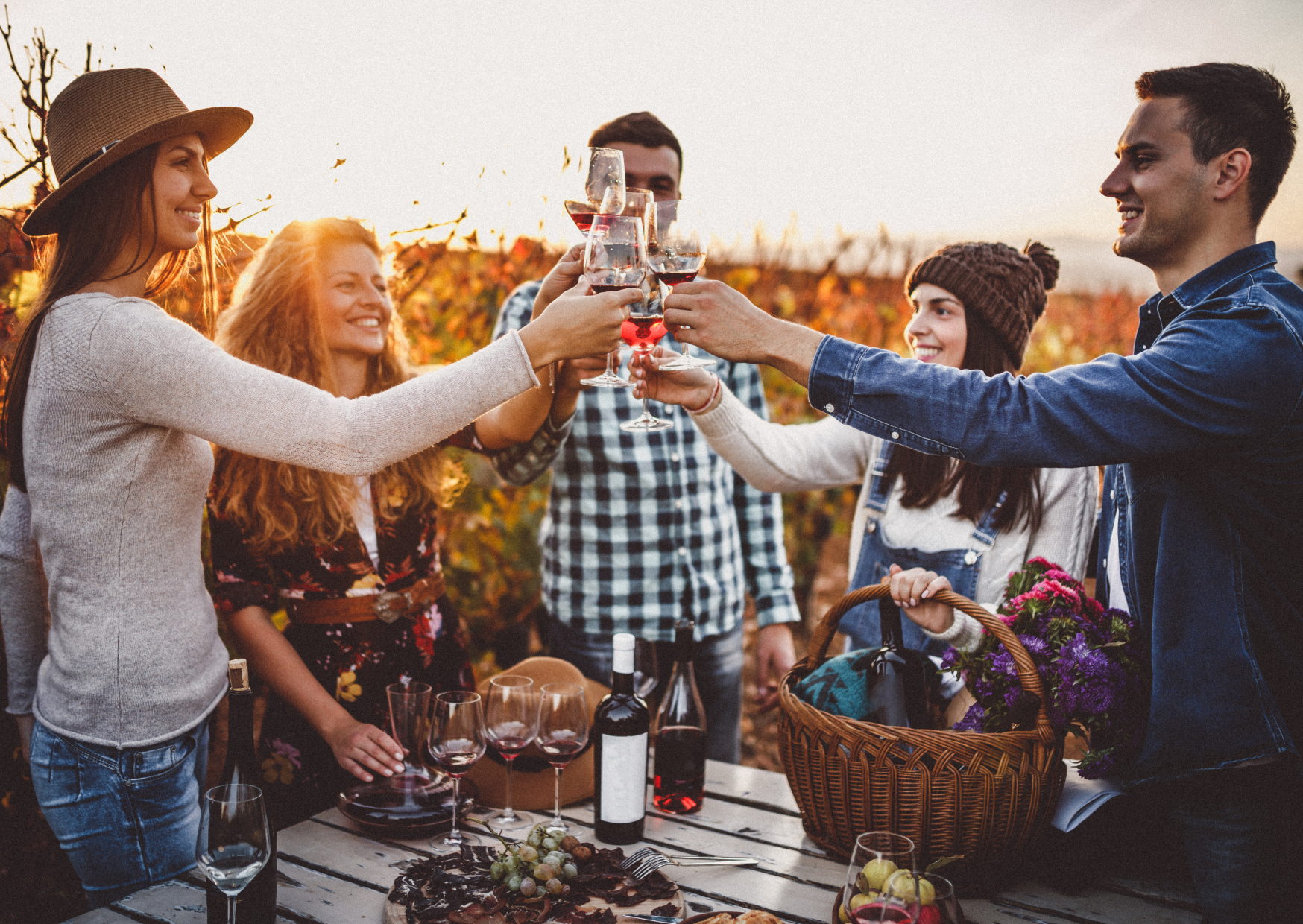
Not brands. Categories you can recognize anywhere.
- Muscadet Sèvre et Maine sur lie
- Picpoul de Pinet
- Vinho Verde or Alvarinho
- Txakoli (Txakolina)
- Frascati or Verdicchio
- Beaujolais (basic or Villages)
- Lambrusco secco or Cava Brut Nature
If you can remember those seven, your Tuesday becomes European even in Ohio.
What to watch for if you want the benefits without the baggage
- ABV under 12.5 for weekdays
- Sugar low. If your lips feel sticky, change the bottle
- Pour small, refill only with food on the plate
- Water on the table and in your mouth between sips
- Stop at the end of the meal, not at the end of the bottle
- Walk after lunch if you can. Ten minutes is plenty
You will notice your sleep improves and dinner stops turning into a snack party. That is the point.
Remember: habits beat hacks.
Objections and the answers Europeans give without arguing
“I sleep badly with any alcohol.”
Then make wine a lunch-only ritual and keep evenings clean. Many Italians do exactly this on workdays.
“I only like big reds.”
Keep them for weekends with a hearty lunch. Your palate will change after a month of light wines that love food.
“I worry about health rules.”
So do many Europeans, which is why portion and timing do the heavy lifting. Small, dry, early is the grown-up version of moderation.
“I do not want to drink daily.”
Then do not. Copy the structure anyway with water, bitter greens, and a good olive oil. The table, not the ethanol, is where the health lives.
A two-week install that makes this feel normal

Week 1
Buy two weekday whites under 12 percent and one light red. Replace your glassware with smaller tulips. Pour 120 ml with lunch twice this week. Water on the table, ten-minute walk after.
Week 2
Add a Friday lunch with a dry bubbly and friends. Keep evenings wine-free on weeknights. Track sleep and morning pulse. If either worsens, cut pour size, not quality.
If you feel better and dinner gets smaller, keep going. If not, retire the ritual and enjoy wine on weekends only. The table should help you, not own you.
Why You Should
You should explore this topic because it sheds light on how cultural traditions influence everyday behavior. By examining how Europeans approach wine consumption, readers gain insight into broader dining habits and social customs. This perspective encourages curiosity about the ways food and drink shape cultural identity.
Another reason to cover this subject is that it challenges assumptions many readers may hold about alcohol consumption. Seeing how wine fits naturally into daily meals in certain countries encourages a more nuanced understanding of moderation and context. It invites readers to think beyond simple stereotypes.
The topic also helps illustrate the connection between lifestyle and health conversations. Instead of focusing only on individual choices, it highlights how social environments and cultural traditions influence habits. This broader perspective can make discussions about diet and wellness more meaningful.
Exploring the European approach to wine also offers an opportunity to discuss mindful consumption. Many traditional dining practices emphasize savoring food and drink slowly rather than rushing through meals. These habits can inspire readers to reconsider their own routines.
Finally, the topic resonates with readers interested in travel, culture, and cuisine. Wine traditions are deeply connected to regional identities and local food cultures. Understanding these practices enriches the experience of learning about different parts of the world.
Why You Shouldn’t
At the same time, you should avoid presenting nightly wine consumption as universally beneficial. Health effects vary depending on individual circumstances, and alcohol can have negative consequences when consumed excessively. A balanced discussion should acknowledge these risks rather than focusing only on cultural traditions.
You should also be cautious about drawing direct comparisons between European and American lifestyles. Cultural habits develop within specific social and historical contexts. What works in one environment may not translate easily into another without the same supporting routines and behaviors.
Another reason to approach the topic carefully is that public health recommendations evolve as research develops. Scientific understanding of alcohol’s effects on health continues to change. Presenting any cultural habit as medically superior could oversimplify a complex issue.
You should also avoid reinforcing stereotypes about entire regions or populations. Not every European drinks wine regularly, and not every American avoids it. Individual preferences and behaviors vary widely, even within the same culture.
Finally, the discussion should not overlook the importance of personal responsibility. Alcohol consumption is a personal choice influenced by health, beliefs, and lifestyle. Encouraging thoughtful decision-making ensures that the conversation remains informative rather than prescriptive.
Some Final Thoughts
Set out small glasses and a carafe. Make a simple dinner that wants acidity. Roast a tray of vegetables, open a bottle under 12 percent, pour 120 ml, and keep a tall glass of sparkling water beside it. Sip with food, talk, and stop when the plate is clean. You just learned the European trick. It is not daily drinking. It is designing your evening so a small glass feels like enough.
Across much of Europe, wine is not viewed as an occasional indulgence but as a normal part of everyday dining. A small glass with dinner is common in countries such as France, Italy, and Spain, where wine is often treated as another element of the meal rather than a separate activity. For many Europeans, the practice is tied to food, conversation, and family traditions rather than excess. This cultural approach shapes how wine fits into daily life.
The contrast with American attitudes toward alcohol often surprises visitors. In the United States, alcohol is frequently discussed primarily in terms of health warnings or special occasions. European habits, however, often emphasize moderation and integration with meals. Instead of drinking quickly or in large quantities, the emphasis tends to be on slow enjoyment alongside food.
Lifestyle also plays a role in how wine consumption is experienced. In many European countries, meals are longer, more social, and less rushed. Drinking wine during dinner is often part of a broader routine that includes balanced meals, walking, and strong community connections. These habits can influence how alcohol is perceived and consumed.
It is important to recognize that moderation remains the key factor in any discussion about alcohol. While a nightly glass of wine may be normal in some cultures, it does not automatically mean it is appropriate for everyone. Health conditions, personal tolerance, and medical advice should always guide individual decisions.
Ultimately, the conversation around wine highlights the difference between cultural habits and universal health guidance. Understanding why Europeans often include wine in their daily meals allows readers to see how traditions shape behavior. It also encourages a broader discussion about how people around the world balance enjoyment, moderation, and well-being.

About the Author: Ruben, co-founder of Gamintraveler.com since 2014, is a seasoned traveler from Spain who has explored over 100 countries since 2009. Known for his extensive travel adventures across South America, Europe, the US, Australia, New Zealand, Asia, and Africa, Ruben combines his passion for adventurous yet sustainable living with his love for cycling, highlighted by his remarkable 5-month bicycle journey from Spain to Norway. He currently resides in Spain, where he continues sharing his travel experiences with his partner, Rachel, and their son, Han.