

Let’s get the blunt part out of the way first. Italian iodine sources do not replace thyroid hormone medication when you actually need thyroid hormone medication. If someone has true hypothyroidism, especially from Hashimoto’s, post-thyroidectomy status, or another form of established thyroid failure, the standard treatment is still levothyroxine. The American Thyroid Association still describes levothyroxine as standard therapy, and its 2025 statement again called synthetic levothyroxine the standard treatment for hypothyroidism.
That means this article is not about throwing away medication because Italy has better salt.
It is about something more realistic and more useful.
A lot of Americans confuse two different thyroid stories:
one is not making enough thyroid hormone
the other is not getting enough iodine to support normal thyroid hormone production
Those are not the same problem. And Italy is interesting because it has a much more visible public-health approach to iodine than a lot of Americans realize. Italy has had a national iodoprophylaxis program for years, with iodized salt at the center, and current nutrition literature still treats iodized salt, dairy, fish, and eggs as the main practical iodine sources in the Italian pattern. One Italian population study estimated mean total iodine intake around 126.4 µg/day, with about 71.5 µg/day from food and about 54.9 µg/day from iodized salt in adults.
That is the switch worth talking about.
Not “medication versus food” as if they are competing religions.
More like this:
a lot of Americans live in a food environment where iodine intake is easy to ignore, and then they arrive in Italy and realize the everyday iodine picture looks different.
The First Mistake Is Thinking Thyroid Medication and Iodine Are the Same Lever
They are not.
If your thyroid is underactive because it has been damaged, removed, attacked by autoimmune disease, or otherwise cannot produce enough hormone, food-based iodine is not going to substitute for the missing hormone. That is exactly why levothyroxine exists. ATA guidance still presents levothyroxine as the standard of care for hypothyroidism, and NIH references likewise describe oral levothyroxine as the core treatment for primary, secondary, and tertiary hypothyroidism.
That needs to be said clearly because the internet is full of people trying to eat their way out of hormone replacement.
That is not how this works.
Iodine matters because it is required to make thyroid hormones. But once the thyroid cannot do its job properly, adding iodine does not magically restore full hormone production. In some thyroid conditions, especially autoimmune ones, taking too much iodine can actually make things worse. General nutrition reviews on thyroid function keep emphasizing that adequate iodine is necessary, but excess can also be harmful.
So if the phrase “my switch” means “I stopped medication and started eating Italian food,” that is usually not a smart story.
If it means “I moved from a low-awareness iodine pattern to a food culture with more reliable iodine sources,” that is a much better story.
Italy Is Much More Deliberate About Iodine Than Many Americans Realize
This is the part that actually matters.
Italy is not famous abroad for iodine. It is famous for pasta, olive oil, espresso, tomatoes, seafood, and shouting elegantly with your hands. But from a public-health perspective, Italy has spent years trying to improve iodine intake, largely through iodized salt policy and education.
The Istituto Superiore di Sanità and related Italian public-health material have treated iodine prophylaxis as a national issue for a long time. More recent research on Italian adults still points to iodized salt as a major contributor to adequate intake. In the Italian adult population study cited above, iodized salt contributed roughly 43% of total iodine intake, with food sources doing the rest. Another 2025 cross-country iodine analysis specifically described Italy as a country with mandatory iodized salt policies.
That is not the same as saying every Italian is iodine-replete and every American is deficient.
It does mean the baseline system is more visible.
In the U.S., people often assume iodine is “handled” somewhere in the background. Sometimes it is. Sometimes it is not. The American food environment makes this confusing because people are eating more restaurant food, more packaged products, more alternative milks, and more specialty salts that may not be iodized. A 2024 Scientific Reports paper even warned that dietary transitions like replacing milk with non-fortified alternatives can raise iodine deficiency risk.
That is how someone can live in a wealthy country, care about health, and still drift into a weak iodine setup without realizing it.
Italy often makes the iodine story less invisible.
The Main Italian Iodine Sources Are Not Exotic
This is another useful correction.
A lot of Americans hear “Italian iodine sources” and imagine some rare coastal ingredient, some sacred mineral water, or a grandmother in Sicily eating seaweed before noon.
The real list is much less dramatic:
iodized salt
dairy
fish
eggs
That is the practical core.
The 2021 Italian intake analysis estimated iodine from food at about 71.5 µg/day on average, with iodized salt covering the rest of the adult intake estimate. Broader iodine reviews from 2024 and 2025 keep naming dairy, fish, eggs, and iodized salt as the most important practical iodine sources in European-style diets.
This matters because the typical American “thyroid health” conversation often gets lost in supplements before anyone checks whether the person is regularly eating any actual iodine-containing foods at all.
A basic Italian pattern can make the situation look different without trying very hard.
Milk or yogurt.
Eggs.
Fish once or twice a week.
Iodized table salt actually used at home.
That is not a thyroid protocol.
That is just food.
And that is often the point. Italy can look better here because the ordinary pattern still gives iodine a chance to show up.
Dairy Is Doing More Work Than Most People Think

This is one of the least glamorous but most important pieces of the whole topic.
Dairy is a major iodine source in many European diets. Recent reviews on iodine nutrition keep naming dairy products as among the strongest contributors to iodine intake in multiple countries, and one 2025 cross-country paper showed dairy products contributing meaningful iodine amounts depending on national production systems.
That matters because dairy is still fairly common in ordinary Italian life in forms that do not necessarily feel like “health foods.” Yogurt, milk, mozzarella, ricotta, aged cheeses, and other dairy foods remain part of normal eating patterns. Not everyone eats them daily, and the iodine content varies, but the pattern still gives people more chances to get iodine than an American routine built around almond milk, protein bars, and takeout.
This is one of the easiest hidden shifts when Americans move to Europe.
They may not even notice they are doing it.
A little more yogurt.
More real cheese.
More milk in coffee.
Less industrial fake-health snacking.
Fewer non-fortified milk alternatives.
That does not fix thyroid failure.
It can absolutely change iodine adequacy.
And this is exactly why blanket “clean eating” can backfire. Replace cow’s milk with non-fortified alternatives, stop using iodized salt, eat little fish or eggs, and suddenly your thyroid nutrition picture can look much worse while your Instagram story looks much cleaner.
Fish and Eggs Matter Too, But Usually as Support, Not the Whole Solution
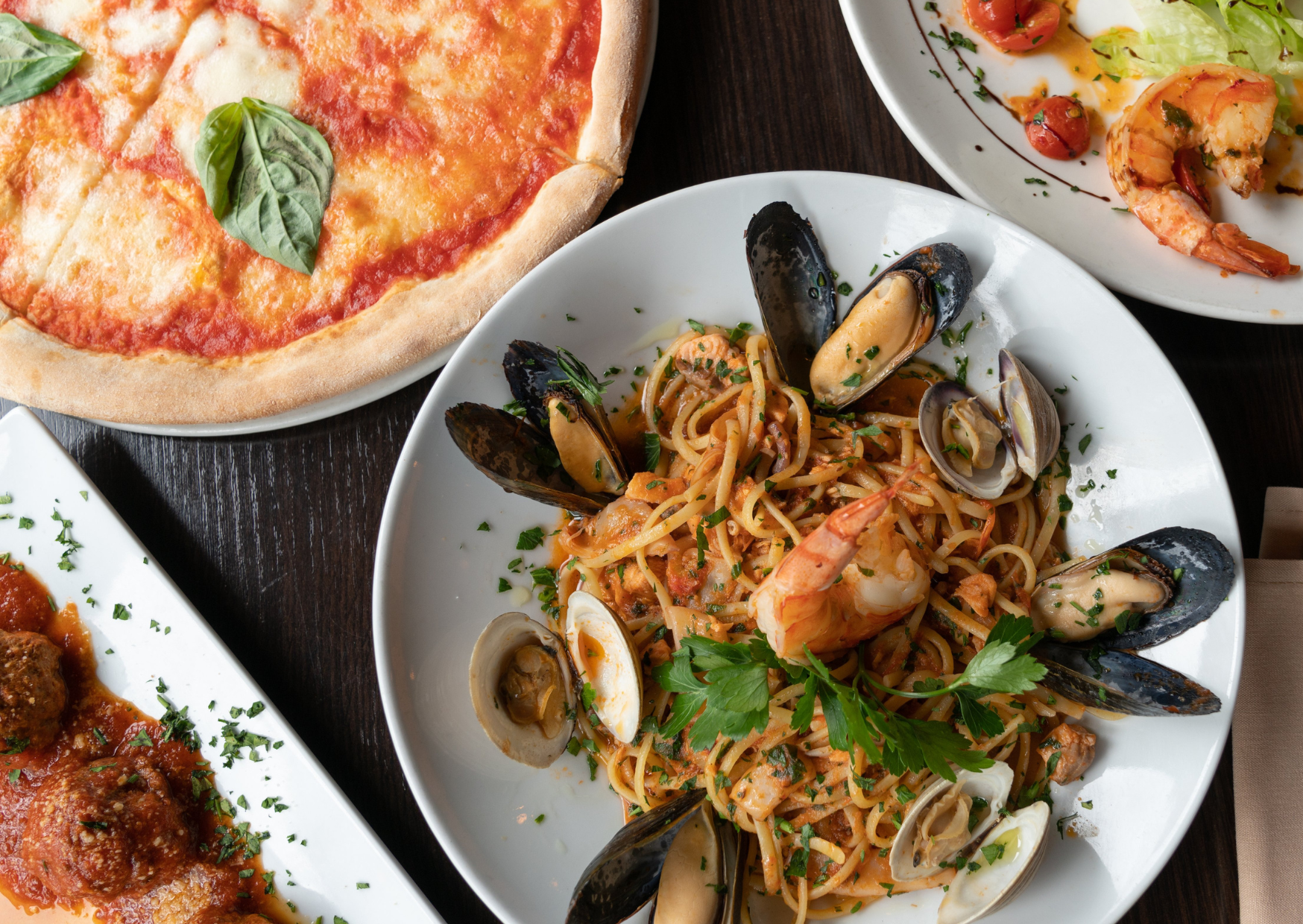
People love to exaggerate seafood in Mediterranean conversations.
Yes, fish matters. Yes, eggs matter. But for most people they are not the only iodine source holding the whole structure up. They are support beams, not the entire building.
Recent nutrition reviews keep placing fish and eggs among the key natural iodine sources. A 2025 paper on modern iodine challenges specifically lists milk and dairy products, saltwater fish, eggs, and iodized table salt among the main sources in European dietary patterns. Another 2025 review notes that iodine-rich foods include fish, dairy products, and eggs, but also stresses that national and food-system variation changes how much people actually get.
That is useful because it keeps expectations sane.
You do not need to eat anchovies every morning to support iodine intake.
You do need a pattern that gives iodine a way in.
A couple of fish meals a week.
Eggs several times a week.
Regular dairy.
Iodized salt at home.
That is the kind of ordinary structure that tends to work better than overthinking.
This is also why people who do not eat dairy, rarely eat fish, use fancy non-iodized salts, and avoid eggs can accidentally end up in a weaker iodine position than they expected. That does not guarantee thyroid dysfunction. It does make iodine adequacy a more active issue.
Iodized Salt Is the Most Boring and Most Important Part
This is the one nobody wants to hear because it is too unsexy to feel like wellness.
But in public-health terms, iodized salt is the main event.
WHO’s long-standing position is that salt iodization is the central strategy for preventing iodine deficiency disorders. The WHO nutrition profile for Italy also tracks adequately iodized household salt as a relevant indicator. Italy’s iodine literature keeps coming back to the same point: iodized salt is a major contributor to adequate intake, and under current intake estimates, it is doing a lot of the heavy lifting.
That matters because Americans have spent years being sold premium salts as identity products.
Pink salt.
Sea salt.
Flaky finishing salt.
Hand-harvested whatever.
None of those things automatically means the salt is iodized.
So a person can be extremely invested in food quality and still be bypassing one of the simplest ways to support thyroid nutrition.
Italy’s public-health model is much less theatrical here. Use iodized salt. Do not overdo total salt, obviously, but when you use salt, let it be the version that helps. WHO guidance cited in a 2025 cross-country iodine paper notes that 5 g of iodized salt per day can provide 100 to 200 µg of iodine, which is enough to meet adult requirements in mandatory-iodization settings.
That is not a trendy thyroid hack.
It is just good public-health design.
This Is Where Americans Often Get Confused About “My Switch”
When someone says they “switched” from American thyroid medication to Italian iodine sources, there are a few possible realities.
The first is unsafe fantasy:
they stopped medication they genuinely needed and replaced it with food. That is a bad idea in most real hypothyroidism cases.
The second is partial truth:
they were taking supplements or being treated loosely for a suspected thyroid issue, moved to a better food pattern, improved nutrient adequacy, and felt better overall. That can happen, but it is not the same as food replacing hormone therapy.
The third is the most believable:
they realized their old diet had weak iodine support, their new one had better iodine support, and this became one useful part of a broader improvement in energy, routine, or lab stability.
That third version makes sense.
The first version makes for a viral post and a potentially terrible outcome.
This is why official thyroid guidance matters here. The American Thyroid Association still frames levothyroxine as standard therapy because when the thyroid does not make enough hormone, the missing hormone still has to be replaced. No amount of mozzarella changes that basic physiology.
So if you want the honest switch, it is usually this:
from iodine ignorance to iodine awareness
not
from thyroid replacement to fish and eggs
The American Food Pattern Makes Iodine Easier to Miss

This is the wider problem.
The American diet is very good at making nutrient adequacy harder to see.
People eat out more.
They rely on restaurant and packaged foods more.
They use specialty salts more.
They swap dairy out more often.
They snack instead of building meals.
They buy “healthy” alternatives that are not necessarily fortified or nutritionally equivalent.
All of that can leave iodine status looking weaker than people realize, particularly if they are also trying to eat in a highly restrictive or highly curated way.
Recent nutrition papers keep warning that plant-based or heavily modified dietary patterns can put iodine adequacy at risk unless people are intentional. The 2023 narrative review on plant-based diets and iodine concluded that strict plant-based eaters often cannot reliably meet iodine needs from food alone and may depend on fortified foods or supplements. The 2025 paper on modern iodine challenges makes a similar point.
Italy can look better partly because it is still easier to eat in a more old-fashioned way.
Not perfectly.
Not universally.
Just enough that dairy, eggs, fish, and iodized salt remain more visible.
That visibility matters.
What an Actually Useful Switch Looks Like
Not stopping medication on your own.
Not buying seaweed tablets off the internet.
Not turning every symptom into a thyroid story.
A useful switch looks more like this:
You check whether your salt at home is iodized.
You stop assuming your fancy salt is doing the job.
You include dairy if you tolerate it.
You eat eggs.
You eat fish with some regularity.
You avoid sleepwalking into an iodine-poor pattern while telling yourself you eat “clean.”
You understand that thyroid hormone replacement and iodine sufficiency are related but not interchangeable issues.
That is the adult version.
It is quieter.
It is safer.
And it is much more likely to hold up.
Your First 7 Days If This Topic Is Personal
Day one, separate your question clearly:
are you worried about diagnosed hypothyroidism, or are you wondering whether your food pattern supports iodine intake? Those are different conversations.
Day two, check your salt. If it is not iodized, stop pretending brand aesthetics matter more than actual iodine content.
Day three, look at the week honestly. Are dairy, eggs, and fish present at all? If not, you may need to think more intentionally about iodine.
Day four, do not change thyroid medication based on an article, a food trend, or a move abroad. Standard hypothyroidism treatment is still levothyroxine when thyroid hormone replacement is truly indicated.
Day five, if you are mostly plant-based or use a lot of alternative milks, check whether iodine is being replaced anywhere in the diet. That is one of the easiest ways to drift into low intake.
Day six, remember that more iodine is not automatically better. Excess can also harm thyroid health.
Day seven, ask the boring question that actually helps:
is this a medication issue, a food-pattern issue, or a “both deserve proper medical follow-up” issue?
That question is less dramatic than “my switch.”
It is also a lot smarter.
What Actually Matters Here
Italy does not beat thyroid disease with food.
What Italy often does better is make iodine part of normal life.
Iodized salt.
Dairy.
Eggs.
Fish.
A less chaotic food pattern.
That can absolutely matter for thyroid nutrition.
It does not replace thyroid hormone when thyroid hormone is genuinely needed.
That is the real takeaway.
If an American “switch” teaches anything useful, it is not that medication was fake and Italy was right.
It is that a lot of people have never separated thyroid treatment from thyroid nutrition, and they should have done that much earlier.

About the Author: Ruben, co-founder of Gamintraveler.com since 2014, is a seasoned traveler from Spain who has explored over 100 countries since 2009. Known for his extensive travel adventures across South America, Europe, the US, Australia, New Zealand, Asia, and Africa, Ruben combines his passion for adventurous yet sustainable living with his love for cycling, highlighted by his remarkable 5-month bicycle journey from Spain to Norway. He currently resides in Spain, where he continues sharing his travel experiences with his partner, Rachel, and their son, Han.