
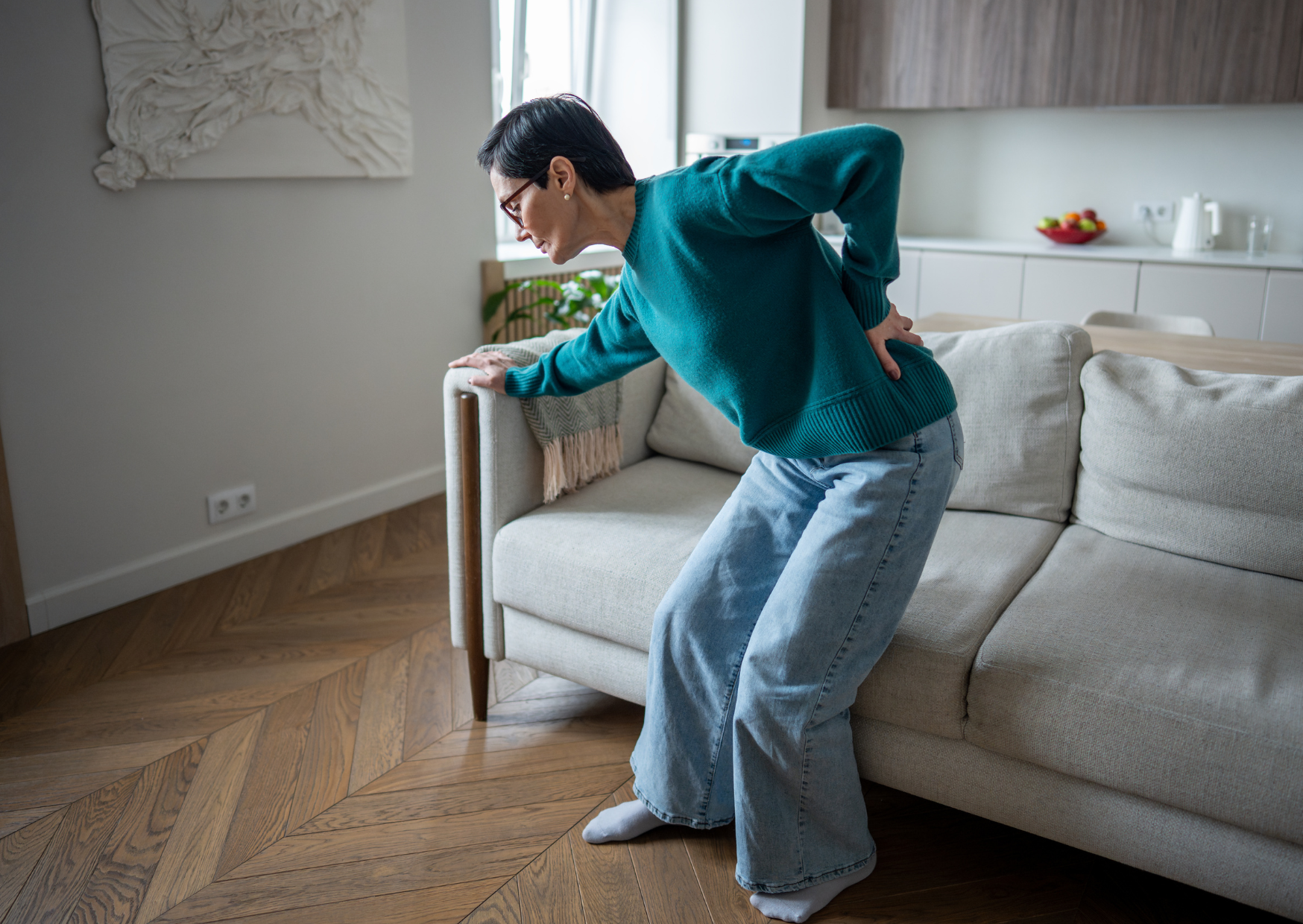
A lot of Americans still hear “chronic pain treatment” and assume the real options live in a narrow corridor: pills, injections, more pills, stronger pills, maybe surgery later, and a long stretch of feeling like nobody has a serious plan beyond managing the next flare.
Europe is not a pain-free paradise. Chronic pain is common there too, and patients complain about delays, fragmented care, and being bounced between specialties just like they do in the U.S. But the overall approach is often built around a different default. The system leans harder toward physical therapy, rehabilitation, multidisciplinary pain clinics, exercise therapy, psychological support, and stricter opioid culture rather than treating opioids as the obvious long-term center of care. OECD prescribing data for 2025 show wide differences across member countries, with some European countries such as Italy at very low prescribed opioid volumes, while the United States remains the country most associated with the modern opioid crisis and the long tail of its prescribing culture.
That does not mean Europe “solved” chronic pain. It means the baseline instinct is different.
The American system, especially for years, got very comfortable with the idea that pain should be suppressed quickly and pharmacologically, even when the long-term evidence was shaky and the dependency risks were obvious. Europe has had opioid problems too, and some countries have seen concerning increases in use for chronic non-cancer pain. But across much of Europe, long-term opioid treatment has remained more constrained, more contested, and less culturally normalized than it became in the U.S.
That difference changes what patients get offered.
And it changes what they expect.
Europe Starts More Often With Function, Not Just Pain Scores

One of the biggest differences is philosophical.
The American system often asks, “How much pain are you in?” and then starts building treatment around reducing that number. The European approach more often asks, “What can you do, what can’t you do, and how do we help you function better with the least harm?” That sounds subtle, but it changes the whole pathway. If the target is function, then movement therapy, rehab, pacing, sleep, mood, and work or daily-life adaptation start mattering more. If the target is only pain intensity, medication naturally takes over more space. The CDC’s current opioid guidance in the U.S. now explicitly tells clinicians to prioritize nonopioid therapies for many kinds of pain and to focus on functional goals, which is a sign of how far American practice had drifted and what it is now trying to correct.
Europe was never perfect on this. Plenty of patients there still report feeling under-treated, dismissed, or stuck in waitlists. But the treatment culture in many countries was less likely to assume that a long opioid prescription was the natural endpoint of chronic pain care. OECD’s 2025 safe-prescribing chapter shows some of the lowest prescribed opioid volumes among reporting countries in places like Italy and Türkiye, with very large differences across Europe depending on regulation and clinical culture. That is not just a prescribing quirk. It reflects a broader idea that chronic pain management should not default to long-term opioid reliance.
For patients, the practical effect is this:
In much of Europe, chronic pain treatment more often starts by reorganizing the body and the day.
In the U.S., it too often started by reorganizing the prescription.
Opioids Are More Tightly Contained
This is the most obvious difference, and it is the one people usually mean when they talk about “the European approach.”
The OECD’s long-running work on problematic opioid use makes clear that the opioid crisis was shaped heavily by prescribing behavior, regulation, and clinical norms, with the U.S. standing out dramatically. In Europe, opioid use and misuse still exist, and some countries have seen increases in long-term use for chronic non-cancer pain, but the scale and culture have generally remained different. Newer European pain research is openly discussing concern about growing opioid use in chronic pain, which tells you two things at once: Europe is not immune, and Europe still treats that rise as a warning sign rather than a settled normal.
That changes the patient journey.
A person with back pain, osteoarthritis, neuropathic pain, or fibromyalgia in Europe is more likely to encounter a chain of responses built around physiotherapy, exercise advice, nonopioid medications, and referral pathways before landing on long-term opioids. In the U.S., the official guidance now says much the same thing, but that guidance exists partly because the system spent years doing too much of the opposite. CDC’s 2022 guideline recommends using nonopioid therapies whenever possible, using immediate-release opioids rather than long-acting products when opioids are used, and carefully weighing benefits and risks for chronic pain.
This is important to say plainly: opioids still have a place. They are not fake medicine. They matter in cancer pain, palliative care, some acute injuries, some postsurgical settings, and selected chronic cases where benefits truly outweigh risks. The European lesson is not “never use opioids.” It is “do not build the whole chronic-pain house around them.”
That is a much more sustainable rule.
Physical Therapy and Rehab Are Treated More Like Core Treatment
This is where Europe often looks much more practical.
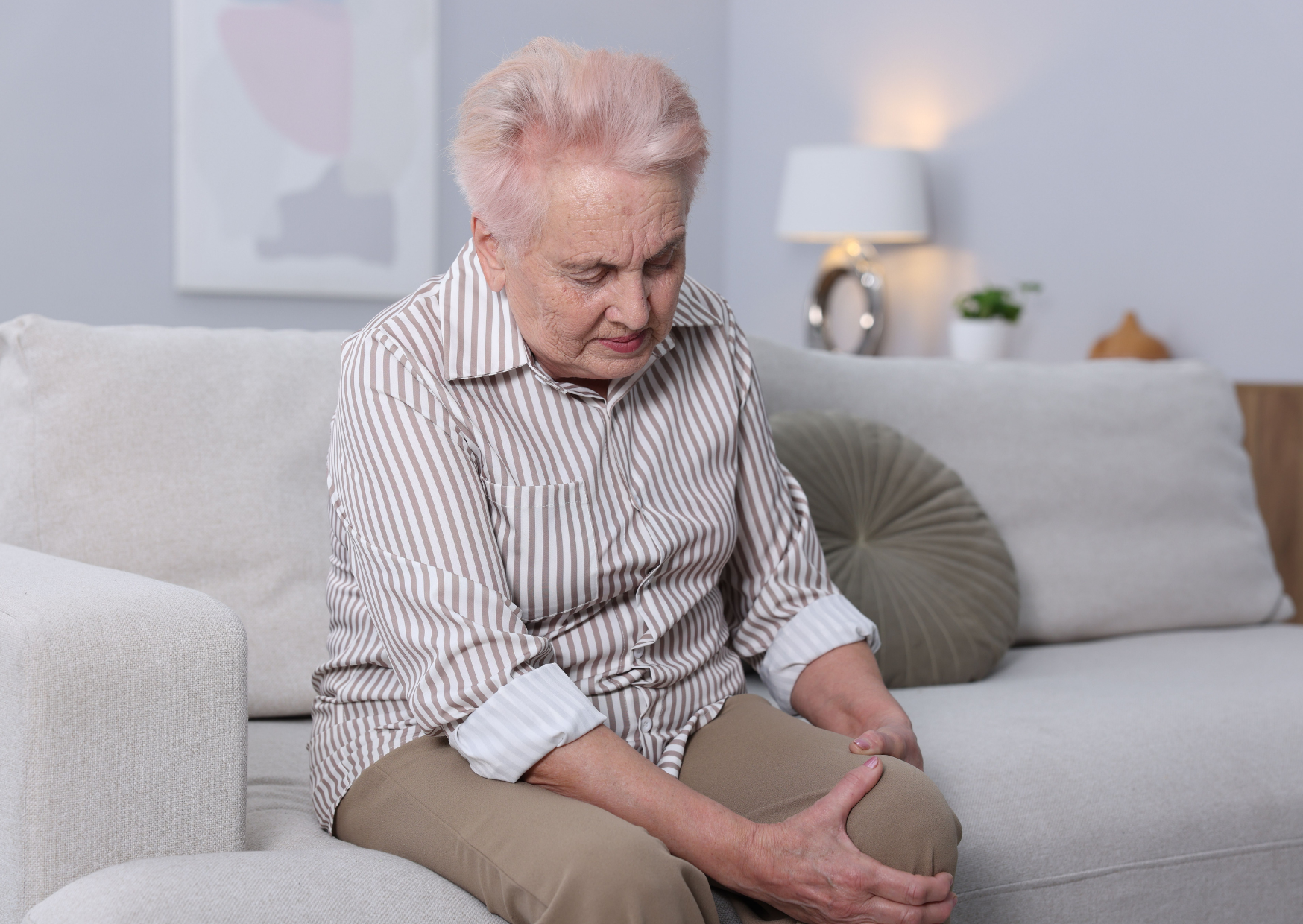
Chronic pain care in many European systems leans harder on physiotherapy and rehabilitation, not as an optional wellness add-on, but as one of the main pillars of care. That does not mean every patient gets immediate access to excellent physio. Wait times, staffing, and regional variation are real problems. But the clinical logic is still different. The body is supposed to be retrained, strengthened, mobilized, and reconditioned, not only numbed. European pain congress materials and specialist pain literature repeatedly frame chronic pain in biopsychosocial terms, which naturally pulls movement, rehab, and behavioral interventions closer to the center.
This matters because chronic pain often worsens through a vicious cycle: pain leads to less movement, less movement leads to deconditioning, deconditioning increases pain sensitivity and disability, and then the person becomes even more dependent on passive treatment. A rehab-heavy approach tries to interrupt that cycle earlier. It does not always feel satisfying in the short term. In fact, patients often hate it at first because it asks more of them. But for chronic pain, the boring functional work often does more long-term good than a stronger pill. That shift toward function is now increasingly echoed in U.S. guidance too, but Europe often embedded it earlier and more routinely in care pathways.
One reason Americans can find this approach frustrating is that it does not flatter the fantasy of quick relief.
It often asks for repetition instead.
And repetition is not a very American medical aesthetic.
Multidisciplinary Pain Care Shows Up Earlier in the Logic
Another European strength is that chronic pain is more often framed as a multidisciplinary problem from the start.
That means not just one doctor and one prescription, but combinations of pain medicine, rehabilitation, psychology, nursing, neurology, orthopedics, occupational therapy, and primary care depending on the case. European pain societies and specialist care pathways increasingly emphasize that persistent pain is not purely biomedical and not purely psychological. It is a long-term condition shaped by the nervous system, physical capacity, sleep, mood, stress, social support, and daily behavior. That biopsychosocial framing is all over European pain research and conference material in 2025.
That does not mean every patient in Europe gets a beautiful team-based clinic.
Many do not.
But the clinical language matters. If the default model says chronic pain is complex, then the patient is more likely to be referred toward more than one lever. If the default model says pain is mainly a symptom to suppress, then care gets narrower very quickly. OECD and WHO material on medication safety, opioid harms, and health-system response all support the idea that chronic pain outcomes improve when systems reduce overreliance on one medication pathway and strengthen broader care structures.
Patients often describe this difference in simpler terms: in Europe they are more likely to be told to build capacity; in the U.S. they were more often told to manage pain.
Those are not the same project.
Psychological Care Is Less Stigmatized Inside Pain Care
This is another major difference.
The European chronic-pain model is often more comfortable saying that pain is real and that the brain still matters. That is not code for “it’s all in your head.” It is an acknowledgment that chronic pain changes the nervous system and that mood, fear, stress, sleep, trauma, catastrophizing, and behavioral avoidance all affect how pain is experienced and how disabling it becomes. European pain practice is generally more willing to build cognitive behavioral therapy, acceptance-based approaches, or pain psychology into the treatment plan without pretending that this means the pain is imaginary.
In the U.S., psychological support for pain has often been undermined by mistrust. Patients hear “therapy” and assume the clinician is dismissing the pain. That mistrust is understandable, especially after years of being bounced around or under-treated. But it has also made it harder to build the kind of multidisciplinary pain care that works better long term. The CDC guideline now includes a wide range of nonpharmacologic options, including exercise and psychological therapies, because the official American position has moved much closer to what many European systems were already trying to do.
This is one of the most useful European lessons:
Pain can be real, severe, disabling, and still require treatment that includes the brain, habits, and behavior.
That is not insult. That is modern pain science.
The Tradeoff Is Slower Relief and More Friction

Europe’s model is not all upside.
It is very important not to turn this into a smug “Europe does pain better” fairy tale. One of the clear tradeoffs is access. OECD’s 2025 waiting-times data show that many health systems still struggle with delays for specialist care and elective procedures, and that matters a lot for chronic pain patients, who often live in the gray area between primary care, imaging, rehab, and specialist assessment.
The European approach can also feel more demanding and less comforting. Patients may get fewer strong drugs, more referrals, more homework, more exercises, more pacing advice, and more uncertainty. That is not always what people want when they are in severe pain. Some patients genuinely do better with well-managed opioid treatment, and systems that become too rigid about opioids can also fail patients. The CDC’s updated guideline itself was in part a response to the harms caused when clinicians and insurers applied earlier opioid rules too mechanically.
So the honest comparison is this:
Europe often gives chronic pain patients a safer, broader, less opioid-centered framework.
The U.S. has historically been more vulnerable to fast pharmacologic solutions, though official guidance is now correcting hard in the other direction.
Neither system is painless.
One is generally less likely to build long-term chronic pain care around opioids by default.
What Patients Actually Get Instead
If the system is not leaning first on opioids, what do patients actually get?
Usually some combination of these:
- physiotherapy or supervised exercise
- NSAIDs or other nonopioid medications when appropriate
- neuropathic-pain agents for selected conditions
- rehabilitation programs
- pain education
- sleep support
- psychological treatment integrated into pain care
- referrals to multidisciplinary clinics for more complex cases
- ergonomic or occupational adaptation
- gradual return-to-function plans
This is not hypothetical. It is exactly the type of multimodal, individualized, nonopioid-first structure reflected in current CDC guidance, European pain literature, and OECD safe-prescribing discussions.
The critical difference is not that Europe invented these tools.
It is that many European systems are more willing to treat them as the main event rather than as the side dishes around a prescription.
That framing changes outcomes over time.
Because what you center is what the patient ends up building life around.
The Useful American Takeaway

Most Americans reading this are not moving to Europe for pain care next week.
So the practical question is not “how do I get treated in Europe?” It is “what can I borrow from the European approach now?”
Start here.
Measure progress partly by function, not just pain score. Ask what helps you walk, sleep, lift, sit, cook, or get through the day with less collapse. Push for physical therapy or rehabilitation earlier. Treat exercise therapy as treatment, not motivational fluff. Get serious about sleep. Do not dismiss pain psychology as an insult. Be cautious with the fantasy that a stronger medication always means better chronic care. Use opioids, when they are used, as one tool with real risks, not as the emotional center of the plan.
And if your current clinician is still running a chronic pain script that feels stuck in an older American model, it is reasonable to ask harder questions about alternatives and function-focused care.
That is not anti-medication.
It is pro-plan.
The Boring Fix That Often Works Better

The European approach to chronic pain is not glamorous.
It is slower.
It is less flattering.
It often involves more effort from the patient.
It may involve waiting, repetition, frustration, and work that does not feel dramatic enough for the level of suffering involved.
But it is generally built on a saner long-term assumption:
Chronic pain is a condition to manage broadly, not a sensation to suppress indefinitely with the strongest available pill.
That assumption has limits. It can still underserve people. It can still leave patients waiting too long and hurting too much. But compared with the opioid-centered reflex that damaged so many lives in the U.S., it is usually a better foundation.
And for many patients, foundation is the whole game.

About the Author: Ruben, co-founder of Gamintraveler.com since 2014, is a seasoned traveler from Spain who has explored over 100 countries since 2009. Known for his extensive travel adventures across South America, Europe, the US, Australia, New Zealand, Asia, and Africa, Ruben combines his passion for adventurous yet sustainable living with his love for cycling, highlighted by his remarkable 5-month bicycle journey from Spain to Norway. He currently resides in Spain, where he continues sharing his travel experiences with his partner, Rachel, and their son, Han.