
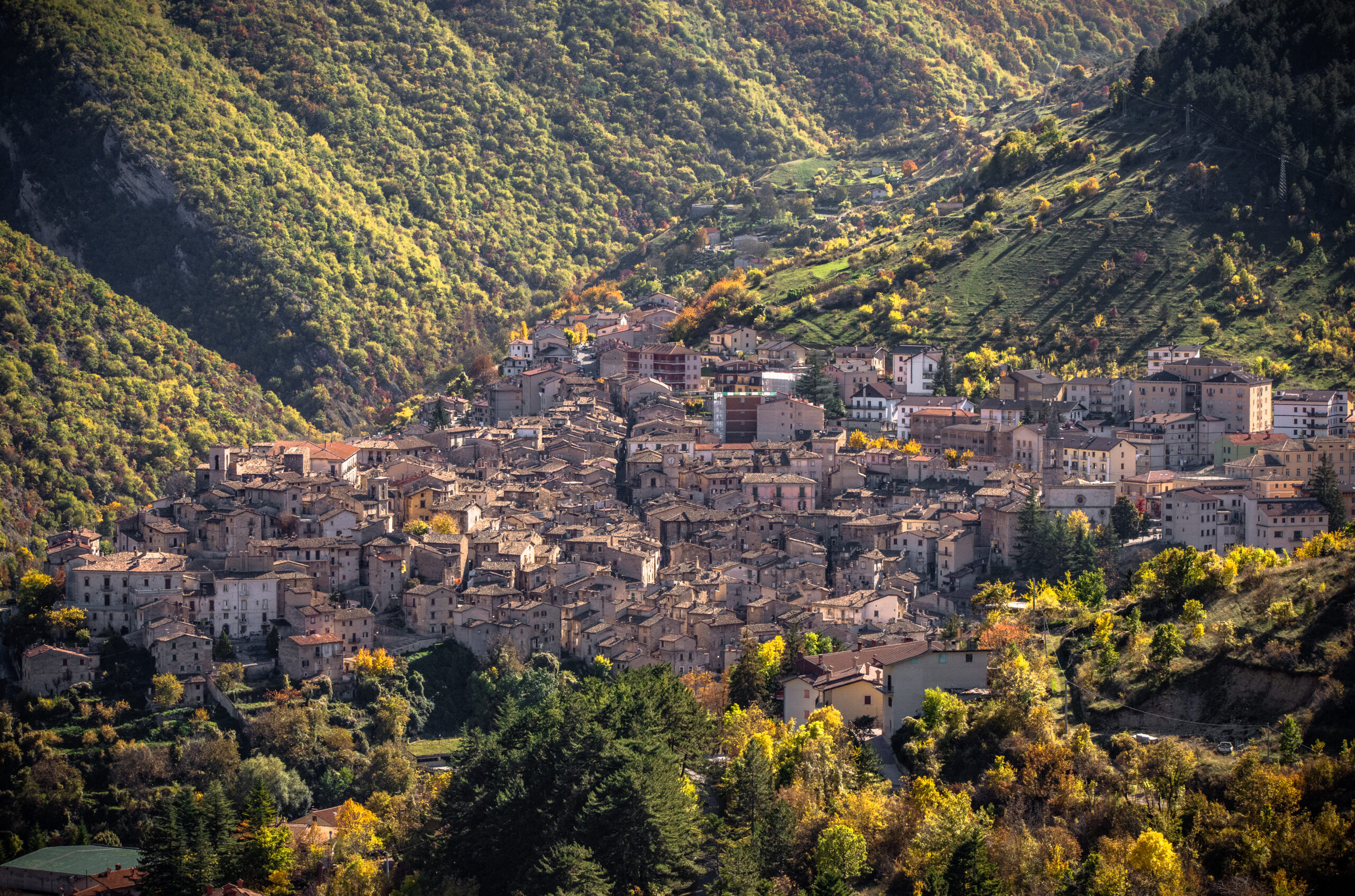
The cheap part was the headline.
The expensive part was everything that turned the building back into a house.
That is the real shape of a lot of Italy’s one-euro property stories. The €1 price is not fake. It is just almost irrelevant after the first week. Current 2026 buyer guidance on Italy’s one-euro schemes keeps stressing the same points: there are deposits or bank guarantees in many towns, tight renovation timelines, professional fees, and real construction costs that quickly overwhelm the symbolic purchase price. Idealista’s January 2026 explainer is blunt about it, listing upfront costs, renovation costs, and professional fees as the real budget categories that matter.
So yes, a €1 house can absolutely become a €120,000 project.
Not because somebody got scammed by the number one.
Because they bought a structure that was cheap to acquire and expensive to resurrect.
That is the point people keep missing.
The €1 Is Real, But It Is Not the Buying Decision
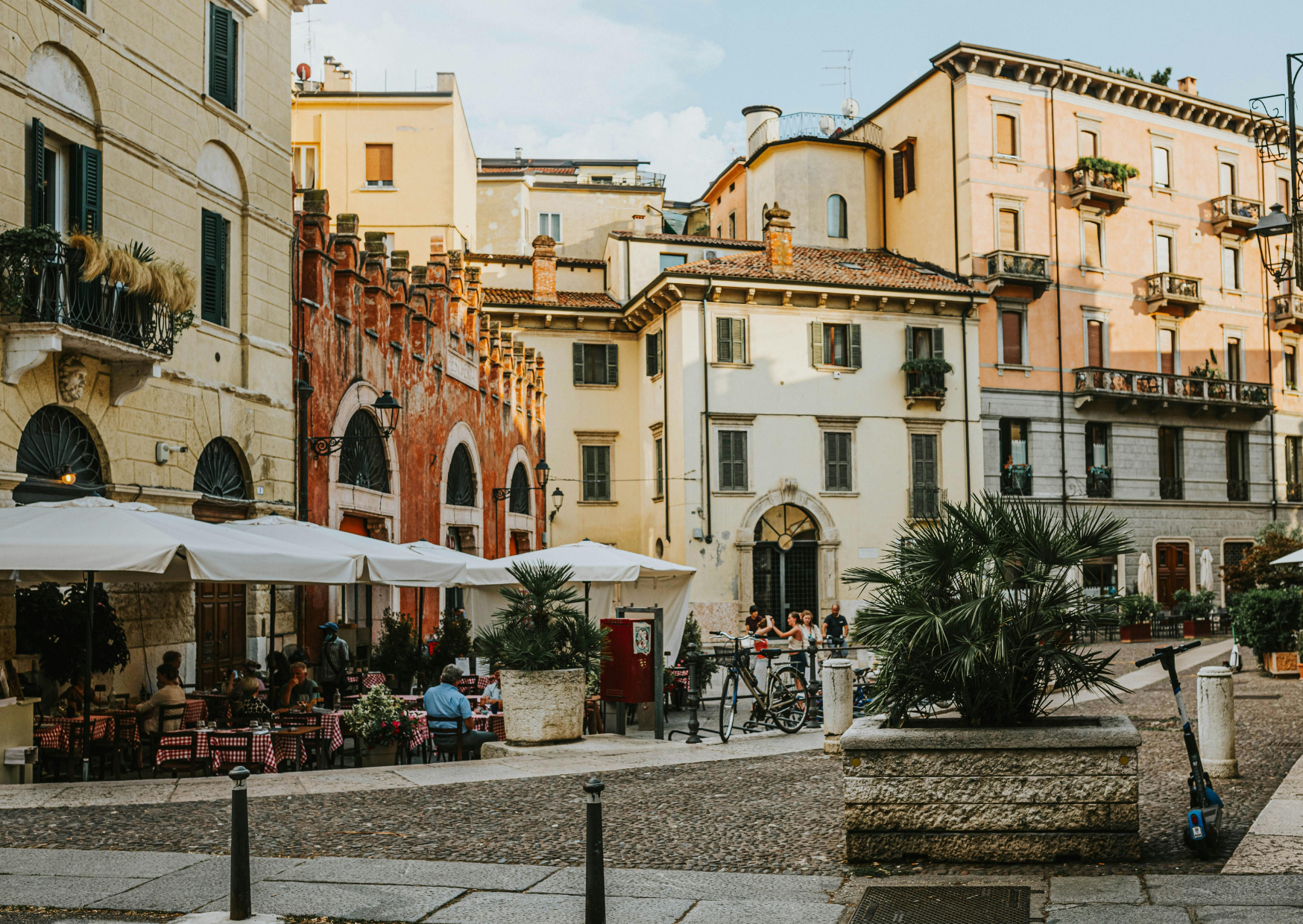
A one-euro house is not really a one-euro decision.
It is a decision to take on an abandoned or near-abandoned property under a local scheme designed to revive old housing stock. The symbolic price gets attention because it is dramatic. The local town uses that drama to pull in interest. Then the real obligations arrive: documentation, deposit, notary, technical review, renovation deadlines, and often proof that you can actually fund the work. That is exactly how 2026 guidance frames the scheme.
This is why the better way to describe these houses is not “cheap homes.”
They are low-entry acquisition projects with very high uncertainty.
That sounds much uglier.
It is also much more accurate.
The First Serious Cost Is Usually the Guarantee Deposit
This is where the fantasy starts leaking.
Many one-euro schemes require a security deposit or bank guarantee, often in the low-thousands or several-thousands range, tied to renovation obligations and deadlines. Idealista’s 2026 map of one-euro schemes says many towns require “several thousand euros” in guarantees, and current foreign-buyer guides describe deposits commonly sitting around a few thousand euros depending on the municipality.
That means your €1 house can become a €5,000-plus commitment before you fix one roof tile.
And yes, the deposit may be refundable if you meet the conditions.
That still does not make it imaginary.
It is money tied up in a project whose cheapest number has already stopped mattering.
Notary, Taxes, and Technical Checks Push the Entry Cost Up Fast
This is the next thing people underestimate.
Even if the property itself costs €1, the purchase still has to be processed. Idealista’s 2025 foreign-buyer guide says registration tax is generally 2% for a main residence and 9% for a second home, while notary fees often run around 1% to 2.5% of the purchase price in ordinary purchases and legal or translation costs can add another €1,000 to €3,000. In a one-euro house the purchase price is trivial, so the taxes themselves are not the main issue. The main issue is that all the other professional and administrative layers still exist.
Then come surveyors, engineers, and local compliance checks.
That is where the real “we haven’t even started renovating” bill begins.
A realistic early-stage stack can easily include:
- deposit or guarantee
- notary and registration handling
- legal or translation help
- technical inspection
- travel and local stays to view and sign
Add it together and a €1 house can become a €8,000 to €15,000 project before construction starts. That is completely consistent with how current 2026 guides now frame the early budget.
The Real Cost Explosion Is the Renovation
This is the number that actually decides whether the story ends well or ends as an abandoned dream with new paperwork.
Idealista’s January 2026 explainer says small basic no-frills renovations can run €20,000 to €50,000+, while larger or more damaged homes can land in the €50,000 to €100,000+ range. Its guide also explicitly separates renovation costs from upfront costs and professional fees, which is exactly the right way to think about the budget.
And many of these houses are not “dated.”
They are structurally tired, damp, badly wired, badly plumbed, partially collapsed, or simply not suited for modern living without major intervention. Older renovation cost guides still line up with that reality, giving rough figures like €125 to €175 per square metre for a new roof, €35 to €45 per square metre for rewiring, and €3,000 to €10,000 for a bathroom renovation, depending on scope and quality. Those are not exact quotes for every town, but they show how quickly a “cheap” property turns into a proper building site.
That is how a €1 house reaches €120,000.
Not through one dramatic invoice.
Through a stack of very ordinary construction realities.
Roof, Damp, and Systems Are Usually the Budget Killers
People get distracted by cosmetic fantasy.
Stone walls. Shutters. old floors. original beams. Maybe a little courtyard.
The expensive parts are usually much uglier.
Roof repair or replacement, structural reinforcement, electrical systems, plumbing, windows, insulation, damp remediation, and heating or cooling upgrades are the categories that wreck optimistic budgets first. Those are also the categories least visible in dreamy listing photos or mayoral press releases. Current renovation guides keep emphasizing these structural and systems categories because they are what make a building actually livable.
And once the shell is sound, there is still the matter of making the house normal:
kitchen
bathroom
floors
paint
fixtures
lighting
furniture
appliances
utility activation
That is why the phrase “make livable” matters so much.
It usually means a lot more than “make pretty.”
Why €120,000 Is Entirely Plausible
Let’s run a very ordinary scenario.
Say the house itself is free in practical terms. Call it €1 and move on.
Now add:
- €5,000 deposit or guarantee
- €3,000 to €6,000 in notary, legal, translation, and technical setup
- €20,000 to €35,000 in roof, structural, or damp-related work
- €15,000 to €25,000 in plumbing, electrics, windows, insulation, and heating basics
- €10,000 to €20,000 in kitchen and bathroom
- €8,000 to €15,000 in surfaces, paint, flooring, internal repairs
- €5,000 to €15,000 in furnishing, appliances, utility activation, and small project drift
- €5,000 to €15,000 in travel, delays, and “while we’re doing this” overspend
That already places the project anywhere from roughly €71,000 to €136,000, depending on the starting condition and how controlled the owners stay. Those numbers fit comfortably inside the ranges current 2026 guidance and renovation cost references already suggest.
So a final all-in bill of €120,000 is not shocking.
It is one of the most believable outcomes in the entire one-euro house universe.
Four Kinds of Buyers Reach €120,000 Faster Than They Expect
The first kind is the buyer who underestimates condition.
The second is the buyer who lives abroad and has to manage by distance, which creates extra travel, slower decisions, and more expensive project drift.
The third is the buyer who starts “modest” and then upgrades finishes because once you are already spending tens of thousands, the temptation to make it really nice gets strong.
The fourth is the buyer who chose the project emotionally rather than practically.
That last category is the biggest one.
Because a one-euro house is often purchased as a story first and a building second.
And story-driven purchases are extremely good at turning six-figure totals into something people keep rationalizing until the money is gone.
The Local Town Is Selling a Revival Project, Not a Bargain Home
This is the policy reality underneath the marketing.
One-euro schemes exist because municipalities want abandoned properties back in use. They want population, renovation, economic activity, and some visible evidence that the old center is not dying. The buyer gets a symbolic acquisition price. The town gets a chance at urban revival. That is why the scheme is structured around renovation obligations rather than around pure cheapness.
This is also why some towns now quietly point buyers toward alternatives.
The more honest versions of these programs often include not just €1 ruins, but also low-cost habitable homes or “skip the gimmick” alternatives. Even recent International Living coverage in 2026 basically makes that point: instead of chasing the €1 marketing story, in some places buyers can find genuinely affordable livable homes for under $20,000 and avoid the full spectacle.
That is a useful clue.
When even the lifestyle publications are saying “forget the €1 gimmick,” it is because the math has become too obvious to hide.
The Real Budget Is Usually Not the Problem. The Wrong Budget Is.
A €120,000 renovation is not inherently foolish.
Plenty of people spend that much renovating a house they love in a town they genuinely want to live in. The foolishness starts when the buyer tells the story to themselves as “we bought a €1 house” instead of “we took on a €120,000 village renovation.”
Language matters here.
The wrong language makes the wrong decisions feel normal.
If you say “€1 house,” everything above €20,000 starts feeling like some kind of betrayal.
If you say “major renovation in Italy,” €120,000 starts sounding like a serious but understandable project cost.
That is the honest frame.
What to Ask Before You Touch a One-Euro House
You do not need to be a contractor.
You do need to ask the right questions.
How much is the deposit?
What are the exact renovation deadlines?
Do approved plans have to be filed immediately?
What happens if delays are not your fault?
Is the property structurally sound, or just standing?
What are realistic roof and damp costs in that town?
How much will a surveyor or engineer cost locally?
What are the utility connection realities?
How often will you need to be there in person?
Current 2026 one-euro-house guidance is already pushing buyers in this direction, especially around deposit, timelines, and obligations. That alone tells you where the real risk sits.
The risk is not the €1.
The risk is everything you assumed after seeing it.
What a Smarter Buyer Does Instead
A smarter buyer starts with the livable budget, not the symbolic purchase.
They ask:
Would I still do this if the house were free but the renovation cost €100,000?
If the answer is no, then the project was never about living there.
It was about the seduction of the headline.
That is why a lot of experienced Italy-property people now tell buyers to consider cheap but livable homes instead of fetishizing the one-euro category. It is often the financially saner move, especially if the goal is to actually live in the place rather than collect a dramatic anecdote.
The best use of a one-euro house is not “look how little we paid.”
It is “we knew what the real project cost and wanted it anyway.”
The Only Way This Story Makes Sense
A €1 house that costs €120,000 to make livable is not a contradiction.
It is almost the default outcome of taking a derelict structure seriously.
The symbolic acquisition price is just the hook.
The actual purchase is:
deposit
notary
technical review
construction
systems
finishes
time
travel
mistakes
and the gap between fantasy and masonry.
That is why the smarter question is never “Can I buy a house in Italy for €1?”
The smarter question is:
“Would I knowingly take on a €120,000 renovation in this exact town?”
If the answer is yes, then the €1 part is just a detail.
If the answer is no, then the headline was doing all the work.

About the Author: Ruben, co-founder of Gamintraveler.com since 2014, is a seasoned traveler from Spain who has explored over 100 countries since 2009. Known for his extensive travel adventures across South America, Europe, the US, Australia, New Zealand, Asia, and Africa, Ruben combines his passion for adventurous yet sustainable living with his love for cycling, highlighted by his remarkable 5-month bicycle journey from Spain to Norway. He currently resides in Spain, where he continues sharing his travel experiences with his partner, Rachel, and their son, Han.