
(And Why They’re Not Just About Vanity, But Daily Respect)
Americans are often praised for their casual, laid-back attitude but in Italy, that same nonchalance can come off as careless. Nowhere is this more apparent than in the bathroom mirror.
Italians have a different relationship with personal grooming, especially in the morning. To them, how you present yourself is a sign of respect to others and to yourself. It is not about being flashy or vain. It is about intention, tradition, and pride in starting the day well.
Here are nine morning grooming rules many Italians follow that would likely seem excessive, or even unnecessary, to the average American but which reveal a lot about what it means to live beautifully in Italy.
Want More Deep Dives into Everyday European Culture?
– Why Europeans Walk Everywhere (And Americans Should Too)
– How Europeans Actually Afford Living in Cities Without Six-Figure Salaries
– 9 ‘Luxury’ Items in America That Europeans Consider Basic Necessities
Quick Easy Tips
Shower daily (even twice) Italians often shower in the morning and again in the evening.
Use fragrance sparingly but daily Light, high-quality colognes are essential.
Groom facial hair with precision No “scruffy” beards without sculpting.
Polish your shoes Footwear matters as much as your outfit.
Always moisturize Skincare isn’t optional, even for men.
Wear pressed clothing, even casual Wrinkles are a no-go in public.
Neat hair is a must Bedhead is considered sloppy, not stylish.
Avoid visible gym clothes outside the gym Looking put-together is expected.
Pay attention to scent Body odor is unacceptable, but so is over-spraying.
What Americans often view as “extra” or “vain,” Italians see as basic self-respect. In Italy, how you present yourself in public speaks volumes about your values, upbringing, and even how much you respect others. A polished look isn’t about vanity it’s about dignity. While Americans may prioritize comfort or individuality, Italians often prioritize aesthetics and social harmony.
This stark cultural contrast explains why some Italian grooming habits seem excessive or overly polished to visitors from the U.S. There’s less tolerance for appearing disheveled, even on a quick grocery run. In fact, showing up unkempt can be seen as disrespectful, especially in older generations. The grooming routine is more ritual than task it’s a form of discipline and pride in one’s presence.
That said, some Americans argue this focus creates unrealistic beauty standards and adds pressure, especially on women. Others point out the gender equality in grooming expectations in Italy men are just as polished as women. The debate remains: is this refined presentation empowering, or exhausting?
1. You Get Fully Dressed Before Breakfast (Even at Home)

In the U.S., breakfast often happens in pajamas. Sweatpants, old tees, or whatever was worn to bed the night before is perfectly acceptable for that first cup of coffee.
Not so in Italy.
- Italians tend to get dressed before stepping into the kitchen.
- Even if they’re staying home, they change into daywear—clean, pressed, and thoughtfully chosen.
- You do not eat in pajamas if you can help it.
The idea is not to impress. It is to signal the start of the day with dignity. You wake up, wash your face, and prepare yourself fully—because it matters how you greet the morning.
2. Hair Gets Styled—Every Single Day

Many Americans, especially outside of formal workplaces, tie their hair up, throw on a cap, or go out with wet or unbrushed hair when they are in a hurry.
Italians rarely leave the house like this.
- Even simple hairstyles are neatly styled.
- Hair is blow-dried, brushed, and arranged with care.
- A trip to the bar for coffee deserves the same attention as a work meeting.
This rule applies across age groups. Teenagers, retirees, professionals—everyone gives their hair at least a few focused minutes before stepping outside.
3. Cologne and Perfume Are Non-Negotiable

Scent is serious in Italy. It is considered part of being fully dressed.
- Most Italians apply a fragrance in the morning, not just for going out at night.
- The scent is chosen to match mood, season, or setting.
- Subtlety matters. The goal is elegance, not overpowering.
For Americans, perfume is often reserved for dates or formal events. For Italians, it is a morning ritual as common as brushing your teeth.
4. Shaving and Beard Grooming Are a Daily Task
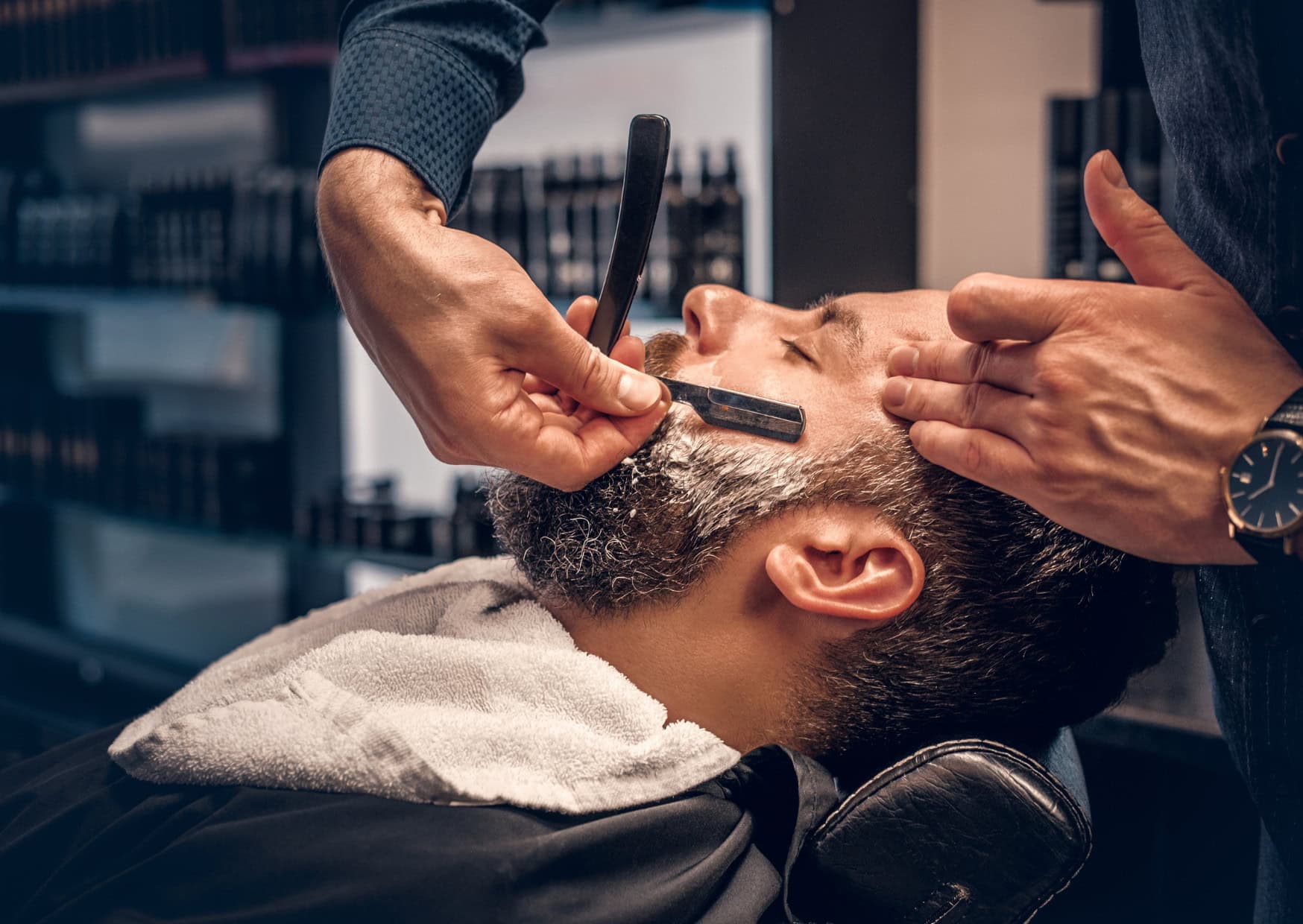
While the rugged look has gained popularity globally, Italian men still put strong emphasis on grooming their facial hair daily.
- A clean shave or carefully shaped beard is expected.
- Even stubble is trimmed and maintained with precision.
- Barber visits are frequent, but the home grooming routine is detailed.
In the U.S., it is normal to skip shaving during the week and tidy up only when needed. In Italy, daily attention is standard. The appearance of laziness is frowned upon, even if you work from home.
5. Moisturizer Is Not Just for Women
In American culture, skincare is still often gendered. Moisturizers, serums, and toners are marketed to women. Men may rely on a bar of soap and little else.
In Italy, grooming includes taking care of the skin, regardless of gender.
- Moisturizer is applied every morning—sometimes after a splash of cold water or toner.
- Eye creams, aftershave balms, and facial mists are part of many men’s routines.
- Healthy, fresh skin is a sign of vitality, not vanity.
Even older Italians use skincare. It is not a trend. It is a habit, passed down and taken seriously.
6. Shoes and Accessories Are Considered Part of Grooming

In many American households, grabbing the nearest pair of sneakers or flip-flops is a morning default. Italians think differently.
- Shoes are coordinated with outfits.
- Belts, watches, sunglasses, and bags are part of the full look.
- These items are chosen with care—even if you’re only running errands.
The result is a polished appearance from head to toe, even on casual days. While Americans may view this as overdressing, Italians see it as everyday respect for style and self.
7. Nails and Hands Are Never Ignored
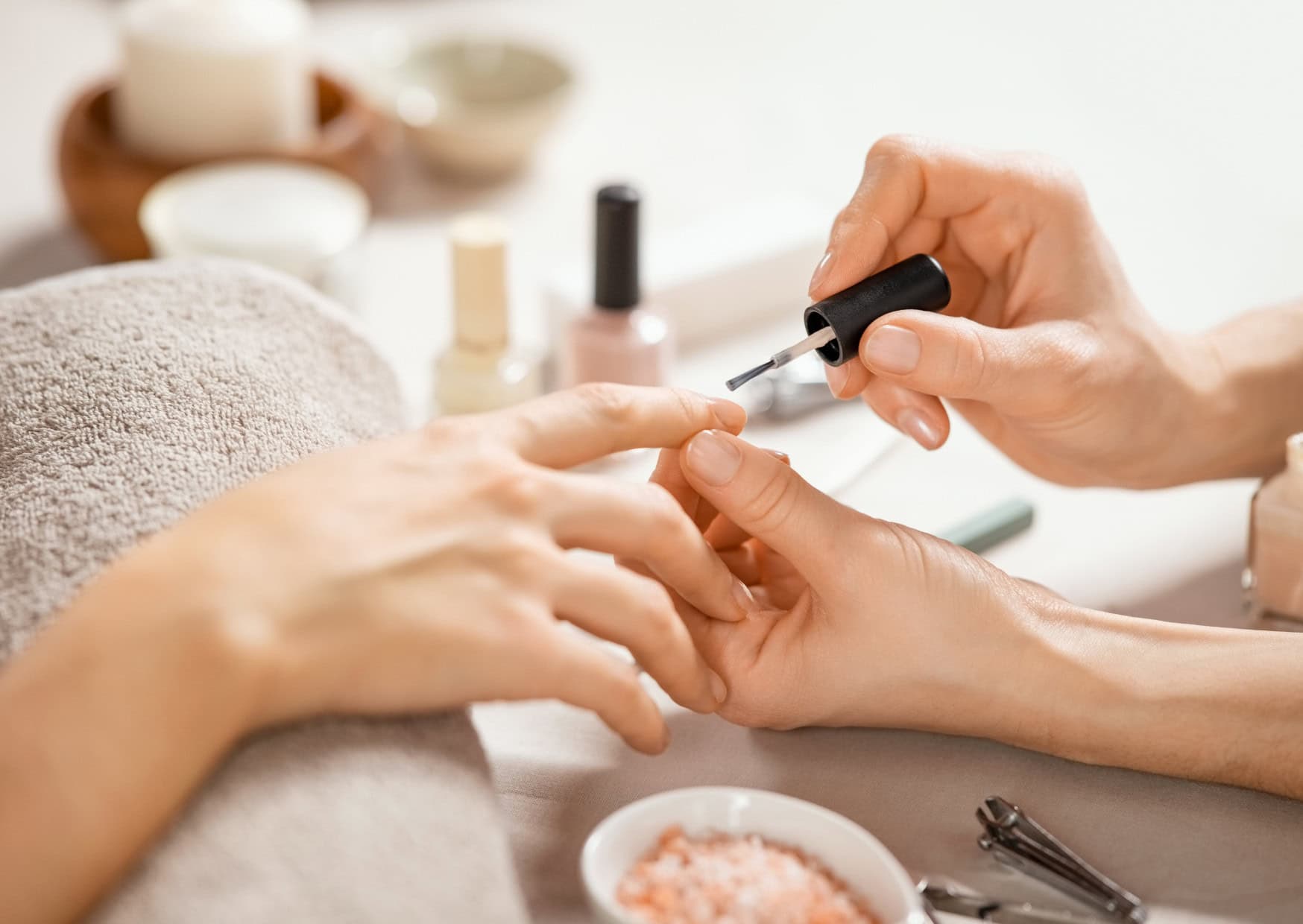
While many Americans focus on face or hair, Italians put serious attention on hands—especially nails.
- Nails are cleaned, clipped, and filed regularly.
- Hands are moisturized, especially in winter.
- Many women get weekly manicures, but men are just as likely to use hand creams and nail brushes at home.
The hands are one of the first things people see. In Italy, they say something about who you are. Dry cuticles, dirty nails, or cracked skin are viewed as signs of neglect.
8. Oral Hygiene Is a Full Routine
Brushing your teeth is universal—but Italians tend to go further.
- Mouthwash and flossing are more common.
- Many use a tongue scraper or a rinse with herbal blends.
- The morning routine focuses not just on cleanliness, but freshness.
Americans also value oral hygiene, but it is often rushed or simplified. Italians treat it as a full-body ritual—part of presenting yourself properly to the world.
9. You Never Leave the House “Just to Run an Errand”

In many U.S. cities, it is normal to leave the house in sweatpants, crocs, and a hoodie if you are just going to the store or walking the dog. You’re not trying to impress anyone.
In Italy, there is no such thing as being “not worth dressing for.”
- Even quick outings are treated with care.
- You don’t have to dress up, but you do have to look put-together.
- There is pride in being seen in public—and in seeing others at their best.
This cultural value transforms the morning from something to rush through into something to savor. Getting ready is not a waste of time. It is part of showing up fully for the day.
Why you Should
One reason you should cover this topic is that it instantly sparks curiosity. Grooming habits feel personal, everyday, and easy to relate to, but the phrase “that shock Americans” adds tension that makes people want to know what they have been missing. It suggests that something ordinary in Italy may reveal a much bigger cultural difference. That kind of contrast is exactly what makes a lifestyle topic feel viral instead of forgettable.
You should also lean into this angle because it connects grooming to a larger idea people already associate with Italy: style. Many readers already believe Italians look more polished, more intentional, and more effortlessly put together than people in many other countries. A story about morning habits gives that image an explanation. Instead of treating Italian style like magic, it breaks it down into behaviors people can actually picture and understand.
Another reason you should explore this subject is that it works well because it mixes surprise with usefulness. Readers are not just clicking for entertainment. They are also looking for practical habits they might want to borrow for themselves. When a topic hints that small changes in routine can lead to a more polished appearance, it becomes more than cultural curiosity. It turns into self-improvement content, which gives it wider appeal.
You should pursue this topic because it creates a strong emotional contrast between effort and results. Americans often admire people who seem naturally stylish, but they may not always see the discipline or routine behind that image. A piece like this can reveal that what looks effortless may actually come from consistency, grooming standards, and cultural expectations. That insight makes the story more satisfying because it explains something readers may have noticed for years.
Finally, you should use this topic because it combines beauty, culture, routine, and mild controversy in one package. It is specific enough to feel fresh, but broad enough to invite personal reflection and debate. Readers may start comparing their own habits to what they imagine Italians do each morning. That makes the article feel interactive, memorable, and highly shareable.
Why you Shouldn’t
At the same time, you should not frame the topic in a way that makes Italians sound universally polished and Americans sound universally careless. That kind of contrast may grab attention, but it can also feel exaggerated and stereotypical. Not every Italian follows the same grooming habits, and not every American has a rushed or casual routine. A stronger article focuses on patterns and perceptions without turning them into rigid national caricatures.
You should not oversell the word “shock” if the habits themselves are fairly simple. If the examples turn out to be things like using fragrance, grooming facial hair carefully, or dressing with intention, some readers may feel the title promised more than the content delivered. The story works better when the surprise comes from the cultural meaning behind the habits, not from pretending the habits are bizarre. That way, the article feels insightful rather than inflated.
Another reason you should not simplify this too much is that grooming is tied to many factors beyond culture. Time, work schedules, income, climate, age, and personal priorities all shape what people do in the morning. If the article makes it sound like national identity alone explains everything, it may feel shallow. Readers are more likely to trust the piece if it recognizes that habits come from both culture and lifestyle.
You should not make the article sound like these habits are the secret formula behind all Italian attractiveness or elegance. That can make the piece feel too neat and too performative. Grooming may play a role, but so do clothing choices, confidence, social norms, and presentation in general. If the article claims too much from nine habits alone, it risks sounding more like fantasy than observation.
Finally, you should not let the topic become judgmental. Readers are usually open to learning about cultural differences, but they are less receptive when they feel mocked for their own routines. The best version of this article invites curiosity instead of defensiveness. It says, in effect, that these habits are interesting because they reveal a different standard of self-presentation, not because one country is superior to another.
A Different Kind of Discipline
At first glance, the Italian morning grooming routine may seem excessive to outsiders. Why spend so much time getting dressed, doing your hair, selecting a scent, or polishing your shoes if you are just grabbing coffee?
But that is exactly the point.
Grooming in Italy is not about performance. It is about self-respect and presence. It is about bringing your best self into the world each day, not to impress others, but to live with beauty and care.
Where Americans may focus on speed, comfort, or efficiency, Italians embrace a kind of slow, elegant discipline. The morning is not rushed. It is curated.
And maybe there is something to learn from that. Because how you start your morning often shapes how you carry yourself through the rest of the day.

About the Author: Ruben, co-founder of Gamintraveler.com since 2014, is a seasoned traveler from Spain who has explored over 100 countries since 2009. Known for his extensive travel adventures across South America, Europe, the US, Australia, New Zealand, Asia, and Africa, Ruben combines his passion for adventurous yet sustainable living with his love for cycling, highlighted by his remarkable 5-month bicycle journey from Spain to Norway. He currently resides in Spain, where he continues sharing his travel experiences with his partner, Rachel, and their son, Han.