
Not all “famous” foods live up to the flavor. Here’s what’s worth skipping and what’s worth devouring.
Let’s be honest: not every iconic dish tastes as good as it looks on Instagram.
Some are overpriced, underwhelming, or straight-up tourist traps. If you’ve ever stood in line for an hour for a “must-try” food only to think …that’s it?, you’re not alone.
The world is full of incredible food but not all of it comes from a top-10 list. Skip the overhyped dishes and look for what the locals eat on their lunch break or what grandma makes at home.
Here are some of the most overrated foods from around the world and the underrated local dishes you should be eating instead.
Travel and food have become almost inseparable in the age of social media. Scroll through Instagram or travel blogs, and you’ll see endless photos of colorful desserts, towering sandwiches, and perfectly plated street food from around the world. These dishes often become symbols of the destinations themselves, attracting long lines of tourists eager to recreate the same photo they saw online. In many cases, the visual appeal of a dish becomes just as important as the taste.
The problem is that not every famous travel food lives up to the hype. Some dishes are carefully styled to look impressive on camera but may fall short when it comes to flavor, texture, or freshness. Bright colors, dramatic presentations, and unusual shapes can make food incredibly photogenic, yet that doesn’t always translate into a memorable eating experience. For many travelers, the reality can be surprisingly underwhelming.
Part of the reason this happens is that social media rewards appearance more than authenticity. Restaurants and food vendors often design dishes specifically to attract attention online, knowing that a striking image can bring in large crowds. When thousands of travelers line up for the same viral snack, the experience sometimes becomes more about capturing a photo than enjoying the food itself.
Another factor is the difference between tourist-focused foods and what locals actually eat. Many of the most photographed dishes are created or adapted with visitors in mind, emphasizing spectacle rather than tradition. Meanwhile, some of the most flavorful and authentic foods in a destination may be far less flashy and therefore less likely to trend on social media.
That doesn’t mean these popular foods are always bad, but it does mean travelers should approach them with realistic expectations. The most rewarding culinary experiences often come from exploring beyond the viral highlights and discovering the dishes that locals love. By looking past the Instagram hype, travelers can find meals that truly capture the spirit and flavor of the places they visit.
Read Here European Things that terrify Americans and American Habits that make Europeans Cringe
Read here how to pack for Europe and Best eSIM for Europe
BOOK YOUR TRAVEL INSURANCE
Two of our favorite travel insurance: Heymondo Vs Safetwing cheapest travel Insurance. You can get for $135 USD your Heymondo Travel Insurance with Heymondo discount code valid for 90 days. Read our full comparison of Genki vs Safetywing Travel Insurance Review and the comparison Heymondo vs Genki
Quick Easy Tips
Avoid restaurants located directly next to major attractions.
Ask locals what they eat, not what tourists are supposed to try.
Follow lines of residents, not signs saying “authentic.”
Try markets and bakeries before sit-down restaurants.
If everyone around you is speaking your language, you’re probably in the wrong spot.
One uncomfortable truth is that many “famous” dishes around the world are designed for tourists, not locals. Destinations quickly learn which foods sell well to travelers, and those items begin to overshadow what people actually eat. This creates a cycle where visitors believe they’re tasting authentic cuisine, while locals barely recognize the dish as representative of their culture.
Another controversial point is that global food influencers often distort expectations. A single viral video or blog post can turn an ordinary dish into an international sensation, drawing crowds to mediocre versions served at inflated prices. Locals watch their everyday meals be transformed into tourist commodities, often losing quality and tradition in the process.
Finally, there’s debate about whether travelers should even pursue “authenticity.” Some argue that travel food should simply taste good, while others insist that authenticity matters because it reflects history and community. The tension between these viewpoints highlights a bigger question: are you traveling to be comforted, or to understand a culture more deeply? The answer often determines which foods you seek and which ones ultimately disappoint.
Overrated: French Macarons

Yes, they’re pretty. But often dry, too sweet, and wildly expensive.
Eat This Instead: Paris-Brest or Tarte Tatin

Creamy, nutty, or buttery delights that actually satisfy. Head to a local pâtisserie and go for what the locals are eating, not the tourists.
Overrated: Spaghetti Carbonara (Outside Rome)
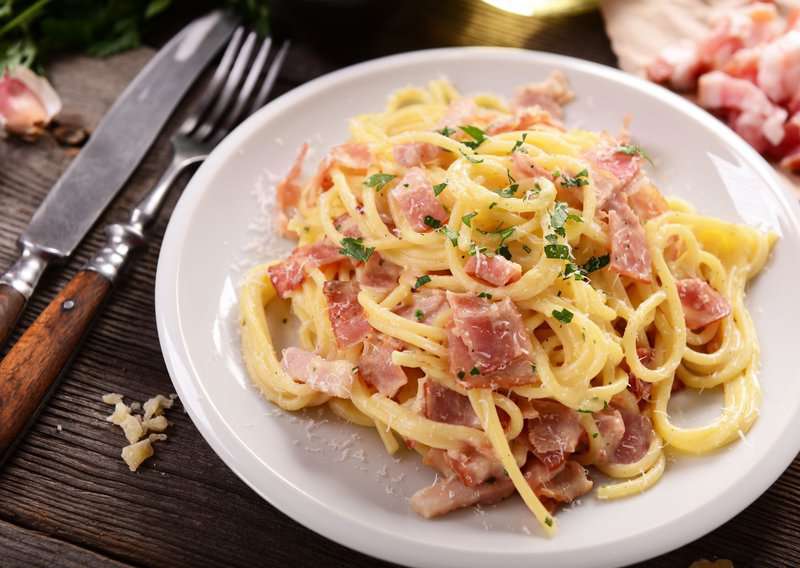
Unless you’re in Rome and it’s made the right way (with no cream), most versions abroad are butchered beyond recognition.
Eat This Instead: Cacio e Pepe or Pici all’aglione (Tuscan garlic sauce)
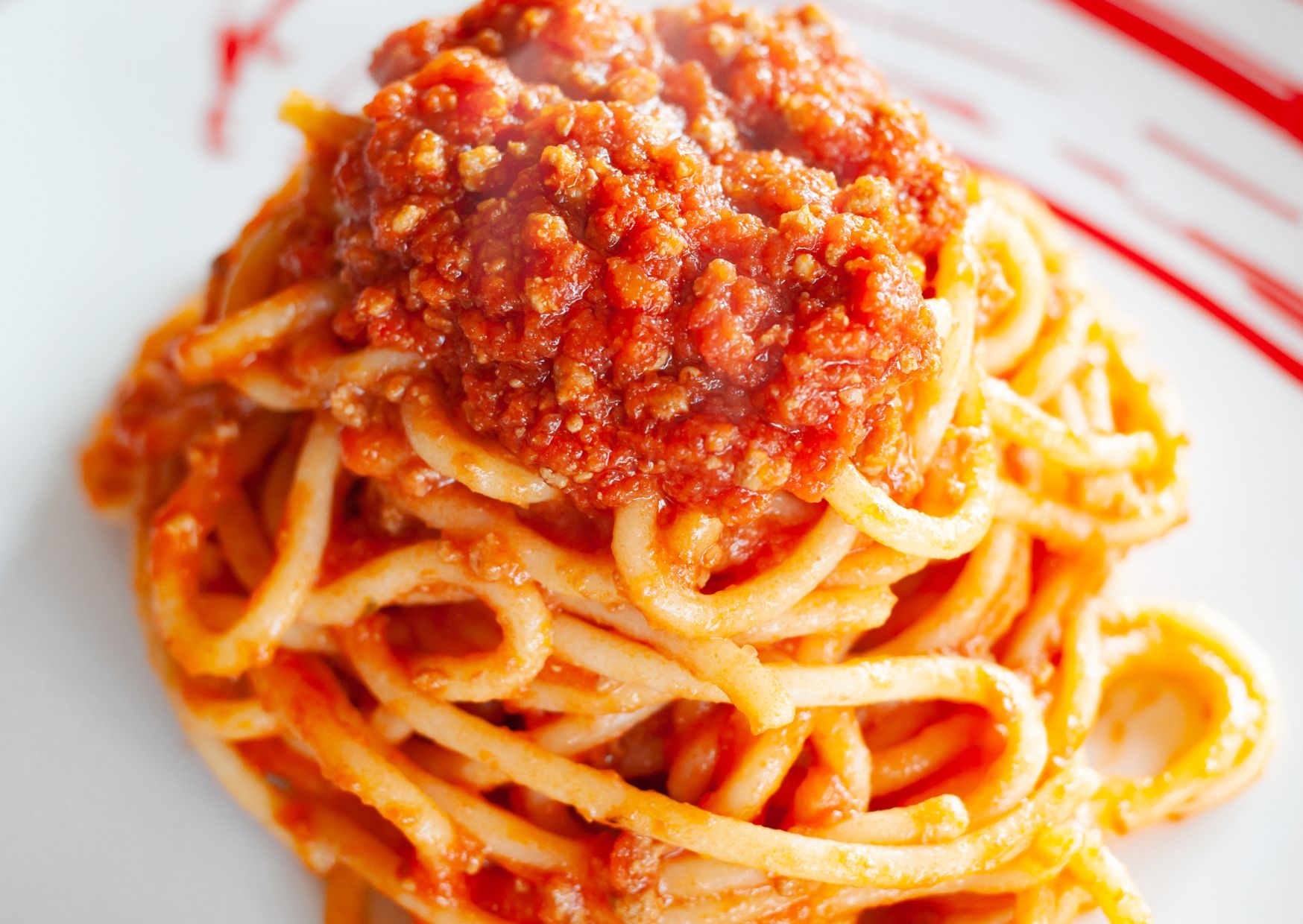
Simple, flavorful, and far more authentic—and easier to get right.
Overrated: Deep-Dish Pizza (Chicago-style)

Controversial, but hear us out—it’s more casserole than pizza, and often a one-note cheese bomb.
Eat This Instead: Detroit-style or New Haven-style pizza

Crispy, cheesy, balanced. Or better yet, explore your city’s best wood-fired Neapolitan pizzerias.
Overrated: California Rolls (In Japan or Anywhere)
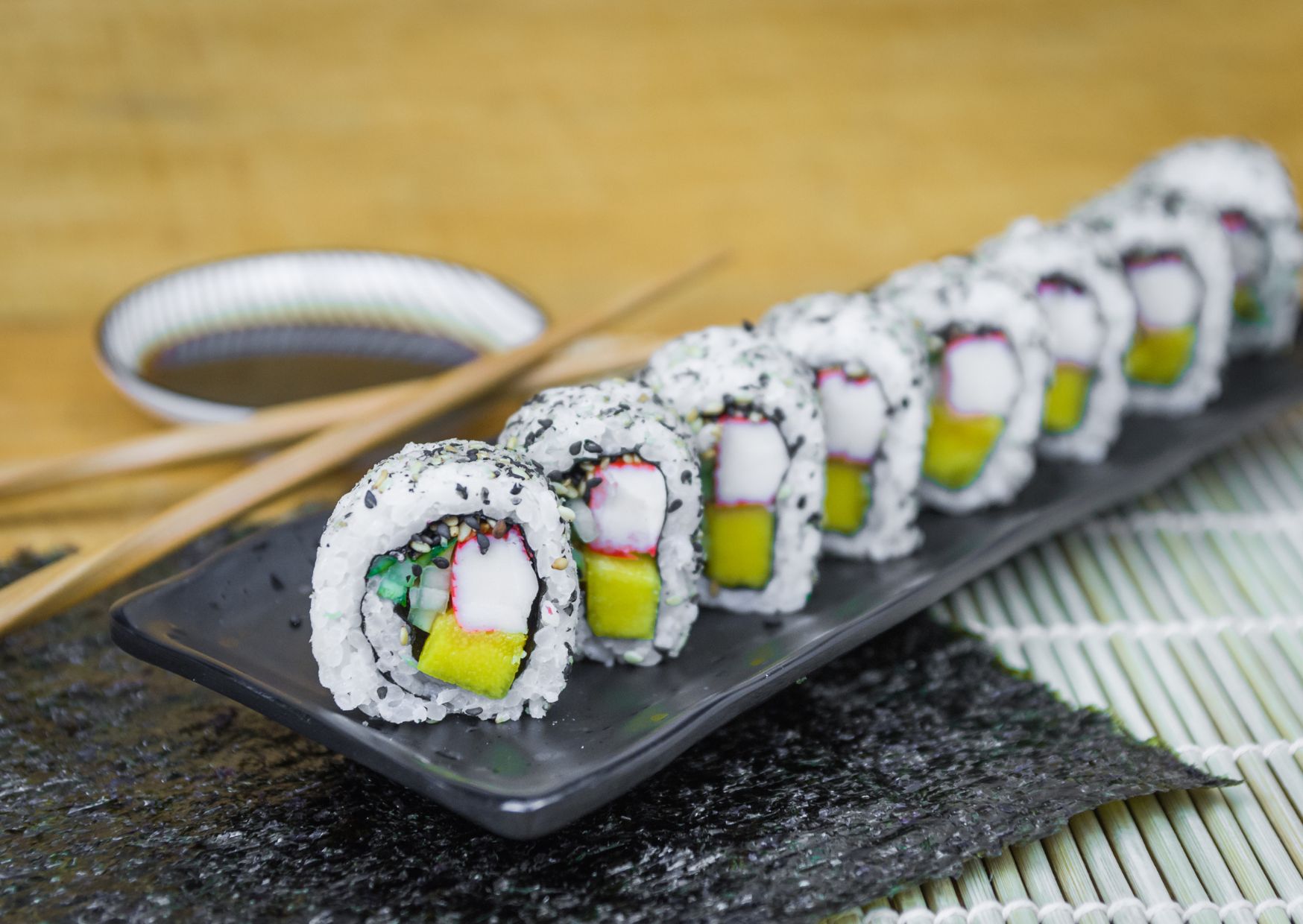
They’re not Japanese. They’re training-wheels sushi, and they don’t reflect real Japanese flavor profiles.
Eat This Instead: Omakase sushi or Chirashi bowls
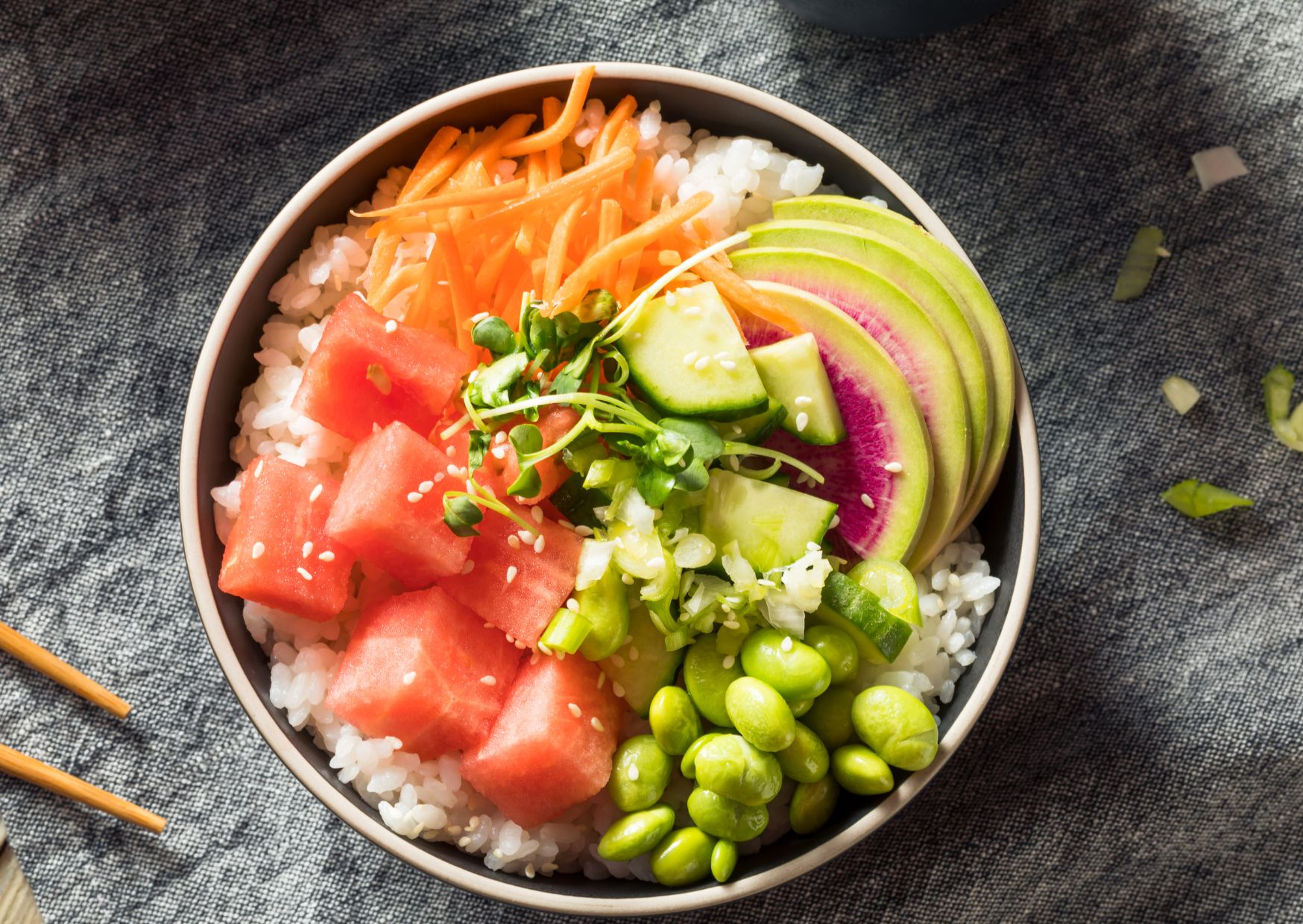
Trust the sushi chef—or go for a colorful bowl of sashimi and rice made with seasonal fish.
Overrated: Nachos
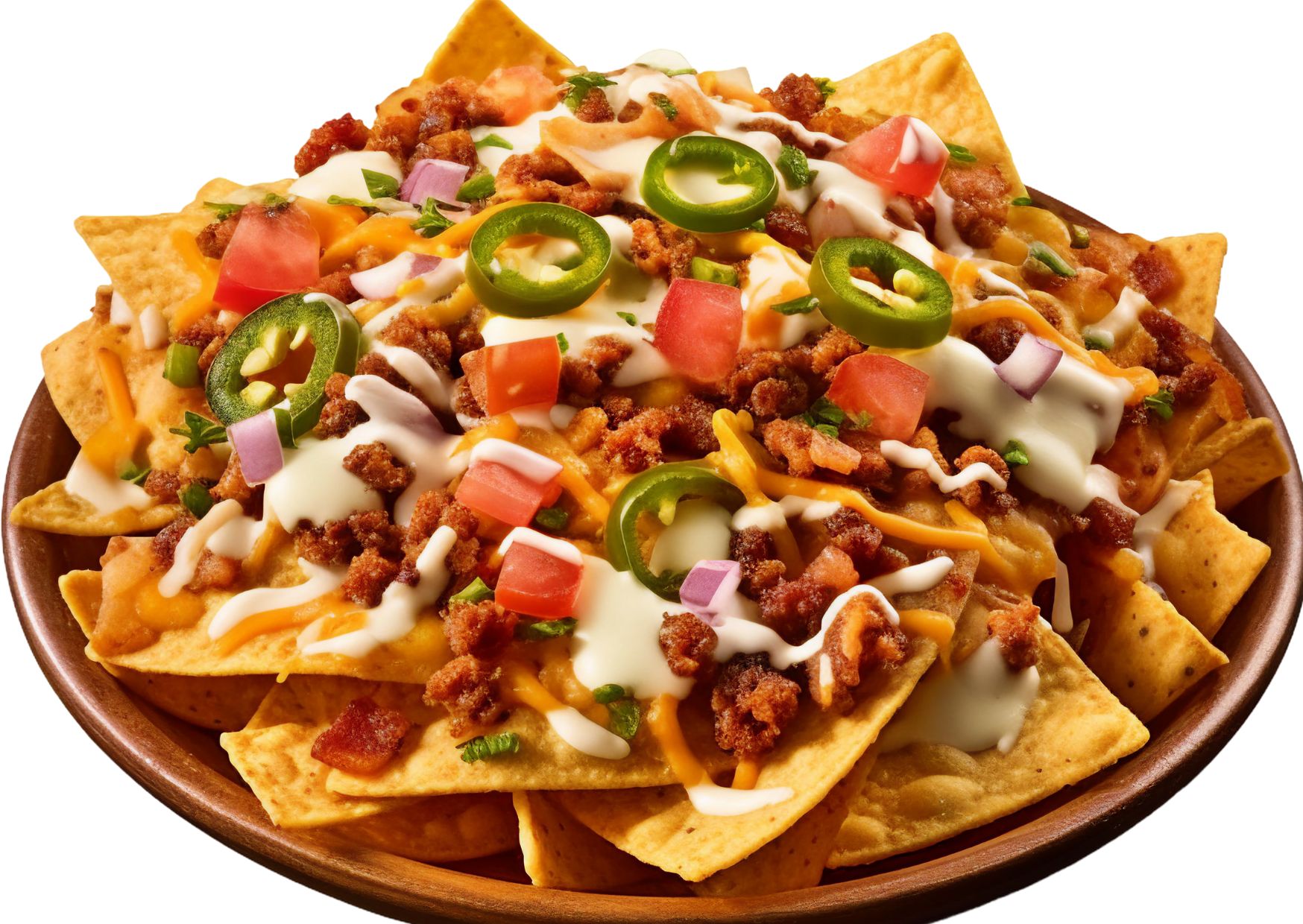
Invented in Texas, popularized in stadiums—not really Mexican food.
Eat This Instead: Tacos al pastor, birria, or cochinita pibil
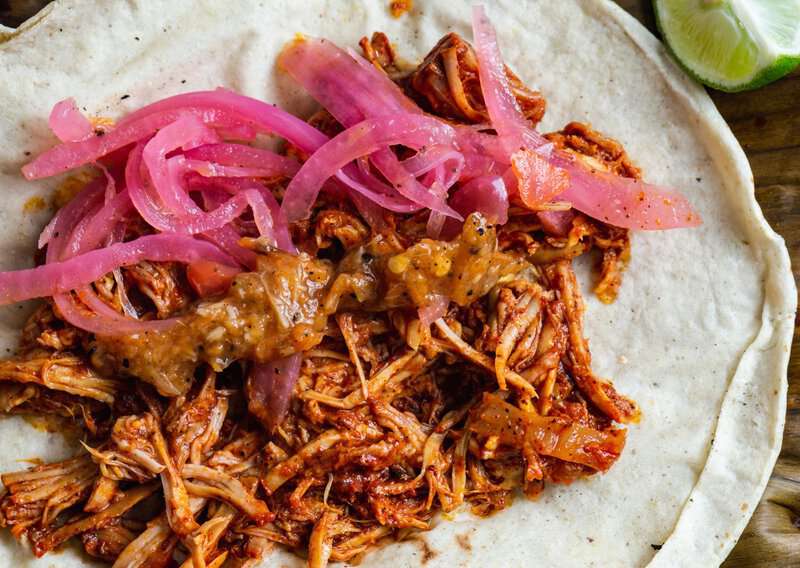
Street tacos in Mexico will blow your mind with flavor, balance, and tradition.
Overrated: Greek Salad (Outside Greece)
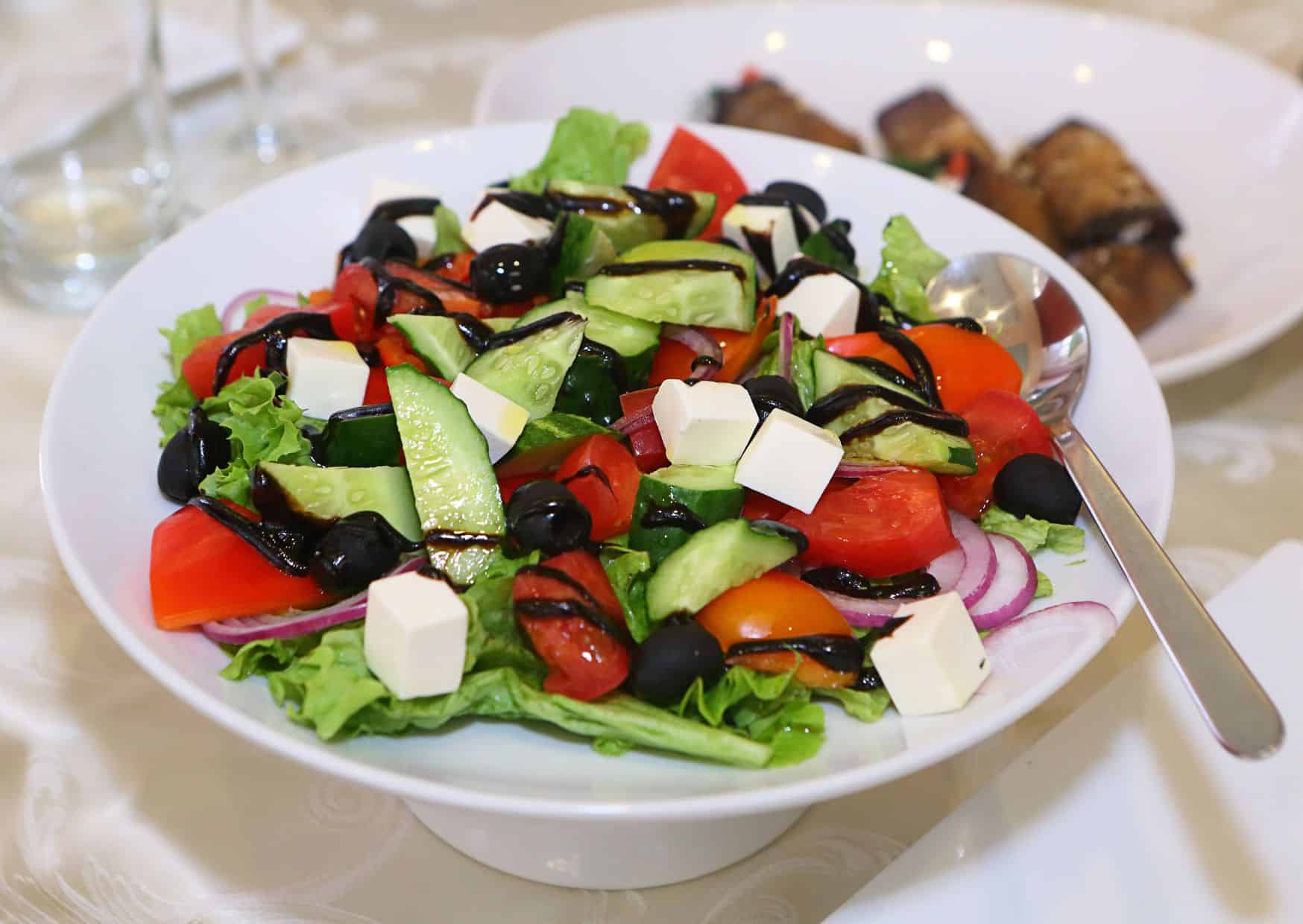
If it has lettuce, it’s not authentic. And supermarket feta doesn’t count.
Eat This Instead: Horiatiki salad or grilled octopus
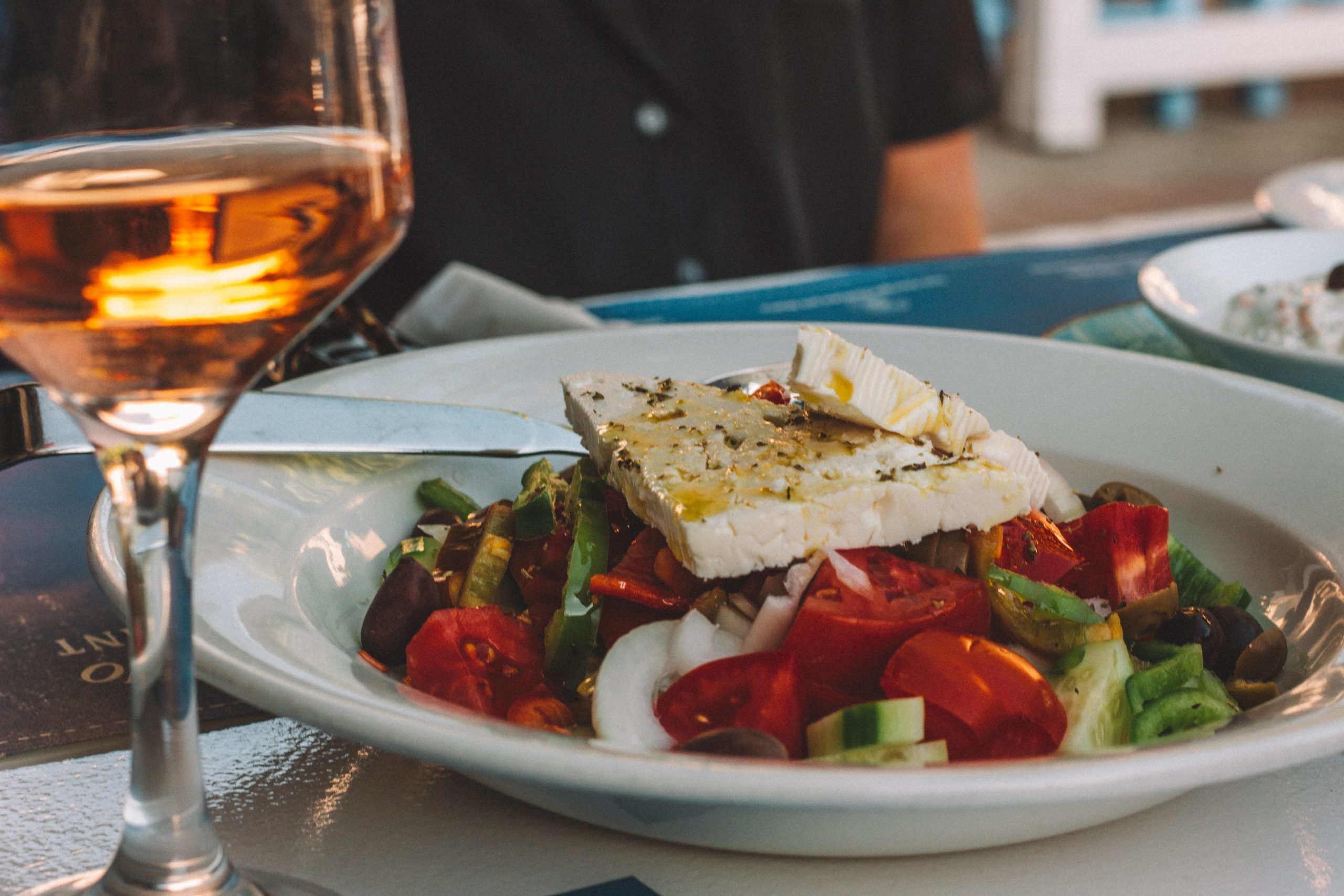
In Greece, salads are hearty, fresh, and feta-packed—with local olive oil you’ll dream about for weeks.
Overrated: Fish and Chips
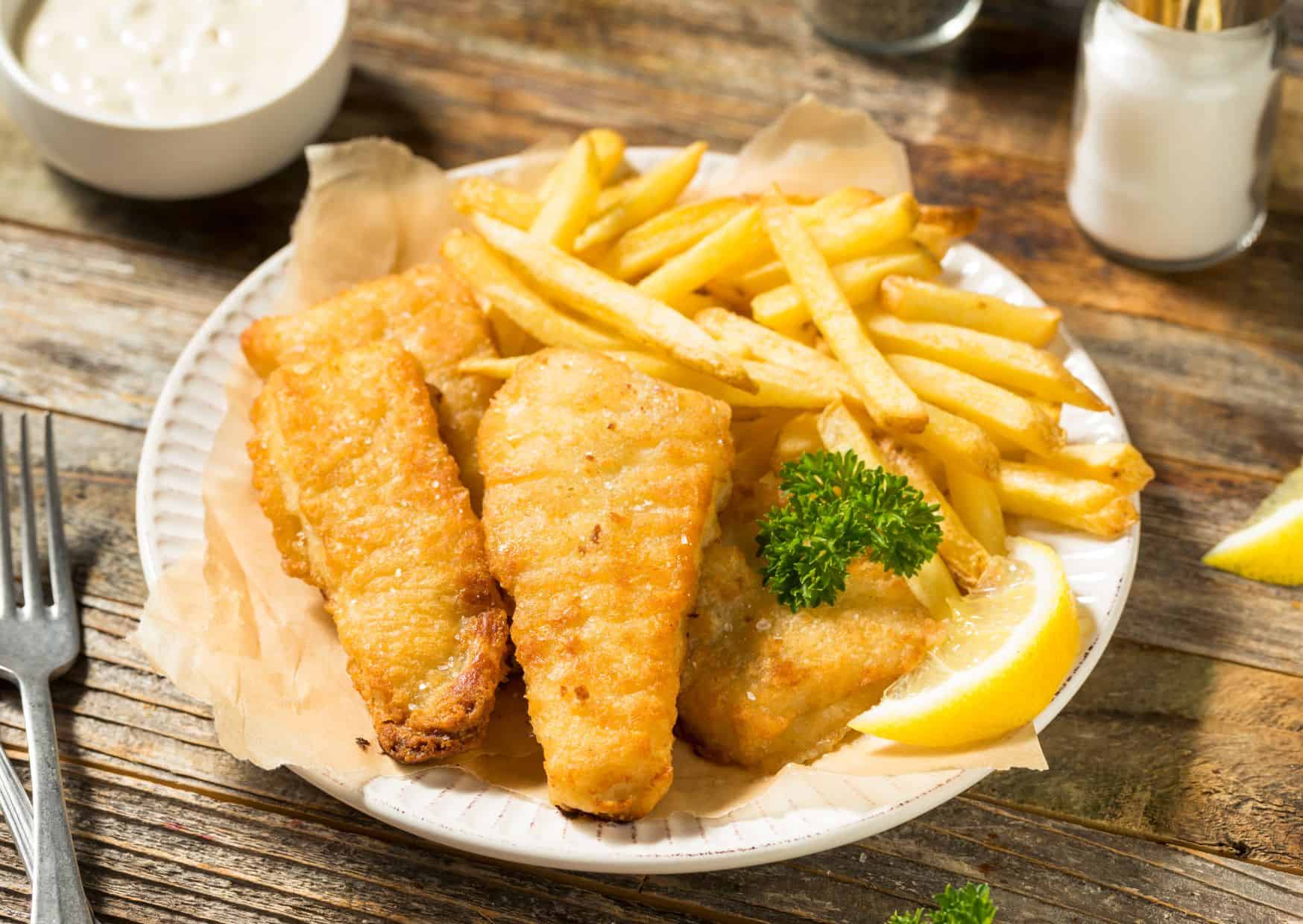
Often soggy, greasy, and bland when not done right—and too many places get it wrong.
Eat This Instead: Sunday roast or a proper meat pie
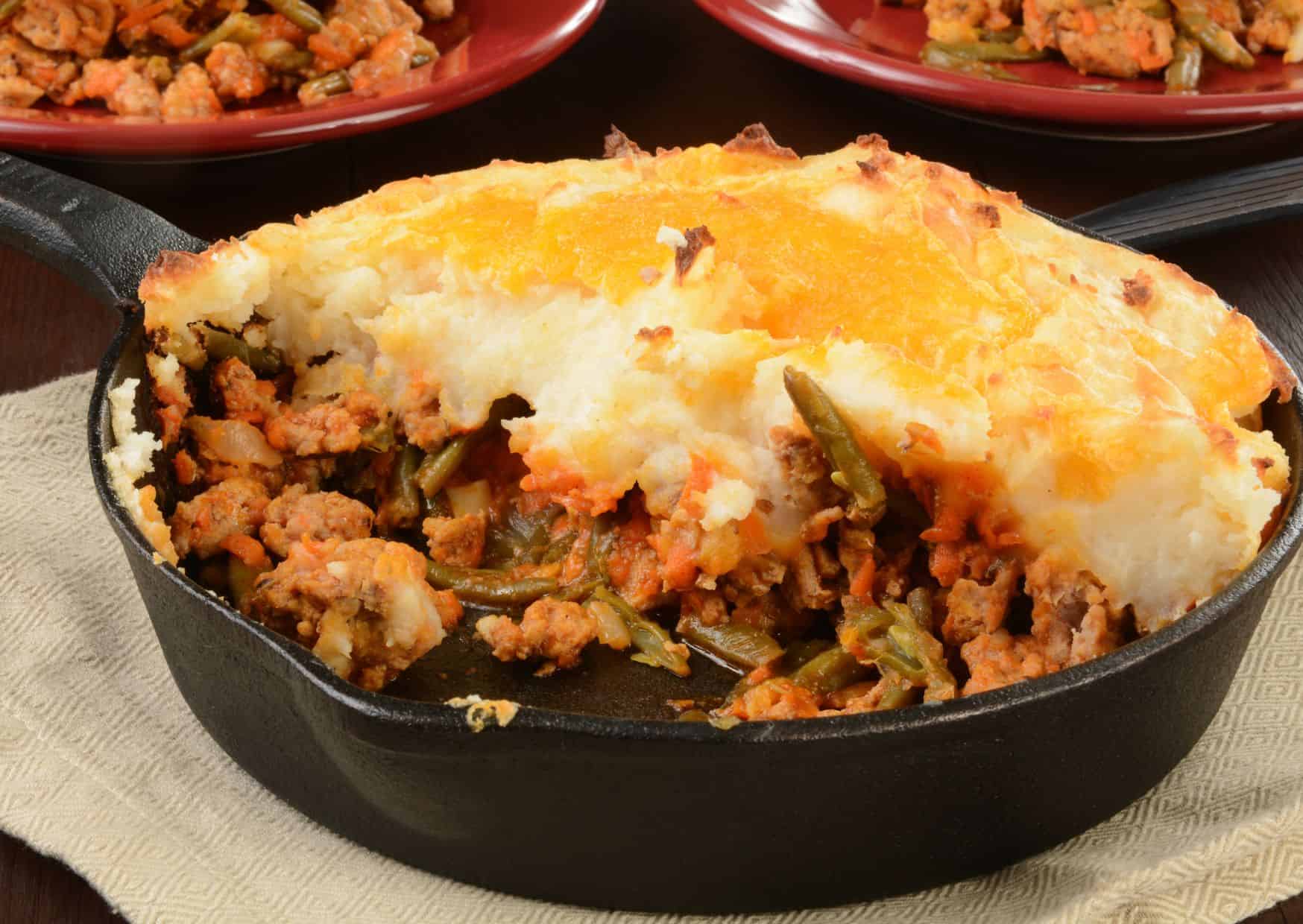
Go to a countryside pub and dive into real comfort food with Yorkshire pudding and gravy.
Overrated: Pad Thai (From tourist menus)
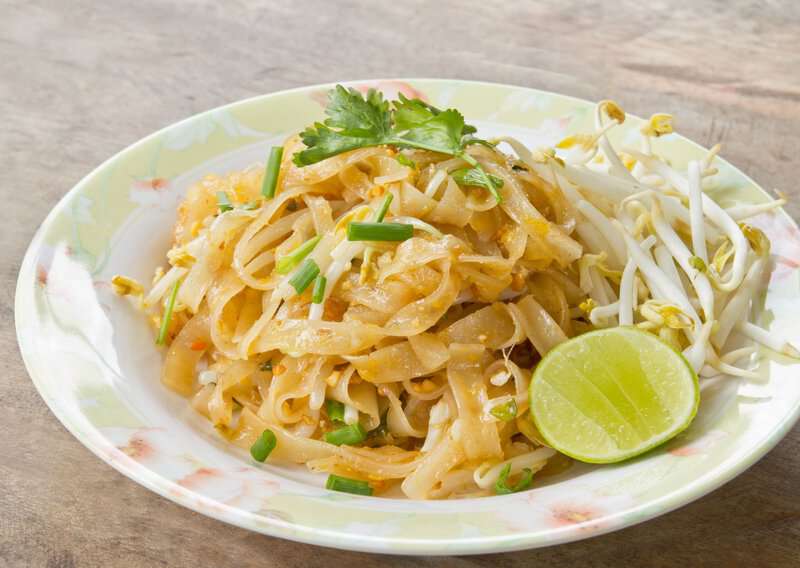
It’s often sweetened beyond recognition and lacks the complexity of real Thai dishes.
Eat This Instead: Pad kra pao, green curry, or som tam
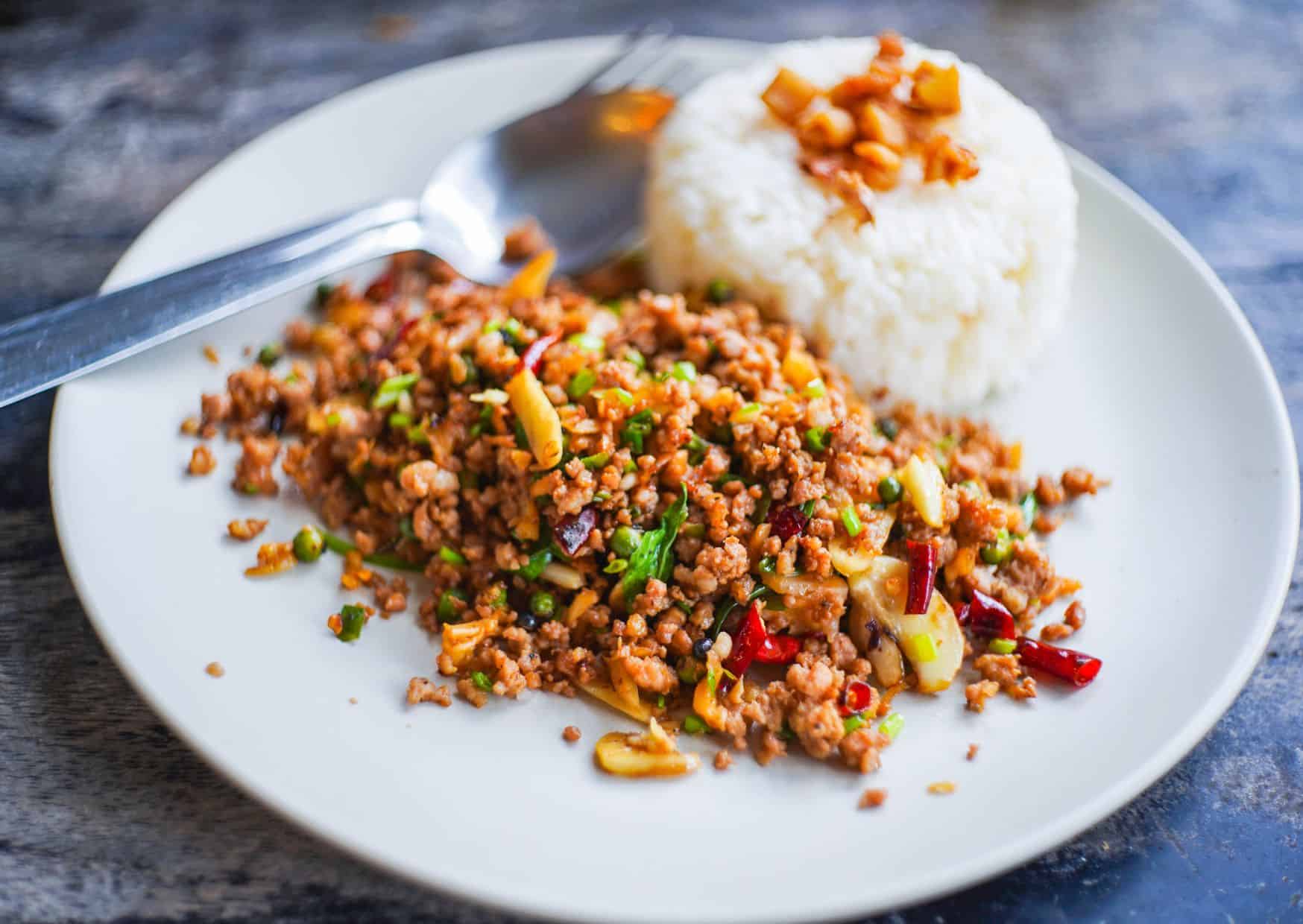
Find a street vendor and go local—you’ll never look at Pad Thai the same way again.
Overrated: Paella (In tourist-heavy restaurants)
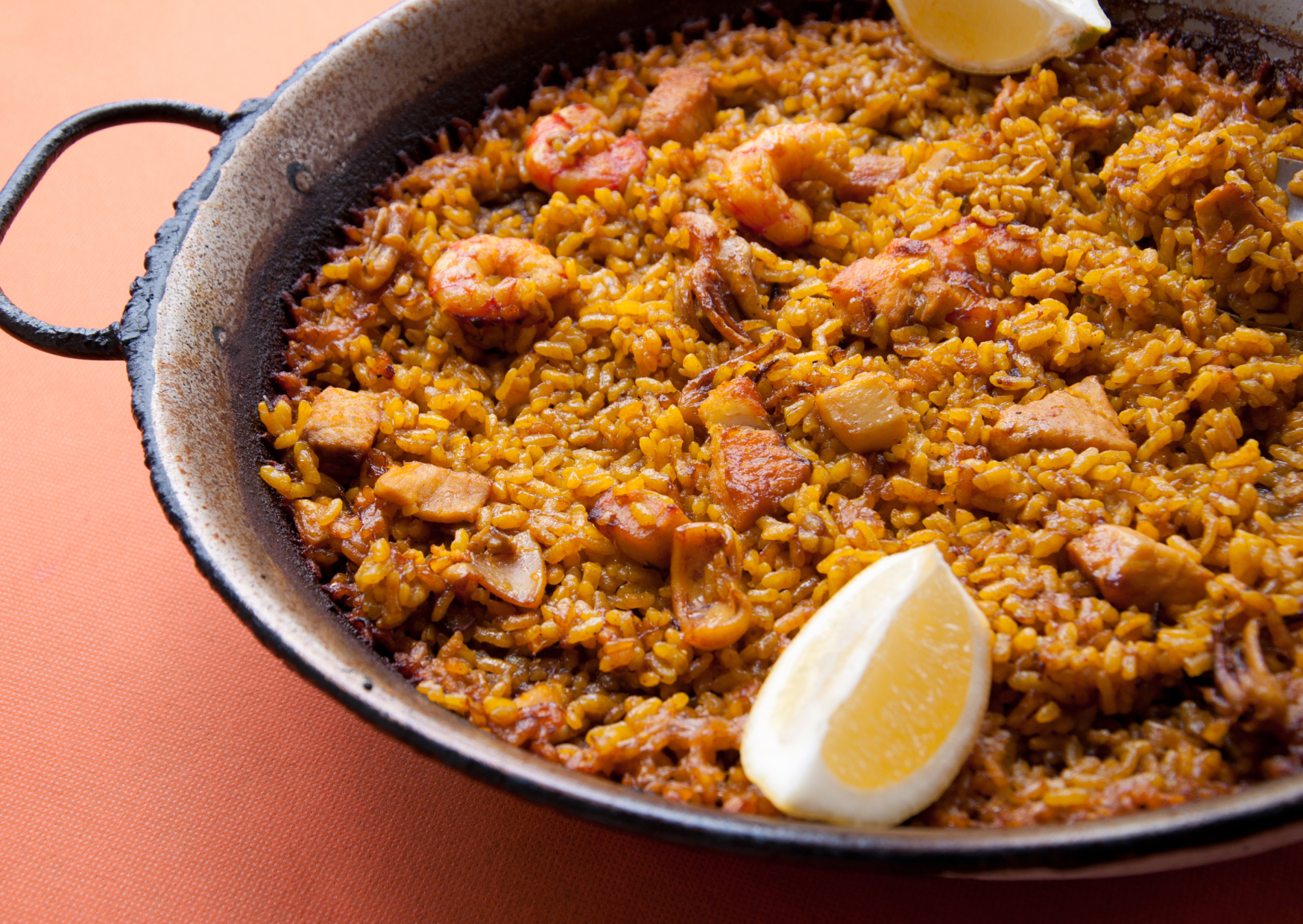
Many “paellas” are mass-produced, reheated, or missing that all-important socarrat (crispy rice bottom).
Eat This Instead: Fideuà or arroz negro
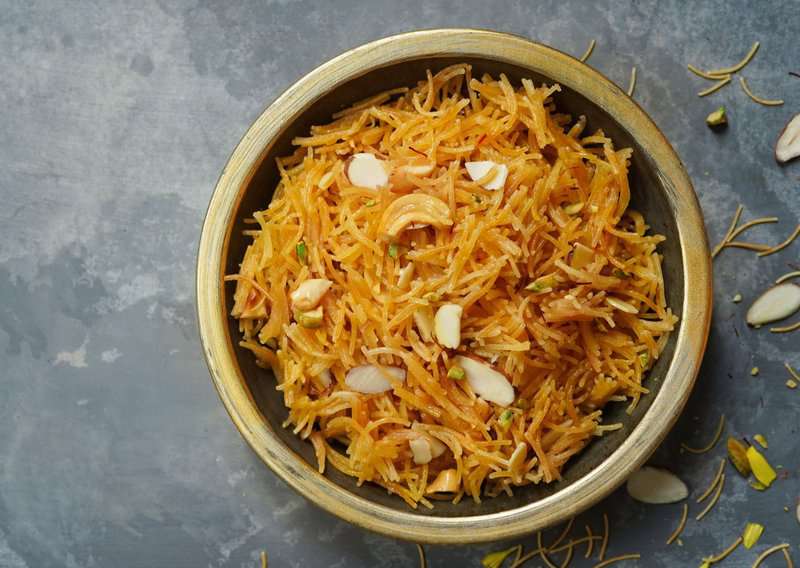
Regional rice dishes with seafood or squid ink are where the real magic is. Always ask locals where they go for rice.
Overrated: General Tso’s Chicken
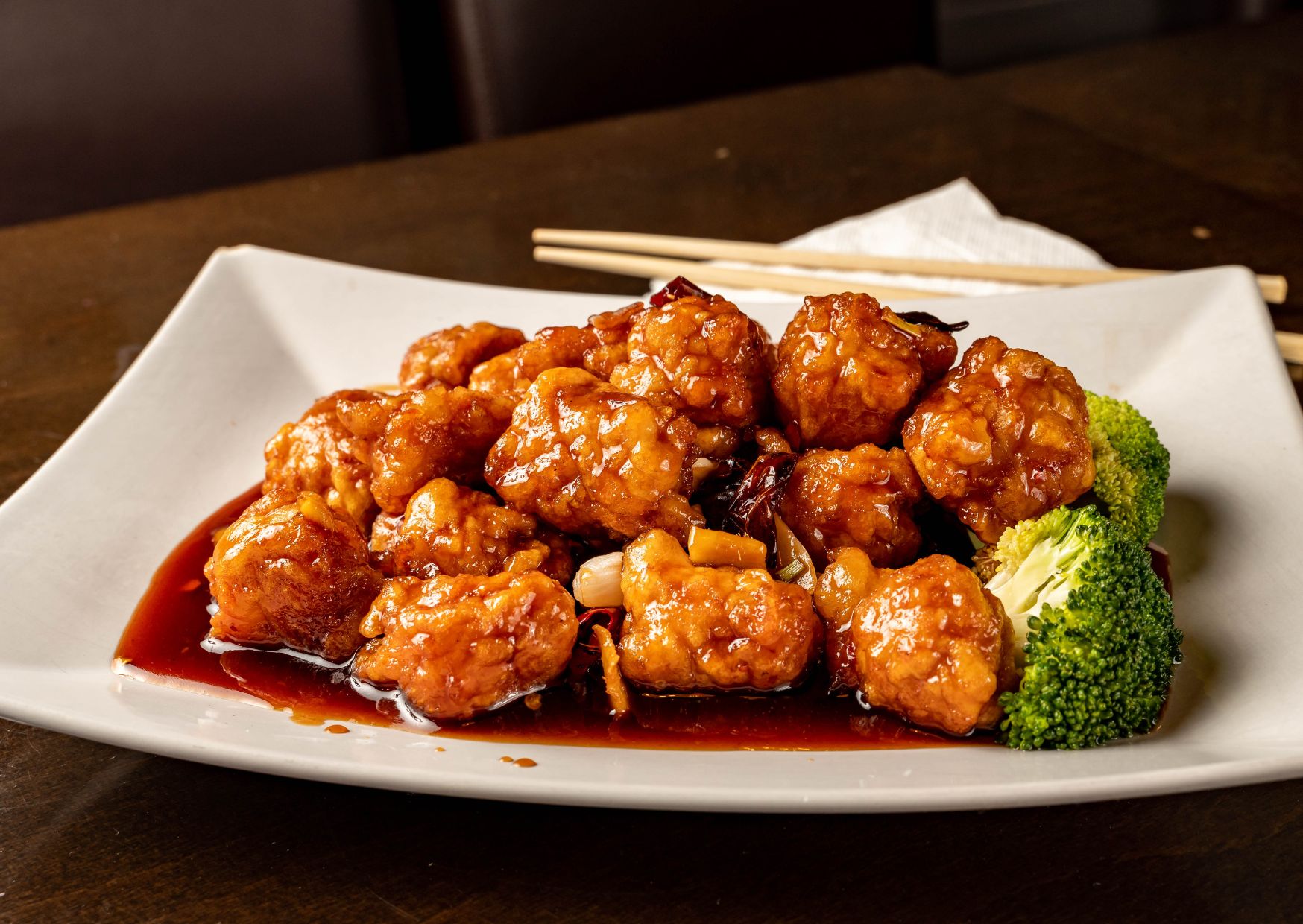
Not Chinese. Not subtle. And usually deep-fried sugar.
Eat This Instead: Mapo tofu, Peking duck, or dan dan noodles
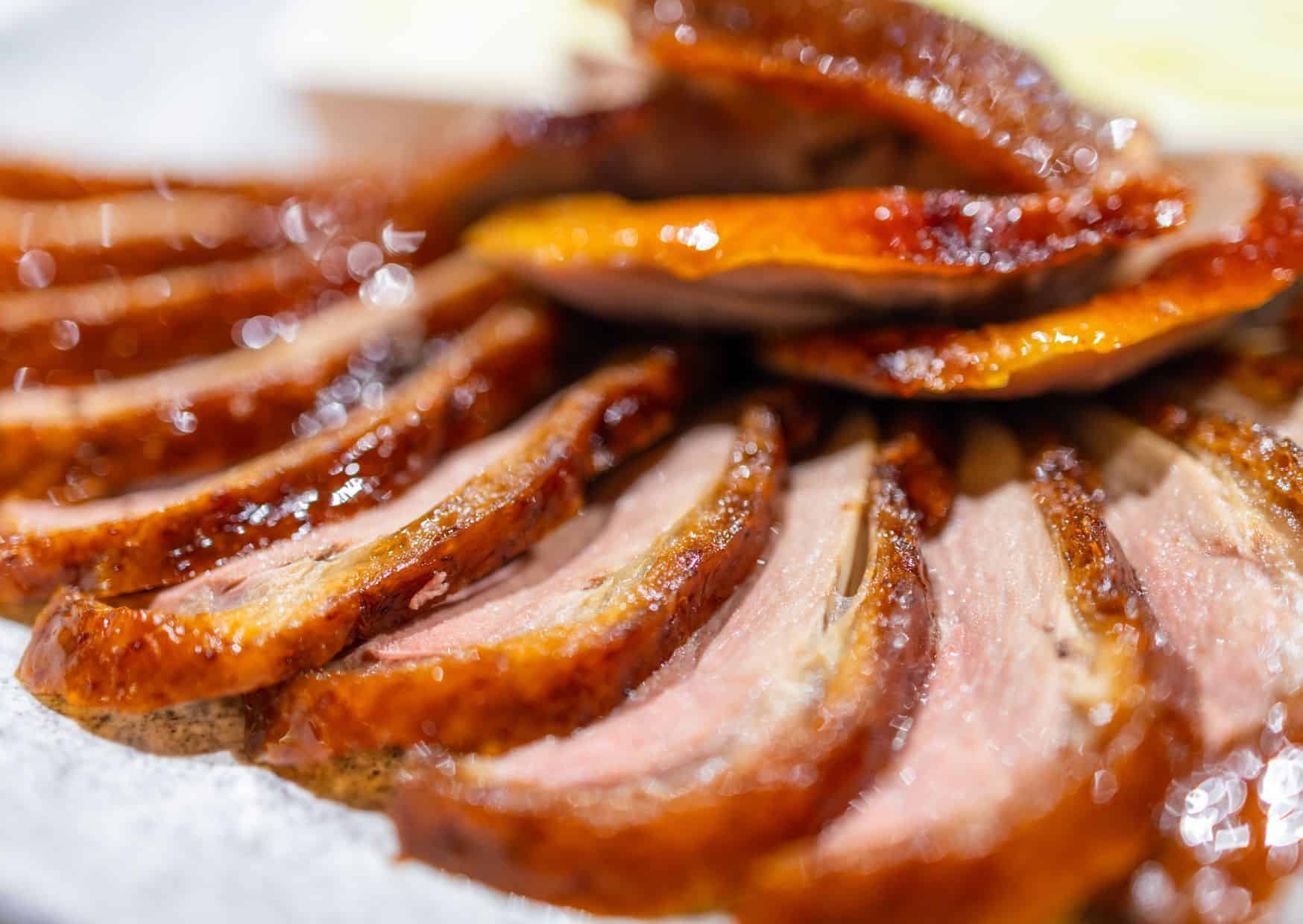
Explore the regions of China through food—each one is a flavor universe.
Overrated: Chicken Tikka Masala
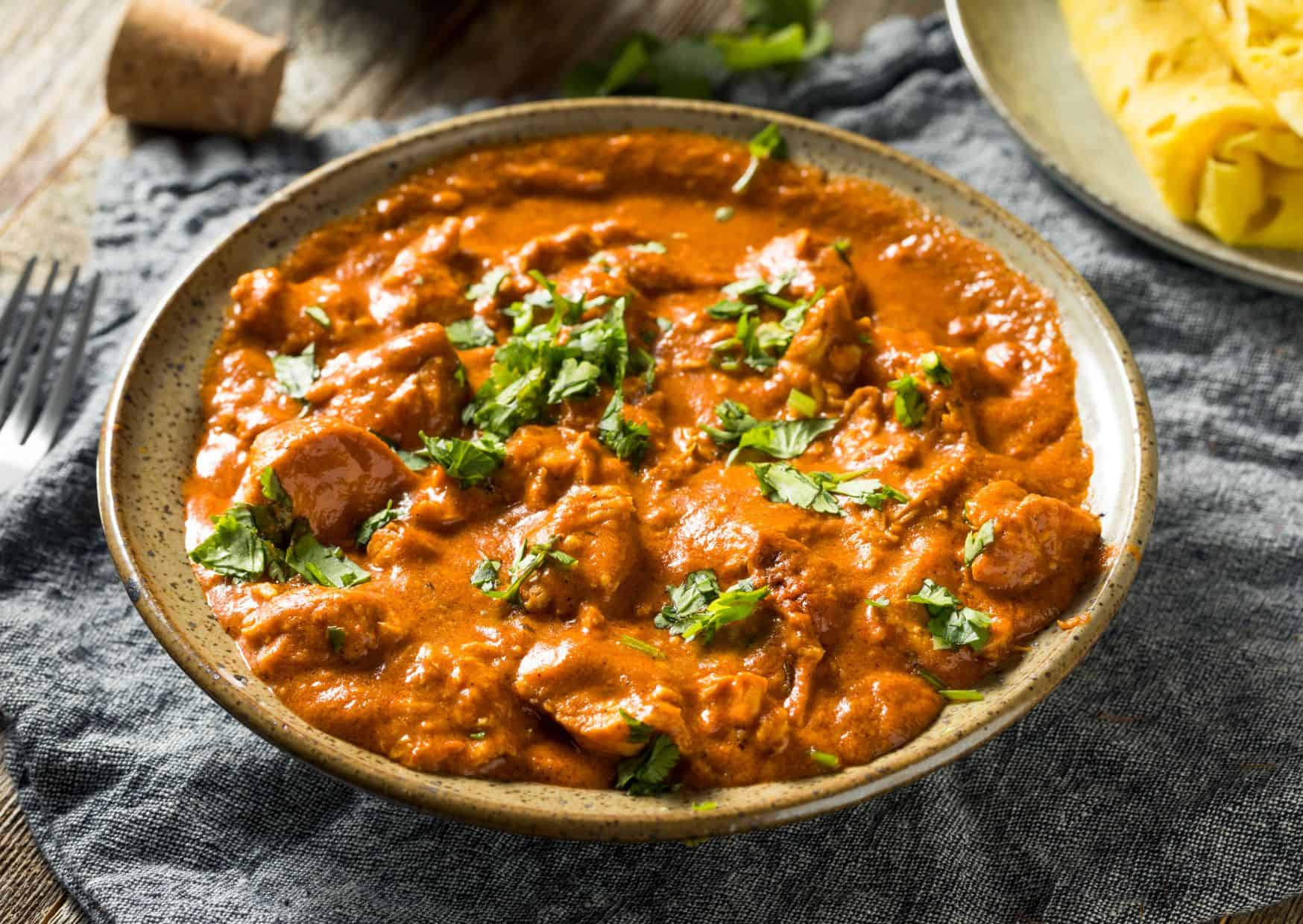
It’s delicious, but it’s British—not a traditional Indian dish.
Eat This Instead: Butter chicken, masala dosa, or thali
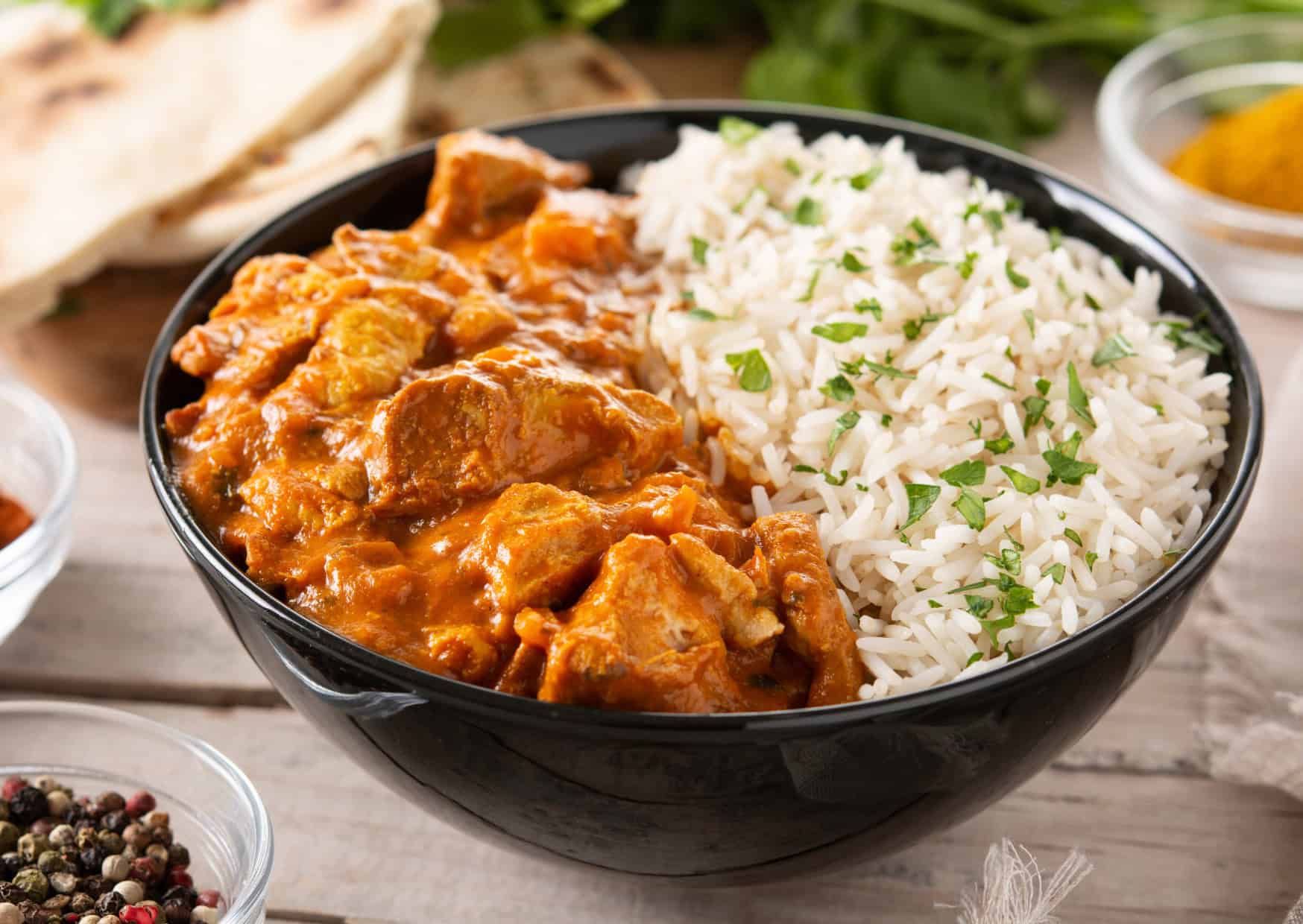
Go regional: India’s diversity shines through its food, from South Indian spice to Punjabi richness.
Why You Should
One reason you should explore this topic is that it immediately captures the curiosity of travelers. Many people spend hours researching what foods they “must” try in a new destination, often guided by social media, travel blogs, and viral videos. But not every famous dish lives up to its reputation. An article about overrated travel foods invites readers to rethink those expectations and discover better alternatives that may be less obvious but more authentic.
You should also cover this subject because it highlights the difference between tourist culture and local food traditions. Popular dishes often become famous because they are easy to market to visitors, not necessarily because they represent the best of a country’s cuisine. By pointing out these differences, the article can help travelers look beyond the most photographed meals and seek out what locals actually enjoy eating.
Another reason to address this topic is that it encourages more thoughtful travel experiences. Food is one of the most memorable parts of visiting a new place, but relying only on famous dishes can limit that experience. Suggesting alternatives helps readers broaden their culinary horizons and explore flavors that may be more authentic, seasonal, or culturally meaningful.
You should also consider that this type of article sparks conversation and debate. People often have strong opinions about food, especially when it involves national specialties or beloved street foods. Presenting the idea that some famous dishes may be overrated naturally invites discussion and encourages readers to share their own experiences and recommendations.
Finally, the topic is valuable because it promotes curiosity and exploration. Instead of simply criticizing well-known dishes, the article can guide readers toward hidden gems that might otherwise be overlooked. This approach helps travelers move beyond checklists and develop a deeper appreciation for regional cooking traditions.
Why You Shouldn’t
At the same time, you should be careful not to dismiss cultural dishes too easily. Foods that travelers might consider overrated often carry deep historical or cultural significance for the people who created them. Labeling them as disappointing without context may unintentionally disrespect the traditions behind them. A thoughtful approach should recognize that popularity does not erase cultural value.
You should also avoid assuming that a single experience represents the quality of a dish everywhere. Many famous foods vary widely depending on where and how they are prepared. A poorly made version in a tourist-heavy restaurant might give the impression that a dish is overrated, when in reality the authentic version prepared by locals can be exceptional.
Another reason to approach the topic cautiously is that personal taste plays a major role in how people experience food. What one traveler finds disappointing might be unforgettable for someone else. Presenting opinions as universal truths can make the article feel overly subjective and less credible.
You should also consider that popular foods often become famous for good reasons. Many dishes gain international attention because they represent unique flavors, cooking techniques, or cultural identity. Dismissing them too quickly could overlook the role they play in introducing people to new cuisines.
Finally, you should avoid framing the topic as if travelers are making mistakes simply by trying famous dishes. Iconic foods are often an enjoyable and meaningful part of visiting a place for the first time. The most balanced approach is not to discourage trying them, but to encourage travelers to go beyond them and discover additional flavors that reveal a fuller picture of the local cuisine.
Final Thoughts
Traveling exposes you to incredible new flavors, but it also makes you vulnerable to tourist traps and overhyped dishes that don’t reflect the real cuisine. Many travelers end up eating the same overpriced, watered-down foods simply because they appear on every guidebook list. The truth is, some of the world’s “must-try” dishes became famous not because they’re the best, but because they’re easy for tourists to recognize.
The best meals often come from stepping beyond the obvious. Local favorites rarely appear on glossy menus, and they aren’t always wrapped in a marketing story. They’re comfort dishes families make at home, quick lunches workers grab on breaks, and specialties tucked inside small restaurants that don’t rely on tourists to survive. When you travel with curiosity instead of a checklist, you open the door to flavors you would’ve otherwise missed.
In the end, discovering what to skip is just as valuable as knowing what to seek out. Travel becomes richer when you explore with intention rather than habit. Knowing which foods are overrated helps you spend your time and money on dishes that truly tell the story of a place ones you’ll remember long after the trip is over.

About the Author: Ruben, co-founder of Gamintraveler.com since 2014, is a seasoned traveler from Spain who has explored over 100 countries since 2009. Known for his extensive travel adventures across South America, Europe, the US, Australia, New Zealand, Asia, and Africa, Ruben combines his passion for adventurous yet sustainable living with his love for cycling, highlighted by his remarkable 5-month bicycle journey from Spain to Norway. He currently resides in Spain, where he continues sharing his travel experiences with his partner, Rachel, and their son, Han.